



For generations, many older adults grew up hearing that once you reached a certain age, you should “take it easy.”
Exercise, they were told, was for the young — the strong, the flexible, the fast. Somewhere along the way, this well-meaning advice became a sort of cultural truth: that working out could be dangerous, unnecessary, or even harmful for older bodies.
It’s easy to understand how this belief took root. Decades ago, medical science didn’t have the wealth of research we have today about how aging bodies respond to physical activity. Doctors often encouraged rest, not resistance training.
People saw their grandparents slow down in their later years and assumed that aging naturally meant weakness or fragility. The idea was simple — if your joints hurt, don’t move them; if your heart is weaker, don’t strain it. Better safe than sorry, right?
But as time went on, science began to tell a different story. Researchers started studying seniors who stayed active — walking, swimming, lifting light weights — and the results were eye-opening.
Those who moved more didn’t wear out faster; they actually thrived. Their muscles stayed stronger, their balance improved, and their risk of falls dropped. Their hearts grew more efficient. Even their moods lifted. Slowly but surely, the “rest and take it easy” myth began to unravel.
Today, we know that avoiding exercise can actually speed up the aging process. Muscles naturally shrink with inactivity. Joints stiffen. Energy levels dip. It’s not age alone doing the damage — it’s the lack of movement that often makes people feel “old.”
COMMON MYTHS OLDER ADULTS STILL HEAR (AND WHY THEY’RE WRONG)
Myth 1: “Exercise is too dangerous at my age.”
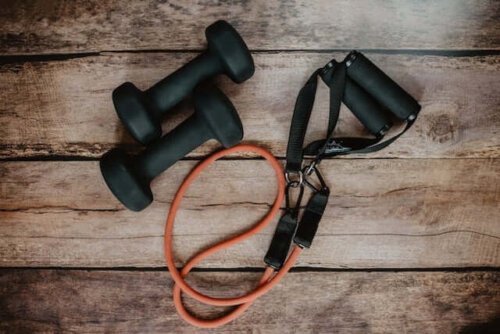
In reality, most exercises can be adapted for safety. Low-impact activities like walking, yoga, or strength training with resistance bands can improve mobility without strain. In fact, not exercising can make you more prone to injuries because weak muscles and poor balance increase fall risk.
Myth 2: “It’s too late to start.”
Research has shown that even people in their 80s and 90s can build strength, improve endurance, and boost bone density with regular movement. The body never stops responding to exercise — it’s never too late to start feeling stronger.
Myth 3: “I’ll just get sore and tired.”
Some mild soreness can happen when you start something new, but it’s a sign that your body is adapting. Over time, regular exercise actually gives you energy, helps you sleep better, and reduces aches and pains.
WHY EXERCISE MATTERS MORE THAN EVER
It protects your independence.
Strong muscles and good balance mean you can keep doing the things you love — from gardening to playing with grandkids — without relying on help.
It keeps your brain sharp.
Physical activity boosts blood flow to the brain, which improves memory, focus, and even helps reduce the risk of dementia.
It strengthens your heart and bones.
Cardio and strength exercises help control blood pressure, manage weight, and maintain bone density — all vital for aging well.
It improves mood and confidence.
Exercise releases endorphins, natural mood boosters that help ease anxiety and depression. It also builds a sense of accomplishment and control over your health.
It helps you age actively, not passively.
Movement keeps you engaged with life — socially, mentally, and physically. Whether it’s a dance class, a walk with friends, or light weights in the living room, it reminds you that aging doesn’t mean slowing down — it means moving forward with purpose.
The old myths about exercise and aging came from a time when we didn’t know any better. But now we do. Staying active isn’t about defying age — it’s about embracing it fully, with strength, grace, and vitality. The best time to start moving is always now.
Even though most older adults today do know that exercise is good for them, a lot of them still struggle to actually do it. The reasons run deeper than simple motivation; they often involve a mix of physical, emotional, and cultural factors that have built up over time.
“KNOWING ISN’T ALWAYS DOING”
It’s true — awareness doesn’t always lead to action. Many older adults know exercise can help them live longer, feel better, and stay independent, but that knowledge doesn’t automatically translate into getting up and moving. For a lot of people, there’s a wall between knowing what’s good for them and feeling able or inspired to do it.
Fear is still a big factor.
Even though myths have been largely debunked, the fear they planted remains. Many older people worry about falling, pulling a muscle, or having a heart issue while exercising. If someone’s already had an injury or health scare, that fear can feel even stronger. They may think, “What if I get hurt and can’t recover?” That hesitation can quietly keep them on the sidelines.
Old habits die hard.
For decades, older generations were told that slowing down was normal — even smart. That message shaped how they saw aging. So, if someone spent most of their adult life not being active, starting now can feel foreign or even intimidating. It’s not just a new habit — it’s an identity shift.
Physical limitations or pain.
Arthritis, joint stiffness, chronic pain, or fatigue can make exercise feel like a mountain to climb. The irony is that gentle movement often helps relieve these conditions, but when your knees ache or your back feels tight, the idea of exercise can seem out of reach.
Lack of guidance or confidence.
Some people simply don’t know where to begin. Walking into a gym can be intimidating, especially when surrounded by younger, faster-moving people. Others might not realize how many low-impact options exist — like water aerobics, tai chi, or chair-based workouts. Without clear, welcoming direction, it’s easy to give up before even starting.
Emotional and social barriers.
Loneliness and depression can sap motivation. For some, the loss of a spouse, retirement, or reduced social circles can lead to isolation. Without encouragement or companionship, exercising alone may not feel enjoyable. That’s why group classes or walking clubs can make such a difference — they bring the fun and social energy back into movement.
The “what’s the point?” mindset.
This one runs deep. Some older adults think, “I’ve made it this far — why start now?” or “It won’t make a difference at my age.” But studies show that even short-term activity can boost energy, reduce illness risk, and improve mental health — no matter how old you are. The challenge is helping people see that it’s not too late to benefit.
WHAT OFTEN HELPS BREAK THE CYCLE
Many older adults who finally embrace exercise often do so because of something simple — a turning point. Maybe a doctor encouraged it after a health scare, or a friend invited them to a class. Sometimes it’s a grandchild saying, “Come play outside!” And once they start, even gently, they usually feel the benefits — better sleep, less pain, more energy — and that’s what keeps them going.
What’s interesting is that when older people find a form of movement that’s enjoyable rather than intimidating — like dancing, swimming, walking, or gardening — it stops feeling like “exercise” and starts feeling like living again.
Most older adults don’t skip exercise out of laziness or disbelief — they do it out of habit, fear, or not knowing where to start. The good news is, once those barriers come down, the transformation can be remarkable.
HOW OLDER ADULTS CAN OVERCOME THOSE BARRIERS AND ACTUALLY GET STARTED
“BREAKING THROUGH THE BARRIERS”
The hardest part of any fitness journey, no matter the age, is often the beginning. For older adults, the starting point can feel even steeper because of fear, uncertainty, or physical discomfort. But the key is to start where you are, not where you used to be — and to remember that consistency matters far more than intensity.
Start small and stay steady.
You don’t need to dive into long workouts or fancy equipment. The best way to start is simply to move more throughout the day. A ten-minute walk after breakfast, light stretches in the living room, or a few minutes of balance practice while brushing your teeth — these all count. Over time, small efforts add up and help build confidence.
Find movement that feels good.
Exercise doesn’t have to mean lifting weights or running laps. It can mean gardening, dancing, playing with grandchildren, or joining a gentle yoga class. When the movement feels enjoyable, it stops being a chore. The goal isn’t punishment — it’s participation in life.
Seek proper guidance.
For anyone unsure where to start, a doctor, physical therapist, or certified trainer who specializes in older adults can help design a safe plan. Many community centers and gyms offer senior fitness programs that focus on strength, flexibility, and balance — the very things that help keep people independent and injury-free.
Focus on progress, not perfection.
Older adults often compare their current ability to what they could do decades ago. But every age brings its own kind of strength. The goal isn’t to be who you were at 30 — it’s to be the healthiest, strongest version of who you are now. Even small improvements in stamina, strength, or balance are victories worth celebrating.
Make it social.
Exercising with others brings motivation and accountability — plus it makes it fun. Walking with a neighbor, joining a dance or tai chi class, or taking part in community fitness events can turn exercise into a social highlight of the week instead of a solitary task. Many older adults say the friendships they form while staying active are just as rewarding as the exercise itself.
Listen to your body — and reward it.
It’s important to pay attention to signals like pain, fatigue, or stiffness, but it’s equally important to notice the good ones: better sleep, easier movement, improved mood. Reward yourself for small wins — maybe with a relaxing bath, a new book, or a healthy meal — to reinforce the positive feelings that come with progress.
“THE MINDSET SHIFT THAT CHANGES EVERYTHING”
The most powerful change often happens in mindset. Exercise should never feel like an obligation; it’s an act of self-care and gratitude for the body you still have. Instead of thinking, “I have to work out,” think, “I get to move today.” That simple shift can turn exercise into something you look forward to rather than something to endure.
When older adults begin to feel stronger, walk farther, and move with less pain, something else happens too — a spark returns. Confidence builds. Life feels fuller. Many say they wish they’d started sooner, not because they regret the past, but because they’re amazed at how good they feel now.
Starting to exercise later in life isn’t about chasing youth; it’s about protecting freedom — the freedom to live on your own terms, to stay active in your community, and to enjoy the things that make life meaningful. Movement is one of the simplest, most powerful ways to keep that freedom alive.
When older adults finally start exercising or working out later in life, what they often say about the experience is remarkably uplifting. Their words and reflections usually carry a mix of surprise, pride, and renewed hope
“I Feel Alive Again.”
One of the first things older adults often say after starting to exercise is that they feel like they’ve come back to life. It’s not just about getting stronger or moving better — it’s about rediscovering vitality. Many talk about waking up in the morning with more energy, moving more freely throughout the day, and sleeping more soundly at night. They realize that what they once thought was “just old age” was often the result of years of inactivity. Once they start moving again, they feel a spark that had been missing.
“My pain isn’t as bad as I thought.”
This one surprises many people. Those who suffer from joint stiffness or mild arthritis often say they used to avoid movement because they were afraid it would make things worse. But after a few weeks of gentle stretching, walking, or strength work, they notice less pain and more flexibility. They start to see that motion really is lotion — the more they move, the better their bodies feel.
“I can do things I didn’t think I could do anymore.”
This realization hits hard — and beautifully. Older adults often find themselves suddenly able to do everyday things again: walking upstairs without holding the railing, playing with grandchildren without getting winded, gardening longer, or carrying groceries with ease. For some, it’s being able to get up from the floor on their own for the first time in years. Those moments feel like quiet victories, reminders that their bodies are still capable of more than they believed.
“My mood has completely changed.”
Many older adults who begin exercising notice they feel happier and more optimistic. They often say that the fog of sadness, anxiety, or low motivation begins to lift. Movement boosts endorphins and gives structure to the day, but it also builds a sense of accomplishment. They see themselves growing stronger and that sense of progress spills over into how they feel about life in general.
“I feel younger — not in years, but in spirit.”
Over and over, older people describe feeling younger once they get moving. It’s not about erasing years, but about reclaiming their sense of youthfulness and possibility. They start walking taller, smiling more, and reconnecting with things they thought were behind them. For many, it’s like getting back a piece of themselves they thought was gone.
“I wish I’d started sooner.”
Almost every older adult who embraces exercise later in life says this at some point. Once they experience how much better they feel, they often regret believing the old myths that kept them from moving for so long. But this regret is usually paired with gratitude — gratitude that they finally took the step, that it’s not too late, and that they can still enjoy the rewards of an active life.
“It’s not about looks — it’s about life.”
Younger people often exercise for appearance, but older adults tend to see it differently. They say things like, “I’m not trying to get a six-pack — I just want to stay strong enough to live independently and enjoy life.” For them, fitness becomes about freedom, not vanity. Every walk, stretch, or light workout is an investment in continuing to live the life they love.
“It gave me back my confidence.”
Perhaps the most powerful thing older adults say is that exercise restores their confidence — in their body, their balance, and their overall outlook. When they realize they can move safely and effectively, that fear of falling or “getting too old for things” begins to fade. They start believing in themselves again, not as fragile or slowing down, but as capable and resilient.
Here are some real quotes, study findings, and testimonials from older adults who did begin exercising later in life — what they said, felt, and how their lives changed.
STUDY QUOTES & INTERVIEWS
From a 2019 qualitative study of older adults who took up both mindfulness and exercise: BioMed Central
“I learned that having some exercises are beneficial for mobility. Items that help me get out of the chair, get off the floor, and move around.” BioMed Central
“The trainers were very helpful in making small corrections to our form. We have lived in these bodies for a long time. I learned that when I was doing things I was doing something a little wrong that made a difference.” BioMed Central
“Very reassuring, I have been feeling terrified about what is going on with me. I thought I had Alzheimer’s … This has made me calm down and realize that there are many more things to focus on in life.” BioMed Central
From “Ageing and Exercise: Building Body Capital in Old Age” (European study): BioMed Central
Older adults spoke about “building body capital for independence,” meaning they saw strength and mobility as investments so they could keep doing everyday tasks on their own. BioMed Central
They also described how exercising gave them confidence that they could still count on their own bodies — to go outside, maintain balance, recover from small setbacks. BioMed Central
From “Testimonials | On The Move” (a more practical/program-based setting): onthemove.pitt.edu
“In the spring I would walk in the gardens, walk a bit, and sit down, and walk some more. Now I am capable of going the full distance. In the exercise program… you start walking all the different patterns… almost 45 minutes, and I found I could do that, I don’t have to sit down, I can keep on going.” onthemove.pitt.edu
“I am 84 now, and it has helped me in my older age to keep moving.” onthemove.pitt.edu
TESTIMONIALS & MORE PERSONAL STORIES
From user-testimonials tied to exercise/stretching programs (such as Classical Stretch / Essentrics): Essentrics
“I am now 72 years old … I look forward to staying fit for many more years, thanks to Classical Stretch.” Essentrics
“At 80 years of age, I can tell you that I find these exercises easy to follow and they make me feel so young. My body is already responding … free of pain … feel younger, stronger … more alive, both physically and mentally.” Essentrics
From “StrongPeople Program” testimonials: strongpeopleprogram.org
“Adelina started strength training at 62 … it has done wonders for me. The strength training, cardio exercises, and lifestyle change have done wonders — all of these things keep my blood sugar levels next to normal.” strongpeopleprogram.org
THEMES THAT COME UP OVER & OVER
Reading through these, several common threads emerge in what older people say happens when they finally begin:
Improved mobility & ability in daily life.
People often mention they can do things they hadn’t done in a while — standing up more easily, walking without stopping, getting out of chairs, being more independent.
Less pain, more flexibility.
Stiff joints, aches, pains — many report that these lessen. Stretching and moving regularly bring noticeable improvement in how their body feels.
Stronger, more confidence & mental well-being.
It’s not just the body. Many talk about feeling more alive, less anxious, more in control. Exercising helps confidence, self-respect, and mental clarity.
More energy, better mood, better sleep.
Feeling refreshed, less tired, sleeping more deeply — these crop up a lot. Exercise seems to ripple out into other parts of life.
Regret + gratitude.
It’s common to hear someone say, “I wish I’d started sooner.” But they also feel deep gratitude that now they’re doing something that helps, even if it’s “later than ideal.”
Sense of community or social connection.
In programs where people exercise together or have instructors who correct them kindly, they often also say how much the social part matters — the encouragement, the shared experience, not feeling alone.
The story about older adults and exercise isn’t one of decline — it’s one of rediscovery. For many, movement becomes a second chance at life, a way to reconnect with their bodies and their sense of independence.
The old myths about aging and fitness may have kept previous generations from moving freely, but today’s older adults are rewriting that story. They’re proving that age doesn’t have to mean limitation — it can mean strength, wisdom, and renewed energy.
What’s most inspiring is how often people describe not just physical improvement, but a change in how they feel about life itself. The energy returns, the confidence comes back, and with it, a sense of hope.
Exercise stops being something to fear or avoid and becomes something to look forward to — a daily reminder that you’re still capable, still strong, and still growing. That’s why so many say they wish they had started sooner; they didn’t realize how much better life could feel once they began moving again.
Science can explain the physical benefits — stronger muscles, better balance, sharper thinking — but it can’t fully capture the joy people express when they find that spark again. It’s in their voices when they say, “I feel alive again.” It’s in the smile of someone who walks farther than they thought possible or stands taller after years of slouching. These small moments add up to something far greater: a return of vitality and purpose.
So, the next time someone says they’re “too old to start,” remember all those who did start — in their sixties, seventies, eighties, and beyond — and discovered that movement is not just exercise; it’s freedom. It’s the simple act of choosing to live fully, to honor the body you have, and to keep reaching for the best version of yourself at any age. The truth is, you don’t stop moving because you grow old; you grow old because you stop moving. And it’s never too late to start again.
Where to Find More Information
IF YOU OR SOMEONE YOU KNOW IS INTERESTED IN LEARNING MORE ABOUT EXERCISE AND FITNESS FOR OLDER ADULTS, THERE ARE MANY TRUSTWORTHY AND SUPPORTIVE RESOURCES AVAILABLE:
- National Institute on Aging (NIA) – Offers a complete Go4Life exercise guide, videos, and safety tips specifically designed for older adults.
Website: www.nia.nih.gov/health/exercise-physical-activity - Centers for Disease Control and Prevention (CDC) – Provides research-backed guidance on how much activity older adults need and how to get started safely.
Website: www.cdc.gov/physicalactivity/basics/older_adults - SilverSneakers – A well-known fitness program available through many Medicare plans that connects seniors with local gyms, online workouts, and supportive communities.
Website: www.silversneakers.com - StrongPeople Program – Focuses on evidence-based strength training and nutrition education for midlife and older adults, emphasizing community and accessibility.
Website: www.strongpeopleprogram.org - Essentrics / Classical Stretch – Gentle, mobility-centered workouts designed for people of all ages that help improve flexibility, posture, and overall vitality.
Website: www.essentrics.com
These sites not only offer helpful information but also encouragement — proof that no matter your age, your body and mind can grow stronger, steadier, and more capable with movement.