


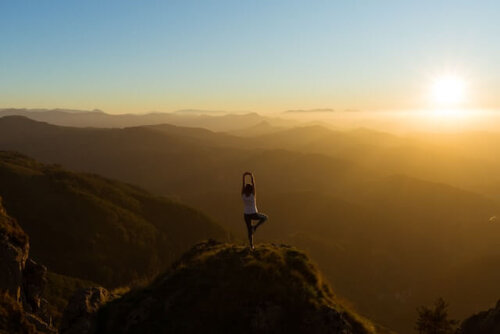
Solo camping and solo hiking are exactly what they sound like: spending time outdoors alone, moving through trails or setting up camp without companions. Yet beneath that simple definition is a rich blend of history, psychology, self-reliance, and a growing modern appeal that explains why more people are talking about it today.
At its core, solo hiking is the act of walking or backpacking through nature alone, often for a few hours or several days. Solo camping extends that experience into overnight or multi-day stays, where one person is responsible for navigation, shelter, food, safety, and decision-making.
Without conversation or group dynamics, the experience becomes quieter, more inward-focused, and often more intense in both challenge and reward.
ORIGINS AND EARLY HISTORY
Humans have walked alone in nature for as long as humans have existed. Long before hiking was recreational, solitary travel was a necessity. Hunters, messengers, scouts, shepherds, and explorers regularly moved through wild landscapes alone.
Survival demanded awareness, patience, and self-trust—qualities that still define solo outdoor travel today.
In a more philosophical sense, solo time in nature has deep roots in spiritual and cultural traditions. Indigenous cultures across the world practiced solitary vision quests, where individuals spent time alone in nature for reflection, guidance, and personal growth.
In ancient religious traditions, prophets, monks, and mystics often retreated into wilderness or deserts alone to seek clarity and discipline.
As outdoor recreation emerged in the 18th and 19th centuries, particularly in Europe and North America, solo hiking gained a new identity. Romantic-era thinkers like Henry David Thoreau championed solitude in nature as a path to self-knowledge and simplicity.


Early mountaineers and explorers often traveled alone or with minimal support, and solo ascents became symbols of mastery, courage, and independence.
THE EVOLUTION INTO A MODERN PRACTICE
By the mid-20th century, hiking and camping became more social and family-oriented. National parks, organized trail systems, and group outings made the outdoors more accessible.
For a time, solo camping was often seen as extreme or risky, something reserved for hardened survivalists or elite adventurers.


That perception has changed significantly. Modern gear is lighter, safer, and more reliable. GPS, detailed trail maps, emergency beacons, and weather forecasting have reduced many unknowns. While risk still exists, solo travel no longer feels as inaccessible or reckless as it once did.
At the same time, society itself has shifted. Many people now live in crowded, noisy, always-connected environments. The desire to unplug, think clearly, and experience silence has grown stronger. Solo hiking and camping offer something increasingly rare: uninterrupted time with one’s own thoughts, without performance, comparison, or distraction.
WHY YOU’RE HEARING MORE ABOUT IT IN RECENT YEARS
Several cultural and practical factors have brought solo outdoor experiences into the spotlight.
First, mental, and emotional well-being are discussed far more openly than in the past. People are actively seeking ways to reduce stress, anxiety, and burnout. Solo time in nature has been shown to calm the nervous system, sharpen focus, and foster emotional resilience. Many discover that walking alone through a forest or sitting quietly at camp does more for their clarity than any digital tool.


Second, there has been a renewed appreciation for self-reliance. Economic uncertainty, global disruptions, and a general sense that systems are fragile have nudged people toward skills that build confidence and independence. Solo camping and hiking naturally cultivate problem-solving, preparedness, and trust in one’s abilities.
Third, social media and modern storytelling have played a role, even though solo hiking is often about escaping screens. Thoughtful blogs, documentaries, and trail journals have highlighted solo journeys not as feats of bravado, but as meaningful personal experiences. Stories tend to emphasize growth, humility, and simplicity rather than conquest.
Finally, people are redefining adventure. Adventure no longer has to mean extreme risk or constant adrenaline. For many, adventure now means depth over drama—walking alone at sunrise, making decisions without consensus, and discovering what they think and feel when no one else is around.
WHAT TRULY DEFINES SOLO HIKING AND CAMPING
More than anything, solo outdoor travel is about presence. Without companions, the pace becomes your own. You stop when something catches your eye, change plans without negotiation, and learn to listen more closely to your environment and your instincts.
It also reveals patterns of thought that are often hidden in daily life. Some people discover restlessness; others find calm they didn’t know they were missing. Over time, many come to appreciate the balance it creates—independence paired with humility, confidence paired with respect for nature.
Solo camping and hiking are not about isolation from others in a negative sense. Rather, they are about reconnecting with oneself and the natural world in a way that modern life rarely allows. That timeless appeal, combined with today’s cultural shifts, is why these practices feel both ancient and newly relevant at the same time.
PEOPLE USUALLY DON’T DECIDE TO TRY SOLO HIKING OR SOLO CAMPING ALL AT ONCE
It’s more often a gradual realization, shaped by personality, life circumstances, and small experiences outdoors that spark curiosity. There are several common ways people come to feel that it might be for them.
One of the first indicators is how a person relates to solitude in everyday life. People who enjoy quiet moments, reflection, or doing things independently often find themselves drawn to the idea.
This doesn’t mean they dislike others. In fact, many solo hikers and campers are very social people. They simply notice that time alone helps them think more clearly, recharge, or feel grounded.
Another deciding factor is how someone responds to nature itself. Some people feel most alive when they’re outside, even in simple settings like a local trail or park.
If walking alone on a quiet trail feels calming rather than uncomfortable, that’s often a strong signal. Many people test this instinct by hiking alone for an hour or two close to home before ever considering an overnight trip.
Confidence in basic outdoor skills also plays a role. People don’t need to be experts, but they often ask themselves practical questions: Can I navigate a trail? Am I comfortable setting up a tent or managing simple gear? Do I stay calm when things don’t go exactly as planned? Those who enjoy learning skills and solving small problems tend to see solo trips as challenges rather than threats.
Safety awareness, not fearlessness, is another key factor. People who are suited to solo hiking and camping tend to respect risk rather than dismiss it. They like planning routes, checking weather, telling someone their itinerary, and carrying emergency gear. If preparation feels reassuring rather than burdensome, solo travel becomes more appealing.
Many people also reach a point in life where they want autonomy. Coordinating schedules, compromising on pace, or adjusting plans for a group can sometimes feel draining. Solo trips allow total flexibility. People who value moving at their own rhythm—stopping often, starting early, or changing plans mid-trip—often realize that solo travel fits them better than they expected.
Trying it usually starts small and low-pressure. A common first step is a solo day hike on a familiar trail during a busy season when other hikers are around. This provides independence without isolation. From there, people might try camping alone at a developed campground before moving on to more remote settings.
Listening to emotional responses is crucial. After a short solo outing, people reflect honestly. Did they feel anxious the entire time, or did the anxiety fade? Did the quiet feel heavy or refreshing? Did they feel more present and capable afterward? These reactions often provide clearer answers than any checklist.
It’s also common for people to be drawn to solo hiking or camping during periods of transition. Times of stress, grief, decision-making, or personal growth can create a desire for space and perspective. Nature offers a neutral environment where thoughts can settle without interruption.
Ultimately, people decide solo hiking or camping may be for them when curiosity outweighs fear, and when the idea of self-reliance feels empowering rather than overwhelming. Giving it a try doesn’t require commitment or extremes. For most, it begins with a single quiet walk, followed by the realization that being alone outdoors feels not lonely, but deeply human.
Preparing for a solo hike or solo camping trip tends to be more intentional than preparing for a group outing. When you’re alone, every decision and responsibility rests with you, so preparation becomes part of the experience rather than a chore. Most people approach it in layers, building confidence step by step.
The first layer is mental preparation. People spend time thinking honestly about why they want to go alone and what they hope to get from it. They imagine being quiet for long stretches, handling small problems without help, and making decisions independently.
Many experienced solo hikers will say that mental readiness matters just as much as physical fitness. If someone can stay calm, patient, and adaptable, they are already well on their way.
Next comes route and location planning. People choose places that match their current skill level. For a first solo hike, this usually means a familiar trail, a well-marked route, or an area with regular foot traffic.
For solo camping, many start at established campgrounds or backcountry sites that require permits and have clear regulations. Distance, elevation, water availability, and exit options are all carefully considered.
Safety planning is central to solo preparation. People check weather forecasts in detail, not just for the day but for the full duration of the trip. They let at least one trusted person know exactly where they’re going, when they plan to return, and when to expect a check-in.
Many carry a paper map even if they use GPS, understanding that electronics can fail. Emergency communication devices, such as personal locator beacons, are increasingly common for solo travelers.
Gear selection is done thoughtfully and often conservatively. Solo hikers and campers tend to pack for self-sufficiency without overpacking. Essentials typically include navigation tools, adequate food and water, layers for changing weather, first aid supplies, lighting, and basic repair items.
People also make sure they know how to use everything they bring. Practicing with gear at home or on short trips builds confidence and prevents mistakes in the field.
Physical preparation matters, but it doesn’t require extreme fitness. People usually train by walking with a pack, strengthening legs and joints, and getting comfortable with uneven terrain. They also pay attention to pacing. Solo trips are often slower and more deliberate, which reduces fatigue and injury risk.
Many people also prepare by developing routines. Simple habits—setting up camp the same way each time, organizing gear consistently, or cooking familiar meals—reduce mental load when alone. Familiar routines create a sense of structure and safety, especially on overnight trips.
Another important aspect is risk management. Solo travelers learn to be more cautious with decision-making. They avoid pushing limits, crossing questionable terrain, or hiking into worsening weather. The guiding principle becomes margin over ego. Turning around early or changing plans is seen as wisdom, not failure.
Finally, people prepare emotionally for being alone. Some bring a journal, a book, or a simple ritual like morning coffee or evening reflection. Others prepare by intentionally leaving distractions behind, allowing space for thought. Understanding that moments of discomfort or doubt may arise—and that they usually pass—helps people stay grounded.
In the end, preparation for solo hiking or camping is about creating conditions where confidence can grow. When planning, gear, skills, and mindset align, being alone outdoors feels less like a risk and more like a quiet partnership with the landscape.
SOLO HIKERS AND SOLO CAMPERS TEND TO THINK ABOUT SAFETY AND PERSONAL PROTECTION IN A DEEPER, MORE LAYERED WAY THAN GROUP TRAVELERS
This isn’t about fear or paranoia, but about awareness, boundaries, and self-responsibility. While many precautions overlap for men and women, there are also some differences in emphasis based on experience and risk perception.
CORE SAFETY PRINCIPLES ALL SOLO HIKERS AND CAMPERS FOLLOW
First is situational awareness. Solo travelers pay close attention to their surroundings at all times. This means noticing who is nearby, how often they see the same people, changes in trail activity, and anything that feels out of place.
They avoid wearing headphones, especially in remote areas, so they can hear footsteps, wildlife, or changes in weather.
Second is conservative decision-making. Solo hikers and campers are more cautious about terrain, river crossings, weather changes, and fatigue.
Without a partner to assist in an emergency, they build in larger safety margins. Turning back early, stopping sooner, or camping short of a destination are common and respected choices.
Third is communication planning. People share detailed itineraries with someone they trust, including trail names, entry points, campsites, and return times.
Many establish check-in rules so that if they don’t make contact by a certain time, help is called. This single step dramatically improves safety.
Fourth is emergency readiness. Solo travelers almost always carry a first aid kit tailored to self-treatment, including blister care, pain management, and wound cleaning. They also carry a headlamp or flashlight even on day hikes, along with fire-starting tools, extra food, and emergency shelter.
PERSONAL PROTECTION AND HUMAN-RELATED AWARENESS
When it comes to protection from other people, awareness and behavior matter more than confrontation. Solo hikers and campers often choose locations and times strategically.
They avoid isolated trailheads late at night, trust their instincts if someone feels “off,” and don’t hesitate to change plans or leave an area.
Many solo travelers limit how much personal information they share with strangers. They may avoid saying they are alone or be vague about their plans and campsite location. This applies equally to men and women and is a widely practiced precaution.
Some people carry personal safety tools where legal and appropriate. These can include loud personal alarms, whistles, or defensive sprays. The emphasis is always on deterrence and escape rather than confrontation. Knowing how and when to use these tools responsibly is considered essential.
WILDLIFE AWARENESS AND PROTECTION
Wildlife encounters are statistically more likely than human-related issues, so solo hikers and campers prepare carefully. This includes understanding the animals native to the area, proper food storage, and how to behave during encounters.
Making noise in dense areas, securing food properly, and avoiding dawn and dusk travel in certain regions are common practices.
Many solo travelers carry deterrents appropriate to the environment and receive training on their use. They also learn to read signs like tracks, scat, or disturbed vegetation to avoid surprising animals.
DIFFERENCES IN EMPHASIS FOR WOMEN AND MEN
While the fundamentals are the same, women often emphasize boundary-setting and personal security more deliberately. This may include choosing busier trails, camping closer to families or ranger stations, arriving earlier in the day, and having a clear exit plan. Many women also trust intuition strongly and leave situations at the first sign of discomfort.
Men, on the other hand, often focus on managing overconfidence. Experienced solo male hikers frequently talk about the need to slow down, avoid unnecessary risks, and resist the urge to push through fatigue or bad weather. Injury due to overexertion is a common concern.
Both men and women benefit from recognizing these tendencies and adjusting accordingly.
CAMP-SPECIFIC PRECAUTIONS
Solo campers are especially careful about campsite selection. They choose sites that are visible enough to feel safe but not directly exposed. They keep their camp organized so essentials are easy to access at night. Many keep shoes, a light, and a communication device within arm’s reach while sleeping.
They also establish evening routines that reduce vulnerability, such as finishing tasks before dark, securing food early, and doing a final perimeter check of their surroundings.
THE ROLE OF MINDSET
Perhaps the most important safety tool is mindset. Solo hikers and campers cultivate humility, patience, and attentiveness. They accept that being alone means listening more closely to intuition and adjusting plans without hesitation.
Prepared solo travelers don’t seek to eliminate all risk. Instead, they aim to understand it, respect it, and move through nature with awareness and self-trust. When these precautions become habits, solo hiking, and camping feel not reckless, but quietly confident and deeply rewarding.
HERE HAVE BEEN CASES WHERE SOLO HIKERS OR SOLO CAMPERS WERE HARMED BY OTHER PEOPLE
It’s important to be honest about the reality while also keeping it in proper perspective, because these incidents are rare, and fear-based exaggeration can be just as unhelpful as denial.
Violent crime against hikers and campers is statistically very uncommon, especially compared to everyday risks like driving, urban crime, or even household accidents. Millions of people hike and camp every year without incident, including solo travelers.
When incidents do occur, they tend to receive outsized attention because they feel especially disturbing: remote locations, vulnerability, and the idea of someone being alone in nature. Media coverage can make it seem more common than it actually is.
That said, rarity does not mean impossibility, and experienced solo hikers acknowledge this risk calmly rather than dismissing it.
HAVE “CRAZY PEOPLE” TARGETED SOLO HIKERS OR CAMPERS?
Yes, in a small number of documented cases, individuals with malicious intent have targeted people in remote outdoor settings. These cases fall into a few broad patterns:
Crimes of opportunity, where someone noticed a person was alone
Encounters with unstable individuals already living or drifting near remote areas
Extremely rare cases involving serial offenders using wilderness areas
What’s important to understand is that these incidents are not the norm, and they are not random attacks on hikers as a category. They usually involve specific circumstances, poor timing, or boundary failures.
IS IT MORE COMMON FOR MEN OR WOMEN?
Women are statistically more vulnerable to interpersonal violence overall, and that pattern does carry into outdoor spaces to some extent. Because of this, women tend to be more deliberate about precautions, and many experienced female solo hikers are exceptionally safety-conscious.
However, there are several important nuances:
Men are not immune. Men have also been assaulted or killed while hiking or camping alone, often due to underestimating risk or ignoring warning signs.
Women are more often targeted for harassment, intimidation, or boundary-pushing rather than outright violence.
Men are more likely to be victims of sudden violence when it does occur, often tied to confrontations or chance encounters.
In other words, the risks differ slightly in type more than in frequency, and neither gender is “safe by default.”
WHY SOLO HIKERS ARE NOT EASY TARGETS MOST OF THE TIME
Contrary to popular fear, solo hikers are often not ideal targets for malicious people:
Trails and campgrounds usually have unpredictable foot traffic
Many solo hikers are highly alert and prepared
Remote areas make escape difficult for attackers as well
Law enforcement takes missing hikers seriously very quickly
Most people with bad intentions prefer low-risk, high-control environments, which wilderness areas are not.
HOW EXPERIENCED SOLO HIKERS REDUCE THIS ALREADY-SMALL RISK
This is where preparation and awareness matter far more than strength or gender:
Trusting intuition immediately and leaving early if something feels off
Avoiding isolated trailheads late at night
Not advertising being alone
Choosing campsites wisely
Carrying deterrents where legal and knowing how to use them
Keeping communication and exit plans clear
Many long-distance solo hikers, including women who have spent months alone on trails, report far more kindness from strangers than danger.
THE BALANCED TRUTH
Dangerous individuals have harmed an exceedingly small number of solo hikers and campers.
No, it is not common.
And no, it should not automatically discourage people from solo hiking or camping.
The key difference between those who feel unsafe and those who feel confident solo is not physical strength, but awareness, boundaries, and decision-making.
Most seasoned solo hikers will tell you the same thing:
Nature itself is usually not the threat. Poor preparation, ignored instincts, and complacency are far more dangerous than other people.
There are quite a few important aspects of solo hiking and solo camping that don’t always come up in safety or preparation discussions, yet they often end up being the most meaningful parts of the experience. These are the things people usually discover only after spending time alone outdoors.
One of the biggest surprises is how much time perception changes. Without conversation, screens, or schedules, hours feel different. A short hike can feel expansive, while a long day can pass quietly without urgency.
Many people notice that their natural rhythm reasserts itself. Hunger, fatigue, alertness, and rest become clearer signals, and learning to respond to them is part of the growth.
Another lesser-discussed aspect is the emotional range that can surface. Solo hiking and camping can bring calm, gratitude, and clarity, but also boredom, restlessness, or sudden self-doubt. These feelings are normal and often temporary.
What matters is understanding that solitude amplifies what’s already inside you. Many people come to see these moments not as problems, but as information about themselves.
There is also a unique form of confidence that develops, different from social or professional confidence. It’s quiet and internal. Making decisions alone, solving small problems, and caring for yourself without outside validation builds a sense of competence that carries into everyday life. People often report being less reactive and more grounded after returning home.
Another important thing to know is that solo hiking and camping tend to sharpen observation skills. Without distractions, you notice small details: changes in wind, subtle trail signs, animal behavior, light patterns, and weather shifts. Over time, this awareness extends beyond nature and into daily interactions, improving focus and patience.
Many people are surprised by how social solo travel can be—on their own terms. Brief conversations on trails or at campsites often feel more genuine and respectful. Because you’re not trying to entertain or keep up with a group, interactions are simpler and more authentic. At the same time, solitude is always available again with a few steps down the trail.
Another overlooked reality is that solo hiking and camping are not about constant solitude. There is a rhythm of connection and withdrawal. You may pass through busy areas, then retreat into quiet stretches. Learning to navigate this balance without frustration is part of the skill set.
People also learn that ego has very little place in solo travel. There’s no audience, no comparison, and no pressure to prove anything. Goals become flexible. The experience becomes about listening rather than conquering. This often leads to safer decisions and deeper enjoyment.
There is also a practical truth that experienced solo hikers embrace: not every trip will feel profound. Some trips are simply calm, routine, or even uneventful. That’s not failure. Those quieter trips often build the foundation for the more meaningful ones later.
Another important consideration is how solo time outdoors changes your relationship with technology. Many people intentionally reduce phone use, while others keep devices strictly for safety. Over time, this creates a healthier boundary with digital life, making reentry into everyday routines more intentional.
Finally, it’s worth knowing that solo hiking and camping tend to evolve with the person. What feels intimidating at first often becomes second nature. What once felt adventurous may later feel grounding. People revisit solo trips at different stages of life for different reasons, and the experience continues to meet them where they are.
In the end, solo hiking and solo camping are not about isolation, bravery, or escaping people. They are about learning how to be fully present, responsible, and comfortable with yourself in a world that rarely encourages any of those things.
Solo hiking and solo camping ultimately invite a different way of moving through the world. They strip life down to essentials and return responsibility, awareness, and choice back to the individual. In a society that constantly pulls attention outward, being alone in nature offers a rare chance to listen inward without pressure or performance.
What makes these experiences meaningful is not the distance traveled or the difficulty of the terrain, but the relationship that develops between the person and the environment. Decisions feel more honest when they are made quietly. Success becomes less about reaching a destination and more about returning safely, thoughtfully, and changed in subtle ways.
For many, solo time outdoors becomes a practice rather than an event. It teaches patience, humility, and respect for limits. It builds confidence without bravado and resilience without force. Over time, this practice reshapes how people approach uncertainty, responsibility, and even relationships in everyday life.
Perhaps most importantly, solo hiking and camping remind people that solitude is not the same as loneliness. When chosen intentionally, being alone can be deeply restorative and grounding. The wilderness does not demand explanations or expectations; it simply responds to presence and care.
Those who take to solo trails and campsites often discover that the greatest reward is not escape, but reconnection—reconnection with nature, with instinct, and with a quieter, steadier version of themselves.
IF YOU’D LIKE TO GO DEEPER INTO EVERYTHING WE’VE DISCUSSED ABOUT SOLO HIKING AND SOLO CAMPING, THERE ARE SEVERAL HIGH-QUALITY, TRUSTWORTHY PLACES TO EXPLORE.
The best approach is to combine practical sources with reflective ones, since solo outdoor travel is as much about mindset as it is about skills.
Books and long-form reading
Books tend to provide the most thoughtful and balanced perspectives.
- “A Walk in the Woods” by Bill Bryson – While not strictly about solo travel, it offers realistic insights into trail culture, risk, and the mental side of long walks.
- “Wild” by Cheryl Strayed – A personal account that speaks deeply to solo hiking, resilience, fear, and growth.
- “The Complete Walker” by Colin Fletcher – Often considered a classic of backpacking literature, with practical wisdom and a reflective tone well suited to solo hikers.
- “Desert Solitaire” by Edward Abbey – Explores solitude, wilderness ethics, and the emotional impact of being alone in nature.
National and official outdoor organizations
These sources are especially valuable for safety, planning, and environmental awareness.
- National Park Service (NPS) – Trail safety, backcountry permits, wildlife awareness, and solo travel considerations.
- U.S. Forest Service (USFS) – Backcountry regulations, maps, and wilderness guidelines.
- Leave No Trace Center for Outdoor Ethics – Essential for responsible solo camping and hiking practices.
Educational and skills-based resources
These help build competence and confidence.
- REI Expert Advice – Well-written guides on solo hiking, camping, gear selection, navigation, and safety.
- Backpacker Magazine – Articles covering solo travel, risk management, and real-world experiences.
- Outdoor Research and Patagonia blogs – Often include thoughtful essays and safety discussions beyond gear.
Firsthand experience and storytelling
Learning from others who have done it adds depth and realism.
- Long-distance trail journals from hikers on the Appalachian Trail, Pacific Crest Trail, or Continental Divide Trail
- Podcasts focused on backpacking, wilderness travel, and self-reliance
- Documentary-style YouTube channels that emphasize preparation and mindset rather than extreme stunts
Local knowledge
Some of the most practical insight comes from people close to where you hike.
- Local hiking clubs and outdoor stores often host talks or skills sessions
- Park rangers are an excellent, underused source of honest advice about solo travel in specific areas
- Regional trail guides and maps provide context that general resources can’t
Personal reflection as a source
Finally, one of the most underrated sources of information is your own experience. Journaling after hikes, noting what felt comfortable or uncomfortable, and reflecting on decisions made alone often teach more than any article or video.
When you combine official guidance, lived experience, and thoughtful reflection, your understanding of solo hiking and solo camping becomes both grounded and personal. That blend is what turns information into wisdom.