




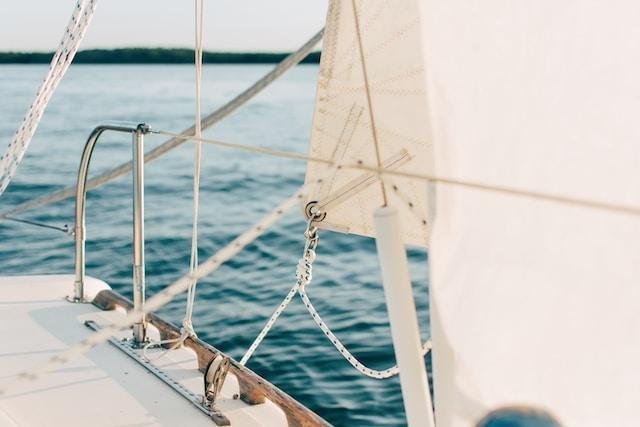
Sailing is often talked about as a sport, a hobby, or a lifestyle, but many people who sail will tell you it is also deeply therapeutic and beneficial for overall well-being. It engages the body, mind, emotions, and even the spirit in ways that few other activities do.
WHY SAILING FEELS SO GOOD TO SO MANY PEOPLE
Sailing combines movement, nature, skill, focus, and freedom. You are outdoors, powered by the wind, surrounded by open water, and responsible for guiding your own course. That mix creates a unique sense of independence, calm, and purpose.
Unlike many modern activities, sailing cannot be rushed. The wind sets the pace. The water demands attention. The environment naturally slows you down and brings you into the present moment.
Many sailors describe it as a mental reset button.
MENTAL AND EMOTIONAL BENEFITS OF SAILING
Stress Reduction and Calm
The sound of water, the rhythm of the waves, and the steady movement of the boat can be deeply calming. Being away from traffic, screens, and constant notifications gives the nervous system a break.
Sailing encourages:
Lower stress levels
Reduced anxiety
A feeling of peace and mental clarity
The open horizon can feel mentally freeing, helping people step away from everyday worries.
Improved Focus and Mindfulness
Sailing requires awareness of wind direction, sail trim, boat balance, navigation, and surroundings. This naturally keeps your mind engaged in the present moment.
It helps develop:
Concentration
Situational awareness
Patience
Calm decision-making
Many people find sailing to be a form of moving meditation.
Emotional Balance and Mood Boost
Sunlight, fresh air, light exercise, and time in nature all contribute to better mood. Sailing can lift spirits, reduce feelings of burnout, and help people feel more emotionally grounded.
There is also a sense of joy and wonder in harnessing the wind, watching wildlife, or seeing a beautiful sunset from the water.
PHYSICAL HEALTH BENEFITS OF SAILING
Full-Body Movement
Sailing involves more physical activity than many people expect. Depending on the boat and conditions, it can include:
Pulling ropes and adjusting sails
Balancing on a moving deck
Lifting equipment
Steering and maneuvering
This builds:
Core strength
Balance
Coordination
Endurance
Even casual sailing keeps the body active without feeling like a traditional workout.
Low-Impact Exercise
Sailing is generally gentle on joints, especially compared to high-impact sports. This makes it a good option for people who want movement without excessive strain.
Fresh Air and Sunlight
Time on the water means breathing clean air and absorbing natural sunlight, which supports:
Vitamin D levels
Energy
Sleep rhythms
Overall vitality
PSYCHOLOGICAL AND CHARACTER BENEFITS
Confidence and Self-Reliance
Learning to sail builds competence. As skills improve, so does confidence. Managing wind, weather, and navigation gives a sense of capability and independence.
Sailing teaches:
Responsibility
Problem-solving
Adaptability
Leadership
There is a quiet pride that comes from mastering both the boat and oneself.
Patience and Humility
The wind cannot be controlled. Weather changes. Plans must adapt. Sailing naturally teaches humility and patience, reminding people that cooperation with nature matters more than forcing outcomes.
This can strengthen emotional maturity and resilience.
Sense of Purpose and Meaning
For many people, sailing becomes more than a hobby. It becomes a meaningful ritual, a personal sanctuary, or even a spiritual experience.
It can evoke feelings of:
Gratitude
Awe
Perspective
Connection to something larger than oneself
SOCIAL AND RELATIONSHIP BENEFITS
Bonding and Teamwork
Sailing with others requires communication and cooperation. It can strengthen friendships, family bonds, and teamwork skills.
It encourages:
Trust
Shared responsibility
Mutual respect
Community and Belonging
Sailing communities often form strong social networks. Marinas, yacht clubs, and sailing groups give people a sense of belonging and shared passion.
CONNECTION TO NATURE AND THE OUTDOORS
Sailing immerses people in the natural world in a very direct way. You feel the wind shift. You watch clouds build. You observe tides, birds, dolphins, and changing water colors.
This connection to nature can:
Reduce mental fatigue
Increase appreciation for the environment
Restore emotional balance
Provide perspective on life’s problems
For many, it feels grounding and spiritually refreshing.
WHY SAILING CAN FEEL THERAPEUTIC OR HEALING
People often describe sailing as healing because it:
Slows down racing thoughts
Creates a sense of freedom
Encourages reflection
Offers solitude or peaceful companionship
Reconnects them with nature and purpose
Some find it helpful for:
Stress recovery
Emotional burnout
Life transitions
Grief processing
Creative thinking
It can be both restorative and inspiring.
SAILING AND PERSONAL GROWTH
Sailing gently builds traits that support long-term well-being:
Discipline
Courage
Patience
Respect for nature
Confidence
Emotional steadiness
It challenges a person while also giving them peace, which is a rare and powerful combination.
WHY SOME PEOPLE FALL IN LOVE WITH SAILING
Many sailors say it becomes part of who they are. They love:
The quiet freedom
The challenge of mastering wind and water
The beauty of the sea
The sense of adventure
The peace and reflection it brings
It can feel like a perfect balance between effort and serenity.
THE SCIENCE BEHIND WHY SAILING REDUCES STRESS
Sailing reduces stress through a combination of environmental, neurological, physical, and psychological effects. It is not just a relaxing pastime; it influences the brain and body in measurable ways.
The Calming Effect of Water and “Blue Space”
Researchers have found that being near water, often called “blue space,” has a powerful calming effect on the nervous system. The sight of open water, the sound of waves, and the expansive horizon can reduce mental fatigue and lower stress levels.
Water environments are linked to:
- Reduced cortisol, the body’s main stress hormone
- Improved mood and emotional regulation
- A sense of mental restoration
The brain interprets wide-open water and horizons as safe, spacious, and freeing, which helps quiet anxious or overactive thought patterns.
The Nervous System Shifts into a Calmer State
Sailing often activates the parasympathetic nervous system, sometimes called the “rest and restore” mode. This counteracts the fight-or-flight stress response that many people live in daily.
As a result, sailing can:
- Slow heart rate
- Lower blood pressure
- Relax muscle tension
- Improve breathing patterns
The rhythmic motion of the boat and the predictable sound of water create a soothing sensory environment similar to other relaxation therapies.
Focus and Flow Reduce Mental Overload
Sailing requires attention to wind, sails, navigation, and balance. This level of engagement creates a state known as “flow,” where the mind becomes fully absorbed in the present moment.
Flow states are associated with:
- Reduced rumination and worry
- Improved cognitive clarity
- Increased feelings of satisfaction
- Lower anxiety and mental clutter
When the mind is focused on adjusting sails or steering a course, it has less room to dwell on stress, regrets, or future worries.
Gentle Physical Activity Releases Stress-Reducing Chemicals
Sailing involves steady physical movement, such as trimming sails, steering, balancing, and moving across the boat. This moderate exercise stimulates the release of endorphins and serotonin, chemicals linked to mood improvement and stress relief.
This physical engagement helps:
- Reduce tension
- Improve mood
- Increase energy
- Support overall mental resilience
Unlike high-intensity workouts, sailing provides movement without overwhelming the body, making it especially calming rather than overstimulating.
Sunlight, Fresh Air, and Circadian Rhythm Benefits
Time on the water means natural sunlight exposure and fresh air, both of which support mental health. Sunlight helps regulate circadian rhythms and vitamin D levels, which are connected to mood stability and emotional well-being.
These environmental factors contribute to:
- Better sleep
- Improved energy levels
- Reduced symptoms of mild depression
- Increased mental clarity
A Sense of Control and Mastery Reduces Anxiety
Stress often comes from feeling powerless. Sailing gives a person direct influence over their direction, speed, and decisions. Even though the wind cannot be controlled, the sailor learns how to work with it.
This builds:
- Confidence
- Problem-solving ability
- Emotional resilience
- A feeling of competence and self-trust
That sense of mastery helps counter feelings of helplessness that fuel stress.
Psychological Distance From Daily Pressures
Sailing physically removes people from traffic, crowds, screens, and daily obligations. This creates a psychological buffer from work pressures, social demands, and digital overload.
Distance from everyday stressors allows:
- Mental recovery
- Emotional reset
- Perspective on personal challenges
- Creative thinking and reflection
Many people experience clearer thinking and renewed motivation after time on the water.
A PSYCHOLOGICAL PROFILE OF PEOPLE WHO LOVE SAILING
People who are drawn to sailing often share certain personality traits, values, and emotional tendencies. While every sailor is unique, patterns commonly appear among those who fall deeply in love with the activity.
They Tend to Value Freedom and Independence
Sailing appeals strongly to people who cherish autonomy and self-direction. The idea of charting one’s own course, guided by skill and judgment rather than rigid structure, feels deeply fulfilling.
They often:
Dislike feeling boxed in
Value self-reliance
Enjoy choosing their own pace
Appreciate personal responsibility
The open water symbolizes freedom and possibility.
They Often Enjoy Solitude and Reflection
Many sailing enthusiasts value quiet time and introspection. Even when sailing with others, they appreciate the calm, reflective nature of the experience.
They tend to:
Think deeply
Enjoy meaningful conversations
Reflect on life’s bigger questions
Find peace in silence
Sailing provides a mental space for thought, creativity, and emotional processing.
They Are Comfortable With Uncertainty and Adaptation
Wind shifts, weather changes, and unexpected challenges are part of sailing. People who love it often handle uncertainty well and see unpredictability as an engaging puzzle rather than a threat.
They often display:
Emotional steadiness
Adaptability
Patience
Calm under pressure
They are comfortable working with nature rather than trying to dominate it.
They Appreciate Skill, Mastery, and Lifelong Learning
Sailing rewards continuous learning. Enthusiasts often enjoy improving their technique, understanding weather patterns, refining navigation, and mastering boat handling.
They tend to:
Take pride in competence
Enjoy developing expertise
Value discipline and practice
Find satisfaction in gradual improvement
The process of mastery is as meaningful as the destination.
They Often Have a Strong Connection to Nature
People who love sailing frequently feel a deep bond with the natural world. They enjoy observing the sky, water, wind, wildlife, and changing conditions.
They often:
Feel grounded in nature
Value environmental awareness
Experience awe and gratitude outdoors
Find meaning in natural rhythms
Sailing can feel like a partnership with nature rather than a conquest of it.
They May Be Thoughtful, Calm, and Philosophically Inclined
Many sailors are reflective, thoughtful, and drawn to philosophical or spiritual thinking. Time on the water can prompt contemplation about life, purpose, and perspective.
They often:
Think in big-picture terms
Appreciate wisdom and experience
Value patience and humility
Seek depth over superficial stimulation
For some, sailing becomes a quiet spiritual practice.
They Balance Adventure With Responsibility
Sailing attracts people who enjoy adventure but also respect preparation and safety. They value excitement, but not recklessness.
They tend to:
Plan carefully
Respect risk
Enjoy challenge without unnecessary danger
Combine courage with caution
This balance reflects emotional maturity and self-awareness.
They Often Find Meaning in Simplicity
At its heart, sailing can be simple: wind, water, boat, direction. Many people who love it appreciate reducing life to essentials and stepping away from excess noise or materialism.
They often:
Value minimalism
Enjoy uncluttered environments
Feel refreshed by simplicity
Seek meaningful experiences over constant consumption
GETTING STARTED WITH SAILING DOES NOT HAVE TO BE EXPENSIVE OR INTIMIDATING. IN FACT, MANY EXPERIENCED SAILORS BEGAN WITH SIMPLE, LOW-COST STEPS THAT LET THEM LEARN THE BASICS BEFORE INVESTING HEAVILY
Start Without Buying a Boat
The most budget-friendly path is to learn on shared boats rather than owning one.
Community Sailing Centers and Nonprofit Clubs
Community sailing organizations often offer some of the lowest lesson and membership prices because their mission is access and education.
Examples of affordable pricing:
Private beginner lessons around $80–$100 per hour at community boating centers
Community sailing centers offering structured beginner programs for about $300 per multi-week course
Trial or guest memberships starting near $75, with full annual memberships around $195 at some clubs
These memberships often include free or low-cost access to boats, meaning you can sail regularly without ownership expenses.
Consider Entry-Level Lessons Instead of Expensive Certifications
Formal sailing certifications like ASA (American Sailing Association) can be useful, but they are not required to start sailing.
Typical ASA beginner course costs:
ASA 101 beginner courses starting around $450–$700, depending on location
If your goal is simply to learn to sail recreationally, you can often:
Take a shorter intro class
Practice at a community club
Crew on other people’s boats
Learn theory from low-cost books and free online resources
Certification is more important for chartering larger boats, not for learning or casual sailing.
Crew on Other People’s Boats for Free
One of the best free ways to gain experience is to crew for local sailors, especially in:
Yacht club racing nights
Weekend regattas
Casual harbor sailing groups
Many boat owners actively look for beginner crew, and this provides:
Free hands-on learning
Real sailing time
Mentorship from experienced sailors
This path builds skills faster than classroom-only learning.
If You Want a Boat, Start Small and Buy Used
If you eventually want your own boat, small used dinghies are the most affordable entry point.
Affordable Beginner Boat Options
Used prices commonly found:
Used Laser dinghies: as low as $200–$3,000 depending on condition
Used Sunfish: often around $900–$1,300
New versions of these boats can cost $6,000+, so buying used can save thousands .
Small boats are ideal because they:
Require no marina slip
Can be car-topped or trailered
Have low maintenance costs
Teach strong fundamental skills
Keep Gear Simple at First
You do not need expensive equipment to begin.
Essentials Only
Most beginners can start with:
Life jacket
Sunscreen and hat
Gloves (optional)
Non-slip shoes
Avoid buying advanced electronics, racing sails, or premium gear until you know what style of sailing you genuinely enjoy.
Learn the Theory for Cheap or Free
To save money, study sailing knowledge outside of paid lessons.
Low-cost learning options include:
Sailing books and manuals
Free YouTube instruction
Free sailing forums and communities
Wind and weather apps
Knot-tying practice with inexpensive rope
This reduces paid lesson time because you arrive already understanding basics.
A Smart Budget Path for Beginners
A realistic low-cost starter plan could look like:
Join a community sailing center or club
Take one affordable intro lesson
Crew on other people’s boats for free
Practice on shared club boats
Study sailing theory independently
Buy a small used boat only if you fall in love with it
This approach minimizes risk while maximizing experience.
THE ENCOURAGING TRUTH ABOUT STARTING SAILING
You do not need to be wealthy, own a boat, or commit to certifications to begin sailing. Many lifelong sailors started with borrowed boats, free crewing, and simple lessons.
Sailing rewards patience, curiosity, and practice, not money.
It is a powerful blend of nature, movement, skill, reflection, and personal growth. The combination of open water, fresh air, focused attention, and steady physical effort creates an environment that naturally lowers stress and restores mental balance.
Sailing gives the mind space to breathe, the body a gentle but meaningful workout, and the emotions a sense of calm and renewal that is increasingly rare in modern life.
The science helps explain why sailing feels so restorative. Time on the water engages the brain in a healthy way, shifts the nervous system toward relaxation, reduces cortisol, encourages flow states, and benefits mood through sunlight, movement, and sensory rhythm.
At the same time, sailing builds confidence by fostering mastery, problem-solving, and adaptability. It offers both a sense of control and a lesson in humility, teaching people how to work with nature rather than trying to dominate it.
We also saw that people who love sailing often share thoughtful, steady, and reflective traits. They tend to value independence, patience, learning, and a meaningful connection to nature.
Many are comfortable with uncertainty, drawn to simplicity, and inclined toward philosophical or introspective thinking. For them, sailing is not just exciting or relaxing; it becomes a source of identity, perspective, and purpose.
Perhaps most encouraging is that sailing does not have to be expensive or exclusive. Beginners can start affordably through community sailing centers, shared boats, free crewing opportunities, used equipment, and low-cost learning resources.
The path into sailing can be gradual, practical, and accessible, allowing people to explore it without financial pressure while discovering whether it truly resonates with them.
In the end, sailing represents a unique balance of effort and ease, challenge and peace, adventure, and tranquility. It can strengthen the body, steady the mind, lift the spirit, and shape character over time. Whether someone is seeking stress relief, personal growth, connection to nature, or a meaningful lifelong pursuit, sailing offers a quiet but powerful invitation to slow down, pay attention, and move forward with intention.
HERE IS A CURATED LIST OF HIGH-QUALITY RESOURCES WHERE YOU CAN LEARN MORE ABOUT EVERYTHING WE DISCUSSED: SAILING AND WELL-BEING, STRESS REDUCTION SCIENCE, THE PSYCHOLOGY OF SAILORS, BEGINNER SAILING, AFFORDABLE WAYS TO START, AND SAILING EDUCATION
The Science of Water, Nature, and Stress Reduction
Blue space and mental health (water environments)
Blue Space Research Overview
Sea Therapy and Mental Health Benefits
Outdoor activity and mental health benefits
Benefits of Exercising Outdoors
Nature exposure and cortisol reduction
Forest Bathing and Stress Reduction
These resources explain how natural environments, sunlight, fresh air, water views, and rhythmic sensory input calm the nervous system and reduce stress hormones.
Sailing, Well-Being, and Mental Health
Sailing lessons and structured learning (beginner friendly)
Community Boating Center Adult Lessons
Community Sailing Center Private Instruction
Clearwater Community Sailing Center Lessons
Sailing certification and structured education
American Sailing Academy Course Descriptions
ASA Online Sailing Prep Courses
Beginner sailing course experience video
ASA 101 Learning to Sail Video
Affordable Ways to Start Sailing
Community sailing programs (low-cost entry)
Community Boating Center Beginner Classes
Community Sailing Center Private Lessons
Real-world beginner pricing discussions (budget insight)
ASA 101 Cost Discussion
ASA Course Price Comparisons
These discussions help you understand realistic price ranges and how others started without overspending.
Learning Sailing Skills for Free or Cheap
ASA 101 study flashcards for beginners
ASA 101 Free Flashcard Study Deck
Free sailing education and tutorials
ASA Online Learning Portal
ASA 101 Sailing YouTube Guide
Psychology, Personality, and the Sailor Mindset
Flow state and focus research
Flow State Psychology Overview
Mindfulness and ocean motion research (mental calming effects)
Seasickness, Mindfulness, and Attention Study
These support what we discussed about why sailing-oriented people often enjoy calm, mastery, adaptability, introspection, and nature-centered living.