


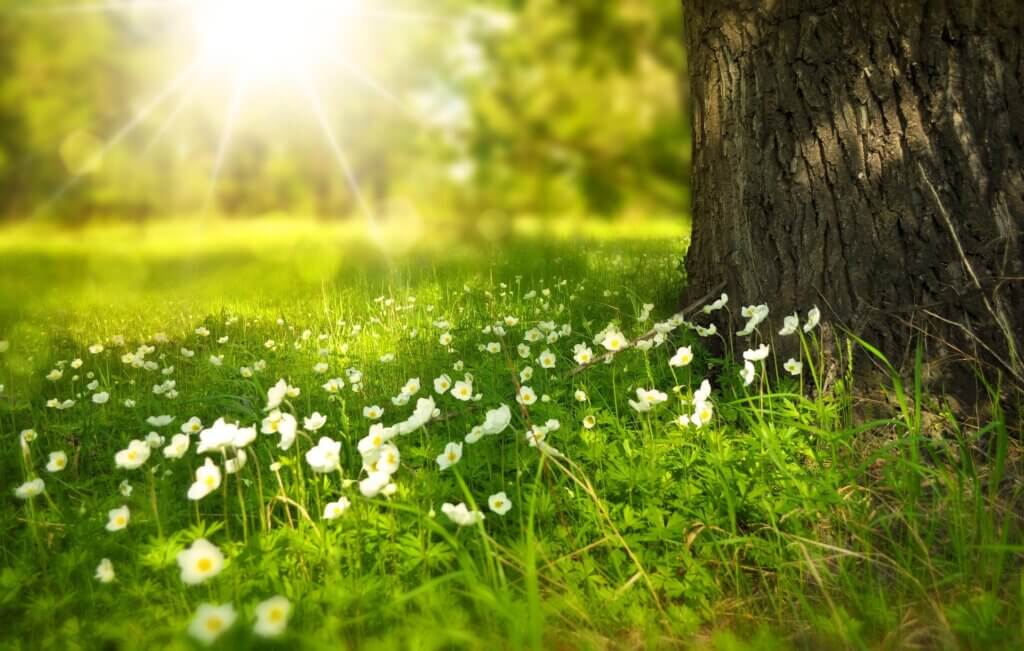
In a world increasingly dominated by screens, schedules, and indoor living, reconnecting with nature has become less common—and more essential.
Humans evolved in natural environments for hundreds of thousands of years, yet modern life often separates us from the landscapes, rhythms, and sensory experiences that shaped our biology and psychology.
Connecting with nature is not just a pleasant pastime. It plays a meaningful role in mental health, physical well-being, emotional balance, creativity, and even moral and spiritual grounding. For many people, time in nature feels restorative in a way few other experiences do—and science increasingly supports that intuition.
THE DEEP HUMAN NEED FOR NATURE
Our brains and bodies evolved outdoors
Human vision, stress response systems, circadian rhythms, and attention patterns developed in natural environments. When we spend time outside, we are essentially returning to the conditions our minds were built for.
Nature provides a mental “reset”
Urban environments require constant focus and filtering of noise, while nature allows the mind to relax into a softer, more restorative mode of attention. This is known as Attention Restoration Theory, which explains why time in green spaces helps reduce mental fatigue.
We experience a sense of meaning and perspective
Nature often inspires awe, humility, gratitude, and a feeling of being part of something larger than ourselves. Many people find spiritual, philosophical, or moral clarity when immersed in natural settings.


TOP WELL-BEING BENEFITS OF CONNECTING WITH NATURE
Reduced Stress and Anxiety
Spending time outdoors lowers cortisol levels, reduces blood pressure, and calms the nervous system. Even brief exposure to green spaces can improve mood and reduce tension.
Improved Mental Health


Nature has been shown to help with:
Depression
Anxiety disorders
Burnout
Emotional regulation
Mood stability


In some cases, nature exposure has comparable effects to therapeutic interventions when used consistently.
Better Cognitive Function and Focus
Time in nature improves:
Concentration
Memory
Creativity
Problem-solving ability
Mental clarity
Many people find that ideas flow more freely during walks or outdoor reflection.
Enhanced Physical Health
Being outdoors often encourages movement, sunlight exposure, and healthier breathing. Benefits include:
Improved cardiovascular health
Better immune function
Increased vitamin D
Better sleep patterns
Reduced inflammation
Emotional Healing and Resilience
Nature offers comfort during grief, stress, and emotional overload. It provides space to process thoughts without pressure, fostering emotional balance and perspective.
Stronger Sense of Gratitude and Contentment
People who regularly spend time outdoors often report:
Greater life satisfaction
Lower materialism
Increased appreciation for simple pleasures
SCIENTIFIC AND CULTURAL EVIDENCE THAT NATURE MATTERS
Studies show measurable benefits
Research has found that people living near green spaces tend to have:
Lower rates of mental illness
Longer lifespans
Lower stress levels
Better childhood development outcomes
Japan’s “Forest Bathing” (Shinrin-yoku)
Walking in forests has been scientifically linked to:
Lower stress hormones
Improved immune function
Reduced heart rate
Better mood
Hospitals and schools benefit from nature access
Patients recover faster when they can see trees. Students perform better when learning environments include natural elements.
Cultural wisdom across civilizations
Indigenous traditions, Stoic philosophy, Eastern spiritual systems, and many religious teachings emphasize nature as a source of wisdom, humility, and renewal.
WHY NATURE FEELS EMOTIONALLY AND SPIRITUALLY HEALING
Nature provides something modern life often lacks:
Stillness without pressure
Beauty without expectation
Presence without performance
Meaning without consumption
For many, time outdoors becomes a form of meditation, prayer, grounding, or soul-rest. It helps quiet mental noise and restore inner balance.
BEST WAYS TO CONNECT WITH NATURE
Simple Everyday Connections
You don’t need wilderness to benefit from nature:
Walking in a park
Sitting under a tree
Watching sunrise or sunset
Gardening
Opening windows to fresh air
Keeping houseplants
Small moments still count.
Active Outdoor Experiences
Hiking or trail walking
Jogging outdoors
Fishing
Camping
Kayaking or paddleboarding
Birdwatching
Beach walks
Stargazing
These combine movement, mindfulness, and environmental immersion.
Slow, Reflective Nature Time
Some of the deepest benefits come from slowing down:
Sitting quietly in nature
Journaling outdoors
Reading under natural light
Practicing gratitude outside
Simply observing clouds, trees, or water
Social and Family Nature Time
Nature strengthens relationships by offering shared calm and adventure:
Family hikes
Picnics
Outdoor conversations
Group activities or volunteer conservation
HOW OFTEN SHOULD YOU SPEND TIME IN NATURE?
Research suggests that 120 minutes per week in natural environments is associated with improved health and well-being. That time can be divided across multiple days and does not need to be strenuous.
Even 10–20 minutes per day outdoors can produce noticeable mental and emotional benefits.
COMMON BARRIERS—AND HOW TO OVERCOME THEM
“I don’t have time.”
Start small. A 10-minute walk is enough to begin.
“I live in a city.”
Urban parks, trees, gardens, and even sky views still provide benefits.
“I’m not outdoorsy.”
You don’t need extreme adventure. Gentle exposure is powerful.
“I feel unmotivated.”
Treat nature like mental hygiene—something you do for your health, not just for fun.
WHY NATURE CONNECTION BUILDS CHARACTER AND WISDOM
Nature fosters:
Patience
Humility
Gratitude
Responsibility
Respect for life
Perspective on personal problems
Many people find that time in nature strengthens moral reflection, faith, stoic discipline, and a grounded worldview.
A POWERFUL TRUTH ABOUT NATURE AND HUMAN FLOURISHING
Modern comfort has increased convenience, but often at the cost of disconnection—from the land, from seasons, from silence, and from ourselves.
Nature reminds us:
We are part of something larger
Slowness has value
Stillness restores clarity
Beauty exists without striving
Peace does not always require productivity
Reconnecting with nature is not escapism—it is recalibration.
Connecting with nature is one of the simplest, most accessible, and most profound well-being practices available. It supports mental health, physical vitality, emotional resilience, creativity, spiritual depth, and overall life satisfaction.
Whether through daily walks, weekend adventures, or quiet moments under the sky, nature offers restoration without judgment and wisdom without noise.
A Psychological Profile of People Who Deeply Love Nature
People who deeply love nature are often more than casual outdoor enthusiasts. Their connection tends to be emotional, psychological, philosophical, and sometimes spiritual. Nature is not just a place they visit—it is a place where they feel most like themselves.
This love often reflects deeper personality traits, emotional patterns, values, and ways of seeing the world.
CORE PERSONALITY TRAITS OF NATURE-LOVING INDIVIDUALS
High Sensitivity and Emotional Awareness
Many people drawn to nature are highly perceptive. They notice subtle changes in light, weather, sound, and mood. This sensitivity often extends to emotions—both their own and others’—making them empathetic, reflective, and emotionally nuanced.
They tend to feel overwhelmed by loud, chaotic, or artificial environments, while natural settings help them feel calm and regulated.
STRONG APPRECIATION FOR BEAUTY AND AWE
Nature lovers often experience frequent moments of awe—at sunsets, mountains, forests, oceans, or star-filled skies. This ability to feel wonder is linked to:
Higher life satisfaction
Greater humility
Increased creativity
Deeper emotional meaning
They are often moved by beauty in ways that feel almost poetic or sacred.
PREFERENCE FOR DEPTH OVER SURFACE
These individuals tend to value:
Meaningful experiences over materialism
Depth over superficial status
Presence over performance
Authenticity over trendiness
Nature provides a space free from social pressure, allowing them to feel grounded and real.
REFLECTIVE, THOUGHTFUL, AND INTROSPECTIVE
Many people who love nature are natural thinkers and observers. Time outdoors often fuels:
Self-reflection
Philosophical thinking
Spiritual contemplation
Moral reasoning
They may enjoy journaling, pondering life’s meaning, or simply sitting in silence with their thoughts.
CALM TEMPERAMENT AND EMOTIONAL REGULATION
Regular nature lovers often develop stronger emotional resilience. They tend to:
Recover from stress more effectively
Handle frustration with patience
Avoid unnecessary conflict
Seek peaceful resolution
Nature becomes a self-soothing and grounding tool.
MOTIVATIONS BEHIND A DEEP LOVE OF NATURE
A Desire for Peace and Simplicity
Many nature lovers feel drained by consumer culture, social comparison, or constant digital stimulation. Nature offers:
Mental quiet
Emotional spaciousness
Freedom from pressure
Relief from performance expectations
A NEED FOR MEANING AND PERSPECTIVE
Being outdoors reminds them that life is bigger than daily worries. This often fosters:
Gratitude
Humility
Faith or spiritual reverence
Perspective on personal struggles
A DRIVE FOR AUTHENTIC LIVING
They often strive to live more intentionally, valuing sustainability, honesty, craftsmanship, and ethical living. Their love of nature aligns with a broader desire to live in harmony with their values.
COMMON EMOTIONAL PATTERNS
Deep Empathy for Living Things
They may feel protective toward animals, ecosystems, and vulnerable environments. This empathy often extends to people as well.
Sensitivity to Loss or Environmental Harm
Environmental destruction can emotionally affect them more deeply than average, sometimes leading to sadness, grief, or activism.
A Tendency Toward Melancholy or Nostalgia
Some nature lovers experience a gentle wistfulness—a longing for simplicity, past experiences, or a world less rushed.
COGNITIVE AND CREATIVE TENDENCIES
High Creativity and Imagination
Nature lovers often excel in:
Writing
Art
Music
Photography
Design
Problem-solving
Nature stimulates open-ended thinking and inspiration.
Big-Picture Thinking
They often think in long-term, ecological, or philosophical ways rather than narrow short-term gains.
SOCIAL AND RELATIONSHIP PATTERNS
Comfortable With Solitude
They often value alone time—not out of loneliness, but because solitude feels restorative.
Smaller, Deeper Social Circles
Rather than many shallow connections, they tend to prefer a few meaningful relationships.
Thoughtful, Loyal, and Steady Friends
They may not be the loudest in a group, but they are often reliable, grounded, and emotionally present.
SPIRITUAL AND MORAL INCLINATIONS
Many people deeply connected to nature:
Feel a sense of spiritual reverence outdoors
Sense divine creation or sacredness in nature
Feel morally compelled to care for the Earth
See nature as a teacher of patience, humility, and wisdom
For some, nature becomes a form of prayer, meditation, or communion with God or the transcendent.
STRENGTHS OF PEOPLE WHO LOVE NATURE DEEPLY
They often possess:
Emotional depth
Patience
Gratitude
Resilience
Moral sensitivity
Creativity
Perspective
Calm presence
They can be grounding influences in families, friendships, and communities.
POTENTIAL CHALLENGES AND BLIND SPOTS
Emotional Overload
Their sensitivity can make them vulnerable to stress or emotional exhaustion.
Feeling Out of Place in Modern Culture
They may feel frustrated by fast-paced, materialistic environments.
Avoidance of Conflict or Complexity
Some may retreat into nature to avoid difficult conversations or responsibilities.
Idealizing Nature Too Much
They may romanticize nature while underestimating practical realities of life.
WHAT DRAWS THEM BACK AGAIN AND AGAIN
Nature provides:
Emotional safety
Mental clarity
Inspiration
Spiritual grounding
Freedom from judgment
A sense of belonging
For many, it feels like home.
People who deeply love nature often carry a quieter kind of wisdom. They tend to move through life with more patience, awareness, and reverence for beauty and meaning. Their connection to nature is not just a hobby—it is part of their identity and their way of understanding the world.
A CONTRASTING PSYCHOLOGICAL PROFILE OF PEOPLE WHO TEND TO AVOID NATURE
People who avoid nature are not necessarily lazy, unhealthy, or closed-minded. Often, their preferences reflect personality traits, life experiences, cultural influences, fears, habits, and psychological comfort zones. Avoiding nature is usually less about disliking trees or fresh air—and more about feeling safer, more stimulated, or more in control in structured, indoor, or urban environments.
Understanding this group helps explain modern lifestyles and how different personalities find comfort and meaning.
CORE PERSONALITY TENDENCIES
Preference for Structure, Control, and Predictability
People who avoid nature often feel more comfortable in environments that are:
Climate-controlled
Clean and orderly
Predictable
Technologically supported
Nature can feel messy, uncertain, or inconvenient, while indoor spaces feel safer and more manageable.
PRACTICAL, EFFICIENCY-ORIENTED MINDSET
They may prioritize:
Productivity
Convenience
Comfort
Time efficiency
If nature feels slow, inconvenient, or unproductive, they may see it as unnecessary or inefficient.
LOWER TOLERANCE FOR DISCOMFORT
Common discomforts can be major deterrents:
Heat, cold, humidity
Bugs or wildlife
Dirt or mud
Physical exertion
Lack of restrooms or amenities
Their avoidance often stems from wanting to minimize stress or physical irritation.
STRONG ATTACHMENT TO TECHNOLOGY AND INDOOR STIMULATION
They may find fulfillment through:
Digital entertainment
Social media
Gaming
Streaming
Online communities
Urban social life
Technology provides stimulation, connection, and novelty without the unpredictability of outdoor environments.
EMOTIONAL AND PSYCHOLOGICAL PATTERNS
Anxiety About Uncertainty or Safety
Nature can trigger fears such as:
Getting lost
Wildlife encounters
Injury
Weather exposure
Being far from help
For some, avoidance is a coping mechanism rooted in anxiety rather than disinterest.
SENSORY SENSITIVITY OR OVERSTIMULATION
While some people find nature calming, others find:
Bright sunlight
Heat
Sounds of insects or animals
Wind or uneven terrain
overwhelming or irritating.
DESIRE FOR CONSTANT STIMULATION OR DISTRACTION
People who avoid nature may prefer environments that provide:
Fast-paced interaction
Entertainment
Immediate feedback
Constant novelty
Quiet outdoor settings can feel boring, lonely, or mentally uncomfortable.
EMOTIONAL AVOIDANCE AND RESTLESSNESS
Silence and solitude can bring up thoughts or emotions some people would rather avoid. Staying indoors or digitally engaged can serve as a distraction from introspection.
COGNITIVE AND WORLDVIEW DIFFERENCES
More Concrete and Practical Thinking
They may focus more on:
Tangible outcomes
Immediate tasks
Real-world logistics
Career and financial priorities
Abstract reflection or philosophical contemplation may feel less appealing.
LOWER ROMANTICIZATION OF NATURE
Unlike nature lovers, they may not idealize landscapes or outdoor experiences. Nature might seem neutral, irrelevant, or even inconvenient.
STRONG IDENTIFICATION WITH MODERN CULTURE
They may feel energized by:
Cities
Innovation
Fashion
Media
Business
Entertainment
They might associate nature with boredom, primitiveness, or inefficiency.
SOCIAL AND LIFESTYLE PATTERNS
More Socially Stimulated Indoors
They may prefer:
Parties
Events
Shopping
Nightlife
Social media engagement
Group-based entertainment
Nature, especially solitary nature, may feel isolating rather than restorative.
FASTER-PACED DAILY ROUTINES
Their schedules often feel full, busy, and goal-driven, leaving little perceived time for outdoor activities.
STRONG CONSUMER AND COMFORT ORIENTATION
They may value convenience, comfort, and access to services over simplicity or minimalism.
STRENGTHS OFTEN FOUND IN PEOPLE WHO AVOID NATURE
Avoiding nature does not mean lacking strengths. Many such individuals are:
Highly productive
Tech-savvy
Ambitious
Socially outgoing
Efficient
Career-driven
Adaptable to modern systems
Skilled in structured environments
They often thrive in fast-paced professional or urban settings.
POTENTIAL DOWNSIDES OR BLIND SPOTS
Higher Risk of Chronic Stress or Burnout
Constant stimulation and indoor living may increase stress and fatigue.
Reduced Emotional Regulation
Without natural decompression, emotional overwhelm can build up.
Lower Physical Activity Levels
Avoiding outdoor movement can lead to sedentary habits.
Disconnection From Perspective and Stillness
They may miss opportunities for:
Reflection
Creativity
Gratitude
Meaningful quiet
WHY SOME PEOPLE DEVELOP NATURE AVOIDANCE
Childhood Experiences
Limited outdoor exposure
Negative or scary outdoor memories
Urban upbringing with little access to green space
Cultural and Social Conditioning
Emphasis on productivity over leisure
Digital-first lifestyles
Social norms that devalue outdoor recreation
Psychological Coping Patterns
Fear-based avoidance
Comfort-seeking habits
Avoidance of solitude or introspection
WHAT OFTEN CHANGES THEIR PERSPECTIVE OVER TIME
Some people grow to appreciate nature later due to:
Stress or burnout
Health concerns
Aging and slowing down
Spiritual curiosity
Exposure through relationships or travel
A meaningful experience outdoors can reshape their outlook.
People who avoid nature are not necessarily shallow, broken, or incapable of depth. They often represent the modern world’s strengths: efficiency, innovation, social energy, and ambition.
However, their lifestyle can sometimes leave less room for stillness, perspective, and restoration. Nature offers benefits they may not yet value—but many discover later that stepping outside provides something modern life alone cannot.
In many ways, the difference between people who love nature and those who avoid it reflects a broader divide in how individuals relate to stillness, stimulation, meaning, and control. Nature lovers often seek depth, quiet reflection, emotional grounding, and perspective beyond modern pressures.
Those who avoid nature may prioritize structure, efficiency, comfort, and the fast-paced rewards of contemporary life. Neither group is inherently better; they simply reveal different psychological needs, coping styles, and values shaped by experience and environment.
Yet what nature offers remains universally available, whether one feels drawn to it or not. Time outdoors can provide a kind of balance that modern systems rarely replicate—calm without performance, beauty without competition, presence without pressure.
For people who already love nature, it serves as a sanctuary and teacher. For those who avoid it, nature can become a gentle doorway into restoration, creativity, and emotional reset if approached gradually and without judgment.
As life grows louder, faster, and more digitally immersive, the role of nature may become even more important. It reminds us of rhythms older than technology, values deeper than consumption, and a sense of belonging that does not depend on productivity or status. Whether someone embraces nature passionately or cautiously, reconnecting with the natural world offers a chance to reclaim perspective, resilience, humility, and peace.
Ultimately, understanding these psychological differences is not about labeling people—it is about recognizing how diverse human needs are, and how nature can serve as a powerful resource for growth, healing, and balance. Some find their identity in forests, oceans, or open skies. Others may discover, over time, that stepping outside—even briefly—offers clarity they did not realize they were missing.
HERE IS A WELL-ORGANIZED LIST OF TRUSTED, HIGH-QUALITY RESOURCES WHERE YOU CAN FIND MORE INFORMATION ON EVERYTHING WE’VE DISCUSSED—CONNECTING WITH NATURE, THE PSYCHOLOGY OF NATURE LOVERS AND AVOIDERS, MENTAL HEALTH BENEFITS, SPIRITUAL REFLECTIONS, AND SCIENTIFIC RESEARCH.
Scientific Research on Nature and Well-Being
American Psychological Association (APA)
https://www.apa.org
Search topics like nature and mental health, stress reduction, and environmental psychology.
National Institutes of Health (NIH)
https://www.nih.gov
Research on how green spaces affect physical and mental health.
PubMed (Medical and Psychological Studies)
https://pubmed.ncbi.nlm.nih.gov
Search: nature exposure mental health, green space wellbeing, forest bathing research.
Frontiers in Psychology – Environmental Psychology Section
https://www.frontiersin.org/journals/psychology
Forest Bathing and Nature Therapy
Forest Bathing Institute
https://tfb.institute
Shinrin-Yoku Research (Japan)
https://www.sciencedirect.com
Search: Shinrin-yoku studies
Nature and Health Research (University of Exeter)
https://www.exeter.ac.uk/research/
Psychology of Personality, Behavior, and Lifestyle
Psychology Today
https://www.psychologytoday.com
Search topics like:
- Why people love nature
- Urban vs nature personality
- Technology and attention
Greater Good Science Center (UC Berkeley)
https://greatergood.berkeley.edu
Excellent research on awe, gratitude, mindfulness, and nature.
Verywell Mind
https://www.verywellmind.com
Accessible, evidence-based mental health content.
Philosophy, Meaning, and Human Nature
Stanford Encyclopedia of Philosophy
https://plato.stanford.edu
The School of Life
https://www.theschooloflife.com
Internet Encyclopedia of Philosophy
https://iep.utm.edu
Topics to explore:
- Stoicism
- Meaning and purpose
- Human flourishing
- The psychology of awe
Faith-Based and Spiritual Perspectives on Nature
Bible Gateway (Scriptures about Nature)
https://www.biblegateway.com
Search: creation, wisdom, stewardship, stillness
Desiring God
https://www.desiringgod.org
GotQuestions (Faith & Creation)
https://www.gotquestions.org
Christian Environmental Stewardship
https://creationcare.org
Environmental Awareness and Conservation
National Geographic
https://www.nationalgeographic.com
World Wildlife Fund (WWF)
https://www.worldwildlife.org
The Nature Conservancy
https://www.nature.org
Sierra Club
https://www.sierraclub.org
Outdoor Living, Hiking, and Practical Nature Connection
AllTrails (Trails and Outdoor Exploration)
https://www.alltrails.com
REI Expert Advice
https://www.rei.com/learn
National Park Service
https://www.nps.gov
Leave No Trace Principles
https://lnt.org
Creativity, Awe, and Emotional Healing Through Nature
Greater Good – Awe Research
https://greatergood.berkeley.edu/topic/awe
Scientific American
https://www.scientificamerican.com
TED Talks (Nature, Awe, and Human Psychology)
https://www.ted.com
Books Worth Exploring
Last Child in the Woods – Richard Louv
Explores nature’s impact on mental health and child development.
The Nature Fix – Florence Williams
A science-backed look at how nature changes the brain.
A Walk in the Woods – Bill Bryson
Blends humor, nature, and reflection.
Walden – Henry David Thoreau
A philosophical and spiritual classic on nature and simplicity.
The Comfort of the Wild – Gretel Ehrlich
Deep emotional reflections on the human–nature bond.