




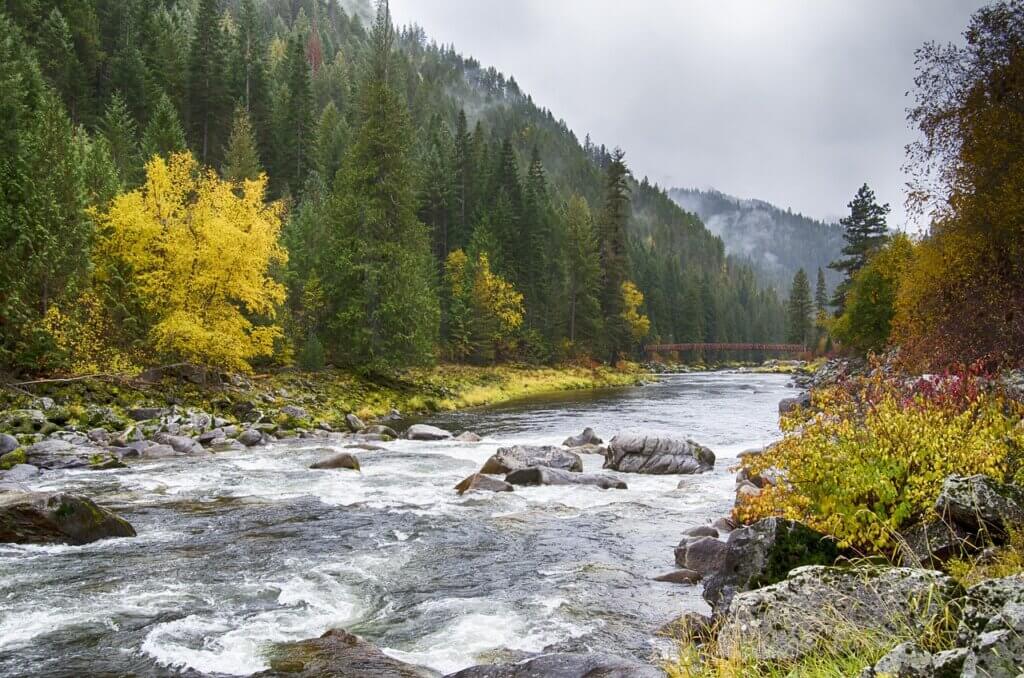
At its core, going with the flow means responding to life as it unfolds instead of trying to force outcomes, control every detail, or fight what you can’t realistically change. It’s not passivity or laziness—it’s flexibility, trust, and presence.
Think of it like being in a river:
You still steer.
You still paddle when needed.
But you don’t exhaust yourself fighting the current nonstop.
A BIT OF HISTORY & ORIGINS (THIS IDEA IS ANCIENT)
Even though the phrase itself feels modern and casual, the idea behind it is incredibly old.
Taoism (China, ~2,500 years ago)
This is where the concept shines brightest. Taoism speaks of “wu wei,” often translated as effortless action or non-forcing. It means acting in harmony with the natural order rather than resisting it.
Lao Tzu famously used water as a metaphor:


Water is soft, yet it shapes mountains.
It flows around obstacles instead of breaking itself against them.
That’s “go with the flow” in its purest form.
Stoicism (Ancient Greece & Rome)





The Stoics didn’t use the phrase, but they lived it:
Focus on what you can control.
Accept what you cannot.
Align your actions with reality, not your wishes.
Remarkably similar spirit—different cultural flavor.
Spiritual traditions (including Christianity)


While not phrased the same way, ideas like:
“Let go and let God”
Trusting divine timing
Surrender paired with responsibility
…all echo the same wisdom: stop wrestling life when wisdom asks you to walk with it.
DOES “GO WITH THE FLOW” ACTUALLY WORK?
Yes—but only when it’s understood correctly.
It works when:
You accept reality without giving up your values
You stay adaptable instead of rigid
You release unnecessary resistance
It doesn’t work when:
It becomes an excuse to avoid responsibility
It turns into emotional numbness
You use it to tolerate things that clearly need boundaries
Healthy flow is responsive, not careless.
IS GOING WITH THE FLOW GOOD FOR WELL-BEING?
Very much so. In fact, a lot of modern psychology backs it up—even if they use different terms.
Well-being benefits include:
Lower stress and anxiety
Better emotional regulation
Less mental exhaustion
More resilience during change
Improved relationships (less control, more understanding)
Greater sense of peace and trust in life
People who go with the flow tend to recover faster from setbacks because they don’t waste energy arguing with reality.
TOP SIGNS YOU MAY NOT BE GOING WITH THE FLOW
Most of us drift out of flow without realizing it. Some common signs:
You feel tense even during small inconveniences
You replay conversations or outcomes over and over
You struggle when plans change—even slightly
You feel the need to control people, timing, or outcomes
You’re often frustrated by things “not going your way”
You feel exhausted from overthinking
You resist rest, stillness, or uncertainty
If life feels like a constant uphill battle, flow may be missing.
WHAT GOING WITH THE FLOW IS NOT
This part matters because the phrase gets misunderstood.
Going with the flow is not:
Being a pushover
Ignoring red flags
Suppressing your feelings
Giving up on goals
Avoiding hard conversations
You can go with the flow and still:
Have standards
Say no
Take action
Work hard
Lead decisively
Flow is about how you engage, not whether you engage.
HOW TO GO WITH THE FLOW MORE (IN REAL LIFE)
Here’s where it becomes practical.
1. Practice acceptance first, action second
Ask: “What is actually happening right now?”
Acceptance doesn’t mean approval—it just means clarity.
2. Loosen your grip on outcomes
Do your best, then release the need for things to unfold a certain way. This alone reduces massive stress.
3. Get comfortable with “good enough”
Perfection fights flow. Progress supports it.
4. Breathe before reacting
A pause creates space between impulse and wisdom. Flow lives in that space.
5. Trust timing more
Not everything is late or early—some things are simply ripening.
6. Move your body
Activities like walking, jogging, swimming, yoga, hiking—anything rhythmic—naturally restore a sense of flow.
7. Ask a simple question often
“Am I forcing this… or responding to it?”
That question alone can recalibrate your entire day.
A DEEPER TRUTH ABOUT “GOING WITH THE FLOW”
People who truly go with the flow aren’t weak—they’re grounded. They understand something many never learn:
Life flows whether you cooperate or not.
Peace comes from learning how to move with it.
There’s a quiet confidence in someone who can adapt without losing themselves. That’s not apathy—that’s wisdom earned through experience.
Going with the flow doesn’t mean life becomes easy.
It means you stop making it harder than it already is.
And interestingly enough, when you stop fighting the current all the time, you often end up exactly where you needed to be—just with far less wear and tear along the way.
We’ll walk through going with the flow in work & leadership, relationships & dating, spiritual growth, aging & life transitions, and the critical difference between flow and avoidance
GOING WITH THE FLOW AT WORK & IN LEADERSHIP
This is where the phrase often gets misunderstood.
What it looks like in healthy leadership
Adapting when plans change instead of panicking
Listening before reacting
Letting good ideas rise from others, not just yourself
Making decisions based on reality, not ego
Knowing when to push—and when to pivot
Great leaders don’t bulldoze reality. They read the terrain and move intelligently through it.
What it’s not
Being indecisive
Letting chaos run unchecked
Avoiding responsibility
In fact, rigid leaders burn out faster. Leaders who go with the flow tend to:
Earn more trust
Handle crises better
Create calmer, more productive environments
A simple leadership flow-check:
“Am I trying to control people—or guide outcomes?”
GOING WITH THE FLOW IN RELATIONSHIPS & DATING
This one hits home for a lot of people.
Healthy flow in relationships means:
Allowing people to reveal who they are over time
Not forcing chemistry, commitment, or timelines
Responding to reality instead of fantasy
Letting conversations, trust, and connection develop naturally
When relationships are forced, they feel tense. When they flow, they feel alive but grounded.
Signs you’re not going with the flow in relationships
Overanalyzing texts or tone
Trying to “lock things down” too early
Ignoring red flags to preserve a fantasy
Feeling anxious instead of present
Needing constant reassurance
Flow doesn’t mean “whatever happens happens.”
It means you stay open without abandoning yourself.
A great relationship mantra:
“Let me see what’s real, not what I hope.”
GOING WITH THE FLOW IN SPIRITUAL GROWTH
This is where the idea becomes deeply meaningful.
Across spiritual traditions, growth happens in seasons:
Seasons of action
Seasons of waiting
Seasons of pruning
Seasons of renewal
Spiritual flow looks like:
Trusting timing you don’t fully understand
Letting go of rigid expectations of how growth “should” look
Accepting that clarity often comes after patience
Learning through surrender, not force
This aligns beautifully with:
Taoist harmony
Stoic acceptance
Biblical trust and humility
Trying to rush spiritual growth is like pulling on a plant to make it grow faster—it only damages the roots.
GOING WITH THE FLOW AS YOU AGE & FACE LIFE TRANSITIONS
This is one of the hardest—and wisest—applications.
Life transitions include:
Aging
Career changes
Health shifts
Empty nests
Loss
New identities forming
Flow here means:
Letting go of outdated self-images
Accepting new limits without shame
Finding meaning beyond productivity
Adjusting expectations with grace
Honoring experience instead of fighting time
People who fight aging often become bitter.
People who flow with it often become wise, calm, and deeply grounded.
There’s power in saying:
“This chapter is different—and that’s okay.”
THE CRITICAL DIFFERENCE: GOING WITH THE FLOW VS AVOIDANCE
This is the line that separates wisdom from self-deception.
Avoidance looks like:
“I’ll deal with it later” (but never do)
Staying silent to avoid discomfort
Letting problems rot instead of addressing them
Calling fear “acceptance”
Using flow as an excuse for inaction
True flow looks like:
Facing reality calmly
Taking appropriate action without panic
Choosing peace without denial
Knowing when effort helps and when it harms
A simple litmus test:
“Am I avoiding discomfort—or respecting reality?”
Flow still requires courage. It just doesn’t require force.
A SIMPLE DAILY WAY TO PRACTICE GOING WITH THE FLOW
You can make this practical without turning it into a philosophy project.
Try this once or twice a day:
Pause
Breathe
Ask:
“What’s being asked of me right now—forcing or responding?”
Act from clarity, not tension
Over time, this rewires how you meet life.
THE QUIET TRUTH ABOUT PEOPLE WHO GO WITH THE FLOW
They’re often:
Less reactive
More emotionally resilient
Better listeners
Slower to anger
Quicker to recover
More peaceful—not passive
They’ve learned something powerful:
You don’t need to control life to live well within it.
Going with the flow isn’t about letting life push you around.
It’s about moving intelligently with what is, while staying rooted in who you are.
When you stop fighting every current, you don’t lose direction—you gain stamina, clarity, and peace.
And oddly enough, that’s when life tends to open doors you couldn’t force open anyway.
In a world that constantly encourages control, speed, and certainty, going with the flow feels almost countercultural. Yet again and again, wisdom traditions, psychology, and lived experience point to the same truth: life resists force but responds to presence. When we stop fighting every current, we conserve energy for what truly matters and learn to move with clarity instead of tension.
Going with the flow does not mean abandoning responsibility, ambition, or values. It means learning the difference between effort that builds and effort that drains. It asks us to respond thoughtfully rather than react emotionally, to trust timing without becoming passive, and to accept reality without surrendering our agency. In doing so, we gain resilience, emotional steadiness, and a deeper sense of peace.
Over time, this way of living reshapes how we experience work, relationships, spiritual growth, and life’s many transitions. Challenges still arise, but they no longer feel like constant battles. Instead, they become moments of navigation—opportunities to adjust, learn, and grow without losing ourselves in frustration or fear.
Perhaps the greatest gift of going with the flow is the quiet confidence it builds. When we learn to cooperate with life rather than wrestle it, we discover that clarity often follows acceptance, and strength often emerges from softness. In choosing flow, we choose a way of living that is steady, humane, and deeply aligned with how life itself moves forward.
THE IDEAS BEHIND GOING WITH THE FLOW SHOW UP ACROSS PHILOSOPHY, PSYCHOLOGY, SPIRITUALITY, AND EVEN MODERN NEUROSCIENCE. HERE ARE RELIABLE, THOUGHTFUL PLACES TO GO DEEPER, DEPENDING ON THE ANGLE YOU WANT TO EXPLORE
Philosophy & Ancient Wisdom
Taoism
- Tao Te Ching by Lao Tzu (many translations available)
This is the foundational text for ideas like flow, harmony, and non-forcing (wu wei). - Alan Watts lectures and books (especially The Way of Zen and Tao: The Watercourse Way)
He explains Eastern ideas in a very accessible, conversational way.
Stoicism
- Meditations by Marcus Aurelius
- Enchiridion by Epictetus
- Modern interpretations by Ryan Holiday (The Obstacle Is the Way)
These focus on acceptance, control, and calm action—very aligned with flow.
Psychology & Well-Being
Flow & Acceptance Research
- Dr. Mihaly Csikszentmihalyi – Flow: The Psychology of Optimal Experience
While more about engagement than surrender, it complements the concept beautifully. - Acceptance and Commitment Therapy (ACT)
ACT strongly emphasizes accepting reality while committing to meaningful action.
Stress & Emotional Regulation
- Books and talks by Dr. Jon Kabat-Zinn on mindfulness and stress reduction
- Research on cognitive flexibility and resilience (often found in positive psychology resources)
Spiritual & Faith-Based Perspectives
Christianity
- Biblical themes of surrender, trust, patience, and humility (Psalms, Proverbs, Matthew 6, James)
- Writings by Thomas Merton and Richard Rohr, who explore surrender without passivity
Interfaith & Contemplative Practices
- Centering prayer, contemplative prayer, and silence practices
- Comparative religion books that explore shared wisdom across traditions
Nature, Simplicity & Lifestyle
- Books on nature connection and simplicity (Henry David Thoreau, Wendell Berry)
- Research from environmental psychology on time in nature and nervous system regulation
- Minimalism and slow-living movements (when grounded, not extreme)
Nature itself is one of the best teachers of flow.
Practical, Modern Resources
- Podcasts on mindfulness, emotional intelligence, and resilience
- University-backed psychology blogs (not pop self-help extremes)
- Long-form interviews with thinkers who blend psychology, philosophy, and spirituality
When evaluating sources, a good rule of thumb is:
Look for depth, humility, and nuance—not quick fixes or absolute promises.
A final note on choosing sources
The best material on going with the flow won’t feel flashy. It will feel steady, grounded, and sometimes even quietly challenging. If a source encourages awareness, responsibility, patience, and compassion rather than escapism or denial, you’re likely in the right place.