






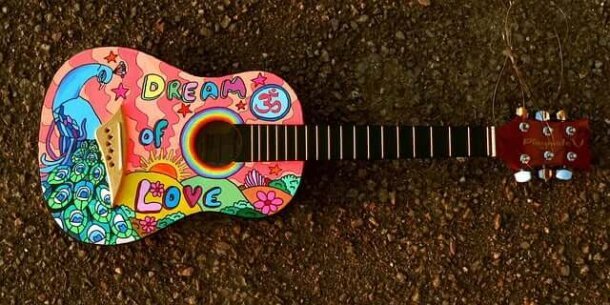
If you’ve ever met someone who seems laid-back, health-conscious, spiritually curious, and a little outside the mainstream—but still very much part of modern life—you may have encountered what people often call a neohippie.
A NEOHIPPIE
A neohippie is essentially a modern version of the free-spirited lifestyle that came out of the 1960s counterculture movement. But instead of rejecting society entirely, neohippies tend to blend those older values with today’s world.
They often care about:
Personal freedom and authenticity
Health, wellness, and natural living
Spiritual exploration (not always tied to one religion)
Environmental awareness
Creativity and self-expression
Unlike the stereotypes, most neohippies today still work jobs, use technology, and live fairly balanced lives—they just approach life with a different mindset.


NEOHIPPIES VS. ORIGINAL HIPPIES
To understand neohippies, it helps to look at how they compare to the original hippies.
Original Hippies (1960s–1970s)
Strongly anti-establishment and anti-war




Lived communally or “off the grid”
Experimented heavily with alternative lifestyles
Deeply tied to events like Woodstock Festival 1969
Often rejected traditional careers and systems
Neohippies (Today)
More integrated into everyday society


May have careers, businesses, or families
Focus on personal peace more than large-scale protest
Use modern tools (social media, wellness apps, etc.)
Blend ancient ideas with modern science and lifestyle trends
In short, original hippies tried to change the system. Neohippies tend to navigate the system differently.
ORIGINS AND HISTORY OF NEOHIPPIES
The neohippie movement didn’t begin as one clear event—it slowly evolved.
After the peak of the hippie era faded in the 1970s, many of the ideas didn’t disappear. Instead, they resurfaced over time in new forms:
The rise of yoga and meditation in the West
Interest in organic food and natural health
Growth of music festivals like Burning Man
The wellness movement of the 2000s and beyond
Neohippies are essentially the result of these influences merging with modern life. It’s less of a “movement” and more of a cultural mindset that keeps evolving.
HEALTH AND WELLNESS BENEFITS OF A NEOHIPPIE LIFESTYLE
One reason this lifestyle has stuck around is because many of its habits genuinely support well-being.
Emphasis on Natural Living
Neohippies often gravitate toward whole foods, time outdoors, and less processed lifestyles—things that can support physical health.
Stress Reduction
Practices like meditation, journaling, or spending time in nature can help lower stress and improve mental clarity.
Strong Mind-Body Connection
There’s usually a focus on listening to your body—through movement, rest, and mindfulness.
Community and Connection
Even if not living in communes, neohippies often value meaningful relationships and supportive communities.
Slower, More Intentional Living
This can help reduce burnout and increase overall life satisfaction.
Of course, like anything, balance matters. Not every trend labeled “natural” is automatically safe or effective.
TOP SIGNS SOMEONE MIGHT BE A NEOHIPPIE
You usually won’t find a strict label—but there are patterns.
They care about what they eat and prefer natural or organic foods
They’re into things like yoga, meditation, or breathwork
They value experiences over material things
They question mainstream norms but don’t necessarily reject everything
They enjoy music, art, festivals, or creative expression
They talk about energy, mindfulness, or personal growth
They spend time outdoors whenever they can
They tend to be open-minded about different cultures and beliefs
It’s less about appearance and more about mindset.
THINGS NOBODY REALLY TALKS ABOUT
This is where it gets interesting.
It’s Not Always Peaceful or Simple
While it may look relaxed from the outside, constantly seeking “balance” or “alignment” can actually become stressful if taken too far.
There Can Be a Lot of Misinformation
Some people in these circles promote wellness ideas that aren’t backed by science. It’s important to stay grounded and think critically.
It’s Easy to Drift Into Extremes
What starts as healthy living can turn into:
Over-restrictive diets
Obsessive routines
Avoiding necessary medical care
Balance is key.
It Often Blends with Entrepreneurship
Many neohippies today run small businesses—coaching, wellness products, creative services—which is something the original hippies didn’t focus on as much.
It’s More Common Than You Think
A lot of people quietly live this way without ever calling themselves a neohippie.
A neohippie isn’t about tie-dye clothes or dropping out of society. It’s more about choosing a thoughtful, intentional way to live in a fast-paced world.
At its best, it encourages:
Health and mindfulness
Connection to nature
Personal growth
Living with purpose
At its worst, it can drift into unrealistic or ungrounded thinking.
Like most lifestyles, the real value comes from taking what works, staying grounded, and avoiding extremes.
QUESTIONS ANSWERED ABOUT NEOHIPPIES YOU MAY BE ASKING YOURSELF
Do People Call Themselves Neohippies?
Most of the time, no—they don’t.
The term “neohippie” isn’t something people commonly use to describe themselves. It’s more of an observer label—something others might say when they notice a certain lifestyle or mindset.
Instead, people are more likely to say things like:
“I’m into wellness”
“I try to live intentionally”
“I’m spiritual but not religious”
“I like natural living”
So even if someone fits the description perfectly, they usually won’t introduce themselves as a neohippie.
Do people try to become one?
Not in a direct way.
You don’t typically hear someone say, “I want to become a neohippie.” That’s because it’s not a structured identity like a profession or even a clearly defined movement.
What does happen is this:
People start adopting certain habits or values:
Eating cleaner or more natural foods
Getting into meditation or yoga
Spending more time outdoors
Questioning fast-paced, high-stress lifestyles
Looking for deeper meaning or purpose
Over time, those choices can add up to what others might recognize as a neohippie lifestyle—but it happens gradually and naturally, not as a goal.
Are people just living that way without realizing it?
Yes—this is probably the most common case.
A lot of people are essentially living a neohippie-type lifestyle without ever thinking about it in those terms.
They might:
Care about their health and avoid overly processed things
Value peace of mind over constant hustle
Be open to different ideas, philosophies, or spiritual practices
Prefer experiences over material things
But in their mind, they’re just trying to live a better, healthier, more meaningful life.
Why the label isn’t a big deal
Unlike the original hippie era tied to the 1960s counterculture movement, today’s version is much more blended into everyday life.
There’s no clear group to “join,” no official definition, and no real need to label it.
In fact, many people who live this way would probably avoid labels altogether, because:
They value individuality
They don’t want to be boxed in
They prefer to focus on how they live, not what they’re called
Most people don’t set out to become a neohippie—and they usually don’t call themselves one either.
They just start making choices that lead toward:
Better health
More balance
More meaning
Less unnecessary stress
And somewhere along the way, others might look at them and think, “That’s kind of a modern hippie.”
But to them, it’s just living life in a way that feels right.
NEOHIPPIES AND CREATIVE LIVING: MUSIC, ART, AND EVERYDAY CHOICES
One of the easiest ways to recognize a neohippie mindset is through how it shows up in creativity and lifestyle. It’s not just about what someone believes—it’s how they express themselves, what they support, and how they move through everyday life.
Let’s walk through how this plays out in a few key areas.
MUSIC: MORE THAN JUST ENTERTAINMENT
Music has always been central to free-spirited culture, going back to events like Woodstock Festival 1969. That hasn’t changed—it’s just evolved.
For neohippie-leaning people, music is often:
Emotional and meaningful, not just background noise
Live and shared, like small concerts, festivals, or even jam sessions
Diverse, ranging from folk and reggae to indie, electronic, or world music
There’s also a strong appreciation for:
Acoustic sounds
Lyrics with depth or message
Artists who feel authentic rather than overly commercial
Music becomes a connection tool—something that brings people together, not just something to consume.
PERFORMING ARTS: EXPRESSION OVER PERFECTION
In performing arts, the neohippie mindset leans toward authentic expression rather than polished perfection.
You’ll often see interest in:
Dance styles that feel natural and free-form
Small theater groups or improv
Spoken word poetry and storytelling
Festival-style performances (fire dancing, flow arts, etc.)
It’s less about being a professional performer and more about:
Letting go
Expressing emotion
Connecting with others
A lot of people who never considered themselves “artists” end up participating in some way.
VISUAL ART AND CRAFTS: HANDMADE AND PERSONAL
This is a big one.
Neohippie culture tends to favor:
Handmade over mass-produced
Unique over perfect
Personal meaning over trends
Common creative outlets include:
Painting and sketching
Pottery and ceramics
Macramé and textile work
DIY crafts and upcycling
Tie-dye and custom clothing
There’s something grounding about making things with your hands. It slows life down and gives a sense of ownership and creativity that you don’t get from just buying something.
CONSUMERISM: A DIFFERENT RELATIONSHIP WITH “STUFF”
This is where things really stand apart.
Neohippie-leaning individuals often rethink how they consume:
They may buy less overall
When they do buy, they look for quality, sustainability, or meaning
They often support small businesses, local makers, or ethical brands
You’ll hear ideas like:
“Do I really need this?”
“Where did this come from?”
“Who made it?”
That said, it’s not about rejecting modern life completely. Most still:
Use smartphones
Shop online
Participate in everyday society
It’s more about being intentional rather than extreme.
THE REALITY MOST PEOPLE DON’T TALK ABOUT
This lifestyle sounds appealing—and it often is—but there are some less obvious sides to it.
It Can Get Expensive
Ironically, buying organic food, handmade goods, or attending festivals can cost more than mainstream options.
There’s a Trend Factor
Some aspects of “boho” or “natural living” have been commercialized. Big brands now sell the look of this lifestyle, even if they don’t fully live up to its values.
Not Everyone Is an Artist
There can be quiet pressure to be creative or expressive, which doesn’t come naturally to everyone.
Balance Is Key
It’s easy to swing too far into:
Rejecting convenience
Overthinking purchases
Trying to live up to an “ideal” lifestyle
The healthiest version is flexible and realistic.
HOW IT ALL COMES TOGETHER
When you put it all together, the neohippie approach to music, art, and lifestyle is really about a few core ideas:
Create more than you consume
Choose meaning over excess
Express yourself honestly
Stay connected—to people, nature, and your own mind
It’s not about being perfect, artistic, or different for the sake of it.
It’s about living in a way that feels a little more human in a world that can sometimes feel rushed, commercial, and disconnected.
If you look around, you’ll probably start noticing this mindset in all kinds of people—at local markets, small concerts, outdoor gatherings, or even just someone quietly working on a craft at home.
NEOHIPPIES ARE ABOUT PEACE, UNITY, AND A BETTER WORLD TOO
The Original Spirit: Big, Visible Change
The original hippies, especially during the 1960s counterculture movement, were very outward-focused.
They stood for:
Peace, especially opposition to war
Love and unity across cultures
Challenging authority and systems they believed were harmful
Large gatherings, protests, and cultural moments like Woodstock Festival 1969
Their message was loud, visible, and often collective:
“Let’s change the world together.”
The Neohippie Version: Quiet, Personal Change
Neohippies generally still believe in those same core ideas:
Peace over conflict
Kindness and compassion
Unity and respect for others
Caring for the planet
But instead of focusing mainly on protests or big movements, they tend to focus on how they personally live each day.
It’s more like:
“Let me live in a way that reflects the kind of world I want.”
What That Looks Like in Real Life
Instead of large demonstrations, you’re more likely to see things like:
Choosing not to engage in unnecessary conflict
Practicing mindfulness or meditation to stay calm and grounded
Being kind and respectful in everyday interactions
Supporting causes quietly (donations, volunteering, ethical choices)
Caring about the environment through daily habits
It’s a shift from outer activism → inner alignment.
Are They Still About Unity?
Yes, but it’s often less political and more human.
Neohippies tend to:
Be open to different beliefs, cultures, and lifestyles
Avoid rigid “us vs. them” thinking
Focus on connection rather than division
That said, they may not always organize around one big cause the way earlier generations did.
An Honest Reality Most People Don’t Say
While the values are still there, the intensity can vary.
Some people who fit the “neohippie” mold:
Are deeply committed to peace and making a difference
Actively volunteer or support causes
Try to live very intentionally
Others:
Focus mostly on personal wellness and lifestyle
Talk about peace and positivity, but don’t always act on it in bigger ways
So just like any group, there’s a range—from deeply committed to more surface-level.
Why the Approach Changed
A big reason for the shift is the world itself.
Today:
Life is faster and more complex
People juggle jobs, families, and responsibilities
Change often feels overwhelming at a global level
So many people focus on what they can control:
Their habits
Their mindset
Their immediate impact on others
Neohippies generally do carry forward the same core ideals:
Peace
Love
Unity
A better world
But instead of trying to change everything all at once, they tend to believe:
If enough individuals live with intention, kindness, and awareness, the world improves naturally over time.
It’s less about standing in a crowd shouting for peace—and more about quietly living it out every day.
NEOHIPPIES APPROACH TO RACISM
In general, people who fit the “neohippie” mindset are strongly against racism. That lines up with the same core values carried over from the 1960s counterculture movement—things like unity, human dignity, and seeing people as individuals rather than labels.
But like everything we’ve talked about, how they approach it today can look a little different.
The Core Belief: Unity and Human Connection
Most neohippie-leaning individuals believe:
All people are equal at a fundamental level
Division based on race is harmful and unnecessary
Understanding and connection are better than judgment
You’ll often hear ideas like:
“We’re all one”
“Judge people by their character, not their background”
“Focus on love and respect”
So at a values level, there’s usually a clear rejection of racism.
How They Typically Respond to Racism
Instead of confrontation right away, many tend to lean toward:
Personal Behavior First
They try to treat everyone with respect in their own daily lives:
Being kind and open-minded
Building friendships across different backgrounds
Avoiding stereotypes
Calm Conversations
If racism comes up, they may:
Try to talk things through rather than argue
Encourage understanding instead of escalating conflict
Focus on shared humanity
Lifestyle Choices
Some express their values through:
Supporting diverse creators, artists, or businesses
Participating in community or cultural events
Promoting inclusivity in subtle, everyday ways
Where It Can Get Complicated
This is something most people don’t talk about openly, but it’s important to understand.
“Peace First” Can Sometimes Mean Avoiding Conflict
Because many neohippies value harmony, they might:
Avoid tough or uncomfortable conversations
Stay quiet when something should be challenged
That can sometimes come across as not doing enough, even if their intentions are good.
Emphasis on “We’re All the Same”
While this idea promotes unity, critics sometimes say it can:
Overlook real cultural differences
Ignore specific challenges certain groups face
So the intention is unity—but it can occasionally miss deeper complexities.
Range of Awareness
Just like any group:
Some are very informed, active, and engaged
Others are more focused on personal peace and less on social issues
So you’ll see a wide spectrum.
How They Compare to Original Hippies
Original hippies were often more visibly involved in civil rights and social justice movements alongside their anti-war stance.
Neohippies today are more likely to:
Focus on personal inclusivity and mindset
Support causes in quieter ways
Blend social awareness with lifestyle choices
Most neohippies:
Reject racism clearly in principle
Value unity, respect, and human connection
Try to live those values in everyday life
But their approach is usually:
More personal than political
More calm than confrontational
More about daily behavior than large-scale activism
At its best, that creates genuine respect and connection across people.
At its weakest, it can sometimes avoid hard conversations that are necessary for real change.
Like anything else, the impact depends on how deeply those values are actually lived out.
NEOHIPPIES, INTEGRITY, AND MORALS: WHAT THEY ARE REALLY LIKE
When it comes to integrity and morals, neohippies generally care a lot about these things—but the way they define and live them can be a little different from more traditional or structured systems.
The Core Idea: “Live Authentically”
For many neohippie-leaning individuals, integrity isn’t just about following rules—it’s about being real and consistent with what you believe.
You’ll often see values like:
Honesty (especially with oneself)
Authenticity (not pretending to be something you’re not)
Kindness and compassion
Personal responsibility
Respect for others and the environment
So instead of saying, “I follow this exact moral code,” it’s more like:
“I try to live in alignment with what I believe is right.”
Where Their Moral Framework Comes From
Unlike traditional systems that might be rooted in one source, neohippies often pull from a mix of influences, such as:
Spiritual ideas from different traditions
Philosophies about mindfulness and awareness
Personal life experiences
A general sense of empathy and fairness
Because of that, their moral compass tends to be:
Flexible rather than rigid
Internally guided rather than externally enforced
Strengths: Where They Tend to Shine
Strong Personal Integrity (When It’s Genuine)
Many really do try to “walk the talk.”
If they believe in kindness or honesty, they often make a real effort to live it out daily.
Low Tolerance for Hypocrisy
They usually don’t like fake behavior or people who say one thing and do another.
Emphasis on Treating People Well
Respect, fairness, and compassion are generally high priorities.
Willingness to Self-Reflect
There’s often a focus on:
Looking inward
Admitting mistakes
Trying to grow as a person
Where It Can Get Complicated
This is the part that’s honest but not always talked about.
“Do What Feels Right” Can Be a Double-Edged Sword
If morality is based mostly on personal feeling:
It can lead to genuine authenticity
But it can also lead to inconsistency
What feels right in one moment might change later.
Lack of Clear Boundaries
Without a fixed moral framework, some people may:
Blur lines on what’s right or wrong
Justify questionable decisions if they “feel aligned”
This doesn’t apply to everyone, but it can happen.
Avoidance of Judgment
Because they value acceptance, some neohippies:
Avoid calling out bad behavior
Hesitate to take strong moral stands
That can sometimes weaken accountability.
Wide Range of Character
Just like any group:
Some are deeply principled and disciplined
Others adopt the image of the lifestyle without strong underlying values
So the label itself doesn’t guarantee integrity—the individual does.
Compared to Traditional Moral Systems
If you think about systems rooted in religion or philosophy (like the values you’ve mentioned being important to you), the difference is pretty clear:
Traditional systems:
Clear right and wrong
External guidance (scripture, doctrine, philosophy)
Emphasis on discipline and consistency
Neohippie approach:
More personal and flexible
Internal guidance
Emphasis on authenticity and intention
Neither is automatically better or worse—it depends on how seriously someone lives it out.
Most neohippies value integrity, morals, and being a good person. In many cases, they genuinely try to:
Be honest
Treat others well
Live in alignment with their beliefs
At their best, they’re:
Thoughtful
Compassionate
Self-aware
Principled in a personal, lived-out way
At their worst, they can:
Drift into inconsistency
Avoid hard moral lines
Prioritize feelings over firm principles
A good way to understand it is this:
Neohippies tend to define integrity as being true to yourself.
More traditional systems tend to define integrity as being true to a higher standard.
The strongest people—regardless of label—usually find a way to do both:
Stay authentic
While also holding themselves to solid, consistent principles
That’s where real character tends to show up.
NEOHIPPIES THOUGHS ON GREED, SELFISHNESS, AND MATERIALISM
Most people who fit the neohippie mindset are trying to move away from:
Excessive focus on money for its own sake
Constant accumulation of things
Living only for status, image, or personal gain
And toward:
Meaning and purpose
Relationships and community
Simplicity and balance
How They Typically View These Things
Greed
They usually see greed as something that:
Creates imbalance in society
Leads to stress and dissatisfaction
Pulls people away from what really matters
So instead of “more, more, more,” the mindset is often:
“What’s enough?”
Selfishness
Most neohippie-leaning people value:
Kindness
Empathy
Helping others
They often try to:
Be considerate in everyday interactions
Support others emotionally or practically
Think beyond just their own needs
That said, many also believe in healthy self-care, so it’s not about neglecting themselves—it’s about balance.
Materialism
This is probably where the difference is most noticeable.
They tend to question:
Buying things just to impress others
Chasing status symbols
Constant upgrading and consumption
Instead, they often prefer:
Experiences over possessions
Quality over quantity
Items with meaning (handmade, ethical, personal)
But Here’s the Honest Reality
This is where things get more nuanced.
They Still Live in the Modern World
Most neohippies:
Have jobs
Use technology
Buy things like everyone else
So it’s not a complete rejection of money or possessions—it’s more about being intentional.
“Anti-Materialism” Can Become Its Own Trend
Ironically, there’s now a market around:
“Minimalist” products
“Boho” fashion
Wellness lifestyles
So someone might reject mainstream materialism but still participate in a different version of it.
Not Everyone Lives It Deeply
Just like any group:
Some truly live simply and generously
Others like the idea of it but don’t fully practice it
So the values are common—but the consistency varies.
A Balanced Way to Understand It
At their core, most neohippies are trying to shift from:
Accumulation → Appreciation
Status → Meaning
Self-focus → Connection
But they’re still human, living in a modern system, so it’s not always perfect or absolute.
Yes—neohippies are generally against greed, excessive selfishness, and empty materialism in principle.
But instead of rejecting everything outright, they usually aim for:
Balance over extremes
Intentional choices over automatic consumption
A life that feels meaningful, not just successful on the surface
And like anything else, the real difference comes down to how seriously an individual actually lives those values day to day.
NEOHIPPIES AND DISCONNECTING: SOCIAL MEDIA, PHONES, AND SCREENS
If there’s one area where the neohippie mindset really shows up, it’s in how people relate to technology.
Most don’t completely reject things like smartphones, social media, or TV—but they’re usually more aware of how those things affect their mind, time, and overall well-being.
The Core Idea: Use It, Don’t Be Used by It
Neohippie-leaning individuals often try to follow a simple principle:
Technology should serve your life—not control it.
So instead of mindless scrolling or constant notifications, they tend to ask:
“Is this adding value to my life?”
“How do I feel after using this?”
“Is this distracting me from something more meaningful?”
How They Typically Handle Social Media
Most don’t quit entirely—but they use it differently.
You’ll often see:
Less passive scrolling, more intentional use
Following content that inspires (health, nature, creativity, spirituality)
Taking regular breaks or “detoxes”
Posting less for validation and more for expression
Some will step away for days or weeks at a time just to reset mentally.
Phones and Constant Connectivity
Phones are where modern life gets tricky, and many neohippies are aware of it.
Common habits include:
Turning off non-essential notifications
Not checking the phone first thing in the morning
Setting boundaries (like no phone during meals or conversations)
Leaving the phone behind during walks or time outdoors
It’s not about rejecting the phone—it’s about not being glued to it.
TV, Streaming, and Entertainment
With TV and streaming, the mindset is similar:
Less binge-watching just to pass time
More intentional viewing (documentaries, meaningful films, learning content)
Choosing activities like reading, creating, or being outside instead
Entertainment becomes more of a choice, not a default habit.
The Appeal of “Disconnecting”
A big part of this lifestyle is rediscovering things that don’t involve screens:
Being outdoors
Having real, uninterrupted conversations
Creating something with your hands
Sitting in silence or reflecting
Many find that when they unplug—even briefly—they feel:
Less anxious
More present
Mentally clearer
What Most People Don’t Talk About
It’s Harder Than It Sounds
Modern apps and devices are designed to keep your attention. Even people who value disconnection can struggle with overuse.
Some Still Rely on Technology a Lot
Many neohippies:
Work online
Run businesses through social media
Use apps for wellness, meditation, or learning
So there can be a bit of a contradiction:
Trying to disconnect while still depending on the tools.
It Can Become an Identity
For some, “I don’t use social media much” can become a point of pride—almost like a badge. That’s not always a bad thing, but it can turn into another form of comparison if not kept in check.
Balance Is the Real Goal
The healthiest approach isn’t total disconnection—it’s:
Knowing when to unplug
Knowing when technology is useful
Staying in control of your habits
Neohippies are generally more intentional about disconnecting from:
Social media
Phones
TV and constant digital input
But they don’t usually abandon these things completely.
Instead, they aim for:
Less noise
More presence
More real-life connection
In a world that’s always “on,” that alone can make a noticeable difference in how someone feels day to day.
When you step back and look at the bigger picture, the neohippie mindset isn’t really about labels, trends, or trying to fit into a certain group. It’s about a quiet shift in priorities. Less focus on constant consumption, distraction, and external validation—and more focus on living with intention, awareness, and a sense of inner steadiness. In a world that moves fast and demands attention nonstop, that kind of approach naturally stands out.
What’s interesting is that many of these ideas aren’t new at all. They echo timeless principles found in philosophy, faith, and common sense—things like self-control, gratitude, humility, and treating others well.
The difference is how they’re being applied today. Instead of large movements or loud statements, it often shows up in small, daily choices: putting the phone down, being present in a conversation, choosing what really matters over what’s just convenient or привычный.
At the same time, it’s important to stay grounded. Like any lifestyle or mindset, it can be done well or poorly. At its best, it leads to clarity, better health, stronger relationships, and a more meaningful life.
At its worst, it can drift into inconsistency, avoidance, or chasing an image rather than living out real values. That’s why balance, honesty, and personal responsibility matter so much—no matter what label someone uses.
The real takeaway isn’t whether someone is or isn’t a “neohippie.” It’s whether they’re moving toward a life that’s more thoughtful, more disciplined in the right ways, and more aligned with what truly matters. The people who get the most out of this way of living aren’t the ones trying to fit a mold—they’re the ones who take the good from it, stay grounded, and quietly live it out day by day.
HERE ARE SOME SOLID, REAL PLACES YOU CAN EXPLORE FURTHER—BROKEN DOWN IN A SIMPLE, PRACTICAL WAY SO YOU CAN KEEP LEARNING ABOUT EVERYTHING WE TALKED ABOUT (NEOHIPPIES, INTENTIONAL LIVING, WELLNESS, SIMPLICITY, ETC.).
🌿 Foundational Concepts (Start Here)
These help you understand the core mindset behind neohippie-type living.
1. Intentional Living (Core Idea Behind It All)
These explain what it really means to live on purpose instead of autopilot.
At its core, intentional living is about aligning your actions with your values and being conscious about how you live day to day.
2. Neohippie Definition and Background
This gives a clear breakdown of what a neohippie is: a modern person influenced by hippie values like peace, sustainability, and alternative lifestyles—but adapted to today’s world.
🧠 Mindset, Wellness, and Personal Growth
These help you understand the internal side—how people think, live, and grow.
3. Modern Wellness & Intentional Lifestyle Platforms
- Antimatter wellness and intentional living platform
- Cultivate an Exceptional Life (mindful lifestyle blog)
These kinds of sites focus on:
- Mindfulness
- Purpose
- Balance
- Self-awareness
They reflect how modern “neohippie-type” thinking shows up today—less rebellion, more personal growth.
🌱 Simplicity, Minimalism, and Anti-Materialism
These connect directly to the “against greed/materialism” part you asked about.
4. Simple Living & Minimalism Ideas
This covers ideas like:
- Slow living
- Minimalism
- Living with less
- Focusing on what matters
These are basically the practical lifestyle expressions of neohippie values.
🌍 Real-Life Communities & Perspectives (Reddit Insights)
These give you a more real, unfiltered look at how people actually live this way.
5. Natural Living Perspective
“It’s about intentional living rooted in simplicity, sustainability, and respect for the Earth.”
6. Holistic Lifestyle Community
You’ll see discussions about:
- Meditation, yoga, and mindfulness
- Natural health
- Sustainability
- Personal growth
7. Real Talk About Intentional Living
One interesting insight:
People often struggle balancing intention with real-world pressures.
That lines up with what we talked about—it’s not always easy or perfect.
🧭 A Simple Way to Keep Learning
If you want to keep exploring this in a practical, grounded way, focus on these areas:
1. Search Topics Like:
- “intentional living”
- “slow living lifestyle”
- “minimalism and meaning”
- “holistic wellness practices”
2. Look for:
- Books on mindfulness and purpose
- Podcasts on simple living
- Local events (yoga, art, nature groups, volunteering)
3. Pay Attention to Real Life
Honestly, one of the best “resources” is just noticing:
- People who live simply
- People who seem calm and grounded
- People who prioritize meaning over noise
Those are often the closest real-world examples of everything we’ve been talking about.
There isn’t one official “neohippie guide” or organization—that’s kind of the point.
What you’ll find instead is a collection of ideas and practices:
- Intentional living
- Simplicity
- Wellness
- Creativity
- Connection
The more you explore those, the more clearly the whole picture comes together.