


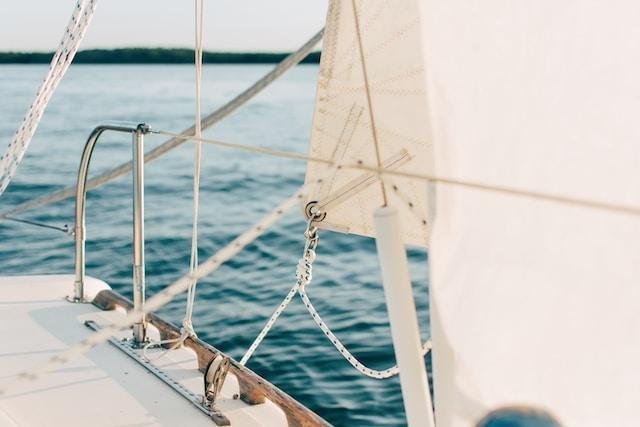
Sailing is one of those activities that looks peaceful and glamorous from a distance, but once you get around real sailors you discover an entirely different world.
There are deep lessons, hidden hardships, strange psychology, quiet beauty, and hard-earned wisdom that most people never hear about.
A lot of people imagine sailing as luxury, sunsets, tropical islands, and freedom. Sometimes it is. But experienced sailors will tell you that sailing is also discomfort, fear, mechanical breakdowns, patience, humility, weather obsession, loneliness, and learning to respect nature in a way modern life rarely teaches anymore.
ONE OF THE BIGGEST THINGS NOBODY TALKS ABOUT IS HOW SAILING CHANGES THE WAY PEOPLE THINK
On land, most people live in environments where they can control almost everything. If the weather is bad, they stay inside. If they are hungry, they drive somewhere. If something breaks, help is nearby.
Sailing strips much of that away. The wind does not care about your plans. The ocean does not care about your ego. A sailor learns quickly that nature always has the final word.
That reality humbles people.
Many sailors become calmer over time because sailing punishes impatience. You cannot force wind. You cannot rush weather systems. You cannot panic during rough seas. If you do, you make mistakes. Sailing rewards steady thinking, preparation, observation, and emotional control.
That is one reason many people describe sailing as spiritual even if they are not religious.
The ocean has a way of making human problems feel smaller. When you are alone under stars with no city lights for miles, hearing only wind and water, something changes psychologically. Many sailors talk about feeling mentally reset after time at sea. Some say sailing helped them recover from burnout, stress, or emotional overload because it forces them into the present moment.
ANOTHER THING PEOPLE RARELY TALK ABOUT IS HOW PHYSICALLY DEMANDING SAILING CAN BE
People sometimes think sailing means sitting around drinking cocktails. In reality, depending on conditions and boat size, sailing can involve:
- Heavy lifting
- Constant balancing
- Sleep deprivation
- Cold exposure
- Wet clothing
- Seasickness
- Rope burns
- Climbing
- Emergency repairs
- Hours of concentration
During rough weather, even simple tasks become exhausting. Trying to cook food while the boat violently moves is difficult. Using the bathroom can become difficult. Sleeping can become difficult. In storms, sailors may stay awake for long periods while managing sails and navigation.
NOBODY REALLY UNDERSTANDS SEASICKNESS UNTIL THEY EXPERIENCE IT
Seasickness can completely humble confident people. Strong athletes, military veterans, and experienced outdoorsmen can all get violently seasick. Some sailors say it feels like your brain and stomach are fighting each other.
People can become weak, dehydrated, emotional, and mentally foggy. Yet experienced sailors also learn that the body often adapts after a few days.
ANOTHER HIDDEN REALITY IS THAT SAILING TEACHES MECHANICAL SELF-RELIANCE
A sailboat is basically a floating machine filled with systems that can fail:
- Engines
- Batteries
- Pumps
- Navigation electronics
- Radios
- Rigging
- Plumbing
- Sails
- Steering systems
Far from shore, there may be nobody coming quickly to help. Because of that, sailors often become surprisingly skilled at repairs. Many learn electrical work, diesel mechanics, weather forecasting, navigation, knot tying, fiberglass repair, and emergency problem-solving.
This self-reliance builds confidence that transfers into everyday life.
PEOPLE ALSO RARELY TALK ABOUT THE STRANGE RELATIONSHIP SAILORS DEVELOP WITH FEAR
The ocean can become terrifying very quickly. Weather forecasts can be wrong. Calm water can turn dangerous within hours. Waves can become massive. Equipment can fail unexpectedly. Even experienced sailors respect stories of storms, rogue waves, and accidents.
Good sailors are usually not reckless thrill-seekers.
The best sailors are often cautious, observant, and humble. Overconfidence is dangerous on the water. Experienced sailors constantly monitor:
- Wind direction
- Barometric pressure
- Cloud formations
- Wave patterns
- Equipment wear
- Tide changes
- Navigation hazards
They know small mistakes can compound into major problems.
ONE THING THAT SURPRISES MANY BEGINNERS IS HOW MUCH SAILING INVOLVES WEATHER PSYCHOLOGY
Sailors become obsessed with weather because their safety depends on it. They start noticing things most people ignore:
- Changes in air pressure
- Wind smells
- Cloud texture
- Temperature shifts
- Bird behavior
- Water color
- Wave rhythm
Older sailors sometimes develop almost uncanny instincts about changing conditions. They may sense weather before seeing it on instruments.
ANOTHER THING FEW PEOPLE MENTION IS THE EMOTIONAL SIDE OF BEING FAR OFFSHORE
Being out at sea for days can affect the mind in unusual ways. Without constant phones, traffic, advertisements, and noise, people sometimes experience:
- Deep reflection
- Emotional clarity
- Anxiety
- Loneliness
- Peacefulness
- Mental fatigue
- Heightened awareness
Some sailors say the ocean exposes who you really are because there are fewer distractions and fewer escapes. If someone has emotional instability, impatience, arrogance, or panic tendencies, sailing often reveals it quickly.
RELATIONSHIPS ONBOARD CAN ALSO BECOME INTENSE
On smaller boats, there is little personal space. Small annoyances can become major conflicts if people do not communicate well. Good sailing crews depend heavily on:
- Trust
- Emotional control
- Clear communication
- Shared responsibility
- Reliability
A selfish or lazy person can create serious danger onboard.
At the same time, sailing also creates extraordinarily strong friendships because crews often go through hardship together. Facing storms, night watches, repairs, and long passages creates bonds similar to other demanding environments.
NIGHT SAILING IS ANOTHER THING PEOPLE RARELY UNDERSTAND UNTIL THEY EXPERIENCE IT
Sailing at night can be unbelievably beautiful and deeply unsettling at the same time.
The stars can look overwhelming without city lights. Bioluminescence may glow in the water. The ocean can feel infinite. But darkness also magnifies fear because you cannot always see approaching weather, debris, or waves clearly. Many sailors describe their first offshore night as both magical and nerve-racking.
PEOPLE ALSO DO NOT TALK ENOUGH ABOUT HOW EXPENSIVE SAILING CAN BECOME
The phrase many sailors joke about is:
“A boat is a hole in the water you throw money into.”
Maintenance never stops. Boats constantly require:
- Repairs
- Cleaning
- Engine maintenance
- Bottom painting
- Sail replacement
- Dock fees
- Insurance
- Fuel
- Electronics upgrades
Some people buy boats chasing a fantasy lifestyle and are shocked by the cost and labor involved. Others become consumed by upgrading their boats endlessly.
But many sailors would still say the experience is worth it because sailing gives something modern life often lacks:
- Adventure
- Simplicity
- Challenge
- Presence
- Freedom
- Competence
- Connection to nature
There is also a hidden philosophy among many long-term sailors: simplicity matters more than luxury.
Some of the happiest sailors live on small older boats with very few possessions. Sailing often teaches that comfort and happiness are not always the same thing. People sometimes discover they need far less than they thought.
ANOTHER THING NOBODY TALKS ABOUT ENOUGH IS HOW SAILING TEACHES PATIENCE WITH LEARNING ITSELF
At first, sailing can feel overwhelming:
- Nautical terminology
- Navigation rules
- Wind angles
- Sail trim
- Knots
- Weather systems
- Docking techniques
- Safety procedures
Beginners often feel clumsy and confused. Docking alone can be stressful because wind and current constantly push the boat around. Many sailors have embarrassing stories about bad docking attempts.
But over time, things become instinctive. Sailors begin “feeling” wind and boat movement almost automatically. Experienced sailors often develop a deep intuitive connection with their boats.
THERE IS ALSO A HIDDEN MENTAL HEALTH SIDE TO SAILING
For some people, sailing becomes one of the few places where their mind quiets down. The focus required can create a state similar to meditation. You must pay attention to the present:
- Wind
- Water
- Balance
- Sound
- Movement
There is little room for endless mental noise.
That said, sailing is not automatically peaceful. The ocean can also magnify unresolved emotional issues. Isolation and stress sometimes bring anxiety or depression to the surface. Long-distance sailors sometimes talk about emotional ups and downs that nobody warned them about.
ANOTHER THING MANY OUTSIDERS DO NOT UNDERSTAND IS THAT SAILING CULTURE ITSELF VARIES GREATLY
Some sailors are:
- Competitive racers
- Quiet minimalists
- Hardcore adventurers
- Wealthy yacht owners
- Liveaboards
- Survivalists
- Retirees
- Wanderers
- Environmentalists
Some sailing communities are welcoming and humble. Others can become status-driven or elitist, especially around expensive yachts, and marinas.
Many experienced sailors actually admire competence more than wealth. Someone with an old boat and strong seamanship may earn more respect than someone with a giant expensive yacht who lacks real skills.
ONE OF THE DEEPEST LESSONS SAILING TEACHES IS RESPECT FOR LIMITS
Movies sometimes glorify conquering nature. Real sailors usually learn the opposite. They learn:
- Preparation matters
- Ego is dangerous
- Nature is stronger
- Small problems grow fast
- Discipline saves lives
- Calm thinking matters
Sailing teaches that confidence without humility becomes recklessness.
It also teaches that fear itself is not weakness. Fear can keep people alert and alive. Experienced sailors often say the goal is not to eliminate fear but to manage it wisely.
ANOTHER HIDDEN TRUTH IS THAT MANY SAILORS BECOME DEEPLY ATTACHED TO THEIR BOATS EMOTIONALLY
A boat can start feeling almost alive because people trust it with their survival. Sailors often speak about boats with affection and personality. After enough time at sea, the boat becomes more than an object. It becomes home, shelter, transportation, and partner all at once.
AND FINALLY, ONE OF THE BIGGEST THINGS NOBODY TALKS ABOUT REGARDING SAILING IS THIS:
Sailing often changes people internally more than externally.
Many people start sailing thinking they are chasing adventure, escape, or excitement. Over time, they discover sailing is also teaching:
- Patience
- Awareness
- Self-control
- Simplicity
- Humility
- Preparedness
- Resilience
- Respect for nature
- Gratitude for stability and safety
The ocean has a way of stripping away illusions. It reveals strengths and weaknesses honestly. For many sailors, that becomes one of the most meaningful parts of the entire experience.
Sailing is far more than learning how to operate a boat. It becomes a different way of seeing life. The ocean teaches lessons modern society often hides from people. It teaches that control is limited, preparation matters, nature deserves respect, and calm thinking is more valuable than panic.
Many sailors eventually realize they are not really learning to conquer the sea at all. They are learning how to live alongside forces much bigger than themselves.
Sailing also reveals how dependent many people have become on comfort, convenience, and constant stimulation. Out on the water, especially offshore, there are no endless distractions to numb the mind.
There is no escaping weather, fatigue, mistakes, or your own thoughts. For some people, that feels uncomfortable at first. But for others, it becomes one of the most healing and grounding experiences of their lives. The simplicity of wind, water, stars, and movement can reconnect people with something deeply human that modern life often buries.
Another thing that makes sailing meaningful is that it rewards character more than image. The ocean does not care about status, vanity, social media followers, or appearances. A person who is disciplined, humble, observant, patient, and dependable will usually do far better than someone driven by ego. That is one reason many longtime sailors become quieter, more practical, and less impressed by superficial things over time.
Sailing also teaches gratitude in powerful ways. After spending time in storms, rough seas, mechanical failures, or long uncomfortable passages, people often develop a deeper appreciation for simple things like a warm meal, dry clothes, stable ground, sleep, and safety. Experiences that once seemed ordinary can start feeling meaningful again. In a strange way, hardship at sea can make life on land feel richer and more appreciated.
For many people, sailing eventually becomes less about adventure and more about inner transformation. The boat may carry them across oceans, but the deeper journey is often happening inside themselves. They become more resilient, more patient, more aware, and more capable of handling uncertainty. They learn that fear can be managed, discomfort can be endured, and peace can sometimes be found in places that are wild, unpredictable, and beyond human control.
That may be one of the greatest hidden truths about sailing. Beneath the sails, storms, and navigation, sailing quietly teaches people how to become steadier human beings.
IF YOU REALLY WANT TO GO DEEPER INTO EVERYTHING WE TALKED ABOUT — THE PSYCHOLOGY OF SAILING, OFFSHORE LIFE, SEAMANSHIP, WEATHER AWARENESS, SAFETY, NAVIGATION, SELF-RELIANCE, AND THE HIDDEN REALITIES OF LIFE AT SEA — THERE ARE SOME OUTSTANDING RESOURCES THAT EXPERIENCED SAILORS CONSTANTLY RECOMMEND
Serious Offshore Sailing and Seamanship
One of the most respected deep-dive sailing resources online is:
- Attainable Adventure Cruising — This is one of the best resources for understanding the real-world realities of offshore sailing, heavy weather, seamanship, anchoring, boat preparation, and cruising life. It is respected because it focuses heavily on safety, preparation, and honest experience rather than fantasy sailing lifestyles.
Another highly respected offshore resource:
- Cornell Sailing Publications — Jimmy Cornell is legendary in offshore cruising circles. His books and atlases are especially valuable for understanding ocean passages, global weather patterns, and long-distance sailing psychology.
Beginner-Friendly Learning and Structured Training
If you want to actually learn sailing step-by-step:
- American Sailing Association (ASA) — One of the most widely used sailing education organizations in the United States. Great for beginners learning terminology, sail handling, navigation, docking, and safety.
- Kinetic Sailing Recommended Bookshelf — Excellent collection of sailing books and references ranging from beginner material to offshore cruising knowledge.
Some of the most respected sailing books repeatedly recommended by experienced sailors include:
- “The Complete Sailing Manual” by Steve Sleight
- “Chapman Piloting & Seamanship”
- “The Annapolis Book of Seamanship”
- “Sailing a Serious Ocean” by John Kretschmer
- “Storm Proofing Your Boat, Gear & Crew” by Fatty Goodlander
These books are respected because they teach not just sailing mechanics, but judgment, preparation, emergency thinking, and seamanship.
Learning About Weather, Navigation, and Safety
A huge part of sailing is learning weather awareness and navigation. These resources are extremely useful:
Real sailors widely use these tools for:
- Wind forecasting
- Route planning
- Offshore weather routing
- Tide analysis
- Navigation
- Anchorage planning
- Hazard awareness
Many sailors say learning weather forecasting becomes almost an obsession because safety depends on it.
Sailing Communities and Real Sailor Discussions
One of the best ways to learn the hidden truths of sailing is listening to real sailors talk honestly.
Some excellent places include:
These communities often discuss:
- Offshore fears
- Boat breakdowns
- Storm experiences
- Beginner mistakes
- Mental challenges
- Night sailing
- Safety equipment
- Liveaboard life
- The realities nobody shows on social media
Many experienced sailors there emphasize humility, preparation, and emotional control over glamour and fantasy.
Good YouTube Channels for Realistic Sailing
Some sailing channels are more realistic and educational than others. A few respected ones include:
- Sailing Uma
- How to Sail Oceans
- Sailing La Vagabonde
- Project Atticus
These channels can help people understand:
- Life aboard small boats
- Repairs and maintenance
- Offshore passages
- Storm preparation
- Minimalist living
- The emotional side of sailing
- Long-distance cruising realities
Deeper Topics Worth Exploring
If you continue studying sailing deeply, some of the most fascinating topics are:
- Heavy weather seamanship
- Celestial navigation
- Offshore psychology
- Sleep deprivation at sea
- Maritime survival
- Anchoring systems
- Liveaboard culture
- Marine weather systems
- Boat design philosophy
- Sail trim science
- Ocean currents
- Emergency communication systems
- Minimalist living aboard boats
A lot of longtime sailors eventually discover that sailing is not just transportation or recreation. It becomes a lifelong study of nature, discipline, awareness, preparedness, and human psychology.