



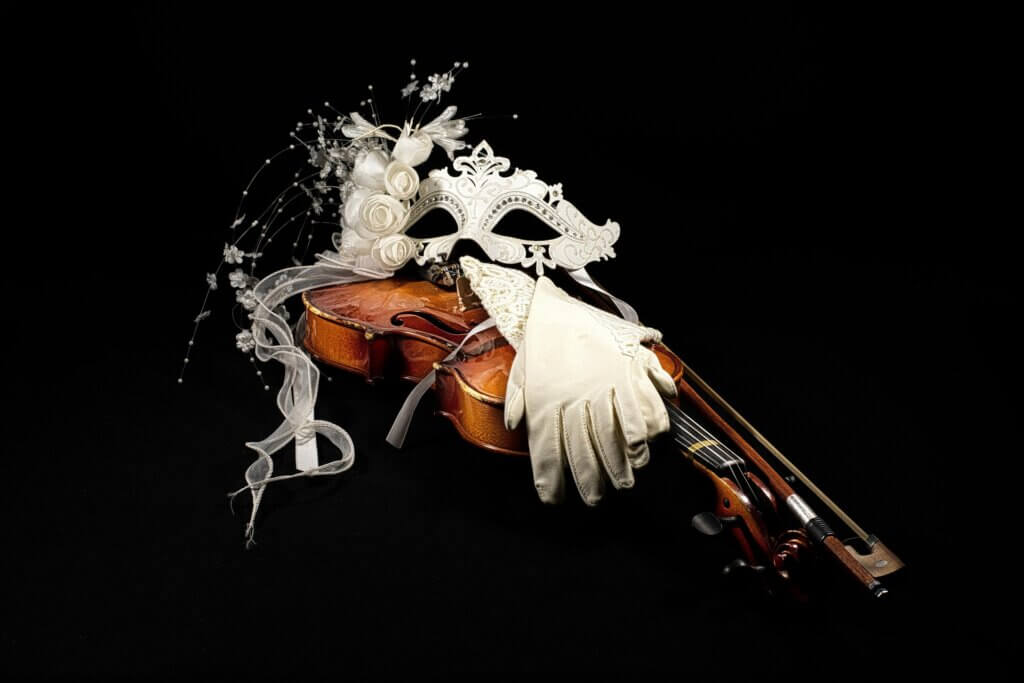
The performing arts are often presented to the public as glamorous, inspiring, creative, and exciting. People see the polished final product: the concert, the play, the dance performance, the orchestra, the comedy show, the musical, or the film performance.
What people usually do not see is the hidden world underneath it all — the emotional strain, discipline, politics, identity struggles, financial instability, physical pain, social dynamics, obsession, sacrifice, and strange realities that exist behind the curtain.
The performing arts world includes theater, dance, acting, opera, stand-up comedy, music performance, spoken word, live entertainment, and more. It is one of the oldest human traditions because people have always used performance to tell stories, preserve culture, entertain, inspire, worship, protest, and emotionally connect with others.
But there are many things about this world that people rarely discuss openly.
One of the biggest hidden realities is that performing arts are emotionally exposing in a way many careers are not. A mechanic can have a bad day and still repair a car. An accountant can quietly do their work.
But performers often have to emotionally reveal themselves in front of strangers while being judged in real time. Actors, dancers, singers, comedians, and musicians frequently deal with rejection, criticism, embarrassment, and vulnerability as part of daily life.
A stand-up comedian may bomb in front of a crowd. A singer may crack a note. An actor may freeze during a performance. A dancer may fall or miss timing.
These moments can feel deeply personal because the performer themselves becomes the “product” being evaluated.
Many people do not realize how psychologically intense auditions can be. In some performing arts fields, performers hear “no” constantly. An actor might audition hundreds of times before landing a meaningful role. A musician may practice for years for one orchestra opening. Dancers may train from childhood and still never reach elite levels professionally.
That constant rejection can either build resilience or slowly damage self-esteem depending on the person and the environment around them.


Another thing rarely discussed is how much of success in the performing arts depends on persistence, networking, timing, and luck — not just talent.
Talent absolutely matters, but there are countless incredibly talented people who never become famous or financially successful. Meanwhile, some less technically gifted performers succeed because they are charismatic, marketable, connected, disciplined, adaptable, or simply in the right place at the right time.
This reality shocks many young performers who grow up believing talent alone guarantees success.



The performing arts world can also be extremely political behind the scenes. Directors, producers, casting agents, instructors, critics, donors, sponsors, and gatekeepers often shape careers. Relationships matter enormously. Reputation spreads quickly.
A person known for reliability, professionalism, humility, and work ethic may get more opportunities than someone equally talented but difficult to work with.
People also rarely talk about how financially unstable the arts can be for many performers. The public often notices celebrities and stars, but most working artists live somewhere between passion and survival.
Many actors, musicians, dancers, and performers work second jobs for years. Some teach lessons, wait tables, work retail, coach, freelance, or do gig work while pursuing their art.
Even highly respected performers may experience periods of unemployment.
This creates a strange emotional conflict. Many performers deeply love what they do, but loving it does not always pay the bills consistently. Some eventually leave the field not because they lacked talent, but because exhaustion, instability, family responsibilities, or burnout became too overwhelming.


Burnout is another major hidden reality.
The arts can consume people’s identities. A performer may begin connecting their entire self-worth to audience reactions, applause, reviews, or external validation. If a performance goes badly, they may feel like they themselves are failures rather than simply having had a difficult night.
This is especially dangerous in highly competitive environments where performers constantly compare themselves to others.
Comparison is everywhere in performing arts:
Who got the lead role
Who received applause
Who looks younger
Who sings higher
Who dances better
Who has more followers
Who got signed
Who got reviewed positively
Who got invited back
Social media has intensified this dramatically. Performers are now often expected not only to perform well but also to market themselves constantly online. Some artists feel like they spend almost as much time building a personal brand as practicing their craft.
Another thing many outsiders do not realize is how physically demanding the performing arts can be.
Professional dancers often perform through pain and injuries. Musicians can develop repetitive stress injuries. Singers must protect their voices carefully.
Actors may endure exhausting schedules, emotional intensity, poor sleep, travel, and stress. Touring performers often live in hotels, buses, airports, and temporary spaces for long periods.
The body becomes part of the job.
Aging can also create unique fears in certain performing arts industries. Some performers worry about losing opportunities as they age, especially in fields heavily focused on youth, beauty, athleticism, or appearance. This can create anxiety, insecurity, and pressure to maintain unrealistic standards.
There is also a hidden loneliness in performing arts that many people never think about.
Ironically, performers can be surrounded by people constantly and still feel isolated. Applause is not the same thing as deep human connection. Some performers struggle with feeling loved for what they produce rather than who they actually are.
Touring can separate people from family and stable routines. Fame itself can distort relationships because some people begin treating performers differently based on status or visibility.
Another hidden reality is that many performers become extremely disciplined people behind the scenes. The stereotype of the “carefree artist” is often inaccurate at professional levels.
Elite performers usually spend years developing:
Practice routines
Repetition
Timing
Technical precision
Emotional control
Memorization
Physical conditioning
Mental toughness
A concert pianist may practice the same difficult passage hundreds of times. A ballet dancer may repeat movements daily for years. Actors rehearse scenes repeatedly to make them appear natural.
The public sees magic. The performer remembers repetition.
People also do not talk enough about how performing arts can become spiritually or emotionally transformative. Great performances can deeply affect audiences because they tap into universal human emotions:
Love
Fear
Joy
Loss
Hope
Suffering
Courage
Humor
Beauty
Art can make people feel understood when words alone fail.
This is why performing arts have survived throughout history even during wars, depressions, disasters, and social collapse. Humans seem to need storytelling, music, movement, and emotional expression almost as much as they need entertainment.
There is also an uncomfortable truth that some performing arts environments can become unhealthy or exploitative. Certain industries normalize:
Extreme criticism
Humiliation
Emotional manipulation
Toxic competition
Harsh perfectionism
Favoritism
Ego battles
Substance abuse
Exploitation of young performers
Some people thrive under intense pressure. It psychologically damages others.
This is especially important for young performers to understand: passion should not require accepting abuse.
One thing rarely discussed openly is how much fear exists behind confidence in the arts. Many performers appear fearless on stage while privately battling:
Anxiety
Self-doubt
Imposter syndrome
Panic
Depression
Fear of irrelevance
Fear of failure
Fear of public embarrassment
Stage fright exists even among experienced professionals. Some famous performers still get nervous before every performance.
Another overlooked reality is that audiences often underestimate how intelligent performing arts can be.
Many people think of performers as simply “creative,” but high-level performers frequently combine:
Psychology
Communication
Timing
Memory
Physical coordination
Emotional intelligence
Cultural awareness
Business understanding
Social intuition
Great performers learn how human beings think and feel.
There is also a major difference between loving performing arts and loving the lifestyle surrounding them. Some people love the attention, image, social scene, applause, or fantasy more than the actual craft itself.
Over time, this becomes obvious. The people who last longest are often the ones who genuinely love the work itself — rehearsals, practice, learning, improving, and performing — not just recognition.
Another hidden reality is how quickly audiences forget performers once trends change. Fame in the arts can be fragile. Entire generations of famous performers have faded into obscurity over time. This can be emotionally difficult for people whose identities became tied to public attention.
At the same time, there are performers who never become famous but live deeply meaningful artistic lives through local theater, community music, teaching, church performance, independent productions, or regional arts scenes.
The arts are not only about celebrity. For many people, performing arts provide purpose, belonging, emotional release, and human connection.
There is also something powerful about shared live experiences that technology still cannot fully replace. Watching a live orchestra, theater production, dance performance, or concert creates a collective emotional atmosphere. The audience and performers influence each other in real time. That energy is hard to duplicate digitally.
Many performers describe moments on stage where time seems to slow down and everything feels intensely alive and connected. Athletes sometimes describe similar experiences as being “in the zone.”
One final hidden truth is that the performing arts often reveal human nature very clearly. You see ego, insecurity, beauty, sacrifice, ambition, compassion, envy, courage, vanity, discipline, addiction, generosity, selfishness, vulnerability, and resilience all mixed together in one world.
The arts magnify people emotionally because performance itself is emotional.
That is partly why performing arts remain so fascinating. At their best, they remind people what it means to be human. At their worst, they can expose the darker sides of human ambition, vanity, insecurity, and power.
But even with all the difficulties, many performers continue because creating and performing gives their life meaning in a way few other things can. For some people, performing is not just a hobby or career. It feels like a calling.
IF YOU WANT TO GO DEEPER INTO EVERYTHING WE TALKED ABOUT—THE HIDDEN REALITIES, PSYCHOLOGY, FINANCIAL INSTABILITY, DISCIPLINE, POLITICS, AND EMOTIONAL INTENSITY OF THE PERFORMING ARTS—THERE ARE SEVERAL STRONG PLACES TO LEARN FROM
The best information comes from a mix of professional organizations, industry publications, training schools, and books written by people who actually worked inside the system.
Professional unions and industry reality (what working performers actually deal with)
These organizations give you a grounded view of how the industry really functions—contracts, pay structures, protections, auditions, and working conditions.
- Actors’ Equity Association
This is the union for stage actors and stage managers in the United States. It gives insight into theater working conditions, pay standards, and real-world labor issues behind Broadway and regional theater. - SAG-AFTRA
This union represents film, television, radio, and voice actors. It’s one of the best sources for understanding the professional structure behind screen acting and how careers are actually built and protected. - Actors’ Equity Association
- SAG-AFTRA
These two alone reveal a lot about the “business side” most audiences never think about: contracts, residuals, auditions, and job instability.
Major training institutions (where discipline and pressure are shaped)
These schools reflect how elite performers are trained and what expectations exist at high levels.
- The Juilliard School
One of the most well-known performing arts conservatories in the world. Their programs show how intense, competitive, and structured high-level training can be. - Berklee College of Music
A major center for modern music performance and production, especially useful for understanding the business side of music careers. - Royal Academy of Dramatic Art (RADA)
A top UK drama school known for rigorous actor training and traditional stage performance discipline. - The Juilliard School
- Berklee College of Music
- Royal Academy of Dramatic Art
These institutions are useful because they reveal something important: professional performing arts are not casual creativity—they are structured, repetitive, and extremely demanding systems.
Industry news, culture, and behind-the-scenes reporting
These sources often cover the less glamorous side: labor disputes, burnout, pay struggles, casting politics, and industry trends.
- American Theatre Magazine
One of the best places to understand theater culture, labor issues, and real-world challenges in stage performance. - Playbill
Covers Broadway and theater industry news, casting, and production updates. - The Stage (UK performing arts news)
Strong reporting on performing arts labor, careers, and industry structure. - National Endowment for the Arts
Provides research and data on arts participation, funding, and cultural impact in the United States.
These help you see the system behind the art—funding, jobs, and institutional pressures.
Real-world audition + career insight platforms
These are very direct about the “survival side” of performing arts.
- Backstage (auditions and industry advice)
One of the most practical resources for understanding auditions, casting, and how performers actually find work.
Books that explain the inner psychology of performance
These are especially valuable for understanding identity, discipline, rejection, ego, and emotional pressure.
- An Actor Prepares – Konstantin Stanislavski
A foundational acting text that explores emotional truth, discipline, and psychological realism in performance. - Respect for Acting – Uta Hagen
Very practical and grounded. Focuses on craft, repetition, and technique over glamour. - The War of Art – Steven Pressfield
Not specific to acting, but widely read in creative fields. Focuses on resistance, discipline, and internal struggle. - Outliers – Malcolm Gladwell
Useful for understanding how success in performance fields often depends on time invested, opportunity, and environment—not just talent.
What you should pay attention to as you explore this
As you read and research, a few patterns will keep showing up:
First, the performing arts are less about inspiration and more about repetition. Most professionals spend far more time rehearsing, training, and failing than performing successfully.
Second, the industry is heavily shaped by gatekeeping and networks. Talent matters, but access, timing, and relationships often decide outcomes.
Third, emotional resilience is just as important as skill. Many performers leave not because they lack ability, but because the psychological pressure is too constant.
Fourth, there is a constant tension between art and business. Creativity and expression exist, but they are filtered through money, reputation, and demand.