





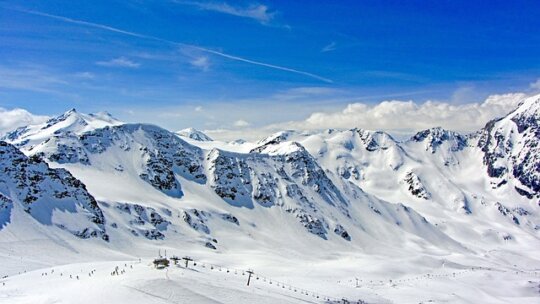
Ask ten experienced skiers to name the best ski resort in America and you may get ten different answers. That is because there really is no single “best” resort. The best resort for a first-time skier is not necessarily the best resort for an expert powder skier.
The best place for a family may be completely different from the best place for someone who wants steep terrain, nightlife, luxury, or a laid-back mountain-town atmosphere.
There is also something the ski industry does not always make obvious: you are not simply buying skiing. You are buying an entire vacation experience. That includes the mountain, snow quality, lifts, crowds, lodging, restaurants, transportation, nightlife, parking, lessons, rental costs, and the personality of the town.
That is why Aspen, Jackson Hole, Vail, Deer Valley, Park City, Snowbird, Telluride and Big Sky can all legitimately be considered among America’s elite ski destinations even though they provide dramatically different experiences.
Recent 2026 rankings continue to put resorts such as Jackson Hole, Aspen Snowmass, Snowbird, Park City, Vail, Big Sky and Telluride among the country’s elite, although rankings vary considerably depending on whether terrain, snow, luxury, family-friendliness, nightlife, or value receives the most weight.
The more important question is not simply, “Which resort is number one?”
The better question is, “Which resort is number one for the kind of skier I want to become?”
THE ELITE TIER: THE RESORTS THAT DEFINE AMERICAN SKIING
If you want a shortlist of American ski destinations start with:
- Aspen Snowmass, Colorado
- Jackson Hole, Wyoming
- Deer Valley, Utah
- Snowbird, Utah
- Vail, Colorado
- Telluride, Colorado
- Park City, Utah
- Big Sky, Montana
- Palisades Tahoe, California
- Steamboat, Colorado
- Mammoth Mountain, California
- Stowe, Vermont
These aren’t necessarily ranked from absolutely best to worst. They are better understood as twelve different interpretations of what a great American ski vacation can be.
And that distinction is important.
ASPEN SNOWMASS, COLORADO
The Overall Luxury Champion
Aspen is probably the name that comes to mind when many people think about American skiing.
But there is an important distinction: Aspen Snowmass is actually a four-mountain destination consisting of Aspen Mountain, Aspen Highlands, Buttermilk and Snowmass.
That gives the area an enormous advantage.
You aren’t locked into one mountain.
Aspen Mountain is associated with advanced skiing, groomers, and the famous town directly below it. Aspen Highlands is beloved by strong skiers because of its challenging terrain and Highland Bowl. Buttermilk is famous for beginner-friendly terrain and freestyle events. Snowmass provides an enormous amount of terrain and is particularly strong for families and mixed groups.
That variety is one of the reasons Aspen Snowmass repeatedly appears near the top of national rankings. Condé Nast Traveler readers, for example, have consistently ranked Snowmass and other Aspen-area mountains extremely highly.
The Aspen Vibe
Aspen has perhaps the most sophisticated atmosphere of the major American ski destinations.
It feels less like a ski town that happens to have luxury and more like a luxury destination that happens to have exceptional skiing.
You will encounter expensive restaurants, designer stores, celebrities, wealthy visitors, second-home owners, and people who have been coming to Aspen for decades.
That can be fantastic if you enjoy that environment.
It can also feel excessive if you simply want to ski.
The Good
The biggest advantage is variety.
A group containing beginners, intermediates and experts can all have an excellent vacation.
The town itself is also a major attraction. You can have an outstanding vacation even on a day when the weather keeps you off the mountain.
The Bad
The price.
Aspen is not pretending to be inexpensive.
Accommodation, dining, parking, equipment, lessons, and après-ski activities can rapidly turn an already expensive ski vacation into an extremely expensive one.
The Nobody-Tells-You Tip
Don’t assume you need to stay directly in Aspen.
Snowmass can make much more sense for families and people primarily interested in skiing. You can still access the broader Aspen Snowmass system while potentially getting a different lodging experience.
Also, don’t spend the entire trip skiing Aspen Mountain simply because you are staying in Aspen.
The entire point of the destination is having four mountains.
Value Verdict
Excellent skiing, poor budget value, exceptional luxury value.
If money isn’t the primary concern, Aspen can absolutely justify its reputation.
If you’re watching every dollar, there are better places.
JACKSON HOLE, WYOMING
The Mountain for Serious Skiers
If Aspen represents luxury skiing, Jackson Hole represents something much more primal.
Jackson Hole is famous because the mountain can be intimidating.
It has enormous vertical, steep terrain, deep snow, and legendary expert runs.
This is one of the places where an expert skier can spend years exploring terrain and still feel like there is more to learn.
The Jackson Hole Vibe
Jackson Hole feels tougher and more authentic than Aspen or Vail.
There is wealth here, but the mountain culture tends to be more strongly connected to skiing, snowboarding, climbing, ranching and outdoor adventure.
The town of Jackson also has a distinct Western character.
You get cowboy culture mixed with an elite ski destination.
That combination is unusual.
The Good
The terrain.
For strong intermediate, advanced, and expert skiers, Jackson Hole is one of America’s greatest mountains.
It is particularly famous for steep chutes, bowls, trees, cliffs, and technical terrain.
The Bad
Jackson Hole isn’t necessarily the perfect resort for a beginner.
A beginner can absolutely learn there, but you aren’t going to experience the primary reason people travel halfway across the country to Jackson until your skiing becomes reasonably advanced.
The mountain can also be intimidating.
The Nobody-Tells-You Tip
Do not let the reputation intimidate you into skiing terrain above your ability.
Jackson Hole has terrain that can get people into serious trouble when they confuse “I can ski a black diamond” with “I’m ready for Jackson Hole’s expert terrain.”
Take a lesson.
And don’t judge Jackson based solely on one powder day.
When conditions are incredible, it can be spectacular. When conditions aren’t cooperating, the experience can be quite different.
Value Verdict
Expensive, but the skiing can justify the premium for advanced skiers.
Jackson is much easier to justify if you’re traveling specifically for exceptional terrain rather than simply wanting a nice winter vacation.
Jackson Hole has also become extraordinarily expensive as a destination beyond the mountain itself; property values in the area have surged dramatically over the past three decades.
SNOWBIRD, UTAH
The Powder Specialist
If someone tells you Snowbird is one of the greatest ski mountains in America, they are not exaggerating.
Snowbird is primarily about the mountain.
It isn’t trying to be Aspen.
It isn’t trying to be Vail.
Its reputation comes from snow and terrain.
Utah’s Wasatch Mountains are famous for light, dry powder, and Snowbird is one of the destinations that helped establish Utah as a world-class ski region.
The Snowbird Vibe
Snowbird has a much more serious skier personality.
You will find plenty of people who care considerably more about snow conditions than shopping, luxury hotels, or fancy restaurants.
The atmosphere can feel almost like a pilgrimage for serious skiers.
The Good
Powder.
Terrain.
Vertical.
The tram.
And the opportunity to experience some truly outstanding skiing when the Wasatch delivers.
The Bad
If you’re looking for a charming ski town immediately outside your hotel, Snowbird isn’t Aspen.
The canyon location also means transportation and weather can become important considerations.
The Nobody-Tells-You Tip
Watch the weather obsessively.
Snowbird can be incredible after a major storm, but the same storm that produces amazing powder can also create difficult transportation conditions in Little Cottonwood Canyon.
Plan around the mountain and the weather rather than assuming every day will operate exactly as planned.
Value Verdict
Excellent value for serious skiers who prioritize terrain and snow.
It can feel expensive to casual vacationers but relatively reasonable to someone who understands what they are paying for.
DEER VALLEY, UTAH
The Pampered Skiing Experience
Deer Valley is almost the opposite of Snowbird.
Where Snowbird says, “Come ski this mountain,” Deer Valley says, “Let us take care of you while you ski this mountain.”
The resort has built an enormous reputation around service, grooming, food, hospitality, and a polished experience.
The Deer Valley Vibe
Quiet.
Upscale.
Organized.
Comfortable.
This is where you go if you want skiing without feeling like you have entered a chaotic ski-bum environment.
It is particularly attractive to families and people who appreciate high-quality service.
The Good
Grooming is a major strength.
For someone who loves beautifully maintained slopes, Deer Valley can be phenomenal.
The service culture is also a major differentiator.
The Bad
You pay for it.
Deer Valley is not the place to go looking for the cheapest possible ski vacation.
It also has a more controlled atmosphere than some of the legendary hardcore ski mountains.
The Nobody-Tells-You Tip
Don’t dismiss Deer Valley because you’re an advanced skier.
There is challenging terrain.
But don’t choose Deer Valley solely because someone told you it is one of America’s best resorts. Choose it because you want its particular combination of skiing and service.
Value Verdict
Overpriced if you want inexpensive skiing. Good value if you genuinely value service and comfort.
VAIL, COLORADO
The Mega-Resort Experience
Vail is one of the most recognizable ski resorts in America for a reason.
It is enormous, highly developed and designed to accommodate a huge variety of visitors.
The resort has more than 5,000 acres of skiable terrain and is famous for its Back Bowls.
The Vail Vibe
Vail feels like a purpose-built European-style ski village transported into Colorado.
It is polished.
It is beautiful.
It is expensive.
And it is particularly good at handling visitors.
The Good
Vail’s size means you can ski different areas throughout a trip.
The Back Bowls are one of its signature experiences.
The villages are also exceptionally convenient.
The Bad
Crowds.
Cost.
And the feeling that you are visiting a highly commercialized ski resort rather than a quirky mountain town.
That criticism has become increasingly common as the American ski industry has consolidated around major resort companies and large multi-resort passes.
The Nobody-Tells-You Tip
Vail is so large that beginners sometimes spend too much time worrying about exploring everything.
Don’t.
Find terrain appropriate for your ability and learn the mountain gradually.
If you’re skiing with a group, establish meeting points because large resorts can make it surprisingly difficult to reconnect.
Value Verdict
Excellent experience, questionable standalone value.
Vail becomes much easier to justify if you already have an Epic Pass or intend to ski multiple Epic destinations.
PARK CITY, UTAH
The Big, Accessible Resort
Park City is one of the easiest recommendations for a broad group of skiers.
It combines a major mountain with a genuine historic town.
That combination is powerful.
The Park City Vibe
Park City is lively.
It has restaurants, bars, shopping, nightlife, and a historic Main Street.
It therefore feels less isolated than resorts where the mountain dominates everything.
The Good
Terrain variety.
Town.
Accessibility.
Family appeal.
Nightlife.
And enormous scale.
The Bad
The resort’s popularity creates crowds.
The town can also become extremely expensive.
And because Park City is so famous, many visitors assume bigger automatically means better.
It doesn’t.
The Nobody-Tells-You Tip
Park City is especially good for groups where everyone wants something different.
One person can ski.
Another can shop.
Another can take a lesson.
Another can spend the afternoon in town.
That makes Park City particularly useful for mixed-interest vacations.
Value Verdict
Good overall value when compared with other elite destinations, but not cheap.
Its value comes from how much you can do beyond skiing.
TELLURIDE, COLORADO
The Beautiful Remote Destination
Telluride is one of the resorts that people tend to fall in love with.
And that is partly because of its location.
The mountains surrounding Telluride are spectacular.
The town has character.
The resort has serious terrain.
And the destination feels more isolated than Vail or Park City.
The Telluride Vibe
Romantic.
Historic.
Quiet.
Western.
Upscale without feeling quite as corporate as Vail.
The Good
Scenery.
Town.
Terrain.
Atmosphere.
And the feeling that you actually went somewhere.
The Bad
Getting there.
Telluride’s remoteness is part of its charm and part of its inconvenience.
Flights and transportation require more planning than many Colorado destinations.
The Nobody-Tells-You Tip
If you’re going to Telluride, stay long enough to justify the effort.
A quick weekend can make the transportation hassle seem disproportionate.
A longer trip lets you appreciate the town, mountain, and surrounding area.
Value Verdict
Expensive but special.
Telluride is less about getting the most acres per dollar and more about getting an unforgettable destination.
BIG SKY, MONTANA
The Giant Mountain That Still Feels Like a Secret
Big Sky is fascinating because it is enormous without having the same cultural footprint as Vail, Aspen, or Park City.
Its scale is one of its greatest advantages.
It also has Lone Peak, which provides some genuinely intimidating terrain.
The Big Sky Vibe
Big.
Open.
Western.
Less crowded-feeling.
More spread out.
It feels like a destination for people who want mountains rather than shopping districts.
The Good
Terrain.
Space.
Scenery.
Snow.
And the sense that you are somewhere enormous.
The Bad
The resort is becoming increasingly expensive.
And its size can create a strange problem: you may have plenty of terrain but still feel somewhat removed from a traditional ski-town environment.
The Nobody-Tells-You Tip
Don’t automatically assume Big Sky is better for everyone simply because it is huge.
Terrain acreage is not the same thing as terrain you personally enjoy.
A beginner and an expert can have completely different opinions about the mountain.
Big Sky also has supporters who prefer it to Jackson Hole because it provides more variety and more intermediate terrain, illustrating how strongly “best resort” depends on skier ability and priorities.
Value Verdict
Potentially one of the better values among ultra-premium Western destinations if you take advantage of the mountain’s scale and avoid paying unnecessarily for luxury lodging.
PALISADES TAHOE, CALIFORNIA
The Wild Card
Palisades Tahoe is different from the Colorado and Utah giants.
Its personality is more rugged and California-oriented.
It is also famous for challenging terrain.
The Palisades Vibe
Energetic.
Sporty.
Less polished.
More rebellious.
It has a strong ski culture rather than a luxury-resort identity.
The Good
Expert terrain.
Scenery.
Lake Tahoe.
Atmosphere.
And the possibility of getting enormous snow.
The Bad
California weather can be unpredictable.
A huge snow year can be spectacular.
A poor snow cycle can dramatically change the experience.
The Nobody-Tells-You Tip
Don’t evaluate Tahoe purely on a resort’s reputation.
Evaluate the current snowpack.
Sierra conditions can be feast or famine compared with more consistently cold continental climates.
Value Verdict
Particularly good value for strong skiers when conditions cooperate.
STEAMBOAT, COLORADO
The Best for a More Relaxed Western Vacation
Steamboat doesn’t always receive the same amount of attention as Aspen or Vail, but that may actually be part of its appeal.
It has a real town.
It has a strong Western identity.
And it has a famous reputation for Champagne Powder.
The Steamboat Vibe
Friendly.
Western.
Casual.
Family-oriented.
Less pretentious.
The Good
Excellent snow reputation.
Great family destination.
Real town atmosphere.
Strong intermediate skiing.
The Bad
It isn’t the first destination I would choose for someone primarily interested in the most extreme expert terrain in America.
The Nobody-Tells-You Tip
Steamboat is a great choice when the group wants a vacation rather than a pure ski mission.
That distinction matters.
Value Verdict
One of the better overall values among major Colorado destinations.
MAMMOTH MOUNTAIN, CALIFORNIA
The Snow-and-Vertical Monster
Mammoth is one of the most interesting major American ski destinations because it can have a remarkably long season.
Its elevation and Sierra location contribute to that reputation.
The Mammoth Vibe
Hardcore.
Casual.
Sporty.
California.
It feels much less like a luxury playground than Aspen.
The Good
Terrain.
Vertical.
Long season.
Strong ski culture.
The Bad
Weather can create major variability.
The drive can also be substantial depending on where you’re coming from.
The Nobody-Tells-You Tip
Mammoth is one of those places where being flexible about dates can dramatically improve the trip.
Don’t choose the destination and blindly assume conditions will be perfect.
Value Verdict
Particularly good value for skiers who care more about skiing than luxury.
STOWE, VERMONT
The Eastern Skiing Icon
If you’re talking about the best ski resorts in America, it would be a mistake to pretend the West is the entire country.
Stowe represents the best of the traditional Eastern ski experience.
The snow can be less predictable than the Rockies, but when conditions are good, Stowe can be fantastic.
The Stowe Vibe
New England.
Historic.
Charming.
Traditional.
Less enormous than the Western mega-resorts.
The Good
Character.
Mount Mansfield.
Eastern ski culture.
Beautiful town.
The Bad
Snow conditions can be much more variable.
Ice and freeze-thaw cycles are realities Eastern skiers learn to accept.
The Nobody-Tells-You Tip
Don’t judge an East Coast resort by its trail map alone.
Snow quality can matter more than acreage.
A smaller mountain with excellent conditions can produce a better ski day than a giant mountain with poor conditions.
Value Verdict
Potentially better value than the marquee Western destinations, especially for East Coast travelers.
WHY THESE RESORTS FEEL SO DIFFERENT
One of the biggest mistakes beginners make is assuming all famous ski resorts are basically the same.
They aren’t.
You can think of them almost like different personalities.
Aspen is luxury and sophistication.
Jackson Hole is serious skiing and adventure.
Snowbird is powder and terrain.
Deer Valley is service and comfort.
Vail is scale and convenience.
Park City is skiing plus town life.
Telluride is isolation, scenery, and character.
Big Sky is enormous Western mountain terrain.
Palisades Tahoe is rugged California ski culture.
Steamboat is friendly Western skiing.
Mammoth is big-mountain skiing without the same luxury emphasis.
Stowe is traditional New England skiing.
That is why copying someone else’s “best resort” recommendation can be a mistake.
THE BIGGEST SECRET: SNOW MATTERS MORE THAN THE RESORT NAME
This is something marketing can obscure.
A famous resort with mediocre conditions can be a worse experience than a less-famous mountain having an incredible snow cycle.
Skiers often become obsessed with rankings.
But snow conditions change constantly.
A resort that was spectacular last year may have a mediocre season.
A mountain that wasn’t on your radar can suddenly get hammered by storm after storm.
That means experienced skiers pay attention to weather patterns, snowpack, temperature, storm cycles, and aspect.
The mountain’s reputation matters.
But conditions matter enormously more on the actual day you ski.
ANOTHER SECRET: BIGGER DOES NOT AUTOMATICALLY MEAN BETTER
This is one of the biggest misconceptions in modern skiing.
A resort might advertise thousands of acres.
That sounds incredible.
But ask yourself:
How much of that terrain is appropriate for your ability?
How much can you realistically reach?
How long are the lift rides?
How crowded are the major lifts?
How much time do you spend traversing?
How much of the mountain will you actually ski?
A highly skilled skier may appreciate enormous terrain.
A beginner might get more enjoyment from a smaller mountain with excellent instruction and easy navigation.
A family might value short lift lines and convenient lodging more than another 2,000 acres.
THE GREAT EPIC PASS VERSUS IKON PASS DECISION
Modern American skiing has increasingly become a pass-based business.
For the 2026–27 season, the full Epic Pass and full Ikon Pass are both expensive products, with published pricing around $1,100–$1,450 depending on the pass and current pricing stage.
The important thing is that these passes aren’t simply “discount cards.”
They can fundamentally change where people ski.
Epic includes major destinations such as Vail and Park City, while Ikon includes destinations such as Aspen Snowmass, Jackson Hole, Snowbird, Deer Valley, Big Sky, Mammoth and Steamboat through its network and access arrangements.
That creates an interesting situation.
Someone skiing five or ten days at major resorts may find a pass dramatically more economical than buying individual walk-up tickets.
Someone skiing two days may not.
THE DYNAMIC PRICING TRAP
This is another thing newer skiers often don’t realize.
The price displayed at the ticket window is increasingly not the price experienced by the most strategic skiers.
Large resorts use advance-purchase and dynamic pricing strategies.
That means buying a ticket shortly before skiing can be dramatically more expensive than purchasing earlier.
Vail has explicitly promoted advance-purchase savings for Epic day passes, with savings potentially reaching substantial percentages compared with lift-ticket prices.
The lesson is simple:
Don’t show up at the mountain and casually buy a ticket at the window unless you have no other option.
THE HIDDEN COST OF SKIING
The lift ticket is only one part of the expense.
You also have:
Lodging.
Airfare.
Rental car or transportation.
Parking.
Ski rentals.
Boot rentals.
Helmet.
Goggles.
Gloves.
Clothing.
Lessons.
Food.
Drinks.
Après-ski.
Tips.
Resort fees.
And potentially medical or travel insurance.
This is why a “$200 lift ticket” can turn into a $1,000-plus day surprisingly quickly for a traveler.
The skiing industry has become significantly more expensive over the decades, with major destinations now routinely charging well into the hundreds of dollars for single-day skiing.
THE BEST RESORT FOR BEGINNERS
If you are brand new to skiing, I would not automatically send you to Jackson Hole or Snowbird simply because they are famous.
A beginner needs:
Good instruction.
Comfortable beginner terrain.
Easy lifts.
Forgiving slopes.
Convenient lodging.
A mountain that doesn’t make them feel overwhelmed.
For a broad beginner/family experience, resorts such as Park City, Vail, Deer Valley, Snowmass, and Steamboat can make a lot of sense.
The best beginner resort isn’t the one with the scariest expert run.
It’s the one that makes you want to come back.
THE BEST RESORT FOR INTERMEDIATE SKIERS
This is where the list changes considerably.
Intermediate skiers often have the most options because they can access a huge percentage of the mountain.
Park City, Vail, Snowmass, Steamboat, Big Sky and Mammoth can all be excellent choices.
This is also where mountain size becomes particularly valuable.
You can spend an entire vacation exploring without constantly being pushed into terrain above your ability.
THE BEST RESORTS FOR ADVANCED AND EXPERT SKIERS
Now the list changes dramatically.
Jackson Hole.
Snowbird.
Palisades Tahoe.
Telluride.
Big Sky.
Aspen Highlands.
These mountains have reputations because they offer terrain that can challenge highly skilled skiers.
But there is an especially important warning here.
Expert terrain isn’t a trophy.
You don’t become a better skier by skiing something above your ability.
You become a better skier by progressively expanding what you can safely handle.
Even experienced skiers can get into trouble when conditions change.
THE BEST RESORT FOR FAMILIES
For families, I would put Snowmass, Park City, Deer Valley, Vail, and Steamboat high on the list.
The deciding factor isn’t necessarily the mountain.
It’s logistics.
Can the family get from the hotel to the lifts easily?
Can children take lessons?
Can parents find terrain appropriate for themselves?
Can everyone meet for lunch?
Is there something to do if someone doesn’t ski?
Can you get groceries?
Can you walk around town?
These questions often matter more than whether the resort has the country’s most famous expert run.
THE BEST RESORT FOR NIGHTLIFE
If nightlife matters heavily, Aspen and Park City stand out.
Vail can also provide plenty of après-ski and evening entertainment.
Telluride has a more intimate atmosphere.
Steamboat is more casual.
Jackson Hole has nightlife, but the culture tends to be more strongly oriented toward skiing and outdoor adventure.
THE BEST RESORT FOR LUXURY
Aspen is the obvious answer.
Deer Valley is extremely strong.
Vail is another major contender.
Telluride can provide a more secluded luxury experience.
But luxury doesn’t automatically mean better skiing.
That’s an important distinction.
A five-star hotel cannot make bad snow good.
THE BEST RESORT FOR AUTHENTIC SKI CULTURE
This is subjective, but Jackson Hole, Snowbird, Palisades Tahoe, and Mammoth deserve serious consideration.
They tend to attract people who are there primarily because they love skiing.
That produces a different atmosphere from a resort where skiing is only one component of a luxury vacation.
THE BEST RESORT FOR SCENERY
This is almost impossible to rank objectively.
But Telluride, Jackson Hole, Big Sky, Aspen, Park City and Tahoe all provide spectacular environments.
Telluride has the advantage of dramatic mountain walls immediately surrounding the town.
Jackson Hole has the Tetons.
Big Sky has enormous Montana landscapes.
Tahoe has the lake.
Aspen has classic Colorado scenery.
This is one category where photographs don’t necessarily tell the whole story.
Being there changes the experience.
THE BEST VALUE STRATEGY
The cheapest way to ski America’s famous resorts is generally not to chase the cheapest lift ticket.
It is to reduce the total cost of the trip.
Stay slightly outside the most expensive village.
Travel midweek.
Avoid holiday periods.
Buy passes or tickets early.
Rent equipment rather than buying everything immediately.
Bring snacks and water.
Use public transportation where practical.
Book lodging well ahead of time.
Take advantage of multi-day products.
And don’t assume the most expensive restaurant automatically provides the best experience.
The difference between skiing three days during a holiday weekend and three midweek days during a less crowded period can be enormous.
WHEN YOU SHOULD PAY THE PREMIUM
There are times when paying more makes sense.
If you’re celebrating something important.
If you rarely get to ski.
If you’re traveling with family.
If you value convenience.
If you want exceptional instruction.
If you want luxury.
If you have limited vacation time.
A cheap ski vacation that involves three flights, two rental cars, mediocre lodging and terrible logistics isn’t necessarily a better value than an expensive but seamless trip.
Value isn’t simply price.
Value is what you receive for the money you spend.
WHEN YOU SHOULD NOT PAY THE PREMIUM
Don’t spend $1,000 a day simply because Instagram tells you a resort is elite.
If you’re a beginner, you don’t need America’s most intimidating mountain.
If you mostly ski groomers, you don’t necessarily need Jackson Hole.
If you don’t care about nightlife, don’t pay Aspen prices for it.
If you primarily care about snow, don’t choose a resort because its village is beautiful.
Match the resort to what you actually want.
THE HOLIDAY WEEKEND PROBLEM
Christmas.
New Year’s.
Martin Luther King Jr. weekend.
Presidents’ Day weekend.
These periods can transform an otherwise enjoyable resort.
The mountain doesn’t necessarily become worse.
The experience becomes more crowded.
Lines become longer.
Restaurants fill up.
Lodging becomes more expensive.
Flights become more expensive.
Parking becomes more difficult.
And beginner terrain can become particularly frustrating.
If you have flexibility, skiing outside major holiday periods can dramatically improve the experience.
THE BEST KEPT SECRET: MIDWEEK SKIING
If you can take Tuesday, Wednesday, and Thursday off instead of Friday, Saturday and Sunday, do it.
The difference can be enormous.
You may encounter shorter lines, more relaxed restaurants, better lodging availability, and a much calmer overall experience.
The mountain you thought was overcrowded on Saturday can feel completely different on Wednesday.
ANOTHER SECRET: YOUR BOOTS MAY MATTER MORE THAN YOUR SKIS
New skiers often obsess over skis.
Experienced skiers become obsessed with boots.
Poorly fitting boots can ruin an otherwise fantastic ski trip.
You can have incredible skis and still have miserable feet.
If you’re renting, spend time getting the boots fitted correctly.
Don’t simply grab the first pair that fits “well enough.”
Comfort, heel hold, pressure points, and overall fit matter enormously.
DON’T IGNORE SKI LESSONS
People sometimes think lessons are only for beginners.
That’s wrong.
An advanced skier can benefit from a lesson at a new mountain.
A local instructor knows the terrain.
They know where snow accumulates.
They know which lifts get crowded.
They know which areas are appropriate for current conditions.
They can also identify weaknesses in your technique.
One good lesson can potentially improve the rest of your trip.
THE “I CAN SKI A BLACK DIAMOND” PROBLEM
Trail ratings aren’t standardized perfectly from one resort to another.
A black diamond at one mountain may not feel remotely like a black diamond somewhere else.
Double-black terrain can be an entirely different world.
This is particularly important when moving from easier mountains to places such as Jackson Hole, Snowbird or Big Sky.
Don’t compare trail symbols.
Compare terrain characteristics.
THE WEATHER PROBLEM NOBODY CAN CONTROL
Even the best resort can have a bad week.
You can spend thousands of dollars traveling to Colorado and encounter:
Rain.
Wind.
Warm temperatures.
Ice.
Flat light.
Heavy snow that shuts lifts.
Or bluebird conditions and two feet of powder.
That uncertainty is part of skiing.
The trick isn’t eliminating uncertainty.
It is planning around it.
THE BEST SKI RESORT MAY BE THE ONE YOU CAN RETURN TO
There is another concept experienced skiers eventually discover.
You don’t need to visit a different resort every year.
Finding a mountain you love and learning it deeply can be more rewarding than constantly chasing famous names.
You start learning:
Which lifts open first.
Where powder accumulates.
Which runs get icy.
Which trees hold snow.
Where to eat.
Where to park.
Which days are busiest?
Where beginners should go.
Where experts should go.
And when the mountain is at its best.
Knowing a mountain deeply is a different experience from simply visiting it.
OVERALL BREAKDOWN
Aspen Snowmass: Best all-around luxury destination.
Jackson Hole: Best for serious advanced skiing and adventure.
Snowbird: Best for powder and challenging terrain.
Deer Valley: Best for service, grooming, and comfort.
Vail: Best for a huge, polished mega-resort experience.
Park City: Best for combining skiing with a real town and nightlife.
Telluride: Best for scenery, character and a destination feel.
Big Sky: Best for enormous mountain scale and Western atmosphere.
Palisades Tahoe: Best for rugged expert skiing and Tahoe scenery.
Steamboat: Best for a relaxed, friendly family-oriented ski vacation.
Mammoth: Best for big skiing without the same luxury emphasis.
Stowe: Best for classic Eastern ski culture.
SO WHICH ONE IS ACTUALLY THE BEST?
If you forced us to choose only one resort for the average person, we would lean toward Aspen Snowmass because of its combination of four mountains, terrain variety, town, dining, lodging, and overall vacation experience.
If you told us the person was an expert skier who cared almost entirely about terrain, we would move toward Jackson Hole or Snowbird.
If the person wanted luxury and comfort, we would choose Aspen or Deer Valley.
If the person wanted a big family-friendly destination, we would look closely at Snowmass, Park City, Vail, or Steamboat.
If the person wanted scenery and an unforgettable destination, we would seriously consider Telluride or Jackson Hole.
If the person wanted enormous terrain without the same level of hype, Big Sky would be high on our list.
If the person wanted something that felt more like traditional ski culture, we would look at Palisades Tahoe, Mammoth or Stowe.
THE BIGGEST LESSON OF ALL
The ski industry has become particularly good at selling the dream.
Perfect mountains.
Perfect snow.
Luxury hotels.
Designer clothing.
Après-ski parties.
Celebrity sightings.
Huge trail maps.
The newest gondola.
The biggest vertical.
The most acres.
The “best” resort.
But the best ski vacation isn’t necessarily the one with the biggest marketing budget.
It’s the one where the snow is good, the terrain matches your ability, the people you’re traveling with are happy, the logistics aren’t driving you crazy and you aren’t spending the entire trip worrying about how much everything costs.
A first-time skier who has a fantastic three days at a modest mountain may have a better ski experience than an expert who spends $8,000 on a luxury trip and spends the entire week fighting crowds.
That is the part nobody puts on the brochure.
America has an extraordinary collection of ski resorts, but they represent quite different versions of skiing.
Aspen is about the complete luxury experience.
Jackson Hole is about confronting the mountain.
Snowbird is about snow and terrain.
Deer Valley is about being taken care of.
Vail is about scale.
Park City is about having a mountain and a town.
Telluride is about getting away.
Big Sky is about space.
Palisades is about ski culture.
Steamboat is about enjoying the entire vacation.
Mammoth is about skiing.
Stowe is about tradition.
And perhaps that is why there will never be a universally accepted number-one ski resort in America.
The truly experienced skier eventually stops asking, “What is the best resort?”
They start asking, “What kind of ski experience do I want?”
Once you answer that question, choosing the right mountain becomes much easier.
And if you are new to skiing, don’t feel pressured to start with the most famous or most difficult resort in America. Your first goal should be to learn, have fun, build confidence, and discover what kind of skier you want to become.
The mountain will still be there when you’re ready for the next level.
IF YOU WANT TO GO DEEPER THAN THE OVERVIEW WE JUST COVERED, THERE ARE SEVERAL EXCELLENT PLACES TO RESEARCH AMERICAN SKI RESORTS, AND WE WOULD RECOMMEND USING A COMBINATION OF OFFICIAL RESORT INFORMATION, INDEPENDENT SKI PUBLICATIONS, SNOW/WEATHER RESOURCES, PASS INFORMATION, AND SKIER REVIEWS
The official resort sites are particularly useful for current trail maps, lift status, pricing, lessons, lodging, and policies.
Official Resort Websites
These should be your first stop when researching a specific mountain because they contain the most current information about operations, tickets, passes, trail maps, lodging, lessons, webcams, and mountain conditions.
Aspen Snowmass
Aspen Snowmass official website
Aspen Snowmass is especially worth studying because it consists of four different mountains: Aspen Mountain, Aspen Highlands, Buttermilk and Snowmass. The resort’s own visitor information explains the differences between the four and how they work together.
Aspen Snowmass mountain information
Jackson Hole
Jackson Hole’s official site is particularly useful for understanding its terrain, tram, mountain statistics, snow conditions, and the experience for advanced skiers. The resort describes itself as locally owned and provides detailed mountain information.
Snowbird
This is an excellent resource for understanding Snowbird’s terrain, tram, snow conditions, mountain school, lodging, passes, webcams, and current operational information.
Deer Valley
Deer Valley Resort official website
This is the place to investigate Deer Valley’s reputation for grooming, service, ski school, dining, and its overall luxury-oriented experience.
Vail
Vail Mountain official website
Vail’s site is particularly useful for understanding its enormous trail system, Back Bowls, lodging, Epic Pass access, dining, and mountain logistics.
Park City
Park City Mountain official website
Park City is particularly interesting because the resort currently describes itself as the largest ski resort in the United States, with 7,300 acres, 41 lifts and more than 330 trails. It also provides detailed information for first-time visitors.
Telluride
Telluride Ski Resort official website
Telluride’s official resources are particularly useful for exploring its terrain, webcams, mountain information and the relationship between the historic town, Mountain Village, and the ski area.
The local tourism site is also useful because it provides information about the broader Telluride experience rather than simply the ski mountain.
Big Sky
Big Sky Resort official website
Big Sky is worth researching separately because its huge scale and Lone Peak terrain give it a personality quite different from Park City, Vail, or Aspen.
Palisades Tahoe
Palisades Tahoe official website
The official site is useful for current snow conditions, lift information, webcams, tickets, and the unique Lake Tahoe setting.
Steamboat
Steamboat Resort official website
Steamboat’s site is particularly helpful for understanding its Western-town personality, mountain conditions, lodging, family activities, and the resort’s famous Champagne Powder reputation.
Mammoth Mountain
Mammoth Mountain official website
This is the best starting point for Mammoth’s terrain, snow reports, webcams, lift information, season dates, and California-specific conditions.
Stowe
Stowe is particularly interesting if you want to understand the differences between Western skiing and traditional New England skiing. The official site includes mountain information, trail maps, conditions, lodging and its ski-school resources.
Epic Pass
If you’re seriously researching skiing in America, you absolutely need to understand the Epic Pass because it has changed the economics of skiing.
The Epic network currently includes destinations such as Vail, Park City, Breckenridge, Beaver Creek, Keystone, Crested Butte, Stowe, and others, with more than 90 resorts across multiple regions and countries.
The important thing to investigate isn’t simply the price.
Look at:
- Which resorts are included
- Number of unrestricted days
- Blackout dates
- Reservation requirements
- Holiday restrictions
- Buddy/Ski-With-A-Friend benefits
- Food and lodging discounts
- Whether you will actually ski enough days to justify the pass
For someone planning multiple ski trips, understanding Epic can potentially save a tremendous amount of money.
Ikon Pass
Ikon is the other major pass ecosystem you should research.
It is especially relevant to the resorts we discussed because its network includes or provides access to major destinations such as Aspen Snowmass, Deer Valley, Snowbird, Big Sky, Steamboat and Mammoth, subject to the particular pass and access rules.
One of the biggest mistakes people make is buying Epic or Ikon first and figuring out their vacation afterward.
Do the opposite.
Figure out where you want to ski first, then determine which pass makes financial sense.
Ski Utah
This is one of the best resources for researching Utah skiing as a whole.
If you’re comparing:
Snowbird vs. Deer Valley vs. Park City vs. Alta vs. Brighton vs. Solitude
Ski Utah is an excellent starting point.
Utah is particularly interesting because several world-class resorts are concentrated relatively close to Salt Lake City.
Colorado Ski Country USA
This is a great resource for comparing Colorado resorts rather than looking at each resort in isolation.
You can use it to explore resorts such as:
- Aspen Snowmass
- Vail
- Telluride
- Steamboat
- Breckenridge
- Beaver Creek
- Winter Park
- Copper Mountain
- Crested Butte
- Keystone
- Arapahoe Basin
This is particularly useful for understanding just how many different types of ski experiences Colorado offers.
Ski Vermont
For the Eastern skiing discussion, Ski Vermont is an excellent resource.
It’s particularly useful for comparing Stowe with Killington, Sugarbush, Stratton, Okemo, Jay Peak, and other Vermont destinations.
This is important because Eastern skiing shouldn’t simply be judged by Western standards. Weather, snowmaking, terrain, vertical, ice, and accessibility create a completely different skiing environment.
National Weather and Snow Information
When you’re actually planning a ski trip, don’t rely entirely on the resort’s marketing.
You want independent weather and snow information as well.
NOAA
NOAA is useful for understanding actual weather forecasts, storm systems, temperatures, wind, and precipitation.
This becomes particularly important when you’re deciding whether a storm is likely to produce great powder or create transportation and lift problems.
OpenSnow
OpenSnow is one of the resources I would strongly recommend bookmarking if you become serious about skiing.
It focuses heavily on mountain weather, snow forecasts, snowfall predictions, and storm analysis.
It is especially useful for answering questions like:
Where is it actually going to snow this week?
That can be more useful than asking which resort is theoretically ranked number one.
OnTheSnow
OnTheSnow is useful for comparing resorts, snow reports, trail information, weather, webcams, reviews, and resort statistics.
It is particularly helpful when you’re trying to compare several resorts side by side.
Ski Magazine
SKI is one of the better publications for resort rankings, equipment, destination guides and broader ski-industry coverage.
Its resort rankings are useful, but I would not treat any ranking as absolute truth.
The more useful question is why a resort ranked highly.
Outside
Outside covers skiing as part of the larger outdoor-adventure world.
It’s useful if you’re interested in the culture surrounding skiing rather than just lift statistics.
Unofficial Skier Opinions
This is where Reddit can become surprisingly useful.
Don’t treat Reddit as an authoritative source for factual information.
Instead, use it to discover what actual skiers complain about.
That is where you can uncover things such as:
- Which lifts are frustrating
- Which resorts feel overcrowded
- Which areas are overrated
- Which restaurants are tourist traps
- Where locals actually ski
- Which mountains are good for beginners
- Which resorts have poor transportation
- Whether the village feels artificial
- Whether a resort is worth its price
- What happens when conditions aren’t perfect
That is exactly the kind of information that resort advertising usually doesn’t tell you.
A Particularly Useful Resource: Resort Trail Maps
When comparing resorts, don’t just look at photographs.
Study the trail maps.
Trailforks ski maps and mountain information
More importantly, visit the individual resort websites and download their official trail maps.
Look at the percentage of:
Beginner terrain vs. intermediate vs. advanced/expert.
For example, Park City’s official statistics currently list approximately 8% beginner, 42% intermediate and 50% advanced terrain.
That tells you something much more useful than simply hearing that Park City has 7,300 acres.
Research Before Choosing a Resort
If you eventually decide to actually take a ski trip, we would research each potential resort in this order:
1. Snow
How much snow does it normally receive?
When does it usually snow?
How reliable is the snow?
How frequently does it experience freeze-thaw cycles?
2. Terrain
How much beginner terrain exists?
How much intermediate?
How much advanced?
Does the terrain match your ability?
3. Crowds
When is the resort busiest?
Which lifts get the worst lines?
Can you ski midweek?
4. Cost
Don’t just look at lift tickets.
Calculate the entire vacation cost.
5. Transportation
How do you get there?
How far is the airport?
Do you need a rental car?
Is there public transportation?
6. Lodging
Can you afford to stay slopeside?
Would staying farther away save hundreds of dollars?
7. Town
Do you actually want a traditional ski town?
Or do you simply want to ski?
8. Lessons
How good is the ski school?
This can be extremely important for a beginner.
9. Equipment
What are the rental options?
Where can you get professionally fitted boots?
10. Weather
What does the actual forecast look like immediately before the trip?
This final one can make or break the vacation.
One More Thing We Would Strongly Recommend
Since you’re interested in learning about skiing rather than simply picking a resort, we would also spend some time learning how skiing itself works before worrying about which mountain is number one.
Learn about:
Green, blue, black, and double-black terrain
Groomers
Moguls
Glades
Bowls
Chutes
Powder
Corn snow
Ice
Ski patrol
Avalanche control
Backcountry skiing
Ski bindings
Boot fitting
Ski shapes
Carving
Après-ski
Ski-in/ski-out lodging
High-altitude skiing
Altitude sickness
Weather and wind holds
Once you understand those things, you’ll be able to look at a resort trail map and understand what you’re actually looking at instead of simply seeing a bunch of colored lines.
My Recommended Research Starting Point
- Aspen Snowmass
- Jackson Hole
- Snowbird
- Deer Valley
- Vail
- Park City
- Telluride
- Big Sky
- Palisades Tahoe
- Steamboat
- Mammoth Mountain
- Stowe
- Epic Pass
- Ikon Pass
- OpenSnow
- OnTheSnow
- SKI Magazine
- Colorado Ski Country USA
- Ski Utah
- Ski Vermont
The most valuable combination is probably official resort sites + OpenSnow + OnTheSnow + SKI Magazine + actual skier discussions. That gives you the resort’s own version of the story, independent snow information, comparative information, and the less-polished opinions of people who have actually skied there.
This article was drafted with AI assistance and reviewed by our editors before publication.