



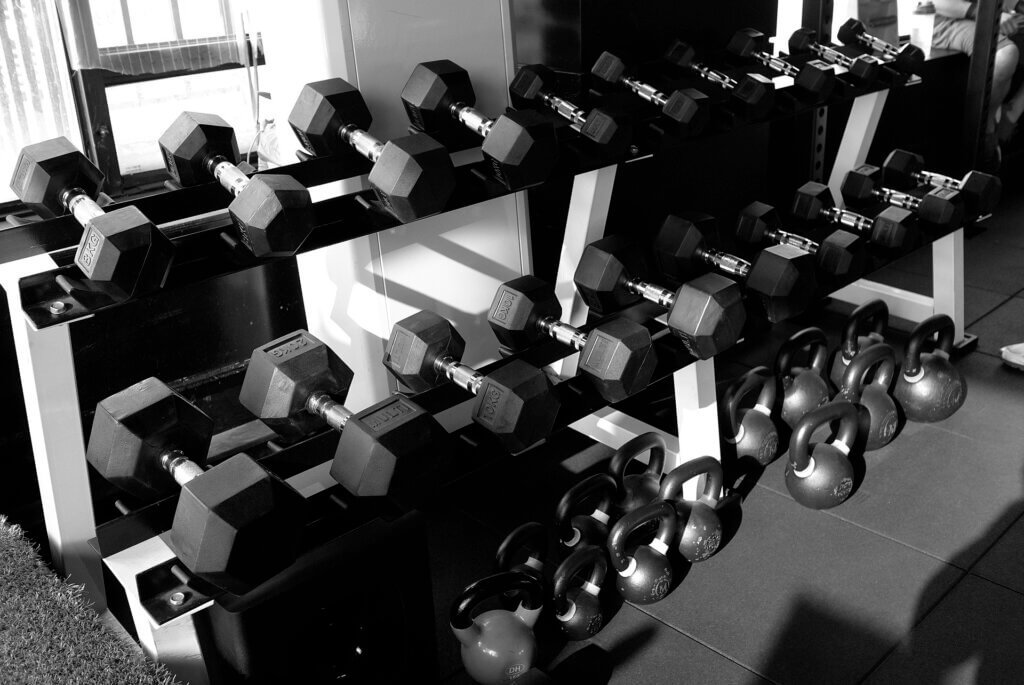
Bodybuilding is one of those things that often gets misunderstood. When people hear the word, they picture extreme physiques, competition stages, spray tans, and 300-pound bench presses. But at its core, bodybuilding is much simpler and much more accessible than that.
Bodybuilding is the intentional practice of building, shaping, and strengthening muscles through resistance training, nutrition, and recovery. That’s it. It can be competitive, but it doesn’t have to be. For most people, it’s really about feeling stronger in your body, moving better, and aging well.
So… is bodybuilding really for all ages?
Short answer: yes—when it’s done appropriately.
Bodybuilding isn’t a single “mode.” It adapts to the person doing it.
For younger people, bodybuilding helps build a foundation of strength, coordination, confidence, and discipline. When guided properly, it can support bone density, joint stability, and athletic performance.
For middle-aged adults, it often becomes about preserving muscle, maintaining metabolism, preventing injuries, and counteracting the muscle loss that naturally starts to occur with age.
For older adults, bodybuilding-style resistance training is one of the most powerful tools for independence. It helps maintain balance, protect joints, strengthen bones, and keep everyday tasks—like carrying groceries or getting up from a chair—easier and safer.
In fact, research consistently shows that muscle loss (not age itself) is one of the biggest drivers of frailty. Bodybuilding, adjusted for intensity and recovery, directly fights that.
What changes with age is the approach—not the benefits
The biggest myth is that bodybuilding means lifting as heavy as possible all the time. In reality, effective muscle building can happen with:
Lighter weights and higher reps
Slower, more controlled movements
More focus on form, breathing, and recovery
Longer rest between sessions
Older lifters often train smarter, not harder—and many stay remarkably strong well into their 60s, 70s, and beyond.
Bodybuilding isn’t about ego—it’s about stewardship of the body
When you strip away the stereotypes, bodybuilding lines up well with a “take care of what you’ve been given” mindset. It teaches consistency, patience, humility, and listening to your body. Progress comes slowly, and that alone builds character.
You don’t have to compete. You don’t have to look like a magazine cover. You don’t even have to call it bodybuilding if the word feels intimidating. But if you’re lifting weights with intention, nourishing your body, and allowing it to recover—you’re participating in it.
The real takeaway
Bodybuilding isn’t reserved for the young, the extreme, or the obsessed. It’s a lifelong practice that evolves as you do. Done wisely, it can support strength, vitality, mental health, and confidence at almost any stage of life.
In that sense, bodybuilding isn’t about fighting age—it’s about partnering with it and staying capable for as long as possible.
Top of Form
The difference between weight lifting and bodybuilding isn’t about how much weight you use or how impressive your workouts look. It’s about intent.
WEIGHT LIFTING IS ABOUT DOING THE WORK
Weight lifting simply means you are using weights. You might be:
Lifting for general fitness
Lifting to stay active
Lifting for stress relief
Lifting because it feels good
There may or may not be a plan. You might switch exercises often, chase a pump some days, go heavy other days, and not think much beyond the workout itself. And that’s perfectly fine—this alone has real health benefits.
BODYBUILDING IS ABOUT SHAPING CHANGE OVER TIME
Bodybuilding starts when your lifting becomes purposeful. You’re no longer just moving weight—you’re trying to build muscle in a deliberate way.
You’re closer to bodybuilding if:
You train specific muscle groups intentionally (chest day, back day, legs, etc.)
You care about form and muscle connection, not just finishing reps
You track progress over weeks or months, not just workout-to-workout
You think about recovery, sleep, and nutrition as part of the process
You adjust volume, reps, or exercises to bring up weak areas
In other words, bodybuilding is weight lifting with a long-term vision.
A simple litmus test
Ask yourself this one question after a few months of training:
“Am I training today in a way that supports how I want my body to change over time?”
If the answer is yes—even casually—you’re leaning into bodybuilding.
You don’t have to look or train like a competitor
A lot of people assume bodybuilding means:
Extreme dieting
Obsessive routines
Stage competitions
That’s only one small corner of the bodybuilding world. Most “bodybuilders” never compete. They just enjoy progressively improving their physique, strength, posture, and resilience.
HERE’S THE HONEST TRUTH
Many people start out just weight lifting… and quietly become bodybuilders without realizing it. The moment you care about symmetry, balance, and progression, you’ve crossed the line—and that’s not a bad thing.
FIGURING OUT WHICH SIDE YOU’RE CURRENTLY ON
Read these and just notice which ones feel true most of the time.
You’re mostly weight lifting if:
You go to the gym and decide the workout when you arrive
You lift mainly for mood, stress relief, or “staying active”
You don’t track much beyond maybe the weight you used that day
You’re happy as long as you feel worked out
Weeks go by without thinking about whether anything is improving
Nothing wrong with this—it’s still extremely healthy.
You’re leaning toward bodybuilding if:
You repeat similar workouts week to week on purpose
You notice which muscles are lagging or feeling underused
You care about controlled reps, not just moving the weight
You think in blocks of time (“I want stronger legs in 2–3 months”)
You adjust volume, rest, or exercises to protect joints
If you nodded to even a few of these, you’re already practicing bodybuilding—just without the extreme culture around it.
A “BODYBUILDING WITHOUT OBSESSION” APPROACH
This is where a lot of people thrive, especially long-term.
The mindset
Consistency beats intensity
Progress is measured in months, not days
Your body is a partner, not something to dominate
The training structure (simple and sane)
3–4 days per week
Full-body or upper/lower splits
6–10 total exercises per session
Mostly moderate weights you can control well
A good rule:
Stop each set with 1–2 reps still in the tank.
That one habit alone prevents burnout and injury.
Progress without obsession
Aim to improve one small thing every 1–2 weeks
(a rep, slower control, better form)
No daily mirror checks
No extreme bulking or cutting cycles
Eat well, but don’t micromanage every calorie
This version of bodybuilding builds muscle quietly, and it sticks.
BLENDING BODYBUILDING WITH LONGEVITY-FOCUSED TRAINING
This is where bodybuilding really shines as you get older.
Longevity-focused bodybuilding priorities
Joint health first
Muscle second
Ego last
That means:
Controlled tempo over heavy loads
Machines and cables are your friends
Emphasize posture muscles (back, glutes, core)
Train balance and grip strength
Longer warm-ups, longer recovery
What your week might look like
2–3 resistance sessions (bodybuilding style)
1–2 light cardio sessions (walking, cycling, swimming)
Daily mobility or stretching (even 5–10 minutes)
This combo:
Preserves muscle
Protects joints
Keeps hormones and metabolism healthier
Supports independence long-term
A quiet truth most people miss
Muscle is one of the strongest predictors of quality of life as we age. Bodybuilding—done wisely—isn’t about looks. It’s about staying capable.
Bringing it all together
You don’t have to “be a bodybuilder” to benefit from bodybuilding.
If you:
Lift with intention
Respect recovery
Train for how you want to feel and function years from now
You’re doing the most sustainable version of it.
AMOUNT OF TIME THE WORKOUT SESSION IS FOR BODYBUILDING VS. REGULAR WORKING OUT
Regular workouts / general weight lifting
Usually 30–60 minutes per session
You might do 4–6 exercises, 2–3 sets each
Tempo, rest, and isolation of muscles aren’t the main focus
Goal: general fitness, stress relief, staying active, or some strength
Rest between sets: often short, just enough to catch your breath (30–60 seconds)
Basically, you move through the session efficiently and are done once you’ve “exercised enough.”
Bodybuilding sessions
Often 45–90 minutes, sometimes slightly longer
You do more sets per muscle group, usually 3–5 sets per exercise
Tempo is controlled—slower lifting and lowering to maximize muscle engagement
Rest periods are longer: 60–120 seconds for big lifts, sometimes more for heavy or targeted movements
Includes warm-ups, cool-downs, and often extra attention to weaker or lagging muscles
The focus is on muscle stimulation and growth, not just “getting a workout in.” That’s why the session may last longer even if the number of exercises isn’t dramatically higher.
Time alone doesn’t define bodybuilding—it’s the intentional structure, controlled tempo, and rest for maximum muscle engagement that matter.
A casual lifter could spend 90 minutes in the gym and not be doing bodybuilding, while a smart bodybuilder could finish a 45-minute session and still hit all their muscle-building goals.
At the end of the day, whether you’re casually lifting weights or intentionally following a bodybuilding approach, the most important factor is consistency and purpose. Regular resistance training strengthens more than just your muscles—it supports your bones, joints, metabolism, and even your mental health.
Each session, whether short and practical or longer and focused on muscle growth, contributes to a stronger, healthier body and a more resilient mind.
Bodybuilding, in particular, offers the unique advantage of structured progression. By training specific muscle groups, controlling tempo, and focusing on form, you can steadily improve strength, posture, and symmetry.
But this doesn’t mean it’s reserved for elite athletes or young adults. With a thoughtful, balanced approach, bodybuilding can be adapted for all ages—from teens building a solid foundation to older adults looking to maintain independence and vitality. The key is listening to your body, prioritizing joint health, and allowing adequate recovery.
Even regular, general weight lifting provides tremendous benefits. Shorter sessions, flexible routines, and a focus on overall movement help relieve stress, improve mood, and maintain everyday functional strength.
For many people, this type of lifting is the perfect way to stay active, combat the natural decline of muscle mass with age, and support long-term health without feeling obsessive or overwhelming.
Ultimately, both approaches contribute to well-being in meaningful ways. Beyond physical strength, they foster discipline, self-awareness, and a sense of accomplishment. They also improve energy, confidence, and the ability to enjoy daily life without limitations. The difference between bodybuilding and general lifting comes down to intent and structure—but either path can lead to a healthier, more capable, and more empowered version of yourself.
Lifting weights—whether casually or with bodybuilding precision—is one of the most effective ways to invest in your body and your future. It’s never too early or too late to start, and the benefits ripple far beyond the gym: better movement, stronger joints, a sharper mind, and a renewed sense of vitality. By choosing the approach that fits your goals and lifestyle, you set yourself up not just for stronger muscles, but for a stronger, more resilient life.
THERE ARE SEVERAL TRUSTWORTHY WAYS TO DIG DEEPER INTO WHAT WE’VE TALKED ABOUT, FROM BODYBUILDING BASICS TO WEIGHT LIFTING, LONGEVITY-FOCUSED TRAINING, AND OVERALL WELL-BEING
1. Reputable Fitness Websites
These sites provide science-backed advice, beginner guides, and structured programs:
- National Strength and Conditioning Association (NSCA) – Offers research articles, training principles, and guidance on safe strength training for all ages.
- American College of Sports Medicine (ACSM) – Great resource for exercise recommendations, resistance training guidelines, and longevity-focused fitness.
- Bodybuilding.com – While it’s geared toward bodybuilding culture, it has beginner programs, nutrition guidance, and how to build muscle safely.
2. Scientific and Health Articles
For well-being, longevity, and age-appropriate training:
- PubMed (https://pubmed.ncbi.nlm.nih.gov/) – Search for “resistance training and aging,” “muscle hypertrophy,” or “strength training and longevity.”
- Harvard Health Publishing (https://www.health.harvard.edu/) – Articles on muscle maintenance, joint health, and exercise for different age groups.
3. Books for In-Depth Understanding
- Strength Training Anatomy by Frederic Delavier – Visual guide to muscles and exercises.
- You Are Your Own Gym by Mark Lauren – Great for home workouts and functional strength.
- The New Rules of Lifting series by Lou Schuler and Alwyn Cosgrove – Combines bodybuilding principles with safe progression and longevity.
- Younger Next Year by Chris Crowley and Henry S. Lodge, M.D. – Focuses on exercise, including strength training, for healthy aging.
4. YouTube Channels (Educational & Science-Based)
- Athlean-X – Focuses on proper form, functional strength, and injury prevention.
- Mind Pump TV – Combines science, practical tips, and beginner-friendly guidance.
- Jeff Nippard – Breaks down hypertrophy, resistance training, and the science of bodybuilding clearly.
5. Local Resources
- Certified personal trainers (especially NSCA or ACSM-certified) can tailor bodybuilding and resistance programs safely for any age.
- Community centers or gyms often offer senior strength programs and beginner bodybuilding workshops.