


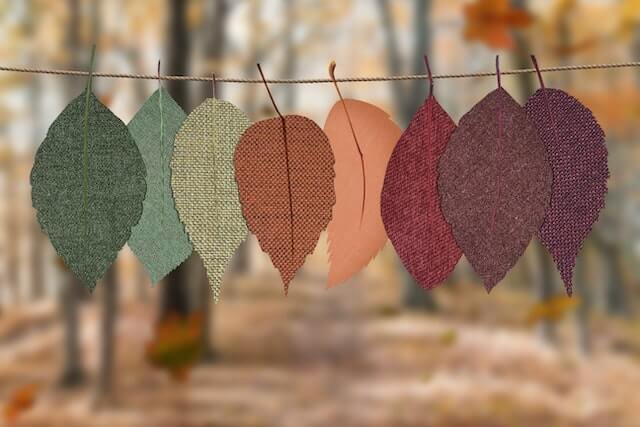
Crafting is the act of creating something by hand, using skill, imagination, and physical effort. At its core, crafting blends creativity, problem-solving, patience, and personal expression. It can involve working with materials such as fabric, wood, paper, clay, metal, beads, yarn, or recycled objects, transforming raw or simple items into something functional, decorative, meaningful, or artistic.
Crafting sits at the intersection of art, tradition, and everyday life. It can be practical, such as sewing clothing or building furniture, or purely expressive, such as painting, sculpting, or making jewelry. For many people, crafting is not just a hobby but a form of identity, storytelling, relaxation, and even livelihood.
THE HISTORY AND ORIGINS OF CRAFTING
Crafting is as old as humanity itself. Long before industrial machines existed, humans relied on handcrafted tools, clothing, shelter, and art for survival. Early crafting included weaving plant fibers, shaping stone tools, carving wood, pottery making, leatherwork, and beadwork.
Across ancient civilizations, crafting evolved into specialized trades. Egyptians developed textile weaving and jewelry making. Greeks and Romans refined sculpture, metalwork, and ceramics.
In medieval Europe, guilds organized skilled craftspeople into trades such as blacksmithing, carpentry, tailoring, and bookbinding. In Asia, highly refined traditions emerged in paper making, calligraphy, silk weaving, lacquer art, and pottery.
The Industrial Revolution shifted much production from handmade to machine-made, reducing reliance on traditional crafts. Yet crafting never disappeared. Instead, it evolved into artistic movements such as the Arts and Crafts Movement of the 19th century, which emphasized craftsmanship, beauty, and resistance to mass production.
In modern times, crafting has experienced a major revival as people seek creativity, mindfulness, sustainability, nostalgia, and personal fulfillment.
DIFFERENT TYPES OF CRAFTING
Crafting exists in countless forms, each with its own traditions, tools, and communities.
Textile crafts include sewing, knitting, crocheting, quilting, embroidery, weaving, and macramé.
Paper crafts include scrapbooking, card making, origami, bookbinding, collage, and paper cutting.
Wood crafts include carving, furniture building, wood burning, whittling, and model making.
Metal crafts include jewelry making, blacksmithing, metal engraving, and wire wrapping.
Clay and pottery crafts include ceramics, sculpting, wheel throwing, and hand-built pottery.
Visual and decorative crafts include painting, mixed media art, resin art, candle making, and floral arranging.
Recycled and DIY crafts include upcycling old items, repurposing furniture, and creating handmade home decor.
Digital crafting has also grown, including digital illustration, Cricut and laser cutting projects, printable art, and pattern design.
Each type appeals to different personalities, skill levels, and creative goals.
THE WELL-BEING BENEFITS OF CRAFTING
Crafting offers powerful benefits for mental, emotional, and even physical well-being.
It promotes relaxation and stress reduction by shifting focus away from worries and toward hands-on activity. Many people describe crafting as meditative, calming, and grounding.
It improves concentration, patience, and problem-solving. Crafting requires planning, learning, trial and error, and persistence, all of which strengthen cognitive resilience.
It boosts self-esteem and confidence. Completing a handmade project creates a tangible sense of accomplishment and pride.
It supports emotional expression. Crafting can help people process grief, joy, trauma, or life transitions by channeling emotions into creative output.
It enhances fine motor skills and coordination, particularly in activities like sewing, knitting, carving, or sculpting.
It encourages social connection. Craft communities, clubs, workshops, and online groups bring people together around shared interests.
For many people, crafting also provides a sense of meaning and identity, especially in a world that often feels fast-paced and impersonal.
WHY SOME PEOPLE LOVE CRAFTING SO DEEPLY
People who love crafting often value creativity, independence, tactile experience, and self-expression.
Crafting allows them to slow down in a busy world. It gives them control over the creative process and the satisfaction of making something with their own hands. It can feel empowering, personal, nostalgic, therapeutic, or spiritual.
Some people love crafting because it connects them to tradition, family heritage, or cultural identity. Others love it because it allows endless experimentation and originality.
For many, crafting also fulfills a deeper human desire: the need to create rather than just consume.
INDUSTRIES BUILT AROUND CRAFTING
Entire industries have grown around crafting enthusiasts.
Retailers sell craft supplies, tools, patterns, kits, and specialty materials. Major brands and stores cater specifically to crafters.
The handmade marketplace has become a global industry. Platforms like Etsy allow independent makers to sell handcrafted goods worldwide.
Workshops, classes, and online courses teach crafting skills, while influencers and content creators build careers sharing tutorials and inspiration.
Publishing industries produce crafting books, magazines, pattern collections, and DIY guides.
Technology companies develop crafting machines, digital design tools, and crafting software.
There is also a strong entrepreneurial culture among crafters, with many turning hobbies into side businesses or full-time careers.
HOW TO GET STARTED WITH CRAFTING
Starting crafting does not require artistic talent or expensive tools. The best approach is simple curiosity and willingness to experiment.
Begin by choosing a craft that appeals to your interests, lifestyle, and patience level. Some crafts are quick and simple, like paper crafts or basic jewelry, while others take more time and practice, like woodworking or sewing.
Start small with beginner kits or simple projects to build confidence. Watch tutorials, read guides, or join beginner classes.
Focus on enjoying the process rather than striving for perfection. Mistakes are part of learning and often lead to creativity.
Set up a small, comfortable crafting space, even if it is just a corner of a table.
Connect with others through crafting communities, social groups, or local workshops to gain inspiration and support.
Over time, skills develop naturally through repetition and experimentation.
THE DEEPER MEANING OF CRAFTING
Beyond creativity and hobby, crafting reflects something timeless about human nature. It connects us to ancient traditions, personal expression, practical problem-solving, and the joy of building something meaningful from scratch.
Crafting can be a form of mindfulness, storytelling, art, therapy, business, cultural preservation, or spiritual reflection. It reminds us that our hands and minds can shape the world, not just consume it.
In an age dominated by screens and automation, crafting offers something rare and grounding: the satisfaction of making something real.
THE PSYCHOLOGICAL PROFILE OF PEOPLE WHO LOVE CRAFTING
People who love crafting often share certain psychological traits, though each person expresses them uniquely.
Many crafters are naturally curious and enjoy learning through hands-on experience. They tend to value process over instant gratification, finding fulfillment in steady progress rather than quick results.
They often have a strong sense of autonomy and personal identity. Crafting gives them control over creation, allowing them to shape outcomes in a world that can sometimes feel unpredictable.
Crafters frequently show resilience. Mistakes are inevitable in handmade work, and learning to adapt, correct, or repurpose errors builds patience and emotional endurance.
There is also a reflective side to many crafters. Crafting can appeal to people who think deeply, appreciate detail, and find meaning in symbolism, tradition, or storytelling.
Some crafters are introverted and use crafting as a peaceful retreat, while others are social and enjoy crafting as a communal activity. What unites them is a love of creating something tangible and personal.
THE SPIRITUAL AND PHILOSOPHICAL SIDE OF CRAFTING
Crafting has long been connected to spirituality, mindfulness, and deeper meaning across cultures.
In many traditions, handmade work is seen as a form of devotion, meditation, or sacred practice. Monks, artisans, and religious communities have used crafting to express reverence, patience, and discipline.
Philosophically, crafting reflects the human desire to bring order, beauty, and meaning into the world. It mirrors creation itself: taking raw materials and shaping them into something purposeful.
Crafting can cultivate humility, as it reminds us that mastery takes time. It fosters gratitude, as handmade work reveals the effort behind everyday objects.
For some, crafting becomes a quiet spiritual practice, where the rhythm of hands and tools creates a reflective, prayer-like state.
CRAFTING COMPARED TO ART, DIY, AND TRADITIONAL TRADES
Crafting overlaps with several creative and practical domains but remains distinct.
Crafting vs. Art:
Art often prioritizes expression, emotion, and concept, while crafting emphasizes skill, function, and technique. However, many projects blend both.
Crafting vs. DIY:
DIY focuses on problem-solving and utility, such as home repairs or practical builds. Crafting often adds aesthetic, decorative, or personal storytelling elements.
Crafting vs. Traditional Trades:
Trades like carpentry or tailoring are professional skill sets tied to commerce and industry. Crafting can be professional but is often pursued for enjoyment, expression, or personal fulfillment.
Crafting sits beautifully in the middle, bridging creativity, practicality, and tradition.
HOW CRAFTING CAN BECOME A SIDE HUSTLE OR FULL-TIME BUSINESS
Crafting offers meaningful income opportunities for those who want to monetize their skills.
Many crafters sell handmade products such as jewelry, artwork, home decor, clothing, candles, woodworking items, or digital patterns.
Others earn income through teaching classes, hosting workshops, creating online courses, or selling tutorial content.
Some build brands through social media, blogging, YouTube, or digital marketplaces, sharing both products and expertise.
Crafting businesses often thrive on authenticity. Customers appreciate the story, craftsmanship, and personal touch behind handmade goods.
Success usually comes from balancing creativity with business skills, consistency, pricing strategy, and customer connection.
A DETAILED GUIDE TO THE EASIEST CRAFTS FOR BEGINNERS
If you are just starting out, here are beginner-friendly options that require minimal tools and quick learning curves.
Paper Crafts
Simple projects like greeting cards, scrapbooking, origami, and paper collage are affordable and low-pressure.
Basic Jewelry Making
Using beads, wire, and elastic to create bracelets or necklaces is easy to learn and highly customizable.
Painting and Drawing
Acrylic painting, watercolor, and sketching allow creative freedom without complex tools.
Candle Making
Melting wax and adding scents and colors is beginner-friendly and rewarding.
Simple Sewing
Starting with small projects like pillowcases, tote bags, or fabric bookmarks builds confidence.
Crochet or Knitting
Learning basic stitches can quickly lead to scarves, hats, or dishcloths.
Upcycling and DIY Decor
Repurposing jars, frames, or old furniture is creative and sustainable.
The best beginner craft is the one that excites your curiosity and feels enjoyable rather than intimidating.
HOW CRAFTING SHAPES CHARACTER AND PERSONAL GROWTH
Crafting does more than build skills. It shapes character.
It teaches patience through long, detailed projects.
It builds discipline through repetition and refinement.
It nurtures creativity through experimentation and imagination.
It encourages humility through trial and error.
It strengthens perseverance when projects feel challenging.
It fosters gratitude for handmade effort and tradition.
Over time, crafting becomes a mirror for personal growth, revealing how a person handles frustration, success, learning, and self-expression.
Crafting reminds us that humans are not only consumers but creators. It reconnects us with an ancient truth: our hands and minds are capable of shaping beauty, utility, and meaning from simple materials.
In a world increasingly driven by speed, automation, and mass production, crafting slows time. It brings attention back to process, patience, and presence. Each handmade piece carries a story of effort, learning, and care.
Crafting also preserves cultural memory. Traditional patterns, techniques, and designs carry the wisdom of generations, linking modern creators to history and heritage.
At its deepest level, crafting expresses hope. Every project begins with imagination and ends with something tangible, proving that transformation is possible. That message often extends beyond materials and into personal growth and life itself.
HERE IS A WELL-ROUNDED COLLECTION OF TRUSTWORTHY RESOURCES WHERE YOU CAN LEARN MORE ABOUT CRAFTING HISTORY, TECHNIQUES, PSYCHOLOGY, BUSINESS OPPORTUNITIES, CULTURAL MEANING, AND BEGINNER GUIDANCE
General Crafting Overviews and Learning Platforms
Craft Industry Alliance
https://craftindustryalliance.org/
Insight into the crafting economy, trends, industry news, and professional maker resources.
The Spruce Crafts
https://www.thesprucecrafts.com/
Beginner-friendly tutorials across many craft types, with step-by-step guides.
Instructables (Craft & DIY Section)
https://www.instructables.com/craft/
Project-based tutorials for creative, DIY, and maker-style crafts.
Skillshare (Craft & Creative Classes)
https://www.skillshare.com/browse/crafts
Online courses in sewing, illustration, embroidery, woodworking, and more.
CreativeLive
https://www.creativelive.com/
Professional-level creative courses, including craft-related skills.
Craft History, Culture, and Traditions
Victoria and Albert Museum — Craft & Decorative Arts
https://www.vam.ac.uk/collections/craft
Deep historical and cultural insight into craftsmanship and handmade traditions.
The Met Museum — Decorative Arts Collection
https://www.metmuseum.org/art/collection
Explore global craft traditions and handmade artifacts.
Smithsonian Folkways & Craft Culture
https://folkways.si.edu/
Cultural and historical perspectives on handmade traditions.
Encyclopaedia Britannica — Craft History
https://www.britannica.com/topic/craft
Historical overview of crafts across civilizations.
Psychology, Creativity, and Well-Being Benefits of Crafting
American Psychological Association — Creativity & Mental Health
https://www.apa.org/monitor/2015/06/creativity
Harvard Health — Art and Mental Wellness
https://www.health.harvard.edu/blog/why-art-is-so-good-for-your-mental-health-2018081414539
The Guardian — Crafting and Mental Health
https://www.theguardian.com/lifeandstyle/series/craft
BBC — Why Crafting Is Good for the Brain
https://www.bbc.com/worklife/article/20200318-how-crafting-can-help-your-mental-health
Beginner Craft Guides and Tutorials
Red Heart Yarns Learning Center (Knitting & Crochet)
https://www.yarnspirations.com/tutorials
Sewing.org (Beginner Sewing)
https://sewing.org/
Paper Craft Resources (Origami & Paper Art)
https://www.origamiway.com/
Jewelry Making Tutorials (Fire Mountain Gems)
https://www.firemountaingems.com/resources/
Candle Making Beginner Guide
https://www.candlescience.com/learn/
Craft Business, Handmade Economy, and Selling
Etsy Seller Handbook
https://www.etsy.com/seller-handbook
Shopify Blog — Selling Handmade Products
https://www.shopify.com/blog/handmade-business
Creative Entrepreneurs Resources
https://creativeentrepreneur.com/
Small Business Administration — Craft Business Guidance
https://www.sba.gov/
Maker’s Row (Production and Small Manufacturing)
https://makersrow.com/
Craft Communities, Inspiration, and Trends
Ravelry (Knitting & Crochet Community)
https://www.ravelry.com/
Pinterest (Craft Inspiration)
https://www.pinterest.com/search/pins/?q=crafts
Reddit Craft Communities
https://www.reddit.com/r/crafts/
https://www.reddit.com/r/DIY/
Craft Forums and Groups
https://craftster.org/forum/
Traditional Crafts, Heritage Skills, and Handmade Culture
Folk Art & Craft Traditions — Smithsonian
https://americanart.si.edu/
The Heritage Crafts Association (Preserving Traditional Skills)
https://heritagecrafts.org.uk/
UNESCO — Intangible Cultural Heritage (Traditional Crafts)
https://ich.unesco.org/
Spiritual, Philosophical, and Meaningful Craft Perspectives
The Arts and Crafts Movement History
https://www.theartstory.org/movement/arts-and-crafts/
Zen and the Art of Craftsmanship Essays
https://www.themarginalian.org/
Craft as Mindfulness — Greater Good Magazine (UC Berkeley)
https://greatergood.berkeley.edu/
YouTube Channels for Learning Crafting
DIY & Craft Tutorials
https://www.youtube.com/@DIY
Sewing and Fabric Crafting
https://www.youtube.com/@ProfessorPincushion
Woodworking
https://www.youtube.com/@WoodworkingForMereMortals
Beginner Craft Projects
https://www.youtube.com/results?search_query=beginner+craft+projects
Museums and Institutions Focused on Craftsmanship
American Craft Council
https://www.craftcouncil.org/
Museum of Arts and Design
https://madmuseum.org/
Craft Contemporary Museum
https://craftcontemporary.org/