


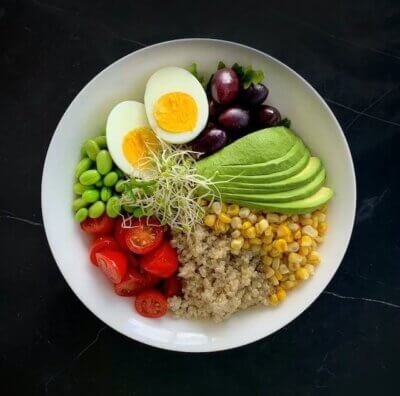
A diet is the combination of foods and drinks that a person regularly consumes. It can also refer to a planned or structured way of eating, often with a specific goal in mind, such as:
Weight loss (e.g., calorie-restricted diets)
Health improvement (e.g., heart-healthy, or anti-inflammatory diets)
Managing medical conditions (e.g., diabetic, or gluten-free diets)
Lifestyle choices (e.g., vegetarian, or vegan diets)
Cultural or religious practices (e.g., kosher or halal diets)
So in short, your “diet” is just what you eat and drink—whether it’s intentional or not. A “healthy diet” generally means eating foods that support good health, like fruits, vegetables, lean proteins, whole grains, and healthy fats.
People often say “diet is a bad word” because in modern culture, the word “diet” has become associated with restriction, guilt, and temporary fixes rather than sustainable, healthy eating.
Here’s why some view it negatively:
Temporary & Unrealistic: Many popular diets are extreme or hard to maintain long-term (like fad diets or crash diets), leading to burnout and weight regain.
Negative Relationship with Food: Some diets encourage people to fear or avoid certain foods entirely, which can create unhealthy attitudes toward eating (like guilt for eating carbs or treats).
Obsession Over Weight: The term “diet” is often tied to appearance and weight loss, rather than health or nourishment. This can harm self-esteem and body image.
Yo-Yo Effect: Repeatedly going on and off diets (yo-yo dieting) is not only frustrating but also harmful to physical and mental health.
BECAUSE OF ALL THIS, MANY NUTRITIONISTS, TRAINERS, AND MENTAL HEALTH PROFESSIONALS NOW PROMOTE LIFESTYLE CHANGES OR HEALTHY EATING HABITS OVER “GOING ON A DIET.”
The Origin of the Word “Diet”
The word “diet” comes from the Greek word diaita, which originally meant “way of life” or “lifestyle.”
Historically, it referred to an overall approach to living healthily, not just what you eat.
Over time, especially in the 20th century, it came to mean a temporary eating plan designed to lose weight.
When “Diet” Became a Negative Word
1950s–1980s: Rise of Commercial Diets
Programs like Weight Watchers, Atkins, and others began booming.
Advertisements pushed the idea of fast weight loss with strict rules.
The focus was more on weight and appearance than on health.
1990s–2000s: The Yo-Yo Dieting Problem
Research started showing that most people who lost weight on diets gained it back.
The term “yo-yo dieting” entered mainstream use to describe this cycle of losing and regaining weight.
People reported worse self-image, disordered eating patterns, and burnout from repeated failed diets.
2010s–Present: Rise of Anti-Diet Movements
Nutritionists and psychologists began rejecting diet culture and shifting toward promoting sustainable habits.
Terms like “intuitive eating,” “body neutrality,” and “non-diet approach” became more common.
The focus moved away from restriction and toward long-term health, relationship with food, and well-being.
The Psychology Behind Why “Going on a Diet” Often Fails
Scarcity mindset
When you tell yourself you can’t have certain foods, your brain becomes more focused on them. This can lead to increased cravings, overeating, and guilt.
All-or-nothing thinking
Diets tend to promote strict rules. If someone breaks one, they may think they’ve “failed” and give up completely, instead of making a simple adjustment.
External motivation
Diets are often started for appearance or social pressure rather than internal goals like health or energy. External motivation tends to be short-lived.
No plan for long-term maintenance
Diets are typically temporary. Once a goal is hit or the diet ends, people often revert to old habits, resulting in weight regain.
Shame and guilt
Diets often tie success to morality — people label themselves “good” or “bad” based on what they eat. This can create cycles of shame and emotional eating.
What Works Better: Sustainable Eating Habits
Modern experts recommend moving away from dieting and toward building a healthy relationship with food:
Focus on balance, not restriction. It’s okay to enjoy treats and also prioritize whole, nourishing foods.
Think in terms of long-term habits, not short-term plans.
Use internal cues (like hunger and fullness) to guide eating, rather than external rules.
Make small, gradual changes that you can live with indefinitely.
View food as something that fuels, supports, and satisfies — not something to control or fear.
Evidence-Based Support
Studies show that restrictive diets lead to short-term weight loss but often result in weight regain, stress, and disordered eating.
Intuitive eating and lifestyle-based approaches have been linked to better physical and mental health, more stable weight, and a healthier relationship with food.
You’re absolutely right — the word “diet” has become a negative trigger for many people, largely because of how it’s been marketed and used over time. What started as a term meaning “way of life” is now often tied to short-term thinking, guilt, and repeated failure.
Shifting your mindset to focus on nourishing your body, honoring your hunger, and creating sustainable habits is far more powerful than “going on a diet.”
This shift gradually happened and is the result of cultural, commercial, and psychological changes that unfolded over the last 70 years. Here’s how “diet” went from a meaningful word to something temporary, ineffective, and even harmful in the eyes of many.
The Original Meaning Was Lost
Ancient and pre-modern meaning: “Diet” originally meant a lifestyle — a daily pattern of living that promoted health, not just weight.
This included food, movement, sleep, and even one’s mindset.
But in the 20th century, the word began to shrink in meaning — from “way of life” to just “weight loss plan.”
The Weight Loss Industry Changed Everything
In the 1950s–1970s, Western culture (especially in the U.S.) saw:
A growing obsession with thinness, especially for women.
The rise of diet books, pills, packaged foods, and weight-loss clubs.
The birth of commercial diet programs like:
Weight Watchers (1963)
Atkins (1972)
SlimFast (late 1970s)
These programs:
Promised quick results.
Often required buying special foods or memberships.
Marketed weight loss as the key to happiness, beauty, and acceptance.
The public started associating “diet” with a short-term effort to lose weight — often through heavy restrictions or gimmicks.
Diet Culture Took Over in the 1980s–1990s
This period saw:
The rise of low-fat and low-carb fads.
An explosion of “miracle” diets: cabbage soup diet, grapefruit diet, liquid cleanses, etc.
Magazine headlines like “Lose 10 Pounds in 10 Days.”
This kind of marketing:
Trained people to see diets as quick-fix tools instead of sustainable changes.
Encouraged “all-or-nothing” thinking: you’re either “on a diet” or not.
Reinforced the idea that being thinner equals being healthier and more valuable.
Failure Rates Exposed the Problem
By the late 1990s and early 2000s, research started confirming what many had experienced:
Most diets don’t work long-term.
Studies found 95% of people regain the weight — sometimes more — within 1 to 5 years.
Repeated dieting leads to yo-yo weight cycling, which increases risks for heart disease, insulin resistance, and mental health issues.
At this point, more people started realizing:
Dieting is unsustainable.
The emotional toll (guilt, shame, obsession) was damaging.
The word “diet” became a symbol of failure, stress, and false hope.
Psychology and Behavior Science Joined In
Psychologists began to understand how diets affect the brain:
Restriction leads to cravings and binge behavior.
Labeling foods “bad” increases obsession.
External rules (like calorie counting) disconnect people from their natural hunger/fullness signals.
Terms like:
“Diet mentality”
“Disordered eating”
“Emotional eating”
…became mainstream. Professionals started saying: “Diets don’t work. Habits do.”
The Push for a New Way
In the 2010s and beyond:
Movements like intuitive eating, Health at Every Size, and anti-diet culture emerged.
These rejected the idea of dieting as the solution.
Experts began promoting:
Long-term eating patterns
Food freedom
Listening to your body
Nutrition without restriction
This shift made the word “diet” feel outdated, negative, and even harmful.
Why “Diet” Became a Bad Word
Commercialism turned it into a product rather than a healthy pattern.
People experienced repeated failure and weight regain.
It became associated with guilt, shame, and stress.
Psychology revealed that restrictive thinking leads to long-term harm.
As a result, it’s now often seen as a symbol of what not to do when trying to live a healthy life.
HERE’S HOW MODERN EXPERTS AND HEALTH PROFESSIONALS NOW APPROACH HEALTHY EATING — WITHOUT CALLING IT A “DIET” AND WITHOUT USING THE RESTRICTIVE, SHORT-TERM MINDSET THAT MADE DIETS FAIL FOR SO MANY.
They Focus on Sustainable Eating Patterns
Rather than telling people to follow a rigid plan, they encourage flexible and consistent habits that you can maintain for life.
Examples of sustainable eating patterns:
Mediterranean-style eating – rich in vegetables, fruits, whole grains, healthy fats (like olive oil), nuts, legumes, and lean proteins.
Plant-forward eating – not necessarily vegetarian, but emphasizing plants as the foundation of meals.
Balanced eating – aiming for meals that contain a balance of protein, healthy fats, and fiber-rich carbs.
These styles don’t restrict specific foods but focus on nourishing the body over time.
They Promote the Idea of “Progress, Not Perfection”
Instead of black-and-white thinking (“I was good” or “I messed up”), they encourage people to:
Let go of “perfect eating.”
Build consistency over time.
Accept that life will include celebrations, stress, and imperfect meals — and that’s okay.
This helps break the guilt cycle that diets often reinforce.
They Teach Body Awareness and Hunger Cues
Modern approaches emphasize listening to your body rather than obeying external rules.
This includes:
Eating when you’re hungry.
Stopping when you’re satisfied — not stuffed.
Recognizing emotional eating vs. physical hunger.
Learning how certain foods make your body feel.
The approach is called intuitive eating, and it’s backed by research showing it can lead to improved mental and physical health.
They Encourage Adding, Not Subtracting
Instead of cutting out foods, the focus is on adding more nutritious ones.
Examples:
Add more vegetables and fiber to meals.
Add more water throughout the day.
Add healthy fats or lean proteins to feel more satisfied.
This takes away the fear and obsession caused by restriction and focuses on nourishment, not deprivation.
They Emphasize the Relationship With Food
Rather than seeing food as “good” or “bad,” they help people:
Remove guilt around eating.
Enjoy food socially and culturally.
Learn how food affects their mood, energy, digestion, and sleep.
This mindset supports long-term wellness, not temporary weight loss.
They Consider the Whole Person
Modern experts take into account:
Sleep
Stress levels
Movement
Mental health
Personal history with eating and body image
Food is important, but it’s not the only part of health — it fits into a bigger picture.
They Use Language That Supports Growth
Instead of saying “I’m on a diet,” people now say things like:
“I’m working on building healthier habits.”
“I’m focusing on foods that help me feel good and energized.”
“I’m learning how to eat in a way that supports my goals and values.”
These statements are more empowering and flexible.
The modern approach avoids the word “diet” not just because it has a bad reputation — but because the old definition no longer fits what actually works. People are healthier and more consistent when they build habits, not when they follow rigid plans for a few weeks and give up.
HERE’S A CLEAN AND SIMPLE GUIDE TO HOW PEOPLE NOW TALK ABOUT HEALTHY EATING IN EVERYDAY CONVERSATION — WITHOUT USING THE WORD “DIET.”
Common Ways People Say, “I’m on a Diet” Without Saying It:
“I’m eating healthier these days.”
General, casual, and positive.
“I’ve been focusing on better habits.”
Makes it sound like part of a lifestyle, not a temporary fix.
“I’m watching what I eat.”
Still commonly used, but more neutral than “diet.”
“I’m trying to eat more balanced meals.”
Reflects a goal of nourishment, not restriction.
“I’m being more mindful about food.”
Popular among those who practice intuitive or mindful eating.
“I’ve been cutting back on [sugar, fast food, processed snacks, etc.].”
Sounds more specific and realistic.
“I’m working on my nutrition.”
Seen as a smarter, health-focused approach.
“I’m just trying to eat in a way that feels good.”
Reflects body awareness and a long-term goal.
“I’m following a clean eating plan.”
Still used in some circles, especially among fitness-minded individuals.
“I’ve been eating more whole foods lately.”
Emphasizes food quality rather than rules.
Why This Shift Happened:
People have learned that calling something a “diet” often makes it feel short-term or miserable.
Saying it differently helps make healthy eating sound sustainable and less restrictive.
The new language fits better with modern views on health: balance, well-being, and personal empowerment.
Here’s a short list of go-to phrases you can use in work or social settings when you want to express that you’re eating more intentionally—without saying “I’m on a diet.” These are polite, positive, and usually free of judgment or awkwardness.
PHRASES TO USE IN SOCIAL OR WORK SETTINGS
“I’m trying to make healthier choices lately.”
Friendly and flexible; doesn’t sound rigid or judgmental.
“I’ve just been more mindful about what I eat.”
Casual, thoughtful, and easy to relate to.
“I’m working on some long-term health goals.”
Makes it clear it’s not a crash plan—just a lifestyle adjustment.
“I’m focusing on meals that give me more energy.”
Framed in a positive way—people usually respect this.
“I’ve been eating a bit cleaner lately.”
Common in fitness or wellness circles, and vague enough not to invite debate.
“I’m just being more intentional with my food right now.”
Polite and non-preachy, good for group meals or events.
“I’m trying to eat in a way that works better for me.”
Emphasizes personal fit rather than any trend or rule.
“I’m not cutting anything out completely, just trying to be balanced.”
Reassures others if they offer food or ask questions.
These phrases are especially helpful in settings where people may comment on your food choices or offer food, and they keep the conversation light and respectful.
HERE’S WHAT YOU CAN TAKE AWAY FROM EVERYTHING WE’VE COVERED:
The Word “Diet” Became Problematic for a Reason
Over time, “diet” came to mean temporary restriction, punishment, or something you do until you lose weight. Most people now associate it with failure, guilt, and rebound weight gain. That’s why so many avoid using the word—it reflects a mindset that rarely works long-term.
Language Shapes Mindset
How you talk about eating—even just to yourself—can deeply affect your attitude, motivation, and results. Saying things like “I’m building better habits” or “I’m eating for energy” encourages a healthier, more patient mindset than “I’m on a diet.”
Sustainable Changes Beat Temporary Fixes
Modern nutrition focuses on consistency, flexibility, and habits rather than rigid plans. What matters more than a perfect week is what you can stick with for the long run.
You Can Take Control Without Being Harsh or Extreme
You don’t need to follow a label or trend. You can shape your eating style around your goals, energy needs, and preferences—without cutting out all joy or food groups. Balance and awareness go much farther than restriction.
You Don’t Have to Justify Your Choices
By learning new ways to talk about eating, you can be clear with yourself and others without sounding like you’re apologizing or needing approval. You’re simply choosing what works for you.
The key lesson is this: healthy eating isn’t about going on a diet — it’s about building a way of eating that works for you, supports your life, and doesn’t make you miserable. The words you use help shape that reality.
TO DIVE DEEPER INTO THE TOPICS WE’VE COVERED, INCLUDING THE EVOLUTION OF THE WORD “DIET,” SUSTAINABLE EATING, MINDFUL EATING, AND HOW TO MAKE LASTING CHANGES, HERE ARE SOME GREAT RESOURCES TO EXPLORE:
Books:
- “Intuitive Eating” by Evelyn Tribole and Elyse Resch
This book introduces the principles of intuitive eating, which is all about listening to your body, freeing yourself from diet culture, and adopting a healthier relationship with food. - “The Science and Fine Art of Food and Nutrition” by Arnold Ehret
A classic work that touches on the idea of eating for health, energy, and sustainability, focusing on the value of natural foods. - “How to Eat” by Mark Bittman
A book that focuses on building healthy habits around eating without restrictive diets and explains mindful eating in an approachable way. - “The Beck Diet Solution” by Judith Beck
Though it’s framed as a “diet,” this book emphasizes changing the way you think about food, which can help you break free from the traditional “diet mentality.”
Websites and Articles:
- The Center for Intuitive Eating (www.intuitiveeating.org)
A great resource for articles, courses, and professional support for anyone looking to explore intuitive eating and develop a healthy relationship with food. - Healthline Nutrition (www.healthline.com/nutrition)
Healthline’s website has a wealth of research-backed articles about nutrition, eating habits, and the latest on sustainable health practices. - National Eating Disorders Association (NEDA) (www.nationaleatingdisorders.org)
NEDA provides resources on avoiding harmful diet culture, understanding the psychological effects of dieting, and eating habits. - The Academy of Nutrition and Dietetics (www.eatright.org)
This site provides expert advice from dietitians and nutritionists on building healthy habits that focus on wellness, not restriction.
Documentaries and Videos:
- “Fed Up”
This documentary explores the sugar industry and how it affects public health, touching on the dangers of restrictive dieting and the effects of unhealthy eating patterns. - “The Social Dilemma”
While this documentary is primarily about social media, it delves into how modern culture, including dieting trends, can shape our habits and mental health. - YouTube – Mindful Eating Channels
Search for videos on intuitive eating, mindfulness, and sustainable eating habits. Channels like Mindful Health and The Eating Disorder Recovery Podcast focus on positive, lasting change.
Podcasts:
- “The Dietitian’s Dilemma”
This podcast explores different aspects of nutrition, from common myths to sustainable eating practices, with professional dietitians giving advice. - “The Intuitive Eating Podcast”
Hosted by the authors of Intuitive Eating, this podcast offers valuable advice on embracing food freedom and moving away from the diet mentality. - “Food Psych Podcast” by Christy Harrison
Christy’s podcast tackles topics around body positivity, health at every size, and understanding how to heal from diet culture.
Online Courses and Blogs:
- Coursera – Health and Nutrition Courses
There are several free and paid courses available that cover sustainable nutrition, healthy eating habits, and understanding the relationship between food and well-being. - Nutrition Stripped Blog
A blog that teaches people how to eat nourishing, wholesome food while focusing on balance and sustainability.
These resources will give you a solid foundation for learning more about sustainable eating, how to break free from diet culture, and how to nourish your body in ways that support long-term health and wellness.