



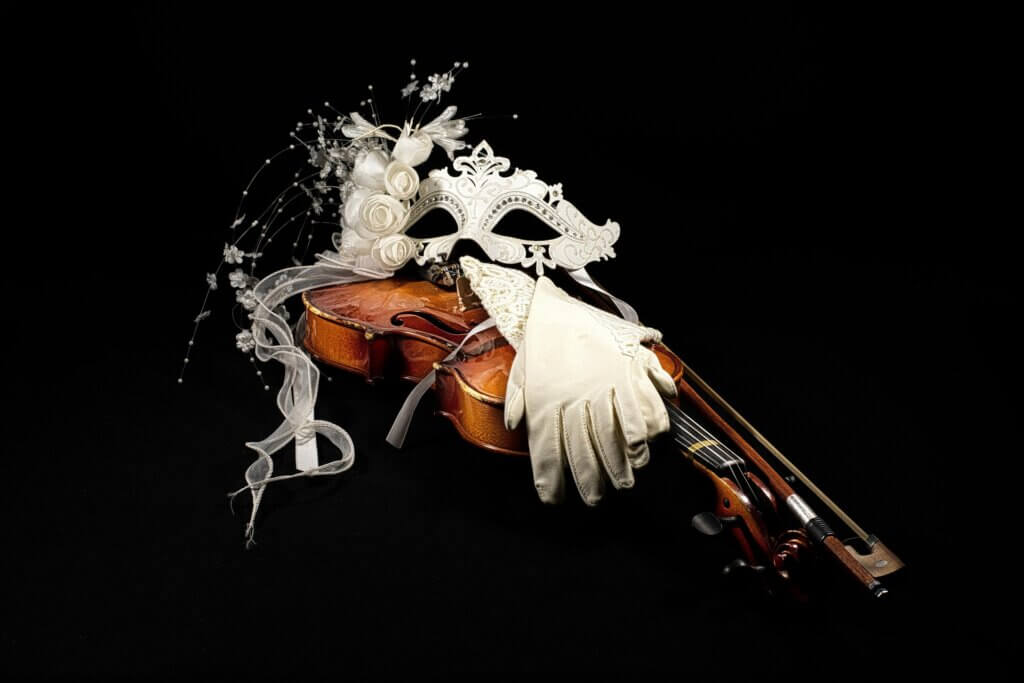
Classical music is a broad term for a style of music that has its roots in Western culture and has been developed over centuries. Unlike pop or rock music, which often focuses on vocals and lyrics, classical music emphasizes instrumental compositions, complex structures, and expressive melodies.
It includes everything from solo piano pieces to grand orchestral symphonies, and it often follows strict forms and patterns, although there is room for creativity and emotion. Classical music isn’t tied to a single era; it’s more of a tradition, a style of composing and performing that has evolved over time.
HISTORY AND ORIGINS OF CLASSICAL MUSIC
Classical music’s roots stretch back over a thousand years. Early Western classical music began in the Medieval period (roughly 500–1400 AD), with compositions largely written for the church and religious ceremonies. Gregorian chants are a well-known example from this era.
The Renaissance period (1400–1600) introduced more complex harmonies, richer textures, and secular themes alongside religious music. Composers like Palestrina and Josquin des Prez were prominent.
The Baroque period (1600–1750) brought even more elaborate musical forms and ornamentation. Think of composers like Johann Sebastian Bach and George Frideric Handel, who created intricate fugues, concertos, and operas that emphasized contrast and drama.
The Classical period (1750–1820) – the era that gives the genre its name – emphasized clarity, balance, and proportion. Composers like Wolfgang Amadeus Mozart, Ludwig van Beethoven (early works), and Franz Joseph Haydn excelled in symphonies, sonatas, and string quartets.
The Romantic period (1820–1900) embraced emotional expression, passion, and individuality. Composers like Beethoven (later works), Franz Schubert, Chopin, and Tchaikovsky wrote music that explored deeper feelings and grand gestures.
Finally, the 20th and 21st centuries brought modern and contemporary classical music, incorporating new techniques, experimental sounds, and influences from jazz, electronic, and global music. Composers like Igor Stravinsky, Philip Glass, and John Adams represent this era.
TYPES AND CATEGORIES OF CLASSICAL MUSIC
Classical music can be divided into several categories, each with its own characteristics:
Symphony: A large-scale orchestral work, usually in four movements. Symphonies explore a wide range of emotions and are considered the pinnacle of orchestral composition. Beethoven’s nine symphonies are legendary.
Concerto: A composition that highlights a solo instrument accompanied by an orchestra. Concertos often showcase technical skill and virtuosic performance. Mozart and Vivaldi wrote many famous concertos.
Sonata: Typically written for a solo instrument, such as piano or violin, sometimes with piano accompaniment. Sonatas usually have multiple movements with contrasting tempos and moods. Beethoven and Mozart excelled in this form.
Opera: A dramatic work combining singing, orchestration, and sometimes acting and staging. Famous operas include Verdi’s La Traviata and Puccini’s Madama Butterfly.
Chamber Music: Small-scale compositions for a few instruments, like string quartets or piano trios. This music allows intimate expression and intricate interplay between instruments.
Oratorio and Cantata: Vocal works with orchestral accompaniment, often religious or narrative in nature. Handel’s Messiah is one of the most celebrated oratorios.
Ballet Music: Compositions intended to accompany dance, often instrumental and highly expressive. Tchaikovsky’s Swan Lake and The Nutcracker are iconic examples.
WHY PEOPLE STILL ENJOY CLASSICAL MUSIC
Classical music has endured because of its emotional depth, technical brilliance, and versatility. Many listeners appreciate the way it can evoke moods, tell stories without words, or provide a meditative experience.
Some enjoy the intellectual challenge of following complex compositions or noticing subtle details that reveal a composer’s mastery. For many, classical music offers a timeless beauty that transcends the trends of popular music.
CLASSICAL MUSIC AND WELL-BEING
There is some evidence suggesting classical music can positively influence well-being. Listening can reduce stress, improve focus, and enhance mood. Slow, melodic pieces can promote relaxation, while lively symphonies might energize and inspire. Some studies even suggest it can benefit cognitive function, though these effects vary from person to person.
GETTING STARTED WITH CLASSICAL MUSIC
For beginners, it helps to start with accessible and well-known pieces. You might listen to Beethoven’s Moonlight Sonata, Mozart’s Eine kleine Nachtmusik, or Vivaldi’s The Four Seasons. Attending live concerts, even local orchestra performances, can deepen appreciation. Reading brief descriptions of each piece or composer before listening can also enhance understanding. Over time, you’ll start recognizing patterns, motifs, and emotions that make classical music so rich.
CLASSICAL FOUNDATIONS IN OTHER MUSIC GENRES
Many famous musicians began with classical training. For example, composers like Paul McCartney, Lady Gaga, and Elton John had classical music education that helped shape their understanding of melody, harmony, and musical structure.
Jazz and rock musicians have also benefited from classical foundations, which can enhance technical skill, composition, and improvisation. Knowing classical music provides a strong musical vocabulary that can translate across genres.
KEY TAKEAWAYS ABOUT CLASSICAL MUSIC
Classical music is more than a historical artifact; it’s a living tradition that continues to influence musicians and listeners worldwide. Understanding its history, exploring its many forms, and appreciating its emotional and intellectual depth can enhance one’s enjoyment and even personal well-being. Whether you’re listening for relaxation, inspiration, or sheer curiosity, classical music offers a universe of sound worth exploring.
BEGINNER-FRIENDLY ROADMAP OF MUST-HEAR CLASSICAL PIECES AND COMPOSERS
MEDIEVAL AND RENAISSANCE (500–1600)
Hildegard von Bingen – O viridissima virga
A beautiful, ethereal chant. Listen for the pure, flowing vocal lines and the meditative, spiritual quality.
Josquin des Prez – Ave Maria
Polyphonic vocal music where multiple voices weave together. Notice how harmony creates calm and emotion.
Palestrina – Missa Papae Marcelli
A landmark Renaissance mass. Listen for clarity, balance, and smooth interplay of voices.
BAROQUE (1600–1750)
Johann Sebastian Bach – Brandenburg Concertos
Six vibrant concertos showcasing intricate interplay between instruments. Listen for rhythm, complexity, and energy.
Bach – Air on the G String
A serene, flowing piece for strings. Perfect for relaxation or background listening.
George Frideric Handel – Messiah (Hallelujah Chorus)
Grand and dramatic choral work. Notice how music builds tension and release.
Antonio Vivaldi – The Four Seasons
Iconic violin concertos that depict seasons through tempo, melody, and mood. Try to hear how music “paints” scenes.
CLASSICAL (1750–1820)
Wolfgang Amadeus Mozart – Eine kleine Nachtmusik
A light, cheerful serenade for strings. Listen for clarity, elegance, and playful melodies.
Mozart – Piano Concerto No. 21 (Andante movement)
Smooth, lyrical, and expressive piano with orchestral support.
Ludwig van Beethoven – Symphony No. 5
One of the most famous symphonies ever. Notice the dramatic motif at the beginning and the emotional journey.
Haydn – Symphony No. 94 (“Surprise”)
Classical balance and wit. Pay attention to the sudden dynamic “surprise” in the second movement.
ROMANTIC (1820–1900)
Frédéric Chopin – Nocturnes (especially No. 2 in E-flat Major)
Intimate piano pieces full of emotion and lyrical beauty.
Pyotr Ilyich Tchaikovsky – Swan Lake or Nutcracker Suite
Dramatic and expressive ballet music. Notice the sweeping melodies and orchestral richness.
Johannes Brahms – Symphony No. 3 (Third Movement)
Deeply emotional orchestral work. Listen for its warm, somber beauty.
Franz Schubert – Ave Maria
Romantic vocal piece with piano. Focus on the graceful, heartfelt melody.
20TH CENTURY AND MODERN
Igor Stravinsky – The Rite of Spring
Revolutionary orchestral work. Listen for rhythmic energy, unexpected accents, and intensity.
Claude Debussy – Clair de Lune
Impressionist piano piece. Notice delicate, flowing textures and dreamlike mood.
Philip Glass – Glassworks (Opening)
Minimalist music with repetition and subtle changes. Listen for hypnotic patterns and evolving rhythm.
Aaron Copland – Appalachian Spring
Evokes wide-open landscapes and American folk influences. Orchestral colors are key here.
TIPS FOR LISTENING AND APPRECIATING
Start small: Don’t feel you need to listen to entire symphonies at first. A single movement can give a lot of insight.
Read a little before listening: Knowing the story or mood of the piece enhances appreciation.
Active listening: Focus on different instruments or recurring motifs, like following a conversation between instruments.
Compare interpretations: Different conductors or pianists can bring unique feelings to the same piece.
CLASSICAL MUSIC REALLY IS THE BACKBONE OF MOST WESTERN MUSIC, AND ITS INFLUENCE STRETCHES FAR BEYOND THE CONCERT HALL
Musical Theory and Structure
Classical music codified much of what we now consider “music theory.” Concepts like scales, chords, harmony, counterpoint, and musical form were formalized over centuries by classical composers. Even pop, rock, jazz, and film music borrow heavily from these principles. For example, understanding chord progressions in a Beatles song often requires the same foundation as understanding a Mozart sonata.
Technical Mastery
Classical training emphasizes precise technique and control over an instrument. Musicians who start with classical music develop dexterity, timing, and musical expression that can be applied to any genre. Many famous artists—like Elton John, Lady Gaga, and John Legend—had classical training early on, which helped them excel in pop, rock, or R&B later.
Melody, Harmony, and Emotion
Classical music pioneered ways to evoke emotion through melody, harmony, and orchestration. Film scores, for instance, owe much of their dramatic power to classical traditions. Think of John Williams’ Star Wars or Hans Zimmer’s Gladiator score—they’re modern orchestral compositions rooted in classical principles.
Complexity and Innovation
Many modern music genres, especially jazz and progressive rock, explore complex rhythms, modulations, and counterpoint that are essentially classical music concepts applied differently. Improvisation in jazz, for instance, often relies on chord structures and scales that were explored in classical music centuries earlier.
Cultural and Historical Influence
Classical music has shaped the way we listen to and value music. Concepts like “themes,” “variations,” and “motifs” are now standard in nearly every genre. Even when music is simple or electronic, the influence of classical structure and phrasing is often present.
In short, classical music is like the DNA of Western music. Whether it’s the pop song on the radio, a movie soundtrack, jazz, or even video game music, traces of classical training, harmony, and structure are everywhere.
HOW CLASSICAL MUSIC ELEMENTS SHOW UP IN MODERN MUSIC GENRES, SO YOU CAN SEE JUST HOW FOUNDATIONAL IT IS
POP MUSIC
Melody and Harmony: Pop songs often rely on chord progressions and harmonies first explored in classical music. Think of the emotional arcs in a ballad—they mirror the tension and resolution techniques used in classical compositions.
Song Structure: Verse-chorus-bridge structures are simpler than classical sonata form, but the idea of developing themes and creating contrast is similar.
Artists Influenced by Classical Training: Elton John, Lady Gaga, and Alicia Keys all had classical training, which helped them write sophisticated melodies, orchestrate their songs, and perform with technical skill.
Example: Adele’s ballads use tension and resolution in her chord progressions and vocal phrasing—a concept deeply rooted in classical music.
ROCK AND PROGRESSIVE ROCK
Complex Arrangements: Bands like Queen, Genesis, and Yes incorporated multiple layers, time signature changes, and counterpoint—techniques directly borrowed from classical music.
Orchestral Influence: Some rock albums feature string sections, brass, or full orchestras. Think of Metallica’s S&M album or Electric Light Orchestra’s symphonic approach.
Technical Skill: Guitar solos, intricate drum patterns, and harmonized vocals reflect the precision and practice emphasized in classical training.
Example: Queen’s Bohemian Rhapsody combines operatic vocal layering, harmonic complexity, and dramatic dynamics—a mini-classical piece in rock form.
JAZZ
Improvisation on Classical Structures: Jazz often improvises over chord progressions that follow classical harmonic principles.
Counterpoint and Voice Leading: Jazz ensembles frequently use interweaving melodies, a concept perfected in Baroque music by composers like Bach.
Rhythm and Syncopation: While jazz added swing and syncopation, it still relies on scales, modes, and harmonic theory developed in classical traditions.
Example: Duke Ellington’s orchestrations often mirror the structure of classical chamber music, but with jazz rhythms and improvisation.
FILM AND VIDEO GAME MUSIC
Orchestration: Modern scores use full orchestras, strings, brass, and percussion just like classical symphonies.
Thematic Development: Leitmotifs, or recurring musical themes for characters or ideas, come directly from operatic traditions (e.g., Wagner).
Emotion and Storytelling: Just like Romantic composers conveyed narrative and emotion without words, film and game composers use music to evoke feelings and drama.
Example: John Williams’ Star Wars themes and Hans Zimmer’s Inception score both borrow heavily from classical orchestration, thematic development, and dynamics.
ELECTRONIC AND EXPERIMENTAL MUSIC
Structure and Repetition: Minimalist composers like Philip Glass and Steve Reich influenced electronic music with repetitive motifs and gradual changes, which are derived from classical forms.
Harmony and Counterpoint: Even in synthesized music, layers of melodies and harmonies often mirror classical techniques.
Rhythmic Complexity: Polyrhythms and time shifts in electronic tracks have classical parallels in Stravinsky or Bartók.
Example: Daft Punk’s Random Access Memories uses orchestral instrumentation and layered arrangements, showing the classical influence on electronic music.
Classical music isn’t just a distant historical style—it’s the blueprint for melody, harmony, rhythm, and structure that underpins nearly all Western music today. Whether it’s pop, rock, jazz, film scores, or electronic music, the lessons learned from centuries of classical composition are everywhere. Artists with classical training often have an edge in creativity, technical skill, and musical understanding, which is why so many crossover stars succeed in modern genres.
Classical music is more than a collection of old compositions; it is the foundation upon which much of today’s music is built. From the soaring melodies of Mozart to the dramatic symphonies of Beethoven and the emotive piano works of Chopin, classical music has shaped how we understand melody, harmony, rhythm, and emotional expression.
Its principles are present not only in orchestras and concert halls but in pop songs, jazz improvisations, film scores, and even electronic music. By studying and listening to classical music, we gain insight into the very DNA of modern music.
For those just beginning to explore classical music, it’s helpful to approach it gradually—start with well-known pieces, attend live performances if possible, and pay attention to how the music develops, shifts, and communicates emotion.
Over time, you will notice patterns, recurring motifs, and subtle details that reveal the skill and creativity of the composers. This appreciation not only enriches your listening experience but can also improve focus, relaxation, and emotional awareness.
Moreover, classical music serves as a bridge between eras and genres. Many renowned modern artists began with classical training, and it provided them with a musical vocabulary and technical mastery that they could translate into contemporary styles.
Understanding classical music therefore deepens our appreciation for the music we hear every day and highlights the interconnectedness of musical traditions across centuries. In exploring classical music, we are not just listening to the past—we are connecting with the foundation of music itself, a tradition that continues to resonate and inspire.
HERE’S A LIST OF RELIABLE RESOURCES WHERE YOU CAN EXPLORE EVERYTHING WE DISCUSSED ABOUT CLASSICAL MUSIC, ITS HISTORY, TYPES, WELL-BEING BENEFITS, AND INFLUENCE ON MODERN GENRES:
Websites and Online Resources
- Classic FM
- A user-friendly site with articles, guides, playlists, and composer biographies. Great for beginners.
- The Metropolitan Opera – Learning Resources
- Offers insights into opera, composers, and musical terminology.
- BBC Music – Classical
- Features history, news, and curated playlists of classical music.
- Royal Concertgebouw Orchestra – Discover Classical Music
- Introduces classical music in a structured way, including explanations of orchestral instruments and forms.
- San Francisco Symphony – Learning & Listening
- Offers educational materials, listening guides, and insights on different periods and genres.
Books
- The Lives of the Great Composers by Harold C. Schonberg – A classic overview of major composers and their contributions.
- Classical Music: The 50 Greatest Composers and Their 1,000 Greatest Works by Phil G. Goulding – A practical guide with recommended listening.
- The Rest Is Noise: Listening to the Twentieth Century by Alex Ross – Focuses on modern classical music and its evolution.
Streaming Platforms & Playlists
- Spotify, Apple Music, YouTube Music – Search for “Classical Essentials,” “Baroque Favorites,” or “Romantic Classics” to start with curated playlists.
- YouTube Channels: Classical Music Only, Royal Concertgebouw Orchestra, and San Francisco Symphony often provide annotated performances.
Educational Platforms
- Coursera & edX – Offer free or paid courses on classical music history, theory, and appreciation.
- Khan Academy – Music History – Free educational videos explaining music theory and historical context.
These resources cover history, types of classical music, listening guidance, well-being benefits, and how classical music influences modern genres. They’re excellent for both casual listeners and those wanting to dive deeper.