





Healthy eating can feel confusing because every few years it seems like the “rules” change. At its core, healthy eating is just this:
Regularly eating foods that nourish your body, support energy, maintain a healthy weight, and reduce risk of disease over time.
That usually means:
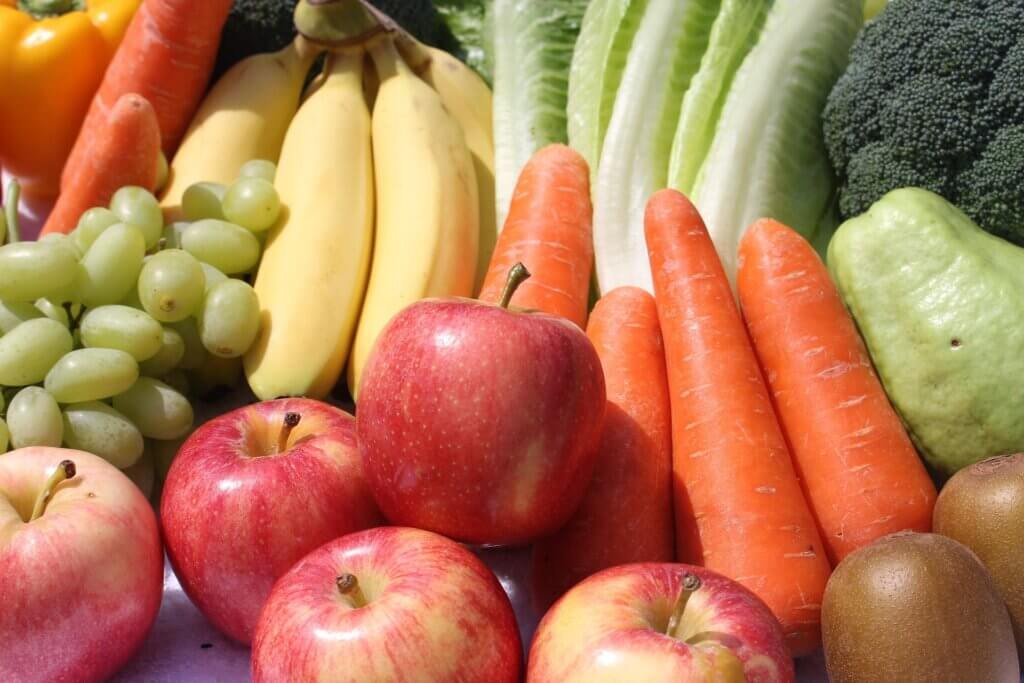
Plenty of vegetables and fruits
Quality protein (fish, poultry, beans, eggs, lean meats)
Whole grains instead of refined grains
Healthy fats (olive oil, nuts, seeds, avocados)
Limited ultra-processed foods, added sugars, and excess sodium
Drinking enough water
It’s not about perfection. It’s about patterns over time.
HEALTHY EATING SEEMS TO CHANGE ALL THE TIME


Nutrition science evolves
In the 1960s and 70s, researchers focused heavily on fat and heart disease. Later, they realized not all fats are equal. Then attention shifted to sugar, refined carbs, inflammation, gut health, and ultra-processed foods.
Science builds slowly. Early studies can be incomplete or misinterpreted. As better research comes in, recommendations adjust.
Media oversimplifies everything



Headlines love drama:
“Fat is killing you!”
“Carbs are the enemy!”
“Eggs are dangerous!”
“Eggs are superfoods!”
Usually the truth is more balanced than the headline.


Food industry influence
Food marketing has historically shaped public perception. “Low-fat” products in the 80s and 90s often meant high sugar. Today, “keto” and “high-protein” labels drive sales.
Trends and diet culture
Diets become movements:
Low-fat
Atkins
Paleo
Keto
Plant-based
Carnivore
Some have good points. Some go too far. Most fade or evolve.
THERE IS A TRIED-AND-TRUE WAY TO EAT
Yes, there is tried-and-true way to eat healthy — and this is where things get reassuring.
Despite all the noise, the fundamentals have stayed surprisingly consistent for decades.
Across cultures and research, the healthiest long-term eating patterns tend to include:
Mostly whole, minimally processed foods
Plenty of plants
Balanced macronutrients (not extreme elimination)
Moderate portions
Limited added sugar
Healthy fats instead of industrial trans fats
One of the most consistently studied and supported approaches is the Mediterranean diet. It emphasizes vegetables, fruits, legumes, fish, olive oil, and moderate portions — and has strong evidence for heart health, longevity, and overall wellness.
Interestingly, traditional diets in places like rural Greece, Japan, and parts of Italy were similar long before modern nutrition science existed.
So while trends change, the foundation stays steady:
Eat real food. Mostly plants. Not too much.
EVOLUTION OF “HEALTHY EATING” FROM THE 1960S TO TODAY
Let’s walk through it simply.
1960s–1970s: The Low-Fat Era Begins
Heart disease rates were high.
Saturated fat was blamed.
The message: Fat is bad.
Refined carbs weren’t questioned much.
In 1977, the U.S. government released its first Dietary Goals emphasizing reduced fat intake.
1980s–1990s: Peak Low-Fat, High-Carb
Grocery stores filled with “low-fat” cookies, yogurts, and snacks.
Fat was removed — but sugar was often added.
The food pyramid emphasized bread, cereal, pasta, rice (6–11 servings daily).
Obesity and type 2 diabetes continued rising during this period.
Late 1990s–2000s: Low-Carb Pushback
Diets like Atkins gained popularity.
People began questioning refined carbohydrates.
Research showed healthy fats (like olive oil and nuts) weren’t the enemy.
Fat started getting redeemed.
2010s: Whole Foods & Anti-Processed Focus
Attention shifted toward ultra-processed foods.
Added sugars became a major concern.
Gut health and microbiome research expanded.
Interest grew in plant-based eating and anti-inflammatory diets.
2020s to Present: Personalization & Metabolic Health
Current focus includes:
Blood sugar stability
Protein intake
Muscle preservation
Individual responses to food
Reducing ultra-processed foods
Longevity research
We’re moving away from “one nutrient is evil” toward:
Overall dietary pattern and lifestyle matter most.
WHAT YOU SHOULD ACTUALLY DO
If you want a stable, no-drama approach that won’t go out of style:
Eat mostly whole foods.
Prioritize vegetables and fruit.
Include quality protein at every meal.
Choose healthy fats.
Limit ultra-processed foods.
Drink water.
Avoid extreme elimination unless medically necessary.
Pair good eating with exercise and sleep.
Given your interest in vitality and overall well-being, this balanced approach supports both physical and mental energy long-term.
Healthy eating hasn’t changed as much as it feels like it has.
The extremes change.
The marketing changes.
The headlines change.
But the core principles?
They’ve been steady for generations.
A SIMPLE, BALANCED WEEK OF EATING
This isn’t a diet. It’s a template.
Think: protein + plants + healthy fat + smart carbs.
Breakfast Options
Since you’ve mentioned before you like cereal or bacon and eggs, we can work with that.
Eggs cooked in olive oil + sautéed spinach + berries
Greek yogurt + nuts + blueberries + drizzle of honey
Oatmeal + chia seeds + peanut butter + banana
High-quality cereal (low sugar) + milk + fruit + boiled egg on the side
Add protein to breakfast and your blood sugar will stay steadier.
Lunch Ideas
Grilled chicken salad with olive oil and vinegar
Turkey and avocado on whole grain bread + side of carrots
Leftover salmon + roasted vegetables
Rice bowl: brown rice, black beans, chicken or steak, peppers, avocado
Simple. Balanced. Filling.
Dinner Ideas
Salmon + sweet potato + broccoli
Grass-fed beef or lean steak + roasted vegetables
Stir fry with mixed vegetables + shrimp or chicken
Tacos on corn tortillas with meat, cabbage, salsa, avocado
You’ll notice nothing extreme. Just real food.
Snacks (If Needed)
Apple + peanut butter
Handful of almonds
Cottage cheese
Hard boiled eggs
Dark chocolate (in moderation)
COMMON HEALTHY EATING MISTAKES
This is where a lot of people get tripped up.
Demonizing one nutrient
Fat was evil.
Then carbs were evil.
Now seed oils are evil.
Usually the problem isn’t one nutrient — it’s ultra-processed foods.
Going too extreme too fast
Cutting out all carbs.
Cutting out all fat.
Eating nothing but salads.
That leads to burnout.
Not eating enough protein
This is very common. Protein helps:
Muscle maintenance
Metabolism
Satiety
Blood sugar stability
Especially if you’re exercising or want good vitality, protein matters.
Drinking calories
Sodas, sweet teas, sugary coffee drinks.
Liquid sugar adds up fast.
Ignoring portion sizes
Even healthy foods can cause weight gain if consistently overeaten.
Believing marketing
“Low-fat”
“Natural”
“Gluten-free”
“Keto”
Those labels don’t automatically mean healthy.
HOW TO TRANSITION AWAY FROM ULTRA-PROCESSED FOODS (WITHOUT MISERY)
This is key. Most people fail because they try to flip a switch overnight.
Here’s a better way:
Step 1: Replace, Don’t Remove
Instead of:
Chips → roasted salted nuts
Sugary cereal → lower-sugar cereal + add fruit and protein
Soda → sparkling water + squeeze of lime
Small upgrades.
Step 2: Add Before You Subtract
Start adding:
One extra serving of vegetables per day
More protein at breakfast
More water
When you add good food, you naturally crowd out junk.
Step 3: Follow the 80/20 Rule
Eat well 80% of the time.
Enjoy life 20% of the time.
This prevents rebellion eating.
Step 4: Improve One Meal at a Time
Week 1: Fix breakfast.
Week 2: Improve lunch.
Week 3: Improve snacks.
Slow change sticks.
A WORD ABOUT SUSTAINABILITY
If you look at patterns like the Mediterranean diet, the reason they work isn’t magic.
They:
Emphasize whole foods
Include healthy fats
Include carbs
Include protein
Avoid extremes
Are enjoyable
That last one matters.
If you hate it, you won’t stick with it.
BIG PICTURE: WHAT ACTUALLY WORKS LONG-TERM
Healthy eating that usually lasts:
Is not extreme
Includes foods you enjoy
Allows flexibility
Supports energy
Helps maintain muscle
Reduces inflammation
Works with your lifestyle
When paired with regular movement (like jogging, strength training, hiking), it becomes even more powerful.
Healthy eating hasn’t changed as much as it feels like it has.
The fads change.
The marketing changes.
The villains change.
But the consistent pattern stays steady:
Real food. Balanced meals. Moderate portions. Consistency over time.
TOP BENEFITS OF HEALTHY EATING
More Stable Energy
When you eat balanced meals (protein + fiber + healthy fats), your blood sugar stays steadier.
That means:
Fewer crashes
Less brain fog
More consistent stamina through the day
This is one of the first benefits most people notice.
Better Weight Regulation
Healthy eating helps:
Reduce excess body fat
Maintain muscle
Prevent slow metabolic decline
You don’t have to starve yourself — you just stop constantly spiking insulin and overeating ultra-processed foods.
Improved Joint and Inflammation Support
Since you care about vitality and joint health, this one matters.
Whole foods rich in omega-3s, antioxidants, and fiber can:
Reduce chronic low-grade inflammation
Support cartilage health
Help recovery from exercise
Patterns like the Mediterranean diet are strongly associated with lower inflammatory markers.
Better Heart Health
Healthy eating supports:
Lower LDL cholesterol
Lower triglycerides
Improved blood pressure
Better blood vessel function
This is long-term protection.
Improved Blood Sugar Control
This lowers risk of:
Type 2 diabetes
Energy crashes
Belly fat accumulation
Stable blood sugar = stable mood and energy.
Better Digestion
When you increase fiber and reduce ultra-processed foods:
Gut bacteria improve
Bloating often decreases
Regularity improves
Gut health influences everything from immunity to mood.
Better Mental Clarity and Mood
Research increasingly shows diet affects:
Anxiety levels
Depression risk
Focus
Cognitive aging
When inflammation drops and blood sugar stabilizes, your brain benefits.
Long-Term Disease Prevention
Healthy eating lowers risk of:
Heart disease
Stroke
Certain cancers
Metabolic syndrome
This isn’t dramatic day-to-day — but over decades it’s powerful.
HOW LONG DOES IT TAKE TO SEE BENEFITS?
Here’s a realistic timeline.
Within a Few Days (3–7 days)
You may notice:
Less bloating
More stable energy
Fewer intense sugar cravings
Better hydration
Especially if you reduce ultra-processed foods quickly.
2–4 Weeks
You may notice:
Improved digestion
Better sleep
Slight body composition changes
Clearer skin
Less inflammation stiffness
Cravings usually decrease significantly by now.
6–12 Weeks
You may see:
Noticeable fat loss (if that’s a goal)
Improved lab markers (cholesterol, triglycerides)
Lower blood pressure
Improved endurance in exercise
This is when it starts compounding.
6 Months and Beyond
Now you’re talking real long-term shifts:
Metabolic improvement
Reduced disease risk
Habit formation
Better relationship with food
Sustainable weight stability
HOW LONG DOES IT TAKE TO GET USED TO HEALTHY EATING?
This is the part people underestimate.
Week 1:
Hardest mentally.
Your taste buds are still adapted to high salt/sugar.
Cravings may spike.
Week 2–3:
Cravings begin dropping.
Food starts tasting more natural.
Energy becomes steadier.
Week 3–4:
Most people say:
“I don’t even miss the old stuff as much.”
Your brain chemistry and gut bacteria begin adjusting.
Around 6–8 Weeks:
It starts to feel normal.
You’re no longer “on a diet.”
You just eat differently.
Habits form. Identity shifts.
Important Truth
The discomfort period is short.
The benefits are long.
Most people quit right before the adjustment happens.
ONE ENCOURAGING PERSPECTIVE
Healthy eating isn’t about restriction — it’s about protecting your future energy.
When you combine:
Balanced nutrition
Hydration
Strength training or jogging
Sleep
You create momentum instead of fighting your body.
Healthy eating isn’t dramatic.
It’s subtle at first.
Then it compounds.
Within weeks you feel better.
Within months you look and perform better.
Within years you’ve changed your health trajectory.
Healthy eating really isn’t about chasing the newest trend or trying to be perfect. It’s about making steady, reasonable choices that support your energy, your strength, and your long-term vitality. When you zoom out, it becomes much less complicated than the headlines make it seem. Eat real food. Eat balanced meals. Be consistent more often than not.
The encouraging part is this: your body responds fairly quickly. Within days you can feel steadier energy. Within weeks you may notice clearer thinking and better digestion. Within months, the deeper changes begin taking root. The human body wants to move toward health when you give it the right inputs.
There will likely be an adjustment period. Cravings may show up at first. Old habits may tug at you. That’s normal. But taste buds adapt. Gut bacteria shift. Your brain recalibrates. What once felt “boring” starts to taste satisfying. What once felt like discipline begins to feel natural.
And maybe most important of all, healthy eating isn’t meant to shrink your life — it’s meant to expand it. More energy for the things you enjoy. Better recovery from exercise. Stronger joints. Clearer thinking. Greater resilience as the years go on.
Small, steady improvements compound. You don’t have to overhaul everything overnight. Just keep moving in the right direction. Over time, those simple daily choices become a powerful investment in your future health and vitality.
HERE ARE SOME TRUSTWORTHY PLACES WHERE YOU CAN DIG DEEPER INTO EVERYTHING WE DISCUSSED (HEALTHY EATING BASICS, LONG-TERM PATTERNS, INFLAMMATION, METABOLIC HEALTH, ETC.):
Government & Public Health Sources (Evidence-Based & Practical)
🇺🇸 U.S. Dietary Guidelines
Dietary Guidelines for Americans
Website: https://www.dietaryguidelines.gov
This is updated every 5 years and summarizes the best available nutrition science. It covers:
- Healthy eating patterns
- Portion guidance
- Protein, fats, carbs
- Life-stage recommendations
It’s not trendy — it’s foundational.
🥗 MyPlate (USDA)
MyPlate
Website: https://www.myplate.gov
Very simple visual guidance for balanced meals. Good practical tool.
❤️ American Heart Association
American Heart Association
Website: https://www.heart.org
Strong research-backed guidance on:
- Healthy fats
- Cholesterol
- Sodium
- Blood pressure
- Mediterranean-style eating
Research-Based Medical Sources
🏥 Harvard T.H. Chan School of Public Health – Nutrition Source
Harvard T.H. Chan School of Public Health
Website: https://www.hsph.harvard.edu/nutritionsource/
Excellent breakdowns on:
- Fats
- Carbs
- Protein
- Inflammation
- Diet myths
- Evolution of nutrition science
Very balanced and non-sensational.
🏥 Mayo Clinic Nutrition
Mayo Clinic
Website: https://www.mayoclinic.org
Practical, readable, medically grounded advice.
If You Want Books (Well-Researched & Balanced)
- In Defense of Food by Michael Pollan
Easy to read and explains how nutrition got so confusing. Famous line:
“Eat food. Not too much. Mostly plants.” - The Blue Zones by Dan Buettner
Looks at long-lived populations and their eating patterns.
If You Want Deeper Science
Search for peer-reviewed studies on:
- PubMed (https://pubmed.ncbi.nlm.nih.gov)
- Google Scholar (https://scholar.google.com)
Look for:
- Systematic reviews
- Meta-analyses
- Long-term cohort studies
Those are stronger than single small studies.
What to Be Careful About
Be cautious with:
- Influencers selling supplements
- Extreme diet communities
- Headlines that say one food is “toxic” or “miraculous”
- Anyone claiming there’s only one correct way to eat
When someone says:
“Everything you’ve been told is wrong.”
That’s usually a red flag.
A Simple Strategy Going Forward
If your goal is long-term vitality, focus your research on:
- Anti-inflammatory eating patterns
- Protein intake for muscle preservation
- Blood sugar stability
- Reducing ultra-processed foods
- Hydration and electrolyte balance
That combination supports energy, joint health, metabolism, and long-term resilience.