




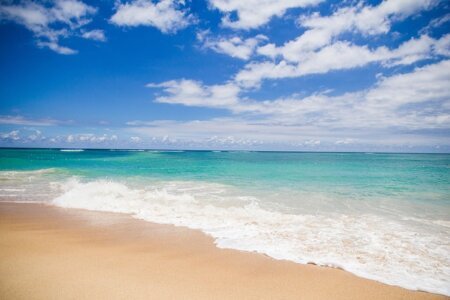
The Mediterranean Sea is one of the most famous bodies of water in the world, especially when it comes to beautiful coastlines and beaches.
Where the Mediterranean Sea Is
The Mediterranean Sea sits between Europe to the north, Africa to the south, and Asia to the east. It connects to the Atlantic Ocean through the Strait of Gibraltar. It touches more than 20 countries, including:
Spain
France
Italy
Greece
Turkey
Croatia
Montenegro
Israel
Egypt
Morocco
Tunisia
THE MEDITERRANEAN HAS VERY NICE BEACHES
Some of the world’s most stunning beaches are found there. The Mediterranean is known for clear turquoise water, warm temperatures, and a huge variety of beach styles, from rocky coves to long sandy coastlines. Here are some standout regions:
SPAIN
Costa Brava – Dramatic cliffs, hidden coves, and blue-green water.
Ibiza and Mallorca – Famous for soft sand and crystal water.
France
French Riviera (Côte d’Azur) – Glamorous beaches at Nice, Cannes, and Saint-Tropez.
Often pebbly, but gorgeous and upscale.
ITALY
Amalfi Coast – Stunning cliffs and colorful towns like Positano.
Sardinia – Some of the clearest water in all of Europe.
Sicily – Plenty of long sandy beaches.
Greece
Santorini – Unique black-sand beaches.
Crete, Zakynthos, Mykonos – World-famous turquoise water and dramatic scenery.
Navagio Beach (Shipwreck Beach) is one of the most photographed beaches on Earth.
CROATIA
Known for clean, clear water and picturesque pebble beaches.
Zlatni Rat on Brač Island is especially famous.
TURKEY
Turquoise Coast (Antalya, Fethiye, Ölüdeniz) is known for warm, bright blue water and a dramatic mountain backdrop.
Israel & Lebanon
Tel Aviv and Herzliya have long stretches of sandy beaches.
Lebanon’s coast has lively resort-style beaches.
NORTH AFRICA
Tunisia – Soft sandy resort beaches.
Egypt (Mediterranean side) – Clear water, calm waves, and historic coastal towns.
Why Mediterranean Beaches Are So Popular
Warm water in summer.
Calm waves compared to the ocean.
Great weather—long, sunny seasons.
Beautiful landscapes, from cliffs to islands.
Rich culture right next to the beach—historic towns, amazing food, and scenic villages.
WHY MEDITERRANEAN BEACHES ARE SO POPULAR
Warm water in summer.
Calm waves compared to the ocean.
Great weather—long, sunny seasons.
Beautiful landscapes, from cliffs to islands.
Rich culture right next to the beach—historic towns, amazing food, and scenic villages.
BEST MEDITERRANEAN BEACHES OVERALL
These are widely regarded as the top beaches thanks to scenery, water clarity, sand quality, and overall experience.
Navagio Beach (Shipwreck Beach), Zakynthos, Greece
Bright turquoise water, high limestone cliffs, and the famous shipwreck.
Only accessible by boat, which adds to the experience.
Cala Goloritzé, Sardinia, Italy
Caribbean-like water.
Protected nature reserve — pristine, quiet, stunning cliffs.
Ölüdeniz Blue Lagoon, Turkey
Iconic blue lagoon surrounded by mountains.
Very calm water, ideal for swimming and paddleboarding.
Zlatni Rat (Golden Horn), Croatia
Unique V-shaped pebble beach that shifts shape with tides and wind.
Extremely clean water and great for families.
Cala Macarella, Menorca (Spain)
White sand, turquoise water, gentle waves.
One of the Balearic Islands’ most beautiful beaches.
Palombaggia Beach, Corsica (France)
Crystal clear water, white sand, pink granite rocks.
A peaceful Mediterranean paradise.
CLEAREST / BLUEST WATER BEACHES
The Mediterranean is known for its clarity, but these spots stand out above the rest.
Sardinia, Italy (especially La Pelosa, Cala Brandinchi, and Tavolara area)
Widely considered the bluest water in the Mediterranean.
Extremely shallow, bright turquoise lagoons.
Balearic Islands, Spain (Menorca & Formentera especially)
Formentera’s Ses Illetes beach looks like the Bahamas.
Calm water with visibility down to the seafloor.
Croatia’s Dalmatian Coast
Even pebble beaches enhance water clarity.
Areas around Hvar, Brač, and Vis are famous for their electric-blue water.
Malta (Blue Lagoon, Comino)
Almost neon-blue water.
Great for snorkeling and boat trips.
Greek Islands (Zakynthos, Kefalonia, Milos, Crete)
Many beaches with dramatic cliffs and translucent color.
FAMILY-FRIENDLY VS. PARTY-ORIENTED MEDITERRANEAN BEACHES
Family-Friendly Beaches
These offer calm water, safer swimming, easier access, and quieter environments.
La Pelosa Beach (Sardinia, Italy)
Shallow, calm water.
Ideal for young kids.
Nissi Beach (Cyprus)
Gentle waves, soft sand, lots of family amenities.
Menorca (Spain) – Entire Island
Known for being quiet and family-oriented.
Beaches like Cala Galdana and Son Bou are excellent.
Costa Blanca, Spain (Alicante, Jávea, Calpe)
Long sandy beaches with lifeguards and boardwalks.
Crete (Greece)
Elafonisi and Falassarna are great for families thanks to shallow areas.
Croatia – Rovinj & Poreč
Safe, calm, incredibly clean water.
PARTY-ORIENTED BEACHES
These attract younger crowds, nightlife, beach bars, and loud, energetic scenes.
Ibiza, Spain (Playa d’en Bossa, San Antonio)
The Mediterranean’s top party island.
World-class beach clubs and nightlife.
Mykonos, Greece (Paradise & Super Paradise Beach)
Famous DJs, lively beach clubs, nonstop summer parties.
Ayia Napa, Cyprus
Known for budget-friendly, high-energy nightlife.
Hvar, Croatia (Hula Hula Beach Bar area)
Sophisticated island parties, sunset sessions, and nightlife.
Marbella, Spain
Beach clubs, music, and upscale nightlife.
AFFORDABLE MEDITERRANEAN BEACH DESTINATIONS
These regions offer great beaches AND good value for lodging, food, and activities.
Turkey (Antalya, Fethiye, Kaş)
One of the best value-for-money destinations.
High-quality beaches, great hotels, and lower prices than Western Europe.
Albania (Albanian Riviera – Ksamil, Himara, Dhermi)
One of Europe’s best-kept secrets.
Crystal-clear water and extremely low prices.
Montenegro (Budva, Ulcinj, Kotor Bay)
Beautiful beaches and affordable seaside towns.
Tunisia (Hammamet, Djerba)
Long sandy beaches with very inexpensive resorts.
Spain’s Costa Brava & Costa Blanca (outside peak weeks)
Plenty of affordable coastal towns with great beaches.
Croatia (Šibenik, Makarska Riviera)
Cheaper than Italy or France, and still spectacular.
TOP 10 MEDITERRANEAN BEACHES OVERALL
Navagio Beach (Shipwreck Beach) – Zakynthos, Greece
A dramatic cove surrounded by high white cliffs, with electric-blue water and a famous shipwreck. Accessible only by boat, making it feel untouched and iconic.
Cala Goloritzé – Sardinia, Italy
A UNESCO-protected beach known for crystal-clear water, towering limestone cliffs, and a serene, almost mystical atmosphere. Pristine and unspoiled.
Ölüdeniz Blue Lagoon – Turkey
The famous Blue Lagoon lives up to its name with calm, bright turquoise water, and a mountain backdrop. One of the most photogenic spots in the Mediterranean.
Zlatni Rat (Golden Horn) – Brač, Croatia
A unique V-shaped beach that actually changes shape with currents. Clear water, clean surroundings, and excellent swimming make it a standout.
Cala Macarella – Menorca, Spain
White sand, emerald water, sheltered coves, and pine forests surrounding the bay. One of Spain’s prettiest and quietest beach areas.
Palombaggia Beach – Corsica, France
White sand, shallow turquoise water, and smooth pink granite rocks create a peaceful, nearly tropical scene.
Ses Illetes – Formentera, Spain
Often compared to the Caribbean: long stretches of white sand and some of the bluest, clearest water in Europe. Calm, dreamy, and perfect for relaxing.
Elafonisi Beach – Crete, Greece
Known for its pale pink-tinted sand and shallow lagoon-like water. Family-friendly, scenic, and great for wading and swimming.
Blue Lagoon – Comino, Malta
A famous lagoon between Malta and Comino with neon-blue, unbelievably clear water. Stunning for snorkeling and boating.
La Pelosa Beach – Sardinia, Italy
Shallow, warm, almost glass-like turquoise water and soft white sand. Excellent for families, swimming, and pure relaxation.
IT’S TRUE THAT IN MANY PARTS OF THE MEDITERRANEAN, TOPLESS SUNBATHING AND WEARING VERY MINIMAL SWIMWEAR IS FAR MORE COMMON AND SOCIALLY NORMAL THAN IN THE UNITED STATES. HOWEVER, THE DEGREE OF NUDITY VARIES A LOT BY COUNTRY, REGION, AND SPECIFIC BEACH
Topless Sunbathing is common in the Mediterranean
In many Mediterranean countries, topless sunbathing is seen as normal and not sexualized. You’ll see it more at popular tourist beaches, especially in Europe.
VERY COMMON:
France (especially the French Riviera)
Spain (Barcelona, Costa Brava, Balearic Islands like Ibiza and Mallorca)
Italy (particularly Sardinia, Amalfi Coast, Sicily)
Greece (many islands)
Croatia (especially beaches without families)
MODERATELY COMMON:
Turkey (tourist resort towns; less common in conservative towns)
Cyprus
Montenegro
MUCH LESS COMMON:
North Africa (Tunisia, Morocco, Algeria, Egypt) due to cultural norms
→ These beaches are not places for topless sunbathing.
SWIMWEAR CAN BE MINIMAL
In Mediterranean Europe, it’s common to see:
FOR WOMEN:
Exceedingly small bikinis (often Brazilian cut, thong, or micro styles)
Topless sunbathing
Sometimes very sheer or thin swimwear
FOR MEN:
Speedos or noticeably short swim shorts are normal and not stigmatized.
NUDE BEACHES ARE ALSO COMMON
Most Mediterranean countries have officially designated or socially accepted nudist (FKK) beaches.
Countries with many nudist beaches:
Croatia (famous worldwide for its FKK beaches)
Spain
France
Greece
These beaches often have signs or are well-known online.
IMPORTANT TO REMEMBER
Being topless doesn’t mean the beach is nude.
Most beaches allow women to go topless, but full nudity is only allowed on specific beaches.
It’s not meant to be provocative.
In Mediterranean culture, topless sunbathing is considered:
Normal
Practical for tanning
Non-sexual
Not attention-seeking
People don’t typically stare or make it uncomfortable.
Families often share beaches with topless sunbathers.
European families often don’t react because it’s culturally accepted.
COUNTRIES WHERE THIS IS MOST NORMAL
If you are hearing that Mediterranean beaches have a lot of topless or nearly-nude sunbathing, the reputation mostly comes from:
Spain
Barcelona beaches
Ibiza
Mallorca
Costa Brava (including many “optional-topless” coves)
France
Nice
Cannes
St-Tropez (very minimal swimwear is common)
Italy
Sardinia
Amalfi Coast
Sicily
Greece
Mykonos
Santorini
Crete
Many island coves
Croatia
Many FKK (nudist) beaches
Even non-nudist beaches often have topless sunbathing
Part of what makes the Mediterranean so special is its openness—not just in climate and geography, but in culture. The beaches reflect that spirit. Whether you prefer a quiet cove in Greece, a long sandy stretch in Spain, or a rugged cliffside in Italy, the Mediterranean offers more variety than almost any other coastal region on Earth.
Each destination carries its own rhythm, its own landscape, and its own way of embracing the sun and sea. For many travelers, that sense of freedom and diversity is exactly what makes the region unforgettable.
The relaxed approach to beach attire is simply another expression of this Mediterranean outlook. Topless sunbathing or minimal swimwear isn’t about being provocative; it’s about comfort, tradition, and the idea that the beach is a place where people can unwind without judgment.
Visitors from places where this is less common are often surprised at first, but many find the atmosphere refreshing—calm, respectful, and focused on enjoying nature rather than scrutinizing others. It is a reminder that different cultures treat the beach as a shared, open, and natural environment.
Whether your interest lies in discovering the clearest blue-water beaches, finding a family-friendly shoreline, exploring budget-friendly destinations, or simply understanding the local customs, the Mediterranean has a place for everyone.
Its beaches remain some of the most beautiful and welcoming in the world, each offering a slightly different slice of paradise. And no matter which coastline you choose, you’re stepping into a region where sunlight, history, culture, and the sea all come together in a way that feels timeless.
Here are the best types of sources where you can reliably find more information about Mediterranean beaches, travel guides, cultural norms, and beach destinations. These are trusted, non-sensational, and widely used by travelers.
Official Tourism Websites (Most Reliable for Rules, Maps, and Tips)
These sites provide official guidance, including beach lists, cultural norms, safety information, and travel planning:
Country Tourism Boards
- Spain Tourism – beaches, regions, and local customs
- Greece Tourism – islands, beaches, ferries, and cultural info
- Italy Tourism – Sardinia, Sicily, Amalfi Coast
- France Tourism – Côte d’Azur, Corsica
- Turkey Tourism – Blue Lagoon, Turquoise Coast
- Croatia Tourism – Dalmatian Coast, FKK beach rules
Simply search: “Official tourism [country name] beaches.”
Regional Tourism Sites
These are especially useful because each region has its own set of famous beaches:
- Visit Sardinia
- Visit Balearic Islands (Spain)
- Visit Crete
- Visit Croatia Dalmatia
- Visit Provence-Alpes-Côte d’Azur (France)
Travel Guide Websites (Great for Pictures and Rankings)
These sites offer beach rankings, descriptions, and traveler reviews:
Excellent Resources
- Lonely Planet – honest descriptions and cultural context
- Fodor’s Travel – guides to countries and coastlines
- Rick Steves (for Europe-focused cultural norms and etiquette)
- Rough Guides – incredibly detailed region-by-region guides
- National Geographic Travel – scenic recommendations
User Review–Based Guides
- TripAdvisor – photos and beach-by-beach reviews
- Google Travel – maps and ratings
- Booking.com – hotel locations near beaches with user photos
Travel Blogs and Magazines (Great for Inspiration and Top-10 Lists)
These sources do a good job covering “best beaches,” “clearest water,” and “hidden gems”:
- CN Traveler
- Travel + Leisure
- The Culture Trip
- Earth Trekkers
- The Broke Backpacker (good for budget Mediterranean tips)
- Hand Luggage Only (exceptional photography)
YouTube Travel Channels (Helpful Visual Guides)
Great for seeing what beaches actually look like before you go:
- Rick Steves Europe – cultural etiquette + general overviews
- Vagabrothers – Mediterranean destinations
- Kara and Nate – beach reviews and honest breakdowns
- Sergio’s Travels (great for Spain & Italy)
You can see how crowded a beach is, the water clarity, and nearby towns.
Travel Forums (Real, Unfiltered Experiences)
These are great for reading first-hand traveler stories:
- Reddit: r/travel
- Reddit: r/europe
- TripAdvisor Forums
- Lonely Planet Thorn Tree (archived but still helpful)
Good for finding out:
- Which beaches are topless-friendly
- Which ones are quiet vs. party-heavy
- What locals recommend
Books and E-Guides
If you prefer books, these are excellent:
- Lonely Planet Mediterranean Europe
- Rick Steves European Travel Skills (great section on cultural norms)
- Eyewitness Travel Guides (incredibly detailed pictures)
Official Tourism Links by Country
- Spain
Turespaña / Tourism-Ministry of Spain — “Tourism” section of Ministry of Industry & Tourism turismo.gob.es+1 - Greece
Visit Greece — the official tourism site: VisitGreece
Greek National Tourism Organization — via gov.gr Government of Greece - Italy
Italia.it — the official tourism portal for Italy Italia.it
ENIT, the Italian National Tourism Agency enit.it+1 - France
Atout France — the French Tourism Development Agency atout-france.fr
France.fr — French national tourism site with destinations & travel ideas FRANCE.FR - Turkey (Türkiye)
Türkiye Tourism Promotion & Development Agency (TGA) tga.gov.tr+1
Ministry of Culture and Tourism of Türkiye ktb.gov.tr - Croatia
Croatian National Tourist Board (CNTB) — their official board site is Croatia.hr. Wikipedia - Regional Organization (Mediterranean)
For broader Mediterranean tourism context (sustainability, coastal data): Plan Bleu (Mediterranean environment & tourism) planbleu.org