


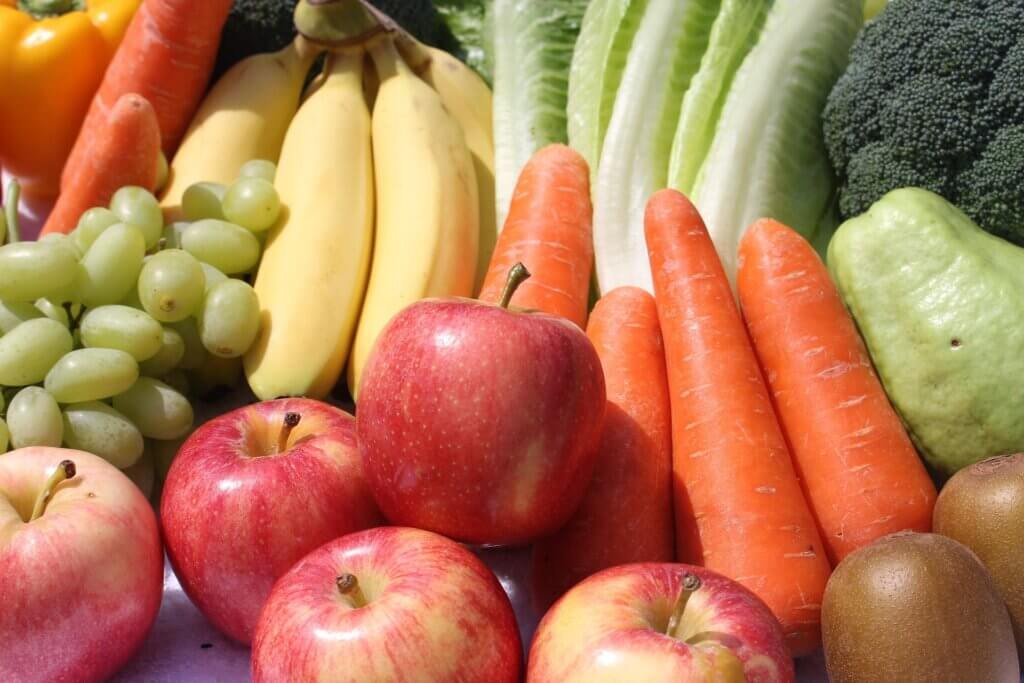
DIY juices sit at the intersection of health, culture, tradition, and a little bit of kitchen creativity.
ORIGINS AND HISTORY OF JUICING
People have been extracting juice from fruits and vegetables for thousands of years. Ancient civilizations in places like Egypt and China used crushed fruits and plant extracts for nourishment and medicinal purposes. While they didn’t have modern juicers, they mashed, pressed, and strained produce to get the liquid.
In the early 20th century, juicing started to take on a more “health movement” identity. One of the most influential figures was Norman W. Walker, who promoted raw vegetable juices as a way to support vitality and digestion. His books and lectures helped push juicing into mainstream natural health circles.
Fast forward to the 1990s and 2000s, and juicing exploded in popularity. The wellness movement, documentaries like Fat, Sick & Nearly Dead, and juice bars popping up in major cities made fresh-pressed juice trendy and aspirational.
REASONS DIY JUICING BECOME SO POPULAR
A few key reasons:
The wellness movement.
As more people started focusing on whole foods, plant-based diets, and “clean eating,” juicing felt like a quick way to flood the body with nutrients.
Convenience at home.
With affordable centrifugal and masticating juicers hitting the market, people realized they didn’t need to pay $8–$12 per bottle at a juice bar.


Control over ingredients.
When you make it yourself, you decide what goes in. No added sugars, no preservatives, no mystery blends.
Detox culture.
While the idea of “detoxing” is often overstated (your liver and kidneys already do that), juice cleanses became a cultural trend. DIY juicing allowed people to try these trends without committing to expensive programs.
Social media influence.
Bright green juices and deep red beet blends photograph beautifully. Instagram definitely didn’t hurt the trend.
MOST POPULAR DIY JUICES


Here are some classics people tend to love:
Green Juice
Kale or spinach + cucumber + celery + green apple + lemon + ginger
This is probably the most iconic wellness juice.
Carrot-Orange-Ginger
Carrots + oranges + fresh ginger
Naturally sweet, bright, and easy for beginners.
Beet Juice Blend
Beets + apple + carrot + lemon
Earthy and vibrant. Many people enjoy it for exercise performance support.
Celery Juice
Just celery.
This became huge in recent years as a morning ritual.
Watermelon Mint
Watermelon + fresh mint + lime
More of a summer refresher than a “health tonic.”


HOW TO MAKE A DIY JUICE (THE RIGHT WAY)
Here’s a simple, practical approach:
Step 1: Start Simple
Use 3–5 ingredients max when you’re starting out. Too many flavors can clash.
Step 2: Balance the Taste
A good rule of thumb:
70–80% vegetables
20–30% fruit for sweetness
This keeps sugar content reasonable while still tasting good.
Step 3: Wash Thoroughly
Rinse everything well, especially leafy greens.
Step 4: Prep Smart
Remove thick rinds (like pineapple skin).
Most carrots, apples, cucumbers can go in whole after trimming.
Chop into sizes that fit your juicer.
Step 5: Drink Fresh
Juice oxidizes quickly. For best flavor and nutrient retention, drink it within 15–30 minutes. If storing, use an airtight glass container and refrigerate up to 24 hours.
Optional: No Juicer?
You can blend produce with a little water and strain through a nut milk bag or fine mesh sieve.
HOW NOT TO MAKE DIY JUICE
This is just as important.
1. Don’t make it fruit-heavy.
A juice that’s mostly apples, pineapple, and mango is basically sugar water. It might taste amazing, but it spikes blood sugar.
2. Don’t rely on juice instead of whole vegetables.
Juice removes fiber. Fiber matters for digestion, blood sugar balance, and fullness. Think of juice as a supplement to meals, not a replacement for all produce.
3. Don’t treat it like a miracle cure.
Juicing can support a healthy lifestyle, but it won’t fix chronic issues overnight.
4. Don’t ignore food safety.
Wash produce. Clean your juicer immediately after use. Mold can grow quickly in leftover pulp or wet components.
5. Don’t overdo “cleanses.”
Extended juice-only diets can lead to low protein intake, low energy, and muscle loss if done improperly.
A Balanced Perspective
DIY juicing can be a great addition to a healthy lifestyle—especially if you’re already thinking about vitality, exercise, and reducing ultra-processed foods like you’ve mentioned before. It’s an easy way to increase vegetable intake and experiment in the kitchen.
But it works best when it complements whole foods, strength-building habits, good sleep, and hydration—not when it replaces them.
JUICING VS. SMOOTHIES: WHAT’S THE REAL DIFFERENCE
This is one of the most important distinctions.
Juicing
Removes most of the fiber
Nutrients are quickly absorbed
Lighter on digestion
Usually lower in calories (unless fruit-heavy)
Because fiber is removed, juice digests quickly and may spike blood sugar if it’s fruit-heavy. That’s why vegetable-dominant blends are better.
Smoothies
Keep all the fiber
More filling
Slower digestion
Can function as a meal
Smoothies are often better for meal replacement because they contain fiber, and you can add protein, healthy fats, or seeds.
If your goal is:
Quick nutrient boost → Juice
Meal replacement or sustained energy → Smoothie
Many people actually do both depending on the time of day.
BEST DIY JUICES FOR WORKOUTS AND JOINT SUPPORT
Pre-Workout Juice (Energy + Blood Flow)
Beet + apple + carrot + lemon
Beets are popular in athletic circles because dietary nitrates may support circulation and endurance. Many runners and cyclists use beet juice before workouts.
Drink 30–60 minutes before exercise.
Post-Workout Juice (Recovery Support)
Pineapple + cucumber + spinach + ginger
Pineapple contains bromelain (associated with inflammation support).
Ginger has been studied for muscle soreness.
Cucumber hydrates.
This works best alongside protein, not instead of it.
Joint Support Juice
Carrot + orange + turmeric + ginger + celery
Turmeric (especially with black pepper added later in food) is widely researched for inflammation support. Ginger and citrus also bring antioxidant compounds.
Important: Juice supports recovery, but strength training and movement are still the primary drivers of joint resilience.
COST COMPARISON: DIY VS. STORE-BOUGHT
Let’s break it down.
Store-Bought Cold-Pressed Juice
$7–$12 per bottle
3–5 day shelf life
Often marketed as “detox” or “cleanse”
If you drink one per day, that’s:
$210–$360 per month.
DIY Juice at Home
Initial juicer cost:
Centrifugal: $60–$150
Masticating: $150–$400
Average homemade juice:
$2–$4 depending on ingredients.
If you juice 4 times per week:
Roughly $32–$64 per month in produce.
Over time, DIY saves a lot — especially if you’re consistent.
A SIMPLE WEEKLY JUICE ROUTINE
This keeps things balanced without going extreme.
Option A: Beginner Routine
3 days per week
8–12 oz per serving
Always vegetable-dominant
Example:
Monday: Green juice
Wednesday: Beet blend
Saturday: Carrot-ginger
Option B: Active Lifestyle Routine
4–5 days per week
Pre-workout beet juice 1–2 times
Recovery juice after longer workouts
One simple green juice day
Option C: Maintenance & Health Focus
Morning green juice 2–3 days per week
Focus on whole foods the rest of the time
No juice cleanses
This keeps juice as a tool — not a crutch.
A FEW REALISTIC TRUTHS ABOUT JUICING
People don’t always say this:
Juicing is not magic.
It does not “detox” your liver — your liver already does that.
It won’t undo ultra-processed food habits by itself.
It works best as part of a bigger lifestyle shift.
The people who benefit most from juicing are usually the same people who:
Exercise consistently
Sleep well
Stay hydrated
Eat mostly whole foods
Juice enhances a good foundation — it doesn’t replace one.
HERE ARE THE TOP POTENTIAL BENEFITS OF DIY JUICING WHEN IT’S DONE WISELY
Great question. When people talk about DIY juicing, the conversation can get exaggerated pretty quickly. So let’s look at the real, evidence-based well-being benefits — without hype.
Increased Vegetable Intake
This is probably the biggest and most practical benefit.
Many people struggle to eat enough vegetables daily. A single green juice can contain:
2–3 cups of leafy greens
Cucumber
Celery
Lemon
Ginger
That’s a substantial nutrient boost in one glass. For someone transitioning away from ultra-processed foods, this can be a simple way to increase micronutrient density.
High Antioxidant Intake
Vegetables and fruits contain antioxidants like:
Vitamin C
Beta-carotene
Polyphenols
Flavonoids
These compounds help combat oxidative stress in the body, which is linked to aging, inflammation, and chronic disease.
Beet juice, carrot juice, and dark leafy green juices are especially rich in these compounds.
Hydration Support
Many juice ingredients — cucumber, celery, watermelon — are naturally high in water.
If someone struggles to drink enough plain water, a vegetable-based juice can contribute to overall hydration, which supports:
Joint lubrication
Energy levels
Circulation
Cognitive function
Since you’re mindful about joint health and vitality, hydration alone is a meaningful benefit.
Faster Nutrient Absorption
Because juicing removes fiber, nutrients are absorbed more quickly.
That can be useful:
Before a workout
After a workout
When appetite is low
During periods of stress
It’s not that fiber is bad — it’s essential — but there are moments when rapid absorption is helpful.
May Support Exercise Performance
Beet juice is the most studied example here.
Dietary nitrates in beets can convert to nitric oxide in the body, which may:
Improve blood flow
Support endurance
Slightly improve exercise efficiency
Many runners and cyclists use beet juice pre-workout for this reason.
Encourages Healthier Eating Patterns
This one is underrated.
People who start making their own juice often:
Shop for more produce
Cook more meals
Reduce processed foods
Pay closer attention to nutrition
DIY juicing can act as a gateway habit. It nudges behavior in a healthier direction overall.
Reduced Added Sugar Compared to Store Options
When you make juice at home, you control the ingredients.
You can:
Keep fruit portions modest
Avoid added sweeteners
Skip preservatives
That control matters.
Psychological & Routine Benefits
There’s also something to be said for ritual.
Preparing fresh juice can:
Feel intentional
Create a healthy morning routine
Reinforce identity around well-being
Habits compound. Small, consistent actions matter.
Important Limitations (The Balanced View)
To keep it honest:
Juice removes fiber, which is crucial for gut health.
It should not replace whole fruits and vegetables.
It is not a detox cure.
It’s not superior to eating whole produce — simply different.
If someone drinks mostly fruit juice, the blood sugar spike can outweigh the benefit.
Vegetable-dominant blends are key.
The top well-being benefit of DIY juicing isn’t that it’s magical.
It’s that it can:
Increase vegetable intake
Support hydration
Provide antioxidant compounds
Enhance workout support
Encourage healthier lifestyle patterns
When combined with exercise, sleep, strength training, and whole foods — that’s where it really shines.
When you step back and look at DIY juicing in a grounded way, it’s really about adding something positive — not chasing something extreme. It’s a simple tool that can help you increase vegetable intake, stay hydrated, and be more intentional about what you’re putting into your body. There’s something empowering about buying fresh produce, preparing it yourself, and knowing exactly what’s in your glass.
At the same time, the real power of juicing shows up when it supports a larger lifestyle. Movement, strength training, good sleep, whole foods, stress management — those are the pillars. Juice doesn’t replace them. It complements them. Think of it as reinforcement, not rescue.
It’s also worth remembering that health habits work best when they’re sustainable. You don’t need to juice every day. You don’t need expensive ingredients. You don’t need a complicated routine. Even one or two vegetable-dominant juices per week can be meaningful if they help you stay consistent with overall healthy choices.
In the end, DIY juicing is less about trends and more about intention. When done thoughtfully — with balance, realism, and moderation — it can be a refreshing, practical addition to a well-lived life.
IF YOU WANT TO GO DEEPER INTO EVERYTHING WE TALKED ABOUT DIY JUICING — FROM BENEFITS TO RECIPES TO HOW-TOS AND EVEN MYTHS VS. REALITY — THERE ARE A HANDFUL OF HIGH-QUALITY, PRACTICAL RESOURCES YOU CAN EXPLORE NEXT:
📘 Books — Deep Dives & Recipe Guides
- The Complete Book of Juicing — a comprehensive guide on nutrition, techniques, and recipes that’s frequently recommended for beginners and experienced juicers alike.
- Easy Juicing by Nicola Graimes — great if you want simple, step-by-step recipes and beginner-friendly advice.
- Superfood Juices by Julie Morris — focuses on nutrient-dense ingredients and powerful combinations.
- Juice: Recipes for Juicing, Cleansing, and Living Well — blends practical recipes with guidance on ingredient choice and juicing lifestyle.
- Juicing for Health — offers dozens of juice ideas plus ingredient benefits for energy, immunity, and wellness.
You can find many of these titles online or at your local bookstore and library.
🌐 Online Guides & Articles
Here are some reliable web resources you can start with:
Nutrition & Health Perspective
- The Mayo Clinic has an expert Q&A on juicing that explains both advantages and limitations (like the loss of fiber and potential downsides of juice cleanses).
Beginner-Friendly Juicing Basics
- A detailed juicing guide that explains equipment, recipes, safety tips, and how to get started with home juicing.
- Tips for ingredient selection, flavor balance, and storage of freshly made juices.
Recipe Libraries & Inspiration
- Sites like Healthy Juicing and other online hubs compile a variety of recipes and flavor ideas to experiment with.
🧑💻 Community & Practical Tips
If you enjoy learning from others’ experience — and want ongoing ideas, troubleshooting, and real-world questions — online communities like reddit’s r/Juicing offer lots of practical advice about juice blends, routines, cost-saving tips, and even juicer reviews.
🧠 Balanced Perspectives
Not all juicing content you’ll find online is factual or helpful — for example, some claims about prolonged “detox cleanses” aren’t backed by strong science, and some experts emphasize moderation and balanced diets over extreme juice-only plans. Articles from sources like Mayo Clinic underscore that juice should complement — not replace — whole foods.
🧩 Bonus: Free & PDF Resources
There are also free downloadable eBooks and recipe collections if you want low-cost, do-it-yourself learning materials.