




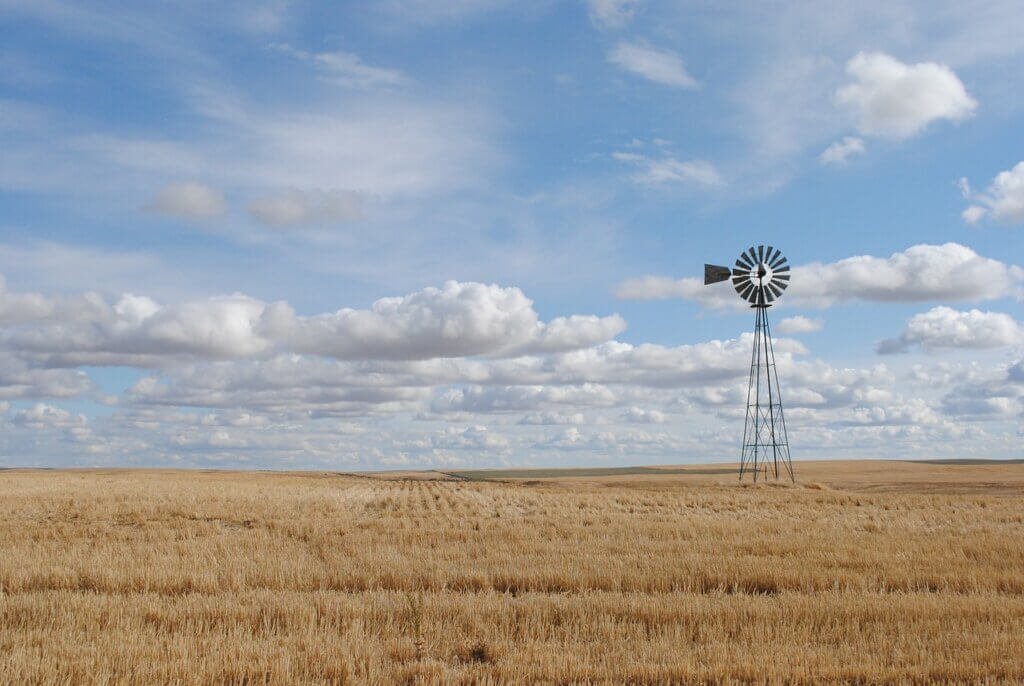
The Cowboy Code—sometimes called the Code of the West—is less a rigid set of laws and more a collection of guiding principles that shaped the culture of the American frontier. At its heart, it was about honor, responsibility, and respect, both for people and for the land.
Cowboys lived in harsh, often lawless environments where survival depended as much on character and reputation as on skill with a rope or a horse. Because of that, a shared “code” naturally evolved.
Origins and History
The Cowboy Code doesn’t come from any official book of rules. Instead, it grew organically out of the values and traditions of the Old West during the late 19th century. Cowboys often worked in remote, difficult conditions—driving cattle for months, braving storms, and enduring loneliness. In those environments, trust and cooperation were essential. A man’s word became his bond, because there was no sheriff or court to enforce contracts on the open range.
Writers and filmmakers later popularized and codified these unwritten rules. Gene Autry, a famous singing cowboy of the 1930s and 40s, actually wrote down his own version called the Cowboy Code of Honor, which included things like “The cowboy must never take unfair advantage” and “The cowboy must respect women, parents, and his nation’s laws.” Although Autry’s version was shaped by Hollywood ideals, it drew from real traditions that working cowhands already lived by.
The “Code of the West” has also been captured in books like James P. Owen’s Cowboy Ethics (2004), which distilled the spirit of the old rules into modern principles—such as “Live each day with courage” and “When you make a promise, keep it.”
Why It Works
The Cowboy Code works because it is built on timeless human needs: trust, respect, and mutual dependence. In the open range era, a cowboy couldn’t survive alone—he relied on his fellow riders, his employer, and even strangers he might meet along the trail. A reputation for honesty, fairness, and toughness could mean the difference between being welcomed into a campfire circle or being left to fend for yourself.
It also worked because it was simple and practical. These weren’t abstract ideals; they were lived values. A cowboy was expected to do his job without complaint, help others in need, and treat the land and animals with care. Breaking that trust could get you blacklisted from ranches or driven out of a community, which was often punishment enough.
In a way, the Cowboy Code was America’s frontier version of honor systems found in other cultures—shaping behavior not through written law, but through shared respect and necessity.
HERE ARE THE MOST COMMON TENETS OF THE COWBOY CODE, GATHERED FROM ITS HISTORY, FRONTIER TRADITIONS, AND LATER WRITTEN VERSIONS LIKE GENE AUTRY’S AND MODERN INTERPRETATIONS SUCH AS JAMES P. OWEN’S COWBOY ETHICS. THEY CAPTURE THE SPIRIT OF WHAT IT MEANT—AND STILL MEANS—TO LIVE BY THE CODE OF THE WEST:
Live each day with courage. Life on the range was tough, and fear couldn’t rule a cowboy’s decisions. Courage meant doing the right thing even when it was difficult.
Take pride in your work. Whether it was branding cattle, mending fences, or breaking a horse, a cowboy’s labor was his signature. Sloppy work reflected badly on character.
Always finish what you start. Cowboys couldn’t leave a job half-done—too much depended on reliability. A driven herd, a repaired corral, or a promise had to be seen through.
Do what has to be done. Even if it wasn’t pleasant—like sitting through a storm to watch the herd—duty came before comfort.
Be tough, but fair. Strength was expected, but cruelty was despised. Fair dealing was the true test of toughness.
When you make a promise, keep it. A cowboy’s word was his bond. Contracts weren’t always written, but a handshake carried the weight of honor.
Ride for the brand. This meant loyalty. To “ride for the brand” was to stand by your employer, your family, your friends, and the values you represented.
Talk less, say more. Cowboys valued action over empty words. A person’s character was measured more by deeds than by talk.
Remember that some things aren’t for sale. Integrity, loyalty, and respect were considered priceless. Selling them out was shameful.
Know where to draw the line. The Code demanded limits—cowboys weren’t saints, but they lived with boundaries of right and wrong that they would not cross.
Respect women, elders, and laws. While phrased differently across versions, the idea was clear: decency and respect were non-negotiable.
Protect and care for the land and animals. A cowboy lived close to nature. Wasting resources or mistreating animals violated the unwritten rules.
These principles may sound simple, but they carried enormous weight. They created order in a world without much law and gave cowboys a moral compass to live by. Many people still turn to them today as a reminder of grit, honesty, and decency.
YOU’RE NOT ALONE IF YOU ARE WISHING MORE PEOPLE LIVED BY THE COWBOY CODE TODAY
What makes the Code powerful is that it isn’t tied to cattle drives or dusty plains; it’s a set of timeless values that can guide anyone, anywhere. Here’s how some of the main principles still fit into modern life:
Live each day with courage.
Today, courage might not mean facing down a stampede—it could mean speaking up when something isn’t right at work, making a tough personal change, or standing firm in your values when it’s easier to go along with the crowd.
Take pride in your work.
Whether you’re a teacher, mechanic, nurse, or businessperson, doing your job with care and diligence earns respect. Pride in your work makes you reliable and trusted, just like a cowboy whose word was good as gold.
Finish what you start.
In an age where distractions are everywhere, following through on commitments—big or small—sets people apart. It shows discipline, reliability, and responsibility.
Do what has to be done.
There are always tasks that feel thankless—paying bills, caring for family, showing up when you’re tired. Facing these duties without excuse builds character and stability, the same way cowboys kept watch over a herd through long, cold nights.
Be tough, but fair.
Life today is still full of challenges. Toughness doesn’t mean being harsh; it means being resilient, while fairness ensures you don’t trample over others in the process.
Keep your word.
In a world where promises are often broken, keeping your word—even in small things—makes you stand out as trustworthy. People naturally gravitate toward those whose commitments mean something.
Ride for the brand.
This translates into loyalty. Stand by your family, your community, your workplace, or your faith—whatever “brand” you represent. It’s about taking ownership and showing that you’re part of something larger than yourself.
Talk less, say more.
In an age of endless chatter, online debates, and over-sharing, restraint and thoughtful speech carry weight. People respect someone who listens more and speaks wisely when it counts.
Some things aren’t for sale.
Integrity, honesty, and principles are more valuable than money. In a world that often chases status or wealth at any cost, holding to this line keeps a person grounded.
Respect people and the world around you.
Cowboys respected women, elders, and the law, and they cared for animals and land. Today, showing respect to others and being a good steward of the environment is just as vital.
The Cowboy Code worked because it gave people a moral compass in a world that didn’t always have guardrails. That same compass could help today, especially in a society where shortcuts and self-interest often dominate.
INTEGRITY IS ONE OF THE BIGGEST PIECES MISSING IN SO MUCH OF TODAY’S WORLD. Top of Form
Integrity, honesty, and principles used to be the foundation people stood on. In the cowboy’s time, if you didn’t have your word, you didn’t have anything. Out on the range, there wasn’t always a sheriff or a signed contract—your reputation was your currency. If you broke trust, you lost respect, and often you lost the support of others too.
Today, things feel different. We live in a time where appearances, convenience, or personal gain often get put ahead of doing what’s right. Promises are broken easily, shortcuts are taken, and sometimes dishonesty even gets rewarded in the short run.
But the truth is, those qualities you mentioned—integrity, honesty, principles—are still the bedrock of a life people can truly respect. Without them, relationships collapse, communities weaken, and trust disappears.
That’s why the Cowboy Code feels so refreshing when you read it now. It’s not complicated, and it doesn’t require money, status, or special training. It just requires a person to decide: my word means something, my actions reflect my character, and there are lines I won’t cross. A cowboy might have said, “Some things aren’t for sale,” and that’s just as true now as it was then.
If more people lived by those three—integrity, honesty, principles—imagine how much stronger families, businesses, and even society as a whole would be. People would trust again. Communities would feel closer. And respect wouldn’t have to be demanded—it would be earned.
HERE’S A SIMPLE MODERN-DAY COWBOY CODE BUILT AROUND INTEGRITY, HONESTY, AND PRINCIPLES. IT’S WRITTEN AS A PERSONAL PLEDGE—SOMETHING YOU COULD KEEP CLOSE, REFLECT ON, OR EVEN SHARE WITH OTHERS WHO VALUE THESE IDEALS:
A MODERN COWBOY CODE
My word is my bond. When I give my word, I keep it. Trust is earned, and I will not trade it away.
I stand for what is right. Even when it costs me, I will choose principles over convenience.
I live with honesty. I will speak the truth plainly and deal with others fairly.
I finish what I start. A task, a promise, or a duty—if I take it on, I see it through.
I ride for my brand. I remain loyal to my family, my community, and the values I claim to live by.
I respect others and myself. Every person has worth, and I will treat them as I wish to be treated.
I protect what’s not mine to waste. The land, animals, and blessings I have are not only for me—I will care for them.
I draw a line. There are things I will not do, no matter the reward. My integrity is not for sale.
It’s short, but that’s the beauty of it—simple words with strong meaning, much like the original Cowboy Code. Living by it doesn’t just earn respect from others, it also builds the kind of self-respect that no one can take away.
LET’S TAKE THIS MODERN COWBOY CODE AND WALK IT THROUGH SOME EVERYDAY SITUATIONS. THIS SHOWS HOW INTEGRITY, HONESTY, AND PRINCIPLES CAN STILL BE POWERFUL GUIDES, EVEN FAR FROM THE OPEN RANGE.
AT WORK
“My word is my bond.” If you promise a coworker or client something, you follow through. Maybe it means staying late to finish a report or admitting you can’t deliver on something rather than bluffing. Your reliability builds trust, and trust builds opportunity.
“I ride for my brand.” Even if the job isn’t perfect, you give your best effort. You don’t undercut your team, gossip behind backs, or chase credit. Your loyalty and consistency stand out in a world where many jump ship at the first chance.
IN FRIENDSHIPS
“I live with honesty.” Instead of sugarcoating or avoiding hard truths, you speak with kindness and honesty. Friends come to respect you as someone who won’t deceive them, even if the truth stings a little.
“I draw a line.” If friends push you toward things you know cross your values—dishonesty, irresponsibility, disrespect—you don’t go along just to fit in. That strength quietly earns admiration, even from those who test you.
IN FAMILY LIFE
“I stand for what is right.” Children, spouses, or relatives learn by example. By showing fairness, honesty, and self-discipline, you pass down values more effectively than by words alone.
“I finish what I start.” Being present for commitments—school events, promises made, projects at home—proves your word holds weight. Loved ones come to know they can count on you.
IN SOCIETY
“I respect others and myself.” This applies everywhere—whether dealing with a stranger in traffic, a cashier, or an elder. Courtesy and respect make daily interactions smoother and restore a bit of dignity to public life.
“I protect what’s not mine to waste.” This could mean conserving resources, being mindful of the environment, or volunteering your time. It’s a modern way of living with stewardship, not entitlement.
The beauty of the Cowboy Code is that it’s practical. It doesn’t require perfection—it asks for consistency. Each choice you make by it adds up to a life people recognize as solid, dependable, and worthy of respect.
BACK THEN, ON THE FRONTIER, MONEY AND MATERIAL POSSESSIONS WEREN’T THE ULTIMATE MEASURE OF A PERSON
Sure, a good horse, a solid saddle, or a reliable rifle were valuable—but they were tools, not status symbols.
What really mattered was a person’s reputation. If you were known as a man of integrity, someone who kept his word and treated others fairly, you could find work, ride with any crew, and be welcomed at a campfire. If you were dishonest, greedy, or unreliable, you would be left behind, no matter how much money you had in your pocket.
Today, we see almost the opposite—people often judged by what they own, what they earn, or the power they hold, instead of the quality of their character.
Integrity can feel optional in a world that rewards shortcuts, image, and self-interest. Yet, history and wisdom keep showing us the same truth: wealth and power fade, but reputation and principles endure.
That’s why the Cowboy Code still resonates—it reminds us that life is richer when lived with honesty, fairness, and respect. These values create trust, stronger relationships, and true fulfillment—things money and material gain alone can’t buy.
HERE’S A COMPARISON THAT SHOWS THE CONTRAST BETWEEN THE COWBOY CODE MINDSET AND MUCH OF WHAT WE SEE IN TODAY’S CULTURAL MINDSET. IT HELPS SHOW WHY THE OLD CODE STILL FEELS REFRESHING AND NEEDED.
COWBOY CODE MINDSET VS. TODAY’S COMMON MINDSET
Integrity
Cowboy Code: A person’s word is their bond. Breaking it means losing respect and trust.
Today: Promises are often bent or broken if they get in the way of money, convenience, or personal gain.
Value of Reputation
Cowboy Code: Reputation is everything—honesty and fairness open doors, dishonor shuts them forever.
Today: Image often outweighs character. Success can be built on appearances, even if the truth is shaky.
Attitude Toward Work
Cowboy Code: Take pride in your work—every task is worth doing right, no matter how small.
Today: Work is often seen as something to “get through” while chasing money or status.
Loyalty
Cowboy Code: “Ride for the brand”—stand by your people, your values, your commitments.
Today: Loyalty is often conditional. Many move on quickly if something better appears.
Courage
Cowboy Code: Face hardship, danger, or difficulty head-on without complaint.
Today: Comfort and convenience are often prioritized. Hard paths are avoided, even if they are right.
Fairness and Respect
Cowboy Code: Be tough but fair—treat people and animals with respect, no matter their standing.
Today: Respect is sometimes transactional, given based on status, influence, or what can be gained.
Relationship to Money and Material Things
Cowboy Code: Money and tools are useful, but integrity and honor are priceless. Some things aren’t for sale.
Today: Money, possessions, and power are often treated as the ultimate measures of success.
Simplicity vs. Complexity
Cowboy Code: Principles are clear and simple: do what’s right, finish what you start, treat others fairly.
Today: Justifications and loopholes abound—people often rationalize actions instead of holding to clear values.
The striking difference is that the Cowboy Code built a society of trust—where survival and community thrived on respect and dependability. Today’s culture, with its emphasis on wealth, image, and power, often erodes trust and leaves people feeling disconnected, even if surrounded by material abundance.
IF THE COWBOY CODE WERE STILL WIDELY PRACTICED, IT COULD BRING A LOT MORE TRUST, DECENCY, AND STABILITY TO TODAY’S WORLD
The good news is it hasn’t completely disappeared. While the Old West is long gone, the spirit of the Cowboy Code still lives on in certain places and communities:
Ranching and Rodeo Culture
Cowboys and ranchers today may not all quote the Code word for word, but many still live by it. In rural ranching communities across the American West, honesty, hard work, loyalty, and respect remain cornerstones. Rodeo culture especially promotes the idea of toughness, fairness, and “riding for the brand.”
Scouting and Youth Organizations
The Boy Scouts of America and similar groups drew directly from frontier values. Their oaths and laws—honesty, helpfulness, bravery, respect for others and nature—mirror the Cowboy Code.
Western Heritage Programs
Some schools and museums in western states teach the Code of the West as a cultural and ethical framework. Wyoming even officially adopted the “Code of the West” in 2010 as its state code, with tenets like “Live each day with courage” and “Keep your promises.”
Personal and Business Ethics
Books like James P. Owen’s Cowboy Ethics: What Wall Street Can Learn from the Code of the West have spread these ideas into leadership and business training. Some companies and individuals embrace the Code as a modern framework for integrity in professional life.
Everyday People Living by It Quietly
Even outside of ranches or official groups, many people—farmers, veterans, small-town families, and even city folks—still practice the Cowboy Code, whether they call it that or not. Anyone who keeps their word, respects others, and puts principles above profit is carrying on the same tradition.
So while it isn’t mainstream culture anymore, the Cowboy Code is far from gone. It’s alive in pockets of American life, and in recent years there’s even been a quiet revival of interest—people realizing that in a world often driven by materialism and self-interest, those old values feel steady and timeless.
HOW TO LIVE BY THE COWBOY CODE TODAY
Keep your word.
Practice: If you say you’ll call, follow through. If you promise to help, show up. Even small commitments matter.
Why it works: Reliability builds trust. People know where you stand, and that’s rare today.
Take pride in your work.
Practice: Whether you’re flipping burgers, working in an office, or raising kids, put care into what you do. Sign your work with excellence.
Why it works: Pride in work earns respect and shows character, not just skill.
Face life with courage.
Practice: Don’t shy away from hard conversations, big decisions, or necessary sacrifices. Step into them with steady resolve.
Why it works: Courage strengthens not only you, but those around you who see your example.
Treat people with respect.
Practice: Be courteous to cashiers, drivers, coworkers, and strangers. Respect isn’t based on status—it’s a basic rule.
Why it works: Respect makes daily life smoother and spreads dignity, which we desperately need.
Stay loyal.
Practice: Support your family, stand up for friends, and represent your workplace or community with honesty. Don’t undercut those you’re committed to.
Why it works: Loyalty creates bonds that last. It proves you’re not just in it for yourself.
Protect what isn’t yours to waste.
Practice: Care for the environment by conserving resources, recycle where you can, and don’t abuse what’s been entrusted to you—whether that’s a borrowed tool or company property.
Why it works: Stewardship shows responsibility and preserves resources for others.
Be tough, but fair.
Practice: Stand firm in challenges, but don’t take advantage of others. For example, compete hard in business or sports, but never cheat.
Why it works: It balances strength with decency—earning respect on both sides.
Draw a line you won’t cross.
Practice: Decide now what you won’t sacrifice—your integrity, your honesty, your principles. When pressured, remind yourself, “Some things aren’t for sale.”
Why it works: Having boundaries keeps you from being swept up in compromise or corruption.
Talk less, say more.
Practice: Speak with meaning. Listen more than you talk. Let your actions carry your reputation.
Why it works: In a noisy world, people remember the steady voice and the honest doer.
Finish what you start.
Practice: If you begin a project, relationship, or responsibility, stick it out to the end.
Why it works: Follow-through separates those who are dependable from those who aren’t.
When you live like this, people notice. You don’t have to announce, “I live by the Cowboy Code”—your actions will speak louder. You become the person others can trust, respect, and depend on, which is rare and valuable in any time.
The Cowboy Code, though born on the open ranges of the American West, is far more than a historical curiosity. It is a blueprint for integrity, honor, and practical wisdom—values that remain desperately relevant in today’s world.
In an era often dominated by materialism, self-interest, and short-term gains, the Code reminds us that reputation, loyalty, and principled living are timeless markers of true success. By keeping our word, treating others with respect, and facing life with courage, we create stability and trust in our own lives and in the communities we touch.
Living by the Cowboy Code doesn’t require dramatic gestures or frontier hardships; it is a choice we make every day. It is found in finishing the tasks we start, showing loyalty to those who rely on us, and holding fast to our principles even when it is inconvenient.
Each small act of honesty or courage compounds, shaping a life of respect and meaning. Over time, these practices not only influence how others see us—they transform how we see ourselves, grounding us in a clear sense of purpose and personal integrity.
Perhaps most importantly, the Cowboy Code demonstrates that strength and decency are not opposites. Being tough does not require being cruel, and being successful does not require sacrificing principles.
In fact, the Code teaches that real strength comes from consistency, fairness, and the courage to uphold one’s values even when the world does not. By embracing these lessons, anyone—regardless of where they live or what they do—can carry the spirit of the West into modern life, building a foundation of trust, respect, and lasting character that money, power, or material wealth could never replace.
In a world that often seems to reward shortcuts and self-interest, the Cowboy Code stands as a reminder that integrity, honesty, and principles are more than ideals—they are practical tools for living a life of meaning.
Those who choose to adopt it find themselves not only better equipped to navigate challenges but also able to inspire trust, admiration, and genuine connection with others. It is, in many ways, a call to live deliberately, to act with honor, and to leave a legacy that endures beyond material gain—exactly the kind of guidance the modern world could benefit from more than ever.
EXPLORING THE COWBOY CODE FURTHER CAN PROVIDE VALUABLE INSIGHTS INTO ITS ORIGINS, PRINCIPLES, AND MODERN-DAY APPLICATIONS. HERE ARE SOME RESOURCES TO DEEPEN YOUR UNDERSTANDING:
📚 Origins and History
- Legends of America: Provides a historical overview of the Code of the West, emphasizing its role as an unwritten set of principles that guided cowboys in the American Old West. Walden Farm and Ranch+2Walden Farm and Ranch+2
- True West Magazine: Discusses the origins of the Code, noting that it was first chronicled by Zane Grey in his 1934 novel Code of the West, and highlights its evolution from unwritten traditions to a recognized set of ethics. True West Magazine+1
🧭 Modern Applications
- Cowboy Revolution: Offers practical advice on applying the Cowboy Code in contemporary work environments, emphasizing values like integrity, loyalty, and personal responsibility. Cowboy Revolution Apparel Co.
- Cowboy Accountant: Explores how the Cowboy Code can inform modern business ethics and personal conduct, drawing parallels between traditional values and contemporary practices. The Cowboy Accountant
🖼️ Visual Interpretations
For visual representations and decor inspired by the Cowboy Code, consider exploring:
- Etsy: Offers various prints and signs featuring the Code of the West, suitable for home or office display. Etsy
- Amazon: Provides a range of products, including vintage-style signs and posters, that encapsulate the Cowboy Code’s principles.