




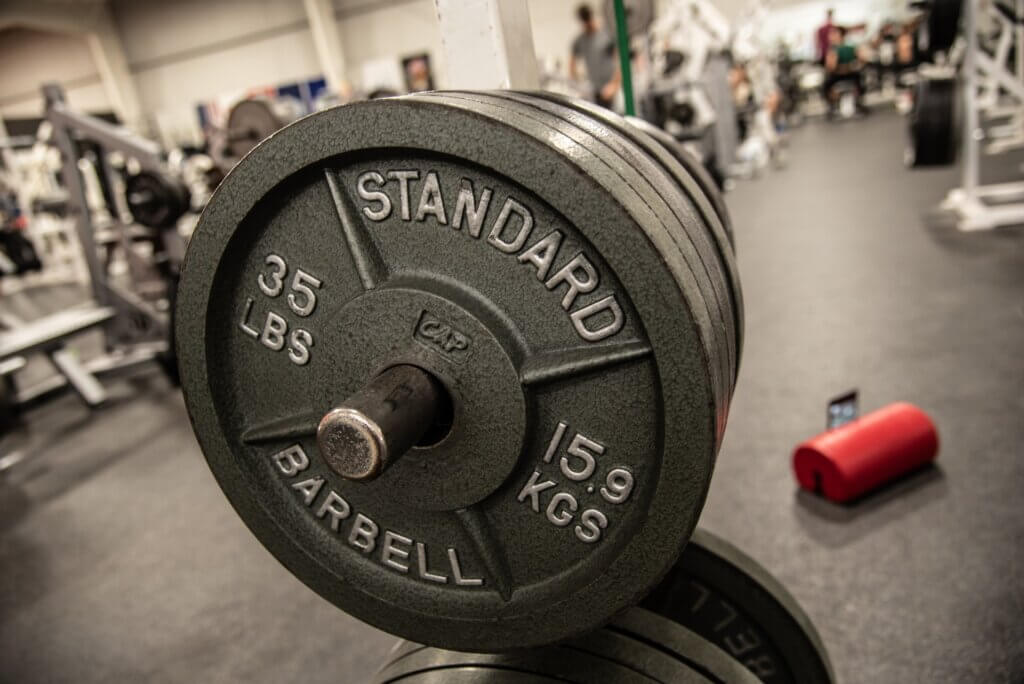
Weightlifting occupies a complex space in the world of fitness and personal well-being. For many, it is a deeply rewarding practice—both physically and mentally.
They are drawn to the structure, the sense of progress, and the discipline it demands. These individuals often find satisfaction in the slow but steady transformations it brings, whether it’s increased strength, improved appearance, or the simple joy of mastering form and technique.
Others, however, find it unappealing or even frustrating. To them, the environment can seem intimidating, the movements repetitive, or the effort unrewarding.
The clanking of weights, the unfamiliarity with equipment, or fear of injury can create a barrier that makes weightlifting feel inaccessible or uninviting.
Then there is a third group—those who recognize the benefits, perhaps even feel a sense of guilt or obligation to begin, yet have not found the motivation or courage to start. They may understand that strength training supports longevity, bone health, and metabolism, but the gap between knowing and doing remains wide. This hesitation can be shaped by past experiences, lack of guidance, or simply the inertia of long-held habits.
Each perspective is valid, shaped by personal experiences, expectations, and comfort levels. Weightlifting, like any discipline, can be polarizing, but its potential value is often waiting just beyond the initial resistance.
Amid all the talk of reps, programs, and muscle gains, one of the most overlooked areas in the world of weightlifting is the wisdom gathered over time by those who have truly lived it. The lessons learned through years under the bar often go unspoken, even though they are arguably the most valuable insights.
For example, seasoned lifters often learn that consistency matters more than intensity. Many beginners chase extreme workouts or push themselves to exhaustion, only to burn out or get injured. Veterans quietly know that showing up regularly—even on days when motivation is low—builds real strength, inside and out.
Another hard-earned lesson is that progress isn’t always linear. Strength plateaus happen. Injuries happen. Life happens. Those who’ve stuck with it realize that success in weightlifting is as much about adapting and staying patient as it is about grinding harder. Learning when to push and when to pull back is an advanced skill that takes years to appreciate.
Many also discover that technique and form far outweigh brute force. While ego might push a person to lift heavier early on, those who’ve learned from mistakes know that poor form leads to setbacks. Mastery comes not from numbers alone, but from mindful, controlled movement and a deep connection to one’s own body.
Then there’s the unexpected: emotional and mental growth. Longtime lifters often find weightlifting to be a form of therapy. They learn resilience, discipline, humility, and even gratitude. Many reflect that it shaped not only their physique but their outlook on life—teaching patience, work ethic, and how to handle both success and failure.
Finally, one of the quiet truths echoed by veterans is that health is the goal, not just size or strength. Many who’ve chased extremes come full circle, realizing that sustainable strength, mobility, and vitality matter more than personal records. They begin to lift for quality of life, not just aesthetics or numbers.
These lessons don’t always make it into headlines or social media clips—but they are the real core of the practice. The iron teaches in ways that aren’t always visible, but often life-changing.
Across the wide spectrum of weightlifters—from casual gym-goers to seasoned veterans and world-class professionals—some universal lessons tend to emerge. While the specifics may differ from country to country or from sport to sport (bodybuilding, Olympic lifting, powerlifting, CrossFit, etc.), the core truths learned through years of lifting are surprisingly consistent around the globe.
HERE ARE SOME OF THE TOP LESSONS SHARED BY WEIGHTLIFTERS OF ALL LEVELS:
FORM AND TECHNIQUE ARE EVERYTHING
From amateurs to Olympians, nearly every experienced lifter will say that proper technique trumps everything. Lifting with poor form not only limits results but sets the stage for serious injury. Mastering the fundamentals—especially the squat, deadlift, and bench press—can take years, and even pros revisit the basics regularly.
PROGRESS IS NOT LINEAR
Strength gains and muscle growth come in waves, not straight lines. Everyone, from beginners to professionals, experiences plateaus. Some days you feel strong; other days, the bar feels heavier than it should. Learning to ride these waves without losing motivation is a lesson that all lifters eventually absorb.
RECOVERY IS JUST AS IMPORTANT AS TRAINING
Ask any professional powerlifter or seasoned gym veteran, and they’ll tell you: the body grows during rest, not during the workout. Sleep, nutrition, hydration, and recovery techniques like stretching and mobility work are essential. Overtraining is a real threat—especially for enthusiastic beginners who push too hard too soon.
LONGEVITY REQUIRES PATIENCE AND SMART CHOICES
Many older, experienced lifters wish they had listened to their bodies sooner. Going too heavy too often or ignoring small injuries often leads to chronic problems. Those who are in it for the long haul learn to train smarter, not just harder.
DISCIPLINE BEATS MOTIVATION
Motivation comes and goes, but discipline—creating the habit of showing up—is what leads to long-term results. Whether it’s a rainy Monday morning or a stressful week, the ability to stay consistent when you don’t feel like it is a trait shared by lifters who stick with it for decades.
NUTRITION IS A GAME CHANGER
While beginners might overlook it, more experienced lifters and professionals know that what you eat determines how you feel, perform, and recover. Fueling the body correctly—especially with enough protein, carbs, and micronutrients—makes a noticeable difference in strength, energy, and physique.
NUMBERS ARE JUST TOOLS, NOT IDENTITY
Beginners often chase personal records and compare their numbers to others. But seasoned lifters tend to focus more on how the lift feels, whether they’re improving over time, and whether their training fits their current goals. They’ve learned not to let ego drive the workout.
COMMUNITY AND MENTORSHIP MATTER
Across the globe, weightlifting has built strong communities—people supporting each other, trading advice, and learning together. Many lifters say that having a training partner, coach, or being part of a lifting culture has made a lasting difference in their journey.
MENTAL TOUGHNESS DEVELOPS UNDER THE BAR
Weightlifting teaches mental resilience. Pushing through fatigue, failure, and discomfort builds grit. Many say it strengthens not only the body, but also the mind—helping them face challenges in life with greater clarity and determination.
THERE IS NO “FINISH LINE”
Even professionals continue to learn, adapt, and evolve their training. There’s always a new goal, a new challenge, or a new method to try. The best lifters—at every level—realize that the journey of strength is lifelong. It becomes part of who you are, not just what you do.
These lessons are echoed in gyms, weight rooms, and competitions across the world—from small-town lifters in the U.S. to elite Olympic athletes in China, from powerlifters in Eastern Europe to bodybuilders in Brazil. The barbell is a universal teacher, and its lessons apply far beyond lifting.
People who’ve been weightlifting consistently for years—even if they’re not professionals—have lived through the ups, downs, mistakes, and breakthroughs. They’ve seen what works, what doesn’t, and what truly matters for someone just starting out.
HERE ARE THE TOP LESSONS LEARNED FROM LONG-TIME LIFTERS TO THOSE IN THEIR FIRST FEW WEEKS OR MONTHS:
Start Light—Lighter Than You Think
A major early mistake is trying to lift too much, too soon. Veteran lifters will often say, “Leave your ego at the door.” You’ll make faster progress with proper form and lighter weights than you will by piling on plates and compromising safety. Long-term lifters learn that starting light builds a strong, injury-free foundation.
Master the Basics First
You don’t need to learn every machine in the gym or chase complicated programs. Focus on mastering fundamental, compound movements like squats, deadlifts, bench press, rows, and overhead press. These build strength and coordination that carry over into nearly every other movement.
Consistency Is Everything
One of the most repeated lessons: showing up matters more than doing it perfectly. Many long-time lifters admit they had plenty of off days, imperfect workouts, and times they didn’t feel like going. But they still showed up. That consistent effort compounds over time and yields real results.
Don’t Worry About What Others Are Doing
Everyone starts somewhere, and the gym is full of people at different stages. Experienced lifters will tell you: most people are too focused on their own workout to judge yours. Focus on your own progress, not comparisons. Trying to match someone else’s pace or weight can derail your form and your confidence.
Form First, Always
It can’t be said enough—good form protects your joints, prevents injury, and sets the stage for long-term success. Take videos of your lifts, get feedback, or even work with a trainer early on. Lifters with years of experience often say they wish they had focused on form much earlier.
Be Patient—Muscle and Strength Take Time
In the beginning, you may feel like progress is slow, or your body isn’t changing fast enough. But it’s a marathon, not a sprint. Results will come if you stay committed. Many long-time lifters emphasize that physical changes often come after mental ones—like improved focus, discipline, or energy.
Nutrition Makes a Huge Difference
You won’t get far without fueling your body properly. New lifters often underestimate how much food and water the body needs when adjusting to training. Prioritize whole foods, enough protein, and plenty of water. Veteran lifters frequently say they didn’t take nutrition seriously enough when they started.
Track Your Progress
Logging workouts, weights, and even how you feel helps you see how far you’ve come. Long-time lifters who keep a journal or use an app often look back and realize just how much they’ve improved—even when it didn’t feel like it in the moment.
Expect Soreness, Not Pain
A little soreness is normal, especially early on. But sharp pain, joint discomfort, or anything that feels “wrong” isn’t. Don’t ignore pain—address it, and rest when needed. Lifters who’ve been in the game for years will tell you that injuries often come from ignoring early warning signs.
Enjoy the Process
Lastly, experienced lifters often say that once they let go of trying to rush results, they started enjoying the process. Progress becomes part of your life, and lifting can be a source of stress relief, confidence, and clarity. The best advice? Have fun, be kind to yourself, and stay the course.
These are the kinds of lessons that don’t always show up in flashy fitness ads—but they’re what truly help people build a lifelong relationship with strength training. Those who’ve stuck with it for years know: it’s not just about lifting weights—it’s about building a stronger, more capable version of yourself, one rep at a time.
MORE LESSONS LEARNED
There are additional, often under-discussed lessons from years of weightlifting that many don’t discover until they’re deep into the journey. These lessons go beyond technique and discipline and often reflect the deeper life perspective that lifting instills over time.
Progress Looks Different for Everyone
People respond to weightlifting differently. Some build muscle fast, others gain strength more quickly, and some see changes more in energy or posture than size. Experienced lifters learn not to judge their journey by someone else’s timeline. Genetics, age, stress, sleep, and lifestyle all influence progress. Long-time lifters come to respect their own unique pace.
Your Goals Will Evolve
You might start lifting to lose fat or build muscle, but over time, your goals often change. Many begin chasing aesthetics and later find themselves lifting for strength, athletic performance, injury prevention, mental health, or even just enjoyment. That evolution is normal—and a good sign of maturity in your fitness journey.
You’re Never “Too Old” to Start or Improve
Veteran lifters often emphasize that strength training is for everyone—especially as you age. Muscle mass, bone density, balance, and functional strength are all vital for health later in life. Those who started lifting in their 30s, 40s, or even 60s often say they feel younger and more capable than they did years earlier.
The Mind-Muscle Connection Is Real
This subtle but powerful concept often gets overlooked by beginners. It’s not just about moving weight—it’s about feeling the target muscle work. Lifters with years of experience learn to lift with intention and control, which dramatically improves results over time and reduces injury risk.
Deloading Is Not Quitting—It’s Strategic
Deload weeks—where you reduce intensity or volume—are not signs of laziness, but of wisdom. Long-time lifters know that the body (and central nervous system) needs recovery phases to grow stronger. Knowing when to back off is just as important as knowing when to push hard.
You Don’t Need a “Perfect” Program—Just One You’ll Stick With
Many beginners get stuck chasing the perfect workout plan. Veteran lifters often say that the best program is the one you’ll follow consistently. Consistency outweighs optimization, especially in the first year. Don’t overthink—just lift regularly, and refine your approach as you grow.
Lifting Can Expose Weak Points—and Help You Fix Them
Imbalances in strength, mobility, or posture often show up when you start lifting. For example, your right side may push harder than your left, or tight hips may limit your squat depth. Strength training helps you identify and correct these issues, creating a more balanced, functional body.
Your Body Is a Feedback System—Listen to It
Over time, lifters learn to interpret signals from their bodies. Soreness, energy levels, appetite, and mood can all reflect how well your training and recovery are going. Long-time lifters develop intuition—knowing when to push, when to recover, and when something’s off.
Lifting Builds Character, Not Just Muscles
This is something rarely advertised but frequently said by those who’ve lifted for years. Weightlifting teaches delayed gratification, perseverance, goal-setting, failure management, and self-respect. These traits often carry over into other parts of life—relationships, career, and mental health.
There’s Always Something New to Learn
No one ever “completes” weightlifting. Even after years, lifters experiment with new grips, techniques, programs, equipment, and approaches. The learning never ends—which is what keeps it fulfilling for so many.
These lesser-talked-about insights often emerge slowly—but they’re what transform lifting from a short-term fitness hobby into a lifelong practice. Weightlifting, at its best, is both physical and philosophical. The iron never lies, and the lessons it teaches can stay with you forever.
THE TOP WISDOM TO GAIN FROM THE LESSONS LEARNED IN WEIGHTLIFTING IS THIS:
Strength is built gradually—both in body and in character—and the process of patiently lifting through resistance teaches you how to carry the heavier things in life with greater courage, discipline, and resilience.
Here’s why this stands out as the core wisdom from years of lifting:
The Weight Teaches Patience
Nothing meaningful in weightlifting happens overnight. Growth—whether it’s muscle, strength, or skill—comes only through time, repetition, and recovery. This cultivates the deep understanding that real progress, in any area of life, comes from consistent, patient effort.
You Learn to Embrace Resistance
The barbell is literal resistance—and showing up day after day to move that weight trains the mind to not fear hardship. In life, resistance comes in many forms: challenges, setbacks, stress, loss. Weightlifting trains you to push through, adapt, and return stronger after each rep, each failure, each plateau.
You Discover Mastery Over Motivation
Veteran lifters don’t wait to feel motivated. They show up regardless of emotion, fatigue, or setbacks. This wisdom—doing the work even when it’s hard—applies far beyond the gym. It becomes a way of life, rooted in action rather than mood.
You Build a Quiet, Earned Confidence
True confidence comes from facing struggle and not backing down. Lifting heavy things teaches you what you’re capable of. You see your body change, your mind grow sharper, and your limits expand. You become someone who trusts themselves in the face of difficulty.
You Learn to Respect the Long Game
Weightlifting reveals that shortcuts don’t work—and that’s a valuable lesson. Sustainable strength, health, and transformation require humility and endurance. This shapes your perspective: fast isn’t always better, and what lasts is usually what’s built slowly.
In short, the top wisdom from weightlifting is philosophical: that through resisting physical weight, you train for the weight of life. You develop not just strength in your muscles—but strength in your mind, your habits, and your spirit. And that strength serves you in far more places than just the gym.
Weightlifting, at first glance, may appear to be a physical pursuit—just reps, sets, and sweat—but those who stay with it long enough come to see it as something much deeper. Beneath the clanging iron and structured routines lies a quiet, enduring path of self-mastery.
The lessons learned under the barbell—about patience, discipline, humility, and perseverance—become tools not just for building a stronger body, but for navigating life with greater clarity and confidence.
Those who have committed years to weightlifting often come to respect it not merely for what it does to their physique, but for what it builds inside: grit, resilience, and peace of mind. It teaches you that strength is never given; it is earned, one day, one decision, and one repetition at a time.
The process reshapes not only your muscles, but your mindset—transforming how you approach challenges, setbacks, and goals in every part of your life.
In the end, lifting isn’t about perfection or competition—it’s about becoming a better, stronger version of yourself. Whether you’re just starting out or already years into the journey, the wisdom weightlifting offers is timeless: keep showing up, keep learning, and keep lifting—not just the bar, but yourself.
TO EXPLORE MORE IN-DEPTH INFORMATION ABOUT THE LESSONS, MINDSET, AND LONG-TERM WISDOM OF WEIGHTLIFTING—FROM BEGINNER TO SEASONED LIFTER—HERE ARE SOME SOLID AND TRUSTWORTHY SOURCES ACROSS VARIOUS FORMATS:
Books by Lifters and Coaches
These offer long-term perspectives and hard-earned wisdom:
- Starting Strength by Mark Rippetoe
A foundational book that covers technique, philosophy, and the principles of lifelong strength training. - The New Encyclopedia of Modern Bodybuilding by Arnold Schwarzenegger
Not just a guide to training, but also insight into mindset, dedication, and the evolution of bodybuilding. - Never Let Go by Dan John
A mix of stories, training wisdom, and life lessons from a respected strength coach with decades of experience. - The Barbell Prescription by Jonathon Sullivan & Andy Baker
Especially powerful for older adults, this book explores how strength training supports health and vitality with age.
YouTube Channels with Experienced Lifters
These channels often include interviews, insights, and advice from lifters who’ve been at it for years:
- Jeff Nippard – Science-backed training content with long-term strategy and technique breakdowns.
- Alan Thrall – Covers both basic and advanced lifting concepts, along with gym philosophy and motivation.
- Squat University – Focuses on injury prevention, mobility, and long-term lifting health.
- EliteFTS – Features articles, interviews, and Q&As with world-class coaches and lifters.
Podcasts on Strength and Training Philosophy
Ideal for hearing long-form discussions and wisdom from experienced guests:
- Iron Culture Podcast – History, science, and philosophy of strength culture.
- The Strength Coach Podcast – Great for training insights from professional strength coaches.
- Mind Pump – A blend of fitness discussion and life wisdom from veteran trainers.
Online Communities and Forums
Engage with lifters of all levels, read success stories, and ask questions:
- Reddit: r/weightlifting (Olympic lifting)
- Reddit: r/fitness (general lifting and health)
- Reddit: r/strength_training
- Bodybuilding.com Forums – Decades of archived advice, logs, and community support.
Websites & Articles
- Stronger by Science (strongerbyscience.com) – Evidence-based articles with practical application and long-term perspective.
- T Nation (t-nation.com) – Thought-provoking pieces from lifters, coaches, and researchers.
- BarBend (barbend.com) – Covers strength sports and training advice with depth and clarity.
If you’re looking to go even deeper, local gyms or barbell clubs often have lifters with a wealth of experience who are happy to share what they’ve learned in person. Nothing quite matches the wisdom passed between lifters in the gym.
Let me know if you want a reading list, a beginner plan based on the philosophies we’ve talked about, or curated interviews from veteran lifters.