




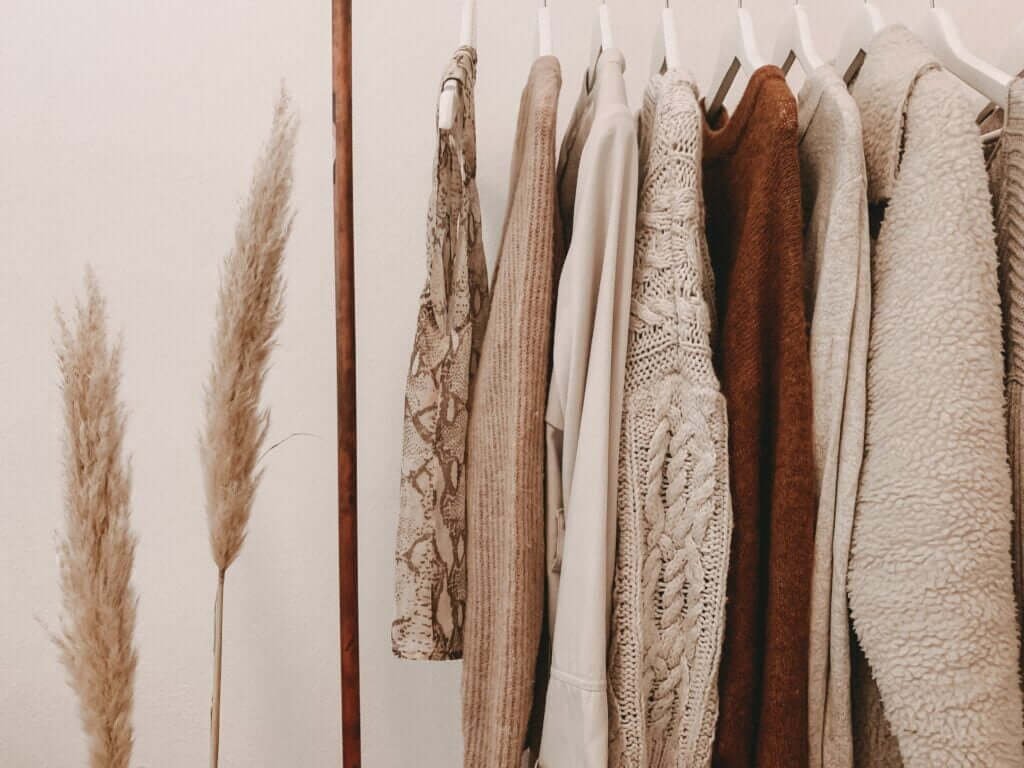
When most people think of boho (or bohemian) style, they picture flowing dresses, earthy colors, handmade jewelry, beach waves, plants, woven baskets, vintage furniture, and a carefree lifestyle.
But the real reason people find boho beautiful goes much deeper than fashion or home décor.
The appeal of boho is rooted in psychology, biology, history, storytelling, emotion, nostalgia, and even our evolutionary instincts. Much of what makes it attractive happens below conscious awareness.
Here are many of the deeper reasons that often go unnoticed.
BOHO FEELS HUMAN INSTEAD OF MANUFACTURED
One of the biggest hidden reasons people love boho is that it doesn’t look machine-made.
Modern life is filled with:
- Perfectly straight lines
- Plastic materials
- Digital screens
- Mass production
- Identical products
- Artificial lighting
Boho often introduces:
- Wood grain
- Linen wrinkles
- Handmade pottery
- Woven baskets
- Natural fibers
- Imperfect textures
- Visible craftsmanship
Ironically, the imperfections make things feel more authentic.
Our brains often associate imperfections with something created by a real person rather than a factory.






NATURE HAS A CALMING EFFECT
Many boho aesthetics borrow heavily from nature.
Think about:
- Sand colors
- Clay
- Stone
- Driftwood
- Cotton
- Jute
- Rattan
- Bamboo
- Leather
- Wool
- Plants
- Feathers
- Flowers
Humans evolved surrounded by natural environments for thousands of years.


Many researchers believe our minds naturally respond positively to natural textures and organic shapes because they signal familiar, safe environments.
Even fake plants and wood-look furniture can trigger some of these comforting associations.
EARTH TONES DON’T OVERSTIMULATE THE BRAIN
Bright neon colors constantly demand attention.
Earth tones tend to quietly exist in the background.


Popular boho colors include:
- Cream
- Beige
- Terracotta
- Sage green
- Olive
- Rust
- Mustard
- Brown
- Dusty rose
- Ivory
- Sand
- Soft white
These colors often create a feeling of warmth rather than excitement.
Many people don’t consciously realize this, but they simply describe the room as “comfortable.”
BOHO SUGGESTS FREEDOM
Boho has long been associated with independence.
People subconsciously connect it with:
- Travel
- Creativity
- Artists
- Musicians
- Writers
- Free spirits
- Adventure
- Simplicity
- Individuality
Even someone who has never traveled may feel emotionally connected to the idea of freedom that boho represents.
The clothing becomes symbolic rather than merely functional.
IT TELLS A STORY
Minimalist design often says:
“I bought everything from one place.”
Boho often says:
“I collected these things over many years.”
Whether true or not, it creates the impression of experiences and memories.
People may imagine:
- Flea markets
- Travels abroad
- Antique shops
- Family heirlooms
- Handmade markets
- Artisan villages
The objects appear to have history.
Humans naturally love stories.
IT LOOKS LIVED IN
Many expensive luxury homes intentionally look almost untouched.
Boho often embraces signs of life:
- Books
- Blankets
- Pillows
- Plants
- Personal collections
- Musical instruments
- Handmade art
- Travel souvenirs
The result often feels welcoming instead of intimidating.
Visitors frequently think:
“Someone actually lives here.”
TEXTURE CREATES VISUAL RICHNESS
One thing people rarely discuss is texture layering.
Instead of relying on bright colors, boho creates beauty through different surfaces.
Examples:
- Linen
- Wool
- Leather
- Cotton
- Jute
- Rattan
- Wood
- Stone
- Ceramic
- Glass
- Macramé
Even when everything is beige, the room doesn’t feel boring because every surface reflects light differently.
Texture becomes the decoration.
IMPERFECTION REDUCES PRESSURE
Boho quietly gives permission to relax.
A perfectly designed luxury room often creates anxiety.
People become afraid to:
- Sit down
- Spill something
- Touch decorations
- Move pillows
Boho often communicates:
“It’s okay to live here.”
That emotional permission can make spaces feel more beautiful than technically perfect designs.
IT CELEBRATES INDIVIDUALITY
Many decorating styles aim for consistency.
Boho often celebrates uniqueness.
People mix:
- Vintage and modern
- Expensive and inexpensive
- Handmade and commercial
- Old and new
- Local and international
The result often reflects personality more than trends.
Many people find authenticity attractive.
BOHO EMBRACES COLLECTING INSTEAD OF CONSUMING
There’s an interesting psychological difference.
Some decorating styles encourage buying complete matching sets.
Boho often grows slowly:
- One rug
- One painting
- One pottery piece
- One basket
- One blanket
- One vintage chair
The room evolves over time.
People often become emotionally attached because each object has its own story.
THE TRAVEL FANTASY
Even people who rarely travel often dream about it.
Boho quietly references:
- Morocco
- Mexico
- Greece
- Bali
- India
- Peru
- Turkey
- Desert landscapes
- Coastal villages
- Mountain retreats
It creates emotional associations with exploration and discovery.
Sometimes people are buying the dream as much as the object itself.
IT REFLECTS CREATIVITY
Messiness and creativity have long been culturally linked.
An artist’s studio isn’t expected to look sterile.
Boho borrows some of that visual language:
- Paintings stacked casually
- Books everywhere
- Instruments
- Sketches
- Vintage finds
- Handmade crafts
The environment suggests imagination rather than strict order.
SOFTNESS MATTERS MORE THAN PEOPLE REALIZE
Boho often prioritizes comfort.
Examples:
- Oversized blankets
- Large pillows
- Soft fabrics
- Flowing curtains
- Loose clothing
- Layered rugs
Soft visual cues create psychological comfort before anyone physically touches them.
The brain predicts comfort simply by seeing soft textures.
IT REJECTS RIGID SOCIAL EXPECTATIONS
Historically, bohemian culture often stood outside traditional social norms.
That legacy still influences modern perceptions.
Boho subtly communicates:
- Be yourself
- Create your own path
- Value experiences
- Appreciate art
- Think differently
- Don’t obsess over status
Whether or not someone consciously believes these ideas, the symbolism still carries emotional weight.
IT FEELS SLOWER
Modern life is fast:
- Notifications
- Deadlines
- Emails
- Traffic
- Meetings
- Constant updates
Boho often visually suggests:
- Morning coffee
- Reading books
- Watching sunsets
- Walking barefoot
- Gardening
- Music
- Campfires
- Beaches
- Road trips
It represents a slower pace many people crave.
NOSTALGIA PLAYS A HUGE ROLE
Many boho elements remind people of:
- Grandparents’ homes
- Family cabins
- Summer vacations
- Old bookstores
- Handmade quilts
- Vintage photographs
- Record players
- Antique furniture
Even young people can experience nostalgia for periods they never lived through.
Researchers sometimes refer to this as a kind of imagined or inherited nostalgia.
THE BEAUTY COMES FROM EMOTION, NOT RULES
Many design styles have strict rules.
Boho often succeeds because it breaks them.
You can combine:
- Different patterns
- Different cultures
- Different decades
- Different materials
- Different colors
- Different artistic influences
The emotional feeling matters more than technical perfection.
Ironically, creating a beautiful boho space still requires balance, even if it appears effortless.
THE PARADOX NOBODY TALKS ABOUT
One of the biggest ironies is that “effortless” boho often takes a tremendous amount of effort.
Magazine-worthy boho interiors are frequently:
- Carefully color coordinated
- Professionally styled
- Thoughtfully layered
- Expensively curated
- Repeatedly adjusted for photography
The relaxed appearance is often highly intentional.
Similarly, the “I just threw this outfit together” look may involve careful planning, coordinated accessories, layered fabrics, and significant attention to detail.
THE COMMERCIALIZATION OF ANTI-COMMERCIALISM
Another fascinating contradiction is that boho originally represented independence from mainstream consumer culture.
Today, companies sell:
- “Boho starter kits”
- Mass-produced distressed furniture
- Factory-made handmade-looking décor
- Artificial vintage pieces
- Pre-ripped fabrics
- Machine-made macramé
In some cases, consumers buy factory-produced products designed to look handcrafted and unique.
This doesn’t necessarily make them less beautiful, but it shows how powerful the appeal of authenticity has become.
WHY PEOPLE OFTEN DESCRIBE BOHO AS “BEAUTIFUL”
When someone says boho is beautiful, they may not actually be talking about appearance alone.
They may be responding to feelings such as:
- Warmth
- Comfort
- Authenticity
- Freedom
- Creativity
- Simplicity
- Nature
- Adventure
- Storytelling
- Personality
- Calmness
- Softness
- Nostalgia
- Individuality
- Human connection
In many ways, boho beauty is emotional before it is visual.
Perhaps the greatest strength of boho is that it reminds people that beauty doesn’t have to be flawless. A worn leather chair, a faded rug, a handmade mug with slight imperfections, or a weathered wooden table can feel more meaningful than something polished to perfection. Those signs of age and individuality often create a stronger emotional connection than pristine objects ever could.
Boho also encourages people to express themselves rather than simply follow trends. It gives permission to mix old with new, expensive with affordable, and sentimental with practical. In that sense, the style becomes a reflection of personal identity instead of a rigid design formula.
Finally, the enduring popularity of boho may say as much about modern life as it does about the style itself. In a world that often feels fast, digital, and standardized, many people are naturally drawn to spaces, clothing, and objects that feel warm, tactile, personal, and deeply human. That combination of comfort, authenticity, and quiet individuality is a major reason why so many people continue to see boho not just as fashionable, but as genuinely beautiful.
IF YOU’D LIKE TO EXPLORE THE DEEPER IDEAS BEHIND WHY SO MANY PEOPLE FIND BOHO BEAUTIFUL, THERE ARE EXCELLENT BOOKS, MUSEUMS, RESEARCH ORGANIZATIONS, AND EDUCATIONAL RESOURCES THAT COVER EVERYTHING FROM PSYCHOLOGY AND DESIGN TO ART HISTORY AND ARCHITECTURE
The resources below are a great place to start.
Psychology, Beauty, and Human Perception
The American Psychological Association (APA)
A good source for articles and research summaries on perception, aesthetics, creativity, emotion, and human behavior.
American Psychological Association
Greater Good Science Center
Published by the University of California, Berkeley, this site explores well-being, awe, gratitude, nature, and the psychology behind what people find meaningful and beautiful.
Biophilic Design and Nature’s Influence
One reason boho appeals to so many people is its heavy use of natural materials and organic forms.
International Living Future Institute
Provides information about biophilic design and creating environments that connect people with nature.
International Living Future Institute
Terrapin Bright Green
Known for research and publications on biophilic design and the relationship between people and the built environment.
Interior Design and Color Theory
The Color Association of the United States
Offers insight into color trends and how color influences design and consumer behavior.
Color Association of the United States
Pantone
A fascinating resource for understanding color psychology and design trends.
Art and Design History
Understanding the roots of boho means understanding art history and the creative movements that influenced it.
The Metropolitan Museum of Art
An incredible source for world art, textiles, historical design, and cultural influences.
The Metropolitan Museum of Art
Smithsonian Institution
Features articles and collections covering art, culture, history, and design from around the world.
The History of the Bohemian Movement
To understand why “boho” exists at all, learning about its historical roots is valuable.
Encyclopedia Britannica
Provides well-written background on bohemian culture, artistic movements, and related history.
Architecture and Human-Centered Spaces
ArchDaily
Contains thousands of articles about architecture, natural materials, sustainable design, and human-centered spaces.
Dezeen
Excellent for contemporary architecture, interiors, furniture, and design inspiration.
Dezeen
Museums and Decorative Arts
Victoria and Albert Museum
One of the world’s premier museums for decorative arts, fashion, textiles, and design history.
Books Worth Reading
These are widely respected and provide much deeper context than quick online articles:
- The Poetics of Space by Gaston Bachelard
- The Timeless Way of Building by Christopher Alexander
- A Pattern Language by Christopher Alexander and collaborators
- The Nature of Order by Christopher Alexander
- The Experience of Place by Tony Hiss
Topics to Research Further
If you enjoy digging into the “why” behind boho’s appeal, these subjects are especially rewarding:
- Biophilic design
- Environmental psychology
- Color psychology
- Texture perception
- Material culture
- Wabi-sabi
- Scandinavian hygge
- Slow living
- Minimalism versus maximalism
- Vernacular architecture
- Folk art
- Textile history
- Cultural symbolism
- Interior design psychology
- Evolutionary aesthetics
- Neuroaesthetics
- Nostalgia research
- Handmade craftsmanship
- Sustainable design
- Human-centered design