





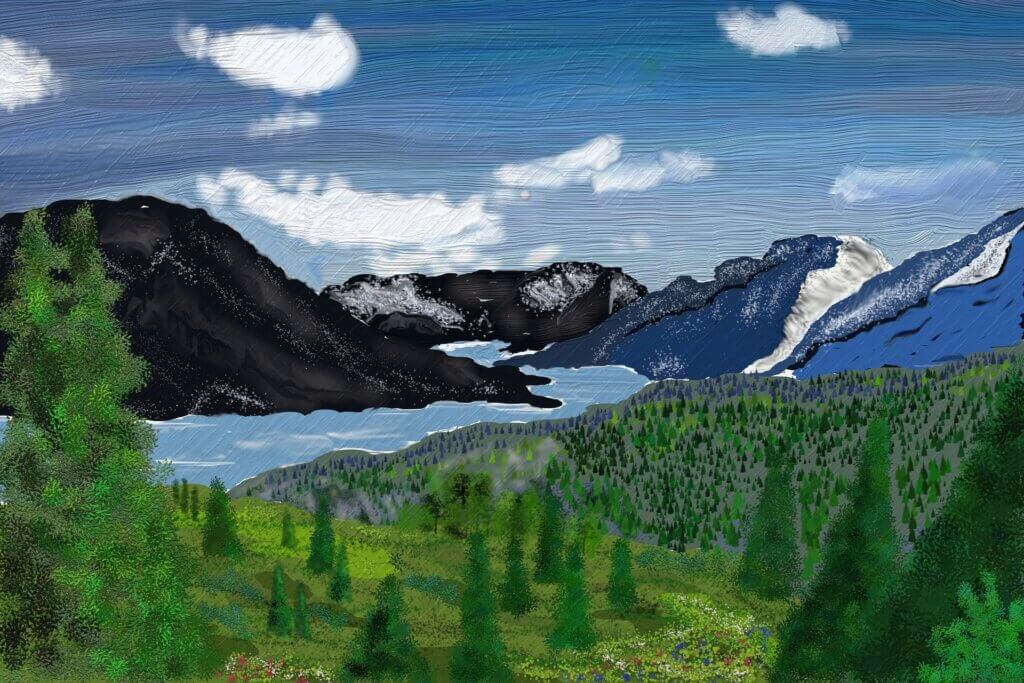
Hiking and camping are often portrayed as peaceful adventures filled with beautiful mountain views, crackling campfires, and unforgettable sunrises.
While those moments absolutely exist, there is another side that many people never discuss. The wilderness is one of the few places left where nature makes the rules, not people. It can be incredibly rewarding, deeply humbling, and sometimes dangerous if approached carelessly.
The people who enjoy hiking and camping for decades are usually not the strongest or fastest. They are the ones who respect nature, prepare well, remain humble, and never stop learning.
WHY PEOPLE FEEL DRAWN TO THE WILDERNESS
Many hikers eventually realize they are not simply walking through nature—they are escaping constant noise.
Modern life bombards us with phones, traffic, advertisements, deadlines, and endless notifications. Hiking removes much of that mental clutter.
Many experienced hikers say they don’t go into nature to “find themselves.” They go because nature strips away distractions and reminds them who they already are.
The wilderness doesn’t care about your job, income, social status, followers, or possessions. Everyone becomes equal on the trail.
HIKING IS FAR MORE MENTAL THAN PHYSICAL
Many beginners assume hiking is mostly about fitness.
Fitness certainly helps, but mental toughness often matters more.
Long hikes involve:
- Patience
- Problem-solving
- Remaining calm
- Managing discomfort
- Decision-making while tired
- Handling uncertainty
Your mind will often want to quit long before your body actually needs to.
Experienced hikers learn to keep moving one step at a time rather than focusing on how many miles remain.
NATURE DOESN’T CARE ABOUT YOUR CONFIDENCE
One dangerous mistake is confusing confidence with competence.
Someone may be:
- Very athletic
- Greatly confident
- Well-equipped
- Experienced in a gym
Yet still make poor wilderness decisions.
Nature doesn’t reward confidence.
It rewards good judgment.
Every year experienced hikers become injured because they assumed they “could handle it.”
THE OUTDOORS IS BEAUTIFUL BECAUSE IT IS WILD
The reason forests, mountains, deserts, and coastlines are so beautiful is because they are largely uncontrolled.
That also means they include:
- Dangerous weather
- Falling rocks
- Floods
- Wild animals
- Poisonous plants
- Insects
- Steep terrain
- Hidden hazards
The wilderness isn’t trying to hurt you.
It simply exists without adjusting itself for human comfort.
THE BIGGEST DANGER IS USUALLY HUMAN ERROR
Many people imagine bears or mountain lions as the greatest threat.
In reality, most hiking accidents involve ordinary mistakes.
Common examples include:
- Getting lost
- Dehydration
- Heat exhaustion
- Hypothermia
- Falling
- Twisted ankles
- Overestimating ability
- Poor planning
- Ignoring weather forecasts
- Hiking after dark unexpectedly
Most wilderness emergencies begin with one small decision that snowballs into several poor choices.
WEATHER CHANGES FASTER THAN PEOPLE EXPECT
One lesson many hikers learn the hard way is how quickly weather changes.
A warm sunny morning can become:
- Thunderstorms
- Dense fog
- High winds
- Freezing temperatures
- Snow at higher elevations
Mountain weather is especially unpredictable.
Always prepare for worse conditions than the forecast predicts.
RAIN ISN’T THE BIGGEST PROBLEM
People worry about getting wet.
Cold is often the greater danger.
Wet clothing combined with wind and dropping temperatures can lead to hypothermia surprisingly quickly.
Hypothermia is possible even during cool spring or fall weather.
Many people associate it only with snow.
That is incorrect.
HEAT CAN BE MORE DANGEROUS THAN COLD
Hot weather causes many rescues.
Heat exhaustion develops gradually.
Signs include:
- Headache
- Nausea
- Heavy sweating
- Weakness
- Dizziness
- Confusion
If ignored, it may progress into heat stroke, which is a medical emergency.
Hydration alone is not enough.
You also lose important electrolytes through sweat.
DEHYDRATION SNEAKS UP ON YOU
By the time you feel thirsty, you may already be mildly dehydrated.
Dehydration affects:
- Judgment
- Balance
- Strength
- Mood
- Endurance
Many hikers don’t drink enough because they don’t want to carry extra weight.
Ironically, insufficient water often creates much larger problems than carrying an extra pound or two.
NAVIGATION IS BECOMING A LOST SKILL
GPS is wonderful.
Until batteries die.
Or your phone breaks.
Or there is no signal.
Experienced hikers still carry:
- Paper maps
- Compass
- Knowledge of terrain
Technology should support your navigation—not replace your navigation skills.
TRAILS CAN BE SURPRISINGLY CONFUSING
Many people picture hiking trails as obvious paths.
Some are.
Others are not.
Trails may disappear because of:
- Fallen trees
- Snow
- Flooding
- Leaves
- Poor maintenance
- Wildlife paths that look similar
Getting slightly off trail can quickly become profoundly serious.
WILDLIFE USUALLY WANTS NOTHING TO DO WITH YOU
Most animals avoid humans whenever possible.
Animals generally attack only when:
- Surprised
- Cornered
- Protecting young
- Protecting food
- Feeling threatened
Keeping your distance solves most wildlife encounters.
Never feed wild animals.
Doing so teaches dangerous behavior that often ends badly for both people and wildlife.
SMALL CREATURES CAUSE MORE PROBLEMS THAN LARGE ONES
People fear bears.
Tiny creatures often create far more misery.
These include:
- Mosquitoes
- Ticks
- Chiggers
- Wasps
- Bees
- Fire ants
- Poison ivy exposure
- Disease-carrying insects
Tick checks after hiking should become a habit.
CAMPING REVEALS YOUR COMFORT ZONE
Camping teaches you how dependent modern life has become on convenience.
Simple tasks suddenly require effort.
Cooking.
Cleaning.
Staying warm.
Finding water.
Sleeping.
Everything slows down.
Many people eventually appreciate this slower rhythm.
SLEEPING OUTSIDE IS HARDER THAN IT LOOKS
Many first-time campers expect excellent sleep.
Instead they discover:
Every sound feels louder.
The ground is uneven.
Temperatures fluctuate.
Animals make unfamiliar noises.
The wind moves the tent.
Branches creak.
This is completely normal.
Most people sleep better after a few camping trips as they become accustomed to natural sounds.
Campfire Reality
Movies often show perfect campfires.
Real campfires require:
- Dry wood
- Proper airflow
- Fire safety
- Constant attention
Many experienced campers actually cook using camp stoves because they are:
- Faster
- Cleaner
- More reliable
- Safer
Fire restrictions also frequently prohibit campfires during dry conditions.
Water Is More Complicated Than People Think
Crystal-clear streams are not automatically safe.
Water may contain microscopic organisms capable of causing serious illness.
Experienced campers usually:
- Filter
- Purify
- Boil
Never assume natural water is safe simply because it looks clean.
Food Storage Matters More Than Cooking
Improper food storage attracts:
- Bears
- Raccoons
- Rodents
- Coyotes
- Foxes
Animals have incredibly powerful senses of smell.
Even toothpaste, deodorant, and scented products may attract curious wildlife.
SOLO HIKING HAS UNIQUE REWARDS
Many experienced hikers eventually enjoy hiking alone.
Solo hiking offers:
- Complete freedom
- Reflection
- Peace
- Self-confidence
- Personal growth
You choose:
- Your pace
- Your breaks
- Your destination
- Your schedule
Many describe solo hiking as deeply restorative.
Solo Hiking Also Carries Greater Risk
The biggest disadvantage is simple.
If something goes wrong, no one is immediately there to help.
Examples include:
- Broken bones
- Snake bites
- Severe dehydration
- Becoming lost
- Medical emergencies
Before hiking alone:
Tell someone:
- Where you’re going
- Which trail
- Expected return time
- When to call authorities if you don’t return
This simple habit has saved countless lives.
HIKING WITH OTHERS HAS HIDDEN CHALLENGES
Groups introduce different problems.
Some hikers:
- Walk too fast
- Feel pressured
- Ignore slower members
- Make poor decisions due to peer pressure
One dangerous phenomenon is called summit fever.
Everyone becomes so focused on reaching the destination that warning signs are ignored.
Sometimes turning around is the safest decision.
Experienced hikers never see turning back as failure.
EGO CAN BECOME DANGEROUS
Many accidents happen because people don’t want to appear weak.
Examples include refusing to admit:
- They’re tired
- They’re lost
- They’re scared
- They packed poorly
- They need help
Humility is one of the greatest survival skills.
LEAVE NO TRACE IS MORE THAN PICKING UP TRASH
Responsible outdoor enthusiasts follow principles that protect nature for future visitors. These include planning ahead, staying on durable trails, disposing of waste properly, leaving natural objects where they are, minimizing campfire impacts, respecting wildlife, and being considerate of others. These practices help preserve fragile ecosystems and reduce the need for costly restoration efforts.
YOUR BODY CHANGES DURING MULTI-DAY TRIPS
After several days outdoors, many hikers notice changes.
Their senses become sharper.
Artificial noise feels overwhelming when returning home.
Food tastes better.
Sleep often becomes deeper.
Time seems slower.
Many people report feeling mentally refreshed after disconnecting from constant digital stimulation.
The Wilderness Teaches Patience
Nature does not operate on human schedules.
You cannot rush:
- A sunrise
- Wildlife sightings
- Weather
- River crossings
- Mountain climbs
Camping teaches acceptance of things beyond your control.
That lesson often carries over into everyday life.
Fear Isn’t Always Your Enemy
Many people think fearless hikers are the safest hikers.
Usually the opposite is true.
Healthy caution encourages you to:
- Double-check equipment
- Watch the weather
- Stay aware of surroundings
- Make conservative decisions
Fear becomes dangerous only when it causes panic or prevents rational thinking.
The Outdoors Builds Quiet Confidence
One overlooked benefit of hiking and camping is the confidence that comes from solving real problems.
When you successfully navigate a trail, set up camp in the rain, filter your own water, or safely adapt to changing conditions, you develop confidence based on experience rather than appearance. This type of confidence tends to carry into work, relationships, and other areas of life because it comes from overcoming genuine challenges.
The Emotional High After a Trip
Many people notice that they feel happier after returning from a hiking or camping trip.
Part of this comes from physical activity, fresh air, exposure to natural environments, and time away from daily stress. Part of it also comes from accomplishing something difficult. Reaching a summit, completing a long trail, or simply spending a night outdoors can create a sense of satisfaction that is hard to replicate through everyday routines.
THINGS NOBODY TALKS ABOUT
Some of the most valuable lessons from hiking and camping are rarely mentioned.
You learn that slowing down is not laziness. You discover that preparation is far more important than expensive gear. You realize that your attitude often determines whether a difficult day becomes an unforgettable adventure or a miserable experience.
You begin to appreciate simple comforts such as clean water, a warm meal, dry socks, and a safe place to sleep. You also come to understand that nature is neither your friend nor your enemy—it simply exists, and your responsibility is to learn how to move through it with respect.
Many experienced hikers say the greatest reward is not the mountain, the forest, or the campsite itself. It is the person they become through the journey. Hiking and camping cultivate patience, resilience, humility, gratitude, problem-solving, and a deeper appreciation for the natural world.
The wilderness has a way of revealing both your strengths and your weaknesses, and if you approach it with preparation and respect, it can become one of the most enriching classrooms you will ever experience.
HOW TO PREPARE FOR YOUR FIRST HIKING AND CAMPING ADVENTURE
If you’ve never gone on a hike that includes camping, the best advice is simple: don’t make your first trip your biggest adventure. Many beginners get excited and plan a challenging overnight hike deep into the wilderness.
That sounds exciting, but it’s one of the most common mistakes people make. The wilderness will still be there next month and next year. Build your skills gradually, and your confidence will grow naturally.
Think of hiking and camping like learning to drive. You don’t start on a busy interstate during a snowstorm. You start in an empty parking lot, then quiet roads, and eventually gain enough experience for more difficult situations.
Learn Basic Hiking Before Adding Camping
Before carrying camping gear, become comfortable with day hiking.
Spend several weeks or months taking short hikes on well-marked trails. Learn how your body responds to different distances, hills, temperatures, and weather conditions. Figure out how much water you actually drink and what foods give you steady energy.
By the time you begin overnight trips, walking several miles should feel comfortable rather than exhausting.
Camp in a Campground First
Many people think camping and backpacking are the same thing.
They aren’t.
Your first camping experience doesn’t need to involve hiking miles into the woods.
Spend a weekend at a developed campground where you can park your vehicle nearby.
This allows you to practice:
- Setting up your tent
- Sleeping outdoors
- Cooking outside
- Organizing your gear
- Staying warm at night
- Packing everything away
If something goes wrong, your vehicle is only a short walk away.
Learn Your Equipment Before You Need It
One of the biggest beginner mistakes is opening brand-new gear for the first time at the campsite.
Practice at home.
Set your tent up several times in your yard or living room.
Practice:
- Packing your backpack
- Adjusting shoulder straps
- Rolling your sleeping bag
- Inflating your sleeping pad
- Using your camp stove
- Lighting your headlamp
- Filtering water (if applicable)
Everything should feel familiar before your trip.
Don’t Buy Expensive Gear Right Away
Many beginners spend thousands of dollars before discovering whether they even enjoy backpacking.
Instead:
- Borrow equipment from friends.
- Rent gear from outdoor stores or local outfitters.
- Buy quality essentials gradually.
- Upgrade later after learning what fits your style.
Experience is far more valuable than expensive equipment.
Choose an Easy First Backpacking Trip
Your first overnight hike should be intentionally easy.
Look for:
- Well-marked trails
- Short hiking distance (2–5 miles each way)
- Reliable water sources if permitted
- Established campsites
- Moderate weather
- Cell service if possible
- Plenty of other hikers nearby
Avoid making your first trip:
- High elevation
- Desert hiking
- Winter camping
- Remote wilderness
- River crossings
- Multi-day expeditions
Go With Someone Experienced If Possible
This may be the single best decision you can make.
An experienced hiking partner can teach things that books and videos cannot.
They’ll show you:
- Efficient packing
- Trail etiquette
- Navigation
- Camp setup
- Wildlife awareness
- Food storage
- Decision-making
Watching experienced hikers work is like receiving a free master class.
If You Go Solo, Keep It Extremely Simple
If no experienced partner is available, choose an easy destination.
Stay somewhere that:
- Has other campers nearby
- Has a ranger station
- Is well-traveled
- Has easy access back to your vehicle
Save true wilderness solitude for after you’ve gained experience.
Learn Navigation Before You Need It
Don’t depend entirely on your phone.
Learn how to:
- Read trail maps
- Recognize trail markers
- Understand elevation changes
- Use a compass
- Download offline maps
Even basic navigation skills greatly reduce your chances of becoming lost.
Learn About Local Wildlife
Every region has different animals.
Research:
- Bears
- Snakes
- Mountain lions
- Moose
- Wild pigs
- Coyotes
- Ticks
- Poisonous insects
Learn:
- What to do if you encounter them
- What not to do
- How to avoid attracting them
Most wildlife encounters can be prevented through good habits.
Practice Packing Your Backpack
Backpacking isn’t just carrying weight.
It’s carrying weight comfortably.
Generally:
- Heavy items stay close to your back.
- Frequently used items stay near the top or in outside pockets.
- Sleeping bag usually goes near the bottom.
- Rain gear should always be easy to reach.
Then walk around your neighborhood wearing the loaded backpack.
You’ll quickly discover whether something needs adjusting.
Keep Your Pack Light
One thing almost every beginner says afterward is:
“I packed way too much.”
People often bring:
- Too many clothes
- Too much food
- Extra shoes
- Unnecessary gadgets
- Books they’ll never read
- Heavy cookware
Experienced backpackers constantly look for ways to carry less without sacrificing safety.
Learn Basic Outdoor Cooking
Simple meals are usually the best.
Examples include:
- Instant oatmeal
- Freeze-dried meals
- Rice
- Pasta
- Soup
- Energy bars
- Peanut butter
- Nuts
- Dried fruit
You don’t need gourmet meals.
After hiking all day, simple food tastes surprisingly good.
Understand That Everything Takes Longer
Simple tasks require more time outdoors.
Cooking.
Cleaning.
Finding water.
Breaking camp.
Packing.
Walking.
Plan extra time for everything.
Never rush.
Tell Someone Your Plans
Always leave a trip plan with someone you trust.
Include:
- Trail name
- Starting location
- Campsite
- Expected return time
- Vehicle description
- Emergency contact instructions
If you’re overdue, rescuers know where to begin looking.
Learn the Leave No Trace Principles
One of the most important outdoor skills is learning how to leave nature looking as though you were never there.
This includes:
- Packing out all trash.
- Staying on designated trails.
- Respecting wildlife.
- Avoiding damage to plants.
- Camping only where permitted.
- Properly disposing of human waste.
These habits protect the outdoors for future visitors.
Prepare for Bad Weather
Even if the forecast looks perfect, carry basic rain protection.
Weather changes quickly.
Dry clothing and rain gear can turn an uncomfortable situation into a manageable one.
Never assume the forecast guarantees good conditions.
Accept That Mistakes Will Happen
Every experienced backpacker has stories about:
- Forgetting equipment
- Getting temporarily lost
- Burning dinner
- Sleeping poorly
- Packing too much
- Packing too little
- Hiking slower than expected
The goal isn’t perfection.
The goal is learning.
Each trip teaches something new.
Take a Basic First Aid Class
Knowing how to handle:
- Blisters
- Minor cuts
- Sprains
- Burns
- Heat exhaustion
- Hypothermia
can make a tremendous difference.
Many outdoor organizations offer wilderness first aid courses, which are especially valuable if you plan to hike regularly.
Build Experience Gradually
One excellent progression looks like this:
- Go on several easy day hikes.
- Camp at a developed campground.
- Take a short hike while carrying your backpack.
- Complete a one-night backpacking trip on an easy trail.
- Try a two-night trip.
- Increase distance and elevation gradually.
- Learn more advanced skills like map-and-compass navigation, water purification, and backcountry camping.
This step-by-step approach builds confidence without taking unnecessary risks.
Perhaps the Most Important Lesson
The people who enjoy hiking and camping for decades usually aren’t the strongest, fastest, or most adventurous. They’re the ones who stay curious, respect nature, prepare carefully, and know when to turn around. They understand that every hike is different and that the wilderness rewards good judgment far more than bravado.
If you treat each trip as an opportunity to learn rather than something to conquer, you’ll develop the skills and confidence needed to safely enjoy everything from quiet forest trails to multi-day backpacking adventures. The goal isn’t to prove how tough you are—it’s to come home with great memories, new knowledge, and the excitement to plan your next adventure.
Hiking and camping are much more than outdoor hobbies—they are opportunities to reconnect with the natural world and, perhaps even more importantly, with yourself. Every trail teaches something different.
Some teach patience as you slowly climb a steep mountain. Others teach humility when the weather changes unexpectedly or when you realize you packed too much gear.
Some simply remind you how refreshing it is to hear birds instead of traffic and to look up at a sky full of stars instead of city lights. These experiences are difficult to fully appreciate until you have lived them yourself.
One of the greatest lessons the wilderness offers is that preparation is never something to be embarrassed about. Taking the time to learn navigation, understand the weather, carry the right equipment, tell someone where you’re going, and respect your own limits isn’t a sign of fear—it’s a sign of wisdom.
Experienced hikers know that every successful adventure begins long before stepping onto the trail. They also know that turning back because conditions aren’t safe is not failure; it is one of the smartest decisions an outdoor enthusiast can make.
If you’re completely new to hiking and camping, remember that no one starts as an expert. Every seasoned backpacker once struggled to pitch a tent, packed far too much gear, wondered if every sound outside the tent was a bear, and made mistakes that became valuable learning experiences.
The key is to start small, stay curious, ask questions, and allow your confidence to grow naturally with each trip. Every hike adds to your knowledge, and every camping trip builds skills that make the next adventure even more enjoyable.
Perhaps one of the most overlooked rewards of spending time outdoors is the perspective it provides. In a world that constantly encourages us to move faster, buy more, and stay connected every minute of the day, the wilderness gently teaches the opposite.
It reminds us that some of life’s greatest pleasures are simple: drinking cold water after a long climb, watching a sunrise from a mountaintop, sharing stories around a campfire, hearing nothing but the wind through the trees, or falling asleep beneath a sky filled with countless stars. These moments often become the memories people treasure for a lifetime.
The outdoors also has a remarkable way of building qualities that extend far beyond the trail. Patience, resilience, adaptability, problem-solving, gratitude, humility, confidence, and respect for both nature and other people all grow through time spent in the wilderness. These aren’t lessons that can be fully learned from books or videos alone—they come through experience, one step, one campsite, and one adventure at a time.
Finally, always remember that nature is not something to conquer—it is something to appreciate and respect. The mountain doesn’t care how strong you are, the forest doesn’t care how expensive your gear is, and the weather doesn’t change because of your plans.
When you approach hiking and camping with humility, careful preparation, good judgment, and a genuine appreciation for the natural world, you’ll discover that the greatest reward isn’t simply reaching the destination. It’s becoming a more capable, confident, thoughtful, and grounded person because of the journey itself. Those are the rewards that stay with you long after you’ve packed away your tent, taken off your hiking boots, and returned home.
IF YOU’D LIKE TO CONTINUE LEARNING BEYOND WHAT WE’VE DISCUSSED, THERE ARE SOME OUTSTANDING ORGANIZATIONS AND EDUCATIONAL RESOURCES THAT ARE TRUSTED BY HIKERS, BACKPACKERS, SEARCH-AND-RESCUE PROFESSIONALS, PARK RANGERS, AND OUTDOOR EDUCATORS
The best approach is to learn from multiple sources rather than relying on a single website or YouTube channel. Every source has a slightly different perspective, and together they provide a well-rounded understanding of safe and enjoyable outdoor adventures.
National Park Service (NPS)
The U.S. National Park Service is one of the best places to begin. Their website covers hiking safety, wildlife awareness, camping regulations, weather hazards, trail etiquette, food storage, backcountry permits, and outdoor ethics for America’s national parks.
Start here:
The NPS is especially valuable because much of its information comes directly from decades of ranger experience and real search-and-rescue incidents.
Leave No Trace
If there is one philosophy every hiker and camper should learn, it is Leave No Trace.
Their seven principles teach you how to enjoy nature while protecting it for future generations.
Topics include:
- Planning ahead
- Proper camping
- Waste disposal
- Wildlife respect
- Campfire responsibility
- Trail etiquette
- Protecting fragile environments
Learn more here:
These principles are considered the standard for responsible outdoor recreation.
REI Expert Advice
REI has one of the largest free educational libraries available for outdoor recreation.
Excellent beginner topics include:
- Backpacking
- Hiking basics
- Camping
- Backpack fitting
- Clothing systems
- Navigation
- Water treatment
- First aid
- Meal planning
- Backpack checklists
One of their most valuable articles explains the famous “Ten Essentials.”
Start here:
- REI Expert Advice Library
- The Ten Essentials Guide
The Ten Essentials are widely recognized as a foundation for safe hiking and backpacking preparation.
American Hiking Society
This organization promotes hiking education, trail stewardship, conservation, and hiking opportunities across the United States.
Their resources include:
- Beginner hiking
- Trail safety
- Volunteer opportunities
- Hiking advocacy
- Trail etiquette
Website:
Appalachian Trail Conservancy
Even if you never hike the entire Appalachian Trail, this organization offers outstanding information about:
- Backpacking
- Long-distance hiking
- Safety
- Planning
- Shelters
- Wildlife
- Leave No Trace
Website:
National Outdoor Leadership School (NOLS)
NOLS is one of the world’s most respected outdoor education organizations.
Their courses teach:
- Wilderness survival
- Backpacking
- Leadership
- Navigation
- Risk management
- Wilderness medicine
- Expedition planning
Website:
Wilderness Medical Society
If you’re interested in staying safe in remote environments, this organization provides information on topics such as:
- Heat illness
- Hypothermia
- Altitude sickness
- Snake bites
- Wilderness injuries
- Medical emergencies
Website:
American Red Cross
Every outdoor enthusiast should know basic first aid.
The Red Cross offers training in:
- CPR
- First Aid
- Emergency response
- Bleeding control
- Heat illness
- Hypothermia
Website:
National Weather Service
Weather is one of the biggest causes of hiking emergencies.
Learn about:
- Thunderstorms
- Flash floods
- Heat
- Cold exposure
- Lightning
- Weather forecasts
Website:
Always check the forecast before leaving, but also be prepared for conditions to change unexpectedly.
U.S. Forest Service
Many excellent hiking and camping areas are located in National Forests.
The Forest Service provides information on:
- Campgrounds
- Backcountry camping
- Fire restrictions
- Wildlife
- Trail conditions
- Permits
Website:
Gaia GPS
One of the best navigation resources available.
You can:
- Download maps
- Navigate offline
- Record hikes
- Plan routes
- View elevation profiles
Website:
AllTrails
Excellent for beginners looking to find hikes.
Features include:
- Trail maps
- Difficulty ratings
- Elevation gain
- Reviews
- Photos
- GPS navigation
Website:
Remember that user-submitted information can be helpful but may be outdated. Always verify conditions with the managing park or forest agency before you go.
Books Worth Reading
Some of the best books include:
- Mountaineering: The Freedom of the Hills — Often considered the definitive outdoor skills reference.
- The Backpacker’s Field Manual — Excellent practical instruction for beginners and experienced hikers alike.
- Bushcraft 101 — Covers foundational outdoor living skills and self-reliance.
- A Walk in the Woods — An entertaining introduction to long-distance hiking that mixes humor with lessons learned.
YouTube Channels
Some high-quality educational channels include:
- Darwin onthetrail
- Homemade Wanderlust
- Miranda in the Wild
- Outdoor Boys
These channels demonstrate real-world backpacking, camping, gear selection, planning, and problem-solving in the field.
One Final Recommendation
If you could only remember five things from everything we’ve discussed, they would be these:
- Start small and build experience gradually.
- Always tell someone exactly where you’re going and when you’ll return.
- Carry the Ten Essentials, even on shorter hikes.
- Respect nature instead of trying to conquer it.
- Never stop learning.
The best hikers and campers aren’t necessarily the strongest or the ones with the most expensive gear. They are the ones who stay humble, prepare carefully, make thoughtful decisions, and treat every trip as another opportunity to learn. Those habits not only make outdoor adventures safer but also make them far more enjoyable and rewarding over a lifetime.
This article was drafted with AI assistance and reviewed by our editors before publication.