




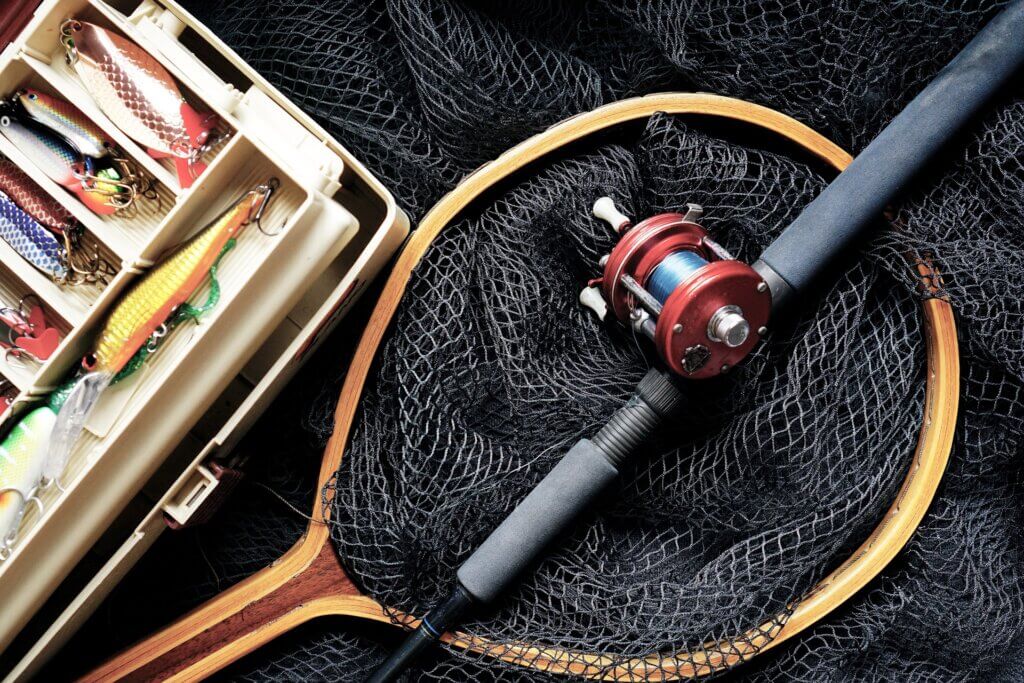
People love fishing in Texas because it feels less like a single activity and more like an entire lifestyle woven into the state’s landscape, culture, and sense of freedom. Texas offers an unusual mix of size, variety, accessibility, and tradition that makes fishing appealing whether someone is a lifelong angler or just starting out.
One of the biggest reasons is sheer diversity. Texas has almost every type of fishing environment you could want. Along the Gulf Coast, anglers can fish saltwater bays, surf, jetties, and deep offshore waters, chasing redfish, speckled trout, flounder, snapper, tuna, and marlin.
Move inland and you’ll find thousands of lakes, reservoirs, rivers, and creeks known for largemouth bass, catfish, crappie, white bass, and striped bass. From slow, muddy rivers to clear Hill Country streams, there’s always a different kind of water to explore.
The size of the state matters too. Because Texas is so large, people can fish year-round somewhere. When one region is too hot, cold, windy, or muddy, another region is often perfect. This gives anglers flexibility and keeps fishing from feeling seasonal or limited. Many Texans grow up knowing there’s always a place within driving distance where the bite might be good.
Bass fishing plays a major role in Texas’s fishing culture. The state is famous for producing trophy largemouth bass, and many legendary lakes are consistently ranked among the best in the country. This has helped create a strong tournament scene and a deep respect for conservation, catch-and-release practices, and fisheries management. Even casual anglers feel connected to that tradition.
Accessibility is another reason fishing is so popular. Texas has an abundance of public lakes, state parks, river access points, piers, and beaches where people can fish without owning a boat. At the same time, those who do own boats have endless options, from quiet backwaters to massive reservoirs and offshore adventures. Fishing in Texas doesn’t require elite gear or expensive trips to be enjoyable.
The culture around fishing also matters. Fishing is often tied to family time, friendships, and memories. Many people learn to fish from parents, grandparents, or neighbors, and those lessons become part of their identity. Fishing trips are social events, sometimes combined with camping, barbecuing, or just spending time outdoors. In a state that values independence and self-reliance, fishing fits naturally into that mindset.
Texas weather plays a role as well. While summers can be intense, the long warm seasons allow for early mornings, late evenings, and extended fishing windows throughout much of the year. Mild winters in many parts of the state mean anglers don’t have to pack everything away for months at a time.
There’s also a sense of adventure and exploration tied to fishing in Texas. You can fish remote desert reservoirs, piney woods lakes, coastal marshes, or sprawling open water that feels almost ocean-like. Each region has its own character, techniques, and local knowledge, which keeps fishing interesting and constantly evolving.
At its core, people love fishing in Texas because it offers freedom, variety, and connection. It connects people to the land and water, to tradition, and to each other. Whether someone is chasing a trophy fish, teaching a child to cast, or just enjoying the quiet before sunrise, fishing in Texas feels like it belongs there in a way that’s hard to replicate anywhere else.
TOP SPOTS FOR FISHING IN TEXAS
LAKES
Texas lakes are famous for trophy bass, catfish, and crappie, but each lake has its own character.
LAKE FORK (EAST TEXAS)
Fish: Largemouth bass (giant), crappie, catfish.
How they’re caught: Bass anglers often use soft plastics, crankbaits, or topwater lures, especially near submerged trees or rocky areas. Crappie are often caught with jigs or small minnows under a bobber.
TOLEDO BEND (EAST TEXAS / LOUISIANA BORDER)
Fish: Largemouth bass, crappie, catfish, striped bass.
How they’re caught: Bass respond to spinnerbaits, jigs, and soft plastics. Catfish often take live bait like shad or cut bait, fished on the bottom.
Lake Texoma (North Texas / Oklahoma border)
Fish: Striped bass (hybrid), catfish, largemouth bass.
How they’re caught: Striped bass are often caught trolling deep diving crankbaits, live shad, or using threadfin shad patterns. Catfish are caught with cut bait or chicken liver.
SAM RAYBURN RESERVOIR (EAST TEXAS)
Fish: Largemouth bass, crappie, catfish, hybrid striped bass.
How they’re caught: Bass respond to jigs and spinnerbaits, while hybrid striped bass often bite live shad or artificial swimbaits.
FALCON LAKE (SOUTH TEXAS, RIO GRANDE)
Fish: Largemouth bass, catfish, sunfish.
How they’re caught: Bass fishing with topwater lures early morning and late evening works best. Catfish take night-baiting with cut bait or worms.
RIVERS AND STREAMS
Texas rivers vary from clear Hill Country waters to wide, muddy East Texas rivers.
GUADALUPE RIVER (HILL COUNTRY)
Fish: Smallmouth bass, Guadalupe bass, sunfish, catfish.
How they’re caught: Fly fishing is extremely popular here, especially with dry flies and nymphs for bass and sunfish. Small jigs and soft plastics also work.
Brazos River (Central Texas)
Fish: Largemouth bass, catfish, sunfish.
How they’re caught: Bass are caught using spinnerbaits, crankbaits, and soft plastics. Catfish are caught using night-baiting techniques with chicken liver or cut bait.
RIO GRANDE (SOUTH TEXAS)
Fish: Largemouth bass, catfish, carp, various panfish.
How they’re caught: Bass with topwater lures and soft plastics. Catfish with cut bait or stink bait. Carp can be targeted with corn, dough balls, or boilies.
COLORADO RIVER (CENTRAL TEXAS, INCLUDING AUSTIN AREA)
Fish: Largemouth bass, catfish, sunfish, white bass.
How they’re caught: Bass often hit soft plastics or spinnerbaits near structure. White bass respond well to jigs or live shad, often when schools are moving upstream.
COASTLINE / GULF OF MEXICO
Texas has roughly 367 miles of coastline, offering a mix of surf, bay, and offshore fishing.
GALVESTON AND BOLIVAR PENINSULA
Fish: Redfish, speckled trout, flounder, drum.
How they’re caught: Bay anglers use live shrimp, soft plastics, or topwater lures in shallow flats. Surf fishing with cut bait or sand crabs is common for drum and flounder.
CORPUS CHRISTI BAY AND PORT ARANSAS
Fish: Redfish, speckled trout, black drum, flounder, sheepshead.
How they’re caught: Inshore anglers use soft plastics, shrimp, or baitfish patterns. Boat anglers often use jigs, topwater lures, or live shrimp. Offshore anglers target larger fish like tuna or mahi with trolling lures or live bait.
SOUTH PADRE ISLAND
Fish: Red snapper, kingfish, tarpon, snook, shark, trout.
How they’re caught: Surf fishing with live bait or cut bait, pier fishing, and offshore trolling. Tarpon and snook are caught with live shrimp, small fish, or artificial lures.
MUSTANG ISLAND
Fish: Speckled trout, redfish, flounder, black drum.
How they’re caught: Cast near jetties, inshore flats, or surf with soft plastics, live shrimp, or jig combinations. Topwater lures are productive in early morning and evening.
KEY TECHNIQUES ACROSS TEXAS
Bass: Soft plastics, crankbaits, spinnerbaits, topwater lures. Often fished near structure—rocks, stumps, submerged trees.
Catfish: Night fishing, cut bait, chicken liver, stink bait, bottom rigs.
Crappie and panfish: Small jigs, live minnows, bobbers.
Saltwater game fish: Live shrimp, cut bait, trolling lures, topwater lures, and fly fishing for flats species like trout and redfish.
Fly fishing: Primarily Hill Country rivers and coastal flats for trout, bass, or sunfish.
FISHING IN TEXAS IS REGULATED BY THE TEXAS PARKS AND WILDLIFE DEPARTMENT (TPWD) TO ENSURE SUSTAINABLE FISH POPULATIONS AND SAFE RECREATIONAL FISHING. HERE’S A CLEAR BREAKDOWN OF THE GENERAL RULES AND REGULATIONS EVERY ANGLER SHOULD
FISHING LICENSE REQUIREMENTS
Who needs a license: Most people 17 years or older need a Texas fishing license to fish in public waters.
Types of licenses:
Freshwater fishing license – for lakes, rivers, ponds, and streams.
Saltwater fishing license – for bays, estuaries, and Gulf waters.
Combination license – covers both freshwater and saltwater fishing.
Exemptions: Children under 17, residents over 65, and certain disabled individuals may be exempt.
Where to get one: Online through TPWD, at sporting goods stores, or some local vendors.
BAG LIMITS AND SIZE LIMITS
Bag limits: Restrict how many fish you can keep per day. They vary by species. For example:
Largemouth bass: Often a daily limit of 5 fish per angler.
Catfish: Daily limit around 25 fish, depending on size.
Saltwater species like redfish: Usually 1-3 fish per day, depending on regulations.
Size limits: Protects breeding populations. Example: Largemouth bass may have a minimum size of 14 inches, and some waters may have a maximum size slot to protect trophy fish.
SPECIAL ENDORSEMENTS AND PERMITS
Saltwater endorsements: Required for anglers 17 and older fishing in coastal or offshore waters.
Special trout endorsements: Required in certain freshwater trout fisheries.
Exotic species permits: Needed if targeting species like alligator gar or specific non-native fish.
GEAR AND METHODS
Legal gear: Anglers can use rods and reels, handlines, trotlines, cast nets (in some waters), and certain traps.
Prohibited methods:
Explosives, chemicals, or electricity.
Poisoning waterways.
Certain nets or traps not allowed in public waters.
Catch and release: Many lakes encourage or require catch-and-release for certain species or size ranges.
SEASONAL RESTRICTIONS
Some species have closed seasons to protect spawning fish.
Example: Certain freshwater bass or catfish populations may have protected periods in spring.
PROTECTED AND ENDANGERED SPECIES
Do not keep or harvest species listed as endangered or threatened.
Example: Pallid sturgeon or Texas fatmucket mussels are protected in specific waters.
PRIVATE VS. PUBLIC WATERS
Public waters: Accessible to anyone with a valid license. Includes lakes, rivers, reservoirs, and the Gulf Coast.
Private waters: Require landowner permission, and sometimes the lake has its own regulations that must be followed.
GENERAL CONDUCT
Keep fishing areas clean and dispose of trash properly.
Respect other anglers’ space and follow posted rules at parks, piers, and boat ramps.
Be aware of boating regulations if using a motorized vessel.
ENFORCEMENT
TPWD Game Wardens enforce fishing rules. Violations can result in fines, confiscation of fish, or suspension of fishing privileges.
SEASONAL AND LOCAL UPDATES
Regulations can change year to year or even seasonally. Always check the TPWD website or posted signs at local waters before fishing.
Resource: For complete details on licenses, bag limits, size limits, and local regulations, the Texas Parks and Wildlife Department is the official source: TPWD Fishing Regulations
THERE ARE DEFINITELY BETTER TIMES OF YEAR FOR FISHING IN TEXAS, BUT THE “BEST” TIME DEPENDS ON THE REGION, WATER TYPE, AND SPECIES YOU’RE TARGETING. TEXAS IS HUGE, SO CONDITIONS VARY WIDELY FROM THE GULF COAST TO THE HILL COUNTRY TO EAST TEXAS LAKES. HERE’S A BREAKDOWN:
SPRING (MARCH – MAY)
Why it’s great: Spring is prime time for many species because it’s the spawning season. Fish are active, feeding aggressively to prepare for reproduction. Water temperatures are warming, which triggers more movement.
Freshwater targets:
Largemouth bass – especially near shallow spawning areas.
Crappie – move into shallow brush and coves.
Catfish – actively feeding after winter.
Saltwater targets:
Redfish and speckled trout – moving into shallower bays.
Flounder – starting to hunt near shorelines.
Tips: Fish early morning or late evening when temperatures are moderate. Look for shallow waters near structures.
SUMMER (JUNE – AUGUST)
Why it’s great: Summer offers long daylight hours and lots of warm-water activity. Some fish move deeper to avoid heat, while others feed actively in cooler parts of the day.
Freshwater:
Bass – hit early morning or late evening, or in deeper shaded waters during the day.
Catfish – peak activity at night, especially in rivers and lakes.
Crappie – often in deeper water around brush or submerged timber.
Saltwater:
Speckled trout and redfish – abundant in bays and estuaries.
Offshore species like tuna, mahi, and snapper are more active in Gulf waters.
Tips: Avoid fishing during the hottest part of the day. Early morning, evening, and night are prime times.
FALL (SEPTEMBER – NOVEMBER)
Why it’s great: As water cools, fish feed heavily to prepare for winter, making them more aggressive and easier to catch. Fall is often considered the best overall season for Texas fishing.
Freshwater:
Largemouth bass – aggressive feeders chasing baitfish before winter.
Crappie – schooling in open water, making them easier to locate.
Catfish – still active and feeding heavily.
Saltwater:
Redfish, trout, and drum – moving out of shallow flats and into deeper channels.
Flounder – still active near the coast.
Tips: Use lures or live bait that mimic baitfish, as many species are actively hunting.
WINTER (DECEMBER – FEBRUARY)
Why it’s different: Fish metabolism slows in cold water, so feeding decreases. Catch rates are slower, but fishing can still be productive if you know where to look.
Freshwater:
Bass – move to deeper structures like ledges, points, and drop-offs. Slow presentations work best.
Catfish – often feed mid-day in deeper holes.
Saltwater:
Trout – can be caught in deeper channels of bays.
Redfish – slower, often near channels or deep holes.
Tips: Fish deeper waters and use slow-moving lures or bait. Days with mild temperatures can be surprisingly productive.
OTHER CONSIDERATIONS
Time of day: Early morning and late afternoon/early evening are usually the best for most species. Night fishing is excellent for catfish and some saltwater species.
Weather patterns: Rain can make freshwater fishing challenging due to muddy water, but post-rain periods can produce active feeding. Wind can push baitfish into shallow areas, improving fishing along coastlines.
Moon phases (for saltwater): Many anglers track tides and moon cycles, as redfish and trout often feed heavily during moving tides.
Best overall months: Spring and Fall are ideal for most freshwater and inshore saltwater fishing.
Summer: Great for night fishing and offshore adventures.
Winter: Slow but strategic fishing can still produce results.
GOOD, THE BAD, AND THE UGLY
THE GOOD
Diversity of Fishing Options
Texas is enormous, which means you can fish almost any way imaginable—lakes, rivers, streams, ponds, bays, surf, offshore Gulf waters. Freshwater anglers chase bass, catfish, crappie, and panfish, while saltwater enthusiasts go after redfish, speckled trout, flounder, and offshore giants like tuna or marlin. The variety keeps fishing exciting year-round.
Abundance of Public Access
Texas has thousands of public lakes, river access points, piers, and beaches. You don’t always need a boat to have a productive day. Even for boat owners, the options range from calm backwaters to massive reservoirs to offshore adventures.
Trophy Potential
Some Texas waters produce monster fish, particularly largemouth bass, hybrid striped bass, and catfish. Lakes like Lake Fork, Toledo Bend, and Falcon Lake are famous for their trophy catches, making Texas a bucket-list destination for serious anglers.
Community and Culture
Fishing is woven into Texas culture. Family traditions, tournaments, weekend outings, and friendly competition create a sense of community. Many anglers enjoy the social aspect just as much as the catch itself.
Year-Round Opportunity
Because of its size and climate variety, you can fish almost anytime somewhere in Texas. Winters in the south are mild, summers in the north are manageable with early morning or late evening trips.
THE BAD
Weather Extremes
Texas is known for heat, humidity, and sudden storms. Summer temperatures can make fishing uncomfortable, and flash floods or heavy rain can shut down rivers or muddy lakes. Coastal hurricanes or tropical storms also affect saltwater fishing.
Crowds at Popular Spots
Legendary lakes and rivers can get busy, especially on weekends or during tournament season. Popular piers and public lakes can feel crowded, which sometimes makes finding your own spot challenging.
Regulations Can Be Confusing
Bag limits, size restrictions, and seasonal closures vary by species and body of water. If you’re new to Texas fishing, it can be easy to accidentally violate rules without careful planning.
Invasive Species and Water Quality Issues
Some lakes have invasive vegetation, rough fish populations, or declining water quality. Algae blooms in summer can limit access or affect fish health. Anglers need to research current conditions before planning trips.
Equipment and Gear Demands
Because Texas offers so many types of fishing, catching the target species often requires specialized gear. Saltwater fishing requires different rods, reels, lines, and tackle than freshwater bass fishing, which can be costly for beginners.
THE UGLY
Extreme Heat and Sun Exposure
Fishing in Texas during midsummer without proper sun protection can be dangerous. Heatstroke, dehydration, and sunburn are real risks, particularly for long hours on lakes or in shallow coastal flats.
Dangerous Wildlife
Some rivers, lakes, and coastal areas have snakes, alligators (in East Texas), and stingrays or jellyfish along the coast. Careless handling of fish, hooks, or bait can lead to injury.
Poaching and Overfishing Concerns
While most anglers follow the rules, illegal fishing and overharvesting still occur, especially in popular lakes. This can impact fish populations and make catching trophy fish harder.
Accidents on Water
Boat accidents, falling off piers, or slipping on riverbanks happen. In remote areas, help may be far away. Safety precautions are critical, especially for inexperienced anglers.
Seasonal Variability
Some species are extremely seasonal. For example, bass fishing can be great in spring and fall but slow in mid-summer and winter. Anglers who aren’t aware may have disappointing trips if they don’t plan around seasonal patterns.
Fishing in Texas is an incredible experience for its diversity, trophy potential, and culture. But it comes with weather challenges, crowded spots, confusing regulations, and safety considerations. Those who plan carefully, respect the rules, and prepare for the climate will find it rewarding, while those who underestimate the extremes or ignore local guidance may face frustration—or worse, real danger.
Fishing in Texas is more than just a hobby—it’s a lifestyle that blends adventure, tradition, and connection to the outdoors. Whether you’re casting in a quiet Hill Country stream, trolling for striped bass on a massive East Texas reservoir, or wading the shallow flats along the Gulf Coast, the state offers an almost endless variety of experiences. Every lake, river, and coastal area has its own character, its own challenges, and its own rewards, which keeps anglers coming back year after year.
One thing to keep in mind is that preparation and local knowledge are key. Checking regulations, understanding seasonal patterns, knowing what species are active where, and choosing the right gear can make the difference between a successful day on the water and a frustrating one.
Texas is big and diverse, so what works in one region may not work in another, and even weather and tides can play a significant role in your success. Learning from local anglers, guides, or online resources can provide valuable insights.
Finally, fishing in Texas is as much about the experience as the catch. Many anglers cherish the quiet mornings on a lake, the thrill of a big bite, and the memories made with friends and family.
Respecting the environment, following regulations, and practicing sustainable fishing ensures that these waters will remain productive and beautiful for generations to come. With a mix of preparation, patience, and a love for the outdoors, fishing in Texas can be one of the most rewarding adventures imaginable.
FOR COMPREHENSIVE AND UP-TO-DATE INFORMATION ON FISHING IN TEXAS, THESE ARE THE BEST OFFICIAL AND TRUSTED RESOURCES:
1. Texas Parks and Wildlife Department (TPWD)
- Website: https://tpwd.texas.gov/fishing
- Why it’s useful: This is the official source for Texas fishing regulations, licensing, species guides, public fishing locations, seasonal advisories, and permits. They provide maps, tips, and detailed info for freshwater and saltwater fishing.
2. TPWD Outdoor Annual – Fishing Regulations
- Link: https://tpwd.texas.gov/regulations/outdoor-annual/fishing
- Why it’s useful: Contains bag limits, size limits, season dates, protected species, and special endorsements. Updated yearly.
3. TPWD Lake and River Guides
- Link: https://tpwd.texas.gov/fishing/freshwater/lakes/
- Why it’s useful: Provides details on each lake and river, including species present, access points, and local tips.
4. TPWD Saltwater Guides
- Link: https://tpwd.texas.gov/fishing/saltwater/
- Why it’s useful: Covers coastal fishing regulations, species, tides, and best locations along the Texas Gulf Coast.
5. Local Fishing Clubs and Forums
- Examples: Texas Fishing Forum, Lone Star Fishing Community, Reddit’s r/Fishing or r/TexasFishing.
- Why it’s useful: Great for learning local tips, current conditions, and connecting with other anglers.
6. Local Bait and Tackle Shops
- Visiting shops near lakes, rivers, or the coast can provide real-time intel on what’s biting, recommended tackle, and hot spots. Often the staff are seasoned anglers themselves.
7. Guide Services
- Especially for beginners or anglers targeting trophy fish, hiring a local guide can give insight into seasonal patterns, techniques, and safe fishing spots. Many guides operate on lakes like Lake Fork, Toledo Bend, or along the Gulf Coast.
These sources combined will give you everything from legal requirements to insider knowledge about Texas fishing.