







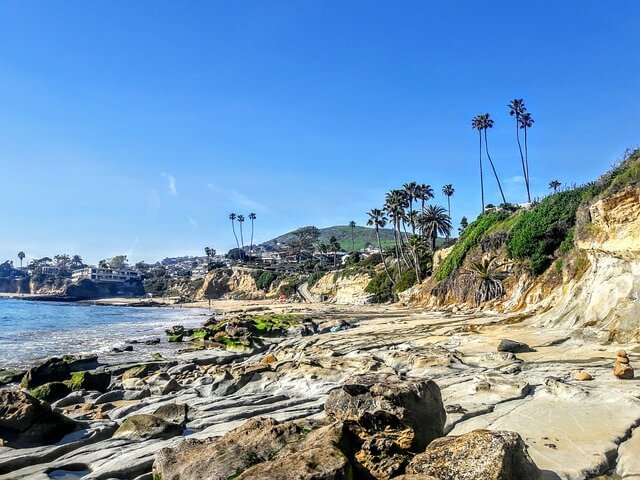
People decide what they think the “best beach” is based on a mix of personal values, experiences, and what they’re seeking at that moment in life. There isn’t a single universal standard—“best” shifts depending on who you are and why you’re going.
Here are the main ways people tend to make that judgment:
PERSONAL PURPOSE FOR THE TRIP
The biggest factor is why someone is going to the beach.
Relaxation seekers value quiet, soft sand, gentle waves, shade, and fewer people.
Adventure types prioritize surfing conditions, snorkeling reefs, diving, wind, or strong waves.
Social travelers look for beach bars, music, crowds, and nightlife.
Families favor calm water, lifeguards, restrooms, and easy access.
A beach that’s “perfect” for a surfer may be terrible for a family with kids—and vice versa.
EMOTIONAL AND MEMORY-BASED CONNECTIONS
For many people, the “best” beach is tied to memories rather than objective features.
First vacations
Childhood family trips
Romantic experiences
Moments of peace or healing
Nostalgia plays a huge role. A modest beach can rank higher than a world-famous one if it’s connected to meaningful life moments.
NATURAL BEAUTY AND SENSORY EXPERIENCE
Some people judge beaches almost artistically or spiritually.
Water clarity and color
Sand texture and cleanliness
Rock formations, cliffs, dunes, or palm trees
Wildlife (dolphins, sea turtles, birds)
Sounds, smells, and even how the light hits the water
For these people, a beach feels “right” or “wrong” instantly.
ACCESSIBILITY AND CONVENIENCE
Others value how easy the beach is to enjoy.
Parking or public access
Proximity to hotels or restaurants
Bathrooms, showers, boardwalks
Walkability and safety
A stunning but difficult-to-reach beach may rank lower than a more convenient one.
CROWD LEVELS AND VIBE
The energy of a beach matters.
Some love lively, buzzing beaches full of people.
Others want isolation, silence, and space.
Two people can visit the same beach on different days and come away with opposite opinions depending on crowd size and atmosphere.
CULTURAL INFLUENCE AND REPUTATION
Media and social influence shape opinions more than people realize.
“Top 10 Beaches” lists
Instagram photos
Travel blogs and documentaries
Word-of-mouth from trusted friends
Sometimes people label a beach “the best” because it’s widely recognized as such—even if it doesn’t fully match their personal preferences.
ENVIRONMENTAL VALUES
For some, a beach’s ethics, and preservation matter.
Cleanliness and conservation efforts
Protected marine life
Limited development
Sustainable tourism
A beach that feels respected and protected often ranks higher for environmentally minded travelers.
SEASON, WEATHER, AND TIMING
Perception changes with conditions.
Tide levels
Water temperature
Wind
Time of day or year
A beach visited at sunrise in perfect weather may feel magical, while the same beach in harsh sun or storms can feel unpleasant.
THE BIGGER PICTURE
Most people don’t consciously score beaches—they feel them. The “best beach” is usually where a person feels most aligned, relaxed, alive, or connected.
That’s why beach rankings vary so wildly—and why it’s completely normal for two people to disagree passionately about which beach is the best.
HOW PROFESSIONALS AND TRAVEL SITES RANK BEACHES
When professionals rank beaches, they try to remove emotion and focus on measurable traits, even though beaches are deeply personal experiences. Most rankings rely on a mix of natural quality, usability, and broad appeal.
They look closely at water conditions: clarity, cleanliness, color, and how safe it is for swimming. Calm, clear water almost always scores higher because it appeals to the largest number of people.
Sand quality also matters more than many realize. Fine, light-colored sand that stays cool and clean tends to rank better than rocky or coarse beaches, even if those are beautiful in their own way.
Accessibility plays a major role. Beaches that are easy to reach, clearly marked, and open to the public usually score higher than remote or difficult-to-access locations. Safety is another big factor. Lifeguards, gentle currents, and predictable conditions make a beach more “rankable” for mass audiences.
Professionals also consider cleanliness and management. Well-maintained beaches with trash control, erosion management, and environmental protections tend to perform better in rankings. Finally, they look at versatility. Beaches that work for families, swimmers, walkers, and casual visitors often rank higher than those that are amazing for one niche activity but unsuitable for most people.
What these rankings do well is highlight consistency and reliability. What they struggle with is capturing soul, solitude, and personal meaning.
WHY FAMOUS BEACHES SOMETIMES DISAPPOINT
Famous beaches often carry a heavy burden of expectation. People arrive expecting a life-changing experience, and when reality feels ordinary, the letdown can feel bigger than it should.
Crowds are the most common issue. Popular beaches attract visitors, vendors, noise, and congestion. The very thing that made the beach famous can strip it of the tranquility people imagine when they hear the word “paradise.”
Commercialization also changes the experience. Restaurants, shops, tours, and constant activity can overwhelm the natural setting. Some people love this energy, but others feel it distracts from the simplicity they associate with a great beach.
Timing matters more than reputation. A famous beach visited at the wrong time of day, wrong season, or during poor weather can feel underwhelming. Tides, wind, and lighting can dramatically alter how a beach looks and feels, yet most promotional images show it at its absolute best.
Another reason for disappointment is that famous beaches are designed to appeal to everyone. This often means they lack the specific qualities that make a beach feel special to someone with particular tastes, whether that’s solitude, wildlife, waves, or ruggedness.
HOW TO FIGURE OUT YOUR PERSONAL “BEST BEACH” CRITERIA
Finding your best beach starts with understanding yourself more than the shoreline.
The first question to ask is what you want to feel when you’re there. Rested, energized, adventurous, reflective, social, or inspired. Your answer immediately narrows the type of beach that will suit you.
Next, consider your tolerance for effort and inconvenience. Do you enjoy long walks, limited facilities, and rough terrain, or do you prefer easy access, shade, and nearby comforts? Neither is better, but they lead to quite different beaches.
Think about your relationship with people and space. Some people relax when surrounded by life and activity, while others only unwind when they can hear nothing but wind and water. Your ideal crowd level matters more than scenery.
Then look at what visually and physically draws you in. Water color, wave size, sand texture, temperature, wildlife, or dramatic landscapes. These preferences are often instinctive and worth paying attention to.
Finally, reflect on timing and season. A beach you love in early morning or off-season might not work for you during peak travel months. Sometimes the best beach isn’t a different location, it’s the same place experienced at a different time.
The best beach for you is the one that consistently gives you what you’re seeking, not the one with the most awards or recognition. Once you understand your own criteria, beach rankings become tools rather than authorities, and travel becomes far more satisfying.
The key is to stop asking whether a beach is objectively the best and start asking whether it’s the best for you. You can absolutely use what travel sites and other people say, but you have to filter that information instead of taking it at face value.
When you read a travel site’s description, pay close attention to what they praise, not the score or ranking. If they emphasize calm water, lifeguards, nearby resorts, and easy access, that tells you the beach is optimized for comfort and mass appeal.
If those things matter to you, that’s a good sign. If you’re more drawn to solitude, raw nature, or exploration, those same selling points might actually be warnings.
Look at what’s missing as much as what’s included. If a review never mentions crowds, parking, noise, or commercialization, it may be glossing over drawbacks.
Professional write-ups often highlight positives while quietly omitting deal-breakers for certain personalities.
When reading individual reviews, ignore the extreme opinions and focus on patterns. One person saying “too crowded” might be a fluke. Dozens saying it starts peaceful but gets packed by mid-morning is actionable information.
Repeated comments about wind, strong currents, rough sand, or limited shade tell you more than any five-star rating.
It also helps to notice who is speaking. A family traveler, a surfer, a luxury traveler, and a minimalist nature-lover can all visit the same beach and describe it completely differently. If you can identify reviewers whose priorities sound like yours, their opinions will carry far more weight than the general average.
Another useful approach is to translate vague praise into concrete realities. Phrases like “lively atmosphere” often mean crowds and noise. “Untouched” may mean few facilities. “Hidden gem” can mean difficult access. “Perfect for everyone” often means it’s not exceptional for anyone in particular.
Timing is crucial, and it’s often buried in the fine print. Ask yourself when the reviewer went. A beach described as serene in the off-season may feel chaotic during peak months. If you don’t match the timing, you won’t match the experience.
Finally, check in with your own history. Think about beaches you’ve loved and ones you didn’t. Were they quiet or busy? Rugged or polished? Warm or wild? Once you know those patterns, you can read travel content with clarity instead of confusion.
In the end, travel sites and other people aren’t telling you what you will think is the best beach. They’re giving you clues. The more you understand your own preferences, the easier it becomes to decode those clues and decide whether a beach will truly resonate with you—or simply look good on someone else’s list.
When someone says a beach is “the best,” they’re usually describing how that place made them feel rather than making a technical evaluation of sand, water, or scenery. The beach becomes a backdrop for an internal experience.
A beach that makes one person feel calm, grounded, and restored might make another feel bored or isolated. A beach that energizes someone with movement, people, and sound might overwhelm someone else. Neither person is wrong. The beach didn’t change — the emotional response did.
Feelings are shaped by many invisible factors: mood, life stage, expectations, timing, weather, and even what someone needed at that moment in their life. That’s why the same person can revisit a beach years later and feel completely differently about it.
This is also why rankings and reputation can only go so far. They measure features, popularity, and broad appeal, but they can’t measure peace, inspiration, nostalgia, or belonging. Those things are personal.
So when you hear people talk about the best beach, what they’re really saying is:
“This place gave me something meaningful when I was there.”
Once you see it that way, it becomes much easier to understand why opinions vary so widely — and why finding your best beach is less about following lists and more about paying attention to how a place affects you.
Different travel sites, expert panels, and traveler-review platforms all publish their own “best beaches in the world” lists based on different criteria: some focus on traveler reviews, some on expert judgments of natural beauty, others on overall experience.
TOP 25 BEACHES IN THE WORLD — COMBINED FROM MAJOR TRAVEL RANKINGS
These are drawn mainly from Tripadvisor’s Travelers’ Choice Awards (traveler-review-based) and the World’s 50 Best Beaches list (expert and editorial consensus). Forbes+1
Elafonissi Beach — Crete, Greece
Ranked by: Tripadvisor Travelers’ Choice
Why: Unique pink-tinged sand, clear shallow water, and natural reserve setting. greenMe
Banana Beach — Phuket, Thailand
Ranked by: Tripadvisor
Why: Snorkeling, coral, and scenic tropical setting. greenMe
Eagle Beach — Aruba, Caribbean
Ranked by: Tripadvisor
Why: Wide stretch of soft white sand and calm Caribbean waters. greenMe
Siesta Beach — Siesta Key, Florida, USA
Ranked by: Tripadvisor & World’s 50 Best
Why: Powder-white quartz sand that stays cool and beautiful shallow water. greenMe+1
Praia da Falésia — Algarve, Portugal
Ranked by: Tripadvisor
Why: Dramatic red cliffs overlooking long golden sands. greenMe
Playa Varadero — Varadero, Cuba
Ranked by: Tripadvisor
Why: Classic Caribbean resort beach with powder sand and clear sea. greenMe+1
Bavaro Beach — Punta Cana, Dominican Republic
Ranked by: Tripadvisor
Why: Turquoise waters, all-inclusive amenities, and expansive beaches. greenMe
Playa de Muro Beach — Mallorca, Spain
Ranked by: Tripadvisor
Why: Large, family-friendly beach with shallow, calm waters. greenMe
Kelingking Beach — Nusa Penida, Indonesia
Ranked by: Tripadvisor
Why: Dramatic cliff formations and world-famous viewpoint. greenMe
Myrtos Beach — Kefalonia Island, Greece
Ranked by: Tripadvisor
Why: Iconic white pebbles and deep blue sea contrast. greenMe
Anse Source d’Argent — La Digue, Seychelles
Ranked by: Multiple expert lists
Why: Striking granite boulders, vivid turquoise water, and soft sand. Wikipedia
Cala Goloritzè — Sardinia, Italy
Ranked by: World’s 50 Best Beaches
Why: Turquoise cove framed by limestone cliffs. Forbes
Entalula Beach — El Nido, Palawan, Philippines
Ranked by: World’s 50 Best
Why: Crystal-clear water and dramatic limestone backdrop. Forbes
Bang Bao Beach — Koh Kood, Thailand
Ranked by: World’s 50 Best
Why: Quiet, soft white sand and peaceful tropical atmosphere. Forbes
PK 9 Beach — Tikehau Atoll, French Polynesia
Ranked by: World’s 50 Best
Why: Pink-hued sand and coral reef lagoon. Forbes
Canto de la Playa — Dominican Republic
Ranked by: World’s 50 Best
Why: Unspoiled sand and natural charm. Forbes
Nosy Iranja — Madagascar
Ranked by: World’s 50 Best
Why: Two islands linked by a shimmering sandbar. Forbes
Ofu Beach — American Samoa
Ranked by: World’s 50 Best
Why: Remote tropical beauty. Forbes
Grace Bay — Turks & Caicos
Ranked by: World’s 50 Best & other travel sites
Why: Long wide sweep of soft sand and clear, calm water. Forbes
Turquoise Bay — Australia
Ranked by: World’s 50 Best
Why: Unbroken white sand and excellent snorkeling. Forbes
Shoal Bay East — Anguilla
Ranked by: World’s 50 Best
Why: Calm, shallow water ideal for swimming. Forbes
Pink Beach — Indonesia
Ranked by: World’s 50 Best
Why: Distinctive pink-tinted sand from coral. Forbes
Voutoumi Beach — Greece
Ranked by: World’s 50 Best
Why: Pristine blue water and scenic rocky backdrop. Forbes
One Foot Island — Cook Islands
Ranked by: World’s 50 Best
Why: Secluded lagoon beach perfect for swimming. Forbes
Playa Balandra — La Paz, Mexico
Ranked by: World’s 50 Best
Why: Calm, shallow water, and picturesque rock formations. Forbes
HOW AND WHY THESE BEACHES MAKE THE LISTS
TRAVELER REVIEWS (TRIPADVISOR)
Tripadvisor rankings are based on hundreds of thousands of traveler ratings and reviews. Beaches that score highly almost always receive praise for cleanliness, beauty, water quality, amenities, and overall visitor satisfaction. Forbes
EDITORIAL/EXPERT LISTS (WORLD’S 50 BEST BEACHES, FORBES, ETC.)
Editorial lists use a mix of editor judgment and on-the-ground exploration, sometimes incorporating expert beach ambassadors. Criteria often include:
natural beauty and uniqueness
water and sand quality
biodiversity
cultural or scenic value
accessibility and experience quality Forbes
WHY THEY’RE CONSIDERED “TOP”
While each list’s methodology differs, common themes include:
Scenic beauty: turquoise waters, dramatic cliffs, pink sands
Water quality: clarity, calm waves, ideal swimming
Sand quality: soft, fine, unique colors
Setting: remote or unspoiled environment
Visitor experience: safety, amenities, easy access
Travelers and experts alike value a balance of natural elements and overall beach experience. Forbes+1
A Quick Reality Check
A top ranking doesn’t guarantee that you will consider a beach your personal favorite. These lists reflect many people’s preferences or experts’ evaluations, which may not match your own beach priorities. They are best used as inspiration and starting points, not as definitive answers for everyone.
THIS MAY HELP YOU
CATEGORIZING TOP WORLD BEACHES BY EXPERIENCE TYPE
Most “top beaches” fall into a few clear categories. Once you know which categories resonate with you, rankings start to make sense.
CALM, CLASSIC, “EASY BEAUTY” BEACHES
Best for swimming, relaxing, long walks, and broad appeal.
These beaches tend to rank high because they work well for most people.
COMMON TRAITS
Soft white or light sand
Clear, calm water
Wide shoreline
Easy access
Minimal danger
EXAMPLES
Grace Bay (Turks & Caicos)
Eagle Beach (Aruba)
Siesta Beach (Florida, USA)
Playa Varadero (Cuba)
Bavaro Beach (Dominican Republic)
You’ll likely love these if
You want relaxation without effort, predictable conditions, and a stress-free beach day.
You may not love these if
You crave solitude, raw nature, or dramatic scenery.
DRAMATIC, PHOTOGENIC, “WOW-FACTOR” BEACHES
These dominate social media and editorial lists.
COMMON TRAITS
Cliffs, rock formations, or unique shapes
Deep blue water contrasts
Often more about viewing than swimming
Can be physically demanding to access
EXAMPLES
Kelingking Beach (Indonesia)
Cala Goloritzè (Italy)
Myrtos Beach (Greece)
Praia da Falésia (Portugal)
You’ll likely love these if
You value scenery, photography, and visual impact.
You may not love these if
You want long swims, comfort, or easy entry into the water.
REMOTE, UNTOUCHED, “SOULFUL” BEACHES
These often rank high on expert lists but lower on mass-review sites.
COMMON TRAITS
Limited development
Fewer people
Wildlife presence
Minimal amenities
Strong sense of place
EXAMPLES
Ofu Beach (American Samoa)
Nosy Iranja (Madagascar)
Entalula Beach (Philippines)
One Foot Island (Cook Islands)
You’ll likely love these if
You value solitude, reflection, and feeling removed from the modern world.
You may not love these if
You need convenience, restaurants, or quick access.
SNORKELING & MARINE-LIFE BEACHES
Rank highly with divers, swimmers, and nature lovers.
COMMON TRAITS
Coral reefs nearby
Exceptional water clarity
Shallow lagoons or reef protection
Rich biodiversity
EXAMPLES
Turquoise Bay (Australia)
Bang Bao Beach (Thailand)
PK 9 Beach (French Polynesia)
Anse Source d’Argent (Seychelles)
You’ll likely love these if
You enjoy being in the water more than lying on the sand.
You may not love these if
You prefer beach walking, lounging, or soft entry points.
LIVELY, SOCIAL, RESORT-ORIENTED BEACHES
These are often traveler favorites but emotionally polarizing.
COMMON TRAITS
Resorts and beach clubs
Vendors, music, and activity
Crowds during peak hours
Strong vacation energy
EXAMPLES
Banana Beach (Thailand)
Playa de Muro (Spain)
Parts of Grace Bay or Bavaro Beach
You’ll likely love these if
You enjoy energy, people-watching, and amenities.
You may not love these if
You associate beaches with quiet and simplicity.
SPECIFIC CRITERIA TO DECIDE IF YOU WOULD LIKE A BEACH
When reading about a beach, mentally run it through these filters.
WATER BEHAVIOR
Ask:
Is the water calm or rough?
Is swimming safe or advanced?
Is it shallow or does it drop off fast?
Calm water = relaxation
Rough water = excitement or danger, depending on your comfort level
SAND TYPE
Sand matters more than people realize.
Fine white sand: comfortable, classic
Pebbles or coarse sand: dramatic but less lounge-friendly
Pink or unique sand: visually striking, sometimes fragile
If a beach is pebbly, some people immediately downgrade it, no matter how beautiful it is.
CROWD REALITY
Translate language carefully.
“Popular” = crowded
“Vibrant” = noisy
“Hidden gem” = access challenges
“Family-friendly” = busy but safe
Crowds don’t make a beach bad — they just change for whom it’s.
EFFORT VS REWARD
Ask yourself honestly:
Am I okay with hiking, boats, or limited facilities?
Or do I want easy parking and nearby food?
Many “top beaches” disappoint simply because the effort required doesn’t match the visitor’s expectations.
YOUR EMOTIONAL GOAL
This is the most important filter.
Are you seeking:
Peace?
Awe?
Fun?
Connection?
Escape?
A beach that excels at one may completely fail at another.
THE BIG TAKEAWAY
Top-beach lists aren’t wrong — they’re incomplete.
They tell you which beaches perform exceptionally well within certain categories, but they can’t tell you which one will feel right to you. Once you recognize your preferred category and apply a few clear criteria, you’ll start predicting your reactions with surprising accuracy.
At that point, rankings stop feeling like hype and start feeling like useful signals.
The idea of a “best beach” isn’t something that exists in isolation on a map or in a ranking. It exists in the interaction between a place and a person.
The same stretch of sand can be calming or overwhelming, magical, or forgettable, depending on who arrives there and what they’re carrying with them at the time.
Travel lists, expert opinions, and glowing reviews are best understood as starting points, not verdicts. They highlight beaches that excel at certain qualities, but they don’t know your temperament, your pace, or what you’re hoping to feel when you step onto the sand. Once you recognize that, you’re no longer chasing someone else’s definition of paradise.
When you learn to read between the lines and match a beach’s traits with your own preferences, travel becomes more intentional and satisfying. Instead of wondering why a famous beach didn’t move you, you’ll start choosing places that quietly and consistently do.
Ultimately, the best beach for you is the one that gives you what you’re seeking without trying to impress you. It’s the place where you feel at ease, present, and connected — and that’s something no ranking can ever fully capture.
YOU CAN GO DEEPER INTO EVERYTHING WE DISCUSSED BY USING A MIX OF PROFESSIONAL RANKINGS, LONG-FORM TRAVEL JOURNALISM, USER EXPERIENCE PLATFORMS, AND MORE REFLECTIVE WRITING ABOUT TRAVEL AND PLACE. EACH TYPE FILLS A DIFFERENT GAP.
Authoritative beach rankings and expert lists
These help you understand why certain beaches repeatedly appear at the top and what criteria professionals use.
- World’s 50 Best Beaches – One of the most respected expert-driven lists, curated by travel writers, photographers, and destination experts. Particularly good for understanding natural beauty, uniqueness, and “sense of place.”
Website: world’s 50 best beaches (official site) - Forbes Travel / Forbes Travel Guide – Often publishes breakdowns of why certain beaches rank highly and how expert panels evaluate destinations.
Website: forbes.com (travel section) - Condé Nast Traveler – Excellent for context, storytelling, and understanding how beaches fit into broader travel experiences.
Website: cntraveler.com - National Geographic Travel – Best for beaches viewed through nature, conservation, and cultural lenses rather than hype.
Website: nationalgeographic.com/travel
Traveler-review platforms (use selectively)
These are most useful when you know how to filter them, as we discussed.
- Tripadvisor – Good for identifying patterns in crowd levels, accessibility, and recurring complaints or praise. Best used by reading the middle reviews, not just the highest or lowest.
Website: tripadvisor.com - Google Maps reviews – Often more current and blunt. Helpful for recent crowd conditions, parking realities, and seasonal changes.
Visual and experiential insight
These help you “feel” a beach before going, but they need interpretation.
- YouTube travel channels – Search for full-day beach walk-throughs or “no talking” beach videos rather than highlight reels. These show crowds, noise, and pacing more honestly.
- Photo essays from professional photographers – These reveal timing, lighting, and perspective, but remember they usually show the beach at its absolute best moment.
Deeper perspective on travel and personal experience
These help reinforce the idea that “best” is emotional and personal, not universal.
- Travel memoirs and long-form essays – Writers like Pico Iyer, Paul Theroux, or modern long-form travel blogs focus on how places affect people internally, not just what they look like.
- Place-based philosophy and nature writing – This kind of writing helps you articulate why certain landscapes resonate with you more than others.
How to use all of this together
Think of rankings as filters, reviews as reality checks, and reflective writing as clarity tools. When all three point in the same direction, you can be fairly confident a beach will align with you. When they conflict, that’s usually a sign the beach is highly dependent on personality, timing, or expectations.