




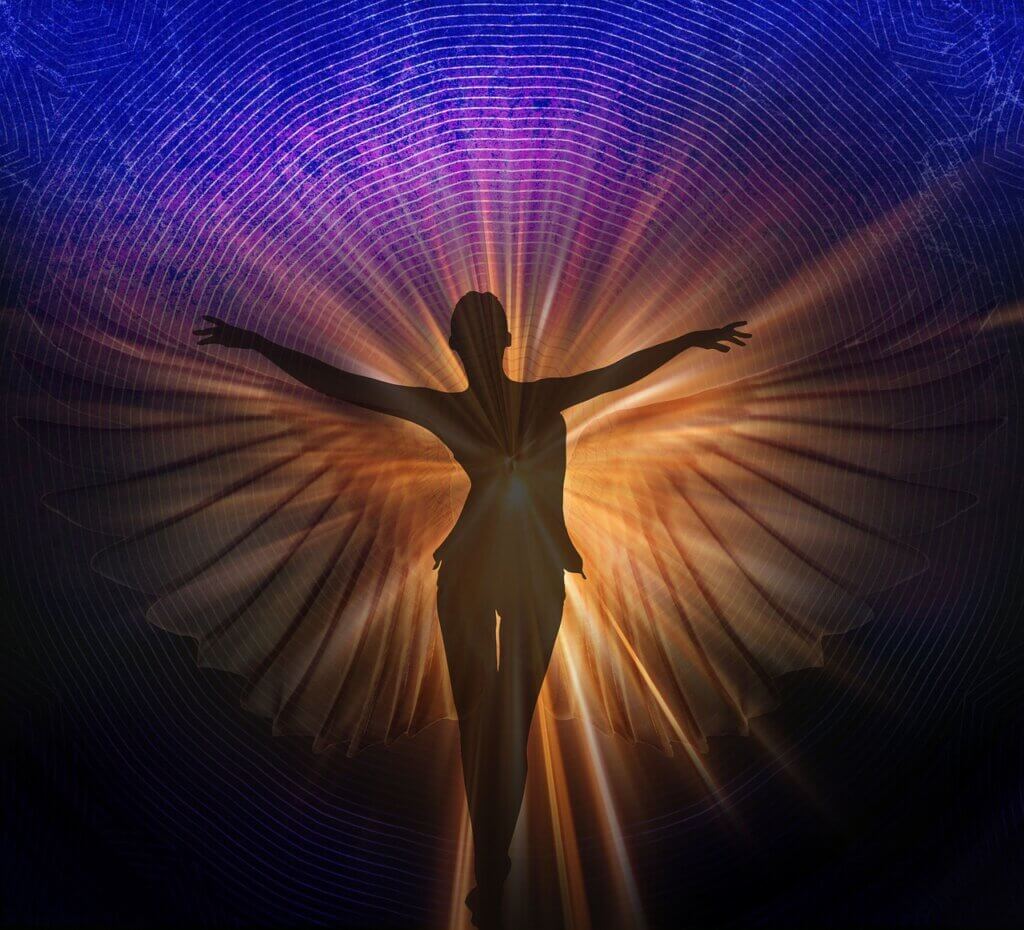
Ecstatic dance is, at its heart, a form of free-form movement and expression where people gather to dance without choreography, judgment, or the usual social expectations tied to dance clubs or performance.
It’s less about “looking good” and more about surrendering to rhythm, moving however your body feels called to, and allowing the music to guide you into a kind of meditative, sometimes even trance-like state. People often describe it as liberating because it bypasses the self-consciousness that structured dancing can bring.
You’ve probably been hearing more about it lately because it fits into a broader movement of practices that blend wellness, mindfulness, and community—similar to the rise of yoga, breathwork, or sound baths.
Ecstatic dance events often happen in yoga studios, community centers, or outdoor gatherings, and they tend to emphasize inclusivity, sobriety (no alcohol or drugs are typically allowed), and safe space for expression. It’s not unusual for participants to talk about it as a spiritual practice rather than just exercise.
As for its history, ecstatic dance isn’t new at all—it’s actually incredibly old. The roots go back to ancient cultures where dance was used as a way to connect with the divine, enter altered states of consciousness, or strengthen communal bonds.
Indigenous tribes across Africa, the Americas, and Oceania incorporated trance-dance rituals into ceremonies. Sufi whirling, shamanic dances, and Dionysian rites in ancient Greece are all examples of cultures using movement and rhythm to transcend ordinary awareness.
The modern “ecstatic dance movement” draws inspiration from these traditions, but it has been popularized in Western contexts since the late 20th century, especially through the work of Gabrielle Roth in the 1970s, who developed the “5Rhythms” practice.
From there, different approaches branched out, including what’s now called Ecstatic Dance, often linked with the community that grew in Hawaii and then spread worldwide.
The controversy comes from a few angles. For some, the free-flowing, spiritual tone of ecstatic dance can feel too “New Age” or culturally appropriative, especially when ancient indigenous or religious practices are borrowed without deep context.
Others are wary because ecstatic dance can be very intimate—dancing freely in close proximity to strangers can blur personal boundaries, which makes some uncomfortable.
There’s also the misconception that it’s a veiled way to promote drug use or that it overlaps too heavily with quasi-religious practices, which makes skeptics uneasy.
Finally, some critics see it as another wellness trend being commercialized, where something once rooted in communal tradition becomes packaged for a particular demographic.
At the same time, for many who participate, the experience feels deeply grounding and transformative—a way of reconnecting with both body and community in a society where people often feel disconnected.
There’s no set choreography or standardized steps in ecstatic dance the way there is with salsa, tango, ballroom, or even line dancing. The whole point is to move however feels natural in the moment. That’s why people sometimes call it “free-form movement” or “movement meditation.”
The music typically shifts in tempo and style throughout a session—it might start slowly, rise to an energetic peak, and then gradually soften again. As the music changes, people might move gently, stretch, jump, spin, or even lie on the floor. Some sessions encourage barefoot dancing to feel more grounded.
There are usually just a few guiding principles instead of steps, such as:
No talking on the dance floor so everyone can stay immersed in the experience.
Respect personal space—you can dance with others, but only if both people are open to it.
No judgment, no right or wrong moves—everyone is free to move as they feel.
In that sense, it’s closer to a personal journey than a performance. One person might look like they’re doing yoga flows, another might be bouncing wildly, and another might be moving very slowly with their eyes closed. It’s not about looking good—it’s about letting go.
WALKING INTO AN ECSTATIC DANCE GATHERING IS VERY DIFFERENT FROM STEPPING INTO A NIGHTCLUB OR FORMAL DANCE HALL
The first thing you notice is the atmosphere—it’s usually warm, welcoming, and intentionally set up to feel safe and inclusive. The lights are often dimmed, sometimes with soft colors or candles, to create a calming, almost sacred environment.
People are barefoot, dressed comfortably rather than fashionably, and there’s no bar, no alcohol, no pressure to “perform.”
At the start, there’s often a short opening circle. A facilitator might explain the simple guidelines—no talking on the dance floor, honor your own body’s limits, respect others’ space, and move however you feel called. Sometimes there’s a brief grounding exercise like deep breathing or gentle stretching to help everyone shift out of “thinking mode” and into “feeling mode.”
Then the music begins, usually with slower, ambient rhythms. At first, people may sway, stretch, or simply stand and close their eyes. As the tempo builds, the energy in the room changes—some start to spin, leap, or let their bodies find unusual movements they might never try in another setting.
The beauty is in the diversity: one corner may have someone flowing like a yogi, another may have someone stomping with primal intensity, while others are simply swaying gently, eyes closed, immersed in their own world.
The DJ or facilitator often curates the music to rise and fall like a wave—there’s a peak where the room feels electric, full of raw energy, and then a gentle descent into softer, more meditative sounds. During that descent, you might see people lying on the floor, moving slowly with eyes closed, or connecting with stillness after the release.
At the end, there’s often a closing circle where people gather again. Some may share reflections, but it’s just as common to close quietly, honoring the collective experience. Participants often describe leaving with a sense of clarity, emotional release, and even a touch of euphoria, like they’ve reset something inside themselves.
It’s part dance, part therapy, part spiritual practice—but all of it unfolds in a way that feels organic and personal.
You’ll definitely see traces of ecstatic dance in nightclubs and at music performances, though the intention and environment are usually quite different.
In a nightclub, people often move in ways that look a lot like ecstatic dance: free, unscripted, letting the beat guide them rather than following a formal style. The big difference is that nightclubs usually bring in elements that shift the focus—alcohol, socializing, flirting, and a certain pressure to “look good” or dance in ways that fit the scene. In ecstatic dance, all that is stripped away so the movement becomes more inward and personal rather than outward and performative.
At music festivals or concerts, especially electronic dance music (EDM) shows, you’ll also see people entering that same trance-like state. They close their eyes, let the music flow through them, and move in ways that are spontaneous and unplanned. In fact, some describe ecstatic dance as the sober cousin of a rave—it taps into that same release and energy, but without the substances, flashing lights, or late-night party culture.
And with performers, it’s interesting—many musicians and artists incorporate ecstatic-style movement into their shows. Think of how some singers or instrumentalists let their bodies move wildly, almost unconsciously, as they get lost in their own music. They’re not dancing for choreography; they’re channeling emotion through movement. That, too, is in the spirit of ecstatic dance.
So while ecstatic dance as a structured practice is usually found in wellness or community settings, the essence of it—free, uninhibited, deeply personal movement—shows up all the time in nightlife, festivals, and even on stage.
WHILE ECSTATIC DANCE AND RAVES OR NIGHTCLUBS CAN LOOK SIMILAR (LOTS OF PEOPLE MOVING FREELY TO MUSIC), THE UNDERLYING PURPOSE AND ATMOSPHERE ARE QUITE DIFFERENT
INTENTION
Ecstatic dance: The focus is inward. People come to move, release emotions, find connection with themselves, and sometimes treat it like meditation. It’s often spoken of as a spiritual or healing practice.
Raves/clubs: The focus is outward. People go to socialize, party, flirt, or escape. The dancing is often about fun and energy, but also tied to being seen by others.
ENVIRONMENT
Ecstatic dance: Usually alcohol-free and drug-free. Held in yoga studios, community centers, or outdoor spaces. Lighting is often soft and supportive, not flashy.
Raves/clubs: Alcohol and sometimes drugs are common. Loud, crowded venues with flashing lights, fog machines, and high-intensity stimulation.
SOCIAL DYNAMICS
Ecstatic dance: There’s no pressure to dance with anyone or look a certain way. Talking on the dance floor is discouraged, so people can stay immersed in their own experience.
Raves/clubs: Socializing is expected—people meet up, talk, and dance together. There’s often pressure around appearance, style, and movement.
MOVEMENT STYLE
Ecstatic dance: Completely free-form. You can roll on the floor, move slowly, jump wildly—it doesn’t matter. It’s about authenticity, not aesthetics.
Raves/clubs: Also free-form, but movements are often influenced by social cues and trends. People may still let loose, but there’s usually an element of performance for others.
ENERGY FLOW
Ecstatic dance: Music is curated like a wave—starting slow, peaking in intensity, then softening into stillness. The aim is emotional release and integration.
Raves/clubs: Music is often relentless, driving beats designed to keep the energy high and bodies moving late into the night.
COMMUNITY FEEL
Ecstatic dance: Emphasizes respect, consent, and creating a safe container for self-expression. Many communities have clear guidelines to protect this.
Raves/clubs: Community can still be powerful, especially at festivals, but it’s less structured. Boundaries can blur in the high-energy environment.
Ecstatic dance and raves both tap into that primal human urge to move with rhythm, but ecstatic dance strips away substances, performance pressure, and external stimulation to create a more mindful, inward-focused experience. Raves, on the other hand, celebrate intensity, sensory overload, and collective release in a more chaotic, party-driven way.
Humans seem drawn to these states because rhythm, music, and movement can profoundly alter our consciousness. When you dance freely for a long time, your body starts to release endorphins and other neurochemicals, your breathing deepens, and your awareness shifts.
Many people describe this as entering a “flow state” or “trance state.” In that state, you’re not consciously deciding every movement—your body is moving on its own, guided by rhythm and emotion rather than logic. It can feel like you’ve turned off the inner critic and tapped into something deeper, freer, even primal.
That’s why some describe it as if “something else is controlling them.” In spiritual traditions, this is often interpreted as divine energy, spirit, or universal life force moving through the dancer.
In psychological terms, it’s more about the subconscious being expressed without the interference of the rational mind. Either way, it can be an overwhelming and powerful experience.
And here’s where the controversy comes in:
Religious concerns: Some people see this surrender of control as dangerous, believing it opens people up to spiritual influence they don’t understand. In certain faith communities, ecstatic dance is sometimes criticized as pagan, hedonistic, or even demonic because it resembles ancient rituals where people danced themselves into trance to commune with gods or spirits.
Cultural concerns: Since many modern ecstatic dance practices borrow from indigenous, shamanic, or Eastern traditions, critics sometimes see it as cultural appropriation when those rituals are repackaged without their original meaning or context.
Skeptical concerns: Others, from a more secular perspective, feel uneasy about the intensity of the experience. Watching people move wildly, cry, shout, or collapse in exhaustion can look chaotic or even cult-like to an outsider.
On the flip side, supporters argue that this state of “being moved” is profoundly healing because it bypasses the analytical mind and allows the body to release stored stress, grief, or trauma in a safe way. For them, it’s not about losing control to an outside force but about reconnecting with an inner intelligence or energy that often gets suppressed in daily life.
So in a sense, ecstatic dance sits at the intersection of the mystical and the psychological—it feels ancient and spiritual, but it can also be understood as a natural human capacity to enter altered states through rhythm and movement.
THE THREE MAIN LENSES PEOPLE USE TO MAKE SENSE OF THE ECSTATIC DANCE EXPERIENCE
Each one frames the “altered state” very differently, which explains why some embrace it and others find it troubling.
THE RELIGIOUS OR SPIRITUAL LENS
In many faith traditions, ecstatic dance is seen as a way of opening oneself to the divine. Ancient cultures used dance to commune with gods, spirits, or ancestors. Even today, you see parallels in Sufi whirling (seeking closeness to God) or Pentecostal worship services where people move, sing, or even fall into “spirit-filled” states.
For those who value it spiritually, that sense of “something else moving me” is viewed as positive—God, spirit, or divine energy flowing through the body.
But for some religious groups, this surrender is viewed with suspicion. They see it as dangerous because it resembles pagan rituals or appears to bypass conscious control, which they may interpret as opening the door to negative spiritual forces. That’s one big source of controversy.
THE SCIENTIFIC/PSYCHOLOGICAL LENS
Neuroscience and psychology explain ecstatic states as natural outcomes of rhythm, repetition, and movement. When you dance freely to music for an extended period, brainwave patterns can shift, sometimes resembling meditative or trance states. Endorphins, dopamine, and other neurochemicals flood the system, creating feelings of joy, release, and even transcendence.
From this view, the sensation of being “moved” isn’t an external spirit but the brain’s own wiring responding to rhythm and movement in ways that loosen the grip of the rational, analytical mind.
Therapists sometimes compare it to somatic release, where the body processes emotions and trauma through physical expression. That’s why some people cry, laugh, or feel intense relief afterward.
Scientists don’t deny the power of the experience, but they frame it as a natural human capacity—not mystical, just biological.
THE CULTURAL/SOCIAL LENS
Culturally, ecstatic dance gets mixed reviews. Supporters see it as reclaiming something humans have done for millennia—dancing together not for show, but for community, healing, and joy. It feels like a remedy to modern life’s disconnection.
Critics, however, sometimes view it as appropriation when elements from indigenous or spiritual traditions are borrowed without context. They also worry about commercialization, where something once sacred becomes another wellness trend with ticket prices and branded experiences.
Outsiders may also find the atmosphere odd or even cult-like, especially when they see people writhing on the floor, moving wildly, or acting outside normal social rules. For those not immersed in it, the lack of structure and the intensity can feel unsettling.
When you put these lenses together, you see why ecstatic dance is both celebrated and controversial. For some, it’s spiritual communion; for others, it’s psychological release; and for still others, it’s either appropriation or just plain weird.
But at its root, ecstatic dance taps into something ancient and universal—our human tendency to move, chant, and rhythmically express ourselves until we slip out of the ordinary and into something beyond words.
THE WAY MANY HIPPIES DANCED IN THE 1960S, ESPECIALLY AT FESTIVALS LIKE WOODSTOCK OR DURING PSYCHEDELIC ROCK CONCERTS, HAD A LOT IN COMMON WITH WHAT WE NOW CALL ECSTATIC DANCE
Back then, the focus wasn’t on polished steps or partner dancing but on freedom, expression, and letting the music move the body. You’d see people spinning, swaying with their eyes closed, or flowing with loose, almost trance-like movements. It was less about performing for others and more about “dropping out” of social expectations and surrendering to rhythm, sound, and feeling.
A few things tie the two together:
Free-form movement: Hippie dance in the 60s often ignored traditional dance structures, just like ecstatic dance today.
Spiritual undertones: The counterculture of the 60s was heavily influenced by Eastern philosophy, mysticism, and altered states of consciousness, much like ecstatic dance borrows from shamanic and spiritual traditions.
Communal energy: Both settings create a sense of togetherness without strict rules—you’re all part of the same vibe, even if everyone’s moving differently.
Altered states: In the 60s, many people reached trance-like states through psychedelics. Ecstatic dance today aims to create a similar sense of release and transcendence, but often through sober, embodied movement.
The big difference is intention and framing. In the 60s, it was more tied to rebellion, counterculture, and often drug use. In modern ecstatic dance, it’s framed more as a wellness practice, spiritual exploration, or mindful community gathering. But if you look at old film reels of people dancing at San Francisco’s Haight-Ashbury gatherings or Woodstock, you’d instantly recognize the resemblance.
For the most part, ecstatic dance is considered safe—both physically and emotionally—especially since most communities have rules in place about consent, sobriety, and respecting boundaries.
Many people come away from it saying they feel lighter, clearer, or even healed. But like with almost any intense activity, there are some risks and stories of “bad” experiences.
Here are a few that have come up:
Physical Strain or Injury
Because the dance is unstructured, people sometimes push their bodies in ways they’re not used to—jumping, rolling, twisting, or moving wildly. That can lead to sprains, pulled muscles, or minor injuries, especially if someone isn’t tuned in to their limits.
Emotional Overwhelm
Ecstatic dance often brings buried emotions to the surface. Some participants have described being surprised by sudden waves of grief, anger, or trauma memories while moving. For many, this is cathartic, but for others it can feel frightening or destabilizing, especially if they weren’t prepared for it.
Boundary Issues
Because people dance close together, there have been cases where someone crosses personal boundaries—dancing too closely, touching without consent, or misreading signals. Most ecstatic dance communities are very strict about this and will intervene quickly, but misunderstandings can happen.
Psychological Concerns
For individuals with certain mental health conditions, entering a trance-like or altered state can sometimes trigger anxiety, confusion, or even dissociation. This isn’t common, but it’s something facilitators are aware of.
Social Misunderstandings
In some communities, ecstatic dance has been criticized for creating cult-like dynamics or for leaders abusing their authority. While not widespread, there have been occasional controversies around group dynamics, especially when the dance is tied to broader spiritual or wellness movements.
That said, compared to things like raves, nightclubs, or extreme sports, actual reports of serious harm are rare. Most of the “bad” that has happened tends to be on the level of discomfort, boundary violations, or someone feeling emotionally raw afterward.
The majority of people who attend describe it as one of the most freeing and healing experiences they’ve had—but the controversy usually comes more from how it looks from the outside or from religious/cultural concerns, rather than a pattern of actual harm.
Ecstatic dance sits at an unusual crossroads—it is ancient in spirit, yet modern in its revival. At its core, it is simply humans doing what they have always done: moving to rhythm in a way that bypasses the mind and taps into something deeper.
Whether seen through a spiritual, psychological, or cultural lens, it remains a practice that reflects humanity’s timeless need to connect through movement. Its growing popularity today is no surprise in a world where so many feel disconnected from their bodies, their emotions, and each other.
For its supporters, ecstatic dance is profoundly healing. It offers a safe space to express emotions, to sweat, to move without fear of judgment, and to reconnect with a sense of freedom that adulthood often strips away. For some, it feels like prayer in motion; for others, it is closer to therapy or meditation. The fact that so many different people can step into the same space and come away with such varied but meaningful experiences speaks to its versatility and power.
At the same time, the controversies surrounding ecstatic dance remind us of the importance of context, respect, and discernment. What feels liberating to one person may feel unsettling to another, especially when it challenges cultural or religious norms. By acknowledging both the history and the sensitivities surrounding ecstatic movement, communities can preserve the spirit of the practice while ensuring it remains inclusive and respectful.
In the end, ecstatic dance is not about choreography or performance, but about surrender. It is a reminder that sometimes the most natural way to heal or reconnect is not through words or logic, but through rhythm, breath, and movement. For those who step into it with openness, it can be a powerful journey inward, a communal celebration outward, and a bridge between the ancient and the modern.
IF YOU’RE INTERESTED IN DELVING DEEPER INTO ECSTATIC DANCE—ITS HISTORY, BENEFITS, CONTROVERSIES, AND HOW IT COMPARES TO OTHER DANCE FORMS—HERE ARE SOME RESOURCES TO GUIDE YOU:
📚 Understanding the History and Origins
- Ecstatic Dance Wiki: Offers a comprehensive overview of ecstatic dance, tracing its roots from ancient rituals to its modern revival. Wikipedia
- Ubuntu Bali: Explores the ancient tribal rituals and ceremonies that laid the groundwork for ecstatic dance, highlighting its spiritual and community aspects. Ubuntu Bali
- Manawa: Discusses the rise of ecstatic dance communities in the 2000s, particularly in Hawaii, and how they formalized the practice in a judgment-free, alcohol-free environment. Manawa
🧠 Exploring the Benefits and Risks
- Verywell Mind: Provides insights into how ecstatic dance can boost mood, reduce anxiety, and offer a space for emotional processing through intuitive movement. Verywell Mind
- UCLA Health: Highlights a study showing that conscious dance helps those struggling with depression and anxiety, emphasizing its therapeutic benefits. UCLA Health
- Integral Becoming: Discusses the physical health benefits of ecstatic dance, including improved brain health, strength, and flexibility. integralbecoming.com
⚠️ Addressing Controversies and Concerns
- The Guru Magazine: Covers a significant controversy involving Tyler Blank, a prominent figure in the ecstatic dance community, and the subsequent impact on the Bay Area dance scene. The Guru Magazine
- Change.org Petition: A petition expressing discomfort with Tyler Blank’s return to ecstatic dance events, reflecting community concerns about safety and leadership. Change.org
🎶 Comparing Ecstatic Dance to Other Dance Forms
- Medium: Provides a firsthand account of an ecstatic dance session, offering insights into the experience and how it differs from traditional dance forms. Medium