



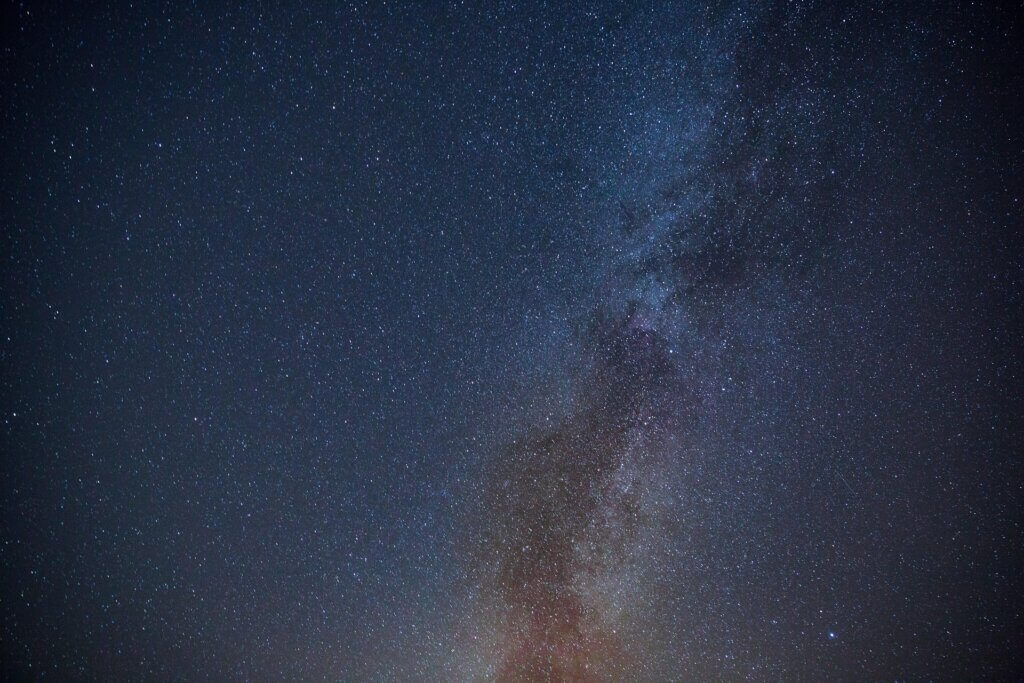
Star gazing is the simple yet profound act of observing the night sky and the celestial objects within it stars, planets, constellations, the Moon, meteors, and distant galaxies. At its core, it is both a scientific and a deeply human experience: part astronomy, part wonder, part quiet reflection on our place in the universe.
On a practical level, star gazing means stepping outside after dark and looking up. It can be as casual as noticing a bright planet on an evening walk, or as involved as using telescopes, binoculars, star charts, and apps to track specific objects millions or billions of miles away. Some people stargaze for relaxation, some for education, and others as a serious hobby tied to amateur astronomy.
On a deeper level, star gazing is one of humanity’s oldest activities. Long before modern science, people studied the stars to track seasons, navigate oceans, guide agriculture, and shape myths, religions, and philosophies.
The night sky served as both a calendar and a storybook, inspiring legends about heroes, gods, and cosmic order. In many ways, star gazing connects us to ancient civilizations who stood under the same sky, asking many of the same questions.
Emotionally and psychologically, star gazing often evokes awe, humility, and curiosity. Looking at the vastness of space can make daily worries feel smaller, spark creativity, and encourage big-picture thinking about life, meaning, and time. For some, it feels spiritual; for others, scientific; for many, it is simply peaceful and grounding.
Star gazing can be enjoyed alone in quiet contemplation or shared with friends, family, or community astronomy groups. It can happen in a rural field far from city lights or from a backyard with a clear view of the sky. You do not need expensive equipment to begin, even learning to recognize a few constellations or watching a meteor shower can be a rewarding entry point.
STAR GAZING AND WELL-BEING
It is widely considered true that star gazing can be good for people’s well-being, both mentally and emotionally, and even in subtle physical ways. While it may seem like a simple pastime, it taps into several powerful psychological and human needs that support a healthier, more balanced life.
One of the biggest benefits is stress reduction. Looking at the night sky naturally slows the mind and shifts attention away from daily pressures, screens, and responsibilities. The quiet, darkness, and vastness of space can calm racing thoughts and promote a sense of peace. Many people describe star gazing as meditative, similar to mindfulness or prayer, because it encourages stillness and focused awareness.
Star gazing also promotes a feeling of awe, and awe is linked to improved mental health. When people experience something vast and beautiful like a star-filled sky, they often feel more humble, less self-centered, and more connected to something greater than themselves. Research suggests that awe can reduce anxiety, increase life satisfaction, and even encourage kindness and gratitude.
It can also help with perspective and emotional resilience. Seeing the immense scale of the universe can make everyday problems feel more manageable and remind people that setbacks and worries are often temporary. This broader perspective can support emotional strength, patience, and hope during difficult times.
There are cognitive benefits as well. Star gazing stimulates curiosity, learning, and imagination. Identifying constellations, tracking planets, or learning about galaxies exercises the brain and keeps the mind engaged.
It can be especially beneficial for children, fostering interest in science, critical thinking, and creativity, but adults benefit just as much from keeping their sense of wonder alive.
Physically, star gazing often encourages people to spend time outdoors, breathe fresh air, walk to darker locations, and reduce screen exposure. Less artificial light and fewer screens at night can support healthier sleep patterns and circadian rhythms, especially when people avoid bright blue light before bed.
Socially and spiritually, it can strengthen bonds and deepen meaning. Families, couples, and friends often create lasting memories while watching meteor showers or identifying constellations together. For many people, star gazing also inspires spiritual reflection, gratitude, and a deeper appreciation for creation, existence, and time.
In short, star gazing is not just a hobby; it can be a gentle form of therapy, a source of inspiration, and a meaningful way to care for mental and emotional well-being.
THE HISTORY OF STAR GAZING
Star gazing is one of the oldest human activities. Long before telescopes or science, people looked to the sky for survival, meaning, and guidance.
Ancient civilizations used the stars as tools. Farmers tracked star patterns to know when to plant and harvest. Sailors navigated oceans using constellations. Nomadic tribes used the night sky as a map.
Many cultures also built spiritual and mythological meaning around the stars. The Greeks told stories of heroes placed in the heavens as constellations. The Egyptians aligned pyramids with certain stars. The Maya tracked celestial cycles with astonishing accuracy. In China, India, the Middle East, and Indigenous cultures worldwide, the sky was seen as sacred and full of symbolic meaning.
Over time, star gazing evolved into astronomy. Figures like Copernicus, Galileo, Kepler, and Newton transformed sky-watching from mythology into scientific discovery. Telescopes revealed moons around Jupiter, rings around Saturn, distant galaxies, and the vast structure of the universe.
Yet even today, star gazing remains both scientific and deeply human, connecting modern observers to ancient sky-watchers across thousands of years.
WHAT PEOPLE TYPICALLY LOOK FOR IN THE NIGHT SKY
When people stargaze, they often focus on several main types of celestial objects.
Stars and constellations are usually the starting point. People learn to recognize patterns like Orion, the Big Dipper, Cassiopeia, and Scorpius. These patterns help orient viewers across the sky.
The Moon is one of the most captivating objects. People watch its phases, craters, shadows, and brightness changes throughout the month.
Planets are another favorite. Venus, Mars, Jupiter, and Saturn are often visible without a telescope. Unlike stars, planets do not twinkle much and appear brighter and steadier.
Meteor showers draw major attention. Watching shooting stars streak across the sky can be thrilling and poetic.
The Milky Way is one of the most breathtaking sights under dark skies. It appears as a glowing band of dense stars stretching across the night.
Deep-sky objects such as galaxies, nebulae, and star clusters attract more advanced stargazers using binoculars or telescopes.
Some people also track satellites, space stations, comets, eclipses, and rare astronomical events.
HOW TO GET STARTED AS A BEGINNER
Getting into star gazing does not require expensive gear. In fact, the best way to begin is with your own eyes.
Start by finding a darker location away from city lights, even if it is just a quiet backyard or park. Allow your eyes about 15 to 30 minutes to adjust to the darkness.
Learn a few major constellations first. The Big Dipper is a great starting point because it helps you find the North Star. Orion is another easy and beautiful constellation to recognize.
A simple star map or mobile app can help identify what you are seeing. These tools make it easier to connect patterns and track planets.
Once comfortable, binoculars are an excellent next step. They are affordable, portable, and surprisingly powerful for viewing craters on the Moon, star clusters, and bright nebulae.
If interest grows, a beginner telescope can open the door to seeing Saturn’s rings, Jupiter’s moons, and distant galaxies.
Joining a local astronomy club or attending public star parties can also make learning more fun and social.
WHY SOME PEOPLE FEEL DEEPLY DRAWN TO THE STARS
The pull toward the night sky is almost universal, and there are several meaningful reasons for this.
Some people feel a sense of awe and humility. The immense scale of space makes everyday worries feel smaller and life feel more meaningful.
Others feel curiosity and wonder. The stars spark questions about time, existence, origins, and the future.
Many feel emotional comfort and peace. The night sky is quiet, steady, and timeless, offering a calm contrast to the noise of modern life.
There is also a spiritual or philosophical draw. Across cultures and faiths, the stars symbolize divine creation, destiny, eternity, and guidance. For some, looking at the stars feels like contemplating something sacred or eternal.
Nostalgia plays a role as well. Star gazing often reminds people of childhood, camping trips, loved ones, or moments of reflection.
At a deeper psychological level, humans may be drawn to the stars because we evolved under them. For most of human history, the night sky was bright, visible, and meaningful. That ancient connection still lives in us.
A MONTH-BY-MONTH GUIDE TO THE BEST THINGS TO SEE IN THE NIGHT SKY
What is visible can vary slightly by location, but this is a general guide for mid-northern latitudes.
January
January skies are crisp and often noticeably clear.
Best sights include Orion at its brightest, the Pleiades star cluster, Sirius (the brightest star in the night sky), and Jupiter and Mars if visible that year. Winter constellations dominate, making it one of the best months for bright, dramatic star fields.
February
Orion remains a centerpiece, along with Taurus and Gemini.
Bright stars like Betelgeuse, Rigel, and Aldebaran stand out. The Moon often looks especially sharp due to winter clarity. Excellent time for beginners learning constellations.
March
Spring constellations begin to rise.
Leo becomes prominent, along with Cancer and Virgo. Galaxies such as the Whirlpool Galaxy and other deep-sky objects become easier to observe with binoculars or telescopes.
April
Galaxy season begins in earnest.
Virgo and Coma Berenices host many distant galaxies. This month is ideal for deeper sky exploration rather than bright constellations.
May
The Big Dipper sits high in the sky and serves as a guide to other stars.
Boötes and Virgo remain strong. Late May often offers good chances to see satellites and space station passes.
June
The nights shorten, but summer constellations begin appearing.
Scorpius and Sagittarius rise in the south. The center of the Milky Way starts becoming visible in darker locations.
July
Milky Way season begins.
Sagittarius, Scorpius, and Cygnus dominate. This is one of the best months for viewing dense star clouds and nebulae under dark skies.
August
Peak Milky Way viewing.
The Perseid meteor shower is one of the best of the year. Warm weather makes this a favorite month for casual stargazers.
September
The Milky Way remains visible early in the evening.
Andromeda Galaxy becomes easier to spot. Pegasus and Aquarius rise.
October
Autumn constellations take center stage.
Andromeda Galaxy is prominent. Fewer bright stars, but excellent for deep-sky observing.
November
Longer nights return.
The Leonid meteor shower can be active. Taurus and the Pleiades begin returning to evening skies.
December
Winter constellations return in full.
Orion, Gemini, Taurus, and bright stars like Sirius dominate again. One of the best months for dramatic, high-contrast skies.
THE PSYCHOLOGICAL PROFILE OF PEOPLE WHO LOVE STAR GAZING
People who are drawn to star gazing often share certain emotional, cognitive, and personality traits. This does not mean everyone fits the same mold, but patterns tend to emerge.
They Are Naturally Curious and Wonder-Driven
Star lovers often have a strong sense of curiosity about life, space, time, and meaning.
They enjoy big questions:
Where did we come from?
How vast is the universe?
What lies beyond what we can see?
They tend to be lifelong learners who enjoy exploration, whether scientific, philosophical, or spiritual.
They Often Have a Reflective or Philosophical Nature
Many stargazers are deep thinkers.
They reflect on:
The meaning of life
The passage of time
Human purpose
The nature of existence
They are often comfortable sitting with big, open-ended questions rather than needing quick answers.
They Are Drawn to Awe, Beauty, and Transcendence
Star gazing appeals to people who deeply value beauty, grandeur, and moments of awe.
They are moved by things larger than themselves, such as nature, music, art, or the cosmos.
These individuals often feel emotionally uplifted by vast landscapes, oceans, mountains, or night skies.
They Tend to Be Calm, Patient, and Observant
Star gazing requires stillness and patience.
People who love it often:
Enjoy quiet
Notice subtle details
Are comfortable being alone
Prefer slow, meaningful experiences over constant stimulation
They often appreciate silence more than most.
They May Be Emotionally Sensitive or Deep Feelers
Many people drawn to the stars feel emotions strongly.
They may experience:
Nostalgia
Melancholy
Hope
Peace
Longing
A sense of cosmic connection
The stars can feel comforting, healing, or deeply meaningful to them.
They Often Have a Spiritual or Existential Side
Some stargazers are religious or spiritual.
Others are secular but deeply existential.
Either way, they often feel the stars symbolize:
Creation
Eternity
God or divine order
Infinity
Human smallness and dignity
The night sky becomes a place of contemplation and reverence.
They Often Seek Perspective and Humility
People who love the stars often value perspective.
They appreciate being reminded that:
The world is bigger than their worries
Time is vast
Human life is both small and precious
This can make them more grounded, grateful, and emotionally resilient.
They May Be Introverted or Creatively Oriented
Many stargazers lean toward introversion, creativity, or imagination.
Writers, artists, philosophers, scientists, and dreamers are often drawn to the night sky.
They enjoy solitude not because they dislike people, but because solitude fuels their inner world.
They Often Feel a Sense of Longing or Cosmic Nostalgia
Some people feel a subtle emotional pull toward the stars, almost like remembering something ancient or distant.
This can show up as:
A longing for meaning
A fascination with the unknown
A feeling that life is part of something much larger
It can be poetic, emotional, or quietly profound.
MANY PEOPLE FEEL EMOTIONALLY HEALED BY LOOKING AT THE NIGHT SKY BECAUSE IT TOUCHES DEEP PSYCHOLOGICAL, EMOTIONAL, AND EVEN SPIRITUAL PARTS OF THE HUMAN EXPERIENCE
The Night Sky Creates a Sense of Perspective
One of the most powerful effects of looking at the stars is perspective. When someone looks up at a vast universe filled with galaxies, planets, and ancient light, their personal worries often feel smaller and more manageable.
Problems that once felt overwhelming can seem less absolute. Pain, stress, and frustration are placed in a broader context. This does not make difficulties disappear, but it can soften their emotional weight and restore a sense of balance.
For many people, this shift in perspective brings relief, humility, and renewed emotional strength.
It Evokes Awe, and Awe Is Emotionally Restorative
The night sky naturally inspires awe. Awe is the feeling we get when we encounter something vast, beautiful, or greater than ourselves.
Psychologically, awe can:
Reduce anxiety and rumination
Decrease feelings of isolation
Increase gratitude and life satisfaction
Encourage calm and emotional openness
When people experience awe, they often feel more connected to the world and less trapped in their own mental loops. This can feel like emotional release or mental cleansing.
The Stars Encourage Stillness and Calm
Star gazing tends to slow people down. It invites silence, patience, and gentle focus.
In a world full of constant stimulation, notifications, noise, and pressure, the night sky offers a rare kind of quiet. This quiet allows emotions to settle. It gives the mind space to breathe and the heart space to process feelings.
For some, it functions like meditation. For others, like prayer. Either way, it creates an environment where emotional tension can ease.
It Helps People Process Pain, Loss, and Longing
Many people turn to the night sky during times of grief, heartbreak, or deep emotion.
The stars can feel like:
Silent companions
A reminder that life continues beyond this moment
A symbol of eternity or enduring presence
A place to direct thoughts about loved ones
The steady, timeless nature of the sky can be comforting when life feels fragile or uncertain. It gives people a sense that meaning, memory, and love extend beyond immediate circumstances.
The Night Sky Restores a Sense of Meaning
Looking at the stars often stirs questions about purpose, existence, and significance.
Instead of feeling trapped in small, everyday concerns, people may feel reminded that their life is part of a much larger story. This can restore:
Hope
Motivation
Faith in life’s value
A sense of calling or direction
For some, this meaning is scientific. For others, philosophical or spiritual. But in many cases, it renews emotional resilience.
It Creates a Feeling of Connection Rather Than Isolation
Despite the vastness of space, star gazing often reduces feelings of loneliness.
People may feel connected to:
Humanity across time, since humans have looked at these same stars for thousands of years
Loved ones who shared moments under the same sky
Nature and the cosmos
Something divine or eternal
This sense of connection can soothe feelings of alienation and emotional isolation.
It Awakens Nostalgia and Gentle Emotional Reflection
The night sky often reminds people of childhood, camping trips, peaceful nights, or moments of wonder.
This nostalgia can be healing because it reconnects people to simpler feelings of hope, innocence, and imagination. It can also remind them of who they were before life became heavy or complicated.
That reconnection can feel emotionally restorative.
For Some, It Feels Spiritually or Morally Uplifting
Many people experience the night sky as sacred or morally grounding.
It can inspire feelings of:
Reverence
Gratitude
Humility
Trust in a higher order or divine design
For people shaped by faith, philosophy, or Stoic thought, the stars can remind them of order, eternity, discipline, and the beauty of creation. This can strengthen emotional stability and moral clarity.
It Allows People to Feel Small in a Healthy Way
There is a healing kind of “smallness” that comes from looking at the universe.
Rather than making people feel insignificant in a negative way, it can free them from ego, pressure, and perfectionism. It reminds them they do not have to carry everything alone or control everything.
That release can feel emotionally liberating.
Star gazing, at its heart, is far more than simply looking at distant points of light. It is an ancient human practice that blends science, history, emotion, spirituality, and wonder into a single experience.
From the earliest civilizations that used the stars for navigation, storytelling, and timekeeping, to modern observers exploring galaxies with telescopes, the night sky has always served as both a guide and a mirror reflecting humanity’s curiosity and longing for meaning.
Across the seasons, the sky offers a living calendar of beauty and discovery. Each month brings new constellations, planets, meteor showers, and deep-sky treasures, giving people a reason to step outside, slow down, and reconnect with something vast and timeless.
Whether someone is spotting Orion in winter, the Milky Way in summer, or the Andromeda Galaxy in autumn, star gazing offers a sense of rhythm, anticipation, and ongoing wonder.
On a deeper level, the emotional and psychological pull of the stars reveals something important about human nature. Those drawn to star gazing often share traits such as curiosity, introspection, creativity, patience, and a love for awe.
Many feel emotionally restored by the night sky because it offers perspective, calm, and a reminder that life is part of something far greater than daily stress and worry. The stars can soften grief, quiet anxiety, inspire gratitude, and awaken hope.
For some, looking up at the heavens carries spiritual or philosophical meaning. It can stir reverence, humility, and trust in a greater order, whether understood through faith, science, or personal reflection. For others, it simply brings peace a quiet reminder of beauty, mystery, and continuity in a world that often feels chaotic or rushed.
In this way, star gazing becomes both a personal refuge and a shared human tradition. It connects us to ancient sky-watchers, to future generations who will look up at the same stars, and to the deeper questions about existence, purpose, and wonder.
Whether approached as a hobby, a science, a spiritual practice, or a source of emotional healing, the night sky remains one of the most enduring and meaningful experiences available to us.
HERE IS A CURATED LIST OF HIGH-QUALITY RESOURCES WHERE YOU CAN LEARN MORE ABOUT EVERYTHING WE DISCUSSED STAR GAZING, ITS HISTORY, WHAT TO SEE IN THE NIGHT SKY, EMOTIONAL AND PSYCHOLOGICAL BENEFITS, AND THE DEEPER MEANING PEOPLE FIND IN THE STARS.
Star Gazing Basics and Astronomy Learning
NASA Astronomy Basics
https://science.nasa.gov/astronomy/
NASA Night Sky Guide
https://skyandtelescope.org/astronomy-resources/
Sky & Telescope (Excellent for beginners and advanced stargazers)
https://skyandtelescope.org/
Astronomy.com
https://www.astronomy.com/
Monthly Night Sky Guides and What to See
NASA Night Sky Updates
https://solarsystem.nasa.gov/skywatching/home/
Time and Date Sky Calendar
https://www.timeanddate.com/astronomy/
EarthSky Night Sky News
https://earthsky.org/astronomy-essentials/
In-The-Sky Monthly Guide
https://in-the-sky.org/
Constellations, Stars, and Deep-Sky Objects
International Astronomical Union Star Maps
https://www.iau.org/public/themes/constellations/
Stellarium (Interactive Sky Map)
https://stellarium.org/
Sky Map Online
https://skymaponline.net/
History of Star Gazing and Ancient Astronomy
Smithsonian Astronomy History
https://www.si.edu/spotlight/astronomy
Britannica History of Astronomy
https://www.britannica.com/science/astronomy
Library of Congress Astronomy History
https://www.loc.gov/collections/astronomy-and-astrophysics/
Psychology of Awe, Wonder, and Emotional Healing
Greater Good Science Center (Awe and Well-Being)
https://greatergood.berkeley.edu/topic/awe
Psychology Today on Awe and Perspective
https://www.psychologytoday.com/
Scientific American on Awe and the Brain
https://www.scientificamerican.com/
Spiritual, Philosophical, and Existential Reflections on the Cosmos
Stanford Encyclopedia of Philosophy – Philosophy of Cosmology
https://plato.stanford.edu/
Bible Passages About the Heavens (for spiritual reflection)
https://www.openbible.info/topics/heavens
Stoic Philosophy and Nature
https://iep.utm.edu/stoicism/
Light Pollution, Dark Skies, and Better Viewing
International Dark-Sky Association
https://darksky.org/
Light Pollution Map
https://www.lightpollutionmap.info/
Communities, Clubs, and Star Parties
Astronomical League
https://www.astroleague.org/
NASA Night Sky Network (Local astronomy events)
https://nightsky.jpl.nasa.gov/
Cloudy Nights Astronomy Community
https://www.cloudynights.com/