


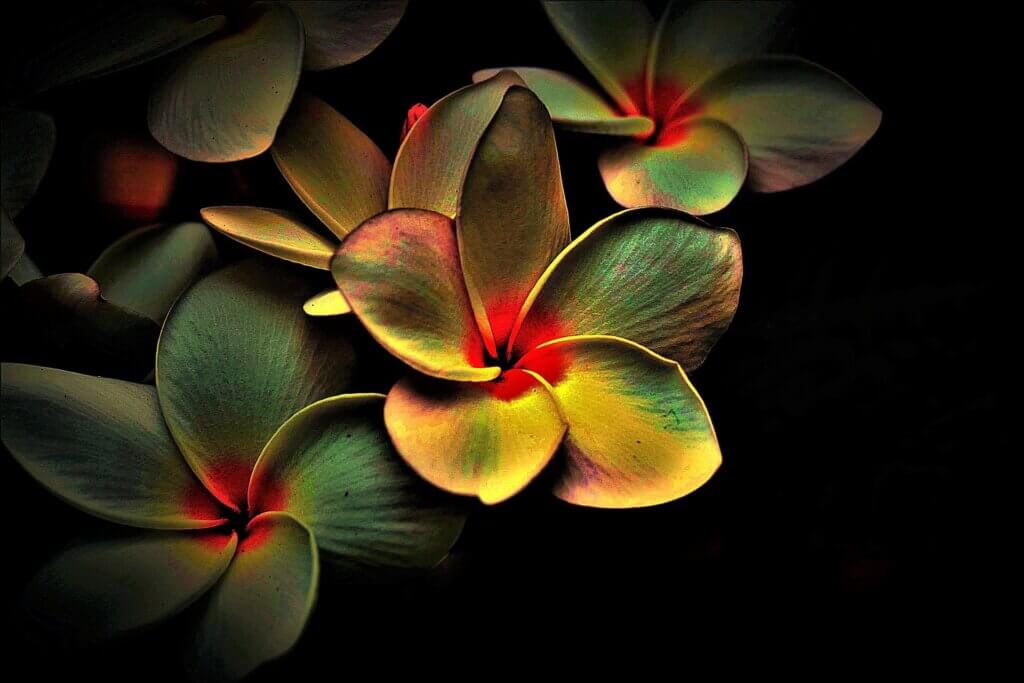
Flowers are one of nature’s most beautiful and meaningful creations. They appear simple at first glance, yet they represent millions of years of evolution, complex biology, cultural symbolism, and essential ecological roles.
UNDERSTANDING WHAT A FLOWER IS
A flower is the reproductive structure of flowering plants, also called angiosperms. In simple terms, a flower is a plant’s way of producing seeds so the species can continue.
Beyond reproduction, flowers are specialized biological systems designed to:
Attract pollinators such as bees, butterflies, birds, and bats
Protect the plant’s reproductive organs
Enable fertilization and seed formation
Support genetic diversity through cross-pollination
Each flower typically includes petals, sepals, stamens (male parts), and pistils or carpels (female parts), all working together in a finely tuned process.
THE NUMBER OF TYPES OF FLOWERS THERE ARE
There are an estimated 300,000 to 400,000 species of flowering plants worldwide, and scientists continue to discover new ones. These species vary widely in:
Size (from tiny duckweed flowers to giant tropical blooms)
Shape and structure
Color and fragrance
Lifespan (annuals, biennials, and perennials)
Habitat (deserts, rainforests, mountains, wetlands, and oceanside environments)
Flowers range from familiar garden favorites like roses and tulips to rare, exotic species that bloom only once every few years.
THE ORIGINS AND HISTORY OF FLOWERS
Flowers evolved roughly 130–150 million years ago, during the age of dinosaurs. Their emergence transformed plant life on Earth.
Before flowers, plants relied on wind or water to spread pollen. Flowers introduced a revolutionary strategy: partnering with animals. Bright colors, nectar, scent, and shape evolved to attract pollinators, making reproduction more efficient and accelerating plant diversity.
Over time:
Flowers co-evolved with insects, birds, and mammals
Entire ecosystems formed around flowering plants
Human civilizations began cultivating flowers for beauty, medicine, religion, and food
Ancient cultures, including those in Egypt, China, India, Greece, and Mesoamerica, celebrated flowers in art, mythology, healing traditions, and sacred rituals.
THE PURPOSE OF FLOWERS IN NATURE
The primary biological purpose of flowers is reproduction, but their role extends far beyond that.
Reproduction and Genetic Diversity
Flowers enable fertilization, seed production, and plant evolution by encouraging cross-pollination.
Supporting Pollinators
Flowers provide nectar and pollen as food sources for bees, butterflies, birds, and other pollinators that are vital to ecosystems and agriculture.
Sustaining Food Chains
Many fruits, vegetables, nuts, and grains originate from flowering plants. Without flowers, a massive portion of the global food supply would not exist.
Stabilizing Ecosystems
Flowering plants help:
Prevent soil erosion
Improve air quality
Regulate climate
Support wildlife habitats
Producing Medicines and Useful Compounds
Many modern and traditional medicines come from flowers and flowering plants, including treatments for pain, inflammation, infections, and heart conditions.
WHY FLOWERS MATTER TO US
Flowers are not only biologically important; they also serve deep emotional, cultural, and spiritual roles.
Beauty and Emotional Well-Being
Flowers have been shown to reduce stress, lift mood, inspire creativity, and promote feelings of peace and joy.
Symbolism and Meaning
Different flowers symbolize love, grief, hope, celebration, purity, remembrance, and renewal. Across cultures, they are used in weddings, funerals, festivals, and religious ceremonies.
Economic and Agricultural Importance
Flowers support industries such as:
Farming and food production
Perfume and cosmetics
Landscaping and floristry
Herbal medicine and supplements
Spiritual and Philosophical Meaning
Flowers often represent:
The fleeting nature of life
Growth and renewal
The balance between beauty and impermanence
The connection between nature and the human spirit
INTERESTING AND SURPRISING FACTS ABOUT FLOWERS
Some flowers mimic insects to attract pollinators.
Others bloom only at night or once every several years.
Certain species can change color depending on soil chemistry.
Some flowers produce heat to spread scent or attract insects.
A few rare flowers smell unpleasant to lure specific pollinators.
Flowers can communicate with pollinators through scent patterns and ultraviolet markings invisible to human eyes.
WHY WE TRULY NEED FLOWERS
Without flowers, ecosystems would collapse, pollinators would disappear, global food systems would fail, and biodiversity would drastically shrink. But beyond survival, flowers give humanity something equally vital: beauty, inspiration, meaning, and connection to nature.
They remind us of growth, patience, renewal, fragility, and wonder. Flowers serve both the practical needs of the planet and the emotional and spiritual needs of people.
Flowers are far more than decorative plants. They are ancient innovators, ecological cornerstones, artistic muses, medicinal resources, and symbols of life’s deeper rhythms. Their quiet presence supports entire ecosystems while offering humans moments of beauty, reflection, and joy.
Flowers have long been more than natural decorations. Across civilizations and throughout history, they have carried deep symbolic meaning and have influenced human emotions, mental health, and overall well-being.
Their colors, shapes, scents, and life cycles speak to universal human experiences such as love, grief, hope, renewal, and impermanence.
THE SYMBOLISM OF FLOWERS ACROSS CULTURES
Universal Themes in Flower Symbolism
Across many societies, flowers commonly represent:
Life and renewal
Love and devotion
Purity and innocence
Mortality and the passage of time
Spiritual awakening
Celebration and remembrance
Because flowers bloom, wither, and return in cycles, they have become natural metaphors for human life and the rhythms of existence.
FLOWER SYMBOLISM IN DIFFERENT CULTURES
ANCIENT EGYPT
Flowers symbolized rebirth and divine power. The lotus, which blooms each morning, represented creation, resurrection, and the cycle of life.
ANCIENT GREECE AND ROME
Flowers were tied to gods, myths, and emotions. Roses symbolized love and beauty, while laurel wreaths represented victory, honor, and wisdom.
CHINA
Flowers carry layered meanings:
Plum blossom symbolizes perseverance and resilience
Peony represents wealth, honor, and prosperity
Chrysanthemum symbolizes longevity and autumn
Flowers are deeply integrated into Chinese art, poetry, and philosophy.
JAPAN
Floral symbolism reflects impermanence and mindfulness. Cherry blossoms symbolize the fleeting nature of life and the beauty of the present moment. This aligns closely with Buddhist teachings on transience.
INDIA
Flowers hold spiritual and devotional meaning. Lotus flowers symbolize purity, enlightenment, and divine grace. Flowers are widely used in religious offerings and ceremonies.
EUROPE AND THE VICTORIAN ERA
Victorians developed a detailed “language of flowers,” where specific blooms conveyed secret messages.
Red rose meant love
Lily meant purity
Violet meant modesty
Forget-me-not symbolized remembrance
This turned flowers into emotional and social communication tools.
INDIGENOUS AND FOLK TRADITIONS
Many indigenous cultures view flowers as sacred symbols of nature’s balance, healing, ancestral connection, and spiritual guidance.
EMOTIONAL SYMBOLISM OF COMMON FLOWERS
Roses symbolize love, passion, and romance
Lilies symbolize purity, renewal, and remembrance
Sunflowers symbolize happiness, optimism, and loyalty
Daisies symbolize innocence and simplicity
Orchids symbolize refinement, beauty, and mystery
Lavender symbolizes calm, peace, and healing
Even without knowing the formal meanings, people intuitively feel emotional responses to these associations.
HOW FLOWERS INFLUENCE MENTAL HEALTH AND EMOTIONAL WELL-BEING
Flowers affect humans on psychological, neurological, emotional, and social levels.
MOOD ENHANCEMENT AND EMOTIONAL UPLIFT
Studies show that flowers can increase happiness, reduce feelings of stress, and create positive emotional states. Their colors and natural beauty stimulate pleasure centers in the brain.
People often feel:
Calmer
More relaxed
More hopeful
More inspired
More connected to life
STRESS REDUCTION AND ANXIETY RELIEF
Being around flowers and nature has been linked to lower cortisol levels, reduced heart rate, and improved emotional regulation.
Their gentle colors, organic shapes, and natural patterns create a soothing sensory experience that quiets mental overload.
SUPPORT IN GRIEF, HEALING, AND EMOTIONAL RECOVERY
Flowers are often present at funerals, memorials, hospitals, and recovery spaces because they offer comfort, symbolize life’s continuity, and provide emotional warmth.
They can help people process grief by representing remembrance, peace, and hope.
INSPIRATION, CREATIVITY, AND MENTAL CLARITY
Flowers stimulate imagination, creativity, and artistic expression. Writers, artists, and poets have long used flowers as symbols for emotion, transformation, and introspection.
Exposure to flowers can also improve focus and cognitive performance by creating a calming yet stimulating environment.
CONNECTION TO MEANING, RITUAL, AND SPIRITUALITY
Flowers play roles in religious ceremonies, meditation, and sacred spaces. They help people feel connected to nature, transcendence, gratitude, and reverence.
They often evoke feelings of humility, awe, and mindfulness.
STRENGTHENING SOCIAL BONDS AND EMPATHY
Giving or receiving flowers fosters kindness, gratitude, and emotional closeness. Flowers act as social bridges that express feelings people sometimes struggle to verbalize.
They reinforce empathy, generosity, affection, and remembrance.
ENCOURAGING MINDFULNESS AND PRESENCE
Watching flowers bloom or tending to a garden encourages patience, awareness, and appreciation of the present moment. Flowers naturally draw attention to subtle beauty and the passage of time.
This can promote emotional balance and reduce rumination or negative thought patterns.
WHY FLOWERS AFFECT US SO DEEPLY
Flowers engage multiple senses at once:
Sight through color and symmetry
Smell through fragrance
Touch through texture
Memory through association
They also connect to deep psychological themes:
Beauty amid impermanence
Hope after hardship
Growth after dormancy
Quiet strength in fragility
In many ways, flowers mirror the human emotional journey.
Across cultures, flowers have become universal storytellers. They communicate love, grief, faith, resilience, and renewal without words. At the same time, they quietly support mental health by easing stress, lifting mood, inspiring creativity, and fostering emotional connection.
Flowers remind us that even brief beauty can hold lasting meaning. They invite us to slow down, reflect, feel more deeply, and appreciate life’s delicate balance.
Humans have been drawn to flowers for thousands of years, not only for their beauty but for the deep psychological and biological responses they trigger. Our attraction to flowers is shaped by evolution, brain chemistry, memory, culture, and the sensory power of color and scent. Beneath what feels like simple enjoyment lies a fascinating blend of survival instinct and emotional meaning.
THE PSYCHOLOGY OF WHY HUMANS ARE DRAWN TO FLOWERS
EVOLUTIONARY SURVIVAL AND ATTRACTION
From an evolutionary standpoint, flowers signal life-sustaining resources. They indicate:
The presence of healthy ecosystems
Potential food sources such as fruits and seeds
Safe and fertile environments
Our ancestors who recognized and valued flowers may have been more likely to find nourishment and stable habitats, shaping an instinctive attraction that continues today.
FLOWERS AS SIGNALS OF HOPE, SAFETY, AND RENEWAL
Psychologically, flowers represent environments where life thrives. They often signal:
Seasonal change and renewal
The end of hardship, such as winter
Growth after dormancy
This creates a deep emotional association between flowers and optimism, fresh beginnings, and emotional relief.
BRAIN REWARD SYSTEMS AND PLEASURE
Viewing flowers activates reward centers in the brain, including regions linked to pleasure and motivation. The balance of symmetry, color contrast, and organic patterns creates a satisfying visual experience that feels calming and rewarding.
This contributes to feelings of joy, fascination, and aesthetic fulfillment.
EMOTIONAL MEMORY AND PERSONAL MEANING
Flowers are tied to personal milestones such as romance, grief, celebration, gratitude, and remembrance. Over time, the brain links flowers with meaningful emotional experiences, strengthening their psychological impact.
A single flower can trigger nostalgia, comfort, or longing.
FLOWERS AS EMOTIONAL COMMUNICATION
Psychologically, flowers allow people to express feelings that are difficult to articulate. Giving flowers serves as a nonverbal expression of affection, apology, sympathy, or admiration.
This symbolic function deepens our emotional attachment to them.
ATTRACTION TO SYMMETRY, PATTERN, AND NATURAL BEAUTY
The human brain is naturally drawn to:
Symmetry
Balanced color palettes
Fractal patterns found in nature
Flowers often embody these traits, making them inherently pleasing and mentally soothing.
THE SCIENCE BEHIND COLOR AND ITS EMOTIONAL EFFECTS
Color influences emotion through perception, cultural meaning, and neurological processing.
WARM COLORS (RED, ORANGE, YELLOW)
These stimulate energy and emotional arousal:
Red can evoke passion, excitement, urgency, or intensity
Orange conveys warmth, enthusiasm, and sociability
Yellow often evokes happiness, brightness, and optimism
Bright flowers can lift mood and increase mental alertness.
COOL COLORS (BLUE, PURPLE, GREEN)
These are associated with calm and introspection:
Blue promotes relaxation, trust, and mental clarity
Purple can evoke mystery, creativity, and spirituality
Green is strongly linked to balance, renewal, and emotional restoration
Cool-toned flowers tend to reduce stress and foster peace.
COLOR SATURATION AND EMOTIONAL INTENSITY
Highly saturated colors feel energizing and stimulating, while softer or pastel colors tend to feel gentle, calming, and emotionally soothing.
This is why soft-colored flowers are often used in healing spaces and memorial settings.
THE BRAIN’S VISUAL PROCESSING OF COLOR
Color perception activates areas of the brain tied to mood regulation and emotional processing. Certain wavelengths of light can subtly influence alertness, relaxation, and emotional tone.
In essence, color acts as a quiet emotional signal to the nervous system.
THE SCIENCE BEHIND SCENT AND ITS EMOTIONAL EFFECTS
Scent has a uniquely powerful effect on emotion because smell is directly connected to the brain’s limbic system, which governs memory, emotion, and mood.
DIRECT EMOTIONAL PROCESSING
Unlike other senses, scent bypasses many cognitive filters and goes straight to emotional centers in the brain. This allows floral fragrances to trigger immediate emotional responses.
MEMORY, NOSTALGIA, AND EMOTIONAL RECALL
Floral scents often evoke vivid memories because smell and memory share strong neural pathways. A single scent can recall childhood moments, loved ones, or peaceful places.
This emotional recall can bring comfort, longing, or joy.
STRESS REDUCTION AND RELAXATION
Certain floral scents have been shown to reduce anxiety and promote relaxation:
Lavender can calm the nervous system
Jasmine can uplift mood and reduce depressive feelings
Rose scent has been linked to comfort and emotional warmth
These effects occur through changes in heart rate, cortisol levels, and neural activity.
MOOD ELEVATION AND ENERGY BOOST
Some floral aromas stimulate alertness and positivity:
Citrus blossoms can enhance focus and vitality
Gardenia and neroli can promote emotional balance
Floral-fruity blends can increase motivation and mental clarity
SOCIAL AND ROMANTIC INFLUENCE
Floral scents can increase feelings of attraction, comfort, and bonding. They are often used in perfumes because they subtly influence mood, confidence, and interpersonal connection.
WHY COLOR AND SCENT TOGETHER ARE SO POWERFUL
Flowers combine visual beauty with emotional fragrance, creating a multi-sensory experience that:
Calms the mind
Lifts mood
Enhances focus
Encourages reflection
Promotes emotional healing
This layered sensory stimulation makes flowers more emotionally impactful than many other natural objects.
DEEPER PSYCHOLOGICAL MEANING: WHY FLOWERS FEEL PROFOUND
Flowers symbolize:
Life’s fragility and beauty
Growth through cycles
Hope in temporary moments
Beauty without ego or ambition
They remind humans to appreciate fleeting moments and find meaning in small wonders.
In many ways, our attraction to flowers reflects our attraction to life itself.
Humans are drawn to flowers because they touch both instinct and soul. Evolution shaped our attraction, neuroscience explains our emotional responses, and personal meaning deepens the connection. Through color and scent, flowers quietly shape our moods, soothe our minds, and enrich our emotional lives.
If you would like, I can continue by exploring how flowers influence creativity and inspiration, the role of flowers in therapy and mental health treatment, or how different flower colors and scents affect specific emotional states in detail.
MANY PEOPLE ACROSS FAITHS AND CULTURES FEEL THE SAME WAY – FLOWERS ARE A GIFT FROM GOD
Flowers often seem like more than a biological accident of nature; they feel like a deliberate expression of beauty, generosity, and care built into creation.
From a Christian perspective, flowers can be seen as part of God’s artistry and kindness. Jesus Himself pointed to flowers when teaching about trust and divine provision, noting how they are clothed in beauty without striving. In that sense, flowers become a quiet reminder that God values beauty, detail, and life beyond mere survival.
On a spiritual level, flowers can symbolize grace. They grow freely, bring joy without asking anything in return, and brighten lives in ways that feel almost undeserved. Their colors, fragrances, and delicate designs can inspire gratitude, humility, and reverence, leading many people to worship or reflect on the Creator behind such elegance.
Even beyond theology, the emotional and psychological impact of flowers feels like a gift. They lift moods, ease stress, comfort grief, celebrate love, and remind us of hope and renewal. It is as though they were designed not only to sustain ecosystems, but also to nourish the human heart.
In that light, it is understandable why flowers feel like a gift from God. They serve practical purposes in nature, yet also carry beauty, symbolism, comfort, and meaning far beyond what is strictly necessary for survival. They invite us to pause, appreciate creation, and remember that life is meant to include wonder as well as function.
As we step back and reflect on flowers, it becomes clear that they represent far more than decorative elements of nature. They embody life, renewal, beauty, and meaning in ways that touch both the mind and the spirit.
Whether viewed through science, psychology, culture, or faith, flowers stand as quiet messengers of hope, harmony, and design. They remind us that the world contains intention, balance, and wonder, even in its smallest details.
Flowers also teach gentle lessons about life itself. They bloom without striving for attention, flourish in their appointed season, and fade with grace when their time passes. In doing so, they model humility, patience, acceptance, and trust in life’s rhythms. Their brief yet radiant existence encourages us to value the present moment and appreciate beauty while it is here.
On an emotional level, flowers nurture the human heart. They lift spirits in times of joy, bring comfort in moments of sorrow, and offer peace during seasons of stress or uncertainty. Their colors, scents, and symbolic meanings connect us to memories, relationships, and deeper feelings that words sometimes fail to express. In this way, flowers quietly serve as healers of mood, carriers of meaning, and companions in both celebration and grief.
For those who view creation through a spiritual lens, flowers can feel like a reflection of divine generosity. They provide more beauty than is strictly necessary for survival, suggesting that life was meant to include joy, wonder, and aesthetic richness. They invite gratitude, reverence, and a renewed awareness of the sacredness woven into the natural world.
Ultimately, flowers call us to slow down and notice what is good, delicate, and meaningful. They remind us that even in a complex and often hurried world, there remains simple beauty meant to be seen, appreciated, and cherished. In their quiet way, flowers point us toward hope, gratitude, and a deeper appreciation for both life and its Creator.
IF YOU WOULD LIKE TO GO DEEPER INTO EVERYTHING WE HAVE DISCUSSED ABOUT FLOWERS THEIR SCIENCE, SYMBOLISM, PSYCHOLOGY, EMOTIONAL IMPACT, AND SPIRITUAL MEANING HERE ARE EXCELLENT AND TRUSTWORTHY PLACES TO CONTINUE LEARNING.
These sources span science, history, culture, mental health, and faith.
Scientific and Botanical Information About Flowers
Royal Botanic Gardens, Kew
A world-leading authority on plant science, conservation, and flower diversity
https://www.kew.org
Smithsonian Gardens
Great educational content on plant history and floral biology
https://gardens.si.edu
National Geographic
Accessible and visually rich articles on plant evolution and ecosystems
https://www.nationalgeographic.com
Flower Symbolism and Cultural Meaning
Floriography by Jessica Roux
A beautiful guide to the symbolic meanings of flowers
The British Library
Search for historical texts on flower symbolism and cultural traditions
https://www.bl.uk
Metropolitan Museum of Art
Explore how flowers appear in art and cultural history
https://www.metmuseum.org
Psychology, Emotion, and Mental Health Effects of Flowers
American Psychological Association
Research on mood, nature exposure, and emotional well-being
https://www.apa.org
Harvard Health Publishing
Insights on how nature and beauty impact mental health
https://www.health.harvard.edu
University of Florida IFAS
Research on how flowers and plants reduce stress and improve mood
https://ifas.ufl.edu
Color Psychology and Scent Science
Psychology Today
Articles on color, emotion, and sensory psychology
https://www.psychologytoday.com
The Scent of Desire by Rachel Herz
A deep look at how smell influences emotion and memory
National Institutes of Health
Scientific studies on scent, stress, and neurological effects
https://www.nih.gov
Spiritual, Biblical, and Faith-Based Reflections on Flowers and Nature
The Bible
Key passages include Matthew 6:28–29, Psalms 104, Song of Solomon
The Wisdom of Nature by Ralph Waldo Emerson
Desiring God
Reflections on God’s design and beauty in creation
https://www.desiringgod.org
General Learning and Deep Exploration
Encyclopaedia Britannica
Comprehensive background on flowers, evolution, and symbolism
https://www.britannica.com
Google Scholar
For scientific studies on flowers, emotion, and psychology
https://scholar.google.com