





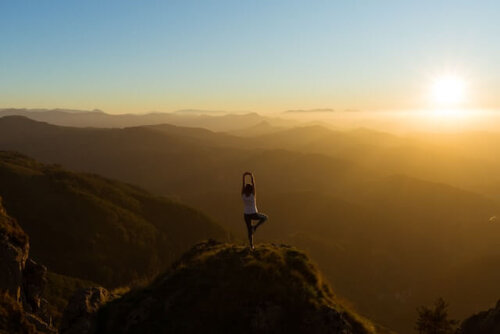
Meditation is both ancient and surprisingly modern, spiritual yet scientific, simple in practice yet deep in impact.
At its heart, meditation is a way of training the mind and cultivating awareness. It helps a person observe thoughts rather than be controlled by them, develop inner calm, sharpen attention, and build emotional balance. While it can be spiritual for some, it does not have to be religious. It can be practiced purely for mental clarity, emotional well-being, health, or personal growth.
WHAT MEDITATION IS, EXACTLY
Meditation is the practice of intentionally focusing the mind in a steady and disciplined way. Instead of letting thoughts constantly race, wander, or react, meditation encourages presence, awareness, and calm attention.
It is not about stopping thoughts completely. Rather, it is about noticing thoughts without being swept away by them. Over time, this builds mental steadiness, emotional resilience, and greater self-awareness.
A simple way to describe it is:
Meditation trains the mind the way exercise trains the body.
ORIGINS AND HISTORY OF MEDITATION
Meditation is thousands of years old and appears across many cultures and spiritual traditions.
Some of the earliest records come from ancient India, where meditation was part of Hindu spiritual practice in the Vedas and Upanishads. Buddhism later developed meditation into structured systems such as mindfulness and insight meditation, taught by the Buddha over 2,500 years ago.
Taoist traditions in China practiced meditation to cultivate harmony and inner balance. Christian monks practiced contemplative prayer and silent reflection. Jewish mystics, Islamic Sufis, and many other traditions also developed meditative practices.


For most of history, meditation was associated with monks, mystics, and spiritual seekers. In the 20th century, meditation spread more widely to the general public, especially in Western countries, where it became integrated into psychology, medicine, education, and personal development.
WHY MEDITATION IS MORE POPULAR TODAY
Meditation is no longer seen as something only monks do because modern science has validated many of its benefits. Studies have linked meditation to improvements in stress reduction, emotional regulation, sleep quality, attention, memory, blood pressure, and overall mental health.


People today also live in an era of constant stimulation, digital distraction, and high stress. Meditation offers a way to slow down, regain control of attention, and find calm in a busy world.
It has become more mainstream through wellness movements, therapy, neuroscience research, workplace programs, schools, and even athletic training.
DIFFERENT TYPES OF MEDITATION
There are many forms of meditation, each with a slightly different focus.
Mindfulness Meditation
This involves paying attention to the present moment, including breathing, sensations, thoughts, and emotions, without judging them. It is one of the most widely practiced forms today.




Concentration Meditation
The mind focuses on a single object such as the breath, a candle flame, a word, or a sound. The goal is to strengthen focus and reduce mental distraction.
Loving-Kindness Meditation
This practice involves intentionally cultivating feelings of compassion, goodwill, and kindness toward oneself and others.
Mantra Meditation
A repeated word, phrase, or sound is used to focus attention and create mental rhythm.
Guided Meditation
A teacher or recording leads the meditator through imagery, relaxation, or visualization.
Body Scan Meditation
Attention is slowly moved through different parts of the body to release tension and increase awareness of physical sensations.
Zen Meditation (Zazen)
A structured form of seated meditation emphasizing posture, breath, and awareness.
Transcendental Meditation
Uses silent mantra repetition to promote deep relaxation and mental clarity.
Spiritual or Contemplative Meditation
Focuses on prayer, sacred texts, divine presence, or spiritual reflection.
HOW TO MEDITATE: A SIMPLE STEP-BY-STEP GUIDE
Meditation does not require special equipment or complex rituals. A simple approach looks like this:
Find a quiet and comfortable place to sit or lie down
Sit upright but relaxed
Close your eyes or soften your gaze
Focus on your breathing, noticing the inhale and exhale
When thoughts arise, gently return attention to the breath
Continue for a few minutes, gradually increasing over time
The key is consistency rather than perfection. Even five minutes a day can make a meaningful difference.
WHAT MEDITATION IS FOR: MENTAL AND EMOTIONAL WELL-BEING
Meditation helps strengthen emotional balance by reducing reactivity. Instead of being overwhelmed by stress, anger, or anxiety, a person learns to respond more calmly and thoughtfully.
It can improve focus, memory, patience, and clarity. Many people find that meditation increases self-awareness and helps them better understand their thoughts, habits, and emotional patterns.
It can also foster greater peace, gratitude, compassion, and resilience during difficult times.
HEALTH AND PHYSICAL BENEFITS
Meditation is associated with reduced stress hormones, improved sleep, lower blood pressure, better immune function, and decreased chronic tension.
It can support recovery from burnout, anxiety, depression, and fatigue. While it is not a replacement for medical care, it can be a powerful complementary practice for overall health.
COMMON MISUNDERSTANDINGS ABOUT MEDITATION
Many people think meditation means emptying the mind completely. In reality, it is about observing the mind rather than silencing it.
Others believe they are “bad at meditation” because their thoughts wander. Wandering thoughts are normal; returning to focus is the actual practice.
Some fear meditation conflicts with their religious beliefs. In truth, meditation can be practiced spiritually, philosophically, or purely as a mental exercise.
HOW MEDITATION CAN CHANGE A PERSON OVER TIME
With regular practice, meditation can gradually shape a person’s character and inner life. Many people become more patient, calm, thoughtful, self-aware, and emotionally steady.
It can strengthen discipline, deepen wisdom, improve relationships, and encourage a healthier perspective on challenges and hardships.
Over time, meditation often helps people feel less controlled by impulses and more guided by values, insight, and intentional living.
Meditation is not about escaping life; it is about meeting life more fully and clearly. It teaches presence in a world full of distraction, stillness in a culture of noise, and awareness in a time of constant stimulation.
It does not require perfection, spiritual status, or special talent. It simply asks for willingness, patience, and practice.
THE SCIENCE OF HOW MEDITATION AFFECTS THE BRAIN
Modern neuroscience has revealed that meditation produces measurable changes in brain structure and function.
One of the most well-documented effects is reduced activity in the amygdala, the brain region linked to fear, stress, and emotional reactivity. Regular meditators tend to respond more calmly to stress rather than reacting impulsively.
Meditation strengthens the prefrontal cortex, the area responsible for decision-making, self-control, planning, and emotional regulation. This is one reason meditation improves focus, patience, and thoughtful behavior over time.
It also enhances connectivity in brain networks associated with attention, memory, and self-awareness. Many studies show increased gray matter density in regions linked to learning, compassion, and emotional balance.
Meditation also influences the default mode network, the system responsible for mind-wandering and rumination. By quieting excessive mental chatter, meditation helps reduce overthinking, anxiety, and negative thought loops.
On a chemical level, meditation lowers cortisol, the stress hormone, and supports healthier levels of serotonin and dopamine, contributing to improved mood and emotional stability.
In short, meditation does not merely feel calming; it physically reshapes the brain in ways that support clarity, resilience, and well-being.
MEDITATION COMPARED WITH PRAYER AND SPIRITUAL DISCIPLINES
Meditation and prayer share similarities but differ in purpose and focus.
Meditation often centers on awareness, attention, and observation of the mind. It trains mental discipline and inner stillness, and it can be practiced with or without religious meaning.
Prayer, especially in religious traditions, usually involves communication with God, worship, gratitude, confession, or seeking guidance. While meditation looks inward to observe thoughts, prayer often looks upward toward divine connection.
However, many spiritual traditions combine the two. Christian contemplative prayer emphasizes silent presence with God. Buddhist meditation includes ethical and spiritual development. Hindu meditation often seeks union with the divine. Sufi mysticism uses rhythmic remembrance and stillness to deepen awareness of God.
Spiritual disciplines such as fasting, silence, study, simplicity, and service complement meditation by strengthening self-control, humility, wisdom, and moral character.
Meditation can serve as a tool to deepen prayer by quieting distractions and sharpening spiritual attentiveness. Likewise, prayer can give meditation meaning by grounding it in purpose, gratitude, and reverence.
A PRACTICAL DAILY MEDITATION PLAN FOR BEGINNERS
Meditation works best when practiced consistently rather than intensely.
Week 1: Building the Habit
Practice for five minutes each day
Sit comfortably in a quiet space
Focus on your breathing
When your mind wanders, gently return attention to the breath
The goal at this stage is not perfection, but consistency.
Week 2: Expanding Awareness
Increase to seven or ten minutes
Begin noticing thoughts, emotions, and sensations without judgment
Practice staying calm and observant rather than reacting
Week 3: Adding Depth
Increase to ten or fifteen minutes
Experiment with loving-kindness meditation by wishing peace and well-being for yourself and others
Notice how meditation influences your mood, patience, and awareness throughout the day
Week 4 and Beyond: Making It a Lifestyle
Practice fifteen to twenty minutes daily
Try different styles such as mindfulness, guided meditation, or contemplative prayer
Reflect weekly on how meditation affects your thinking, emotions, and behavior
PRACTICAL TIPS FOR LONG-TERM SUCCESS
Meditate at the same time each day to build routine
Start small and grow gradually
Expect distractions and treat them with patience
Avoid judging your progress
Focus on faithfulness to the practice rather than chasing dramatic results
Even short daily sessions, practiced consistently over months or years, can lead to deep and lasting transformation.
HOW MEDITATION SHAPES CHARACTER AND WISDOM
Meditation does more than calm the mind. It gradually shapes the heart and character.
By observing thoughts without immediately reacting, a person becomes more thoughtful, less impulsive, and more emotionally mature. This builds patience, humility, self-control, and discernment.
Meditation also cultivates wisdom by helping a person see patterns in their thinking, recognize unhealthy habits, and choose more constructive responses.
Over time, meditators often develop deeper compassion, better listening skills, stronger emotional resilience, and a more grounded sense of identity.
Rather than being controlled by fear, anger, or distraction, a person becomes guided by insight, purpose, and values.
MEDITATION, INNER PEACE, AND THE MEANING OF STILLNESS
In a noisy and restless world, meditation offers stillness. That stillness is not emptiness, but clarity.
It allows a person to hear their conscience more clearly, recognize what truly matters, and let go of unnecessary mental burdens. It creates space between impulse and action, between emotion and decision, between noise and wisdom.
For many, meditation becomes a form of inner refuge. Not an escape from responsibility, but a renewal of strength to face life more wisely and calmly.
It teaches that peace is not found by controlling everything outside us, but by mastering how we respond within.
REFLECTIVE CLOSING THOUGHTS ON MEDITATION AND LIFELONG GROWTH
Meditation is not a shortcut to perfection. It is a slow and steady practice that nurtures awareness, patience, and self-mastery over time.
It invites a person to live more intentionally, speak more thoughtfully, listen more deeply, and act more wisely. It supports moral growth, emotional stability, spiritual depth, and intellectual clarity.
Like exercise strengthens the body and study strengthens the mind, meditation strengthens the inner life.
In many ways, it aligns with ancient wisdom that teaches the value of stillness, discipline, humility, and self-awareness. It reminds us that true strength often comes not from constant activity, but from quiet reflection and mindful presence.
If a person begins meditating daily, the changes after a month or more are often subtle at first, but meaningful and real. The differences tend to show up not as dramatic overnight transformations, but as quieter improvements in how a person thinks, feels, reacts, and carries themselves through everyday life.
A CALMER REACTION TO STRESS
One of the earliest and most noticeable changes is how a person responds to stress.
Situations that once triggered quick frustration, anxiety, or emotional reactions often feel more manageable. The stress may still be present, but the person feels less overwhelmed by it.
Instead of reacting instantly, they may notice a brief pause where they can choose a calmer or wiser response. That small pause is one of the most powerful benefits of meditation.
CLEARER THINKING AND BETTER FOCUS
After a month, many people notice improved concentration and mental clarity.
Their mind feels less scattered
They get distracted less often
They can stay focused on tasks longer
They feel more mentally organized
They may find it easier to read, work, listen, or complete projects without constant mental wandering.
REDUCED OVERTHINKING AND RUMINATION
People often report that their mind feels quieter.
This does not mean thoughts disappear, but repetitive negative thinking, worry loops, and unnecessary mental noise become less dominant.
They may notice they can let go of intrusive thoughts more easily rather than replaying them over and over.
IMPROVED EMOTIONAL BALANCE
Meditation tends to soften emotional extremes.
People often feel:
Less irritable
More patient
Less reactive
More emotionally steady
They may still feel anger, sadness, or frustration, but emotions feel less controlling and shorter-lasting.
BETTER SLEEP AND RELAXATION
Many people experience:
Falling asleep more easily
Deeper or more restful sleep
Less mental tension at bedtime
Because meditation relaxes the nervous system, the body often carries less physical stress and tightness.
INCREASED SELF-AWARENESS
A month of meditation often brings a growing awareness of personal habits, thought patterns, and emotional triggers.
People begin to notice:
When they are acting out of impulse
When they are driven by fear or pride
When they need rest or boundaries
When they are reacting instead of responding
This awareness is often the foundation for personal growth and wiser decisions.
A GREATER SENSE OF INNER CALM
Many meditators report feeling more grounded.
There is often a subtle sense of steadiness or inner stability, even when external circumstances remain busy or uncertain.
Life may still be challenging, but it feels less chaotic internally.
MORE PATIENCE AND TOLERANCE
Daily meditation tends to increase patience with:
Other people
Daily inconveniences
Personal mistakes
Delays and frustrations
People may notice they are less easily irritated and more willing to pause, listen, and understand.
A SHIFT IN PERSPECTIVE
After several weeks, some people notice a gradual change in how they view problems.
They may:
Take setbacks less personally
See challenges more objectively
Feel less controlled by ego or emotional reactions
Recognize what truly matters more clearly
Small annoyances begin to feel less important.
SUBTLE SPIRITUAL OR MEANINGFUL CHANGES
For some people, meditation deepens spiritual awareness, gratitude, humility, or reverence.
They may feel:
More reflective
More appreciative of simple moments
More mindful of their values
More connected to a sense of purpose
Even for non-religious individuals, meditation often deepens meaning and mindfulness in daily life.
WHAT CHANGES WILL NOT HAPPEN INSTANTLY
Meditation will not magically remove all problems
It will not eliminate stress completely
It will not instantly fix habits or personality
It will not stop difficult emotions from ever arising
Instead, it gradually strengthens how a person handles these realities.
WHAT THE DIFFERENCE OFTEN FEELS LIKE IN REAL LIFE
Many people describe the change like this:
“I still face the same challenges, but they don’t control me as much.”
“My mind feels less crowded.”
“I feel calmer even when life is busy.”
“I notice my reactions before I act on them.”
“I feel more in control of my thoughts and emotions.”
It is often a quiet improvement, but a powerful one.
After a month or more of daily meditation, the biggest change is not that life becomes easier, but that the person becomes steadier.
They gain more control over their reactions, more clarity in their thinking, more patience in their relationships, and more peace within themselves.
Meditation does not change the world around a person. It changes how the person meets the world.
MEDITATION CAN STRONGLY SUPPORT A “MIND OVER BODY” MINDSET, THOUGH IN A GROUNDED AND HEALTHY WAY RATHER THAN IN A FORCED OR EXTREME SENSE
It helps a person gain greater influence over impulses, discomfort, fear, fatigue, and emotional reactions by training awareness, self-control, and mental discipline.
Instead of ignoring the body, meditation teaches how to guide it wisely.
GREATER CONTROL OVER IMPULSES AND URGES
Meditation trains the ability to notice impulses without immediately acting on them.
This means a person becomes better at:
Resisting unhealthy cravings
Delaying gratification
Avoiding impulsive reactions
Staying disciplined under temptation
This is a clear example of the mind guiding behavior rather than being ruled by instinct.
INCREASED TOLERANCE FOR DISCOMFORT
When meditating, people practice sitting still even when the body feels restless, itchy, bored, or mildly uncomfortable.
Over time, this builds the ability to:
Stay calm under physical discomfort
Avoid reacting immediately to pain or irritation
Endure fatigue or strain with greater composure
Athletes, military personnel, and endurance performers often use meditation to improve mental toughness and stamina.
BETTER CONTROL OVER STRESS RESPONSES
Meditation helps regulate the body’s fight-or-flight reaction.
A person learns to:
Slow their breathing
Relax tense muscles
Calm racing thoughts
Prevent stress from overwhelming the body
This allows the mind to override panic and keep the body steady under pressure.
STRONGER DISCIPLINE AND WILLPOWER
Daily meditation strengthens the habit of showing up, staying focused, and persisting even when motivation is low.
This builds:
Self-mastery
Consistency
Mental endurance
The ability to follow through on long-term goals
Over time, this discipline often carries over into fitness, work, learning, and personal growth.
IMPROVED PAIN MANAGEMENT
Many people use meditation to cope with pain.
It helps them:
Observe pain without panicking
Reduce suffering caused by fear or resistance
Stay calm during medical discomfort or chronic pain
While it does not eliminate pain entirely, it often reduces how intensely it is experienced.
EMOTIONAL MIND OVER BODY
Meditation strengthens the ability to prevent emotions from hijacking behavior.
A person becomes better at:
Staying calm when angry
Avoiding emotional eating
Resisting emotional outbursts
Keeping composure in conflict
This is another powerful form of mental mastery over reactive bodily impulses.
STRONGER FOCUS AND ENDURANCE IN PHYSICAL ACTIVITIES
Meditation improves focus, which can enhance performance in:
Running
Weight training
Sports
Manual labor
Cold exposure or heat tolerance practices
Many people find they can push through fatigue more effectively when their mind is trained to stay steady.
A BALANCED PERSPECTIVE ON “MIND OVER BODY”
Meditation does not teach ignoring the body or abusing it. Instead, it teaches listening to the body wisely while not being controlled by every sensation.
True mind over body means:
Choosing discipline over comfort
Choosing wisdom over impulse
Choosing long-term health over short-term relief
Respecting the body while guiding it with the mind
It builds mastery without cruelty toward oneself.
Meditation strengthens the ability to lead oneself rather than being led by cravings, fear, discomfort, or emotion.
It teaches that while the body sends signals, the mind does not have to obey every one of them. With practice, a person becomes calmer under pressure, steadier under strain, and more capable of acting according to values instead of impulses.
MEDITATION STRENGTHENS MENTAL TOUGHNESS AND SUPPORTS MIND-OVER-BODY IN AREAS LIKE FITNESS, ENDURANCE, COLD EXPOSURE, FASTING, AND DISCIPLINED LIVING, WITHOUT PROMOTING UNSAFE EXTREMES
MEDITATION AND MENTAL TOUGHNESS IN FITNESS
Meditation strengthens the ability to stay steady when workouts become uncomfortable.
People often notice they can:
Push through muscle fatigue without panicking
Stay calm when workouts feel intense
Maintain better form under strain
Avoid quitting due to mental resistance rather than real physical limits
Instead of thinking “I can’t,” the mind learns to observe discomfort and continue with control.
Meditation also reduces emotional resistance to exercise, making it easier to show up consistently, even on days when motivation is low.
MEDITATION AND ENDURANCE (RUNNING, CARDIO, LONG EFFORT)
Endurance depends heavily on mental stamina.
Meditation helps by:
Training focus so the mind does not fixate on fatigue
Reducing negative self-talk
Keeping breathing steady under stress
Helping athletes stay present rather than overwhelmed by distance or time
Many endurance athletes use mindfulness to maintain rhythm, pace, and calm under prolonged exertion.
The body may feel tired, but the mind remains composed instead of collapsing into discouragement.
MEDITATION AND PAIN OR DISCOMFORT TOLERANCE
Meditation changes how discomfort is perceived.
Instead of reacting with fear or frustration, a person learns to:
Observe discomfort without amplifying it
Separate physical sensation from emotional suffering
Stay calm when the body sends stress signals
This does not eliminate pain, but it reduces the mental suffering layered on top of it.
This is one reason meditation is used in chronic pain management, physical rehabilitation, and high-performance training.
MEDITATION AND COLD EXPOSURE OR ENVIRONMENTAL STRESS
Some people practice cold showers or cold exposure to build resilience.
Meditation helps by:
Slowing the panic response
Regulating breathing
Preventing the mind from spiraling into fear
Allowing the body to adapt more calmly
Instead of reacting with shock and resistance, the mind learns to stay steady and composed.
The key is gradual exposure and safety, not forcing extreme tolerance.
MEDITATION AND FASTING OR APPETITE CONTROL
Meditation strengthens awareness of hunger, cravings, and impulse.
People practicing meditation often find they:
Recognize emotional eating patterns
Pause before acting on cravings
Differentiate true hunger from habit or boredom
Maintain discipline in fasting or portion control
This supports a healthy mind-over-body relationship where the mind guides eating habits without punishing the body.
MEDITATION AND EMOTIONAL ENDURANCE
Mental toughness is not only physical.
Meditation helps people endure:
Stress
Frustration
Loneliness
Pressure
Temptation
It builds the ability to stay calm under emotional discomfort instead of reacting impulsively or giving up.
This emotional endurance often spills into work, relationships, discipline, and long-term goals.
MEDITATION AND DELAYED GRATIFICATION
Meditation strengthens patience and long-term thinking.
A person becomes better at:
Choosing long-term benefits over short-term comfort
Sticking to training routines
Resisting laziness
Finishing what they start
This is one of the strongest forms of mind over body: choosing discipline over comfort in everyday life.
MEDITATION AND SELF-MASTERY WITHOUT SELF-ABUSE
True mind-over-body is not about ignoring pain signals, starving oneself, or pushing beyond safe limits.
Meditation teaches a healthier principle:
Control impulses, but respect physical limits
Strengthen discipline, but avoid self-harm
Build resilience, but honor recovery and rest
It creates strength guided by wisdom rather than ego.
HOW PEOPLE OFTEN DESCRIBE THE CHANGE
After weeks or months of meditation, many people say things like:
“I don’t quit as quickly when things get hard.”
“I feel more in control of my reactions.”
“I can sit with discomfort without panicking.”
“I feel mentally tougher and more disciplined.”
“I’m stronger at saying no to impulses.”
The power comes not from forcing the body, but from steady mental leadership.
Meditation trains the mind to lead rather than be led.
It strengthens endurance, discipline, emotional resilience, and the ability to stay calm under pressure. Over time, it builds a quiet kind of toughness: not loud or aggressive, but steady, reliable, and grounded.
This is the kind of strength that helps a person endure hardship, remain composed in adversity, follow through on goals, and live according to values rather than impulses.
Meditation is not merely a relaxation technique or a passing trend. It is an ancient discipline that trains awareness, builds self-mastery, and shapes character over time. By learning to observe thoughts instead of being ruled by them, a person gains greater freedom, clarity, and emotional steadiness in daily life.
Over weeks and months of consistent practice, meditation gently transforms how a person responds to stress, discomfort, temptation, and adversity. It does not remove life’s challenges, but it equips the mind to meet them with greater calm, discipline, and wisdom.
Whether applied to fitness, endurance, emotional resilience, or spiritual growth, meditation strengthens the ability to choose long-term purpose over short-term impulse and thoughtful action over reactive behavior.
At its best, meditation fosters a balanced form of mind over body. Not by ignoring physical limits or forcing unhealthy extremes, but by teaching the mind to guide the body with patience, respect, and discernment.
It builds resilience without cruelty, endurance without arrogance, and self-control without suppression. In this way, it supports a healthier relationship with both our inner world and our physical well-being.
Ultimately, meditation is a lifelong practice in awareness and growth. It invites stillness in a noisy world, patience in a hurried culture, and wisdom in moments of uncertainty. It encourages a person to live more intentionally, act more honorably, and cultivate inner peace that does not depend on external circumstances. Over time, it becomes less about sitting quietly and more about living thoughtfully, responding wisely, and developing the quiet strength of character that endures.
HERE ARE HIGH-QUALITY PLACES WHERE YOU CAN FIND MORE INFORMATION ABOUT EVERYTHING DISCUSSED — MEDITATION, ITS HISTORY, SCIENCE, MENTAL TOUGHNESS, MIND OVER BODY, SPIRITUAL CONNECTIONS, AND LONG-TERM PERSONAL GROWTH
Meditation Science, Psychology, and Brain Research
Books
- The Mind Illuminated by Culadasa (deep, structured meditation guide)
- Why Buddhism Is True by Robert Wright (science and mindfulness)
- Altered Traits by Daniel Goleman & Richard Davidson (research on meditation’s long-term effects)
- The Relaxation Response by Dr. Herbert Benson (foundational medical research)
Organizations & Research Centers
- Harvard Medical School — Mindfulness Research
- UCLA Mindful Awareness Research Center
- University of Wisconsin–Madison Center for Healthy Minds
- NIH (National Institutes of Health) meditation studies
Search terms to use
- “meditation neuroscience research”
- “effects of mindfulness on the brain”
Meditation Practice Guides (Beginner to Advanced)
Websites & Programs
- Mindful.org — practical mindfulness education
- UCLA Mindful Awareness Center — free guided practices
- Palouse Mindfulness — free online MBSR course
- Vipassana / Insight Meditation resources
Books
- Mindfulness in Plain English by Bhante Henepola Gunaratana
- Wherever You Go, There You Are by Jon Kabat-Zinn
- The Miracle of Mindfulness by Thich Nhat Hanh
Mental Toughness, Mind Over Body, and Discipline
Books
- Endure by Alex Hutchinson (science of endurance and mental resilience)
- Can’t Hurt Me by David Goggins (extreme mental discipline perspective)
- The Comfort Crisis by Michael Easter (building resilience through discomfort)
- Atomic Habits by James Clear (discipline and consistency)
- Deep Work by Cal Newport (focus and mental control)
Topics to explore
- mental toughness training
- psychological resilience
- mind over body performance
- endurance mindset
Pain Tolerance, Stress Control, and Performance Psychology
Books
- The Body Keeps the Score by Bessel van der Kolk
- Peak Performance by Brad Stulberg & Steve Magness
- The Art of Learning by Josh Waitzkin
Fields to research
- sports psychology
- stress resilience
- pain perception psychology
- flow state research
Meditation, Spirituality, and Contemplative Traditions
Christian / Biblical Contemplation
- Celebration of Discipline by Richard Foster
- The Practice of the Presence of God by Brother Lawrence
- Invitation to Solitude and Silence by Ruth Haley Barton
Buddhist / Eastern Wisdom
- The Heart of the Buddha’s Teaching by Thich Nhat Hanh
- The Dhammapada
- The Bhagavad Gita (meditation and discipline teachings)
Stoic & Philosophical Wisdom
- Meditations by Marcus Aurelius
- Discourses by Epictetus
- The Daily Stoic by Ryan Holiday
Mindset, Character, Wisdom, and Self-Mastery
Books
- The 7 Habits of Highly Effective People by Stephen Covey
- The Road to Character by David Brooks
- Mastery by Robert Greene
- Ego Is the Enemy by Ryan Holiday
Topics to explore
- character development
- emotional regulation
- self-mastery
- virtue ethics
- wisdom literature
Practical Habit Building and Long-Term Growth
Books
- The Power of Habit by Charles Duhigg
- Tiny Habits by BJ Fogg
- Grit by Angela Duckworth
Search topics
- building consistency
- discipline psychology
- long-term personal growth
If You Want Faith-Aligned or Stoic-Aligned Resources
Given your interest in biblical wisdom, Stoic philosophy, and character development, you may especially appreciate exploring:
- Christian contemplative prayer
- Biblical teachings on self-control and discipline
- Stoic mental resilience
- Ancient wisdom on mastering desire and impulse
I can compile a tailored reading list based on those worldviews if you want.