





When you really stop and think about it, the potato is one of the most important foods on the planet. It shows up on dinner tables in so many forms—baked, mashed, fried, roasted—that it almost feels ordinary. But behind that simplicity is a fascinating history, global impact, and a surprisingly strong nutritional profile.
A potato is a starchy root vegetable that grows underground. More specifically, it’s a tuber, which means it’s part of the plant’s root system that stores energy.
The plant itself is called Solanum tuberosum, and it belongs to the same family as tomatoes, peppers, and eggplants.
The part we eat is the swollen underground stem. That’s why potatoes are rich in carbohydrates—they’re basically the plant’s stored fuel.
Potatoes are incredibly adaptable, which is one reason they’re grown all over the world.
WHERE THEY’RE PRIMARILY GROWN
Today, the biggest potato-producing countries include:
China
India
Russia
United States
In the U.S., places like Idaho are especially famous for potato farming.
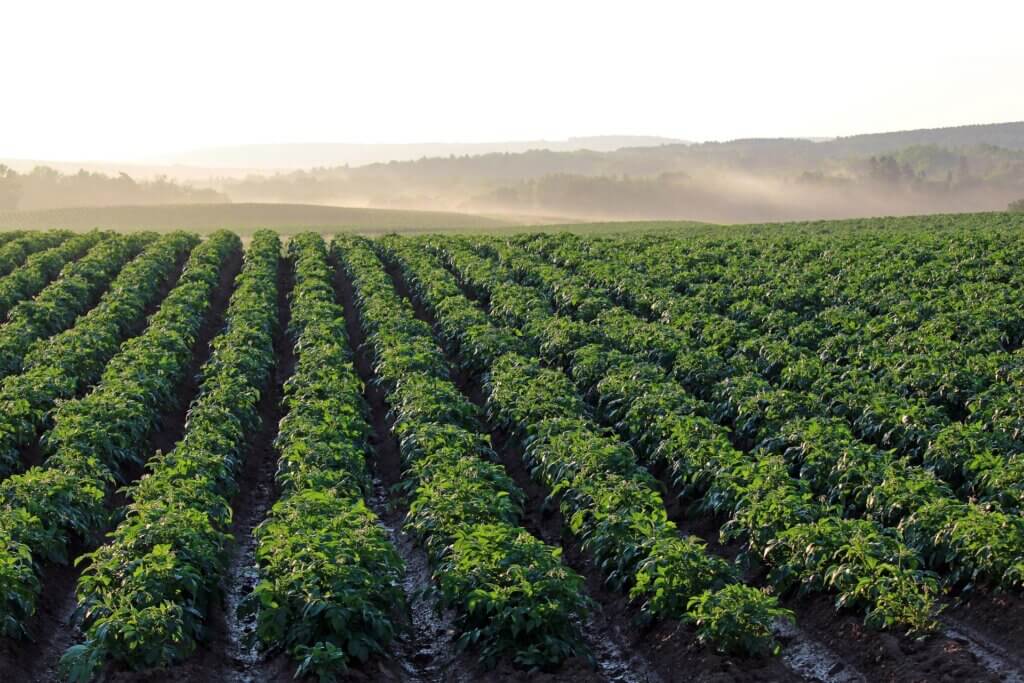
HOW THEY’RE GROWN
Potatoes aren’t usually grown from seeds. Instead, farmers plant pieces of a potato (called “seed potatoes”) that have small sprouts or “eyes.”
Here’s the basic process:
Planted in loose, well-drained soil
Grow underground while green leaves grow above
Need cool weather and steady moisture
Harvested once the plant dies back
It’s a relatively efficient crop, which is part of why it became so important globally.
HISTORY AND ORIGINS OF THE POTATO
The potato’s story starts in South America, specifically in the Andes Mountains of modern-day Peru and Bolivia.
Indigenous people were cultivating potatoes as far back as 7,000–10,000 years ago. For them, it wasn’t just food—it was a staple of survival in harsh mountain climates.
Potatoes made their way to Europe in the late 1500s after Spanish explorers brought them back. At first, Europeans were skeptical. Some even thought they were poisonous.
But over time, potatoes caught on because they:
Produced high yields
Were easy to grow
Could feed large populations
They became especially important in places like Ireland, where people relied heavily on them—sometimes almost exclusively.
That reliance led to one of history’s most devastating agricultural disasters: the Irish Potato Famine. A disease wiped out potato crops, leading to mass starvation and emigration.
HOW MANY KINDS OF POTATOES THERE ARE
There are thousands of potato varieties worldwide—over 4,000, especially in South America where they originated.
But in everyday cooking, most people deal with a handful of common types.
Main categories
Potatoes are often grouped by texture:
Starchy (fluffy when cooked)
Waxy (firm and smooth)
All-purpose (a balance of both)
THE MOST COMMON POTATOES AND WHAT THEY’RE USED FOR
Here are some of the most well-known types you’ll see in stores:
Russet Potatoes
The classic “baking potato”
High in starch, fluffy inside
Best for: baked potatoes, fries, mashed potatoes
Yukon Gold
Slightly buttery flavor
Medium starch
Best for: mashed potatoes, roasting, soups
Red Potatoes
Smooth, thin skin
Waxy texture
Best for: potato salads, boiling
Fingerling Potatoes
Small, narrow shape
Firm and rich flavor
Best for: roasting, gourmet dishes
Sweet Potatoes (technically different)
While often grouped together, sweet potatoes are actually a different species (Ipomoea batatas), but they’re worth mentioning because of how commonly they’re used alongside regular potatoes.
HEALTH BENEFITS OF POTATOES
Potatoes often get a bad reputation, especially because of fried foods. But the potato itself is actually very nutritious.
Rich in Nutrients
Potatoes provide:
Vitamin C (good for immune health)
Vitamin B6 (important for brain function)
Potassium (supports heart and muscle function)
In fact, potatoes are one of the better sources of potassium—even more than bananas.
Great Source of Energy
Because they’re high in complex carbohydrates, potatoes provide steady, reliable energy.
This is one reason they’ve been a staple food for so many cultures—they help fuel daily activity.
High in Fiber (especially with the skin)
When you eat the skin, potatoes contain a decent amount of fiber, which helps:
Digestion
Gut health
Feeling full longer
Naturally Fat-Free
Plain potatoes have:
No fat
No cholesterol
The unhealthy part usually comes from how they’re prepared (deep frying, heavy butter, etc.).
Antioxidants
Potatoes—especially colored varieties like purple or red—contain antioxidants that help fight cell damage.
Good for Satiety (Feeling Full)
Potatoes are surprisingly filling compared to many other foods. That can help with appetite control when they’re prepared in a simple, healthy way.
The potato is one of those foods that’s easy to overlook because it’s so common. But when you dig into it, it’s clear why it has stood the test of time.
It’s:
Easy to grow
Highly adaptable
Nutrient-rich
Extremely versatile in cooking
From ancient farmers in the Andes to modern kitchens around the world, the potato has remained a reliable, powerful food source.
And if you prepare it in a balanced way—baked, roasted, or boiled instead of heavily processed—it can absolutely be part of a healthy lifestyle.
THE POTATO ITSELF IS NOT THE PROBLEM—IT’S WHAT WE DO TO IT THAT CHANGES EVERYTHING
A plain potato is actually a very solid, nutrient-dense food. But when you take something like a simple potato and turn it into French fries or chips, a few things happen:
First, frying adds a lot of extra fat and calories. Potatoes act like a sponge, soaking up oil during the frying process. That can turn a relatively light food into something much heavier very quickly.
Second, the oils used for frying—especially when reused or highly processed—can introduce unhealthy fats and compounds that aren’t great for your body over time.
Third, frying at high temperatures can create substances like acrylamides, which are formed when starchy foods are cooked at extremely high heat. That’s one of the reasons nutrition experts often recommend limiting heavily fried foods.
THE POTATO VS. THE PREPARATION
Here’s a simple way to think about it:
Baked or boiled potato:
Clean energy, fiber, vitamins, very filling
Fried potato (fries, chips):
Higher calories, added fats, less balanced nutritionally
Same food—completely different impact.
HEALTHIER WAYS TO ENJOY POTATOES
If you like potatoes (and most people do), you don’t have to avoid them at all. Just shift how you prepare them:
Baked with a little olive oil and seasoning
Roasted in the oven until crispy
Boiled for simple dishes or potato salad
Air-fried as a lighter alternative to deep frying
Even small changes—like keeping the skin on or going easy on heavy toppings—can make a big difference.
It’s also worth keeping things realistic. Having fries once in a while isn’t going to ruin your health. Problems usually come from regular habits, not occasional choices.
So the takeaway is pretty simple:
Potatoes themselves are healthy
Preparation matters a lot
Balance over time is what really counts
Once you understand that, you can enjoy foods like potatoes without overthinking them—and just make smarter choices most of the time.
POTATOES CAN BE VERY DIFFERENT NUTRITIONALLY DEPENDING ON HOW YOU EAT THEM
One thing that doesn’t get talked about much is something called Resistant Starch.
When you cook a potato and then let it cool (like in potato salad), part of the starch changes into a form your body digests differently.
What that means in simple terms:
It acts more like fiber than sugar
It feeds good gut bacteria
It may help with blood sugar control
So oddly enough, a cooled potato can sometimes be healthier for your metabolism than a hot one.
THE SKIN IS WHERE A LOT OF THE GOOD STUFF IS
A lot of people peel potatoes without thinking twice. But the skin holds:
A good portion of the fiber
Extra vitamins and minerals
Antioxidants
If the potato is clean and perfectly cooked, eating the skin is one of the easiest ways to boost its nutritional value.
GREEN POTATOES ARE A REAL WARNING SIGN
This is something many people overlook.
If a potato turns green, it’s producing a natural toxin called Solanine.
This can happen when potatoes are exposed to light.
Eating small amounts probably won’t do much, but higher amounts can cause:
Nausea
Headaches
Digestive issues
The safe move is simple:
Cut off small green spots
Throw it out if a large portion is green or it tastes bitter
POTATOES WERE ONCE FEARED AND MISUNDERSTOOD
When potatoes first arrived in Europe, people didn’t trust them. Some even believed they caused diseases because they grow underground and looked unusual compared to familiar crops.
It took time—and necessity—for people to realize how valuable they were. That hesitation actually delayed one of the most important food adoptions in history.
THEY’RE ONE OF THE MOST EFFICIENT CROPS ON EARTH
Potatoes don’t just grow easily—they produce a lot of food per acre.
Compared to many other crops, potatoes:
Use less land to produce more calories
Grow relatively quickly
Can thrive in tough conditions
That’s a big reason they’ve played such a major role in feeding populations around the world.
THEY CAN ACTUALLY SUPPORT ATHLETIC PERFORMANCE
This one surprises people.
Because potatoes are rich in carbohydrates and potassium, they’re a solid food for:
Endurance
Muscle function
Recovery
Some athletes even use potatoes as a natural alternative to processed sports fuels.
NOT ALL POTATOES SPIKE BLOOD SUGAR THE SAME WAY
Potatoes have a reputation for raising blood sugar quickly, but that’s only part of the story.
The effect depends on:
The type of potato
How it’s cooked
Whether it’s eaten with other foods (like protein or fat)
For example:
Mashed or highly processed potatoes = faster spike
Whole, cooled, or mixed with other foods = slower impact
So context matters more than people think.
POTATOES HAVE QUIETLY SHAPED HISTORY
Most people know about bread or rice shaping civilizations, but potatoes did too.
They helped:
Support population growth in Europe
Reduce famine (before crop failures)
Fuel labor during the Industrial Revolution
They don’t get talked about as much, but their impact has been huge.
THEY’RE MORE VERSATILE THAN ALMOST ANY FOOD
Think about how many forms potatoes take:
Fries
Chips
Mashed
Baked
Soups
Gnocchi
Very few foods can adapt to as many different cuisines and cooking styles.
The potato is one of those foods that seems simple on the surface but has a lot going on underneath.
What most people don’t realize is:
It can be either extremely healthy or not, depending on preparation
It has unique properties like resistant starch
It’s played a major role in human survival and development
Once you understand these deeper details, you start to see the potato less as “just a side dish” and more as a really powerful, flexible, and historically important food.
If you want, I can also go into things like the best ways to cook potatoes for maximum health, or how different cultures around the world use them in ways most Americans never see.
When you really take a step back, the potato starts to look a lot less ordinary. It’s one of those foods that quietly does a lot of heavy lifting—nutritionally, historically, and practically—without getting much credit. It has fed entire populations, supported economies, and still shows up today as one of the most accessible and affordable foods you can buy.
What makes it even more interesting is how much control you have over whether it helps or hurts your health. The potato itself is not the issue—it’s the choices around it.
Simply prepared, it can be a steady, nourishing source of energy and nutrients. Prepared poorly and eaten too often in that form, it becomes something quite different. That contrast is a good reminder that with most foods, context matters more than the ingredient itself.
There’s also something refreshing about how uncomplicated the potato is. It doesn’t rely on trends, marketing, or hype. It’s been around for thousands of years, and it’s still relevant because it works. In a world full of constantly changing food advice and new “superfoods,” the potato quietly holds its place as something reliable and proven.
In the end, understanding the potato a little better gives you a simple advantage. You can enjoy it more, use it smarter, and appreciate it for what it actually is—a versatile, nourishing food that has stood the test of time. And sometimes, it’s the foods that seem the most basic that end up being the most valuable once you really understand them.
IF YOU WANT TO GO DEEPER INTO EVERYTHING WE TALKED ABOUT—THE NUTRITION, HISTORY, FARMING, AND EVEN THE SCIENCE BEHIND POTATOES—THERE ARE SOME VERY SOLID, TRUSTWORTHY SOURCES OUT THERE
General Potato Information (Simple and Reliable)
A great place to start is the overview from Encyclopedia Britannica. It gives a clear breakdown of what potatoes are, their history, and how they spread around the world.
- Another solid, easy-to-understand resource is Potatoes USA, which covers everything from farming to nutrition.
Nutrition and Health Benefits
For a more science-based look at nutrition, check out:
- Harvard T.H. Chan School of Public Health
- Mayo Clinic
These sources explain things like carbohydrates, blood sugar impact, and how preparation methods affect health.
Resistant Starch and Gut Health
If you’re curious about that lesser-known benefit we talked about—Resistant Starch—these sources explain it well:
- Cleveland Clinic
- National Institutes of Health
History of the Potato
For a deeper look at how potatoes shaped the world, including events like the Irish Potato Famine:
- Smithsonian Institution
- History.com
Farming and Global Production
To understand how potatoes are grown and their global importance:
- Food and Agriculture Organization
- USDA
A Simple Way to Approach Learning More
If you want to keep it practical and not overwhelming, here’s a good way to go about it:
- Start with general overviews (Britannica, Potatoes USA)
- Then move into health (Harvard, Mayo Clinic)
- Then explore deeper topics like resistant starch or history
That way you build understanding step by step instead of trying to take it all in at once.
There’s a surprising amount to learn about something as simple as a potato. The more you dig into it, the more you start to see connections between food, health, history, and even global economics.
And the nice part is—you don’t need to become an expert to benefit. Even a little extra knowledge can help you make better choices and appreciate what you’re eating on a whole different level.