







There is something about the Appalachian Mountains that gets into people’s minds in a way few places do. Even people who have never been there often feel like they already “know” the Appalachians through stories.
You hear whispers about strange sounds in the woods, people disappearing, hidden communities deep in the mountains, old superstitions, haunted hollows, glowing eyes in the dark, abandoned mines, mysterious creatures, and warnings like “don’t whistle at night.”
A lot of people laugh these stories off, but the truth is that the Appalachians have one of the richest storytelling traditions in America. Some stories are exaggerated.
Some are misunderstandings. Some come from real danger. And some survive because they touch deep fears humans have carried for thousands of years.
The interesting part is that the creepy feeling surrounding Appalachia is not just about ghosts or monsters. It comes from isolation, history, survival, nature, and generations of oral storytelling all blending together.
THE APPALACHIANS FEEL DIFFERENT FOR A REASON
The Appalachian mountain range is ancient. Older than the Rockies. Older than many forests people imagine as “ancient.” Some scientists say parts of the range were once connected to mountains in Scotland and Africa before continents separated millions of years ago.
That age creates a psychological effect on people.
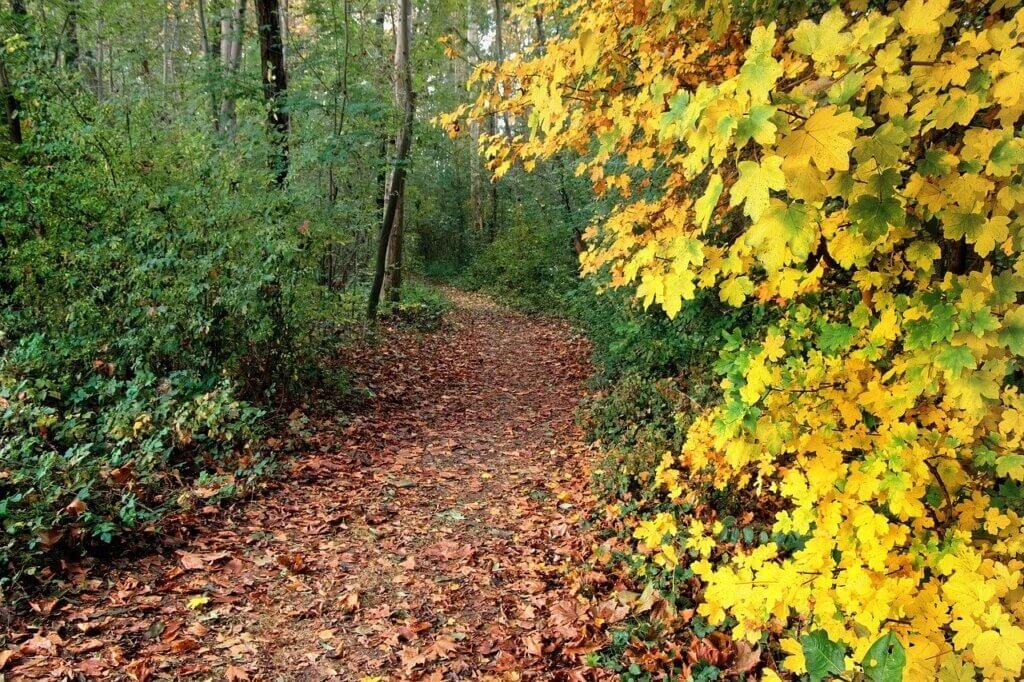
The mountains are heavily forested, foggy, quiet in strange ways, and full of deep hollows where sound travels oddly. In many places, cell service disappears quickly. Roads twist through isolated valleys. You can drive only a few miles and suddenly feel completely cut off from civilization.





That environment naturally creates stories.
Humans evolved to be cautious in dark forests. When you combine darkness, unfamiliar sounds, predators, isolation, and oral tradition, myths almost grow automatically.
“Don’t Go Into the Woods at Night”
One thing many outsiders misunderstand is that old Appalachian warnings often had practical roots.


People today hear:
- “Don’t whistle at night.”
- “If you hear something calling your name, no you didn’t.”
- “Don’t look too hard into the woods.”
- “If you hear crying outside at night, stay inside.”
People assume this was purely superstition.
But historically, mountain life was dangerous.
At night there were:
- Wild animals
- Steep drop-offs
- Illegal activity
- Harsh weather
- Moonshiners protecting territory
- Dangerous strangers
- Limited medical help
- Dense wilderness where getting lost could kill you
Warnings became folklore because folklore is memorable.
Telling a child:
“Stay inside after dark because you could freeze to death in the woods”
is less powerful than:
“Something in those woods calls people away.”


Fear teaches quickly.
The “Whistling at Night” Legend
This is one of the most famous Appalachian superstitions.
Many people in Appalachia grew up hearing that whistling at night attracts something bad. Depending on the area, people may say it:
- Attracts spirits
- Invites bad luck
- Draws predators
- Calls something from the woods
- Alerts dangerous people to your location
There are similar beliefs in many cultures worldwide.
In isolated mountain communities, sound carries extremely far. Whistling at night could actually reveal your location to animals or strangers. Over generations, the practical caution evolved into something eerie and supernatural.
That is something people rarely talk about: many creepy myths started as survival knowledge.
Why So Many Ghost Stories Exist There
The Appalachians carry enormous historical trauma.
The region experienced:
- Extreme poverty
- Mining disasters
- Floods
- Disease
- Family feuds
- Civil War violence
- Dangerous labor conditions
- Isolation
- Addiction
- Premature death
Entire communities sometimes lost large groups of people suddenly in mine collapses or floods. Old cemeteries are scattered deep in the woods. Abandoned towns slowly disappear back into the forest.
That history leaves emotional residue in storytelling.
Ghost stories often become ways communities process grief and memory.
Some stories are probably invented for entertainment, but others may come from genuine experiences people could not explain emotionally.
The “Not Deer” and Strange Creature Stories
Modern internet culture loves Appalachian creature stories.
You hear about:
- Skinwalkers (though this actually comes from Navajo traditions in the Southwest, not Appalachia)
- Wendigos (from Algonquian traditions farther north)
- “Not deer”
- Pale crawlers
- Goat men
- Strange mimic voices in the woods
A lot of online content mixes together completely different regional legends.
But Appalachia absolutely has its own tradition of mysterious creatures and “haints” — old Southern folklore spirits.
One thing people rarely discuss is how easily the human brain misidentifies things in dark forests.
At night:
- Deer can move strangely
- Owls make terrifying sounds
- Foxes scream like humans
- Bobcats sound almost supernatural
- Bears can stand upright briefly
- Fog distorts depth perception
- Exhaustion increases paranoia
People also underestimate how fear changes perception.
Once your brain believes something is wrong, ordinary sights become horrifying.
Still, not every story can be dismissed so easily. Many experienced outdoorsmen describe moments in remote woods where they felt deeply unsettled for reasons they could not explain.
Humans are extremely sensitive to environmental danger cues even subconsciously.
The Isolation Factor Nobody Talks About
A major reason Appalachian legends became so intense is geographic isolation.
For generations:
- Families lived far apart
- Roads were poor
- Communication was limited
- Outsiders rarely visited
- Oral storytelling became entertainment
Before television and internet, stories were social glue.
People gathered:
- On porches
- Around fires
- At churches
- During storms
- During long winters
Stories became local identity.
And because isolated communities preserve traditions longer, some Appalachian beliefs survived long after urban America forgot them.
Appalachian Folk Magic and Superstitions
This is a part many people avoid discussing openly.
Traditional Appalachian folk beliefs blended:
- Christianity
- European folklore
- Scotch-Irish traditions
- German folk practices
- Native influences
- Herbal medicine
- Spiritual warnings
People used:
- Protective charms
- Specific prayers
- Signs and omens
- Weather lore
- Moon phase planting
- Healing herbs
- “Powwowing” traditions in some areas
Many mountain people never separated spirituality from everyday life.
To outsiders this can sound mystical or creepy, but historically it was often simply practical folk culture mixed with faith.
Why Outsiders Fascinate Appalachians
The internet sometimes portrays Appalachia almost like a forbidden land.
That stereotype frustrates many Appalachian people because most communities are:
- Friendly
- Family-oriented
- Deeply rooted in tradition
- Protective of neighbors
- Proud of their heritage
But there is also truth that mountain communities historically distrusted outsiders.
Why?
Because outsiders often came to:
- Exploit resources
- Mock locals
- Buy land cheaply
- Control mining
- Take wealth from the region
- Spread negative stereotypes
That history created a “mind your business” culture that outsiders sometimes interpret as mysterious or threatening.
Missing Persons Stories and the Woods
One reason Appalachian stories stay powerful is because people genuinely do disappear in wilderness areas.
Dense mountain forests are extremely dangerous because:
- Terrain is steep
- Visibility is limited
- Weather changes rapidly
- Navigation becomes difficult
- Injuries become fatal quickly
- Search efforts are difficult
A person can vanish surprisingly fast in rough wilderness.
When disappearances happen repeatedly over decades, myths naturally form around them.
Humans dislike uncertainty. Legends fill the gaps.
The Psychological Side of Appalachian Horror
A lot of Appalachian fear is psychological horror rather than monster horror.
The fear comes from:
- Being isolated
- Hearing unexplained sounds
- Feeling watched
- Losing direction
- Darkness swallowing visibility
- Realizing help is far away
Modern people are rarely truly alone anymore. Deep Appalachian wilderness can still create that feeling.
And when humans feel vulnerable, ancient instincts wake up.
That is why so many people describe the woods there as “alive.”
Why the Stories Continue Today
Social media massively amplified Appalachian myths.
Platforms like:
- YouTube
- TikTok
- Podcasts
turned local folklore into global fascination.
Some stories are heavily dramatized now for views and entertainment. But the reason they spread so easily is because Appalachia already had the perfect ingredients for myth:
- Ancient mountains
- Deep forests
- Isolation
- Oral traditions
- Real hardship
- Real danger
- Cultural mystery
- Strong spirituality
- Generational storytelling
Very few regions in America have all of those together.
Something People Rarely Admit
Many creepy Appalachian stories are actually stories about respect.
Respect for:
- Nature
- Darkness
- Isolation
- Elders
- Survival knowledge
- The unknown
Modern culture sometimes treats nature like an amusement park. Older Appalachian culture often treated wilderness with caution and humility.
That attitude can sound spooky today, but it came from experience.
Mountain people understood something modern society sometimes forgets:
nature is beautiful, but it is not always safe.
And when generations live close to danger, their warnings eventually become legends.
THE APPALACHIAN REGION IS SAFE FOR EVERYDAY LIFE AND TRAVEL, AND MOST OF THE “CREEPY STORIES” YOU HEAR ARE FOLKLORE, EXAGGERATIONS, OR INTERNET STORYTELLING RATHER THAN REAL DANGERTop of Form
But it helps to separate three things that often get blended together:
1. The myths and legends
Stories about strange creatures, haunted hollows, or mysterious voices in the woods are part of regional folklore and modern internet culture. They are not evidence of actual ongoing supernatural or unknown threats. Most of these stories come from:
- Old survival warnings turned into superstition
- Misidentification of animals or natural sounds
- Historical hardship being retold as ghost stories
- Modern content creators amplifying local legends
2. Real-world risks (the practical side)
The Appalachians are not “dangerous” in a creepy sense, but like any large rural wilderness area, there are real things to be aware of:
- Getting lost in dense forest or mountainous terrain
- Wildlife (bears, snakes, etc., usually avoid people)
- Remote areas with limited cell service
- Steep hiking trails and changing weather
- Occasional crime in any rural or urban pocket (but not uniquely high because of “mystery”)
These are normal outdoor safety concerns, similar to hiking in the Rockies, Smokies, or any wilderness region.
3. The cultural “mystery effect”
A big reason people think Appalachia is eerie is because:
- It has deep forests and foggy valleys
- Many communities are isolated and quiet at night
- Old homes, abandoned mines, and cemeteries are common
- Oral storytelling is extraordinarily strong in the culture
- Internet culture exaggerates everything for entertainment
That combination creates atmosphere, not danger.
The Appalachian region is safe for living, visiting, and exploring as long as you use normal outdoor awareness and respect nature. The “creepy” reputation is mostly cultural storytelling layered over a very real, incredibly beautiful, incredibly old landscape.
The “creepy Appalachians” idea says more about human storytelling than it does about the mountains themselves. When people are surrounded by dense forests, long histories, and quiet isolation, the mind naturally fills in the gaps with meaning. Over generations, those meanings become stories, and those stories eventually become legends.
What gets passed down is rarely just entertainment. It’s a mix of caution, memory, humor, fear, and respect for a landscape that can be both beautiful and unforgiving.
A warning told around a fire decades ago can slowly transform into something supernatural when the original context is forgotten. That’s how folklore survives—it adapts to the imagination of each new generation.
So when you hear about strange sounds in the woods or mysterious figures in the hollows, it helps to remember that these stories are often rooted in real human experiences: getting lost, feeling isolated, hearing unfamiliar wildlife, or simply trying to make sense of the unknown. The “creepy” part often comes from interpretation, not evidence.
At the same time, it’s also fair to appreciate why these stories remain so powerful. The Appalachian region has a deep cultural richness, and its legends are part of that heritage. They reflect how people lived, survived, and related to nature in places where life was once far more difficult and uncertain than it is today.
Ultimately, the Appalachians are not something to fear, but something to understand. Behind the myths is a real landscape shaped by history, nature, and human resilience. And when you see it through that lens, the mystery doesn’t disappear—it just becomes something more grounded, and arguably more interesting.
IF YOU WANT TO GO DEEPER INTO REAL APPALACHIAN FOLKLORE, MYTHS, LEGENDS, AND THE CULTURAL HISTORY BEHIND ALL OF IT (NOT JUST INTERNET VERSIONS), HERE ARE SOME OF THE BEST AND MOST RELIABLE PLACES TO START
1. The Foxfire Project (one of the best starting points)
This is probably the most recommended and respected source.
- Foxfire books and archives
Why it matters:
- Collected directly from Appalachian communities starting in the 1960s
- Based on real interviews with local residents
- Includes folk stories, ghost tales, traditions, and everyday life practices
- Shows how people actually lived and what they believed, not modern reinterpretations
If you only explore one source, this is it.
2. Library of Congress Appalachian storytelling archives
- Oral histories, recordings, and field research
Why it matters:
- Primary source audio recordings of storytellers
- Includes “Jack tales,” ghost stories, and folk beliefs
- Preserves voices of Appalachian narrators directly
- Remarkably close to original oral tradition (not rewritten versions)
3. Academic Appalachian studies journals
- Appalachian Journal
Why it matters:
- Peer-reviewed research on Appalachian history, culture, and folklore
- Articles written by historians, anthropologists, and cultural researchers
- Helps separate real history from modern myth-making
- Often includes deep analysis of how legends form
4. Classic folklore books (especially important historically)
Ruth Ann Musick – West Virginia ghost stories
Example: The Telltale Lilac Bush
Why it matters:
- One of the earliest serious collectors of Appalachian ghost stories
- Focused specifically on West Virginia oral traditions
- Preserves older “haunt” stories and local legends before modern internet influence
Patrick W. Gainer – Southern Appalachian folklore
- Witches, Ghosts, and Signs
Why it matters:
- Based on decades of field research
- Covers witches, omens, disappearances, and folk beliefs
- Extraordinarily strong on older belief systems and superstition traditions
5. Regional folklore and history writing
These are helpful for context:
- Appalachian history and culture overviews
- Books like Appalachia: A History (John Alexander Williams)
- Cultural critiques like What You’re Getting Wrong About Appalachia (Elizabeth Catte)
These help you understand the real social and economic history behind why legends developed in the first place.
6. Online folklore archives and research sites
- Appalachian Historian folklore archive
Why it matters:
- Mix of historical context and legends
- Breaks down stories like “haunted places” and regional myths
- Often includes references to historical records and interpretations
7. Reddit and modern discussions (use carefully)
Communities like:
- r/Appalachia
- r/folkhorror
- r/cryptids
These are useful for:
- Personal experiences
- Local perspectives
- Book recommendations
But they mix:
- True folklore
- Personal stories
- Internet creepypasta-style content
So they’re good for discovery, but not for accuracy on their own.
Simple way to approach all this
If you want a clean learning path:
Start with:
- Foxfire (culture + stories)
- Library of Congress (real oral recordings)
Then move to:
3. Academic Appalachian studies journals
4. Ruth Ann Musick / Patrick Gainer collections
Then finally:
5. Modern blogs, Reddit, and YouTube interpretations (for entertainment and comparison)