



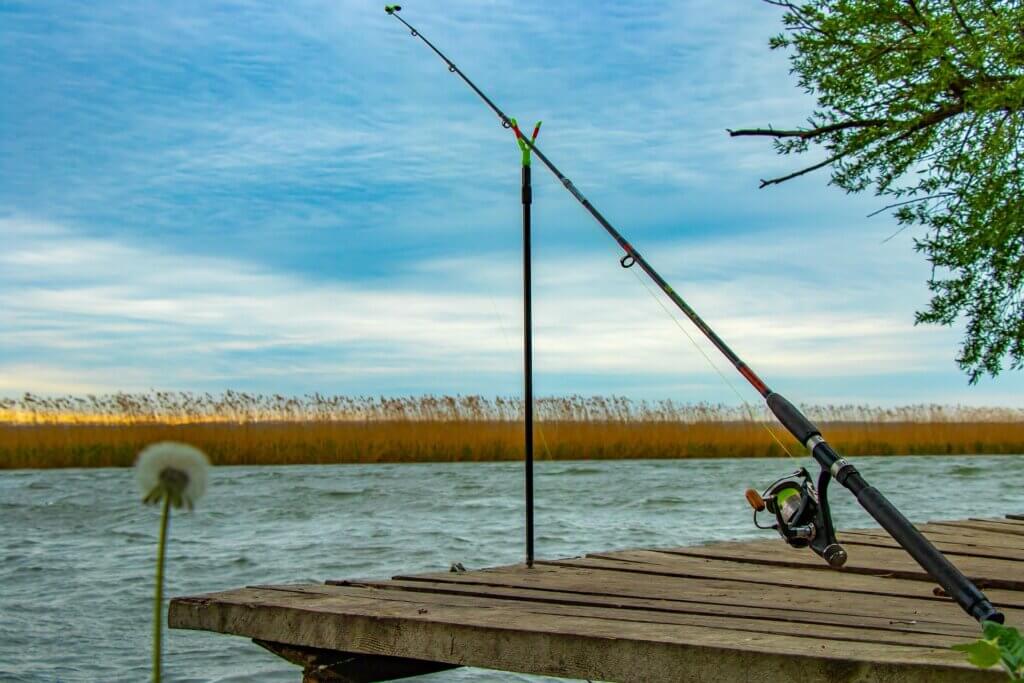
Florida is often marketed as a fishing paradise, and in many ways it truly is. The state offers everything from bass fishing in freshwater lakes to offshore adventures in the Gulf and Atlantic.
What many fishing guides, tourism brochures, and social media videos don’t talk about, however, are the hidden realities that make Florida fishing both fascinating and challenging. Understanding these lesser-known aspects can help you become a smarter, safer, and more successful angler.
FLORIDA IS REALLY SEVERAL DIFFERENT FISHING WORLDS
Many people think of Florida as one giant fishing destination, but it is actually a collection of quite different ecosystems.
The fishing experience in the Florida Panhandle is completely different from fishing in Central Florida, South Florida, the Keys, or the Everglades. Fish species, weather patterns, water clarity, regulations, tides, and techniques can change dramatically depending on where you are.
Someone who catches fish consistently in the Florida Keys may struggle in an inland lake near Orlando. Likewise, a bass expert may find saltwater fishing surprisingly difficult because fish behavior, bait selection, and environmental conditions are completely different.
The best Florida anglers understand that they are constantly learning new systems rather than mastering one universal style of fishing.
THE WEATHER CONTROLS EVERYTHING
One of the biggest surprises for newcomers is how quickly fishing conditions can change.
A bright sunny day that looks perfect for humans may actually make fish less active. Meanwhile, a cloudy day with light rain may create excellent fishing conditions.



Florida’s weather can shift within minutes. Afternoon thunderstorms develop rapidly, especially during summer. Wind direction can completely change water conditions. Barometric pressure changes can affect fish feeding behavior.
Many experienced anglers spend almost as much time studying weather forecasts as they do selecting fishing tackle.
SUMMER FISHING CAN BE BRUTAL


Tourists often imagine spending entire summer days fishing Florida waters. The reality can be much harsher.
Summer heat and humidity can be exhausting. Surface water temperatures can become extremely warm, causing many fish to move deeper, seek shade, or feed during cooler hours.
This is one reason many experienced Florida anglers fish at sunrise, before sunrise, or near sunset. During peak summer afternoons, fishing may slow considerably while the heat becomes physically demanding.
The fish are still there, but their behavior changes dramatically.
MOSQUITOES CAN BE WORSE THAN THE FISH ARE GOOD
This is something many fishing advertisements conveniently ignore.


In some areas, particularly near marshes, mangroves, backwaters, and the Everglades, mosquitoes can be relentless. Add biting flies, no-see-ums, horseflies, and other insects, and certain fishing locations can become uncomfortable very quickly.
Many experienced anglers prepare as carefully for insects as they do for fishing itself.
The most productive fishing spots are often located in areas where insects thrive.
FLORIDA FISH ARE OFTEN SMARTER THAN PEOPLE EXPECT
Because Florida receives tremendous fishing pressure, many fish become surprisingly difficult to catch.
Largemouth bass in heavily fished lakes often see thousands of artificial lures every year. Snook, tarpon, and redfish in popular areas can become cautious and selective.
Fish in heavily pressured waters often react differently than fish living in remote areas. They may inspect lures more carefully, feed at unusual times, or avoid obvious presentations.
Many successful anglers focus more on presentation, stealth, and location than on expensive gear.
WATER LEVELS MATTER MORE THAN MOST BEGINNERS REALIZE
Florida’s fishing can change dramatically based on water levels.
Heavy rains, droughts, flood-control operations, and seasonal water management all influence fish movement.
A lake that produced excellent fishing last month may fish poorly today because water levels changed. The same is true for rivers, canals, marshes, and estuaries.
Many experienced anglers monitor water conditions throughout the year because they know fish often follow changing water levels.
TIDES AFFECT MORE THAN SALTWATER FISHING
Most people understand that tides affect ocean fishing.
What many don’t realize is that tidal influence extends surprisingly far inland in many Florida waterways.
Tidal movement affects baitfish, water flow, oxygen levels, and fish feeding behavior. Some rivers and estuaries may appear calm but are heavily influenced by tidal cycles.
Learning to understand tides often separates average anglers from highly successful ones.
THE BEST FISHING OFTEN HAPPENS IN UGLY CONDITIONS
Many beginners look for clear water, blue skies, and calm conditions.
Experienced anglers often know better.
Wind can push baitfish into productive areas. Slightly stained water can make predators more confident. Overcast skies can encourage feeding activity.
Some of Florida’s most productive fishing occurs under conditions that many beginners would consider unattractive.
Fish do not always share human preferences about weather and scenery.
FISH FOLLOW FOOD MORE THAN STRUCTURE
Many fishing articles focus heavily on finding underwater structure.
Structure is important, but food is often even more important.
Florida fish constantly follow baitfish, shrimp, crabs, insects, frogs, and other food sources. If food moves, predators often move with it.
Successful anglers spend considerable time looking for signs of life such as:
- Diving birds
- Jumping baitfish
- Surface disturbances
- Shrimp activity
- Schools of minnows
- Visible feeding behavior
Finding food often means finding fish.
FLORIDA’S WATER CAN BE DECEPTIVELY DANGEROUS
Many Florida waters look calm and harmless.
Appearances can be misleading.
Strong currents, sudden drop-offs, soft mud bottoms, submerged obstacles, boat traffic, lightning, heat exhaustion, dehydration, and wildlife all create risks.
The state’s fishing culture sometimes focuses heavily on catches while overlooking safety considerations.
Many veteran anglers treat water safety as seriously as fishing success.
WILDLIFE ENCOUNTERS ARE MORE COMMON THAN PEOPLE THINK
Florida anglers frequently share the water with wildlife.
This may include:
- Alligators
- Crocodiles in South Florida
- Dolphins
- Manatees
- Sharks
- Stingrays
- Snakes
- Turtles
- Birds of prey
Most encounters are harmless, but wildlife deserves respect.
One of the biggest mistakes visitors make is assuming that wild animals are accustomed to people and therefore safe to approach.
FISHING PRESSURE IS INCREASING
Florida’s growing population means more people are fishing than ever before.
Popular fishing locations may become crowded during weekends, holidays, and peak seasons.
Fish in these areas often experience significant pressure, making them more difficult to catch.
This is one reason many experienced anglers guard productive locations carefully and spend years discovering lesser-known spots.
THE BEST ANGLERS USUALLY CATCH LESS THAN SOCIAL MEDIA SUGGESTS
Social media has created unrealistic expectations.
Online videos often show nonstop action, giant fish, and perfect days.
What viewers rarely see are the hours of scouting, failed trips, difficult conditions, equipment problems, changing weather, and empty casts.
Even highly skilled anglers experience slow days.
Real fishing involves patience, persistence, observation, and adaptation.
CONSERVATION IS MORE IMPORTANT THAN EVER
Florida’s fisheries depend heavily on responsible stewardship.
Habitat loss, pollution, development, invasive species, boating pressure, and climate-related changes all affect fish populations.
Many experienced anglers practice selective harvest, proper fish handling, habitat protection, and adherence to regulations.
The future of Florida fishing depends on anglers viewing themselves not just as fishermen, but also as caretakers of the resource.
THE MENTAL SIDE OF FISHING IS OFTEN OVERLOOKED
One of the least discussed aspects of fishing is its psychological value.
Fishing teaches patience in a world obsessed with speed.
It teaches observation instead of constant stimulation.
It rewards preparation, persistence, and problem-solving.
Many anglers eventually realize that the fish become only part of the experience. The sunrise, wildlife, solitude, challenge, and connection to nature often become equally important.
This is why many lifelong Florida anglers continue fishing even on days when they catch extraordinarily little. The experience itself becomes the reward.
WHAT FLORIDA FISHING REALLY TEACHES
The biggest lesson many anglers learn after years of fishing Florida is that success has less to do with luck than most people think. The best fishermen become students of weather, water, tides, fish behavior, seasonal patterns, and local ecosystems. They learn that every trip provides information, even when the fish are not cooperating.
Florida fishing also teaches humility. No matter how experienced someone becomes, the fish, weather, and water conditions can still surprise them. That unpredictability is part of what keeps the sport exciting. Every cast carries possibility, and every day on the water offers something new to learn.
Perhaps the most overlooked truth is that fishing in Florida is about much more than catching fish. It is about developing patience, awareness, respect for nature, and an appreciation for ecosystems that most people never fully notice. The anglers who stay with the sport for decades are usually not the ones chasing the biggest trophy fish. They are the ones who learn to enjoy the entire experience that Florida’s waters have to offer.
GENERAL RULES AND REGULATIONS FOR FISHING IN FLORIDA
Florida has some of the most diverse fishing opportunities in the United States, but it also has a detailed set of regulations designed to protect fish populations and aquatic ecosystems. One of the biggest mistakes beginners make is assuming that fishing rules are simple and apply equally everywhere. In reality, regulations can vary by species, location, season, and whether you are fishing in freshwater or saltwater.
Fishing Licenses Are Usually Required
In most cases, anyone fishing in Florida needs an appropriate fishing license. Freshwater and saltwater licenses are separate, and you generally need the correct license for the type of water you are fishing. A license is required even if you are practicing catch-and-release fishing because simply attempting to catch fish falls under Florida’s licensing requirements.
Common License Exemptions
There are several important exemptions that many people do not know about:
- Children under 16 generally do not need a fishing license.
- Florida residents age 65 and older are generally exempt if they can provide proof of age and residency.
- Certain disabled residents may qualify for no-cost licenses.
- Some residents fishing within their county of residence using simple poles and natural bait may qualify for limited exemptions.
- Florida residents can obtain a no-cost shoreline saltwater fishing license for fishing from shore in qualifying situations.
Size Limits Matter
One of the most important regulations involves size limits.
Many species have minimum size limits, maximum size limits, or “slot limits,” meaning fish must fall within a specific size range to be legally kept. Fish that are too small or too large often must be released immediately.
These regulations help protect young fish that have not reproduced and larger breeding fish that help sustain populations. Species-specific rules can change regularly based on fish population assessments.
Bag Limits Are Strictly Enforced
A bag limit is the maximum number of fish you can keep in a day.
For example, some species may allow only one or two fish per angler per day, while others may allow more. These limits vary significantly depending on the species and region.
Keeping more than the legal limit can result in substantial fines and penalties.
Seasons Can Open and Close
Not every fish can be harvested year-round.
Some species have seasonal closures during spawning periods or when populations need additional protection. Regulations may differ between regions of the state.
For example, some saltwater species have region-specific harvest seasons and size restrictions that change as fish populations are monitored.
Protected Species Must Be Released
Certain fish and marine animals are protected and cannot legally be harvested.
If you accidentally catch a protected species, you must release it immediately according to Florida regulations. Examples include certain endangered sharks, rays, and other protected marine species.
Failing to release protected species can result in severe penalties.
Follow Gear Restrictions
Florida regulates not only what you catch but also how you catch it.
Depending on the location and species, there may be restrictions on:
- Net usage
- Traps
- Spearing
- Hook types
- Number of rods
- Certain bait collection methods
Some areas prohibit specific gear entirely to reduce harm to fish populations and habitats.
Know the Difference Between Freshwater and Saltwater
Many Florida waters are brackish, meaning they contain both fresh and salt water.
This creates confusion because regulations may depend on the species being targeted or caught. In some areas, anglers choose to carry both freshwater and saltwater licenses to avoid potential complications. Community discussions among Florida anglers often emphasize that enforcement officers take these distinctions seriously.
Special Permits May Be Required
Some species require additional permits beyond a standard fishing license.
Examples may include species such as snook, spiny lobster, and certain highly regulated game fish. Before targeting a specific species, it is wise to verify whether additional permits are required.
Wildlife Officers Regularly Check Anglers
Many new anglers are surprised by how frequently conservation officers patrol Florida waters.
Officers may inspect:
- Fishing licenses
- Fish species
- Fish sizes
- Bag limits
- Equipment
- Vessel compliance
Most interactions are routine, but violations can result in fines, confiscation of equipment, and in serious cases, criminal charges.
Fishing in Parks and Special Management Areas
Some locations have additional regulations beyond statewide rules.
These may include:
- State parks
- Wildlife management areas
- National parks
- Certain reservoirs
- Conservation lands
Always check local regulations before fishing in a new location because special restrictions may apply.
The Rule Most Experienced Anglers Follow
One of the smartest habits experienced Florida anglers develop is checking current regulations before every fishing trip.
Florida regulations can change as fish populations rise or decline. A rule that was correct last year may not be correct today. Because of this, many veteran anglers rely on the official Florida Fish and Wildlife Conservation Commission resources before targeting a particular species.
What Nobody Talks About
Many people think the hardest part of fishing is finding fish. In reality, understanding regulations can be just as important. Successful anglers learn that conservation rules are not obstacles; they are what help ensure Florida’s world-class fisheries remain healthy for future generations.
The anglers who rarely encounter problems are usually the ones who take a few minutes before each trip to verify licenses, size limits, bag limits, seasons, and local restrictions. That small amount of preparation can prevent costly mistakes and help preserve the fishing opportunities that make Florida one of the world’s premier fishing destinations.
TOP LAKES, RIVERS, AND COASTAL AREAS TO FISH IN FLORIDA
Florida is one of the few places in the world where you can catch trophy largemouth bass in the morning, redfish in the afternoon, and tarpon at sunset. The state offers thousands of fishing locations, but a handful consistently stand out among locals, guides, and experienced anglers.
TOP FRESHWATER LAKES FOR FISHING
Lake Okeechobee
Often called the “Bass Fishing Capital of the World,” Lake Okeechobee is Florida’s most famous freshwater fishery. Covering more than 700 square miles, it provides vast areas of vegetation, shallow flats, and fish habitat.
Anglers target:
- Largemouth bass
- Crappie (speckled perch)
- Bluegill
- Catfish
What nobody talks about is how intimidating Okeechobee can be. Weather conditions can change rapidly, and wind can turn open water rough surprisingly fast. Learning the lake takes time, but the rewards can be tremendous.
Lake Tohopekaliga
Commonly called “Lake Toho,” this Central Florida lake is one of the nation’s premier bass fisheries.
Anglers love it because:
- Consistent trophy bass potential
- Extensive vegetation
- Professional tournament history
- Easy access near Orlando
Many visitors are surprised that fishing pressure can be intense due to its reputation, making fish more selective than expected.
Harris Chain of Lakes
This interconnected lake system is famous among bass anglers.
Popular species include:
- Largemouth bass
- Crappie
- Bluegill
- Catfish
The variety of habitats allows anglers to fish different patterns throughout the year.
Rodman Reservoir
Rodman is legendary among serious bass fishermen.
What makes it unique:
- Flooded timber habitat
- Trophy bass potential
- Less developed atmosphere
- Wild Florida scenery
Many anglers consider it one of the best places in Florida for catching truly giant bass.
TOP RIVERS FOR FISHING
St. Johns River
The St. Johns is one of Florida’s most productive rivers and stretches more than 300 miles.
Species include:
- Largemouth bass
- Crappie
- Bluegill
- Catfish
- Redfish in brackish sections
One overlooked fact is that the river flows north, which is unusual for major rivers in the United States.
Suwannee River
The Suwannee offers a more natural and less crowded fishing experience.
Anglers target:
- Bass
- Catfish
- Sunfish
- Striped bass
The river’s limestone springs and scenic beauty make it attractive even when fishing is slow.
Peace River
The Peace River is known for both fishing and fossil hunting.
Popular catches include:
- Bass
- Catfish
- Panfish
Many anglers appreciate the remote feel and lower fishing pressure compared to more famous waters.
Apalachicola River
Located in the Panhandle, this river system offers excellent fishing in a relatively wild environment.
Species include:
- Bass
- Bream
- Catfish
- Striped bass
The surrounding ecosystem is one of the most diverse in North America.
TOP COASTAL FISHING AREAS
Florida Keys
The Florida Keys are arguably Florida’s most famous saltwater fishing destination.
Species include:
- Tarpon
- Bonefish
- Permit
- Snapper
- Grouper
- Tuna
- Mahi-mahi
What nobody talks about is how technically challenging Keys fishing can be. Success often depends on tides, weather, water clarity, and precise presentations.
Mosquito Lagoon
This is one of the most respected shallow-water fisheries in the country.
Known for:
- Redfish
- Speckled trout
- Black drum
Sight-fishing opportunities make it especially appealing to skilled anglers.
Indian River Lagoon
This massive estuary system provides outstanding inshore fishing opportunities.
Species include:
- Redfish
- Snook
- Trout
- Tarpon
Many local anglers consider it one of Florida’s most versatile fisheries.
Tampa Bay
Tampa Bay offers world-class inshore fishing combined with easy accessibility.
Popular catches:
- Snook
- Redfish
- Speckled trout
- Tarpon
Its diverse habitats support fish year-round.
Charlotte Harbor
Charlotte Harbor is often overlooked by tourists but highly respected by anglers.
Highlights include:
- Redfish
- Snook
- Tarpon
- Sea trout
The relatively shallow waters create excellent habitat for gamefish.
Everglades National Park
The Everglades provide one of the most unique fishing experiences anywhere in the world.
Species include:
- Snook
- Tarpon
- Redfish
- Sea trout
- Snapper
Many experienced anglers describe the Everglades as fishing in a true wilderness.
THE MOST UNDERRATED FISHING SPOTS
Many anglers focus exclusively on famous destinations while overlooking lesser-known opportunities.
Some of Florida’s most productive fishing actually occurs in:
- Residential canals
- Small natural lakes
- Farm ponds
- Backwater creeks
- Mangrove shorelines
- Tidal marshes
- Freshwater canals
These locations often receive less pressure and can produce excellent catches.
WHICH AREA IS BEST FOR YOU?
If you love bass fishing, start with Lake Okeechobee, Lake Toho, Rodman Reservoir, or the St. Johns River.
If you enjoy inshore saltwater fishing, focus on Tampa Bay, Charlotte Harbor, Mosquito Lagoon, or Indian River Lagoon.
If your dream is catching bucket-list species like tarpon, bonefish, permit, and offshore game fish, the Florida Keys should be at the top of your list.
If you want a true wilderness experience, the Everglades offer something few places on Earth can match.
The biggest secret about Florida fishing is that the “best” location often depends less on the body of water and more on timing, weather, tides, and understanding fish behavior. Even a small overlooked canal can outperform a world-famous fishing destination when conditions are right.
THE GOOD, BAD, AND UGLY OF FISHING IN FLORIDA
Florida is often described as an angler’s paradise, and for good reason. The state offers some of the most diverse fishing opportunities on Earth. At the same time, fishing in Florida has challenges and realities that tourism advertisements rarely mention. Understanding both the positives and negatives will help you appreciate what fishing in the Sunshine State is really like.
THE GOOD
Incredible Variety of Fish Species
One of the greatest advantages of fishing in Florida is the sheer variety of fish available.
In freshwater alone, anglers can target:
- Largemouth bass
- Crappie (speckled perch)
- Bluegill
- Shellcracker
- Catfish
- Peacock bass in South Florida
In saltwater, the list becomes even more impressive:
- Snook
- Redfish
- Speckled trout
- Tarpon
- Snapper
- Grouper
- Mahi-mahi
- King mackerel
- Sailfish
- Tuna
- Bonefish
- Permit
Very few places in the world offer such a wide range of fishing opportunities within a single state.
Year-Round Fishing Opportunities
Unlike northern states where lakes may freeze and fishing seasons become limited, Florida provides fishing opportunities throughout the year.
Even during winter, many species remain active. While seasonal patterns change, there is rarely a time when fishing completely shuts down.
For anglers who love being outdoors, this is a huge advantage.
World-Class Trophy Fishing
Florida is known for producing trophy fish.
Many anglers travel from around the world hoping to catch:
- Double-digit largemouth bass
- Giant tarpon
- Massive snook
- Large redfish
- Offshore pelagic species
The possibility of catching a fish of a lifetime keeps anglers coming back year after year.
Beautiful Scenery
Fishing often takes place in stunning natural settings.
You may encounter:
- Sunrises over marshes
- Mangrove shorelines
- Crystal-clear springs
- Coastal flats
- Cypress swamps
- Wildlife-rich rivers
Even on slow fishing days, many anglers find the scenery alone worth the trip.
Wildlife Encounters
Florida’s ecosystems are full of life.
Anglers frequently see:
- Dolphins
- Manatees
- Ospreys
- Bald eagles
- Pelicans
- Sea turtles
- Wading birds
For many people, these encounters become just as memorable as the fish they catch.
Access to Multiple Types of Fishing
In some parts of Florida, an angler can fish freshwater in the morning and saltwater in the afternoon.
That flexibility is rare and gives anglers endless opportunities to explore new techniques and species.
THE BAD
Extreme Heat and Humidity
One reality many visitors underestimate is Florida’s climate.
Summer temperatures combined with high humidity can become exhausting.
Anglers often deal with:
- Heat exhaustion
- Dehydration
- Sunburn
- Fatigue
Many experienced fishermen schedule trips around sunrise and sunset to avoid the worst conditions.
Sudden Weather Changes
Florida weather can be unpredictable.
A calm morning can quickly become dangerous due to:
- Thunderstorms
- Lightning
- Strong winds
- Heavy rain
Lightning is especially dangerous because anglers are often exposed on open water holding fishing rods that can act as lightning conductors.
Heavy Fishing Pressure
Florida’s popularity means many fishing locations receive intense pressure.
Fish in popular areas often become:
- More cautious
- Harder to fool
- Less predictable
On weekends and holidays, some popular fishing spots can become crowded with boats and anglers.
Expensive Equipment and Boats
Fishing can become an expensive hobby.
Costs may include:
- Licenses
- Rods and reels
- Tackle
- Fuel
- Boat maintenance
- Electronics
- Storage
Many newcomers are surprised by how quickly expenses can accumulate.
Learning Curve
Florida’s fishing opportunities are diverse, but they are not always easy.
Understanding:
- Tides
- Weather patterns
- Seasonal movements
- Water temperatures
- Fish behavior
takes time and experience.
Many beginners underestimate how much learning is involved.
THE UGLY
Harmful Algal Blooms and Water Quality Issues
One of the most concerning challenges facing Florida fisheries is water quality.
Some areas experience:
- Harmful algal blooms
- Nutrient pollution
- Fish kills
- Reduced water clarity
These events can impact both fish populations and recreational fishing opportunities.
Many anglers worry about the long-term health of certain waterways.
Habitat Loss
As Florida’s population grows, natural habitats continue to face pressure.
Development can affect:
- Wetlands
- Mangrove forests
- Seagrass beds
- Fish nursery habitats
When habitats decline, fish populations often suffer as well.
Invasive Species
Florida has become a hotspot for invasive species.
Examples include:
- Lionfish
- Burmese pythons
- Various exotic fish species
Some invasive species compete with native wildlife and disrupt ecosystems.
While a few invasive fish create interesting fishing opportunities, many pose significant environmental challenges.
Boat Accidents and Waterway Congestion
Popular waterways can become crowded.
This sometimes leads to:
- Boat collisions
- Wake damage
- User conflicts
- Safety concerns
Not every day on the water is peaceful, especially in highly developed coastal areas.
Poor Fish Handling Practices
One topic that is rarely discussed enough is improper catch-and-release practices.
Some anglers unintentionally harm fish by:
- Keeping fish out of water too long
- Mishandling them for photos
- Using inappropriate gear
- Fighting fish excessively
A fish may swim away yet still die later from stress or injury.
Responsible fish handling is critical for conservation.
Unrealistic Expectations
Perhaps the ugliest reality is the disappointment many newcomers experience because of unrealistic expectations.
Television shows, YouTube videos, and social media often portray fishing as nonstop action.
The truth is:
- Some days are slow.
- Some days fish refuse to bite.
- Some trips end without a single catch.
Experienced anglers accept this as part of the sport, but beginners often become frustrated when reality does not match online highlight reels.
WHAT NOBODY TALKS ABOUT
The biggest secret about fishing in Florida is that success is rarely about owning the most expensive gear or fishing the most famous locations. The anglers who consistently catch fish are usually those who understand the water, study conditions, remain patient, and adapt to changing circumstances.
Fishing in Florida is also a lesson in humility. The same waters that can produce a trophy fish one day can leave even a skilled angler empty-handed the next. Weather, tides, fish behavior, and environmental conditions constantly change, and nature does not guarantee success.
At its best, Florida fishing offers adventure, relaxation, challenge, and a deep connection to the natural world. At its worst, it can be hot, frustrating, expensive, and unpredictable. Yet for many anglers, that unpredictability is exactly what makes it so rewarding. Every cast carries possibility, and that possibility keeps people returning to Florida’s lakes, rivers, flats, beaches, and offshore waters year after year.
OFFICIAL FLORIDA FISHING RESOURCES
If you want the most accurate and up-to-date information about fishing in Florida, your first stop should always be the official Florida Fish and Wildlife Conservation Commission (FWC). Regulations, seasons, bag limits, size limits, and licensing requirements can change, and FWC is the authority that manages Florida’s fisheries.
Florida Fish and Wildlife Conservation Commission (FWC)
Florida Fish and Wildlife Conservation Commission (FWC)
This is the best source for:
- Fishing licenses
- Saltwater regulations
- Freshwater regulations
- Species identification
- Bag and size limits
- Seasonal closures
- Fishing forecasts
- Conservation information
Florida’s freshwater fishing regulations include statewide rules, bag limits, and special management area regulations.
Florida Fishing Licenses
Official License Information
FWC Recreational Fishing Licenses
Here you can learn about:
- Resident licenses
- Non-resident licenses
- Saltwater licenses
- Freshwater licenses
- Shoreline fishing licenses
- Exemptions and special permits
Florida Fishing Regulations
Freshwater Fishing Rules
FWC Freshwater Fishing Regulations Guide
Saltwater Fishing Rules
FWC Saltwater Fishing Regulations Guide
These resources cover legal methods of fishing, species-specific regulations, seasons, and harvest restrictions.
Learn About Florida’s Best Fishing Destinations
Visit Florida
Visit Florida Fishing Guide
Florida’s tourism website provides destination guides, regional fishing information, seasonal recommendations, and local attractions. Lake Okeechobee is highlighted as one of Florida’s premier freshwater fishing destinations.
Lake Okeechobee Resources
Official Travel Guide
This guide covers:
- Bass fishing
- Crappie fishing
- Local guides
- Boat ramps
- Nearby towns
- Seasonal events
Lake Okeechobee is widely regarded as one of Florida’s top bass fisheries and is often referred to as the “Big O.”
Local Tourism Information
These sites provide local information about fishing access, accommodations, marinas, and fishing opportunities around Lake Okeechobee.
Everglades Fishing Resources
National Park Service Fishing Information
Everglades National Park Fishing Guide
Everglades Fishing Activities
Fishing in the Everglades National Park
These resources explain:
- Freshwater and saltwater fishing zones
- Licensing requirements
- Closed areas
- Permitted bait
- Boating information
- Species commonly caught
The Everglades offers both freshwater and saltwater fishing opportunities across a vast and unique ecosystem.
National Park Fishing Information
Canaveral National Seashore Fishing
Canaveral National Seashore Fishing Guide
This guide explains how Florida fishing regulations apply within federally managed lands and waters.
Community Knowledge and Fishing Discussions
While official sources should always be your primary reference for regulations, online communities can provide useful local knowledge, fishing reports, and practical advice.
Reddit Florida Fishing Community
Common discussion topics include:
- Local fishing reports
- Seasonal fish movements
- Fishing gear recommendations
- Brackish water regulations
- Shoreline fishing experiences
- New angler advice
Many experienced anglers recommend carrying both freshwater and saltwater licenses when regularly fishing brackish waters to avoid confusion regarding target species and enforcement interpretations.
Books Worth Reading
If you want to go deeper than regulations and fishing reports, consider looking for books covering:
- Florida bass fishing
- Florida saltwater fishing
- Inshore fishing techniques
- Offshore fishing techniques
- Florida fish identification
- Tides and coastal fishing
- Everglades fishing
A good bookstore or library often has regional fishing guides that provide local knowledge you may not find online.
Best Overall Learning Path
If you genuinely want to become knowledgeable about fishing in Florida, we recommend this order:
- Read the FWC regulations and licensing guides.
- Learn fish identification.
- Study tides, weather, and seasonal fish movements.
- Learn the differences between freshwater, saltwater, and brackish-water fishing.
- Explore destination guides for places like Lake Okeechobee, Everglades National Park, and the Florida Keys.
- Follow local fishing reports and angler communities.
- Spend time on the water observing fish behavior, weather, tides, and habitat.
The reality is that the best Florida anglers are lifelong students. Fish behavior, weather, water conditions, and regulations are constantly changing, which means there is always something new to learn no matter how many years you have been fishing.