




Gates of the Arctic National Park is one of those places that almost feels like it exists outside normal travel expectations. It is not just remote in the usual sense—it is one of the least developed and least visited national parks in the United States, and most of what people “don’t talk about” is exactly what makes it so extreme, difficult, and strangely powerful.
Gates of the Arctic National Park is located in northern Alaska, United States, deep within the Brooks Range and entirely north of the Arctic Circle.
More specifically, it sits in the central part of northern Alaska, far above most populated areas. The park stretches between the Kobuk River valley to the west and the North Fork of the Koyukuk River to the east, covering remote mountain terrain, tundra, and river systems.
You can think of it as being:
- Roughly north of Fairbanks, Alaska (but not directly accessible from it)
- Deep in the Brooks Range mountains
- Far inside the Arctic region, above 66°33′ North latitude
The official protected area is part of the U.S. National Park System as Gates of the Arctic National Park and Preserve, one of the most remote national parks in the entire country.
There are no roads leading into it, so access is usually by bush plane from nearby Alaskan villages such as Bettles or Coldfoot along the Dalton Highway corridor, or by long wilderness expeditions.
A PLACE WITH NO INFRASTRUCTURE ON PURPOSE
One of the most surprising truths is that there are no roads, no trails, no visitor centers inside the park. Not even basic park infrastructure like campsites or marked routes exists. This is intentional. The entire park was preserved under the idea that it should remain fully wild, meaning you are responsible for navigation, shelter, food, and safety from the moment you enter.
What people don’t always realize is that this changes everything. You are not “hiking in a park” the way you would in most national parks—you are entering an unmanaged wilderness where you essentially design your own route from scratch.




THE SCALE IS HARD TO COMPREHEND UNTIL YOU’RE THERE
Gates of the Arctic covers roughly 8.4 million acres and stretches across the Brooks Range in northern Alaska, entirely above the Arctic Circle. On a map it looks big, but in reality it feels even larger because there are no landmarks or roads to give you reference points.
One of the “hidden realities” here is psychological: distance becomes meaningless. What looks like a short valley crossing can take a full day or more because of tundra, rivers, and terrain that constantly slows movement.
Even experienced hikers often average only a few miles per day in some sections due to dense brush, bogs, and river crossings.


THERE ARE NO EASY ENTRY POINTS
Another thing people don’t fully understand is how you actually get in. You cannot drive into the park. There are no roads connecting to it. Most visitors arrive by small bush planes or by long, difficult approaches from nearby highways like the Dalton Highway.
This creates a quiet filter: the park naturally selects for people who are highly prepared, experienced, or joining guided expeditions. There is no casual tourism here.
THE WEATHER CONTROLS EVERYTHING
The Arctic environment is not just “cold”—it is unpredictable and fast-changing. Summer is short, and even in peak season you can get snow, freezing rain, or sudden temperature drops.
One of the less talked about realities is that weather dictates survival planning more than distance or terrain. A river that is crossable in the morning can become dangerous in the afternoon after snowmelt. Air taxis may be delayed for days due to cloud cover.

This unpredictability is part of why trips here often require flexible schedules and emergency planning that would feel excessive in most other national parks.
WILDLIFE IS PRESENT BUT NOT PREDICTABLE
The park is home to large populations of caribou, wolves, bears, moose, wolverines, and Dall sheep, but sightings are not guaranteed or frequent.
A misconception is that wildlife viewing is constant. In reality, animals are widely dispersed across vast areas. You might go days without seeing anything large, then suddenly encounter tracks, scat, or distant movement.
The most important “hidden truth” is that wildlife is not an attraction—it is part of an ecosystem you are passing through.
THE REAL CHALLENGE IS NOT CLIMBING, IT’S MOVING
Unlike mountain parks with defined routes, the challenge here is movement itself. Tundra vegetation can be thick, wet, and energy-draining. River crossings are common and can be cold, fast, and unpredictable.
People often underestimate how exhausting it is to simply walk in this environment. Even gentle-looking terrain can hide soft ground, ankle-deep mud, or tussock grass that twists footing and slows progress significantly.
This is why experienced backpackers often say the park “eats mileage.”
SOLITUDE IS REAL IN A WAY MOST PLACES CANNOT MATCH
One of the most talked-about but still underappreciated aspects is the isolation. You can travel for days without encountering another human being.
But the deeper reality is not just physical solitude—it is sensory silence. No aircraft noise, no road sounds, no manmade structures. Just wind, water, wildlife, and terrain.
This kind of isolation can feel peaceful, but it also requires mental adjustment. Some people find it deeply grounding; others find it disorienting after a few days.
HUMAN HISTORY IS HIDDEN BENEATH THE LANDSCAPE
Another lesser-known fact is that this is not “untouched” in the literal sense. People have lived and traveled through this region for at least 10,000 to 12,000 years, including Indigenous groups such as the Iñupiat and Koyukon Athabascan peoples.
What you see as empty wilderness is actually a landscape shaped by migration routes, subsistence patterns, and deep cultural history that is not obvious unless you know where to look.
THE HIDDEN DIFFICULTY: LOGISTICS, NOT JUST ADVENTURE
What most people don’t talk about is that planning a trip here is often harder than the trip itself. You must coordinate:
- Bush plane access
- Weather delays
- Landing zones on rivers or gravel bars
- Navigation systems like GPS and satellite communication
- Food resupply and emergency backup plans
Even small mistakes in planning can become serious problems due to the lack of infrastructure.
WHY PEOPLE STILL GO DESPITE ALL OF THIS
Despite the difficulty, people go because it represents something increasingly rare: a place in the United States that is still fully wild, unengineered, and governed only by natural systems.
It is not comfortable. It is not convenient. It is not forgiving.
But that is exactly the point.
It is one of the few remaining landscapes where modern life stops being relevant the moment you step into it, and where your awareness shifts entirely to terrain, weather, and survival skills.
Gates of the Arctic is not a typical national park experience—it is closer to a wilderness expedition zone that happens to be protected rather than developed. The “things nobody talks about” are usually the things that define it most: no trails, extreme logistics, unpredictable weather, and the mental impact of true isolation.
It is a place that does not try to make itself easy to visit. It stays difficult on purpose, and that is what keeps it one of the most intact wilderness areas left in North America.
MOST PEOPLE WHO GO TO GATES OF THE ARCTIC NATIONAL PARK DO GO WITH ORGANIZED GROUPS OR GUIDED EXPEDITIONS, AND THERE’S A STRONG REASON FOR THAT—IT IS ONE OF THE MOST LOGISTICALLY DIFFICULT NATIONAL PARKS IN THE UNITED STATES TO VISIT SAFELY
The majority of visitors enter the park through outfitter-guided trips or specialized wilderness tour groups. These are not typical sightseeing tours. They are generally small expedition-style groups led by experienced Alaska guides.
These groups handle things like:
- Bush plane transport into the park
- River crossings and route planning
- Bear safety and food storage
- Emergency communication systems
- Navigation in completely unmarked terrain
Because there are no trails or facilities, having experienced leadership dramatically reduces risk.
Why Guided Trips Are So Common
The biggest reason people rely on groups is that this is not a “follow a trail and camp” environment. It is a true backcountry wilderness zone where:
- You must navigate without marked routes
- Weather can change rapidly and affect travel or flight pickups
- Rivers can become dangerous without warning
- Wildlife encounters require proper safety knowledge
- Rescue access is extremely limited and slow
Even experienced backpackers often choose guided trips here because the consequences of small mistakes are much higher than in most national parks.
Independent Travel Is Allowed but Rare
Yes, it is possible to go independently, and some very experienced wilderness travelers do. However, it is uncommon.
Independent visitors usually:
- Have advanced backcountry navigation skills
- Carry satellite communication devices
- Are highly experienced in Alaska-style wilderness travel
- Often already know the region or have done similar expeditions
Even then, many still coordinate bush plane flights through air taxi services and may work with local pilots who understand safe landing zones.
Typical Ways People Visit
Most trips fall into three categories:
1. Guided backpacking expeditions
Small groups led by professional Alaska guides.
2. River trips
Float trips on wilderness rivers like the Alatna or John rivers using rafts or packrafts, often guided.
3. Independent expert expeditions
Experienced wilderness travelers arranging their own logistics and flights.
The Key Reality Most People Don’t Expect
Even “going with a tour” doesn’t mean comfort or infrastructure. It usually still involves:
- No trails
- No campsites
- No guaranteed rescue access
- Flying in and out by small aircraft
- Carrying all supplies on your back or raft
So even guided trips feel like full wilderness expeditions, not standard tourism.
Most people who visit Gates of the Arctic National Park and Preserve go with guided groups or specialized outfitters, because the park is remote, unmarked, and extremely demanding. Independent travel is possible, but it’s generally reserved for highly experienced wilderness travelers who are already comfortable operating in true Arctic backcountry conditions.
One of the biggest misconceptions about Gates of the Arctic is that it is completely uninhabited. While there are no cities, towns, roads, or permanent settlements inside most of the park itself, people do live in and around the region.
Indigenous Communities Have Lived Here for Thousands of Years
Long before the park existed, Indigenous peoples lived, hunted, fished, and traveled throughout the Brooks Range region. Today, Alaska Native communities still maintain deep cultural, historical, and subsistence connections to the area.
The landscape is not an empty wilderness that humans never used. It is a homeland with thousands of years of human history.
Some nearby communities include:
- Anaktuvuk Pass
- Bettles
- Wiseman
- Coldfoot
These are exceedingly small and remote communities compared to what most people think of as towns.
There Is One Community Inside the National Park Boundary
A fact many people don’t know is that Anaktuvuk Pass lies within the boundaries of the park and preserve area. It is home to members of the Nunamiut Iñupiat people and has a year-round population.
This makes Gates of the Arctic unusual among national parks because it is not completely devoid of permanent residents.
Some People Live an Extremely Remote Lifestyle
There are also a small number of people living in isolated cabins, villages, or seasonal camps near the park region. Some residents depend heavily on:
- Hunting
- Fishing
- Trapping
- Gathering wild foods
Life in this part of Alaska often requires a level of self-sufficiency that most Americans never experience.
What Most Visitors Experience
From a visitor’s perspective, it can feel like nobody lives there because:
- You may go days without seeing another person.
- There are no roads.
- There are no stores.
- There are no developed campgrounds.
- There are no hotels inside the park.
The silence and isolation are so complete that many visitors describe feeling as though they are in a world untouched by civilization.
The Reality
The better way to think about Gates of the Arctic is not that “nobody lives there,” but rather that very few people live there, and those who do have a much different relationship with the land than most modern society does.
The region remains one of the last places in North America where wilderness is still vast enough that humans are not the dominant presence. People are there, but nature is still the main force shaping daily life.
TOP THINGS PEOPLE ON TOUR GROUPS DO IN GATES OF THE ARCTIC NATIONAL PARK
Unlike many national parks, people do not come to Gates of the Arctic for scenic drives, visitor centers, restaurants, or easy day hikes. Most guided tours focus on true wilderness experiences where the landscape itself is the attraction.
Backpacking Through Untouched Wilderness
The most popular activity is multi-day backpacking. Since there are no official trails, guides lead visitors across tundra, mountain passes, river valleys, and remote wilderness areas using maps, GPS, and local knowledge. Many visitors simply consider traveling through the landscape the main adventure because every route is unique.
One surprising fact is that experienced hikers often consider six miles a good day’s travel because the terrain is so challenging. Thick vegetation, bogs, tussocks, and river crossings slow progress dramatically.
Floating Wild Rivers
Many guided trips involve rafting, canoeing, or packrafting down remote rivers. Some of the most popular rivers include the Alatna, John, and North Fork Koyukuk Rivers.
These trips allow visitors to travel long distances through wilderness while carrying less weight than backpackers. Floating trips often combine wildlife viewing, fishing, camping, and hiking side excursions.
Wildlife Observation
Visitors hope to see:
- Caribou
- Grizzly bears
- Black bears
- Moose
- Dall sheep
- Wolves
- Arctic birds
However, unlike Yellowstone or Denali, wildlife sightings are never guaranteed. Animals roam enormous areas, and some visitors may go days without seeing large mammals.
Photography
Many photographers consider Gates of the Arctic one of the most pristine wilderness photography destinations in North America.
Popular subjects include:
- Brooks Range mountain scenery
- Endless tundra landscapes
- Wild rivers
- Midnight sun
- Fall colors
- Wildlife
The lack of roads, buildings, and crowds means photographers can capture scenes that look much as they did centuries ago.
Flightseeing
Not everyone wants to spend a week crossing rivers and carrying a backpack.
Some visitors choose flightseeing tours that fly over the Brooks Range and the park’s vast wilderness. This allows people to experience the scale of the landscape without undertaking a major expedition.
Learning About Indigenous Culture and Subsistence Living
Many guided trips discuss the history and traditions of Alaska Native peoples who have lived in the region for thousands of years.
Visitors often learn about:
- Traditional hunting practices
- Subsistence lifestyles
- Seasonal migrations
- Survival in Arctic environments
- The cultural significance of the land
The park is not simply wilderness; it is also an important cultural landscape.
GENERAL RULES AND REGULATIONS OF GATES OF THE ARCTIC NATIONAL PARK
Because the park is so fragile and remote, visitors are expected to follow strict wilderness ethics.
Leave No Trace Is Extremely Important
The Arctic ecosystem recovers very slowly from damage.
Visitors are expected to:
- Pack out all trash
- Leave natural objects where they are found
- Avoid damaging vegetation
- Camp on durable surfaces when possible
- Minimize impacts on the land
Some damaged areas may take decades or even longer to recover.
Bear-Resistant Food Storage Is Required
Bear-resistant food containers (BRFCs) are required in the park.
This rule protects both people and wildlife. Bears that gain access to human food can become dangerous and may eventually have to be destroyed.
Respect Wildlife
Visitors should:
- Never feed wildlife
- Keep a safe distance
- Avoid disturbing nesting or feeding areas
- Use telephoto lenses instead of approaching animals
Wildlife always has the right of way.
Group Size Limits Apply
Backcountry groups are limited to 10 people to reduce environmental impact and preserve the wilderness experience.
Campfires Are Restricted
Campfires are allowed only in limited situations and on durable surfaces because firewood is scarce and the environment is fragile.
Most visitors use portable camp stoves instead.
Respect Local Residents and Subsistence Activities
Visitors should not disturb:
- Traps
- Hunting camps
- Subsistence activities
- Private property
Many local residents rely on the land for food and cultural traditions. Subsistence hunting, fishing, and trapping remain important parts of life in the region.
Pets Must Be Controlled
Pets must be leashed or physically restrained at all times, and visitors cannot leave pets unattended.
Firearms Rules
People who can legally possess firearms under federal and Alaska law may possess them within the park. However, firearm use is heavily regulated and generally may not be discharged except under extremely limited circumstances allowed by law. Visitors are responsible for knowing all applicable state and federal regulations.
Be Self-Sufficient
Perhaps the most important rule is not written as a regulation but as an expectation.
Visitors should be prepared to:
- Navigate without trails
- Handle emergencies
- Cross rivers safely
- Survive severe weather
- Communicate with satellite devices
- Function without cell service
Search and rescue is limited, and help may be far away. Gates of the Arctic is one of the few national parks where self-reliance is not just recommended—it is essential.
The Reality of a Guided Tour
Most guided groups spend their days hiking, floating rivers, camping, observing wildlife, taking photographs, and learning wilderness skills. There are no gift shops, shuttle buses, scenic roads, or developed attractions. The attraction is the wilderness itself.
That is what makes Gates of the Arctic National Park and Preserve different from almost every other national park in America. Instead of visiting nature from a comfortable distance, visitors become temporary participants in one of the last truly wild landscapes on the continent.
GATES OF THE ARCTIC IS CONSISTENTLY ONE OF THE LEAST-VISITED NATIONAL PARKS IN THE UNITED STATES
In a typical year, the park receives roughly 7,000 to 12,000 visitors annually, depending on weather, access, and how visitation is counted. Recent official National Park Service statistics have generally fallen within that range.
To put that into perspective:
- Gates of the Arctic: roughly 7,000–12,000 visitors per year
- Yellowstone National Park: millions of visitors annually
- Great Smoky Mountains National Park: over 10 million visitors annually
On some days in Gates of the Arctic, there may be only a handful of visitors spread across millions of acres. It is entirely possible to spend several days without seeing another person.
Why So Few People Visit?
Several factors keep visitation low:
- No roads into the park
- No developed campgrounds
- No hotels inside the park
- No marked trails
- Expensive bush-plane transportation
- Remote Arctic location
- Demanding wilderness conditions
The park almost acts as a natural filter. Only people who specifically want a wilderness adventure tend to make the effort to get there.
BEST TIME OF YEAR TO VISIT
Mid-June Through Early September
For most visitors, this is the ideal season.
During this period:
- Temperatures are at their warmest
- Rivers are generally navigable
- Bush planes can access many locations
- Daylight lasts nearly around the clock
- Most guided trips operate during these months
The National Park Service specifically notes that mid-June through September is usually the best time for backpacking and hiking, while July and August are generally the best months for river float trips.
JUNE
Pros
- Fewer insects early in the month
- Long daylight hours
- Fewer visitors
Cons
- Wet ground from snowmelt
- Some lingering snow at higher elevations
- Cooler temperatures
June is often favored by experienced backpackers who want solitude and don’t mind unpredictable conditions.
JULY
Pros
- Warmest temperatures
- Continuous daylight
- Excellent hiking conditions
- Rivers usually accessible
Cons
- Mosquitoes can be intense
- More visitors than other months (though still very few compared to most parks)
Many guides consider July the easiest month for first-time visitors.
AUGUST
Pros
- Beautiful scenery
- Slightly fewer insects later in the month
- Excellent wildlife viewing opportunities
- Good weather for backpacking and floating
Cons
- Increasing chance of cold nights
- Occasional early snowstorms at higher elevations
Many experienced Alaska travelers consider late August one of the best overall times to visit.
SEPTEMBER
Pros
- Spectacular fall colors
- Few insects
- Extraordinary photography opportunities
- Greater chance of seeing the Northern Lights
Cons
- Colder temperatures
- Rivers begin freezing
- Air-taxi services become more limited later in the month
The Brooks Range tundra can turn brilliant shades of red, orange, and gold, making September a favorite among photographers.
WHAT ABOUT WINTER?
Winter visits are possible but are generally reserved for highly experienced Arctic travelers.
Visitors may use:
- Cross-country skis
- Snowshoes
- Snowmachines where permitted
However, winter conditions can be extremely harsh, with severe cold, deep snow, limited daylight, and challenging travel. The National Park Service emphasizes that preparation is essential.
THE HIDDEN SWEET SPOT
If you asked many experienced Alaska wilderness travelers when they would go if they could choose only one time, a common answer would be:
LATE AUGUST THROUGH EARLY SEPTEMBER.
Why?
- Fall colors begin appearing.
- Mosquitoes are greatly reduced.
- Crowds (what little there are) are smaller.
- Temperatures are still manageable.
- The landscape becomes incredibly photogenic.
- You may even have opportunities to see the Northern Lights on clear nights.
That short window combines many of the best features of summer and fall while avoiding some of the drawbacks of peak July mosquito season.
If your goal is the classic Gates of the Arctic experience, July and August are usually the safest and easiest months for first-time visitors. If you want stunning scenery, fewer insects, and don’t mind cooler temperatures, late August to early September is often considered the most rewarding time to experience this extraordinary wilderness.
THE GOOD, BAD, AND UGLY OF GATES OF THE ARCTIC NATIONAL PARK
Gates of the Arctic is one of the few places left in America that can truly be called wild. It is breathtaking, challenging, and unforgettable—but it is not for everyone. The reality is that the very things that make it extraordinary are often the same things that make it difficult.
THE GOOD
One of the Last Truly Wild Places in America
The greatest attraction of Gates of the Arctic is its wilderness. There are no roads cutting through the landscape, no crowds gathering at overlooks, and no developed tourist zones.
Many visitors describe the experience as stepping back into a version of North America that existed before modern civilization transformed most of the continent.
You experience nature on nature’s terms.
Incredible Solitude
If your dream is to escape noise, traffic, social media, and crowds, few places compare.
You can spend days:
- Without hearing engines
- Without seeing buildings
- Without seeing power lines
- Without seeing another person
For many visitors, this level of solitude is life-changing.
Spectacular Mountain Scenery
The Brooks Range is one of North America’s most underrated mountain ranges.
Instead of heavily visited viewpoints, you see:
- Jagged peaks
- Wide glacial valleys
- Endless tundra
- Wild rivers
- Massive open landscapes
The scenery feels enormous and untouched.
Wildlife Exists Naturally
Wildlife here behaves like wildlife should.
You may encounter:
- Caribou
- Moose
- Grizzly bears
- Black bears
- Wolves
- Dall sheep
- Wolverines
Unlike some parks where animals become accustomed to people, many animals here remain wary and truly wild.
A Sense of Accomplishment
Many visitors say the park changes how they think about themselves.
When you:
- Navigate without trails
- Cross rivers safely
- Carry everything you need
- Adapt to changing weather
You gain confidence and self-reliance that is difficult to develop in modern daily life.
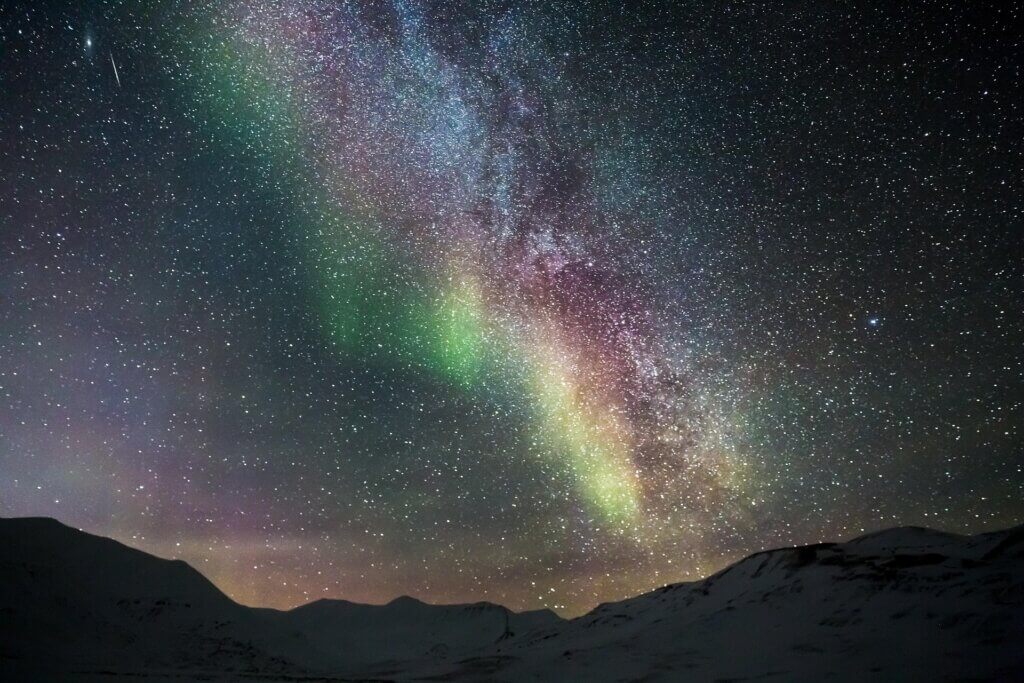
Extraordinary Night Skies
Because there is virtually no light pollution, the stars can be incredible.
During appropriate seasons, visitors may also witness the Aurora Borealis, one of nature’s most remarkable displays.
THE BAD
It Is Expensive
One of the least discussed realities is cost.
Most visitors need:
- Commercial flights to Alaska
- Transportation to remote communities
- Bush plane transportation
- Specialized equipment
- Satellite communication devices
A trip can easily cost several thousand dollars before you even enter the park.
Mosquitoes Can Be Brutal
Many first-time visitors underestimate Arctic insects.
During parts of summer:
- Mosquitoes can be relentless
- Black flies may be present
- Bug protection becomes essential
Some visitors describe the mosquitoes as one of the biggest challenges of the entire trip.
The Weather Is Unpredictable
Summer does not necessarily mean warm weather.
You might experience:
- Sunshine
- Rain
- Wind
- Frost
- Snow
Sometimes all within a single day.
Weather can delay flights and alter travel plans significantly.
It Demands Physical Fitness
This is not a casual sightseeing destination.
Many visitors underestimate:
- Walking on tundra
- Carrying heavy packs
- River crossings
- Rough terrain
The park can be physically exhausting even for experienced hikers.
There Are Very Few Comforts
You won’t find:
- Restaurants
- Lodges inside the park
- Cell service
- Visitor facilities
- Easy rescue access
Some people love this.
Others discover they miss modern conveniences more than expected.
THE UGLY
Small Mistakes Can Become Serious Problems
This is perhaps the most important reality nobody talks about enough.
In many national parks:
- Help may be minutes away.
- Rangers may be nearby.
- Roads are accessible.
In Gates of the Arctic:
- Rescue may take hours or days.
- Weather may delay aircraft.
- Communication can be limited.
A minor problem elsewhere can become a major emergency here.
River Crossings Can Be Dangerous
Many visitors picture hiking as the primary challenge.
Often the real danger is water.
Cold rivers can:
- Rise unexpectedly
- Flow faster than expected
- Cause hypothermia
- Prevent travel
Experienced guides treat river crossings with tremendous respect.
The Wilderness Doesn’t Care About Your Plans
One of the hardest lessons visitors learn is that nature sets the schedule.
Your itinerary may change because:
- A river becomes impassable
- Weather grounds aircraft
- Wildlife alters travel routes
- Snow arrives unexpectedly
The park rewards flexibility and punishes rigid expectations.
Psychological Isolation Is Real
People often prepare physically but not mentally.
Imagine:
- No internet
- No phone service
- No stores
- No crowds
- No familiar distractions
For some visitors this is deeply peaceful.
For others it can feel uncomfortable, lonely, or even unsettling.
The silence can be far more powerful than people expect.
Injuries Become Bigger Deals
A twisted ankle, severe blister, or equipment failure can have much greater consequences here than in most outdoor destinations.
There are no convenient exits.
Self-reliance is not optional.
THE HIDDEN TRUTH ABOUT GATES OF THE ARCTIC
The most important thing to understand is that Gates of the Arctic is not trying to entertain visitors.
Many national parks are designed to help people experience nature comfortably.
Gates of the Arctic National Park and Preserve is different.
Its purpose is to preserve a vast wilderness largely unchanged by modern development. That means visitors must adapt to the landscape rather than the landscape adapting to visitors.
The good is extraordinary: unmatched wilderness, solitude, scenery, wildlife, and adventure.
The bad is significant: expense, insects, difficult terrain, unpredictable weather, and a complete lack of conveniences.
The ugly is that mistakes can have serious consequences because of the park’s remoteness and harsh conditions.
For the right person, Gates of the Arctic can become one of the most meaningful travel experiences of a lifetime. For someone expecting a typical national park vacation, it can be one of the most challenging and uncomfortable places they have ever visited. That contrast is exactly what makes it unique.
WHERE TO FIND MORE INFORMATION ABOUT GATES OF THE ARCTIC NATIONAL PARK
If you want reliable, in-depth information about everything we’ve discussed—history, wildlife, weather, hiking, river trips, regulations, safety, culture, and trip planning—the best place to start is the official National Park Service resources.
Official National Park Service Resources
Official Gates of the Arctic National Park Website
Gates of the Arctic National Park & Preserve Official Site
This is the best overall resource for:
- Park history
- Wildlife
- Safety information
- Maps
- Regulations
- Visitor planning
- Weather
- Wilderness ethics
The park covers 8.4 million acres of Arctic wilderness with no roads, trails, or established campsites.
Trip Planning Guide
Excellent for learning:
- How to reach the park
- Transportation options
- Air taxi information
- Things to do
- Safety concerns
- Visitor preparation
The NPS strongly emphasizes that visitors should be proficient in wilderness survival skills and self-sufficient due to the extreme remoteness.
Backpacking and Hiking Guide
Backpacking and Hiking Information
One of the most useful resources if you are curious about:
- Hiking conditions
- River crossings
- Bear safety
- Leave No Trace practices
- Group size limits
- Required bear-resistant food containers
The guide explains that experienced hikers often consider six miles a full day’s travel due to tundra, bogs, river crossings, and rugged terrain.
Weather Information
Learn about:
- Summer conditions
- Winter conditions
- Best visiting seasons
- River levels
- Arctic weather hazards
- Northern Lights opportunities
The NPS notes that mid-June through September is generally best for hiking, while July and August are best for many float trips.
Things to Do
Things to Do in Gates of the Arctic
Covers:
- Backpacking
- Camping
- River floating
- Birding
- Fishing
- Wilderness experiences
Books Worth Reading
Some of the best books about the Brooks Range and Arctic Alaska include:
Coming Into the Country
A classic exploration of Alaska’s wilderness and culture.
Arctic Dreams
One of the most respected books ever written about the Arctic environment and its people.
One Man’s Wilderness
A famous account of living alone in the Alaskan wilderness.
These books help explain the mindset, isolation, and wilderness culture that make places like Gates of the Arctic unique.
Learn From Experienced Backpackers
Many experienced visitors share trip reports and lessons learned on Reddit.
Some recurring themes from experienced hikers include:
- The remoteness is greater than most people expect.
- Bush planes are the most common access method.
- Route flexibility is critical because weather and river conditions can change rapidly.
- Mosquitoes can be intense during warm summers.
- Solitude is one of the park’s defining characteristics.
Topics You May Want to Research Next
If Gates of the Arctic interests you, consider exploring:
- Brooks Range
- Anaktuvuk Pass
- Kobuk Valley National Park
- Noatak National Preserve
- Dalton Highway
- Arctic survival skills
- Bush plane travel in Alaska
- Caribou migrations
- Alaska Native cultures of the Brooks Range
- Northern Lights viewing
Best Overall Resource
If you only visit one source, make it the official National Park Service website:
National Park Service – Gates of the Arctic National Park & Preserve
It is the most comprehensive, accurate, and up-to-date source for everything from park history and wildlife to regulations, safety, and trip planning.