



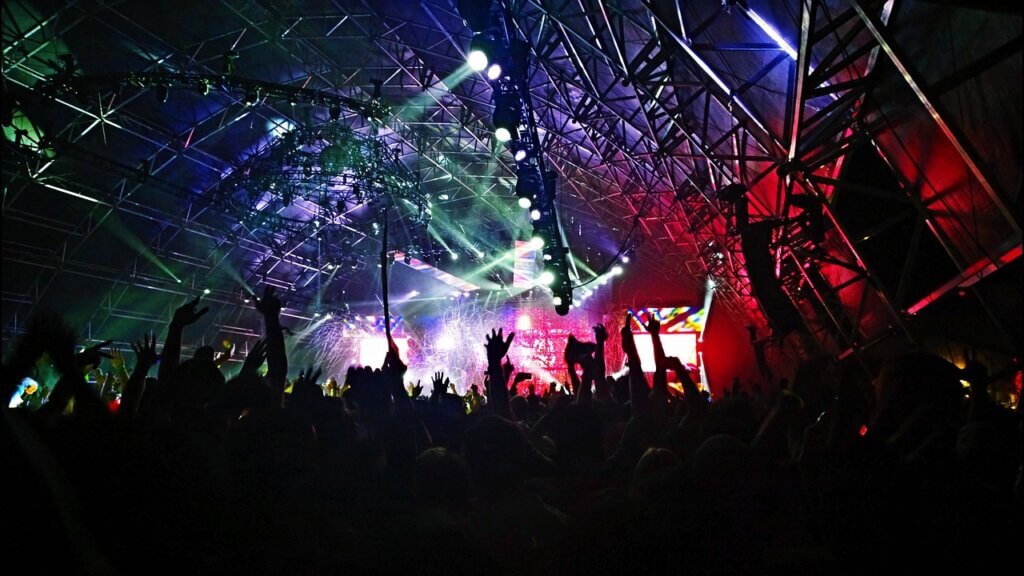
Louder Than Life is one of the biggest rock and metal festivals in the United States. It takes place every year in Louisville, usually in late September, at the Highland Festival Grounds. The event is built around loud, high-energy music—think hard rock, heavy metal, punk, and everything in between.
It’s not just about music, though. The festival also mixes in food (especially bourbon and Southern-inspired eats), art, and a strong sense of community. It’s designed to feel like a full experience rather than just a series of concerts.
ORIGINS AND HISTORY
Louder Than Life first launched in 2014. It was created by Danny Wimmer Presents, a company known for putting together major rock festivals across the country.
In its early years, it was a two-day event focused on rock music and bourbon culture—Louisville being a major hub for bourbon made that combination a natural fit. Over time, the festival grew rapidly in popularity.
A big turning point came when it expanded into a four-day festival, bringing in some of the biggest names in rock and metal. Bands like Metallica, Nine Inch Nails, and Foo Fighters have headlined, helping cement its reputation as a must-attend event for rock fans.
Today, it’s considered one of the flagship rock festivals in North America.
WHY PEOPLE LOVE GOING
There are a few big reasons this festival has built such a loyal following.




The lineup is consistently strong.
You’re getting a mix of legendary acts, modern headliners, and up-and-coming bands. That means you can discover new music while still seeing artists you’ve known for years.
It has a distinct identity.
Unlike some festivals that try to cover every genre, Louder Than Life leans hard into rock and metal. That creates a more unified crowd and atmosphere.
The energy is intense but welcoming.
Despite the heavy music, many attendees describe the crowd as friendly and supportive. There’s a shared understanding—you’re all there for the same kind of experience.
It blends music with lifestyle.
Between bourbon tastings, food vendors, and art installations, there’s plenty to explore between sets.


WHAT A FIRST-TIMER SHOULD EXPECT
If you’ve never been to a major rock festival, this one can feel big—but in a good way.
Large crowds and multiple stages
There are several stages running at once, so you’ll need to plan which bands you want to see. Walking between stages can take time.
Long days
The festival runs for hours each day, often from late morning into the night. It’s a marathon, not a sprint.
Weather can vary
Late September in Kentucky can mean heat during the day and cooler evenings. Sometimes there’s rain, so being prepared matters.
A lot of standing and walking
You’ll likely be on your feet most of the day. Comfortable footwear makes a big difference.

High-volume music
It’s loud. That’s part of the appeal, but ear protection is a smart move if you plan to stay close to the stage.
WHAT TO BRING
Packing smart can make or break your experience. Here’s what most experienced attendees would recommend:
Essentials
Comfortable shoes (already broken in)
Lightweight clothing for daytime and a layer for nighttime
Sunscreen
Reusable water bottle (check festival rules)
Portable phone charger
Helpful extras
Earplugs
Small backpack or clear bag (depending on rules)
Hat or sunglasses
Rain poncho just in case
What not to bring
Large bags or anything restricted by festival security
Expensive items you don’t want to risk losing
HOW IT COMPARES TO OTHER MUSIC FESTIVALS
Louder Than Life stands out in a few key ways when compared to other major festivals.
Compared to Coachella
Coachella leans toward pop, indie, and electronic music with a heavy focus on fashion and celebrity culture. Louder Than Life is more about the music itself—especially heavy music—and has a more grounded, less image-driven vibe.
Compared to Lollapalooza
Lollapalooza offers a wide range of genres, from hip-hop to EDM to rock. Louder Than Life is more focused, which many fans prefer because it creates a stronger sense of identity.
Compared to Aftershock Festival
Aftershock is probably the closest comparison. Both are rock-heavy festivals run by the same organizers. The main difference is location and slight variations in lineup and atmosphere.
THE OVERALL EXPERIENCE
At its core, Louder Than Life is about immersion. It’s loud, energetic, and unapologetically focused on rock culture. You’re not just going to watch bands—you’re stepping into a community for a few days.
For a first-timer, the best approach is simple: plan ahead, pace yourself, and stay open to discovering new bands. If you do that, you’ll walk away understanding why so many people come back year after year.
When people talk about Louder Than Life, they usually cover the lineup, the crowds, and the overall vibe. But there are a handful of practical, less-talked-about realities that can make a big difference in how your experience actually goes.
Here are the things most guides tend to skip over.
The “energy management” factor is real
This isn’t just a music festival—it’s four long, physically demanding days.
A lot of first-timers go too hard on day one. They try to be at the front for every band, walk nonstop, and stay out all night. By day two or three, they’re exhausted.
Experienced attendees pace themselves. They pick a few “must-see” sets each day and treat everything else as flexible. Taking breaks, sitting when you can, and staying hydrated matters more than people expect.
Sound bleed between stages can happen
Because there are multiple stages running at once, you may occasionally hear overlap—especially if you’re standing between stages or further back.
It’s not constant, but it can affect quieter or more atmospheric sets. If you really care about a band’s sound, getting closer to the stage helps more than people realize.
The ground conditions can surprise you
The festival is held on large open fields. That sounds great—until weather comes into play.
If it’s dry: dust can kick up, especially with big crowds moving around
If it rains: certain areas can get muddy fast
A lot of people don’t think about this, but it can impact your comfort all day. Shoes you don’t mind getting dirty are a smart move.
Food and drink lines peak at predictable times
Most people eat at the same times—midday and early evening. That means long lines right when you’re likely to want food.
A simple trick experienced attendees use:
Eat earlier or later than the main rush
Grab food during a band you’re less interested in
Since the festival leans into bourbon culture (being in Louisville), drink lines can also get crowded in certain areas.
Cell service can get unreliable
With tens of thousands of people in one place, cell networks can slow down or stop working well.
This matters more than people expect:
Meeting up with friends can get tricky
Rideshare apps may lag or fail
Messages might send late
A simple workaround is to pick a clear meeting spot ahead of time in case you get separated.
The walk in and out can take longer than expected
Getting into and especially out of the festival isn’t always quick.
At the end of the night, thousands of people leave at once. That can mean:
Long walks to parking areas
Delays for rideshare pickup
Traffic backups
Some people leave a set early to avoid the rush. Others stay a bit later and let the crowd thin out.
Not every great moment happens at the headliner stage
It’s easy to focus only on the biggest names, but some of the best experiences happen earlier in the day or on smaller stages.
You’ll often find:
Breakout bands giving everything to win over the crowd
More space to move and actually enjoy the music
A closer, more personal atmosphere
Those sets can end up being the ones people remember most.
The crowd culture is more respectful than outsiders expect
From the outside, a heavy rock and metal festival might seem intense or even chaotic. But many attendees will tell you the opposite.
You’ll often see:
People helping each other up in mosh pits
Fans looking out for anyone who seems overwhelmed
A general sense of “we’re all in this together”
Understanding that helps you relax and enjoy it more, especially if it’s your first time.
Weather shifts affect the vibe more than you’d think
A hot afternoon crowd feels quite different from a cool evening crowd. Energy tends to spike as the sun goes down.
If there’s rain, it can go one of two ways:
Some people leave early
Others lean into it, and the energy actually increases
Either way, being mentally prepared for changing conditions makes a big difference.
IT’S EASY TO UNDERESTIMATE HOW MUCH WALKING YOU’LL DO
Even if you’re used to being active, this can catch you off guard.
Between stages, food areas, restrooms, and entrances, you can easily walk several miles in a single day without realizing it.
That’s why things like:
Comfortable shoes
Taking occasional breaks
Staying hydrated
…aren’t just suggestions—they’re essential.
The biggest thing most people don’t talk about is that your experience at Louder Than Life is shaped just as much by how you manage the day as by the music itself.
If you go in thinking only about the bands, you might miss what makes the festival really work. But if you plan for the little things—energy, movement, timing, and flexibility—you’ll get far more out of it than most first-timers.
FIRST-TIMER GAME PLAN FOR A FULL DAY AT LOUDER THAN LIFE
The Night Before (This Matters More Than You Think)
Set yourself up so the day feels smooth, not rushed.
Lay out your clothes (light + an extra layer)
Charge your phone and portable charger
Pack your bag (earplugs, sunscreen, water bottle, etc.)
Decide your top 3–5 must-see bands
That last one is key. If you try to see everything, you’ll enjoy less.
Morning: Start Slow (8:00 AM – 11:00 AM)
Even if you’re excited, don’t rush into chaos.
Eat a solid breakfast (protein + carbs)
Hydrate early
Take your time getting ready
If you’re staying nearby in Louisville, give yourself extra travel time. Traffic and entry lines can sneak up on you.
Arrival Window: Beat the Rush (11:30 AM – 1:00 PM)
Getting there a little earlier pays off.
Lines are shorter
You can get familiar with the layout
It’s easier to grab food or merch
Use this time to:
Walk the grounds
Locate restrooms, water stations, and stages
Pick a clear meeting point in case your group gets split up
Early Afternoon: Ease Into It (1:00 PM – 3:30 PM)
This is where smart pacing starts.
Catch a couple smaller bands
Stay toward the middle or back of the crowd
Keep moving casually, not rushing stage to stage
This is also a great time to:
Eat before peak food lines hit
Hydrate again
Reapply sunscreen
Think of this as your “warm-up phase.”
Mid-Afternoon: Pick Your Spots (3:30 PM – 6:00 PM)
Now the energy starts building.
Choose 1–2 bands you really care about
Move closer for those sets if you want a better view
Between sets, step back and recover
Important tip:
Don’t stand packed in the crowd for hours straight. Even experienced festival-goers rotate in and out.
Dinner Strategy: Beat the Crowd (5:00 PM – 6:30 PM)
Most people wait until they’re starving—then stand in long lines.
Instead:
Eat a little earlier than you think you need to
Or grab something during a band you’re less focused on
This keeps your energy steady going into the night.
Evening: The Sweet Spot (6:30 PM – 9:00 PM)
This is when Louder Than Life really hits its stride.
The temperature cools down
The crowd energy rises
The bigger acts start rolling in
Now’s a good time to:
Lock in a solid viewing spot for a major band
Stay hydrated (easy to forget at this point)
Put in earplugs if you’re getting closer to the stage
Headliner Window: Choose Your Experience (9:00 PM – Close)
You’ve got two main approaches here:
Option 1: Go all in
Get close
Embrace the crowd
Fully experience the headliner
Option 2: Hang back
Stay further out for more space
Better overall comfort
Easier exit later
Neither is better—it just depends on your style.
Exit Strategy: Think Ahead (End of Night)
This is where many first-timers get frustrated.
If you leave right at the end, expect crowds and delays
If you leave a little early, you’ll save time but miss part of the set
If you hang back 20–30 minutes after, things often clear out
Pick your strategy ahead of time so you’re not stuck deciding while exhausted.
After You Leave: Recovery Mode
What you do after matters for the next day.
Hydrate again
Eat something light
Sit down and rest your feet
Get decent sleep
If you’re going multiple days, recovery is everything.
A great day at Louder Than Life isn’t about doing more—it’s about doing the right things at the right times.
If you:
Pace yourself early
Stay flexible
Protect your energy
…you’ll still feel good when the headliner comes on—and that’s when it really counts.
HERE’S A MULTI-DAY STRATEGY FOR LOUDER THAN LIFE THAT HELPS YOU STAY ENERGIZED FROM DAY ONE THROUGH THE FINAL HEADLINERS WITHOUT CRASHING HALFWAY THROUGH THE WEEKEND
The key idea is simple: treat each day differently instead of trying to go hard every day.
Big Picture Strategy (Most Important Concept)
Most first-timers make the same mistake: they treat every day like a sprint.
A better approach is:
Day 1: Explore + adjust
Day 2: Peak energy day
Day 3: Deep cuts + recovery focus
Day 4: Headliner finale + controlled burnout
This keeps you from hitting a wall too early.
Day 1: “Orientation + Discovery Day”
This is your setup day, not your peak day.
Your goals:
Learn the layout of the grounds in Louisville
Test your walking routes between stages
Sample food, drink, and vendor areas
Catch mid-level bands without pressure
What NOT to do:
Don’t fight for the front of every stage
Don’t stay in the pit all day
Don’t stay out until complete exhaustion
Why this matters:
Your body is still adjusting to:
Heat
Walking distance
Standing for long periods
Crowd density
Think of Day 1 as learning the system, not conquering it.
Day 2: “Main Energy Day”
This is usually your strongest physical and mental day.
Your goals:
Prioritize your favorite lineup day
Get closer to 1–2 major sets
Use your energy intentionally
Smart strategy:
Sleep well the night before
Eat a real breakfast
Arrive earlier than Day 1
Choose fewer “must-see” acts, not more
What changes today:
This is the day to lean into the intensity:
Bigger crowds
Louder sets
More time near the stage if you want it
But still pace yourself between sets. Don’t stay locked in one high-energy crowd all day.
Day 3: “Balance + Selective Energy”
This is where most people either recover well or start feeling worn down.
Your goals:
Focus only on top priority bands
Spend more time resting between sets
Explore shaded or quieter areas when possible
What smart attendees do:
Sit during mid-day sets
Eat earlier and avoid rush times
Step back from crowds more often
Mental shift:
You’re no longer trying to “do everything.”
You’re now curating your experience.
Day 4: “Finale Mode”
This is the emotional peak of the entire festival.
Your goals:
Save energy for the final headliners
Avoid overexertion early in the day
Stay hydrated constantly
Strategy:
Treat the daytime as a slow ramp-up
Don’t overcommit to every set
Pick your final “must-see” performances carefully
Important reality:
By this point, your body is already tired. Even if you feel fine mentally, your stamina is lower.
So:
Don’t stand for hours without breaks
Don’t skip food
Don’t ignore soreness or fatigue
Energy Management Rules for All Days
These are the habits that separate people who enjoy all four days from people who crash early:
The “One hard set rule”
Only go fully intense (front row, pit, heavy movement) for 1–2 sets per day max.
The 30–60 minute reset rule
After a high-energy set:
Step back
Sit down if possible
Hydrate
Let your body reset
The shade rule
If you feel overheated or drained:
Get out of direct sun immediately
Even 10–15 minutes helps reset energy
The food timing rule
Don’t wait until you’re starving:
Eat before peak crowd hours
Small, consistent fuel beats one big meal
What People Don’t Talk About (But Should)
At a festival like Louder Than Life, fatigue is not just physical—it’s sensory.
By Day 3 or 4:
Loud sound becomes more draining
Crowds feel more intense
Decision-making gets slower
This is why pacing and stepping away regularly matters more than fitness alone.
The Winning Mindset
The people who enjoy the full festival don’t try to “win” each day.
They:
Accept they can’t see everything
Prioritize top moments
Protect their energy like a resource
That mindset is what carries you through all four days without burning out.
At its core, Louder Than Life is less about trying to see everything and more about experiencing the weekend in a way that feels sustainable and memorable. The people who get the most out of it are usually not the ones chasing every single set, but the ones who learn how to pace themselves, choose their moments, and stay flexible when plans shift.
What tends to surprise first-timers is how quickly the festival becomes a rhythm. Each day has its own personality, and once you settle into that flow—balancing energy, rest, food, and music—it stops feeling overwhelming and starts feeling immersive. The experience becomes less about logistics and more about being present for the moments that matter most to you.
By the end of the weekend, most people don’t remember every band they saw. They remember specific sets, shared moments with friends or strangers, and the feeling of being part of something loud, crowded, and alive in the middle of Louisville. That’s really what this festival delivers when it’s done right: not perfection, but intensity, connection, and stories you carry long after the stages go dark.
HERE ARE RELIABLE PLACES WHERE YOU CAN DIG DEEPER AND STAY UPDATED ON EVERYTHING ABOUT LOUDER THAN LIFE—FROM LINEUP ANNOUNCEMENTS TO SCHEDULES, TICKETS, AND TRAVEL INFOTop of Form
Official Festival Website (Best Starting Point)
This is the main source for everything official:
- Lineups and stage schedules
- Ticket options (GA, VIP, camping)
- Maps, rules, and FAQs
- News updates and announcements
👉 https://louderthanlifefestival.com/
This is the one site you should check most often, especially as the festival gets closer, since schedules and set times are usually released closer to the event.
Schedule and App Info (Important for Planning)
The festival also provides a mobile app and schedule tools where you can:
- Build your own daily lineup
- Track set times
- Get real-time updates and alerts
👉 https://louderthanlifefestival.com/schedules/
This is especially useful during the event when you’re moving between stages and need quick decisions.
Lineup Pages (To Track Bands and Discover New Ones)
If you want to explore who is playing and plan your must-see sets:
👉 https://louderthanlifefestival.com/lineup/
This is where you’ll find the full roster of artists across all days and stages.
News Coverage (Good for Updates and Big Picture Info)
These help you understand scale, headliners, and festival changes:
- Overview of lineup and festival scope:
- Ticket pricing, travel, and what’s included (VIP, camping, etc.):
These are useful if you want context on how big the event is or how it compares year to year.
Community Discussions (Real attendee experiences)
If you want honest opinions, tips, or “what it’s really like,” Reddit is helpful:
- r/festivals
- r/Louisville
- r/MetalForTheMasses
Example discussions often cover:
- Best strategies for moving between stages
- Crowd behavior and pit etiquette
- First-timer advice
- What surprised people most after attending
(These are not official sources, but they’re useful for real-world perspective.)
YouTube (Best for the “vibe”)
Search:
- “Louder Than Life lineup announcement”
- “Louder Than Life festival recap”
- “Louder Than Life crowd”
Example:
👉 https://www.youtube.com/watch?v=xxSgT2wLr6s
This helps you actually see the scale, crowd energy, and stage setups before going.
Final Tip (Most People Miss This)
The best way to stay updated is actually a combination of:
- Official site (facts and updates)
- App (real-time planning)
- Community posts (real experience)
If you only rely on one, you’ll miss part of the picture.