


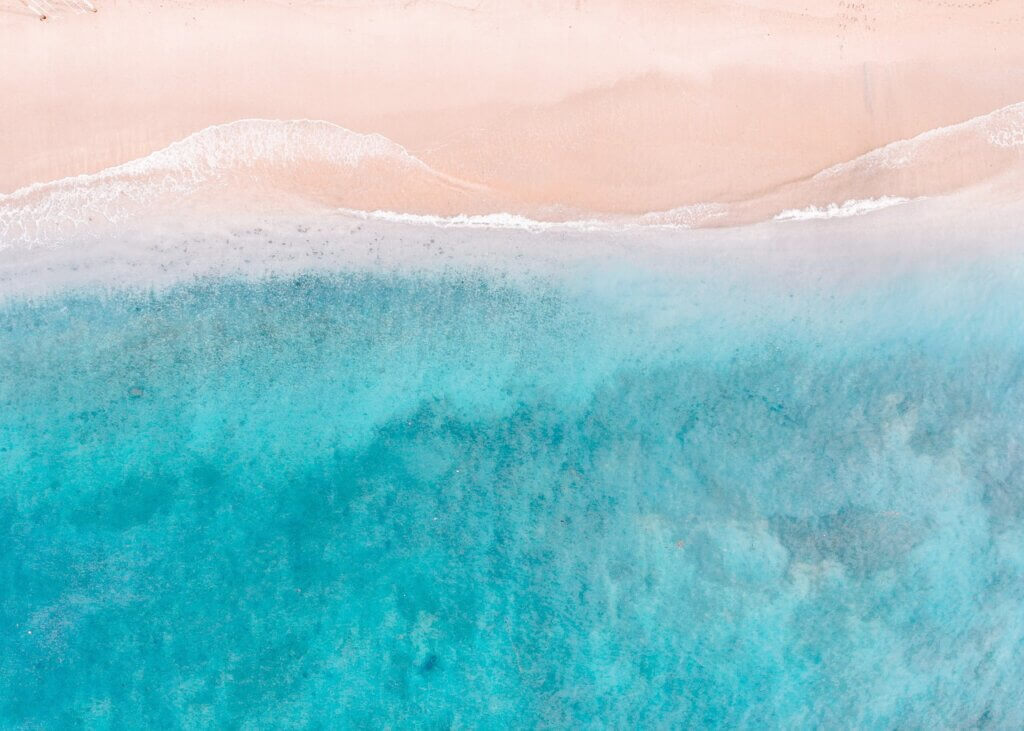
The Bahamas are a stunning string of islands located in the Atlantic Ocean, just off the southeastern coast of Florida and to the northeast of Cuba.
This isn’t just one island—it’s an archipelago of about 700 islands and over 2,000 smaller cays (which are like miniature islands or coral outcroppings). However, only about 30 of those islands are actually inhabited.
Geographically, the Bahamas stretch over 500 miles from northwest to southeast, forming a sort of crescent that wraps gently along the edge of the Caribbean. Despite their proximity to the Caribbean, the Bahamas are technically not in the Caribbean Sea but are still considered part of the broader Caribbean region in terms of culture, tourism, and tropical appeal.
Now, when people talk about the Bahamas, beaches are almost always part of the conversation—and for good reason. The islands are known for some of the whitest sand and clearest, most vivid turquoise waters in the world. You’ll find powder-soft beaches, some with pink sands (like Harbour Island), others with long stretches of seclusion (such as Treasure Cay Beach on Great Abaco), and some that are so remote they feel like your own private paradise.
The waters surrounding the islands are shallow and warm, with many sandbars and coral reefs, which makes the Bahamas a top destination for snorkeling, diving, and boating. The beaches here aren’t just places to sunbathe—they’re gateways to underwater caves, blue holes, shipwrecks, and vibrant marine life.
A BIT OF HISTORY
The Bahamas have a long and rich history that’s deeply tied to both European colonization and African heritage.
The first known inhabitants were the Lucayans, a branch of the Taíno people, who lived in harmony with the islands’ ecosystems. That peace changed dramatically when Christopher Columbus made his first landfall in the New World on one of the Bahamian islands—most historians agree it was San Salvador Island—in 1492.
Unfortunately, the arrival of Europeans brought disease and slavery, wiping out the native Lucayan population within a few decades. The islands then became a hotspot for European colonial powers and, later on, a haven for pirates in the 1600s and early 1700s. Famous pirates like Blackbeard made Nassau their base of operations.
In the 18th century, the Bahamas came under British rule, and remained a British colony for over 250 years. During that time, enslaved Africans were brought to the islands to work, particularly in salt production and agriculture. The descendants of these Africans form the majority of the Bahamian population today.
Finally, in 1973, the Bahamas gained independence from the United Kingdom, though they remain a member of the Commonwealth of Nations. Their culture today is a rich blend of African, British, and Caribbean influences.
MOST POPULAR BEACHES IN THE BAHAMAS
Each island in the Bahamas has its own charm, and its beaches tend to reflect that. Here are some of the most beloved:
CABLE BEACH (NASSAU, NEW PROVIDENCE)
Probably the most well-known beach in Nassau, Cable Beach is famous for its soft white sand, clear water, and proximity to resorts, restaurants, and nightlife. It’s ideal for travelers who want that classic island vacation with all the amenities close at hand.
PINK SANDS BEACH (HARBOUR ISLAND)
This beach is stunning and unique—three miles of soft pink sand made from crushed coral. It’s incredibly photogenic and a favorite for honeymooners, couples, and anyone looking for romance and tranquility.
TREASURE CAY BEACH (GREAT ABACO ISLAND)
Often ranked among the best beaches in the world, Treasure Cay Beach is known for its calm, shallow waters, and long stretches of quiet sand. It’s perfect for families with kids or travelers looking for a peaceful escape away from big crowds.
GOLD ROCK BEACH (GRAND BAHAMA ISLAND)
Located inside Lucayan National Park, this beach is more secluded and known for its crystal-clear waters and natural beauty. It’s also a favorite filming location—it was featured in the “Pirates of the Caribbean” movies. Adventurous types, nature lovers, and day-trippers tend to love it here.
CABBAGE BEACH (PARADISE ISLAND)
Close to the Atlantis Resort, this beach is lively and active. You’ll find everything from jet ski rentals to parasailing, along with vibrant beach bars. It attracts groups of friends, spring breakers, and people who like a social beach scene.
EXUMA BEACHES (GREAT AND LITTLE EXUMA)
Exuma is where you’ll find that “postcard-perfect” Bahamas. The waters are impossibly blue and the sand is soft and unspoiled. Some beaches here are so quiet you might not see another soul all day. Boaters, luxury travelers, and nature-seekers are especially drawn to Exuma. And yes—this is also where you’ll find the famous swimming pigs.
WHO GOES TO THE BAHAMAS—AND WHY?
The Bahamas are incredibly accessible (especially from the U.S. East Coast), so they attract a broad mix of travelers. Here’s a general look at who visits and what draws them:
Couples and honeymooners come for the romantic scenery, boutique resorts, and dreamy beaches like Pink Sands or Exuma’s secluded shores.
Families tend to visit Nassau or Paradise Island, where there are plenty of family-friendly resorts, calm beaches, aquariums, and activities like snorkeling and boating.
Cruise passengers make short stops in Nassau or Freeport and often head straight for the nearest beach or private island owned by the cruise line.
Adventure seekers come to explore blue holes, go shark diving, paddle through mangroves, or visit less-touristy islands like Eleuthera or Andros.
Luxury travelers find plenty to love in the Exumas, where private villas, yacht charters, and gourmet experiences are available in a secluded setting.
Budget travelers and backpackers can enjoy a mix of affordable guesthouses and hidden beaches, especially if they skip the big-name resorts and opt for local accommodations on less-developed islands.
The Bahamas are more than a tropical getaway—they offer a blend of natural beauty, rich history, and cultural warmth that keeps visitors coming back. Whether you’re looking for a peaceful escape, a luxurious adventure, or just a classic beach day with a view, the Bahamas seem to always deliver.
The beaches of the Bahamas are incredibly diverse—they can be wild, romantic, family-centered, unique, or even risky, depending on where you go. Here’s a breakdown that gives you the vibe of each:
THE MOST WILD BEACHES
These are the untamed, raw, and often remote beaches where nature still rules. Think crashing waves, windswept dunes, and almost no crowds.
Goulding Cay Beach (New Providence) – Not too far from Nassau but still remote-feeling, this beach has rugged beauty, offshore reefs, and little development.
Flamingo Bay (Mayaguana Island) – Mayaguana is one of the least developed islands in the Bahamas, and its beaches reflect that. It’s truly off-the-grid.
Cape Santa Maria Beach (Long Island) – While part of a resort area, this beach still feels wild with its stunning natural landscapes and fewer tourists than places like Nassau.
THE MOST SEXY BEACHES
These are the ones that feel romantic, glamorous, or even a little provocative, perfect for couples, solo travelers looking for a sensual atmosphere, or high-style beachgoers.
Pink Sands Beach (Harbour Island) – Its rosy blush sand, upscale resorts, and chill upscale vibe make it perfect for couples and those looking for Instagram-worthy luxury.
Tropic of Cancer Beach (Little Exuma) – Quiet, impossibly beautiful, and ideal for a couple’s escape. It’s serene and stunning, with long walks and no interruptions.
Cabbage Beach (Paradise Island) – Especially closer to the resort areas, it has a bit of a sexy, energetic vibe with lots of sunbathers, parties, and flirtatious fun.
THE MOST FAMILY-FRIENDLY BEACHES
These beaches have calm water, clean sand, and nearby amenities. Ideal for kids to splash around and parents to relax.
Treasure Cay Beach (Abaco Islands) – Calm, shallow water, and exceptionally clean surroundings. Often voted one of the best family beaches in the Caribbean.
Junkanoo Beach (Nassau) – Close to cruise ports, this beach is busy and lively but full of fun, food vendors, and water activities safe for kids.
Taino Beach (Grand Bahama Island) – Family-friendly atmosphere, shaded areas, nearby restaurants, and very swimmable water.
THE MOST UNIQUE BEACHES
These offer something truly unusual—whether in sand color, marine life, or beach features.
Pig Beach (Big Major Cay, Exuma) – Home of the world-famous swimming pigs. It’s unforgettable, strange, and totally Bahamian.
Dean’s Blue Hole (Long Island) – While technically a bay, this beach surrounds the world’s second-deepest blue hole. Amazing for diving and free diving.
Pink Sands Beach (Harbour Island) – The pink-hued sand makes this one of the most visually unique beaches on Earth.
THE MOST DANGEROUS BEACHES
While the Bahamas are generally safe, there are a few spots where strong currents, sharks, or remoteness make a beach potentially dangerous—especially for the unaware.
Goulding Cay Reefs (New Providence) – Stunning but can have strong currents around the reefs, especially if venturing far from shore while snorkeling or diving.
Dean’s Blue Hole (Long Island) – Beautiful, but extremely deep water close to shore. It’s not dangerous if you stay on the surface, but untrained divers should take care.
Unpatrolled or remote beaches during storms – Beaches on islands like Mayaguana, Crooked Island, or Inagua can be very isolated. If you’re hiking or kayaking to them alone or during rough weather, you risk getting stranded or injured far from help.
Some areas of Cabbage Beach (Paradise Island) – During rough surf or poor weather, rip currents can form here. Lifeguards are not always present.
The beaches across the Bahamas generally follow a core set of common rules and regulations, although some rules may vary slightly depending on whether the beach is public, private, part of a resort, or located within a protected area like a national park or marine reserve. Here’s what you can usually expect:
GENERAL RULES AND REGULATIONS ON BAHAMIAN BEACHES
MOST BEACHES ARE PUBLIC
Nearly all beaches in the Bahamas are public up to the high-water mark, even if they are adjacent to private property or resorts.
This means you can walk along the shoreline, swim, or relax on the sand even in front of luxury resorts, but you can’t use resort-owned chairs, umbrellas, or amenities unless you’re a guest or pay a fee.
NO LITTERING
Strict anti-littering laws apply across the Bahamas, especially on beaches. Trash bins are available at more developed beaches, but on secluded beaches, it’s expected that you pack out everything you bring in.
Littering can result in fines and, in some areas, local enforcement takes it seriously to preserve marine life and beauty.
FIRES AND COOKING
Beach bonfires and cooking (like barbecuing) are generally not allowed on most public beaches unless it’s a designated picnic or grill area.
You may see locals doing this in less developed areas, but it’s best to check local ordinances or ask nearby vendors or police before lighting any kind of fire.
NO CAMPING OR OVERNIGHT STAYS
You typically can’t camp overnight or sleep on the beach unless you’re on a private island or part of a special permitted trip.
Some uninhabited or lesser-patrolled cays may not have enforcement, but this doesn’t make it legal or safe, especially due to weather, tides, or wildlife.
MARINE LIFE AND CORAL PROTECTION
It’s illegal to collect live coral, conch, or certain shells, especially within protected marine areas.
Feeding wildlife, including fish or swimming pigs, should be done responsibly with approved food. Using bread or junk food is discouraged, and in some areas, outright banned.
NO GLASS CONTAINERS
On many beaches, glass bottles and containers are not allowed, especially near public areas and swim zones, to prevent injuries.
MUSIC AND ALCOHOL
You can usually bring drinks and coolers, and locals often do, but public drunkenness or loud disruptive behavior can get you fined or escorted off the beach.
Loud music is tolerated on some beaches (especially Junkanoo Beach or Cabbage Beach), but quieter or family beaches often discourage amplified sound.
WATER SPORTS RULES
Activities like jet skiing, banana boats, and parasailing are regulated. Vendors are supposed to be licensed, but not all follow safety standards. Visitors are advised to check that operators are reputable and use life vests.
In marine parks and protected zones, motorized vehicles and fishing may be prohibited.
SPECIAL CASES: BEACHES INSIDE NATIONAL PARKS
If you’re visiting a beach within a national park or marine protected area (like Gold Rock Beach in Lucayan National Park), expect stricter rules:
No fishing, spearfishing, or collecting sea life.
No open fires or cooking.
No pets (in many cases).
Drones may be restricted.
If you’re ever unsure, it’s always smart to ask a local, resort staff, or park official. The Bahamians are usually warm and welcoming, and they appreciate visitors who want to respect their environment and customs.
The Bahamas—particularly its beaches and surrounding waters—are steeped in myths, legends, and enduring mysteries. Many of these stories come from the islands’ long history of seafaring, piracy, and unexplained phenomena.
LET’S EXPLORE THE LORE CONNECTED TO SOME OF THE BEACHES AND REGIONS WE DISCUSSED EARLIER:
PINK SANDS BEACH (HARBOUR ISLAND) – THE BLUSHING SHORE LEGEND
This beach’s pink hue already feels otherworldly, and some local legends explain the sand’s color as a gift from the sea spirits or “lusca,” mysterious underwater creatures said to protect the reefs and deep waters. According to the tale, the spirits dyed the beach pink as a sign of beauty and peace—marking the island as a place of love and tranquility. Some older residents say the beach is also a place where souls rest peacefully, making it a favorite among those seeking spiritual energy or emotional healing.
DEAN’S BLUE HOLE (LONG ISLAND) – HOME OF THE LUSCA
This stunning underwater sinkhole is one of the deepest in the world—and a major source of Bahamas folklore. Islanders believe the Lusca, a fearsome half-octopus, half-shark sea monster, lives in the depths of Dean’s Blue Hole and other underwater caves in the Bahamas. Locals say it hides in the shadows, creating strong underwater currents and sudden whirlpools that have pulled in the unsuspecting. Even with modern diving, the hole’s full depth and structure still spark curiosity and mystery.
PIG BEACH (BIG MAJOR CAY, EXUMA) – THE GHOST SHIP STORY
The swimming pigs are real—but how they got there? That’s still a bit of a mystery. The most common myth says a shipwreck left them behind, and the pigs swam ashore and survived. Another version claims sailors left them on the cay with plans to return and cook them—but never came back. Over time, the pigs adapted and began swimming out to meet boats. Some say these pigs were “gifted” by the sea itself—symbols of abundance and quirky good fortune. There’s an eerie calmness to the cay that fuels more whimsical ghost-ship theories.
CABBAGE BEACH (PARADISE ISLAND) – BURIED PIRATE GOLD
Cabbage Beach is part of Paradise Island, once called “Hog Island,” which was rumored to be a pirate hideout in the 17th and 18th centuries. Blackbeard and Calico Jack Rackham are both said to have used the island to hide stolen goods. One tale says there’s pirate treasure buried somewhere near the shore, though no treasure has ever been officially found. Some beachgoers claim they’ve spotted strange lights at night or heard whispers on the breeze near the dunes.
GOLD ROCK BEACH (GRAND BAHAMA ISLAND) – THE WHISPERING TIDES
Located inside Lucayan National Park, this beach has a mystical reputation among the locals. Some say that at low tide, when the beach stretches far into the distance, you can hear faint voices in the wind—believed to be the Lucayan people, the original inhabitants of the island. The legend says they still protect the land and warn those who disrespect it. The area’s caves and natural beauty give it a sacred, almost spiritual feeling, especially at sunrise or sunset.
THE BAHAMAS AND THE BERMUDA TRIANGLE
The entire Bahamas chain lies on the western edge of the Bermuda Triangle, the infamous stretch of ocean where ships and planes have reportedly vanished without explanation. While many of these disappearances happened farther north, several islands—including Bimini and Andros—are tied to Triangle-related myths.
One enduring legend speaks of the “Bimini Road,” an underwater formation near Bimini Island. Some believe it’s part of Atlantis, the lost city, and that the Bahamas were once part of this ancient civilization.
Others say “magnetic anomalies” in the area can affect navigation and time perception, explaining some of the odd happenings near deeper beach zones and blue holes.
These stories—half history, half mystery—add a layer of enchantment to the already magical experience of walking a Bahamian beach. Whether you’re watching pink sand glow in the afternoon sun, snorkeling near a blue hole, or standing in silent wonder by a whispering shoreline, there’s always the feeling that the Bahamas hold a few secrets yet to be uncovered.
THE WATER AROUND THE BAHAMAS IS FAMOUSLY CLEAR AND TURQUOISE, AND IT ALMOST LOOKS UNREAL—LIKE SOMEONE TURNED UP THE COLOR DIAL. BUT THIS VIBRANT BEAUTY IS COMPLETELY NATURAL, AND THERE ARE A FEW VERY SPECIFIC SCIENTIFIC AND ENVIRONMENTAL REASONS WHY THE WATER LOOKS THIS WAY:
SHALLOW WATERS AND WHITE SANDY BOTTOMS
The Bahamas sit on a massive underwater platform called the Bahama Banks, which is made of limestone and sand. This platform is relatively shallow—much of it is less than 10 feet deep near shore, with beautiful drop-offs farther out.
Because the water is shallow and the bottom is mostly white sand, sunlight easily reflects off the seafloor, making the water appear bright and light in color—especially in direct sunlight. The white sand acts like a mirror, bouncing sunlight back through the water and giving it that glowing, turquoise quality.
LOW LEVELS OF PLANKTON AND SEDIMENT
Unlike coastal areas near rivers or estuaries, the Bahamian waters are not fed by rivers, so there’s extraordinarily little sediment, silt, or murky runoff in the water. That means the ocean stays clean and clear, without the cloudiness you might find in other parts of the world.
In addition, the Bahamas have low concentrations of plankton, which in large amounts can turn water greenish or brownish. Since there’s not much plankton near the beaches, the water stays crystal clear.
CALCIUM CARBONATE FROM CORAL AND SHELLS
The brilliant turquoise color also comes from microscopic particles of calcium carbonate, which are shed by coral reefs, shells, and sea creatures. These particles are light-colored and fine, and they scatter sunlight in a way that enhances the blue and green wavelengths of light—resulting in that vivid aquamarine and turquoise effect.
SUN ANGLE AND SKY REFLECTION
The angle of the sun plays a role too. On sunny days, when the sky is blue and there are few clouds, the water reflects more of the blue part of the spectrum from the sky. That deepens the blue tones of the ocean, especially around mid-morning, and mid-afternoon when the sun hits the water just right.
CORAL REEFS HELP KEEP WATER CLEAR
The coral reefs surrounding many Bahamian islands act as natural barriers, reducing wave action and keeping sand and debris from being stirred up into the water. These reefs also support the ecological balance, helping keep algae growth in check.
So in short, the water is clear and turquoise because of a perfect combination of:
Shallow, light-colored seafloors
Minimal sediment and plankton
Reflective white sands and coral particles
Sunny skies and calm seas
It’s not magic—but it sure feels like it when you’re standing knee-deep in it.
There are several important things about the Bahamas and its beaches that are worth knowing. These range from cultural insights and environmental concerns to helpful travel tips and beach etiquette.
THE BAHAMAS IS NOT JUST A “TROPICAL GETAWAY” – IT’S A NATION WITH ITS OWN CULTURE
Many visitors see the Bahamas as a resort destination, but it’s important to remember it’s a sovereign nation with a deep and unique culture. The people—known as Bahamians—have a rich heritage influenced by African, British, and West Indian roots. That cultural flavor can be felt not just in towns and villages, but even at beach cookouts, live music gatherings, and holiday beach parades (like Junkanoo).
At many beaches, especially those near populated areas, you’ll encounter:
Locals fishing or picnicking with family.
Conch shacks and street vendors offering authentic Bahamian food like cracked conch, fried fish, and sky juice (a coconut water and gin drink).
Impromptu gatherings with Goombay music, dancing, or story-sharing.
TIDES AND TIMING MATTER
Many of the more remote or tidal beaches, like Gold Rock Beach or Tropic of Cancer Beach, change dramatically depending on the tide.
Low tide exposes long sandbars and can stretch the beach far out into the sea, making it feel like you’re walking on water.
High tide can shrink beaches considerably or cut off access to certain cays or sandbars.
Tip: Always check the tide chart before visiting remote beaches or attempting to walk across shallow water to nearby islands or cays.
BEACH AND MARINE CONSERVATION IS AN ONGOING CONCERN
The Bahamas is home to fragile ecosystems: coral reefs, mangroves, and endangered species like sea turtles, Nassau grouper, and West Indian manatees. Many beaches are protected areas or sit next to marine parks.
DO’S AND DON’TS:
Don’t collect shells that have living creatures inside.
Never touch coral, even if it looks dead—it may still be alive.
Avoid using non-reef-safe sunscreens, which can damage marine life.
Don’t feed wildlife, including fish, turtles, or pigs, unless you know it’s allowed and safe.
STORMS AND HURRICANES ARE A REAL FACTOR
The Bahamas lie in the Atlantic hurricane belt. Hurricane season runs from June through November, with the peak usually from August to October.
While beaches are generally safe and calm, even a distant storm system can churn up waves, currents, or seaweed. Beaches on islands like Grand Bahama or Abaco, which were hit hard by Hurricane Dorian in 2019, are still recovering in parts. Many locals are deeply connected to the land and sea, and storm stories are part of community memory.
ACCESSIBILITY AND BEACH TYPES VARY BY ISLAND
Each Bahamian island offers a different kind of beach experience:
Nassau and Paradise Island: Lively, developed, with popular beaches that are ideal for first-time visitors and resort-goers.
Harbour Island and Eleuthera: More boutique, romantic, and stylish, with unique scenery like pink sand beaches.
The Exumas: Remote, surreal, turquoise waters and sandbars—best for yacht trips and nature-focused travelers.
Grand Bahama: Mix of nature reserves and local life, with great eco-tourism.
The Out Islands (e.g., Andros, Long Island, Cat Island): Rustic, wild, and great for serious adventurers and anglers.
THERE’S MORE THAN JUST SAND AND SWIMMING
Many Bahamian beaches serve as gateways to other outdoor activities, such as:
Bonefishing and fly fishing, especially on Andros or in the Exumas.
Spelunking and cave diving near blue holes (like on Long Island or in Lucayan National Park).
Kayaking through mangroves in quieter beach coves.
Sandbar hopping—especially in the Exumas—where low tide reveals strips of glowing white sand in the middle of the sea.
SAFETY AND PREPAREDNESS
While beaches are generally safe, always stay aware of:
Strong sun – The UV index in the Bahamas is extremely high. A sunburn can sneak up quickly.
Rip currents – Rare, but possible during stormy or windy conditions. Swim in calm zones, especially if there are no lifeguards.
No lifeguards – Most beaches, even popular ones, do not have lifeguards. Swim with a buddy and use caution, especially with kids.
BAHAMIAN HOSPITALITY IS GENUINE
If you treat people with respect, Bahamians are some of the friendliest people you’ll meet. Many locals are happy to share beach tips, stories, or even point you toward a lesser-known beach or a fresh conch salad stand nearby. It’s part of the reason so many visitors return year after year.
The Bahamas are far more than a tropical postcard—they’re a living, breathing chain of islands filled with natural wonder, vibrant culture, and an undeniable spirit.
From the iconic pink sands of Harbour Island to the wild, untouched shores of Long Island and the playful pigs of Exuma, each beach offers something different, yet all share that striking clarity of water and warm, welcoming atmosphere.
Whether you’re seeking a family-friendly escape, a romantic hideaway, or a solo adventure into the wild, there’s a stretch of Bahamian coastline that feels like it was made just for you.
Beyond the beaches, the Bahamas invite you to connect with something deeper. It could be the rhythm of the waves lapping at the shore, the echoes of ancient legends and pirate tales, or the friendly conversation with a local offering directions to their favorite secret spot.
These islands hold a blend of beauty and history that few places on Earth can match, and part of the joy is discovering that each island—and each beach—has its own unique voice.
Whether you stay near the resort zones or wander far into the Out Islands, the Bahamas offer a world of experiences hidden in plain sight. Respect the land, listen to the stories, protect the waters, and you’ll walk away with far more than just vacation photos—you’ll carry a little piece of island soul with you.
TO EXPLORE MORE ABOUT EVERYTHING WE’VE COVERED REGARDING THE BAHAMAS AND ITS BEACHES—HISTORY, CULTURE, LEGENDS, SAFETY, AND TRAVEL GUIDANCE—HERE ARE SOME TRUSTED SOURCES AND HELPFUL WEBSITES TO DIVE DEEPER:
Official and Government Resources
- Bahamas Ministry of Tourism
The best starting point for official travel info, including detailed beach guides by island, accommodations, maps, events, and cultural tips. - Bahamas National Trust
Learn about protected beaches, national parks, blue holes, and conservation efforts. Great if you’re interested in eco-tourism or visiting remote natural areas. - U.S. Department of State – Bahamas Travel Advisory
Offers current safety updates, weather advisories (especially during hurricane season), and beach safety tips for U.S. travelers.
Travel and Culture Sites
- Lonely Planet – Bahamas
(https://www.lonelyplanet.com/bahamas)
Great for independent travelers looking for local experiences and off-the-beaten-path beach suggestions. - Tripadvisor – Bahamas Beaches
(https://www.tripadvisor.com/Attractions-g147414-Activities-c61-t52-Bahamas.html)
Read thousands of traveler reviews and rankings for popular and lesser-known beaches. - Atlas Obscura – Bahamas
(https://www.atlasobscura.com/things-to-do/bahamas)
Fascinating stories, legends, and unique beach spots—especially if you’re curious about mysteries like the Lusca or Bimini Road.
Books and Guides
- “Moon Bahamas” (Travel Guidebook)
Offers island-by-island guides, hidden beach recommendations, and historical insights. - “Bahamas: A Cultural Portrait” by Gail Saunders
A great resource to understand the people, culture, and deeper stories behind the islands, including myths and traditions.
Documentaries and Videos
- YouTube Channels:
- Island Vibes with KJ – Local lifestyle and beach life.
- Bahamas Ministry of Tourism – Official videos highlighting culture, safety, and beach experiences.
- PBS and National Geographic Specials
Occasionally air features on coral reefs, pirate history, and natural wonders of the Bahamas.