



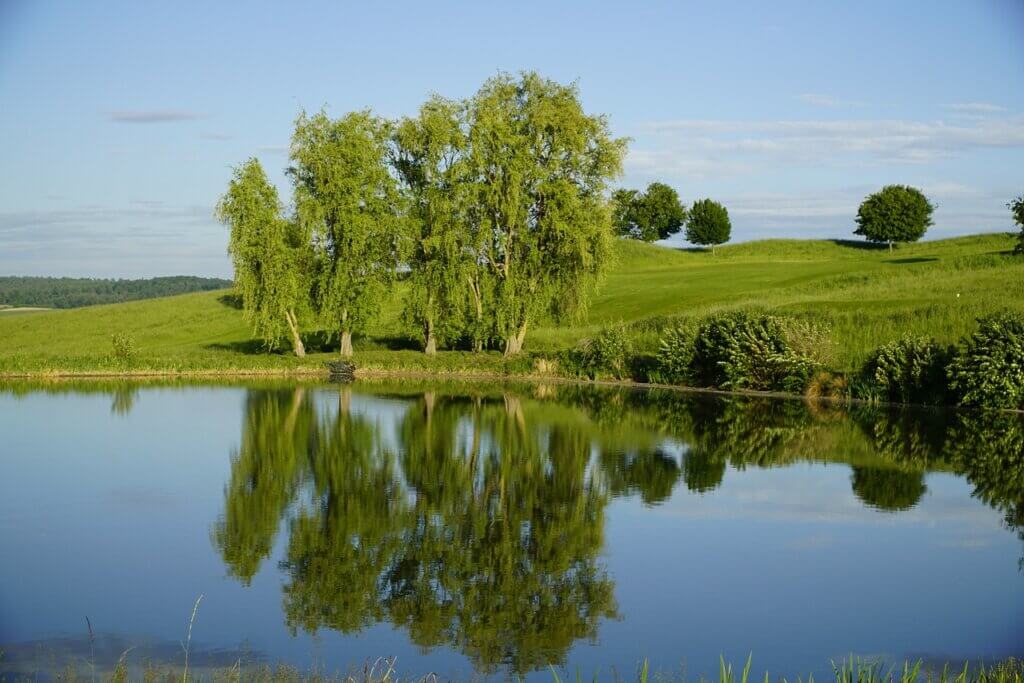
Fishing is one of those activities that looks simple from the outside—just a person, a rod, and the water—but the reasons people enjoy it run surprisingly deep. When you talk to anglers, you often hear a mix of peace, excitement, tradition, and connection to nature. In places like Missouri, those reasons are even more pronounced because of the state’s unique blend of natural beauty, abundant water, and a culture that truly embraces the outdoors.
At its core, people love fishing because it slows life down.
Modern life can feel loud and nonstop, and fishing offers a kind of quiet you don’t find many other places. Sitting by the water, hearing nothing but birds, crickets, or the soft splash of a lure—it gives your mind space to breathe. Even people who don’t normally think of themselves as “outdoorsy” find that being near water has a calming effect. It’s a chance to reset, reflect, and feel grounded again.
There’s also a thrill to it.
No matter how experienced someone is, fishing always carries a bit of mystery. Will today be the day you catch something big? What’s waiting under the surface? Even the tug of a smaller fish can bring a rush of excitement. It’s a gentle kind of adventure—just unpredictable enough to stay fun, but not stressful or overwhelming.
For many, fishing is about connection.
A lot of people first learned to fish with a parent, grandparent, or close friend. Because of that, fishing becomes tied to memories—early mornings, shared laughter, and those quiet conversations that only seem to happen out on the bank or in a small boat. It’s a tradition that people pass down, so there’s a sense of continuity and belonging.
Now, Missouri specifically is a fishing paradise, which is why so many people there really enjoy it.
The state has a remarkable variety of places to fish: clear Ozark streams, wide rivers like the Missouri and Mississippi, and large reservoirs such as Lake of the Ozarks, Table Rock Lake, and Truman Lake. Each offers something different—bass, crappie, catfish, trout, bluegill—and you don’t have to travel far to find good water. That abundance makes fishing more accessible, whether someone wants a quiet creek or a big, open lake.
Missouri’s landscape also adds to the experience.
Fishing in the Ozarks feels almost like stepping into a nature painting—bluffs rising above the water, mist lifting off the river early in the morning, and wildlife everywhere. Even people who aren’t avid anglers enjoy simply being outdoors in that environment. The state’s natural beauty makes fishing feel more like an escape than a hobby.
Culture plays a big role too.
In Missouri, fishing is woven into everyday life. People talk about the best coves for bass, the right jigs for crappie, and which rivers are perfect for spring trout. Families often plan weekend trips around fishing, and small towns host local tournaments or festivals connected to the sport. Because so many people fish, newcomers feel welcomed—there’s always someone willing to share a tip or show you a good spot.
There’s also the satisfaction of catching your own food.
Many Missourians grew up with fish fries as a family tradition. Crappie, catfish, and bluegill are favorites, and there’s something rewarding about catching, cleaning, and cooking a fresh meal. It connects people to both the land and their heritage.
Ultimately, people enjoy fishing in Missouri because it feels complete.
It offers peace, excitement, family tradition, and access to some of the best waters in the Midwest. For many, it’s not just a hobby—it’s part of their identity, part of how they unwind, and part of how they stay connected to the natural world around them.
SOME OF THE TOP FISHING LAKES, RIVERS, AND STREAMS IN MISSOURI
TABLE ROCK LAKE
Why it is great:
Table Rock Lake is one of Missouri’s most famous fishing lakes. Its deep, clear Ozark waters offer endless coves, rocky shorelines, and submerged timber, creating ideal habitats for a variety of game fish. The scenery alone draws anglers, but the consistency of the fishing is what keeps people coming back.
Fish you can expect:
Largemouth bass
Smallmouth bass
Spotted bass
Crappie
Walleye
Catfish (channel and flathead)
Bluegill and sunfish
Paddlefish during the spring snagging season
This lake is especially well known for its bass fishing due to the structure and water clarity.
LAKE TANEYCOMO
Why it is great:
Lake Taneycomo is unique because, although it is called a lake, it behaves much more like a cold-water river due to the releases from Table Rock Dam. That cold, steady flow creates perfect trout conditions all year long. It is considered one of the best trout fisheries in the entire Midwest.
Fish you can expect:
Rainbow trout
Brown trout
Both experienced anglers and beginners enjoy Taneycomo because trout are regularly stocked, and the cool, misty atmosphere makes it feel like a special destination.
MARK TWAIN LAKE
Why it is great:
Located in northeast Missouri, Mark Twain Lake offers a quieter experience than some of the Ozark lakes. It is large, spacious, and has a mix of shallow and deep areas, which helps support a wide range of species. It is known for good catfishing and reliable bass and crappie action.
Fish you can expect:
Largemouth bass
Crappie
Channel and blue catfish
White bass
Walleye
The variety and peaceful setting make it a favorite for families and weekend anglers.
LAKE OF THE OZARKS
Why it is great:
This is one of the most well-known lakes in Missouri and a major destination for anglers. With hundreds of miles of shoreline, boat docks, coves, and underwater structure, the lake offers something for every type of fisherman. It hosts countless tournaments and is a dependable year-round fishery.
Fish you can expect:
Largemouth bass
Spotted bass
Crappie
Catfish
Walleye
Hybrid striped bass
The lake’s size, structure, and accessibility make it one of Missouri’s most productive bodies of water.
JAMES RIVER
Why it is great:
The James River provides classic Ozark river fishing. It is ideal for anyone who enjoys floating and fishing in the same day. The slow-moving stretches and riffles create good habitat for warmwater species.
Fish you can expect:
Largemouth bass
Smallmouth bass
Spotted bass
Catfish
Crappie
Bluegill
Accessible, scenic, and relaxing, it is perfect for those who prefer river fishing over lakes.
SALT RIVER (BELOW MARK TWAIN LAKE)
Why it is great:
Below the dam, the Salt River offers a productive stretch with changing currents, deep holes, and sandy banks. It is an excellent location for catfish and multi-species river fishing.
Fish you can expect:
Channel catfish
Flathead catfish
Largemouth bass
Smallmouth bass
Carp
Sauger (especially in spring)
This is a good option for anglers who enjoy bank fishing as much as fishing from a boat.
MISSOURI TROUT PARKS (BENNETT SPRING, MONTAUK, ROARING RIVER)
Why they are great:
Missouri’s famous trout parks are spring-fed, cold, clear, and regularly stocked. They are professionally managed and offer some of the most reliable trout fishing in the state.
Fish you can expect:
Rainbow trout
Brown trout (in some locations)
Bennett Spring in particular is known for its tradition-rich fishing culture and steady action throughout the year.
CHOOSE THE TYPE OF MISSOURI FISHING EXPERIENCE YOU WANT
For trophy bass: Table Rock or Lake of the Ozarks
For year-round trout: Lake Taneycomo or Bennett Spring
For peaceful mixed-species fishing: Mark Twain Lake
For scenic river fishing: James River or Salt River
MISSOURI HAS CLEAR AND WELL-ORGANIZED FISHING RULES AND REGULATIONS THAT APPLY STATEWIDE. THEY ARE DESIGNED TO PROTECT FISH POPULATIONS, MAINTAIN HEALTHY WATERS, AND ENSURE EVERYONE CAN ENJOY FISHING SAFELY AND FAIRLY
FISHING LICENSES
Almost all anglers need a fishing permit to fish legally in Missouri.
You need a permit if:
You are a resident or nonresident aged 16–64.
You plan to take or attempt to take fish from public waters.
You do NOT need a permit if:
You are under 16.
You are 65 or older and a Missouri resident.
You are fishing on Free Fishing Days (usually a weekend in June).
You are fishing on private land that you own.
Missouri also offers:
Daily permits
Annual permits
Lifetime permits (for residents)
SEASONS AND DAILY LIMITS
Missouri has statewide seasons and limits for most species, but some lakes and rivers also have special regulations.
Daily limits mean how many fish you can keep in a single day.
Possession limits are usually twice the daily limit.
Examples include:
Black bass: Often a daily limit of six, but some waters have special length limits.
Trout: Daily limits vary depending on the park or river, often around four fish.
Crappie: Typically a daily limit of 30, but can vary by lake.
Catfish: Species like blue and flathead catfish may have different rules depending on location.
LENGTH LIMITS
Some fish must be a certain length to keep. These rules exist to protect young, growing fish.
Common types of length limits:
Minimum length limits (fish must be at least a certain size)
Slot limits (you must release fish within a specific size range)
Protected slot areas (usually on special management lakes)
You’ll see these posted on signs at many boat ramps and fishing access points.
WHERE YOU CAN FISH
Most public waters are open to fishing, but:
Some rivers and creeks cross private land, so you must respect property boundaries.
Certain conservation areas have specific rules, such as designated fishing hours or restrictions on bait types.
Trout parks often have zones marked for fly fishing only, artificial lures only, or catch-and-keep only.
BAIT REGULATIONS
Missouri regulates the types of bait you can use in certain waters.
General rules include:
Live bait is legal in many places, but there are restrictions to prevent the spread of invasive species.
In trout areas, there are zones where only artificial lures or flies are allowed.
Some conservation areas do not allow natural baits at all.
EQUIPMENT RULES
Missouri has limits on how many poles and hooks you can use.
Standard limit: Three poles per person, unless posted otherwise.
You can use up to 33 hooks on trotlines or juglines in certain waters.
Some lakes have special rules such as “pole and line only.”
TROUT-SPECIFIC RULES
Because trout require colder, cleaner water, special regulations apply:
A trout permit is required if you keep trout or fish in designated trout parks.
Some zones are catch-and-release only during winter.
Fly-fishing-only zones are common at parks like Bennett Spring and Roaring River.
FREE FISHING WEEKEND
Once a year, Missouri hosts a Free Fishing Weekend, where anyone can fish without a permit. All other regulations (limits, length rules, etc.) still apply.
WHY THESE RULES MATTER
Missouri has rich and diverse fishing waters, from warm rivers to cold trout lakes. Regulations are designed to:
Keep fish populations healthy
Prevent overuse of public waters
Protect sensitive species
Give every angler a fair chance
Preserve quality fishing for future generations
FISHING PERMITS
MISSOURI RESIDENT FISHING PERMITS
If you live in Missouri, these are the main permits:
Resident Annual Fishing Permit
The standard permit for anyone aged 16–64 who wants to fish in public waters.
Covers:
Bass, crappie, catfish, bluegill, walleye, etc.
Up to 3 fishing rods
All public lakes, streams, and rivers
Daily Fishing Permit
Used if you only plan to fish for one day.
Trout Permit
Needed in addition to the regular permit if you:
Keep trout, or
Fish in designated trout areas like Bennett Spring, Montauk, Roaring River, and parts of Lake Taneycomo.
Lifetime Resident Fishing Permit
Available only to Missouri residents; pays once, fishes forever.
MISSOURI NON-RESIDENT FISHING PERMITS
If you do NOT live in Missouri, you have different options:
Non-Resident Annual Fishing Permit
Covers all regular fishing for one year.
Non-Resident Daily Permit
Perfect for visiting anglers or occasional trips.
Non-Resident Trout Permit
Required if you fish for or keep trout in any trout-designated waters.
WHO DOES NOT NEED A PERMIT
Regardless of residency:
Anyone under 16
Missouri residents 65 or older
Anyone fishing on Free Fishing Days (once per year)
Landowners fishing on their own private property
MISSOURI HAS GOOD FISHING YEAR-ROUND, BUT CERTAIN SEASONS ARE NOTICEABLY BETTER DEPENDING ON THE SPECIES YOU’RE AFTER AND THE TYPE OF WATER YOU PREFER
SPRING (MARCH–MAY)
Widely considered the best overall fishing season in Missouri.
Why it’s good:
Fish become active again after winter.
Water warms into their preferred temperature range.
Many species move shallow to feed or spawn, making them easier to locate.
What bites best in spring:
Bass: Excellent, especially in April and May. Fish move to shallow beds or bank areas.
Crappie: Best time of year. They gather in shallow coves during the spawn.
Walleye: Early spring is peak walleye spawning season near dams and rocky points.
Trout: Consistently good in cold-water lakes like Taneycomo and all trout parks.
Catfish: Activity increases as water rises and warms.
Summary: If you want your overall best chance for full action, spring is your season.
SUMMER (JUNE–AUGUST)
Good fishing, but fish behavior changes due to heat.
Why it’s good:
Long days and warm weather make it comfortable.
Night fishing becomes highly productive.
Many species hold to predictable patterns.
What bites best in summer:
Catfish: One of the best times of the entire year, especially for flathead and blue catfish.
Bass: Good early mornings, evenings, and nights. Midday slows down.
Bluegill and sunfish: Excellent for kids and beginners.
White bass: Good in open water following shad schools.
Trout: Still good, especially at Taneycomo and spring-fed trout parks.
Summary: Great for catfish, night fishing, and family trips.
FALL (SEPTEMBER–NOVEMBER)
A highly underrated time to fish in Missouri.
Why it’s good:
Water cools back to ideal temperatures.
Fish feed aggressively to prepare for winter.
Crowds thin out, and the scenery is beautiful.
What bites best in fall:
Bass: One of the best times of the year, often just as good as spring.
Crappie: Return to shallower water and feed heavily.
Walleye: Particularly good as temperatures drop.
Trout: Excellent in deeper tailwaters and park systems.
Summary: Fall offers some of the most consistent, comfortable fishing with fewer people around.
WINTER (DECEMBER–FEBRUARY)
Fishing slows but does not stop, especially in Missouri’s tailwaters.
Why it’s good:
Some species remain active in cold water.
Fewer anglers, so fishing pressure is low.
What bites best in winter:
Trout: Outstanding on Taneycomo, Montauk, and Roaring River.
Bass: Slow but steady with deeper, slow presentations.
Crappie: Good if you locate deeper brush piles.
Catfish: Blue catfish bite surprisingly well on deep winter patterns.
Summary: Winter fishing is for patient anglers but can be rewarding.
OVERALL BEST TIMES BY SPECIES
Bass
Best: Spring and fall
Good: Summer mornings/evenings
Crappie
Best: Spring, strong again in fall
Good: Winter in deeper water
Trout
Best: Year-round, but especially winter and spring
Catfish
Best: Summer
Good: Spring and early fall
Walleye
Best: Early spring and late fall
GOOD, THE BAD, AND THE UGLY OF FISHING IN MISSOURI
THE GOOD OF FISHING IN MISSOURI
Abundant Lakes, Rivers, and Streams
Missouri has some of the most diverse freshwater fishing in the Midwest. From the clear Ozark lakes to the Mississippi and Missouri rivers, there is water for every style of angler.
Excellent Variety of Fish
Bass, crappie, catfish, trout, walleye, sunfish, and more. Missouri offers a broad mix of warm-water and cold-water fisheries so something is biting year-round.
Strong Outdoor Culture
Fishing is a respected tradition in Missouri. People are friendly, willing to share tips, and used to seeing anglers everywhere. It feels welcoming, especially to beginners.
Year-Round Fishing Opportunities
Cold-water trout fisheries like Taneycomo are productive even in winter. Catfish bite all summer. Bass and crappie peak in spring and fall. There is no season where fishing shuts down completely.
Beautiful Scenery
The Ozarks in particular make for scenic, peaceful fishing. Early mornings on Missouri’s spring-fed streams or big lakes can feel like stepping into another world.
THE BAD OF FISHING IN MISSOURI
Crowded Hotspots During Peak Seasons
Lakes like Lake of the Ozarks, Table Rock, or the trout parks get terribly busy, especially in spring. Bank space and boat ramps can get crowded.
Weather Can Change Fast
Missouri weather is unpredictable. Storms can build quickly in the summer, and cold snaps can surprise you in spring and fall.
Some Waters Require Local Knowledge
Large lakes have complex underwater structures and fish patterns. Without knowing the lake, fishing can be hit or miss.
Seasonal Algae or Murky Water
In the heat of summer, some lakes become less clear due to algae blooms or boat traffic, which affects visibility and the bite.
THE UGLY OF FISHING IN MISSOURI
Heavy Boat Traffic on Big Lakes
On summer weekends, lakes like Lake of the Ozarks or the main channel of Table Rock can get rough. Wake boats, jet skis, and cruisers can make fishing uncomfortable or even unsafe in certain areas.
Ticks, Mosquitoes, and Chiggers
In wooded or grassy areas near water, these pests can make a trip unpleasant if you are not prepared.
Snakes and Other Wildlife
Missouri does have venomous snakes such as copperheads and cottonmouths in some areas near water. They usually avoid people, but you still need awareness.
Strong River Currents
Below dams, in tributaries, or during high-water periods, Missouri rivers can be dangerous if you underestimate the current.
DANGERS AND RISKS OF FISHING IN MISSOURI
Weather and Storms
Lightning is a major risk when fishing on open water. Summer storms can appear with little warning.
Rough Water or Boat Wakes
Large lakes with heavy boat traffic can be hazardous for small boats, kayaks, and bank anglers near steep banks.
Slippery Rocks and Steep Banks
Falling into cold or deep water can be dangerous, especially around rivers, spring-fed creeks, and dam spillways.
Cold Water Shock
In tailwaters like Taneycomo or trout streams, water temperatures can stay very cold year-round. Falling in could cause shock or hypothermia, even in warm weather.
Getting Lost or Stranded
On large lakes or remote Ozark streams, it’s possible to get turned around, especially at night or in fog.
Wildlife Encounters
Snakes, ticks, raccoons, and occasionally protective beavers near their lodges can pose risks.
Hooks and Tackle Injuries
Hook injuries are extremely common among anglers, especially in windy conditions or crowded banks.
Currents and Water Releases from Dams
Sudden water releases can raise water levels quickly and create hazardous currents, especially on the White River and below reservoirs.
SAFETY PRECAUTIONS FOR FISHING IN MISSOURI
Check the Weather Every Time
In Missouri, conditions can change fast. If storms build, leave the water immediately.
Use a Life Jacket
A life jacket is essential in boats, kayaks, canoes, or when fishing near strong currents. Missouri law requires it for children, but adults should use one as well.
Respect River Currents
Avoid wading in fast-moving water, especially below dams or during high-water conditions.
Stay Alert for Wildlife
Wear long sleeves and use insect repellent to keep ticks, mosquitoes, and chiggers away. Watch where you step near brush or rocks.
Fish with a Friend When Possible
Having someone with you adds safety in case of injury or sudden weather issues.
Know the Lake or River Layout
Study maps or ask local anglers about hazards, shallow areas, or dangerous zones before launching a boat.
Keep Distance from Dam Spillways
Stay behind posted barriers. Water releases can occur without warning.
Handle Fish and Hooks Carefully
Keep pliers handy, wear gloves when needed, and use caution during windy casts or when fishing in crowded areas.
Stay Hydrated and Protected from the Sun
Missouri summers are hot and humid. Wear a hat, sunscreen, and drink plenty of water.
Let Someone Know Where You Are Going
Especially if fishing alone or in remote areas.
Fishing in Missouri is one of those experiences that feels both familiar and surprisingly deep. Whether you are standing along a quiet Ozark stream or drifting across a broad reservoir at sunrise, there is a sense that the landscape itself invites you to slow down and pay attention.
The blend of geography, wildlife, and local culture creates a setting where fishing is not only about catching fish but about absorbing a way of life that has been part of Missouri’s identity for generations. People here often talk about fishing as much as they actually fish, because it becomes woven into stories, family memories, and seasonal traditions.
When you understand the good, the bad, and even the ugly sides of fishing in Missouri, it becomes easier to appreciate it fully. The good is obvious: diverse waters, healthy fish populations, scenic backdrops, and the sense of peace that comes with being outdoors.
The bad might be things like occasional crowds at popular lakes or the unpredictability of weather that can turn a planned day on the water into a frustrating wait in the truck. The ugly, though rare, usually involves ignoring safety, damaging natural habitat, or running into hazards like sudden storms or fast-moving river currents.
Yet even these challenges deepen the respect anglers develop for the outdoors and remind them that nature is powerful and must be treated with care.
Ultimately, fishing in Missouri is about balance. It is the balance between relaxation and awareness, between patience and action, and between routine and adventure. It teaches people to slow down, pay attention, and take care of the places they use. For many, that is why they keep coming back to the water year after year.
Missouri’s lakes, rivers, and streams reward those who appreciate their beauty and respect their strength. Whether you are a seasoned angler or someone thinking about casting a line for the first time, the state offers countless places worth exploring and countless moments that stay with you long after you pack up your gear.
HERE ARE SOME RELIABLE RESOURCES WHERE YOU CAN FIND MORE DETAILED AND OFFICIAL INFORMATION ABOUT EVERYTHING WE’VE TALKED ABOUT — FISHING SPOTS, SEASONS, RULES, PERMITS, SAFETY, AND MORE — ESPECIALLY FOR MISSOURI:
1. Missouri Department of Conservation (MDC) – Fishing Main Page
This is the central hub for Missouri fishing info. It includes seasons, regulations, “where to fish,” fish identification help, and basic how‑to resources.
👉 Missouri Department of Conservation – Fishing
https://mdc.mo.gov/fishing Missouri Department of Conservation
2. MDC Fishing Permits & Licensing
Everything you need to know about resident vs. non‑resident permits, trout permits, daily vs. annual permits, exemptions, and how to buy them online or in person.
👉 MDC Fishing Permits
https://mdc.mo.gov/permits/fishing-permits Missouri Department of Conservation
In addition, Missouri State Parks has specific trout permit info for parks like Bennett Spring, Montauk, and Roaring River. These permits are separate from MDC permits. Missouri Department of Natural Resources
3. MDC Fishing Seasons & Limits
This section lets you look up the seasons, daily limits, length limits, and legal gear/methods for different kinds of fish. This is really useful before any trip.
👉 MDC Fishing Seasons & Limits
https://mdc.mo.gov/fishing/seasons Missouri Department of Conservation
4. “MO Fishing” Mobile App (MDC)
Missouri’s official fishing app helps you:
- Find nearby lakes, rivers, and access points
- See boat ramps, parking, and facilities
- View fish attractor locations
- Check current seasons and regulations
- Identify fish you catch
This makes planning trips much easier.
👉 Look for “MO Fishing” in the Apple App Store or Google Play. Missouri Department of Conservation
5. MDC “Where to Fish” Tools
On the MDC site you can navigate interactive maps and lists of places to fish — everything from big reservoirs to small streams and urban ponds.
You’ll find access points, public waterways, and even fishing reports that are updated regularly.
👉 Available via the MDC fishing page above. Missouri Department of Conservation
6. Missouri Trout Fishing Permit Info from State Parks
If you want to fish the stocked trout streams at Bennett Spring, Montauk, or Roaring River, the Missouri State Parks site has details on trout permits, stocking schedules, and park-specific rules.
👉 Missouri State Parks – Trout Fishing Permit
https://dnr.mo.gov/agency-general/trout-fishing-permit Missouri Department of Natural Resources
7. Local Fishing Reports and Community Resources
While not always official, local fishing forums and community posts (such as on Reddit or fishing groups) can give you real‑world updates — like local catches, free fishing spots in parks, and informal advice from frequent anglers.
These shouldn’t replace official regs, but they can be a good supplement to help you find spots or learn seasonal trends. Reddit
Tips for Using These Resources Effectively
- Check regulations before every trip. Rules and limits vary by species and waterbody.
- Download the MO Fishing app — it’s extremely helpful on the water.
- Bookmark MDC’s “Seasons & Limits” page so you can verify limits before keeping fish.
- Look up public access points and land ownership if you’re fishing creeks and rivers.
- Use official sources for permits — buying through MDC is secure and supports conservation.