



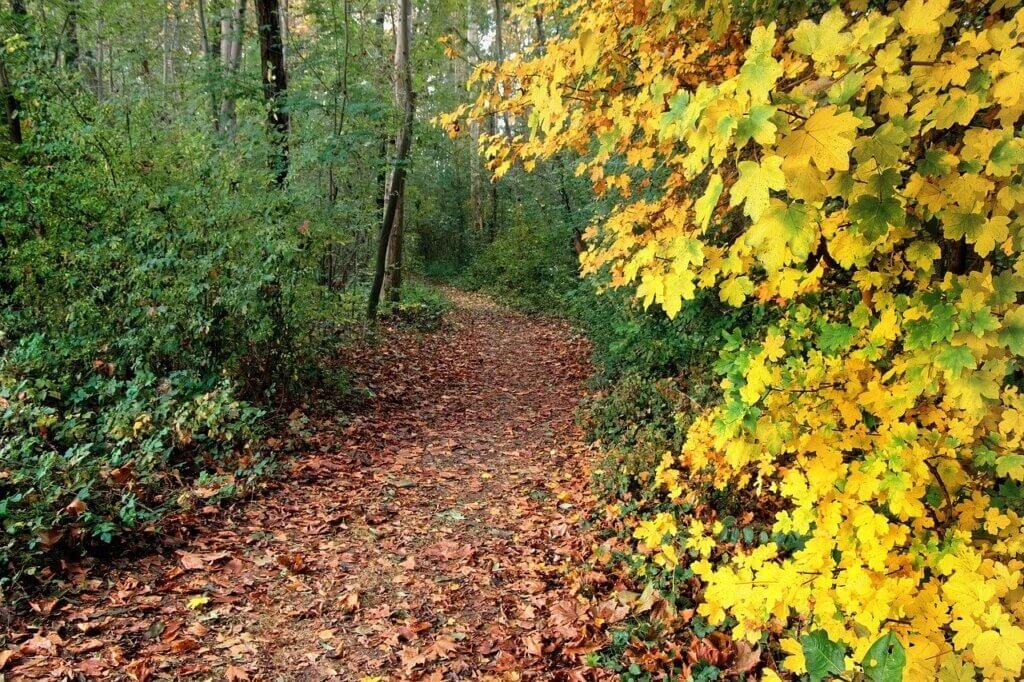
New River Gorge National Park and Preserve is located in southern West Virginia, near the town of Fayetteville. It became an official U.S. national park in 2020, though it had long been a national river area before that. The park follows the New River, which despite its name, is actually one of the oldest rivers in the world—estimated to be over 300 million years old.
People love visiting New River Gorge National Park for a variety of reasons, both natural and adventurous:
Spectacular Scenery
The park is home to breathtaking landscapes—towering cliffs, lush forests, and dramatic gorges carved by the New River. The New River Gorge Bridge, one of the longest and highest steel arch bridges in the world, offers jaw-dropping views and is a popular spot for photographers and sightseers.
World-Class Rock Climbing
Climbers from all over the world come here for its over 1,400 established rock climbing routes. The sandstone cliffs offer some of the best climbing in the eastern United States, ranging from beginner-friendly routes to advanced technical climbs.
Whitewater Rafting
The New River features some of the best whitewater rafting in North America, with rapids ranging from mild Class II to intense Class V, depending on the section of the river. Both beginners and thrill-seekers can find an unforgettable adventure on the water.
Hiking and Scenic Trails
The park’s trail system covers more than 100 miles, offering hikes through forests, past waterfalls, and along the rim of the gorge. Trails like Long Point Trail and Endless Wall Trail are favorites for their stunning panoramic views.
Wildlife and Nature
Visitors enjoy the park’s rich biodiversity, including deer, foxes, river otters, bald eagles, and countless plant species. The New River Gorge region is a haven for those who love being immersed in natural beauty.
Bridge Day Festival
Held every October, Bridge Day is one of West Virginia’s biggest events. The New River Gorge Bridge is closed to traffic and opened to pedestrians, base jumpers, and rappellers. Thousands of spectators gather to watch daredevils leap from the bridge into the gorge below—it’s a true celebration of adventure and Appalachian spirit.
Rich Appalachian Culture
Beyond outdoor adventures, visitors appreciate the area’s Appalachian heritage, historic mining towns, and local crafts and cuisine. The park preserves not just nature, but also a sense of mountain culture and community.
New River Gorge National Park and Preserve hosts several well-known festivals, concerts, and competitions each year that draw visitors from all over. While the park itself emphasizes outdoor recreation and preservation, the surrounding communities—especially Fayetteville and the nearby adventure resorts—hold many events that celebrate the area’s natural beauty and adventurous spirit.
Here are some of the most popular ones:
Bridge Day
Bridge Day is the most famous annual event at New River Gorge. It takes place on the third Saturday in October on the New River Gorge Bridge near Fayetteville, West Virginia. The bridge is closed to vehicles and opened to pedestrians for a full day of festivities.
Highlights include BASE jumping, rappelling, zip-lining, and dozens of vendors offering local crafts, food, and outdoor gear. It’s one of the largest extreme sports and outdoor festivals in the United States, attracting thousands of spectators and participants each year.
Mountain Music Festival
Held each June at ACE Adventure Resort, located within the gorge region, this multi-day event combines live music, camping, and outdoor adventure. It features a lineup of rock, bluegrass, and jam bands alongside opportunities for whitewater rafting, zip-lining, and hiking. It’s a favorite among outdoor enthusiasts who enjoy combining nature with live entertainment.
Captain Thurmond’s Challenge
This is a multi-sport adventure race that includes mountain biking, kayaking, and trail running. It’s named after Captain William Thurmond, a historical figure associated with the region. The event celebrates endurance, teamwork, and the rugged outdoor spirit of the New River Gorge.
New River Gorge Trail Festival
This event focuses on trail running and takes advantage of the park’s scenic trails. Runners of all levels participate in various race lengths, exploring the forests and overlooks of the gorge. It’s a great way for fitness enthusiasts to experience the park’s beauty through an athletic challenge.
New River Birding and Nature Festival
Held every May, this weeklong event attracts birdwatchers and nature lovers from across the country. It offers guided birding walks, educational sessions, and nature programs in and around the park. The area’s diverse habitats make it an excellent location for spotting migratory and native bird species.
Cultural and Music Events
Throughout the year, local venues, and the National Park Service host smaller cultural and musical gatherings. Examples include Appalachian music performances, Friends Fest at the Outpost, and ranger-led heritage events celebrating the region’s music, history, and traditions.
These festivals and competitions highlight the unique character of New River Gorge—its deep connection to adventure, community, and Appalachian culture.
New River Gorge National Park and Preserve is designed to protect both its unique natural environment and the safety of its visitors. The National Park Service enforces a number of rules and regulations to help achieve that balance.
HERE’S AN OVERVIEW OF THE GENERAL GUIDELINES THAT VISITORS SHOULD KNOW BEFORE VISITING:
Park Access and Hours
The park is open year-round, 24 hours a day, although some visitor centers and facilities have specific operating hours.
Entry to the park is free; no entrance fee is required.
Leave No Trace
Visitors are expected to pack out all trash and leave the environment as they found it.
Avoid damaging plants, trees, and rock formations.
Stay on designated trails to prevent erosion and protect wildlife habitats.
Camping and Fires
Camping is allowed only in designated campsites within the park. Primitive camping is free but requires adherence to park rules.
Campfires are permitted only in fire rings or grills where provided. Never leave fires unattended and make sure they are completely extinguished before leaving.
Cutting or removing live vegetation for firewood is prohibited; only dead and downed wood may be used.
Pets
Pets are welcome but must be on a leash no longer than 6 feet at all times.
Owners must clean up after their pets and dispose of waste properly.
Pets are not allowed in some public buildings or certain sensitive natural areas.
Rock Climbing and Adventure Activities
Climbing is allowed in designated areas, but climbers should follow safety guidelines and practice “clean climbing” (no damage to rock surfaces).
Fixed anchors and bolts are permitted only where historically established; new permanent anchors generally require approval.
BASE jumping is only permitted on Bridge Day under controlled event conditions.
Water Safety and Boating
The New River is powerful and can change rapidly; life jackets (PFDs) are required by law for anyone boating, kayaking, or rafting.
Swimming is allowed but not recommended in areas with strong currents or rapids.
All boaters must comply with West Virginia boating regulations, including registration and safety equipment.
Hunting and Fishing
Hunting is permitted only in the Preserve portion of the park, not within the National Park area itself.
All hunters must follow West Virginia state hunting laws and obtain the required licenses.
Fishing is allowed throughout the park with a valid West Virginia fishing license; state size and catch limits apply.
Drones and Aircraft
Drone use is prohibited within New River Gorge National Park and Preserve for safety and wildlife protection reasons, except by authorized personnel.
Alcohol and Conduct
Alcohol is permitted in moderation in most areas, except where otherwise posted. Disorderly or unsafe conduct due to alcohol use is strictly prohibited.
Firearms are allowed in accordance with federal and West Virginia laws, but discharging firearms is prohibited except in lawful hunting areas within the Preserve.
Preservation of History and Nature
Removing, disturbing, or defacing natural features, plants, animals, or historic artifacts is strictly prohibited. This includes collecting rocks, fossils, or relics.
Metal detectors are not allowed within the park.
Vehicles and Parking
Motor vehicles must stay on established roads and parking areas.
Off-road driving or parking on vegetation is prohibited.
Obey all posted speed limits and traffic signs, as wildlife and pedestrians share the roads.
Respect for Wildlife
Feeding wildlife is prohibited—it can make animals dependent on humans and harm their health.
Keep a safe distance from all animals, including deer, raccoons, snakes, and black bears.
These regulations are enforced to ensure everyone’s safety and to protect the delicate ecosystem of the gorge. Rangers are available throughout the park to answer questions and provide information about specific rules for camping, climbing, boating, or hunting.
New River Gorge National Park and Preserve is one of the most scenic and adventure-filled parks in the United States — but like any wild and rugged landscape, it comes with risks and potential dangers. The National Park Service strongly emphasizes safety because the gorge’s terrain, river currents, and cliffs can be unpredictable.
HERE’S A CLEAR BREAKDOWN OF THE MAIN RISKS, DANGERS, AND SAFETY PRECAUTIONS EVERY VISITOR SHOULD KNOW:
THE RIVER AND WATER HAZARDS
Risks:
The New River is powerful and fast-moving, with strong undercurrents and rapids that can quickly overwhelm even experienced swimmers.
Sudden changes in water level and flow can occur due to rain, upstream dam releases, or weather shifts.
Slippery rocks, cold water, and hidden debris pose additional risks near the water’s edge.
Safety Precautions:
Always wear a life jacket (PFD) when rafting, kayaking, boating, or even wading near the river.
Never swim in swift currents or above rapids.
Check river conditions and weather forecasts before entering the water.
Go with licensed outfitters for whitewater trips unless you are highly experienced.
Avoid alcohol or drugs when boating or swimming.
CLIFFS AND HIGH LEDGES
Risks:
The gorge features sheer sandstone cliffs that drop hundreds of feet. Falls from cliffs, ledges, and overlooks have been among the most serious accidents in the park.
Rocks can be unstable, especially near edges, and footing can be slick after rain.
Safety Precautions:
Stay behind guardrails and warning signs at overlooks.
Never climb or lean over barriers for photos.
Be extra cautious when taking selfies or walking near cliff edges—one misstep can be fatal.
Supervise children closely near any elevated areas.
HIKING AND REMOTE TRAILS
Risks:
The park’s terrain is rugged, with steep slopes, uneven ground, and limited cell service.
Hikers sometimes become lost or dehydrated, especially on long or lesser-traveled trails.
Ticks, poison ivy, and wildlife are also common in the backcountry.
Safety Precautions:
Carry plenty of water, food, a map, and a flashlight.
Tell someone your planned route and return time.
Stay on marked trails—avoid shortcuts or unmarked paths.
Wear sturdy footwear and bring rain gear, as weather can change quickly.
Check for ticks after hiking and know how to identify poison ivy.
WEATHER AND ENVIRONMENTAL CONDITIONS
Risks:
West Virginia weather can change rapidly—sunny mornings can turn into storms by afternoon.
Lightning strikes, flash floods, and fog can make hiking, climbing, or driving dangerous.
Winter conditions can cause ice on roads, trails, and cliffs.
Safety Precautions:
Always check weather forecasts before heading out.
If you hear thunder, seek shelter immediately—avoid open areas, high ridges, and trees.
Turn back or find higher ground during heavy rain or flooding.
In cold months, bring extra clothing layers and be cautious on icy surfaces.
WILDLIFE ENCOUNTERS
Risks:
The park is home to deer, raccoons, snakes, and occasionally black bears.
Wildlife may carry diseases or react defensively if approached or fed.
Safety Precautions:
Never feed or approach wildlife.
Store food securely and dispose of trash properly.
If you encounter a bear, stay calm, make noise, and back away slowly—never run.
Be aware of venomous snakes (like copperheads) when walking through rocky or wooded areas.
CLIMBING AND ADVENTURE SPORTS
Risks:
Climbing, rappelling, and base jumping are inherently dangerous. Accidents often result from equipment failure, weather, or human error.
Safety Precautions:
Use proper climbing gear and inspect it before use.
Climb with a partner or group, and follow all established routes.
Check park regulations before climbing in new areas.
BASE jumping is only legal on Bridge Day under approved conditions.
ROADS AND TRAFFIC
Risks:
Many park roads are narrow, winding, and shared by pedestrians, cyclists, and wildlife.
Fog and rain can make visibility poor.
Safety Precautions:
Drive slowly and be prepared for sharp turns or sudden stops.
Use headlights in fog or rain.
Do not park on vegetation or block roadways.
HEALTH AND PREPAREDNESS
Risks:
Dehydration, heat exhaustion, and fatigue are common in summer.
In remote areas, help may take time to arrive.
Safety Precautions:
Bring plenty of water (more than you think you need).
Pack a first-aid kit and know basic emergency care.
Carry a whistle or signaling device in case you get lost.
In an emergency, call 911—cell coverage may be limited, so note your general location before entering the park.
CLIFFSIDE AND RIVER PHOTOGRAPHY
Risks:
Many accidents occur when visitors step too close to edges or unstable surfaces for a photograph.
Safety Precautions:
Keep a safe distance from drop-offs.
Avoid distracted walking or stepping backward for photos.
Use zoom or wide-angle lenses instead of moving closer to an edge.
In short, respecting the power of nature is the best safety rule at New River Gorge. Whether you’re hiking, rafting, or sightseeing, being cautious, prepared, and aware of your surroundings ensures a safe and enjoyable visit.
There are a number of myths, legends and reports of paranormal/conspiratorial‐type activity associated with New River Gorge National Park & Preserve in West Virginia. Some are more substantiated than others; many fall into the “folklore” or “local lore” category rather than proven fact. Here are several of the more interesting ones, along with commentary on how credible they are and what to keep in mind.
NOTABLE MYTHS & LEGENDS
Ghost stories / haunted places
The park’s own history section notes that the area is “full of wonderful, dreadful, exciting, and unusual stories… floods, droughts, blights, coal-mine explosions, and fires have all been a part of its history.” National Park Service+1
One article cites locations in the gorge with reputed hauntings: for example, the former mining town of Thurmond, West Virginia (within the gorge region) is described as having reported apparitions, shadow figures, and unusual phenomena. ACE Adventure Resort
Another source describes “The Lady in White” (a ghostly woman in a white dress along the riverbank), “The Headless Conductor” (a ghost railroad worker), and a “Phantom Hitchhiker” among the folklore tied to the region. NationalParksData.com
The “Hidden History Weekend” event at the park includes a “Haunted History Hike” at dusk where legends are told. National Park Service
Commentary: These stories tend to be localized, anecdotal, and tied to the region’s mining/railroad past (lots of human tragedy, abandoned industrial sites = fertile ground for ghost stories). They’re interesting from a folklore perspective, but not documented in the same way as historical facts.
Cryptids, UFOs, and “monster” sightings
One article claims that the area around the gorge is a hotbed for reports of cryptids (say, unidentified creatures), strange lights in the sky, and other “unexplained phenomena.” MysteryLores
Online discussion (such as Reddit threads) includes locals or visitors claiming to have had weird experiences in the gorge:
“New River Gorge is an often popular spot for Bigfoot hunters. I’ve had rocks tossed at me in an area there definitely were not other people around.” Reddit
Some sellers and blogs tie the legend of Mothman (traditionally associated with Point Pleasant, West Virginia) to the New River Gorge area, suggesting the creature “moved” there. Anderson Design Group+1
Commentary: These are much more speculative. The Mothman legend is well known in West Virginia, but its direct connection to the New River Gorge is weak and more of a marketing/folk-trail extension. Cryptid reports are inherently anecdotal and often unverified. They add flavor to the place, but should be taken with a grain of salt.
Local legend related to the river’s name, shape & history
Some older secondary sources say that Native Americans referred to the New River as the “River of Death” because of its dangerous currents and terrain. 083d840ddfd5c6063e01-d068e497715423d630add53cb355c226.ssl.cf5.rackcdn.com
The same source notes that European explorers mistook the New River for having westward flow that suggested reaching the Pacific; such misinterpretations often generate folk-stories about the “first gateway west.” 083d840ddfd5c6063e01-d068e497715423d630add53cb355c226.ssl.cf5.rackcdn.com
Commentary: These are somewhat more credible because they tie into real geographic and historic facts (old river, difficult terrain, early settlement). However “River of Death” appears more legend than documented tribal name. It’s important to distinguish between documented history and folklore.
Why So Many Legends?
The region has a rich industrial and mining past: coal mining towns, railroad lines, abandoned mines—environments that often generate ghost stories.
Rugged wilderness, dense forests, remote ravines = natural settings ripe for “strange things happen” tales.
Tourism interest: Legends and paranormal stories often serve as an additional draw for visitors, ghost‐hunters, folklore enthusiasts.
Oral traditions: Appalachian regions have longstanding storytelling traditions; legends get passed, evolve, and sometimes expand when tied to unique landscapes.
How to Evaluate & Explore the Legends Safely
Consider them entertaining rather than definitive truth. They enhance the experience but should not replace factual safety or logistical planning.
Stay on marked trails and respect private property—some “haunted” locations are in sensitive or off-limit areas. (One article warns of trespassing risk at apparently haunted spots.) ACE Adventure Resort
If you pursue ghost‐oriented walks (e.g., “Haunted History Hike”), go prepared with the usual safety precautions (flashlight, proper shoes, let someone know).
Documented history (mine accidents, railroad tragedies, etc) does exist for the area, so legends may be built upon real events. The park’s “Stories” page acknowledges disasters like mine explosions. National Park Service+1
Don’t rely on these legends as proof of anything paranormal—but they can provide special context and flavour for a visit.
New River Gorge National Park and Preserve is one of the most remarkable natural areas in the eastern United States, but like any destination, it has both highlights and challenges. Here’s a balanced look at the good, the bad, and the ugly aspects of the park.
THE GOOD
Breathtaking Scenery
The park is famous for its dramatic canyon views, lush forests, and the iconic New River Gorge Bridge. The scenery is stunning year-round, especially in fall when the foliage colors explode across the gorge.
World-Class Outdoor Recreation
It’s a paradise for outdoor enthusiasts. Visitors can enjoy rock climbing, whitewater rafting, mountain biking, hiking, fishing, and camping. The New River itself is one of the oldest rivers in the world and provides a thrilling mix of rapids for both beginners and experts.
Rich Cultural and Historical Heritage
Once a hub for coal mining, the area still holds remnants of old mining towns, railroads, and company buildings. Interpretive signs and exhibits throughout the park tell stories of the people who lived and worked in the gorge over the centuries.
Bridge Day and Local Events
The community around the park is vibrant, with events like Bridge Day, Mountain Music Festival, and trail races that celebrate both adventure and Appalachian culture.
Accessibility
Being in southern West Virginia, the park is easily accessible from several major cities, including Charleston, WV; Roanoke, VA; and even Pittsburgh, PA, making it a great weekend destination for many.
THE BAD
Limited Amenities in Some Areas
While towns like Fayetteville offer food, lodging, and gear rentals, other areas of the park are quite remote. Cell service can be weak or nonexistent in parts of the gorge, and services are limited once you’re deep in the wilderness.
Crowds During Peak Times
Bridge Day and summer weekends bring large crowds. Parking can be challenging, and popular trails or overlooks may feel crowded.
Seasonal Weather Challenges
The region can experience sudden changes in weather—flash floods, heavy rain, and slippery trails are not uncommon. Winter can bring icy conditions to trails and roads.
Inexperienced Adventurers Taking Risks
Some visitors underestimate the gorge’s rugged terrain or the strength of the river’s rapids, leading to accidents. Those new to rock climbing or rafting should always go with a guide or outfitter.
THE UGLY
Environmental Concerns
Despite protection, parts of the gorge have faced littering and erosion from high visitor traffic. Illegal dumping and pollution from nearby development can impact the ecosystem.
Old Mine Hazards
Abandoned coal mines and tunnels are scattered through the park. They are dangerous and strictly off-limits, though some thrill-seekers try to explore them illegally.
Wildlife and Terrain Risks
Encounters with copperhead snakes, ticks carrying Lyme disease, and even black bears can occur. The steep cliffs and rugged trails can also pose serious falls if hikers aren’t cautious.
Tragic Accidents at the Bridge
While Bridge Day is an exciting event, BASE jumping and other extreme sports at the site have occasionally led to serious injuries or fatalities, reminding visitors that safety must always come first.
SUMMING IT UP
The Good: Majestic landscapes, thrilling recreation, cultural depth, and warm community.
The Bad: Limited amenities, unpredictable weather, and crowds at peak times.
The Ugly: Environmental wear, unsafe exploration, and occasional tragic accidents.
New River Gorge National Park and Preserve stands as a symbol of nature’s resilience and human adventure. It offers some of the most beautiful scenery in the eastern United States, where ancient geology, roaring rapids, and quiet forests come together to create a landscape that feels timeless.
Whether a person visits for the thrill of whitewater rafting, the challenge of a steep rock climb, or the calm of a riverside trail, the park provides an experience that stays with them long after they leave.
Yet the park is not without its challenges. Its rugged terrain, unpredictable weather, and growing popularity mean that visitors must approach it with both respect and preparation. Those who take the time to plan ahead—checking conditions, packing appropriately, and understanding the park’s rules—will find that safety enhances, rather than limits, their enjoyment of this remarkable place.
New River Gorge is a place where adventure meets reflection. It calls to those who love the outdoors and respect the wild, offering opportunities to explore, learn, and reconnect with something larger than themselves. For many, standing at an overlook above the gorge or paddling through its swirling waters isn’t just a scenic experience—it’s a reminder of how powerful, unpredictable, and beautiful the natural world can be.
HERE’S A LIST OF RELIABLE SOURCES AND RESOURCES WHERE YOU CAN FIND DETAILED INFORMATION ABOUT NEW RIVER GORGE NATIONAL PARK AND PRESERVE, INCLUDING ITS HISTORY, RECREATION, EVENTS, SAFETY, AND LEGENDS:
Official Sources
- National Park Service – New River Gorge
- Website: https://www.nps.gov/neri
- Covers park history, maps, trails, camping, events, regulations, and safety information.
- Bridge Day Official Site
- Website: https://jumpbridgeday.com
- Information on the annual extreme sports festival, permits, and safety rules.
- Friends of the New River Gorge
- Website: https://www.friendsnr.org
- Offers details on volunteer programs, cultural events, educational initiatives, and park preservation projects.
Adventure & Outdoor Resources
- ACE Adventure Resort
- Website: https://www.aceadventure.com
- Whitewater rafting, climbing, hiking, and outdoor event information.
- West Virginia State Parks & Tourism
- Website: https://www.visitwv.com
- General visitor guides, lodging, events, and seasonal activity recommendations.
Safety & Preparation
- National Park Service – Safety Tips
- Website: https://www.nps.gov/subjects/safety/index.htm
- Guidance on water safety, wildlife, hiking, and extreme recreation.
- West Virginia Department of Natural Resources (WVDNR)
- Website: https://www.wvdnr.gov
- Rules for fishing, hunting, and wildlife management in the park and surrounding areas.
History, Folklore, and Legends
- NPS – History & Stories
- https://www.nps.gov/neri/learn/historyculture/stories.htm
- Historical context, mining heritage, railroad history, and local stories.
- Local Folklore and Paranormal Resources
- https://aceraft.com/haunted-hotspots-in-the-new-river-gorge/
- Articles about ghost stories, legends, and paranormal reports in the gorge region.
- New River Gorge Trail & Adventure Blogs
- Websites and blogs like https://newrivergorgeruns.com and outdoor adventure blogs often give firsthand accounts, trail tips, and event coverage.
These sources together provide comprehensive coverage of New River Gorge National Park—from practical travel tips and safety, to cultural and historical context, to outdoor adventure and even local folklore.