





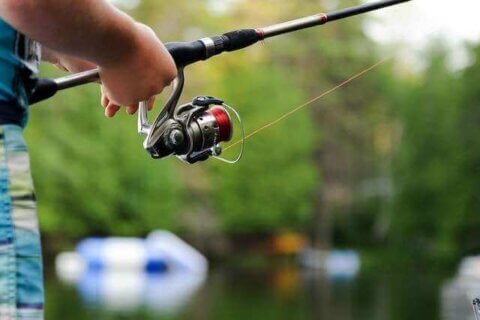
People love fishing in Alabama because the state quietly offers one of the most diverse and rewarding fishing experiences in the entire country.
It’s a place where fresh water and salt water coexist in a way that gives anglers almost endless options, whether they’re standing on a riverbank at sunrise or heading offshore into the Gulf.
One big reason is variety. Alabama has deep lakes, winding rivers, slow-moving creeks, coastal bays, and open Gulf waters. In a single state, you can catch largemouth bass in a cypress-lined lake, crappie in a quiet reservoir, redfish in the marshes, and snapper or tuna offshore. That kind of diversity keeps fishing from ever feeling repetitive. No matter the season or skill level, there’s usually something biting somewhere.
The fishing culture runs deep, especially in freshwater. Alabama is famous for bass fishing, with legendary waters like Lake Guntersville, Pickwick Lake, and the Tennessee River system.
These aren’t simply good fishing spots; they’re places where families have been fishing for generations. Many people grow up learning how to fish from parents or grandparents, so fishing feels less like a hobby and more like part of life.
The Gulf Coast adds another layer of appeal. Alabama’s coastline may be short compared to other states, but it’s incredibly productive. Inshore fishing in Mobile Bay and the surrounding flats offers action-packed days chasing speckled trout, flounder, and redfish.
Offshore, the Gulf provides access to deep-water species that draw anglers from all over the country. For many, the chance to catch both freshwater and saltwater fish without leaving the state is hard to beat.
Another reason people love fishing in Alabama is accessibility. You don’t need expensive gear or a boat to enjoy it. There are countless public boat ramps, fishing piers, riverbanks, and shore-access spots. Whether someone wants to spend all day on the water or sneak in an hour of fishing after work, it’s easy to do.
There’s also a strong sense of peace tied to fishing in Alabama. The scenery matters. Quiet rivers bordered by trees, mist rising off a lake in the early morning, birds calling from the shoreline—these moments slow life down. For many people, fishing isn’t just about catching fish; it’s about stepping away from stress, noise, and screens and reconnecting with nature.
Finally, fishing in Alabama brings people together. It’s social without being rushed. Friends fish side by side, families share boats, and strangers swap tips at the ramp. Stories get told, lessons get passed down, and memories get made. In a world that often feels fast and disconnected, fishing offers something steady and grounding.
All of that combined—variety, tradition, accessibility, natural beauty, and connection—is why fishing holds such a special place in Alabama. It’s not just something people do; it’s something they feel.
GENERAL FISHING RULES AND REGULATIONS IN ALABAMA
FISHING LICENSES: WHO NEEDS ONE AND WHEN
In Alabama, most people are required to have the proper fishing license before they fish in public waters. There are different licenses depending on what you’re fishing and where: freshwater, saltwater, or a combo of both. Licenses can be annual, short-term (like a 7-day pass), or even daily. There are exemptions—for example, residents under age 16 typically don’t need a license, and there are special exemptions for bank fishing within your home county if you’re using only basic hook and line gear. Always carry your license while you fish.
DAILY BAG AND POSSESSION LIMITS
Alabama sets specific limits on how many fish you can keep each day, known as creel limits, to support sustainable fisheries:
Freshwater species:
• Black bass (including largemouth, smallmouth, and other bass species): typically a combined limit of 10 fish per person per day, with some size limits that vary by waterbody.
• Crappie: often limited to around 30 fish with a minimum size (for example, 9 inches in most public waters).
• Catfish: no limit on fish under 34 inches, but only one catfish 34 inches or longer may be kept per day.
• Bream or sunfish: often a generous limit (such as 50 fish), with no statewide minimum size.
These can vary by location, so it’s always smart to check local rules for the specific lake or river you’re fishing.T
Saltwater species:
In coastal waters, there are daily limits and size rules for species like spotted seatrout, red drum (redfish), red snapper, and others:
• Spotted seatrout: commonly a six-fish limit with size limits.
• Red drum: usually limited to three fish within a slot size (for example, between 16 and 26 inches).
• Red snapper: often limited to two fish per person.
• Other species such as Spanish mackerel, sheepshead, cobia, and grouper also have specified limits and minimum lengths to protect populations and maintain healthy stocks. Conditions can change year to year, so it’s good to check the latest statewide regulations before you go.
SIZE LIMITS AND HOW THEY’RE MEASURED
Many species have minimum and sometimes maximum size limits that you must follow. Fish are measured from the tip of the mouth to the tip of the tail, with the tail lobes closed. Sizes vary by species and sometimes by specific body of water. Fish under or over regulated sizes that you don’t plan to keep should be released immediately and carefully.
SEASONS AND SPECIAL RULES
Most freshwater game fish in Alabama can be caught year-round, though some bodies of water may have special seasons or restrictions. For certain saltwater species like red snapper and reef fish, seasons may be defined by quota limits that can open and close depending on annual harvest levels. For example, red snapper seasons may be structured around designated time periods or weekend harvest windows once the quota is met.
METHODS AND EQUIPMENT
Fishing methods are regulated too. Snagging fish—notably on major rivers and certain public lakes—is illegal in specific areas. There are limits on how trotlines, limb lines, and other gear can be used, and in many cases you must tag your gear with your name or license identification if you’re leaving it unattended.
STATE PARK RULES
If you’re fishing within an Alabama State Park, you must follow park-specific rules in addition to state fishing regulations. This includes showing your license or catch on request by a conservation officer and respecting posted creel limits for that park’s lakes.
CONSERVATION AND PROTECTED SPECIES
Certain species are protected or have closed seasons. For example, sturgeon and paddlefish generally must be returned to the water immediately, and some areas prohibit targeting them entirely. These protections help preserve vulnerable populations and ensure future generations of anglers can enjoy them.
In simple terms, Alabama wants people to enjoy fishing, but also to do it responsibly:
Get the proper license and carry it with you.
Know how many fish you can keep and their size limits.
Follow seasonal and location-specific rules.
Use legal gear and respect conservation measures.
These regulations are in place to balance access with long-term health and sustainability of fish populations across the state. Before any trip, it’s always a good idea to check the most up-to-date regulations from the Alabama Department of Conservation and Natural Resources or the Outdoor Alabama website, especially since rules can change from year to year.
Alabama is one of those states where great fishing isn’t limited to one type of water. From mountain streams to massive reservoirs to the Gulf Coast, each region offers something special.
HERE IS A CLEAR, DESCRIPTIVE LOOK AT THE BEST STREAMS, RIVERS, LAKES, AND COASTAL FISHING SPOTS IN ALABAMA, WHAT PEOPLE CATCH THERE, AND WHY THESE PLACES STAND OUT
BEST STREAMS & SMALL RIVERS
SIPSEY FORK (BANKHEAD NATIONAL FOREST)
Fish caught: Spotted bass, largemouth bass, bream, redeye bass
Why it’s great:
The Sipsey Fork is known for its clean water, rocky shoals, and natural beauty. It’s ideal for anglers who enjoy wading or kayak fishing. Redeye bass thrive here, making it especially popular with anglers who appreciate native species and light-tackle fishing.
LITTLE RIVER (LOOKOUT MOUNTAIN AREA)
Fish caught: Smallmouth bass, spotted bass, bream
Why it’s great:
Little River has cool, flowing water and rocky structure that smallmouth bass love. It’s less pressured than larger rivers, which means more natural behavior from fish and a more peaceful fishing experience.
BEST MAJOR RIVERS
Tennessee River
Fish caught: Largemouth bass, smallmouth bass, spotted bass, catfish, crappie
Why it’s great:
This river is legendary for bass fishing. Its current, ledges, grass beds, and backwaters create perfect habitat. It consistently produces trophy bass and supports major tournaments. The river also feeds several of Alabama’s best lakes.
COOSA RIVER
Fish caught: Largemouth bass, spotted bass, redeye bass, crappie
Why it’s great:
The Coosa River system is diverse and fast-moving in places, which creates strong, aggressive fish. It’s especially well-known for spotted bass and redeye bass. Anglers love it for both numbers and quality fish.
ALABAMA RIVER
Fish caught: Largemouth bass, striped bass, catfish, crappie
Why it’s great:
This river is deep, wide, and productive. It’s a top destination for catfish and bass, especially for anglers who like big-river fishing with structure such as bends, drop-offs, and submerged timber.
BEST LAKES & RESERVOIRS
LAKE GUNTERSVILLE
Fish caught: Largemouth bass, smallmouth bass, crappie, bream
Why it’s great:
Often ranked among the best bass lakes in the country, Lake Guntersville is famous for its grass beds and shallow flats. It consistently produces large bass and high catch rates, making it popular with both tournament anglers and weekend fishermen.
PICKWICK LAKE
Fish caught: Smallmouth bass, largemouth bass, catfish, crappie
Why it’s great:
Pickwick is known for current-driven fishing and excellent smallmouth bass. Ledges, rock piles, and deep structure give anglers year-round opportunities. It’s also a strong catfish lake.
LAKE EUFAULA (WALTER F. GEORGE LAKE)
Fish caught: Largemouth bass, crappie, bream
Why it’s great:
Often called the “Big Bass Capital of the World,” Lake Eufaula has abundant shallow cover like stumps and grass. It’s especially famous for crappie fishing and springtime bass action.
LAY LAKE
Fish caught: Largemouth bass, spotted bass, crappie
Why it’s great:
Lay Lake offers a mix of river current and lake structure. It’s well-known for aggressive spotted bass and has hosted many professional bass tournaments.
BEST COASTAL & SALTWATER FISHING SPOTS
MOBILE BAY
Fish caught: Speckled trout, redfish, flounder, sheepshead
Why it’s great:
Mobile Bay is highly productive and accessible. Shallow flats, oyster beds, and marshes provide excellent inshore fishing. It’s a favorite for anglers who want action without going far offshore.
DAUPHIN ISLAND
Fish caught: Speckled trout, redfish, pompano, Spanish mackerel
Why it’s great:
Dauphin Island offers both surf fishing and nearshore opportunities. It’s known for seasonal runs of pompano and mackerel and is great for anglers fishing from shore, piers, or small boats.
ORANGE BEACH & GULF SHORES (OFFSHORE)
Fish caught: Red snapper, amberjack, grouper, tuna, mahi-mahi
Why it’s great:
These areas provide access to deep Gulf waters and artificial reefs. Offshore fishing here is some of the best in the Southeast, with chances at large, hard-fighting fish and memorable trips.
WHY ALABAMA FISHING STANDS OUT OVERALL
Alabama’s fishing is special because it combines:
Diversity of water (streams, rivers, lakes, and saltwater)
Strong conservation and stocking programs
Long growing seasons that help fish reach impressive sizes
Easy access for both boat and bank anglers
Whether someone enjoys quiet creek fishing, chasing trophy bass, or heading offshore into the Gulf, Alabama offers high-quality fishing without needing to travel far.
Fishing in Alabama has a well-earned reputation for being excellent, but like anywhere, it comes with strengths, frustrations, and a few hard truths.
LOOKING AT THE GOOD, THE BAD, AND THE UGLY GIVES A MORE HONEST PICTURE OF WHAT ANGLERS REALLY EXPERIENCE ON THE WATER
THE GOOD
Exceptional variety of fishing
Alabama offers one of the widest ranges of fishing opportunities in the country. You can fish mountain streams, major rivers, massive reservoirs, quiet farm ponds, coastal bays, and deep Gulf waters all within one state. Freshwater and saltwater anglers are equally well served, and it’s possible to target dozens of species year-round.
Strong bass fishing reputation
Alabama is consistently ranked among the top bass fishing states. Lakes like Guntersville, Pickwick, and Eufaula produce quality and quantity, and the Tennessee River system is famous nationwide. This attracts tournaments, skilled anglers, and a strong fishing culture that keeps techniques and knowledge evolving.
Long growing season
Warm weather and fertile waters allow fish to grow quickly and reach impressive sizes. Bass, crappie, catfish, and bream all benefit from extended feeding seasons, which helps maintain healthy populations and good catch rates.
Accessibility
Public boat ramps, bank-fishing areas, piers, and shoreline access are widespread. You don’t need an expensive boat or specialized gear to enjoy Alabama fishing, which makes it welcoming for beginners, families, and casual anglers.
Strong outdoor tradition
Fishing is deeply woven into Alabama’s culture. Knowledge is often passed down through generations, and most anglers are willing to help newcomers with tips, locations, or bait suggestions. It’s generally a friendly, community-oriented experience.
THE BAD
Fishing pressure on popular waters
The best lakes and rivers are no secret. Well-known spots can get crowded, especially during spring, weekends, and tournament seasons. Heavy pressure can make fish more cautious and reduce the quality of the experience for anglers seeking solitude.
Inconsistent enforcement
While conservation laws exist, enforcement can vary by area. Some anglers ignore size limits, creel limits, or protected species rules, which can affect fish populations and frustrate those who fish responsibly.
Weather challenges
Alabama weather can be unpredictable. Summer heat, humidity, sudden storms, and rapidly changing water levels can make fishing uncomfortable or even unsafe. Coastal anglers also deal with strong winds and shifting tides that don’t always cooperate.
Water clarity and fluctuations
Many rivers and lakes experience muddy water after rains, fluctuating levels from dam operations, and vegetation changes. These conditions don’t ruin fishing, but they can make it more challenging and require adaptability.
THE UGLY
Litter and environmental damage
Unfortunately, trash left behind by careless anglers is an ongoing problem in some areas. Discarded fishing line, bait containers, and general litter damage the environment and harm wildlife. This is one of the biggest blemishes on Alabama’s otherwise beautiful fishing areas.
Illegal practices
Poaching, over-harvesting, and illegal gear use still occur. Keeping undersized fish, exceeding limits, or using prohibited methods can quietly undermine fisheries over time. Responsible anglers often feel the impact even if they aren’t the cause.
Occasional fish kills
Low oxygen events, pollution, or extreme heat can sometimes lead to fish kills, particularly in smaller bodies of water or during drought conditions. These events are usually localized but can be discouraging when they happen.
Overhyped expectations
Some anglers arrive expecting nonstop action simply because Alabama has a strong reputation. Like anywhere, fishing still requires skill, patience, and learning the water. When expectations are unrealistic, disappointment can follow.
The Honest Bottom Line
Fishing in Alabama is genuinely excellent, but it isn’t effortless or flawless. The state offers incredible diversity, strong fish populations, and deep tradition, balanced by crowding, environmental challenges, and the need for better stewardship in some areas.
For anglers who respect the water, follow the rules, adapt to conditions, and fish with patience, Alabama remains one of the most rewarding fishing destinations in the country. The experience is what you make of it, and those who approach it with care and humility usually find far more good than bad.
Fishing in Alabama has a lot of layers that aren’t always obvious at first glance. Beyond locations and species, there are some important and interesting things that help explain why fishing here feels the way it does and why experienced anglers approach it a certain way.
Alabama’s Waters Are Exceptionally Fertile
Many of Alabama’s lakes and rivers are nutrient-rich, which supports strong forage bases like shad, bream, and minnows. This is one reason bass, crappie, and catfish grow large and stay healthy. Fertile water also means fish populations can rebound faster when managed correctly, but it can also lead to algae blooms and vegetation swings that anglers must adapt to.
Water Levels Matter More Than You Think
Dams control a lot of Alabama’s major fisheries. Sudden rises or drops in water levels can dramatically change fishing conditions overnight. Fish may move shallow during rising water and pull back to deeper structure when levels fall. Learning how dam generation schedules affect your favorite river or lake can make a big difference in success.
Seasonal Patterns Are Strong
Fish in Alabama respond quickly to seasonal changes. Spring brings aggressive feeding and spawning behavior, summer pushes fish deeper or into heavy cover, fall creates schooling and feeding frenzies, and winter slows things down but doesn’t stop fishing. Anglers who learn these seasonal movements tend to do far better than those who fish the same way year-round.
Alabama Is a Native Bass Hotspot
The state is home to unique native species like redeye bass and several subspecies found nowhere else. These fish prefer flowing, rocky waters and are prized by anglers who enjoy finesse fishing and exploring smaller rivers and streams. Protecting these native species is important because they’re more sensitive to habitat changes.
Bank Fishing Can Be Excellent
Unlike some states where bank fishing is limited, Alabama offers surprisingly good shore access. Many lakes, rivers, and ponds produce quality fish within casting distance. This makes fishing accessible to people without boats and helps keep the sport inclusive.
Saltwater Regulations Change Often
If you fish the coast, it’s important to know that saltwater seasons and limits can change yearly, especially for species like red snapper and grouper. Successful coastal anglers stay informed and flexible, planning trips around open seasons and favorable conditions.
Fishing Is Closely Tied to Weather
Rainfall, heat, and storms directly affect water clarity, current, and fish behavior. A heavy rain upstream can muddy a river days later. Summer heat can push fish into deeper water or shaded cover. Paying attention to weather patterns often matters as much as bait choice.
Local Knowledge Is Powerful
Fishing in Alabama rewards those who listen. Local bait shop owners, longtime anglers, and conservation officers often have insights that aren’t written in any guide. Asking respectful questions and being open to learning can shorten the learning curve dramatically.
Conservation Is a Shared Responsibility
Alabama’s fisheries remain strong largely because of stocking programs, habitat work, and regulations. Anglers play a role by practicing selective harvest, releasing trophy fish, handling fish properly, and respecting size and creel limits. Small actions add up over time.
Fishing Is About More Than Catching Fish
For many people in Alabama, fishing is tied to family, tradition, and time outdoors. It’s common to hear stories of learning to fish as a child, fishing the same waters for decades, or passing favorite spots down through generations. The cultural connection is just as important as the catch itself.
Fishing in Alabama rewards patience, observation, and humility. Those who pay attention to the water, the seasons, and the people around them tend to get the most out of it. Whether you fish for sport, food, or peace of mind, understanding these deeper aspects makes the experience richer and more meaningful.
Fishing in Alabama is best understood as a complete experience rather than just an outdoor activity. The water, the seasons, the people, and the traditions all work together to create something deeper than simply catching fish.
Whether someone is wading a quiet stream, running a boat across a broad reservoir, or watching the sun rise over the Gulf, there is a sense that fishing here is woven into the rhythm of life.
What truly sets Alabama apart is how accessible and forgiving it can be. Beginners can find success close to shore or on small waters, while experienced anglers can spend years learning the subtleties of rivers, current, structure, and seasonal movement.
The learning never really stops, and that ongoing challenge is part of the appeal. Each trip offers a chance to notice something new or understand the water a little better.
At the same time, Alabama fishing quietly teaches patience and respect. The best days often come to those who pay attention, adapt to changing conditions, and fish with care.
Following regulations, protecting native species, and leaving places better than you found them ensures that these waters remain healthy and productive for future generations.
In the end, fishing in Alabama is as much about the moments as the results. The conversations at the boat ramp, the stillness of early mornings, the shared knowledge passed down over time, and even the slow days all contribute to its lasting appeal. For many, that is why Alabama fishing stays with them long after the lines are reeled in.
IF YOU WANT TO DIVE DEEPER INTO EVERYTHING WE TALKED ABOUT—FISHING LOCATIONS, REGULATIONS, SPECIES DETAILS, SEASONAL PATTERNS, AND CONSERVATION IN ALABAMA—HERE ARE THE MOST RELIABLE, DETAILED, AND OFFICIAL PLACES YOU CAN GO:
Official and Government Sources
Alabama Department of Conservation and Natural Resources (ADCNR)
This is the primary authority for fishing laws, licensing, seasons, creel limits, and habitat information in Alabama.
Website: https://www.outdooralabama.com
Look especially for these sections:
- Fishing Regulations & License Info – current rules, size, and bag limits
- Species Profiles – details on bass, crappie, catfish, trout, saltwater fish, and more
- Maps & Access Points – public boat ramps, lakes, rivers, and state parks
- Educational Materials – how to fish tips, safety, and conservation guidance
Inland and Freshwater Resources
TeenFish (Alabama Fishing Guides & Info)
This site aggregates season guides, limits, and tips for freshwater anglers in Alabama.
Website: https://teenfish.com
Fish Species and Habitat Resources
Many wildlife and fisheries research organizations publish guides and reports on fish biology, stocking programs, and habitat studies. The ADCNR often links to these.
Saltwater / Coastal Fishing Information
ADCNR Marine Resources Division
This division provides up-to-date saltwater fishing seasons, red snapper updates, and regulations in Mobile Bay and Gulf waters.
There are two specific resources to check:
- Saltwater Fishing Limits & Seasons
- Red Snapper Information and Quota Updates
Maps, Access, and Where to Fish Guides
OutdoorAlabama.com Maps Section
Interactive maps showing public access ramps, boat launches, fishing piers, and park boundaries.
Local WMA (Wildlife Management Area) Maps
These often show fishing spots that are less crowded.
Local and Community Knowledge
Bait Shops and Tackle Stores
The people who work there usually know current conditions seasonally—what’s biting, where fish are schooling, and what bait is working best. Their knowledge is grounded in daily experience on local waters.
Fishing Clubs and Meetups
Local bass clubs, panfish groups, and saltwater associations are good places to connect with anglers who fish the water you’re interested in.
Books and Print Guides
There are many regional fishing books that offer deep insight into species habits, structure, seasonal techniques, and tackle choices. Look for titles specific to:
- Alabama bass waters
- Saltwater in Mobile Bay and Gulf
- Statewide freshwater fishing guides
Fishing stores and libraries near major lakes or coastal cities usually carry these.
Online Forums and Video Channels
If you enjoy video learning or community discussion:
- YouTube channels focused on Alabama bass fishing, coastal trips, and river wade trips
- Fishing forums where anglers share pictures, reports, and seasonal tips
- Social media groups specific to Alabama waters
Just be sure to cross-reference unofficial tips with the official regulations so you stay legal.
Citizen Science & Conservation Groups
Groups like Trout Unlimited, Ducks Unlimited, or local watershed organizations often have restoration projects and useful data on water quality and habitat. This helps you understand not just where to fish, but why fish populations thrive in certain areas.
How to Stay Current
Rules, seasons, and limits do change over time, especially for coastal species like red snapper and grouper. So before any trip:
- Check the current year’s fishing regulation booklet on OutdoorAlabama.
- Confirm saltwater seasons if you’re heading to Mobile Bay or the Gulf.
- Look for recent angler reports from local bait shops or forums.