


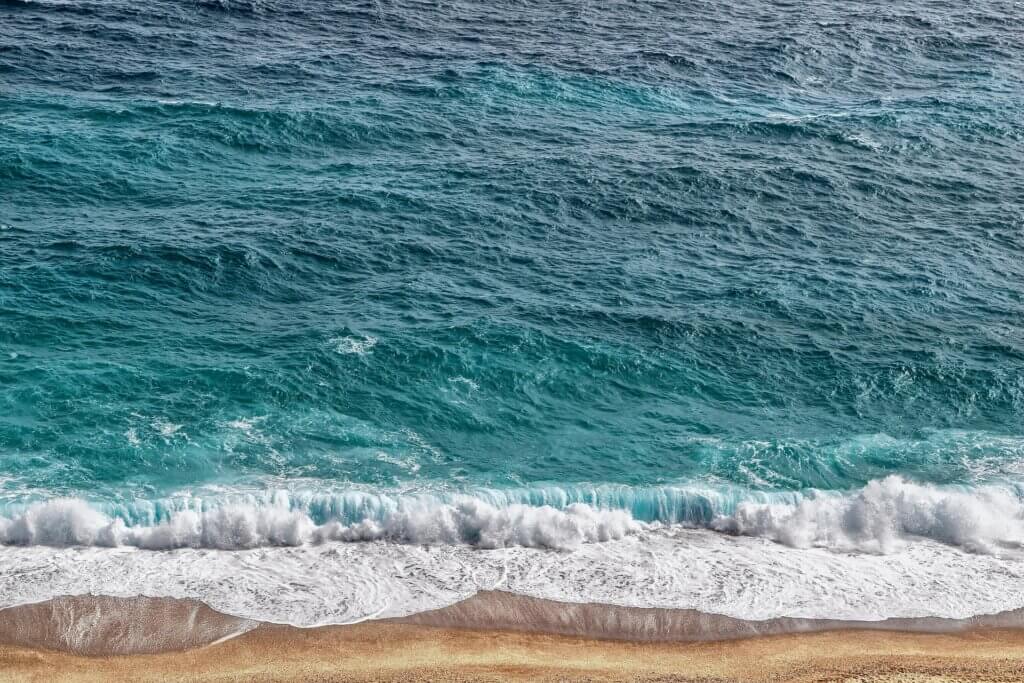
Hapuna Beach is one of those places that feels almost too good to be real. It’s located on the Big Island of Hawaiʻi, along the Kohala Coast, about 30 miles north of Kailua-Kona.
This stretch of coastline is famous for its long, golden-sand beaches, but Hapuna is the crown jewel. It’s the largest white sand beach on the island, stretching for nearly half a mile, and it’s consistently ranked among the best beaches in the world.
What makes people fall in love with Hapuna is its sheer beauty and accessibility. The sand is soft and wide, perfect for lounging, sunbathing, or just taking long walks by the shore.
The water is usually clear and inviting, shifting between shades of turquoise and deep blue depending on the light. Families love it because there’s plenty of room to spread out, and the gradual slope into the water makes it easy for swimming when conditions are calm. There are also lifeguards on duty, which isn’t always the case at Hawaiian beaches, adding a sense of safety.
For outdoor enthusiasts and adventure seekers, Hapuna has its own magic. The waves here can be playful, especially in the summer months, making it a hotspot for bodyboarding and bodysurfing.
Snorkelers and divers often explore the rocky outcroppings at the edges of the beach, where colorful fish and coral can be found. Beyond the sand and surf, Hapuna is also the starting point for the Ala Kahakai National Historic Trail, a coastal path that connects travelers with ancient Hawaiian sites and sweeping ocean views.
It’s a place where you can lounge in the morning, hike in the afternoon, and still catch one of those legendary Big Island sunsets.
From the moment the sun rises over Hapuna Beach, the atmosphere is almost dreamlike. Early mornings are peaceful and calm, when the beach is still quiet and the golden light spreads across the sand.
Walkers and joggers often take to the shoreline at this hour, enjoying the cool air and the rhythmic sound of waves lapping in. The ocean tends to be gentler in the mornings, so you’ll often see swimmers slipping into the clear water or snorkelers heading toward the rocky edges to watch fish dart between the reefs.
By midday, Hapuna comes alive. Families set up umbrellas and beach tents, kids run back and forth at the water’s edge, and adventurers grab their bodyboards to ride the playful surf. The sun is strong here, and the sand warms underfoot, so most people balance their time between lounging on the beach and cooling off in the waves. The open stretch of sand makes it feel spacious, even when it’s busy, so there’s room for everyone to find their own spot.
As the day winds down, the energy shifts again. The late afternoon sun paints everything in golden hues, and people often gather to watch the sky turn pink, orange, and purple as the sun dips into the Pacific.
For many, this is the most magical part of Hapuna—the sense of calm that settles in after a day of adventure and play. Some linger until twilight, listening to the waves under the fading light, soaking in the beauty before heading back to their car or resort.
Hapuna isn’t just a beach; it feels like a full experience of Hawaiʻi in one place. It offers quiet reflection in the morning, excitement and activity during the day, and unforgettable beauty at sunset.
Hapuna Beach isn’t just stunning—it’s also one of the more convenient beaches to spend a full day at, thanks to its parking and amenities. Because it’s part of Hapuna Beach State Recreation Area, it’s well maintained and set up for visitors of all kinds.
Parking is straightforward, with a large, paved lot right by the beach. There is a small fee for non-residents, which helps keep the facilities in good shape. The lot is fairly big, but Hapuna is extremely popular, so if you’re coming on a weekend or during peak season, it’s smart to arrive early in the day. By mid-morning, especially in summer, the spaces can start filling quickly.
As for amenities, Hapuna is one of the better-equipped beaches on the Big Island. There are clean restrooms, outdoor showers for rinsing off sand and salt water, and shaded picnic pavilions where families and groups often gather for lunch.
You’ll also find lifeguard stations along the beach, which adds peace of mind for swimmers and families. In addition, there’s a small snack bar and sometimes food trucks parked nearby, though many people bring their own food and make use of the picnic areas.
For those planning to stay longer, Hapuna even has an adjoining hotel and resort nearby, which means visitors can choose between a quick beach day or a full getaway. The combination of easy parking, reliable amenities, and a safe, family-friendly setup is a big part of why Hapuna stands out—it’s not just gorgeous, it’s also welcoming and practical.
EVENTS HELD AT HAPUNA BEACH
Sunrise Wellness Rituals at The Westin Hapuna Beach Resort
These are recurring early-morning wellness gatherings—likely including guided stretching or mindfulness sessions—hosted directly on Hapuna Beach. For example, several sessions were held in August and early September of 2025, starting at 5:45 a.m., run by the resort, and towels are provided. These seem more like weekly wellness experiences rather than large public festivals.Mauna Kea Resort
“Queers in ʻĀina: Hāpuna to Kaunaʻoa Huakaʻi”
This appears to be a special event held at Hapuna Beach on August 31 (year not specified), described as a “huakaʻi” (which means journey or excursion), likely a community-oriented gathering or cultural walk, and it’s listed as free on Eventbrite.Eventbrite
NEARBY EVENTS (NOT DIRECTLY AT THE BEACH, BUT IN THE VICINITY)
Concerts and Performances in Nearby Waimea or Kawaihae
Event listings near Hapuna often feature performances such as local music or comedy shows—like “Kelly Ryan & Bruce Gray at the Blue Dragon Tavern” or similar acts at nearby venues, though these are not on the beach itself.EventbriteEventbrite
Hapuna Beach does host occasional small-scale events—particularly wellness rituals organized by the adjacent resort and occasional community gatherings. However, it’s not a regular venue for large concerts, music festivals, or major sporting competitions.
That said, the beach’s beauty and open space occasionally lend themselves to informal gatherings or group events—like surprise birthdays or early morning bodyboarding sessions—but nothing formal on a large scale is regularly scheduled.
GENERAL RULES AND REGULATIONS AT HĀPUNA BEACH STATE RECREATION AREA
Park Hours & Fees
Open daily from approximately 7:00 a.m. to 6:45 p.m. (some sources note gates closing by 7:00 p.m.) dlnr.hawaii.govGo HawaiiHi Big Island.
Entrance fees apply to visitors (non-residents): $5 per person, while children aged three and under are free dlnr.hawaii.govGo HawaiiBig Island Blog.
Parking fees for non-residents:
$10 per private non-commercial vehicle
Commercial or PUC vehicles vary: $25 (1–7 passengers), $50 (8–25), $90 (26 or more) dlnr.hawaii.govBig Island BlogHi Big Island.
Hawaiʻi residents can enjoy free entry and parking with a valid state ID or driver’s licence dlnr.hawaii.govBig Island BlogHi Big Island.
Facilities & Camping
The park is well-equipped with restrooms, outdoor showers, picnic pavilions with tables and BBQ grills, trash cans, and lifeguard services Big Island BlogHi Big IslandHawaii GuideBig Island GuideHawaiianIslands.com.
There are A-Frame shelters (similar to cabins) available for rent—accommodating up to four people—with wooden platforms, a picnic table, and shared amenities including cold showers and restrooms. Fees and availability:
Residents: around $40 per night
Non-residents: around $70 per night
Reservations must be made at least seven days in advance dlnr.hawaii.govBig Island GuideHawaiianIslands.com.
What’s Not Allowed
To preserve safety and courtesy, the following are strictly prohibited in the park:
Alcohol consumption
Pets, including dogs
Open fires or fire pits
Fireworks
Motorized vehicles on the beach
Smoking in many areas bigisland.orgSafe Beach DayHawaii Guide.
The beach area is also divided between public and private areas. The northern sections may appear more resort-oriented (for guests of adjacent hotels), but the entire beach is still accessible to the public—just be mindful of private property boundaries bigisland.org.
Safety & Water Conditions
Lifeguards are on duty year-round, but water conditions can change suddenly—especially with strong shore breaks and rip currents when waves exceed around 3 feet. Those conditions are best left to experienced swimmers and boarders dlnr.hawaii.govHawaii GuideLove Big IslandWikipedia.
The southern end of the beach tends to be the safest for swimming and snorkeling when the sea is calm Hawaii Guide+1Big Island Guide.
Snorkeling visibility can vary due to sand and freshwater layers; explore the quiet edges of the beach but always stay alert and consider going with others Love Big IslandBig Island Guide.
As one concerned visitor put it:
“If you’re unsure if you should go in the ocean, the answer is always no.” Reddit.
QUICK SNAPSHOT 2025 Subject to Change
Category Highlights Hours 7:00 a.m. – 6:45/7:00 p.m. daily Entry Fee $5 per person (non-residents); kids 3 & under free; residents free Parking Fee $10 per vehicle (non-residents); residents free; commercial fees apply Refund Zone ¹ A-Frame shelters by reservation only Prohibited Items No alcohol, pets, fires, fireworks, drones, or smoking—not even on sand Safety Notes Lifeguards on site; beware of strong surf and rip currents
Hāpuna Beach blends natural beauty with thoughtful amenities and clear rules to keep everyone safe and respectful of the environment. Whether you’re planning a day trip with the family or a night under the stars in one of the park’s cabins, knowing what to expect helps make your time there both enjoyable and worry-free.
AT HĀPUNA BEACH, THE GENERAL STANDARD FOR SWIMWEAR FOLLOWS TYPICAL U.S. PUBLIC BEACH NORMS, SINCE IT’S PART OF A HAWAIʻI STATE PARK. HERE’S WHAT THAT LOOKS LIKE:
Swimwear styles: Bikinis, one-pieces, board shorts, speedos, and rash guards are all perfectly fine and quite common. You’ll see everything from sporty gear to fashionable beachwear.
Topless sunbathing: Not allowed. Hawaiʻi’s public nudity and indecent exposure laws prohibit going topless or nude at state beaches, including Hāpuna. Even though some parts of Europe and other destinations allow topless sunbathing, it’s not legal in Hawaiʻi.
Thongs and minimal swimwear: While technically not illegal, very revealing swimwear (like G-string thongs) can attract attention and may be frowned upon in a family-friendly state park like Hāpuna. That said, Hawaiʻi is laid-back, and you might see more daring styles occasionally, especially at resort beaches, but the cultural expectation here is more modest compared to some other international destinations.
Cultural respect: Hawaiʻi has a strong sense of respect for both the land (ʻāina) and local community. Wearing standard swimwear is perfectly fine, but going nude or topless would be seen as disrespectful in addition to being against the law.
So, in short: normal swimwear is welcome, but topless or nude sunbathing isn’t permitted at Hāpuna Beach or any other state beach in Hawaiʻi.
Hāpuna Beach itself is mostly known for its beauty and recreation, but like much of Hawaiʻi, the land and sea around it are tied to stories, legends, and a sense of mystery. The Big Island is steeped in Hawaiian mythology, and many of those traditions reach into the Kohala Coast where Hāpuna is found.
Here are a few threads of lore and legend connected to the area:
The Name “Hāpuna”
The word hāpuna in Hawaiian can mean “spring” or “pool,” referring to a source of fresh water. Long before it became a recreation area, Hawaiians knew this coastline well. Freshwater springs along the shore were crucial to survival in what is otherwise a very dry region. Some stories suggest the beach was a stopping place where travelers could rest and find water, which gave the area a reputation as a place of replenishment.
Spirits of the Shore
In Hawaiian tradition, many beaches, caves, and lava formations are thought to be inhabited by spirits. While Hāpuna doesn’t have a single well-known ghost story tied to it, locals often speak of the ocean itself as alive and possessing its own spirit, or mana.
Respect for the sea is deeply ingrained, and drowning tragedies—unfortunately not uncommon on Hawaiʻi’s beaches—are sometimes explained through the lens of the ocean claiming those who don’t heed its power. Visitors are often reminded that when the waves are strong, it’s a sign to stay on shore.
Pele and the Landscape
The broader Kohala and Kona regions, including the coast where Hāpuna lies, are tied to the legends of Pele, the Hawaiian goddess of fire and volcanoes. Though her home is Kīlauea on the other side of the island, her influence is said to extend across all of Hawaiʻi.
Stories tell of her fiery journeys across the Big Island, shaping the land and leaving behind places of power. To many, every striking landscape—like the contrast of Hāpuna’s white sands against the surrounding black lava rock—is a reminder of Pele’s creative and destructive force.
The Ala Kahakai Trail
Just above Hāpuna runs the Ala Kahakai National Historic Trail, an ancient coastal pathway once used by Native Hawaiians. This trail connects fishing shrines (koʻa), temples (heiau), and settlements. Walking it today, some visitors say they feel a deep, almost mysterious energy from the land. Local legends suggest travelers of old were protected by ancestral spirits along these paths, provided they showed respect.
Modern Mystique
Because of its idyllic beauty, Hāpuna sometimes gets wrapped up in more modern “myths”—such as being called one of the most perfect beaches in the world. Some visitors even speak of it as a healing place, where the combination of soft sand, turquoise waters, and open sky feels almost otherworldly. While this is less a traditional legend, it adds to the sense that Hāpuna is more than just a beach—it’s a place with a presence.
Hāpuna Beach may look like paradise, but like many Hawaiian beaches, it has risks that visitors should know about. The key is awareness—most accidents happen when people underestimate the ocean or forget how powerful nature can be here.
Here are the main dangers and precautions to keep in mind:
OCEAN CONDITIONS
Strong Shore Breaks: When the waves get big, they crash hard and close to shore. This can knock people off their feet and cause serious injuries like broken bones or spinal injuries.
Precaution: If the surf looks rough or you see large waves breaking right at the shoreline, it’s best to stay out of the water or only go in up to your knees.
Rip Currents: These powerful currents can pull swimmers away from shore quickly. They’re not always visible to the untrained eye.
Precaution: Swim near the lifeguard stations and never swim alone. If caught in a rip current, don’t fight it—swim parallel to shore until you’re out of the current, then head in.
Seasonal Changes: In summer, the ocean is often calm and great for swimming or snorkeling. In winter, however, the waves can be much larger, making the water dangerous even for strong swimmers.
SUN & HEAT
Sunburn and Heatstroke: The Kohala Coast is one of the driest and sunniest parts of Hawaiʻi. Even on cloudy days, UV exposure is strong.
Precaution: Wear reef-safe sunscreen, reapply often, use hats or rash guards, and stay hydrated. There’s limited shade on the beach itself, so bringing an umbrella or finding a picnic pavilion is smart.
MARINE LIFE
Jellyfish and Sea Urchins: While not as common at Hāpuna as on Oʻahu, jellyfish stings or stepping on sea urchins can happen.
Precaution: Shuffle your feet when entering rocky areas, and check local signs or lifeguard warnings for jellyfish.
Coral Cuts: Coral is sharp and can cause infections.
Precaution: Avoid standing on or touching coral, both for your safety and the reef’s health.
CROWDS AND ACCIDENTS
Collisions in the Waves: On busy days, bodyboarders, swimmers, and snorkelers all share the same water.
Precaution: Be mindful of others in the surf and give space to bodyboarders who ride waves toward shore.
Theft: While not common, unattended belongings at popular beaches can attract opportunists.
Precaution: Leave valuables behind or lock them in your car out of sight.
HIKING & SURROUNDINGS
Lava Rock: The black lava rock that frames Hāpuna is beautiful but sharp and slippery.
Precaution: Wear sturdy sandals or water shoes if you explore the rocky areas or the Ala Kahakai Trail.
LIFEGUARDS & SAFETY MEASURES
The good news is that Hāpuna is one of the few Big Island beaches with lifeguards on duty daily, and they are excellent about warning swimmers if conditions aren’t safe. Always check the posted boards at the beach entrance—they’ll list the day’s surf height, rip current risk, and jellyfish warnings.
In short, Hāpuna is safe if you respect the ocean and take common-sense precautions. Most injuries and rescues happen when people ignore warning signs, overestimate their swimming ability, or underestimate the power of the waves.
HĀPUNA BEACH IS ONE OF THOSE RARE PLACES WHERE THE “GOOD” OVERWHELMINGLY OUTWEIGHS THE “BAD” AND “UGLY,” BUT LIKE ANYWHERE POPULAR, IT HAS ITS BALANCE OF HIGHLIGHTS AND DRAWBACKS. HERE’S A WELL-ROUNDED LOOK:
THE GOOD
World-Class Beauty: Hāpuna consistently ranks as one of the best beaches in Hawaiʻi—and even the world—for its long stretch of soft white sand, turquoise waters, and dramatic black lava rock framing the coast.
Spaciousness: Unlike some smaller Big Island beaches, Hāpuna is wide and long. Even on a busy day, you can usually find a spot without feeling crammed.
Great Amenities: Restrooms, showers, picnic areas, shaded pavilions, and lifeguards make it family-friendly and practical for a full beach day.
Versatility: It’s a place where you can relax, swim, bodyboard, snorkel at the edges, or even hop on the Ala Kahakai Trail for a hike. There’s something for every type of visitor.
Sunsets: The west-facing view delivers some of the most breathtaking sunsets on the island.
THE BAD
Crowds: Because it’s famous and easily accessible, Hāpuna can get busy—especially mid-morning through afternoon on weekends and during peak tourist season. Arriving early helps.
Fees for Visitors: Non-residents pay both parking and entry fees ($10 per car, $5 per person), which some travelers see as a drawback, though the money supports park upkeep.
Limited Shade: Aside from a few trees and picnic shelters, most of the beach is wide open under the sun. Without an umbrella, the heat can get intense.
Changing Water Conditions: While often calm, the surf can shift quickly. Strong rip currents and shore breaks can make swimming dangerous on certain days.
THE UGLY
Accidents in the Waves: Sadly, injuries do occur here. When the surf is high, shore breaks have caused serious spinal injuries for unsuspecting swimmers and bodyboarders.
Erosion and Natural Wear: Over the years, Hāpuna’s shoreline has experienced some erosion, and the beach size changes with the seasons. While still gorgeous, it’s a reminder of nature’s fragility.
Environmental Concerns: Like many popular spots, the heavy foot traffic can lead to litter or sunscreen runoff affecting the water quality and coral. The park does a good job of managing this, but it’s a reality that comes with being a top destination.
The “good” of Hāpuna Beach—its beauty, amenities, and atmosphere—makes it a must-see for almost anyone visiting the Big Island. The “bad” is more about logistics (crowds, fees, strong sun), while the “ugly” comes down to safety risks and the environmental pressures of popularity. If you go prepared, respectful, and mindful of the ocean, Hāpuna delivers a nearly perfect Hawaiian beach experience.
Spending time at Hāpuna Beach is more than just another day at the shore—it’s an encounter with one of Hawaiʻi’s most iconic landscapes. The soft white sand, the striking contrast of black lava rock, and the wide, open expanse of turquoise ocean create a scene that feels both welcoming and powerful.
For families, it’s a place where children can safely play under the watchful eye of lifeguards. For adventurers, it’s a playground of surf and snorkeling. For those seeking peace, it offers quiet sunrise walks and breathtaking sunsets that linger in memory long after leaving.
Like any wild and beautiful place, Hāpuna asks for respect in return. The ocean here can shift from gentle to dangerous, and the land itself carries the weight of Hawaiian history and culture.
Visitors who take the time to understand these layers—by listening to lifeguards, protecting the reef, and honoring the traditions tied to the land—find their experience all the more meaningful. It’s not just about a beach day, but about connecting with the spirit of Hawaiʻi.
Ultimately, Hāpuna Beach is a reminder of why people are drawn to the islands in the first place. It blends natural beauty with accessibility, offers both excitement and tranquility, and embodies the sense of awe that Hawaiʻi inspires. Whether you spend a single afternoon here or return again and again, Hāpuna has a way of leaving its mark, not just on your travel itinerary but on your heart.
TO DELVE DEEPER INTO HĀPUNA BEACH AND GATHER COMPREHENSIVE INFORMATION, CONSIDER EXPLORING THE FOLLOWING RESOURCES:
Official Park Information
- Hawaiʻi State Parks – Hāpuna Beach State Recreation Area: This is the primary source for operational details, including hours of operation, entrance fees, and available amenities. hawaiistateparks.org
- GoHawaii – Hāpuna Beach State Park: Provides an overview of the beach’s features, its reputation as one of the island’s best, and practical visitor information. Go Hawaii
Safety and Regulations
- Hawaiʻi Division of State Parks – Health & Safety: Offers guidelines on swimming safety, including the importance of lifeguard services and precautions for using flotation devices. dlnr.hawaii.gov
- Safe Beach Day – Hāpuna Beach Park: Provides up-to-date safety information, conditions, and frequently asked questions to ensure a safe visit. Safe Beach Day
Events and Activities
- GoHawaii – Island of Hawaiʻi Events Calendar: Lists various festivals, cultural performances, and musical events happening around the Big Island, including those near Hāpuna Beach. Go Hawaii
- Hawaiʻi Songwriting Festival: Features concerts held at the Westin Hapuna Beach Resort, such as “Beyond the Stars” and “Island Music Night,” showcasing local talent. Hawai’i Songwriting Festival
Visitor Experiences
- TripAdvisor – Hāpuna Beach State Recreation Area: Offers reviews and insights from visitors, highlighting the beach’s amenities, safety, and overall experience. Tripadvisor
- Love Big Island – Hāpuna Beach: Provides a detailed guide on practical aspects like parking, food options, and activities available at the beach. Tripadvisor