


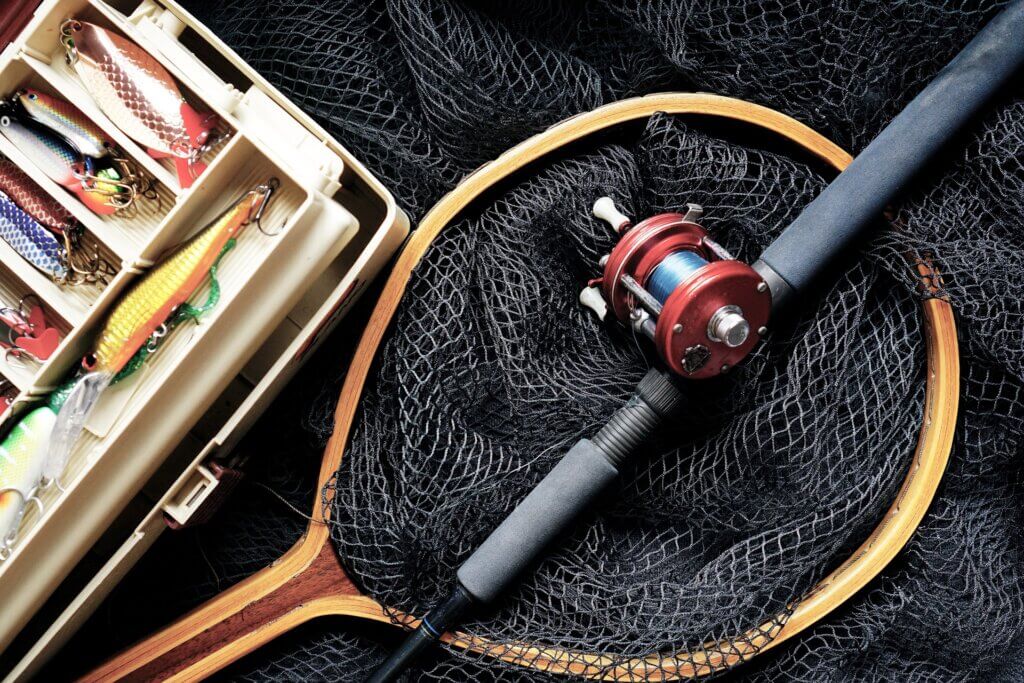
Fishing in West Virginia has a way of slowing life down and connecting people back to the outdoors. With its rolling hills, winding rivers, and tucked-away mountain lakes, the state offers a peaceful backdrop for anglers of every kind.
People often say they love fishing here not just for the catch, but for the experience—early mornings with mist rising off a lake, quiet evenings along a riverbank, or the challenge of casting into a fast-moving mountain stream.
One of the reasons fishing is so popular in West Virginia is the sheer variety of water. The state is threaded with rivers, dotted with lakes, and rich in cold-water streams. Each setting offers a different type of fishing.
Take the lakes, for example. Summersville Lake, the largest in the state, is a hotspot for bass fishing, but anglers also find catfish, crappie, and walleye.
Stonewall Jackson Lake is another favorite, especially for largemouth bass and muskellunge. For those who prefer quieter settings, smaller lakes like Sherando or Mountwood offer a mix of panfish and bass with a more laid-back pace.
The rivers, on the other hand, have their own character. The New River and the Kanawha are prime choices for smallmouth bass, catfish, and walleye. The Ohio River, which borders the state, is also popular for a wide mix of species, including sauger and hybrid striped bass. These rivers attract not just casual anglers but also those chasing trophy fish.
Streams are perhaps the most cherished waters in West Virginia, especially among trout anglers. The state stocks many streams each spring, and places like the Cranberry and Williams Rivers are legendary for fly fishing. In these cool, clear waters, anglers target rainbow, brook, and brown trout. Some streams are managed as catch-and-release or fly-fishing-only waters, making them especially appealing to those who enjoy a more traditional style of fishing.
When it comes to techniques, variety is the name of the game. On lakes, you’ll see people casting for bass with lures or setting out lines for catfish in the evenings. River anglers might drift for walleye or cast spinners for smallmouth. In streams, fly fishing takes center stage, though spinning gear is also common.
Of course, fishing in West Virginia also means being mindful of the rules. The state requires a fishing license for most anglers, with special stamps if you want to fish for trout. Seasons, size limits, and catch limits vary by species and waterway, so anglers are expected to check the regulations carefully before heading out.
Many trout waters have special designations, such as “catch-and-release only,” and certain lakes or rivers may have restrictions on motor use. The West Virginia Division of Natural Resources (WVDNR) provides updated regulations each year to help keep fish populations healthy and fishing opportunities sustainable.
Altogether, fishing in West Virginia is about more than filling a cooler. It’s a tradition, a way to enjoy some of the most beautiful landscapes in the state, and a pastime that has a little something for everyone—whether you’re after the thrill of a big musky, the calm of a trout stream, or simply a quiet afternoon by the water.
SEASONS PLAY A BIG ROLE IN FISHING IN WEST VIRGINIA, AND KNOWING WHEN TO GO CAN MAKE ALL THE DIFFERENCE. THE STATE’S CHANGING CLIMATE—COLD WINTERS, LUSH SPRINGS, WARM SUMMERS, AND CRISP AUTUMNS—SHAPES WHEN CERTAIN FISH ARE MOST ACTIVE AND EASIEST TO CATCH.
Spring is considered prime time for fishing in West Virginia. As the water warms, fish become more active after winter. Trout season kicks off with the state’s extensive stocking program, and streams like the Cranberry, Williams, and Elk Rivers fill with rainbow, brook, and brown trout.
Bass fishing also picks up in lakes like Stonewall Jackson and Summersville, as largemouth and smallmouth begin spawning and feeding aggressively. Walleye are often targeted in the New and Kanawha Rivers during this season, with anglers drifting minnows or jigs.
Summer brings a mix of opportunities. Early mornings and evenings are best for bass fishing in lakes, as fish avoid the midday heat. Catfish really shine this time of year, especially in the Ohio and Kanawha Rivers or in lakes like Bluestone, where night fishing is a popular choice.
Panfish, such as bluegill and crappie, also provide steady action for families and casual anglers during summer months. In mountain streams, trout fishing slows in lower elevations due to warm water, but high-elevation streams still provide good fishing for brook trout.
Fall is another great season, especially for serious anglers. As temperatures cool, bass become more active again, feeding heavily before winter. Muskellunge fishing is particularly good in lakes such as Stonewall Jackson and Burnsville, where anglers troll or cast large lures for these “fish of a thousand casts.”
Trout fishing picks up in streams, too, since West Virginia does a fall stocking program in select waters. For many, fall is the perfect balance: fewer crowds, beautiful foliage, and plenty of fish biting.
Winter is quieter but not without rewards. While many anglers take a break, some target sauger and walleye in the Ohio River during the cold months. A handful of hardy trout anglers also fish year-round catch-and-release streams, enjoying the solitude of a snowy riverbank. There’s no large-scale ice fishing tradition in West Virginia like in northern states, but some anglers will venture onto frozen ponds or smaller lakes where safe ice forms.
Each season offers its own flavor of fishing, and many West Virginians fish year-round, simply adjusting their targets and tactics with the weather. It’s part of what makes the state special: you can always find something biting, whether it’s the heat of summer or the chill of winter.
LETS LOOK AT SOME OF THE BEST FISHING TOWNS AND REGIONS IN WEST VIRGINIA
Elkins and the Monongahela National Forest region
Elkins is often considered a gateway for trout anglers. Surrounded by the Monongahela National Forest, it’s close to legendary waters like the Shavers Fork, the Elk River, and the Williams River. Fly fishing is especially popular here, and the mountain setting makes the experience just as rewarding as the fishing itself. Many anglers base themselves in Elkins for a weekend of exploring multiple trout streams.
Summersville and Nicholas County
Summersville is home to Summersville Lake, the largest in West Virginia, known for smallmouth bass, walleye, and muskellunge. The Gauley River, just downstream, offers not only world-class whitewater rafting but also excellent smallmouth bass fishing. This region attracts both adventurous anglers and families who enjoy combining fishing with other outdoor activities.
Stonewall Jackson Lake area (Lewis County)
Stonewall Jackson Lake is famous for its bass and musky fishing, and the small towns around it, like Weston, have become fishing hubs. The lake’s many coves and submerged timber make it a challenging but rewarding destination. Lodges and resorts nearby make it an easy weekend getaway for anglers who want both good fishing and comfortable accommodations.
The New River Gorge region
The New River is one of the oldest rivers in the world, and its West Virginia stretch is a dream for smallmouth bass anglers. The town of Fayetteville serves as a popular base, especially since it offers easy access to the river as well as hiking, climbing, and scenic overlooks. Fishing here often means floating the river by raft or kayak, casting along rocky ledges and deep pools.
The Ohio River towns
On the western edge of the state, river towns like Parkersburg, Huntington, and Wheeling provide access to the Ohio River. This massive waterway is a favorite for catfish, sauger, hybrid striped bass, and more. Anglers here often fish from boats, though many cast right from the riverbanks or piers. These towns also have a strong fishing culture, with plenty of local tournaments and community events.
Cranberry Wilderness area
For anglers looking for solitude and backcountry fishing, the Cranberry Wilderness is unmatched. The Cranberry River, in particular, is famous for its trout fishing, and reaching some of its best stretches often requires hiking into remote areas. This region is more rugged, appealing to anglers who like to pair fishing with adventure and camping.
Bluestone Lake and Hinton
Bluestone Lake, near the town of Hinton, is known for catfish, crappie, and bass. The Bluestone River that flows into it is also a designated catch-and-release stream for smallmouth bass, making it a dual destination for both lake and river anglers. The scenic setting in southern West Virginia gives it a quieter charm compared to some of the busier fishing spots.
Together, these regions highlight why people love to fish in West Virginia: the variety of waters, the abundance of fish species, and the chance to fish in settings that range from remote wilderness streams to wide, bustling rivers. Many anglers end up developing a favorite region, but the truth is that wherever you go in the state, there’s bound to be a great fishing spot nearby.
FISHING TOURNAMENTS IN WEST VIRGINIA
Fishing in West Virginia isn’t just a quiet pastime—it’s also a community tradition, with annual events and tournaments that bring anglers together from all across the state. These gatherings celebrate not only the sport itself but also the outdoors culture that West Virginians take pride in. Here are some of the standout events:
West Virginia Gold Rush
This is one of the most popular fishing events in the state. Each spring, the West Virginia Division of Natural Resources (WVDNR) stocks thousands of golden rainbow trout in lakes and streams across the state. Anglers young and old get excited for the chance to catch these uniquely colored fish, and the event has become something of a family tradition for many.
Catfish Tournaments on the Ohio and Kanawha Rivers
Throughout the summer, towns along the Ohio and Kanawha host catfish tournaments, where anglers compete for the biggest or heaviest catch. These tournaments often draw large crowds, with many people fishing from boats late into the night.
Stonewall Jackson Lake Musky Tournament
Stonewall Jackson Lake, known for producing trophy muskellunge, hosts regular tournaments for musky anglers. These events are a test of patience and skill, since musky are famously difficult to catch, and landing one is always celebrated.
Bass Tournaments (Statewide)
Bass tournaments are held across many of West Virginia’s lakes, including Summersville, Stonewall Jackson, and Burnsville. Some are local club tournaments, while others are larger events that draw competitive anglers from across the region.
Trout Heritage Waters Celebration
In designated “Heritage Waters,” the WVDNR stocks trout in a traditional way, harkening back to the earliest days of trout stocking in West Virginia. Anglers gather to fish these waters in early spring, marking the start of another trout season with a sense of history and camaraderie.
Youth Fishing Derbies
Many communities and state parks host youth fishing derbies throughout the year. These events are designed to get kids outdoors and introduce them to fishing, often with prizes for the first catch, biggest catch, or most fish caught. They’re some of the most family-friendly fishing events in the state.
Local Festivals with Fishing Competitions
In small towns across West Virginia, you’ll often find fishing competitions tied into county fairs, river festivals, or outdoor weekends. These may not be as well-known statewide, but they carry that local charm where neighbors come together, share stories, and celebrate the catch.
Together, these events highlight how fishing is woven into the culture of West Virginia. It’s not just a solitary pastime—it’s a community activity where traditions are passed down, friendships are built, and stories are shared year after year.
TYPES OF FISHING LICENSES AND PERMITS IN WEST VIRGINIA
Resident Fishing License
For people who live in West Virginia, this is the standard license that covers most fishing opportunities. It allows residents to fish in public waters throughout the state.
Non-Resident Fishing License
Visitors from out of state need a non-resident license. Just like the resident license, it grants general fishing privileges, but at a higher fee since the angler isn’t a West Virginia taxpayer.
Short-Term Licenses
West Virginia also offers short-term licenses for non-residents, such as 1-day or 3-day options. These are ideal for visitors who are just in the state for a weekend or short trip.
Trout Stamp (Resident and Non-Resident)
Even with a fishing license, anyone who wants to fish for trout must purchase a trout stamp. This applies to both residents and non-residents. The stamp helps support the state’s trout stocking program.
Senior and Lifetime Licenses
West Virginia residents who meet age requirements may be eligible for discounted or free senior licenses. Lifetime licenses are also available, giving permanent fishing privileges without the need for annual renewal.
Youth Fishing
Children under a certain age (often under 15) generally don’t need a license, though they must follow all other fishing regulations such as size and catch limits. Youth-focused programs and events also make it easier for kids to get involved without worrying about licensing.
Combination Licenses
For people who enjoy both fishing and hunting, the state offers combo licenses that cover both activities under one permit.
Special Permits
Some areas—like state parks or catch-and-release trout streams—may require special permits or stamps, depending on how they’re managed.
All anglers, regardless of license type, are expected to follow state regulations, which cover everything from daily bag limits to size restrictions and special rules on certain waters. The West Virginia Division of Natural Resources (WVDNR) updates and publishes these rules each year.
FIRST-TIME ANGLER’S GUIDE TO FISHING IN WEST VIRGINIA
Step 1: Get Your Fishing License
Before you cast your first line, you’ll need a valid West Virginia fishing license. If you plan to fish for trout, make sure to add the trout stamp. Licenses are available online through the West Virginia Division of Natural Resources (WVDNR), at many sporting goods stores, or at county clerk offices. Youth under a certain age (generally under 15) don’t need a license, but should still follow all other rules.
Step 2: Learn the Basic Regulations
West Virginia has rules designed to keep fishing fun and sustainable. Here are the big ones for beginners:
Daily catch limits: Each species has a limit on how many you can keep. For example, trout often has a daily limit of 6, but this can vary by waterway.
Size limits: Some fish must be a certain length before you can keep them, to protect younger fish.
Special waters: Some rivers and streams are designated catch-and-release, or fly-fishing-only. Always check signs and the WVDNR guide before fishing.
Step 3: Choose Beginner-Friendly Fishing Spots
West Virginia has plenty of waters that are perfect for newcomers:
Stocked trout lakes and streams: Easy access and lots of action in the spring during stocking season. Good choices include Shavers Fork, Glade Creek, and stocked lakes in state parks.
Stonewall Jackson Lake: Great for bass and panfish, with lots of spots to fish from the shore.
Bluestone Lake: Known for catfish and crappie, it’s a fun spot for a relaxing day.
Local ponds and small lakes: Many county parks and state parks have smaller waters with bluegill, crappie, and bass—perfect for kids and first-timers.
Step 4: Get the Right Gear
You don’t need much to start:
Rod and reel combo: A medium-light spinning combo works well for most beginners.
Basic tackle: Hooks, sinkers, bobbers, and a small assortment of lures like spinners, soft plastics, or crankbaits.
Bait: Worms, minnows, or artificial baits depending on your target fish. Trout especially like PowerBait, while bluegill love worms.
Fishing line: 6–10 pound test monofilament is a safe all-around choice.
Step 5: Practice Basic Techniques
Start simple:
Bobber fishing: Cast out a worm under a bobber and wait for bites—great for panfish and catfish.
Casting lures: Try small spinners or soft plastic worms for bass and trout.
Bottom fishing: Use a weight and bait like nightcrawlers for catfish.
Step 6: Respect Nature and Other Anglers
Fishing in West Virginia is as much about the setting as the catch. Always clean up after yourself, release fish you don’t plan to keep, and be mindful of private property. Many of the most beautiful spots—mountain streams, rivers, and lakes—stay that way because anglers care for them.
Step 7: Join the Community
Fishing here isn’t only about solitude. You’ll find local clubs, youth derbies, and tournaments where you can learn from more experienced anglers. Many West Virginians are eager to share tips with beginners.
Fishing in West Virginia is welcoming, diverse, and rewarding for anyone just getting started. With the right license, a little gear, and some patience, you’ll be set to enjoy everything from quiet pond fishing to chasing trout in mountain streams.
Fishing in West Virginia is more than a pastime—it’s an experience woven into the very culture of the state. The combination of wild rivers, tranquil lakes, and hidden mountain streams makes it a destination that feels both adventurous and deeply grounding.
Whether you’re casting a fly in the Cranberry Wilderness, drifting for walleye on the Kanawha, or watching your child reel in their first bluegill at a local pond, every trip offers its own memory and story.
For first-time anglers, West Virginia provides an inviting entry point. With well-stocked waters, easy-to-access lakes, and a community that values sharing knowledge, it’s a place where beginners can feel comfortable learning the ropes. At the same time, seasoned anglers find plenty of challenge in the pursuit of musky, trophy trout, or river bass. It’s this balance that makes fishing here so appealing—there’s always a spot that matches your skill, interest, or mood.
At the heart of it all is the connection to nature. Fishing in West Virginia slows you down, gives you room to breathe, and reminds you of the beauty in simple things: a sunrise on the water, the sound of a reel singing, or the quiet satisfaction of releasing a fish back into the current. It’s a tradition that keeps people coming back season after season, generation after generation, and one that will always remain a treasured part of life in the Mountain State.
IF YOU’RE LOOKING TO DEEPEN YOUR UNDERSTANDING OR DIVE INTO THE DETAILS ON EVERYTHING WE’VE TALKED ABOUT, HERE ARE THE MOST RELIABLE AND HELPFUL RESOURCES TO CHECK OUT:
Authoritative Resources (WVDNR)
- West Virginia Division of Natural Resources (WVDNR) – Fishing Home
This is your starting point for all official information on licenses, regulations, fish species, seasonal guidance, and top fishing locations across the state.
WVDNR - Fishing Regulations Summary (2025)
Updated annually, this guide includes everything from creel and size limits to stocking locations, consumption advisories, rules for special waters, and even reciprocal agreements with bordering states. You can download it or request a printed copy.
WVDNR+1 - Beginners’ Guide to Fishing Regulations
Perfect for newcomers, this breakdown covers license requirements, trout stamps, age exemptions, and how to interpret special management designations like delayed harvest or catch-and-release areas.
WVDNR - How to Use the Regulations Summary
A helpful tutorial on navigating and applying the regulations document for planning your own fishing adventures.
WVDNR - Buying Licenses Online
Gathered through the secure WVfish.com system, you can purchase and print licenses and stamps directly.
WVDNR
Additional Guides & Destination Overviews
- Top Fishing Destinations in West Virginia (Premier Angler)
A curated list that highlights must-visit lakes, rivers, and reservoirs—including Summersville Lake, Elk River, Stonewall Jackson Lake, Burnsville Lake, and Stonecoal Lake. Ideal for anglers planning trips or seeking new places to explore.
Premier Angler - Comprehensive Guide to 51 Fishing Spots
Aaron Hunt’s guide offers a broad set of recommendations across different types of water—perfect if you want to explore beyond the usual hotspots.
Aaron Hunt - Fly-Fishing Hotspots
For fly fishing enthusiasts, this guide lists top waters like the Cranberry River, Shavers Fork, North Fork of the South Branch Potomac, Second Creek, Bluestone River, and more—including gear and hatch-chart insights.
Guide Recommended - Trout-Focused Streams & Lakes
A detailed look into some of the best trout waters, including the Elk River (upper stretches), Cranberry River, Shavers Fork of the Cheat, Bluestone River, and others with notes on access and fly patterns.
Best Fishing in America - General Angling Overview
For a big-picture view, this general fishing guide provides summaries of spot types, fish diversity, regulations, and licensing. Use it if you’re just getting started or want an overview.
Fishermap
Quick Reference Table
Topic Recommended Resource Licenses & Regulations WVDNR Fishing Home, Fishing Regulations Summary, Beginner’s Guide Special Designations How to Use the Regulations Summary Licensing Online WVfish.com purchase system Best Local Spots Premier Angler list Broad Fishing Overview Aaron Hunt’s 51 spots guide, general fishing guide Fly Fishing & Trout Focus Fly-fishing guide, Trout stream details