




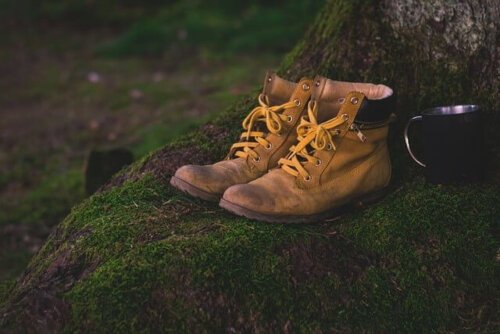
You’ve probably heard stories about people who head off into the deep woods with just a small tent or even a pump tent, far from campgrounds, cell signals, and modern comforts.
It might seem extreme at first glance, even a little risky. But for many, this kind of remote camping is deeply rewarding and even essential to how they reconnect with themselves and nature.
At the heart of it, these folks are often seeking solitude and simplicity. In a world full of noise, responsibilities, and constant stimulation, going deep into the forest strips all that away.
There’s no traffic, no emails, no deadlines—just the sound of birds, the crackling of a fire, the rustle of leaves, and maybe the distant call of a coyote at night. That kind of stillness is hard to find anywhere else.
For some, it’s about the challenge and self-reliance. Setting up a tent in the middle of nowhere, filtering water from a stream, cooking over a fire—it demands basic survival skills.
There’s something empowering about knowing you can take care of yourself out there, with only what you’ve packed in your bag. It builds confidence, toughness, and a different kind of peace.
There’s also a spiritual or emotional pull. Being deep in a remote forest can feel sacred to some people, like they’re part of something bigger. The tall trees, the canopy overhead, the quiet hum of life in the underbrush—these things remind people of the natural order of life, the rhythms we often forget. It’s a kind of return to roots.
And let’s not forget the beauty of the places they’re going. These remote spots, untouched by crowds, often hold stunning views, pristine streams, and clear starry skies you can’t see from towns or cities.
When you camp far from civilization, you might wake up to deer stepping quietly past your tent, or fall asleep listening to a breeze weaving through pine trees. That kind of experience stays with you.
Of course, it’s not for everyone. There are risks—getting lost, facing sudden weather changes, or encountering wildlife—but that’s also part of the draw for some. The wildness of it all makes it feel real.
It’s not just recreation; it’s an experience that tests you, calms you, and makes you feel alive in a different way.
So when you hear about someone packing up a tiny tent and heading deep into the woods, it’s not just about camping—it’s about escape, growth, connection, and sometimes healing. For them, it’s more than just a weekend hobby. It’s a reset button, a way to step out of the noise and into something timeless and true.
WHEN SOMEONE VENTURES INTO DEEP FORESTS OR REMOTE AREAS WITH JUST A SMALL TENT OR PUMP TENT, THEY’RE OFTEN GOING LIGHT, BUT NEVER CARELESS. THEY USUALLY STICK TO THE BASICS, BUT THOSE BASICS ARE CAREFULLY CHOSEN FOR FUNCTION, DURABILITY, AND NECESSITY.
Here’s a general breakdown of the basic gear they typically bring:
SHELTER & SLEEP SETUP
Tent: Usually a lightweight backpacking tent or a small “pump tent” that’s easy to carry.
Sleeping Bag: One that matches the expected weather conditions—light and breathable in warm weather, insulated in cold.
Sleeping Pad or Mat: For insulation from the cold ground and added comfort.
BACKPACK
A solid, weather-resistant backpack to carry everything—often internal-frame for better weight distribution.
Size depends on the trip length, but usually 40–65 liters for multi-day remote trips.
FIRE AND COOKING
Lightweight Stove or Jetboil: Great for boiling water or cooking simple meals without needing a campfire.
Fuel Canister: Matches the stove model.
Cookware: A small pot, pan, or titanium cup; spork or utensil set.
Lighter + Waterproof Matches: Redundancy is key when starting fires.
Food: Lightweight, non-perishable food like dehydrated meals, trail mix, oats, jerky, and energy bars.
WATER SUPPLY
Water Bottles and/or Hydration Bladder: For carrying water.
Water Filtration System or Purification Tablets: Streams may be clear, but not always safe.
CLOTHING
Base Layers: Moisture-wicking and breathable.
Insulating Layer: Fleece or down jacket.
Shell Layer: Rain jacket or windbreaker.
Hat/Gloves (if appropriate), and an extra pair of socks.
Durable Boots: Waterproof and broken-in.
Quick-dry Clothing: Avoid cotton—it holds moisture and takes forever to dry.
NAVIGATION AND TOOLS
Map and Compass (and the knowledge to use them).
GPS Device or Smartphone with Offline Maps: Some carry both.
Headlamp or Flashlight: With extra batteries.
Multi-tool or Knife: Invaluable for repairs, food prep, safety.
Paracord or Rope: Can be used for anything from a clothesline to gear repair.
FIRST AID AND SAFETY
Basic First Aid Kit: Bandages, antiseptic, tweezers, blister pads, etc.
Whistle: For signaling.
Bear Spray or Animal Deterrents (in certain areas).
Bug Spray and Sunscreen.
Emergency Blanket or bivvy sack for unexpected cold.
PERSONAL AND MISC. ITEMS
Toiletry Kit: Toothbrush, small biodegradable soap, toilet paper, and a small shovel or trowel for digging a “cathole.”
Trekking Poles (optional, but helpful on uneven terrain).
Dry Bags or Ziplocks: To protect food and electronics from moisture.
Notebook or Book (some take something small for downtime).
In general, these campers focus on being as lightweight as possible without sacrificing essentials. Every item has a purpose, and often, items are multi-use. They pack based on self-reliance, weather readiness, and the potential for things to go sideways. There’s usually no rescue just around the corner, so preparation is everything.
The goal isn’t to suffer—it’s to be immersed in nature without being dependent on it for every comfort or survival need. When done right, it’s not just minimalism. It’s thoughtful and freeing.
ANYONE HEADING DEEP INTO THE WILDERNESS WITH JUST A SMALL TENT WILL USUALLY HAVE SOME KIND OF PLAN FOR PROTECTION, BOTH FROM WILDLIFE AND ANY UNFORESEEN HUMAN THREATS. HERE’S HOW THEY TYPICALLY APPROACH IT:
PROTECTION FROM WILDLIFE
This is usually the top concern, especially in areas with bears, mountain lions, wolves, or even snakes and wild boars.
Bear Spray
Most common in bear country.
A high-powered pepper spray specifically designed to deter bears.
Carried on a belt or shoulder strap for quick access—useless if it’s packed away.
Air Horn
Some campers carry one as a noise deterrent for large animals.
Also works as a signal device in emergencies.
Proper Food Storage
Bear Canister or Hanging Food in a Bear Bag: Keeps food smells from attracting animals.
Stored 100 feet or more from the tent.
Scent-proof bags or odor-blocking liners help too.
Avoiding Scents
Many campers avoid scented soaps, deodorants, or lotions in the wilderness.
Some even sleep in clothes different from what they cooked in.
WEAPONS (DEPENDING ON REGION AND LAWS)
This varies based on local laws, the camper’s comfort level, and the potential threats in that area.
Knife
Carried by nearly everyone, primarily as a tool—but also can be used in an emergency for defense.
Fixed-blade knives are sturdier for wilderness use.
Firearm
Some remote campers do carry a handgun or small firearm for protection, especially in bear or cougar country in places like Alaska, Montana, or parts of Canada.
This is very region- and person-specific.
Strictly regulated in national parks and some forests, and not everyone is trained or comfortable carrying one.
Trekking Pole / Walking Stick
Though not a weapon per se, it can be used to make noise, create distance from wildlife, or even defend in a pinch.
PROTECTION FROM PEOPLE
Encounters with others in the wilderness are usually peaceful, but remote campers do prepare for rare but serious situations.
Situational Awareness: Most rely on common sense and reading signs of trouble before it starts.
Choosing Hidden Campsites: Many set up camp away from trails or visible areas.
Noisy Presence: Some intentionally make noise as they hike to let animals—and potentially shady people—know they’re around.
Keeping Gear Close: At night, gear and valuables stay in or near the tent. No one wants to wake up to stolen supplies.
COMMUNICATION TOOLS FOR EMERGENCY SITUATIONS
Satellite Communicator (like a Garmin inReach or SPOT device): Sends SOS signals, GPS coordinates, or texts to family or rescue services.
Whistle: Basic, but amazingly effective as a call for help if injured or threatened.
MINDSET
What sets experienced remote campers apart isn’t just their gear—but their calm, alert mindset. They respect nature, prepare for the worst, and assume help is hours—or days—away. That awareness is a kind of protection too.
So while they don’t head into the forest armed to the teeth, they do go in prepared—mentally and physically—to handle what the wilderness (or a rare bad actor) might throw their way. And that preparation is what makes them confident enough to enjoy the peace and freedom that remote camping offers.
THE LENGTH OF TIME PEOPLE STAY WHEN THEY GO DEEP-FOREST OR REMOTE-AREA CAMPING REALLY DEPENDS ON THEIR EXPERIENCE LEVEL, GOALS, AND HOW MUCH TIME THEY CAN SPARE. BUT IN GENERAL, HERE’S A BREAKDOWN OF THE MOST COMMON TRIP DURATIONS:
WEEKEND TRIPS (1–2 NIGHTS)
Most common for beginners or people with jobs and families.
Allows time to hike in, set up camp, relax, and hike out without needing to carry large amounts of food or supplies.
Good for scouting a remote area or practicing gear setup before attempting longer stays.
MULTI-DAY ADVENTURES (3–5 NIGHTS)
Popular among more experienced backpackers or outdoors enthusiasts.
Long enough to really get into remote areas far from trailheads and see a variety of terrain.
Requires careful planning—more food, water purification, layered clothing, and possibly weather changes to deal with.
WEEKLONG TRIPS (5–7 NIGHTS)
Often done by serious hikers, naturalists, or solo campers looking for solitude, self-reliance, or a full immersion in nature.
May include hiking from one spot to another rather than staying in a single base camp.
These trips test endurance, mental resilience, and the ability to live with very few comforts.
EXTENDED EXPEDITIONS (8+ NIGHTS, SOMETIMES WEEKS)
Less common, but not unusual for thru-hikers, researchers, survivalists, or seasoned outdoor adventurers.
These campers often go off-grid for 2–3 weeks or longer—some even do months-long hikes like the Appalachian Trail, Pacific Crest Trail, or Continental Divide Trail.
This level of remote camping requires deep planning: resupply points, route maps, understanding of terrain and wildlife, seasonal timing, and physical conditioning.
WHY DURATION VARIES
Experience level: Beginners tend to stay shorter periods, while seasoned campers may stretch trips longer.
Purpose: Some go just to relax and reset, while others may be hunting, fishing, doing wildlife photography, or practicing bushcraft.
Location and accessibility: The more remote the location, the longer the trip might be just to make the travel worthwhile.
Weather and season: Cold or rainy weather tends to shorten trips unless the camper is highly prepared and experienced.
SOME WILL TELL YOU…
It’s not just the length of the stay—it’s what they come back with. Even one night in the deep woods can feel like a total mental reset. Five days might feel like a personal transformation. A couple of weeks, and you start to forget what your phone even looks like.
For most of these people, it’s not about “roughing it” or chasing discomfort—it’s about clarity, solitude, and growth. They don’t count the days so much as they count the value of being out there.
WHEN PEOPLE HEAD DEEP INTO THE WILDERNESS WITH JUST A SMALL TENT, WHAT THEY DO OUT THERE BECOMES VERY INTENTIONAL. THEIR DAYS ARE USUALLY A MIX OF PRACTICAL TASKS, PEACEFUL REFLECTION, AND EXPLORATION. HERE’S HOW IT OFTEN PLAYS OUT:
SETTING UP AND MAINTAINING CAMP
Finding the right campsite is the first priority—level ground, safe from falling limbs, away from water runoff.
Then comes setting up the tent, arranging sleeping gear, and sometimes building a small fire pit if allowed.
If staying longer, they might improve the site a bit—clearing debris, making a firewood pile, or even building a windbreak with branches.
GATHERING AND PURIFYING WATER
Unless they’ve packed all their water in (which is heavy), they’ll need to collect it from a stream or lake.
This involves filtering, boiling, or using purification tablets—a regular chore, especially in hot weather or on longer trips.
It can take time and patience, but it’s a key part of staying healthy and safe.
COOKING AND EATING
Most will keep meals simple: boiling water for dehydrated meals, cooking oatmeal, or heating up soup over a small stove.
Food often becomes a central part of the day—something to look forward to and take time with.
Some bring fishing gear or forage (berries, mushrooms) if they’re skilled in that and know the area.
HIKING AND EXPLORING
Many campers don’t just stay in one spot—they hike out from their base camp to explore surrounding terrain.
They might bushwhack, follow animal trails, or climb to scenic overlooks.
Others bring maps and compass or GPS and work on their navigation skills.
OBSERVING NATURE AND WILDLIFE
Birdwatching, animal tracking, identifying plants, or just quietly watching a squirrel or deer move through the trees.
These quiet moments are part of what draws people in. With no schedule and no distractions, they start to notice things city life drowns out.
JOURNALING, READING, REFLECTING
Many bring a small notebook to write in—thoughts, sketches, trip logs, or even poetry.
Some bring a small book—classic nature writing, philosophy, scripture, or something inspiring.
These quiet hours are used for deep reflection, meditation, or prayer.
PRACTICING SKILLS
Some campers use this time to practice bushcraft: fire-starting, knot-tying, shelter-building, or carving wood.
Others might use their time for physical training—steep hikes, cold exposure, or practicing resilience.
Those who are into survivalism may go without a stove, using primitive fire-making and cooking methods instead.
RESTING AND DISCONNECTING
After a long hike or day in the woods, a nap in the tent or under a tree is one of life’s simple pleasures.
Watching the clouds, stargazing at night, or just listening to the sounds of the forest—these moments are incredibly peaceful and often what people remember most.
STAYING SAFE AND AWARE
Throughout it all, campers remain alert to their surroundings—checking for weather changes, looking for signs of wildlife, and keeping camp clean to avoid attracting animals.
They’re careful with fire, gear, and their physical limits. Safety isn’t a side thought—it’s built into everything they do.
Out there, time slows down. The basic acts of living—eating, drinking, moving, thinking—become the rhythm of the day. Some go for the solitude, others for the challenge, but what they do is less about entertainment and more about living in a grounded, intentional way. No screens, no distractions—just life, raw and real.
There are legendary places across the U.S. (and around the world) where people go to disconnect from modern life and camp in forests and remote wilderness. These spots are often breathtaking, but they come with risks—and some even carry eerie tales, myths, or long-standing mysteries.
HERE’S A RUNDOWN OF TOP LOCATIONS IN THE U.S., WHERE THEY’RE LOCATED, RISKS/DANGERS, SAFETY PRECAUTIONS, AND THE MYTHS OR MYSTERIES ASSOCIATED WITH EACH:
OLYMPIC NATIONAL PARK – WASHINGTON STATE
Location: Northwest Washington, along the Pacific coast
Why it’s popular:
Dense temperate rainforests (like Hoh and Quinault), rugged alpine peaks, and isolated beaches.
You can go days without seeing another person if you hike deep enough.
Risks and Safety:
Heavy rainfall and sudden weather shifts.
Bears, cougars, and slippery terrain in the rainforest.
Navigation is tricky—many trails fade into wilderness.
Precautions:
Waterproof gear, GPS, bear spray, and solid map-reading skills.
Always check weather forecasts—it can change in hours.
Myths & Legends:
The Quinault Rainforest is said to be one of the most spiritually active forests in the U.S.
There are local tribal legends of shadow spirits and watchers deep in the forest.
Bigfoot sightings are not uncommon in this region.
GREAT SMOKY MOUNTAINS – TENNESSEE/NORTH CAROLINA
Location: Eastern U.S., on the border of TN and NC
Why it’s popular:
Deep, misty woods and ancient mountain trails.
Many hidden campsites, especially off the Appalachian Trail.
Risks and Safety:
Black bears are common—some areas close during high activity.
Dense fog, ticks, and sudden cold snaps.
High humidity can create moldy gear if not safely stored.
Precautions:
Store food in bear-proof containers or hang it.
Pack extra layers, stay hydrated, and check for ticks.
Myths & Legends:
Countless stories of ghost lights, lost hikers, and vanishing people—especially in the Deep Creek and Hazel Creek areas.
Local folklore includes Cherokee legends of spirit beings and shape-shifters.
Some claim mysterious sounds and whispers at night deep in the woods.
WHITE RIVER NATIONAL FOREST – COLORADO
Location: Central Colorado, near Aspen and Vail
Why it’s popular:
Backcountry alpine camping, meadows, and remote lakes.
Fewer crowds than Rocky Mountain National Park.
Risks and Safety:
Altitude sickness and thin air even at rest.
Sudden snowstorms, even in summer.
Mountain lions and moose (which can be aggressive if surprised).
Precautions:
Acclimate slowly to elevation.
Layered clothing and emergency shelter.
Make noise in dense woods to avoid surprising wildlife.
Myths & Legends:
Some old mining towns nearby are said to be haunted.
Rumors of UFO sightings in the higher elevation zones.
Occasional stories of a “wilderness hermit” seen at dusk then gone by dawn.
ADIRONDACK MOUNTAINS – NEW YORK
Location: Upstate New York, near Lake Placid
Why it’s popular:
Over 6 million acres of forest, peaks, and water.
Great for solo or minimalist camping away from it all.
Risks and Safety:
Cold temperatures, even in summer nights.
Remote zones have limited cell service and no fast rescue options.
Ticks, especially in the lower woodlands.
Precautions:
Tell someone your itinerary.
Pack lightweight emergency supplies.
Dress in layers and check for ticks daily.
Myths & Legends:
Legends of forest spirits or “the whisperers” have been told by locals.
Stories of lost travelers seeing phantom cabins or ghost hikers.
Some believe the forest has “energy pockets” that disorient people.
TONGASS NATIONAL FOREST – ALASKA
Location: Southeast Alaska, covering islands and mainland
Why it’s popular:
America’s largest national forest—massive, pristine, and nearly untouched.
Pure solitude, old-growth forests, and glacial landscapes.
Risks and Safety:
Grizzly bears, hypothermia, and remote isolation.
Very wet and cold—gear can get soaked quickly.
Navigation is difficult, and weather may strand campers.
Precautions:
Bear-proof food storage is a must.
Waterproof everything.
Have satellite communication or beacon.
Myths & Legends:
Native Tlingit legends of shape-shifting beings in the woods.
Numerous reports of Bigfoot-like creatures.
Some campers claim to have seen mysterious lights or “forest guardians.”
WHAT TO KNOW BEFORE YOU GO
Safety Precautions for Any Remote Camp:
Always tell someone your plan and check in afterward.
Bring a map and compass, not just GPS.
Carry extra food, water purification, and first-aid.
Know the wildlife in the area and how to act if you encounter it.
Don’t overestimate your skill—nature doesn’t care how confident you are.
Remote camping in these forested regions is not just about sleeping outdoors. It’s about entering landscapes steeped in beauty, silence, and sometimes mystery. The risks make you sharper. The legends stir your imagination. And the solitude—well, for some people, that’s where they finally feel alive.
Wise advice for anyone venturing into deep forest or remote-area camping is rooted in respect—for nature, for your own limits, and for the unpredictable. Whether you’re out there for peace, challenge, or personal growth, the wilderness demands a certain mindset.
HERE’S A COLLECTION OF TIME-TESTED WISDOM FROM EXPERIENCED BACKCOUNTRY CAMPERS, SURVIVALISTS, AND NATURALISTS:
PREPARE LIKE YOUR LIFE DEPENDS ON IT—BECAUSE IT MIGHT
“Failing to prepare is preparing to fail.”
Don’t assume nothing will go wrong. Accidents, weather, and navigation errors can happen fast.
Pack for possibility, not just convenience: extra food, water purification, a fire-starting backup, and a solid first aid kit.
Know how to use everything you bring. Fancy gear is useless if you’ve never practiced with it.
LET NATURE BE THE LEADER
“The forest is not your enemy, but it’s not your servant either.”
Study the terrain, weather, and wildlife before you go.
Don’t fight the elements—adapt. If the river rises, turn back. If the wind shifts, relocate camp.
Listen to the land. Often, the forest will tell you when it’s time to move, stop, or change plans.
KNOW YOUR LIMITS—AND RESPECT THEM
“Bravery in the wild is not about pushing yourself to the edge. It’s knowing when to stop.”
Go further when you’re ready, not just because it sounds adventurous.
If you’re exhausted, turn back. If you’re unsure of the trail, double-check.
Overconfidence in the wilderness has humbled—and harmed—many people.
LEAVE NO TRACE
“Take only memories, leave only footprints.”
Protect the land by following Leave No Trace principles: pack it in, pack it out.
Don’t cut living trees, disturb wildlife, or leave trash—even biodegradable items like fruit peels.
The forest should look like you were never there.
STAY CALM, EVEN IN CHAOS
“Panic is the real predator in the wild.”
If you get lost or something unexpected happens, breathe. Sit down. Think.
Use the STOP method: Stop, Think, Observe, Plan.
Many survival stories begin with calm thinking—not high-tech gear.
TRUST YOUR INSTINCTS
“When something feels off, it probably is.”
Listen to that inner nudge. If something feels wrong—weather, terrain, an animal presence—don’t ignore it.
Instincts are ancient and often wiser than we give them credit for.
GO LIGHT, BUT NOT FOOLISH
“Every ounce counts, but every ounce has a purpose.”
Lightweight camping is smart—but never ditch essentials to save weight.
Food, warmth, fire-starting, and navigation tools are not optional.
BE MENTALLY READY TO BE ALONE
“Solitude in the forest is beautiful, but it’s not always easy.”
Know that the silence can be deep, even eerie. Prepare your mind as much as your body.
Bring something small to keep your mind steady—a notebook, spiritual book, or even a task to focus on.
LEARN FROM EVERY TRIP
“The forest teaches—if you’re willing to be the student.”
After each trip, reflect. What worked? What didn’t? What would you change next time?
The best backcountry campers weren’t born with wilderness wisdom—they earned it over time.
TELL SOMEONE WHERE YOU’RE GOING
“The wild doesn’t care if you told no one.”
Always leave your exact route, expected return time, and emergency contact info with someone.
If something happens, that simple step could save your life.
“GO NOT TO ESCAPE LIFE, BUT TO REMEMBER WHAT LIFE REALLY IS.”
People don’t head into the wild to show off. They go to feel something—peace, strength, clarity, humility. If you go with that kind of heart, the wilderness will give you what you’re looking for.
In the end, remote camping isn’t just about being in the forest—it’s about being with the forest. It strips away the noise of the modern world and brings you face-to-face with what really matters: your resourcefulness, your patience, your ability to find peace in silence and strength in solitude.
It teaches you to listen more closely—not just to the sounds around you, but to your own thoughts, instincts, and the rhythm of nature.
For those who make these journeys with only a small tent and a pack of essentials, the experience is rarely just physical—it’s emotional, even spiritual. Whether it’s sitting under a canopy of stars, filtering water from a mountain stream, or hearing nothing but the wind through the trees, there’s a deeper awareness that starts to form.
Time slows down. Priorities realign. And the things that felt overwhelming in daily life often shrink in comparison to the vast, quiet wilderness.
But this kind of camping requires humility. The forest doesn’t bend to your schedule, and it won’t forgive carelessness. The wild rewards those who respect it—those who prepare, listen, adapt, and leave it better than they found it.
So if you’re thinking about heading into a remote area with nothing but the basics, do it with a wise heart, a prepared mind, and an openness to everything the experience might teach you. Because out there, in the deep woods, you might just find more than you were ever looking for.
YOU CAN FIND A WEALTH OF RELIABLE AND PRACTICAL INFORMATION ON REMOTE CAMPING, BACKCOUNTRY SAFETY, GEAR, FOREST LOCATIONS, AND EVEN WILDERNESS MYTHS THROUGH A VARIETY OF SOURCES—BOTH ONLINE AND IN PRINT. HERE ARE SOME GREAT PLACES TO START:
1. Official Government and Park Sites
These provide accurate, up-to-date info on regulations, wildlife alerts, maps, and backcountry permit systems:
- National Park Service (nps.gov) – Info on U.S. national parks like Olympic, Great Smoky Mountains, etc.
- U.S. Forest Service (fs.usda.gov) – Covers national forests like White River and Tongass.
- Recreation.gov – Permits, trail maps, and campsite availability.
- Leave No Trace Center for Outdoor Ethics – Essential guidelines for responsible camping.
2. Outdoor Education and Safety Resources
These organizations teach survival skills, backcountry safety, and how to handle wildlife encounters:
- National Outdoor Leadership School (NOLS) – Courses and articles on backcountry skills and wilderness leadership.
- REI Co-op Expert Advice – Gear guides, how-tos, and trip planning advice.
- Backpacker Magazine – Articles on gear, locations, skills, and real backcountry stories.
3. Trail and Wilderness Databases
Interactive maps, real trip reports, and user reviews of remote areas:
- AllTrails – Great for planning hikes and backcountry routes.
- Gaia GPS – Offers detailed topographic maps for remote navigation.
- The Outbound Collective – Adventure ideas and tips from outdoor enthusiasts.
4. Books Worth Reading
For timeless wisdom, wilderness myths, and deep nature insights:
- “The Backpacker’s Field Manual” by Rick Curtis – A solid resource on remote hiking and camping.
- “Deep Survival” by Laurence Gonzales – Insightful book about who survives in the wild and why.
- “Walden” by Henry David Thoreau – A philosophical classic on solitude, simplicity, and nature.
- “The Complete Walker IV” by Colin Fletcher and Chip Rawlins – A deep dive into long-distance hiking and gear.
5. YouTube Channels (For Visual Learners)
- Darwin onthetrail – Lightweight backpacking and solo hiking philosophy.
- Outdoor Boys – Bushcraft, camping with minimal gear, and wilderness stories.
- Survival Lilly – Remote camping with a survivalist twist, often solo.