




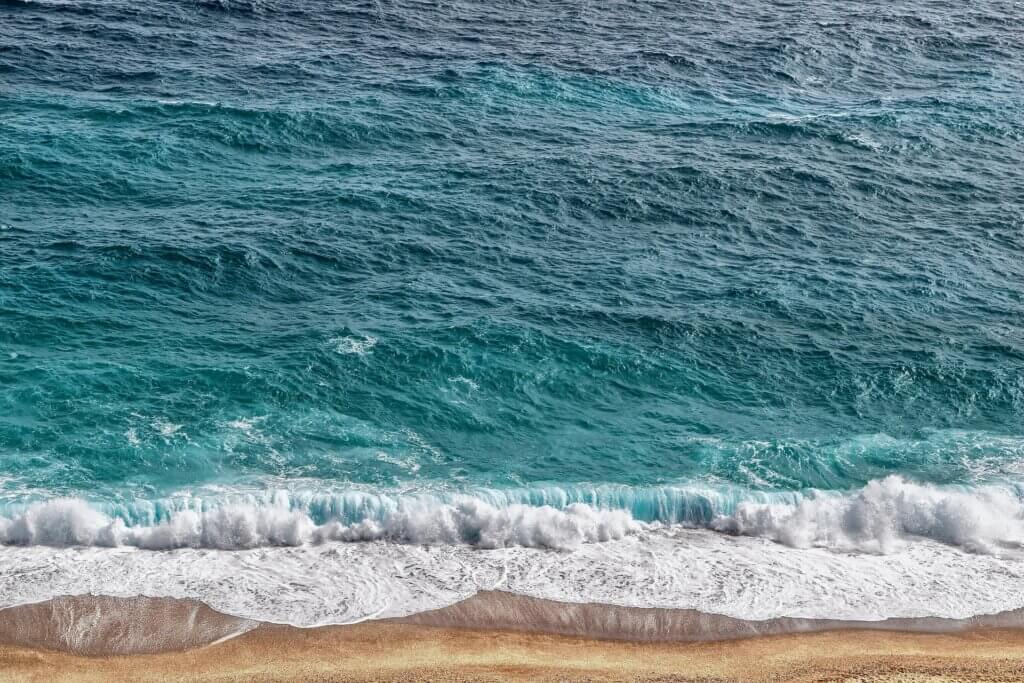
The Balearic Islands are an archipelago located in the western Mediterranean Sea, off the eastern coast of Spain.
They belong to Spain and are made up of four main islands: Mallorca, Menorca, Ibiza, and Formentera, plus a number of smaller islets. Each island has its own flavor—Mallorca is mountainous and majestic, Menorca is quieter and rich in hidden coves, Ibiza is famed for nightlife and natural beauty, and Formentera is the laid-back, beachy escape many dream about.
BEST BEACHES IN THE BALEARIC ISLANDS
Now, this is where it gets dreamy. The Balearics are dotted with beaches that look like they belong on a postcard. Here are some standout ones across the islands:
MALLORCA
Es Trenc – Probably the most famous beach on the island, it boasts a long stretch of powdery white sand and clear, shallow water.
Cala Agulla – Great for nature lovers; surrounded by pine forests and part of a protected area.
Calo des Moro – A tucked-away gem with turquoise waters flanked by rocky cliffs. A bit of a hike down, but well worth it.
MENORCA
Cala Macarella & Cala Macarelleta – Sister coves that are iconic for their crystal-clear blue waters and white sand, set against pine-topped cliffs.
Cala Pregonda – Unique for its red-gold sand and volcanic rock formations.
Cala Mitjana – A peaceful cove with calm, shallow waters ideal for swimming.
IBIZA
Cala Comte – Known for its brilliant sunsets and varied coves. Popular with locals and tourists alike.
Cala d’Hort – With views of the mystical Es Vedrà rock, it has a wild and somewhat spiritual vibe.
Las Salinas – A trendy, lively beach with music, bars, and a beautiful natural reserve nearby.
FORMENTERA
Playa de Ses Illetes – Often called one of the best beaches in the world. Fine sand, transparent water, and a long strip that makes you feel like you’re walking on water.
Cala Saona – A small, protected bay perfect for snorkeling and relaxation.
WHY THESE BEACHES ARE SO LOVED
It’s a combination of factors. The Balearics offer incredibly clear, warm waters, soft sands, dramatic cliffside settings, and relatively easy access even to remote spots. The natural beauty here is matched by a deep sense of calm. The Mediterranean climate helps too—sunny, warm, and breezy much of the year.
Plus, the beaches cater to everyone. Whether you want to snorkel in a quiet cove, dance at a beach bar, hike coastal paths, or unwind with a book in the sun, there’s a beach that fits.
WHY OUTDOOR ENTHUSIASTS AND ADVENTURERS LOVE THEM
The beaches aren’t just for lounging. Cliff diving, snorkeling, sea kayaking, stand-up paddleboarding, and hiking coastal trails are all popular. Many beaches are part of natural parks or have rugged, untouched surroundings that make for fantastic trekking and exploration.
Some coves require a short hike or a boat to reach—adventure in itself. You’ll often find natural caves, sea arches, and hidden beaches just a few strokes or steps away.
RULES AND REGULATIONS
The Balearic Islands take beach preservation seriously. A few general guidelines:
No camping overnight on beaches unless clearly designated.
Fires and barbecues are generally not allowed.
Dogs are not permitted on many beaches during high season (May–October).
Littering is strictly prohibited—there are plenty of waste bins, and fines for violations can be hefty.
Nudity is allowed on some beaches (especially in Ibiza and Formentera), but usually only in designated or tolerant areas.
WHAT SWIMWEAR IS OK?
Typical swimwear like bikinis, one-pieces, trunks, or board shorts are completely fine. Topless sunbathing is common and widely accepted, especially in Ibiza and Formentera. Nudism is legal in Spain and accepted on many beaches, particularly more remote or officially designated ones—like Es Cavallet (Ibiza) or Playa de Migjorn (Formentera).
In town or away from the beach, though, walking in just swimwear (especially shirtless) is generally frowned upon or even fined in places like Palma (Mallorca).
PARKING AND AMENITIES
It varies widely:
Popular beaches like Es Trenc and Cala Comte often have paid parking and full amenities—showers, toilets, bars, loungers.
More remote spots like Calo des Moro or Cala Macarelleta might have no amenities at all and require a short walk from parking areas.
In high season, parking can fill up quickly. Arrive early or consider alternative transport like scooters, bikes, or beach shuttle buses.
FESTIVALS, CONCERTS, AND COMPETITIONS
Ibiza’s beaches are known for beach clubs and DJ sets, especially during the summer. You might catch a world-class sunset party right on the sand.
Mallorca and Menorca have more low-key festivals—like Sant Joan in Menorca, where people celebrate with bonfires and beach events. There are also sailing regattas, beach volleyball tournaments, and open-water swims, especially in Mallorca and Formentera.
RISKS, DANGERS, AND SAFETY PRECAUTIONS
Sun exposure is real. Mediterranean sun can be intense—wear sunscreen and bring shade.
Jellyfish occasionally appear, especially the purple Pelagia noctiluca. Beaches will often post warning flags if they’re spotted.
Strong currents in some coves—always obey local signage and flags.
Heatstroke and dehydration are common in summer. Water, shade, and breaks are key.
Some beach paths are rocky or steep, so good shoes help, especially for lesser-known coves.
MYTHS, LEGENDS, AND MYSTERIES
Es Vedrà, the towering limestone islet off Ibiza’s coast, is steeped in mystery. Locals claim it has magnetic properties, is a home of sirens from Homer’s Odyssey, and some even link it to the lost city of Atlantis.
Menorca’s hidden caves, once used by smugglers and pirates, are said to be haunted or hold buried treasure.
Formentera’s isolation has made it a haven for spiritual seekers, with rumors of ley lines and energy vortexes.
OTHER TIPS TO KNOW
Timing matters: The beaches can get remarkably busy in July and August. May, early June, and late September offer great weather and thinner crowds.
Bring cash: Some smaller beach bars or parking areas don’t accept cards.
Wear water shoes: Some coves have rocky seabeds or sea urchins.
Respect the natural beauty: It’s part of what makes the Balearics so special. Stick to paths, take your trash, and avoid disturbing marine life.
The Balearic Islands are stunning, and for the most part, they live up to the hype. But like anywhere with growing popularity, they come with their share of pros and cons.
HERE’S A CLEAR AND HONEST BREAKDOWN OF THE GOOD, THE BAD, AND THE UGLY WHEN IT COMES TO THE BALEARIC ISLANDS AND THEIR BEACHES:
THE GOOD
Natural Beauty
The islands are jaw-droppingly gorgeous. Clear turquoise waters, dramatic cliffs, secret coves, and soft sandy beaches make the scenery unforgettable. Each island has its own character, but all offer moments where the sea and sky seem to melt together in perfect harmony.
Outdoor Paradise
Hiking trails, cliff diving, sailing, snorkeling, paddleboarding, kayaking, cycling—you name it. The Balearics are ideal for adventurers who want to combine beach time with activity.
Great Weather
With a Mediterranean climate, you’re getting plenty of sunshine, warm summers, and mild winters. May to October is prime time for beach lovers.
Culture and Food
Historic towns, castles, Roman ruins, and charming markets add richness to the natural beauty. The local cuisine—think fresh seafood, olive oil, cheeses, and island wines—is a delight.
Variety
There’s a beach or vibe for everyone. Want solitude? Try hidden coves in Menorca. Want energy and music? Head to Ibiza. Want family-friendly resorts or mountainous hikes with a sea view? Mallorca. For untouched simplicity, Formentera is perfect.
THE BAD
Crowds in High Season
In July and August, many beaches—especially the well-known ones like Es Trenc, Cala Comte, and Ses Illetes—can feel way too crowded. Parking lots overflow. Restaurants get booked up. It’s still beautiful, but the tranquil vibe disappears.
Overdevelopment in Some Areas
While plenty of natural beauty remains, parts of the islands (especially Ibiza and parts of Mallorca) have been overbuilt with hotels, resorts, and souvenir shops. It’s not everywhere, but some areas feel more commercial than coastal.
Prices Can Be High
Ibiza and parts of Mallorca, in particular, can get pricey—especially for beachfront dining, hotels, or anything marketed as “luxury.” Even parking at beaches may cost a surprising amount during high season.
Limited Amenities in Remote Beaches
If you’re headed to more secluded beaches like Caló des Moro or Cala Mitjana, be ready to hike in and hike out, and don’t expect toilets, restaurants, or lifeguards. That’s fine for some, but not for all.
Jellyfish
They’re not a constant problem, but they do show up, especially when water temps rise. Some days, a perfect beach is off-limits due to jellyfish warnings. Local signs or apps usually warn you, but it can be disappointing if you’ve made the trek.
THE UGLY
Environmental Strain
Tourism has put serious pressure on these islands. Trash, water overuse, illegal building, and marine pollution have become major issues—especially in peak tourist months. The Balearics are making efforts toward sustainable tourism, but the strain is real.
Party Excesses in Some Spots
In Ibiza, and even some parts of Mallorca, the party scene gets out of hand—rowdy tourists, noise, public drunkenness. If you’re not into that, some areas can feel overwhelming or simply not enjoyable. Local residents often push back against the disruption, which creates tension.
Over-tourism Fatigue
In recent years, some locals have expressed frustration with the high volume of visitors, especially during peak months. You’ll see signs and protests here and there that call for more limits. It’s not directed at any one person, but it reflects a deeper issue: islands that feel like they’re losing a bit of their soul to constant crowds.
Theft and Pickpocketing
On crowded beaches or in busy towns, there have been reports of thefts—especially unattended bags on the sand. It’s not rampant, but it happens enough to warrant caution.
FINAL THOUGHT
For most people, the good far outweighs the bad or ugly, especially with a little planning. Traveling off-season (May, early June, or September) makes a huge difference. Choosing less touristy beaches or renting a car to explore the less crowded corners gives you a more authentic and peaceful experience.
If you’re looking for the Mediterranean dream, the Balearic Islands come remarkably close. Just go with awareness, respect the local environment and communities, and embrace the mix of raw nature and Spanish island life.
Visiting the Balearic Islands is like stepping into a Mediterranean daydream—where cliffs meet crystal waters, charming coastal towns welcome you, and the pace of life slows just enough to let you breathe it all in.
Whether you’re a seasoned traveler or someone discovering the islands for the first time, the natural beauty, variety of experiences, and rich culture offer something lasting and memorable.
From the vibrant beach clubs of Ibiza to the secluded coves of Menorca, the options are as diverse as they are stunning.
That said, enjoying the Balearics responsibly is part of what makes the trip truly worthwhile. Understanding the challenges the islands face—like over-tourism, environmental strain, and high-season overcrowding—helps visitors tread lightly and leave a positive mark.
With so many travelers seeking the same slice of paradise, small choices like visiting lesser-known beaches, respecting local rules, and supporting small businesses can help preserve the very things that make these islands special.
As with any great destination, the Balearic Islands are more than just what meets the eye. There are stories in the rocks of Es Vedrà, wisdom in the old stone villages, and adventure waiting along every stretch of coastline.
If you’re open to the experience, prepared to explore a little beyond the usual paths, and mindful of the environment, these islands can offer not just a beautiful vacation—but a meaningful one.
So pack your sunscreen, lace up your walking shoes, and bring your sense of wonder. The Balearic Islands have centuries of history, countless beaches, and endless horizons ready for you to discover.
TO DIG DEEPER INTO EVERYTHING WE’VE TALKED ABOUT REGARDING THE BALEARIC ISLANDS AND THEIR BEACHES—FROM TRAVEL PLANNING AND BEACH GUIDES TO RULES, LEGENDS, AND OUTDOOR ADVENTURES—HERE ARE SOME RELIABLE AND INFORMATIVE SOURCES YOU CAN EXPLORE:
Official Tourism Websites
These are excellent for up-to-date info on beaches, events, maps, and regulations:
- Balearic Islands Tourism Portal:
https://www.illesbalears.travel/en/baleares
(Includes detailed info on all four major islands: Mallorca, Menorca, Ibiza, and Formentera) - Mallorca Tourism:
https://www.visitmallorca.com - Menorca Tourism:
https://www.menorca.es - Ibiza Tourism:
https://www.ibiza.travel - Formentera Tourism:
https://www.formentera.es
Travel Guides and Forums
For personal reviews, hidden gems, and practical tips:
- Lonely Planet – Balearic Islands Section
https://www.lonelyplanet.com/spain/balearic-islands - Tripadvisor – Great for reviews of specific beaches, restaurants, and activities
https://www.tripadvisor.com - Rick Steves’ Europe – Good insights on Mallorca and Ibiza for American travelers
https://www.ricksteves.com - Reddit Travel Communities – Try r/travel, r/backpacking, or r/spain for up-to-date user experiences
Beach and Outdoor Enthusiast Resources
- AllTrails – Useful for hiking trails near beaches on Mallorca and Menorca
https://www.alltrails.com - Komoot – Excellent for bike paths and outdoor adventure routes
https://www.komoot.com - BeachSearcher or Beach-Inspector – Platforms with photos, ratings, and facilities info for European beaches
Environmental and Safety Information
- MedJelly App or Info Sites – Tracks jellyfish sightings and beach warnings in Spain
- Local Government or Town Hall Sites – For specific regulations, nudity rules, dog access, and environmental policies
- Spain’s AEMET (Meteorological Agency) – For up-to-date weather and sea conditions
https://www.aemet.es
If you’re planning a trip, it’s helpful to cross-reference these sources with current social media or blog posts for recent changes—especially during peak season or if you’re looking for updated access information.