


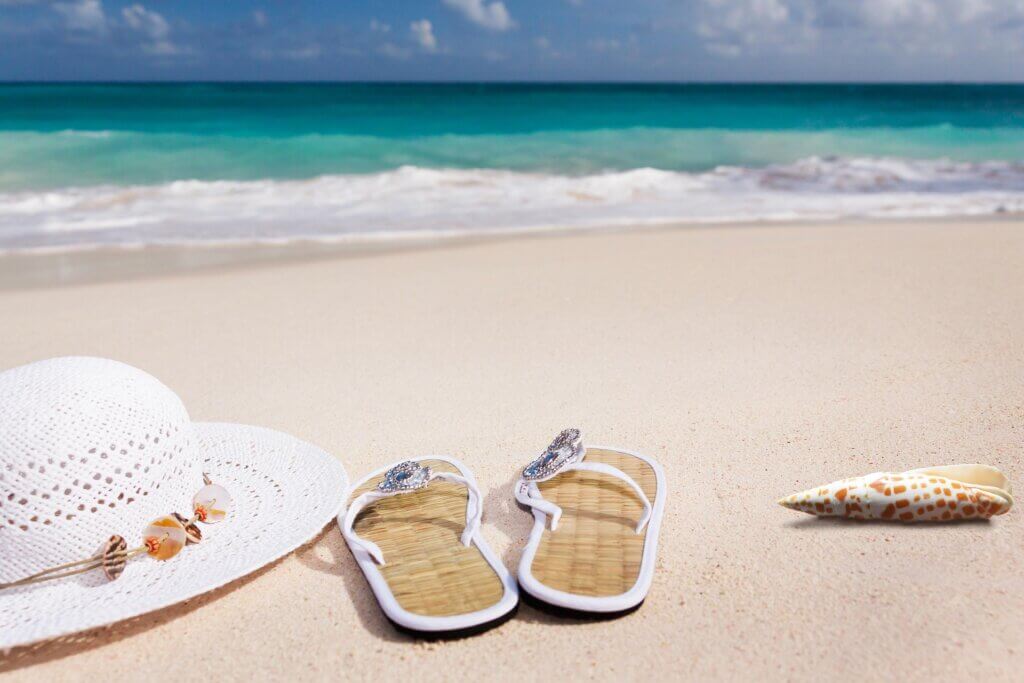
Matira Beach is one of the most renowned and picturesque beaches in the South Pacific, located on the southern tip of Bora Bora in French Polynesia.
This stretch of coastline is often regarded as the crown jewel of the island, celebrated for its natural beauty and tranquil ambiance.
The beach features powdery white sand that gently slopes into warm, crystal-clear turquoise waters. Towering palm trees line the shore, providing shade and adding to the tropical atmosphere.
The shallow lagoon stretches out far into the distance, making it ideal for wading, swimming, and snorkeling. Coral reefs just offshore teem with colorful marine life, offering excellent opportunities for underwater exploration.
Matira Beach is not secluded to resort guests alone—it is one of the few public beaches on Bora Bora, making it accessible to both locals and tourists.
The surrounding area is dotted with small cafes, local vendors, and charming eateries where visitors can enjoy island cuisine and fresh seafood.
People are drawn to Matira Beach for its breathtaking sunsets, calm and inviting waters, and the relaxed pace of life it embodies. Whether it’s lounging on the sand, snorkeling in the coral gardens, or enjoying a quiet walk along the shoreline, Matira offers a serene escape that captures the essence of a South Pacific paradise.
FOR OUTDOOR ENTHUSIASTS, MATIRA BEACH OFFERS A VARIETY OF ACTIVITIES THAT MAKE THE MOST OF ITS NATURAL BEAUTY, CRYSTAL-CLEAR WATERS, AND LUSH SURROUNDINGS. HERE ARE THE TOP THINGS TO DO:
Snorkeling
Matira Beach is known for its easy access to vibrant coral gardens just offshore. Snorkelers can explore colorful reefs teeming with tropical fish, sea cucumbers, and other marine life without needing a boat or tour.
Swimming and Wading
The beach has calm, shallow waters that extend far out, making it perfect for long swims or leisurely wading. The water is warm and exceptionally clear, offering a relaxing and refreshing experience.
Paddleboarding and Kayaking
Rental shops nearby offer paddleboards and kayaks. These are great for exploring the lagoon, especially in the early morning when the waters are calm. You can glide over coral formations and sometimes even spot stingrays or reef sharks below.
Hiking and Biking Nearby Trails
While the beach itself is flat and easy to navigate, nearby parts of the island offer trails and roads suitable for biking or hiking. Outdoor enthusiasts often enjoy biking around the island to discover hidden viewpoints and scenic coastal areas.
Jet Skiing and Boat Tours
For more adrenaline-pumping adventure, jet ski rentals and guided lagoon tours are available. These excursions often include stops at sandbars, coral gardens, and stingray feeding areas.
Sunset Watching
Though not physically demanding, watching the sunset at Matira Beach is a favorite among nature lovers. The sunsets here are vivid and dramatic, often painting the sky in hues of gold, pink, and violet.
Picnicking and Beachcombing
Matira’s public beach area makes it a great place for a beach picnic. You can also walk the length of the beach to collect shells, observe seabirds, and take in the views of Mount Otemanu across the lagoon.
Scuba Diving (Offshore Trips)
Though not directly off the beach, many diving charters depart nearby, giving divers access to world-class dive sites just outside the lagoon. These waters are known for manta rays, sharks, and pristine coral formations.
Matira Beach combines gentle adventure with tropical serenity, making it a dream destination for any outdoor enthusiast. Whether you’re in it for the action or the atmosphere, it has something memorable to offer.
HOW MOST PEOPLE GET TO MATIRA BEACH
Most visitors arrive at Matira Beach as part of their trip to Bora Bora, which itself is accessible only by air and boat:
By Air: Travelers typically fly into Faa’a International Airport in Tahiti (Papeete), then take a domestic flight (about 50 minutes) to Bora Bora Airport (Motu Mute).
By Boat: From the airport, a short boat transfer (organized by resorts or local shuttle services) takes visitors to the main island, where Matira Beach is located on the southern tip.
Once on the main island, travelers can reach Matira Beach in the following ways:
Resort or Hotel Shuttle: Many hotels and resorts offer shuttles or bicycle rentals to reach Matira Beach.
Scooter or Bicycle Rental: A popular option for exploring the island. The flat coastal roads make biking enjoyable and efficient.
Car Rental or Taxi: Taxis and rental cars are available, though car rentals are limited and tend to be expensive. Still, they offer flexibility for exploring.
PARKING AT MATIRA BEACH
Free Public Parking: There is a small parking area near the beach, especially by the Matira Point and close to local restaurants and shops. It’s free but can fill up quickly during peak hours.
Street Parking: Additional parking may be found along the nearby roads.
Bike and Scooter Parking: There are usually informal areas where people park scooters and bicycles near the beach entrance.
AMENITIES AT MATIRA BEACH
Matira Beach is one of the few public beaches on Bora Bora and offers basic but sufficient amenities:
Restrooms and Showers: Available in designated public access points, though they may be minimal and rustic.
Food and Drink: Several small restaurants, snack bars, and local eateries are within walking distance, offering fresh seafood, French-Polynesian dishes, and cold drinks.
Shops and Rentals: Vendors offer snorkeling gear, paddleboards, kayaks, and beach essentials. Some nearby shops sell souvenirs, sunscreen, and bottled water.
Shade and Seating: Palm trees and some man-made shelters provide natural shade, but it’s wise to bring your own beach mat or towel.
Lifeguards: There are generally no lifeguards, so swimmers should exercise caution.
Accommodations: A few small hotels, guesthouses, and pensions are within walking distance of the beach for those not staying at overwater resorts.
Matira Beach balances natural beauty with convenient access and amenities, making it easy to enjoy a full day outdoors—whether you’re arriving on foot, by bike, or by car.
WHILE MATIRA BEACH IS WIDELY REGARDED AS ONE OF THE SAFEST AND MOST TRANQUIL BEACHES IN FRENCH POLYNESIA, THERE ARE STILL A FEW RISKS, DANGERS, AND SAFETY PRECAUTIONS TO BE AWARE OF. THESE MAINLY RELATE TO NATURAL HAZARDS, WATER CONDITIONS, AND GENERAL TRAVEL SAFETY.
RISKS AND DANGERS AT MATIRA BEACH
Strong Sun and Heat
Risk: Sunburn, dehydration, and heat exhaustion are common risks in the tropics.
Precaution: Wear reef-safe sunscreen, a hat, and sunglasses. Drink plenty of water and seek shade during midday hours.
Coral Cuts and Sea Urchins
Risk: The lagoon has coral formations and sometimes sea urchins. Walking barefoot can lead to cuts or punctures.
Precaution: Wear water shoes when walking in shallow water or exploring near coral.
Marine Life (Rare but Possible)
Risk: Though not common, visitors might encounter jellyfish, stingrays, or stonefish. These creatures are generally not aggressive but can be dangerous if stepped on or provoked.
Precaution: Shuffle feet when walking in the water, avoid touching marine animals, and follow local advice if jellyfish are reported.
Lack of Lifeguards
Risk: There are no lifeguards at Matira Beach, so swimmers are responsible for their own safety.
Precaution: Swim with others, stay close to shore, and avoid swimming if the water looks rough or if visibility is poor.
Slippery Surfaces and Rocks
Risk: The beach and rocky areas can become slippery, especially near the water or after rain.
Precaution: Walk carefully and avoid climbing on wet rocks.
Strong Currents (In Some Areas)
Risk: While Matira Beach is mostly calm, certain spots—especially near the reef edge—can have stronger currents.
Precaution: Stay within the lagoon area, and don’t venture too far out toward open water.
Mosquitoes (Mainly at Dusk)
Risk: In tropical areas like Bora Bora, mosquitoes can carry diseases such as dengue.
Precaution: Use insect repellent, especially in the early morning and late afternoon, and wear long sleeves if hiking inland.
GENERAL TRAVEL AND BEACH SAFETY TIPS
Keep valuables secure: While Bora Bora is generally safe, petty theft can happen. Don’t leave wallets, phones, or expensive gear unattended.
Know your limits: Whether swimming, kayaking, or snorkeling, avoid overexertion, especially if you’re not used to the sun and ocean conditions.
Stay hydrated: Heat and humidity can lead to rapid dehydration, especially when active.
Observe local advice: If locals or posted signs warn of jellyfish, strong winds, or boat traffic, take it seriously.
Matira Beach is considered safe for most travelers, including families and solo visitors, but like any natural environment, it requires a basic level of awareness and caution. With the right precautions—sun protection, respect for marine life, and good hydration—you can safely enjoy everything this South Pacific paradise has to offer.
THERE ARE SHARKS IN THE WATERS AROUND MATIRA BEACH AND THROUGHOUT BORA BORA’S LAGOON AND SURROUNDING REEFS—BUT THEY ARE GENERALLY NOT DANGEROUS TO HUMANS.
TYPES OF SHARKS NEAR MATIRA BEACH AND IN BORA BORA
Blacktip Reef Sharks
These are the most commonly seen sharks in Bora Bora.
They are relatively small (about 3 to 5 feet long) and not aggressive.
Frequently spotted in shallow waters during snorkeling tours.
Local guides often include them in “shark and ray feeding” excursions.
Whitetip Reef Sharks
Also common in deeper waters and around coral reefs.
No known attacks on humans in the region.
Generally shy and swim away when approached.
Lemon Sharks (less common near Matira Beach itself)
Larger than reef sharks, sometimes seen during boat or diving excursions.
More likely encountered farther out, not typically near the beach.
Grey Reef Sharks and Nurse Sharks
Seen occasionally in deeper areas during dives, not in the shallows.
These species are not aggressive unless provoked.
Are They a Threat at Matira Beach?
No recorded attacks have occurred at Matira Beach.
The lagoon is calm, shallow, and separated from open ocean by a reef barrier, which greatly reduces encounters with larger or more aggressive shark species.
Sharks seen near the beach are typically juvenile reef sharks, and they tend to avoid people.
SAFETY PRECAUTIONS
While shark-related incidents are extremely rare, it’s always wise to follow these basic safety tips:
Avoid swimming at dawn or dusk when visibility is lower.
Don’t swim with open wounds or bleeding cuts.
Avoid wearing shiny jewelry, which can resemble fish scales.
Follow local advice—if guides or locals mention sightings or give recommendations, follow them.
Sharks are present, but the ones near Matira Beach are mostly harmless reef sharks. For many visitors, seeing them is a highlight of their snorkeling or diving experience. With basic awareness and respect for marine life, there’s no reason to be afraid—just cautious and informed.
MATIRA BEACH, BEING A PUBLIC BEACH ON THE ISLAND OF BORA BORA IN FRENCH POLYNESIA, FOLLOWS GENERAL LOCAL BEACH REGULATIONS DESIGNED TO PROTECT THE NATURAL ENVIRONMENT, MARINE LIFE, AND ENSURE SAFETY AND ENJOYMENT FOR EVERYONE.
While there is no long list of posted rules at the beach, there are several commonly understood guidelines and laws that both visitors and locals are expected to respect:
GENERAL RULES AND REGULATIONS OF MATIRA BEACH
Public Access and Hours
Matira Beach is free and open to the public year-round.
There are no set hours, but it’s best visited during daylight for safety.
Night swimming is not recommended due to limited visibility and lack of lifeguards.
Respect for the Environment
Do not litter. Trash bins are available near the beach; use them.
Do not collect coral, shells, or marine life. Removing natural materials is illegal in French Polynesia and harms the ecosystem.
Avoid stepping on or touching coral reefs when snorkeling or swimming.
No Fires or Camping
Open fires, camping, or overnight stays are not permitted on the beach.
The area is not designated for camping, and lighting fires is prohibited to prevent wildfires and preserve the beach.
Alcohol and Smoking
Moderate consumption of alcohol is tolerated but should be discreet and respectful. Public drunkenness is not accepted.
Smoking may be allowed, but discarding cigarette butts on the beach is strictly discouraged and may be subject to fines.
Pets
Bringing dogs or pets to the beach may be allowed, but they should be leashed and under control.
Always clean up after pets to maintain cleanliness and hygiene.
Motorized Watercraft Restrictions
Jet skis and motorboats should not enter the shallow swimming area close to shore.
Specific zones are marked for watercraft to protect swimmers and the reef.
Noise and Music
Loud music or disruptive behavior is discouraged.
The beach is meant to be a peaceful, scenic place—noise should be kept at respectful levels.
Commercial Activities
Unauthorized commercial activities (e.g., selling goods, conducting tours, or filming) are generally not permitted without a permit.
Vendors and tour guides operating in the area are usually licensed by local authorities.
CULTURAL CONSIDERATIONS
French Polynesia has a strong cultural identity rooted in respect for the land (the fenua) and the sea. Visitors to Matira Beach are encouraged to:
Show respect for locals and fellow travelers.
Dress modestly when leaving the beach and entering nearby villages or shops.
Greet people politely—saying “Ia ora na” (hello) or “Mauruuru” (thank you) is appreciated.
Matira Beach is a serene, public beach that thrives on cleanliness, respect for nature, and low-impact enjoyment. Following the basic rules—like no littering, avoiding damage to coral, and respecting others—ensures that everyone can continue to enjoy this beautiful South Pacific destination for years to come.
SWIMMING ATTIRE AT MATIRA BEACH
At Matira Beach and throughout Bora Bora, swimwear norms are generally relaxed and in line with what you’d expect at tropical resort destinations.
However, there are a few cultural and practical considerations to keep in mind:
WHAT’S COMMON AND ACCEPTABLE
✅ For Women:
Bikinis of all styles (including modest and more revealing ones) are widely worn and accepted.
One-piece swimsuits and tankinis are also common.
Many visitors wear cover-ups or pareos (Polynesian-style wrap skirts) when walking to and from the beach or entering nearby shops or restaurants.
✅ For Men:
Swim trunks, board shorts, and brief-style swimwear are all considered normal.
Some locals may favor more modest styles, but tourists are not judged for wearing standard beach attire.
CULTURAL CONSIDERATIONS AND BOUNDARIES
While swimwear is completely appropriate at the beach, it is considered disrespectful to wear swimwear in town, in shops, or around villages without a cover-up.
Topless sunbathing is not common and may be frowned upon, especially by locals. It’s not illegal, but it’s not part of the local custom, so it’s best to err on the side of modesty.
Nudity is not allowed at Matira Beach or anywhere in Bora Bora. This includes swimming or sunbathing nude—such behavior could offend locals and is generally against public decency laws in French Polynesia.
PRACTICAL TIPS
Bring sun-protective swimwear or a rash guard if you plan to snorkel or stay in the sun for extended periods.
Lightweight flip-flops or water shoes are helpful for walking across hot sand or areas with coral and rocks.
At Matira Beach, typical swimwear—bikinis, one-pieces, board shorts, and swim trunks—is completely acceptable. Just remember to cover up when leaving the beach and avoid nudity or toplessness out of respect for local norms. This approach balances comfort with cultural courtesy in one of the world’s most beautiful tropical destinations.
THE LOCALS IN THE MATIRA BEACH AREA—AND BORA BORA MORE BROADLY—ARE PART OF THE MAOHI PEOPLE, THE INDIGENOUS POLYNESIANS OF FRENCH POLYNESIA.
Visitors consistently describe them as warm, welcoming, and laid-back, with a deep connection to their land (fenua), sea, and traditions.
Here’s what you can expect from the local people and how to respectfully interact with them:
What to Expect of the Locals
Friendly and Polite
The people of Bora Bora are generally very friendly and polite, especially if you show respect for their culture.
A smile and a greeting—such as “Ia ora na” (hello) or “Mauruuru” (thank you)—go a long way. Even a simple wave or nod is appreciated.
Relaxed Pace of Life
Life in Bora Bora is slow and peaceful. Don’t expect people to rush or be in a hurry.
This laid-back attitude is often called “island time,” and it’s part of the charm—but it also means things like service in shops or restaurants may take longer than you’re used to.
Deeply Rooted in Tradition
Locals have strong ties to Polynesian traditions, including tattooing, dance, music, fishing, and crafts.
You’ll often see locals participating in cultural activities, especially during festivals, ceremonies, or at local markets.
Family-Oriented and Community-Minded
Community and family are central to Polynesian life.
Locals tend to be modest and humble. Boastfulness or loud, flashy behavior is generally frowned upon.
Respecting Local Customs and Culture
✅ Do:
Greet people politely when entering a shop or approaching someone.
Dress modestly when not on the beach—wear a shirt or cover-up when entering villages, restaurants, or stores.
Ask before taking photos of people, especially in local neighborhoods or at religious/cultural sites.
Support local artisans, guides, and vendors if you can—it’s appreciated.
❌ Avoid:
Walking through villages or on private property in only a swimsuit or shirtless.
Acting loud, aggressive, or overly demanding in public or service settings.
Criticizing local customs or comparing them unfavorably to where you’re from.
Languages and Communication
French is the official language.
Tahitian (Reo Tahiti) is widely spoken among locals.
English is spoken in most tourist areas, especially by those working in hotels, tours, and shops, but not always fluently.
Hospitality and Tourism
The economy of Bora Bora relies heavily on tourism, and many locals work in resorts, restaurants, and excursion services. Most people take pride in showcasing their island to respectful and curious visitors. You may find that they enjoy sharing stories about their culture, legends, or environment if you show genuine interest.
The locals around Matira Beach are kind-hearted, relaxed, and respectful, and they appreciate the same in return. When you greet them warmly, honor their customs, and move at their pace, you’ll not only avoid any offense—you’ll likely leave with meaningful connections and unforgettable memories.
HERE ARE SEVERAL LESSER-KNOWN BUT USEFUL AND INTERESTING THINGS TO KNOW ABOUT MATIRA BEACH —DETAILS THAT CAN HELP YOU BETTER PLAN YOUR VISIT AND DEEPEN YOUR APPRECIATION OF THIS EXTRAORDINARY PLACE:
It’s One of the Only True Public Beaches in Bora Bora
Many of Bora Bora’s beaches are part of private resorts, meaning they aren’t accessible to non-guests.
Matira Beach is rare in that it’s open to everyone, making it especially popular with both tourists and locals.
Ideal for Sunset Viewing
Matira Beach is famous for its unobstructed western view, which makes for some of the most stunning sunsets in French Polynesia.
The sun sets behind the lagoon and across the sea, often casting golden, pink, and deep violet hues over the water.
It’s a popular time for couples, photographers, and evening strollers—bring a blanket or pareo and enjoy the show.
Excellent for Beginner Snorkelers
While not a deep reef snorkeling spot, the calm, clear lagoon waters near Matira Beach are great for first-time snorkelers.
You can often spot tropical fish, small rays, and even harmless juvenile reef sharks in the shallows.
There are coral heads and sandy patches, so it’s easy to navigate and very forgiving for newcomers.
Restaurants and Shops Nearby
Just steps from the beach are a handful of casual eateries, snack bars, and small shops offering drinks, snacks, and souvenirs.
These places give you a chance to experience local cuisine like poisson cru (raw fish salad), grilled fish, or tropical fruit dishes.
Prices may be a bit higher than in mainland Tahiti, but it’s convenient and supports the local economy.
Natural Shade Is Readily Available
Matira Beach is lined with palm trees, coconut trees, and small vegetation, so you can often find a shady spot without needing an umbrella.
This is helpful for staying cool and avoiding overexposure to the sun.
You May See Traditional Outrigger Canoes
Locals sometimes paddle past the beach in outrigger canoes (va’a)—a traditional Polynesian boat.
If you’re lucky, you might even catch a glimpse of local canoe racing teams training, especially in the mornings or late afternoons.
No Beach Chairs or Umbrellas for Rent
Unlike some resort beaches, Matira Beach is very natural—there are no official chair or umbrella rentals.
Visitors often bring their own towels, beach mats, or portable chairs. Some nearby shops may sell simple gear.
Tidal Shifts Can Change the Scene
At low tide, more of the sand flats are exposed, and the water can become very shallow far out.
At high tide, the water comes right up to the vegetation line in some spots—ideal for swimming but limiting dry sand space.
Plan your visit accordingly if you want a long beach stroll or shallow lagoon wading.
Accessibility
The beach is flat and fairly accessible for people of all ages and abilities, although there are no dedicated ramps or mobility features.
Elderly visitors or families with strollers can usually navigate the sand and tree line without much difficulty.
Rain Showers Can Pass Quickly
Brief tropical rain showers can come and go suddenly, even on sunny days.
It’s wise to bring a light rain poncho or waterproof bag for your items, but don’t be surprised if the sun reappears within minutes.
Matira Beach is much more than just a pretty stretch of sand—it’s a living, community-oriented, naturally preserved beach that offers a balance of comfort and authenticity. It’s a great place for swimming, snorkeling, relaxing, and simply observing the quiet rhythms of island life. If you show up with an open heart and a respectful attitude, you’ll find it one of the most memorable places in the South Pacific.
TO FIND MORE DETAILED AND TRUSTWORTHY INFORMATION ON MATIRA BEACH AND EVERYTHING WE’VE DISCUSSED—FROM ACTIVITIES AND CULTURE TO SAFETY AND ETIQUETTE—HERE ARE THE BEST SOURCES YOU CAN EXPLORE:
✅ 1. Official Tourism Websites
These sites are regularly updated, reliable, and include local insights:
- Tahiti Tourisme (Official site for French Polynesia tourism)
Website: https://www.tahititourisme.com- Great for cultural etiquette, top activities, and accommodations.
- Bora Bora Island Guide
Website: https://www.boraboraislandguide.com- Offers personal travel tips, snorkeling spots, and cultural details.
✅ 2. Travel Blogs and Guides
Well-researched blog posts and articles written by seasoned travelers:
- The Culture Trip – Search “Matira Beach” for articles on cultural norms and things to do.
- The Blonde Abroad, Nomadic Matt, or Earth Trekkers often cover Bora Bora in detail.
- TripSavvy and Lonely Planet – Good for logistical info and tips for respectful travel.
✅ 3. Google Maps & Reviews
- Use Google Maps to search “Matira Beach” and read reviews, see user photos, and get info on nearby food, shops, and accessibility.
✅ 4. YouTube Travel Vlogs
Search for:
“Matira Beach Bora Bora walkthrough” or “Matira Beach travel guide”
- Vlogs from real travelers often show swimming conditions, beach access, nearby restaurants, and etiquette tips.
✅ 5. Booking Platforms
While these are mainly for lodging, they often include activity guides and guest reviews:
- Booking.com or Expedia.com – Check user reviews of nearby hotels or beach access.
- Airbnb Experiences – See what locals are offering for tours, snorkeling, and cultural events.
✅ 6. Forums and Q&A Communities
- TripAdvisor Forums – Real traveler questions and local expert responses.
Forum link: https://www.tripadvisor.com/ShowForum-g311415-i869-Bora_Bora_Society_Islands.html - Reddit: Try r/travel or r/FrenchPolynesia for firsthand tips and recent visitor updates.
✅ 7. Guidebooks (if you prefer print or Kindle)
- Lonely Planet Tahiti & French Polynesia – One of the best detailed resources for culture, etiquette, and hidden gems.
- Fodor’s Essential Tahiti & French Polynesia – Well-written and easy to follow.