





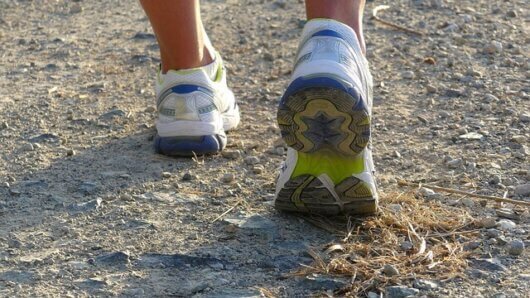
In the context of running or jogging, “jeffing” refers to a run-walk method of training and racing, pioneered by Jeff Galloway, a former U.S. Olympian and long-distance running coach. Unlike the slang use of the word, this type of “jeffing” is respected and widely adopted by runners of all abilities.
WHAT IS JEFFING?
Jeffing is a structured method of combining running and walking intervals to build endurance, reduce fatigue, and prevent injury. Instead of running continuously, the runner alternates between periods of running and walking — for example, running for 3 minutes and walking for 1 minute.
These intervals are pre-planned and consistent throughout the workout or race.
The goal is to allow for active recovery during the walk breaks, which conserves energy and keeps muscles fresher for longer distances. It also makes running more accessible for beginners and sustainable for older runners or those returning from injury.
ORIGINS AND HISTORY
The method was developed in the 1970s by Jeff Galloway, who was looking for ways to help beginners start running without injury. At the time, Galloway owned a running store in Atlanta and began offering running classes to adults.
He quickly realized that the continuous running model was discouraging and often led to injury in new runners.
To address this, he experimented with scheduled walking breaks. To his surprise, runners not only finished their workouts with less fatigue and fewer injuries, but some were able to run faster overall times than when they ran continuously.
This method became the hallmark of his coaching philosophy, and the Galloway Run-Walk-Run Method — eventually dubbed “jeffing” by the running community — gained a loyal following.
HOW IT WORKS
Timed Intervals: Most runners choose run/walk intervals such as 30/30 seconds, 1/1 minute, 3/1 minutes, etc.
Paced Recovery: The walk breaks are brisk, not slow strolls, allowing for active recovery.
Prevention Focus: Jeffing is particularly useful for injury prevention, mental motivation, and running longer distances with less stress.
Customizable: Intervals can be adjusted based on fitness level, race goals, or terrain.
WHO USES JEFFING?
Beginner runners looking to gradually build stamina
Marathoners and ultrarunners aiming to conserve energy
Older runners or those recovering from injuries
Casual joggers who enjoy the psychological and physical relief of planned breaks
Many people report faster finish times, less soreness, and better post-run recovery with jeffing, even in races like the marathon or half marathon.
Legacy and Impact
Jeff Galloway’s method has been adopted by running groups around the world and is featured in training plans for races ranging from 5Ks to marathons. His books, training programs, and seminars have inspired thousands to start and stick with running. The term “jeffing” became popular in running communities, particularly in the UK, as a tribute to Galloway’s approach.
Jeffing is a smart, strategic form of running that includes walking breaks by design, based on Jeff Galloway’s proven method. Far from being “cheating” or a sign of weakness, jeffing has helped countless people become lifelong runners, avoid injury, and even improve race times. Whether you’re a beginner or an experienced runner, jeffing offers a more forgiving — and often more effective — way to approach endurance running.
JEFFING (RUN-WALK-RUN METHOD) HAS PRACTICAL APPLICATIONS IN BOTH MILITARY FITNESS TRAINING AND REHABILITATIVE RECOVERY, ALTHOUGH IT MAY NOT ALWAYS BE REFERRED TO BY THE NAME “JEFFING” IN THOSE CONTEXTS. HERE’S HOW AND WHY IT’S USED:
In the Military
While military training often emphasizes endurance and physical toughness, the run-walk approach has found its way into certain aspects of military fitness and preparation, particularly in these ways:
Basic Training and Pre-Basic Preparation
Some military pre-conditioning programs use modified run-walk intervals to help recruits improve cardiovascular fitness safely and progressively, especially those who are not yet in top condition when they enlist.
The method helps build endurance without overtraining, reducing the risk of shin splints, stress fractures, and overuse injuries, which are common in new recruits.
Post-Injury Return to Duty
Military physical therapists or athletic trainers often use a gradual run-walk progression to return injured service members to full running capacity. This can include walking breaks at prescribed intervals depending on the severity of injury or fitness loss.
Long-Distance Conditioning
For longer marches or runs, especially when carrying weight or in heat, the interval approach can prevent burnout and overheating. While this may not always be formally structured, the principle of “strategic pacing” is similar to jeffing.
In Rehabilitative Recovery
The jeffing method is highly regarded in rehabilitation settings and among physical therapists and sports medicine professionals, particularly for:
Post-Injury or Post-Surgery Recovery
Runners or patients recovering from knee, hip, ankle, or back injuries often return to activity using walk-run intervals to rebuild strength and mobility.
This minimizes joint strain while gradually reintroducing impact and intensity.
Chronic Conditions or Older Adults
Individuals with arthritis, cardiovascular issues, obesity, or those recovering from long-term inactivity often use the jeffing method as a gateway back into cardiovascular exercise.
It provides confidence and a controlled environment to gauge fatigue and exertion.
Physical Therapy and Rehabilitation Clinics
Jeffing is recommended in formal settings when the focus is on sustainable movement, especially for patients who need to avoid continuous high-impact stress.
Why Jeffing Is Effective in These Contexts
Reduces fatigue and injury risk
Improves aerobic capacity gradually
Allows for better pacing and heart rate control
Offers a structured way to rebuild strength and stamina
While “jeffing” as a term may be most popular in recreational running communities, the method itself is absolutely used — often under different names or frameworks — in military training, injury rehabilitation, and clinical exercise programs. It’s especially valued for its ability to balance intensity with recovery, helping people progress safely toward full physical fitness.
HERE ARE SOME PRACTICAL AND COMMON EXAMPLES OF HOW JEFFING IS DONE, BASED ON DIFFERENT FITNESS LEVELS AND GOALS. EACH EXAMPLE CONSISTS OF STRUCTURED RUN-WALK INTERVALS CAN BE ADJUSTED DEPENDING ON THE RUNNER’S ENDURANCE, PACE, OR RECOVERY STATUS.
BEGINNER RUNNER (COUCH TO 5K STYLE)
Interval Example:
Run 30 seconds, Walk 90 seconds
Repeat for 20–30 minutes
Why it works:
This is ideal for people new to running. The longer walking segment allows for cardiovascular recovery while still building aerobic endurance gradually.
INTERMEDIATE RUNNER
Interval Example:
Run 2 minutes, Walk 1 minute
Repeat for 30–45 minutes
Why it works:
Perfect for someone who has built a base and wants to improve endurance without jumping into nonstop running. This ratio helps with pacing and managing fatigue.
MARATHON TRAINING (LONG-DISTANCE JEFFING)
Interval Example:
Run 4 minutes, Walk 1 minute
Continue for long distances (e.g., 10–20 miles)
Why it works:
Used by runners who want to complete a marathon with less muscle breakdown. It reduces impact over time and preserves energy for later miles.
RECOVERY RUN (POST-INJURY OR FATIGUE)
Interval Example:
Run 1 minute, Walk 2 minutes
Repeat for 20–30 minutes
Why it works:
This setup is often used in rehabilitation. The longer walking periods keep stress low and allow the body to adapt gently after illness or injury.
PERFORMANCE-ORIENTED JEFFING
Interval Example:
Run 60 seconds hard (moderate pace), Walk 30 seconds
Repeat for 30 minutes
Why it works:
This is for runners using jeffing to boost their race times. The short walk intervals allow partial recovery so runners can maintain higher speeds during the running segments.
GROUP OR RACE STRATEGY EXAMPLE
In large races (half-marathons or marathons), some groups use visible timers or watches to stick with a jeffing pattern like:
Run 3 minutes, Walk 1 minute
Coordinated with timers and pace groups
Why it works:
It keeps groups together, helps pace slower runners, and enables many people to complete events they might not otherwise finish.
OPTIONAL TOOLS USED IN JEFFING:
Running watches or apps with interval timers (e.g., Garmin, Runkeeper)
Gym timers or phone alarms
Galloway-specific timers or training plans
KEY POINTS FOR DOING JEFFING:
Always warm up and cool down with 5–10 minutes of brisk walking.
Maintain a brisk walking pace — don’t slow to a stroll.
Stick to the interval even if you feel good — the walk breaks help prevent fatigue later.
Adjust the ratio based on terrain, heat, fatigue, and fitness level.
Whether you’re starting your fitness journey, recovering from injury, or training for a distance event, jeffing offers a structured, safe, and smart way to run effectively.
JEFFING CAN BE INCREDIBLY BENEFICIAL FOR BOTH YOUR PHYSICAL AND MENTAL WELL-BEING, AND HERE’S WHY:
PHYSICAL BENEFITS OF JEFFING
Reduced Risk of Injury
The built-in walk breaks give your joints, muscles, and tendons a chance to recover mid-run, which lowers the risk of overuse injuries like shin splints, stress fractures, and runner’s knee.
Improved Endurance Over Time
You can often go farther than if you tried to run continuously. This builds stamina without exhausting you, especially helpful if you’re returning to exercise or aiming for long-term fitness.
Better Heart and Lung Health
The alternating intensity improves cardiovascular fitness while keeping your heart rate in a manageable zone, making it excellent for people of all fitness levels.
Weight Management and Energy Burn
Jeffing still burns a lot of calories and supports metabolism, making it effective for weight loss or maintenance when combined with healthy eating.
Adaptable to Any Age or Fitness Level
Whether you’re a complete beginner or a seasoned runner, jeffing can meet you where you are — and grow with you.
MENTAL AND EMOTIONAL BENEFITS
Reduced Pressure and Anxiety
Many people find running intimidating because they think they must run nonstop. Jeffing takes that pressure away, making the experience more enjoyable and confidence-building.
Sense of Accomplishment
The structure gives you small, achievable goals throughout your workout. Each interval you complete gives a sense of victory, which boosts motivation.
Mood Enhancement
Like all forms of exercise, jeffing releases endorphins — the body’s natural feel-good chemicals — helping reduce stress, anxiety, and symptoms of depression.
Mindfulness and Focus
Because you’re switching between running and walking, you stay engaged. That rhythm helps you stay mentally present and can feel meditative.
Long-Term Sustainability
Many people who try jeffing stick with it for years. It doesn’t burn you out — it encourages consistency, which is key to any health and fitness goal.
Jeffing isn’t about running slower or giving up — it’s about being smart, sustainable, and kind to your body. If you’re looking for a way to improve your health, boost your mood, and enjoy movement without overwhelm or injury, jeffing might just be the ideal place to start.
MANY PEOPLE ARE ALREADY DOING JEFFING WITHOUT REALIZING IT, AND THEY OFTEN REFER TO IT INFORMALLY AS:
Walk-jogging
Jog-walking
Run-walk intervals
Walk breaks during a jog
These terms all describe the same concept at its core: alternating periods of running (or jogging) with walking in a deliberate, structured way. People who say they’re “just walk-jogging for now” are often unknowingly practicing the Jeff Galloway method — or at least something remarkably similar.
WHY THE NAME CONFUSION?
The name “jeffing” is most widely used in:
Running communities, especially in the UK
Training groups that follow Jeff Galloway’s formal plans
Runners using Galloway books or coaching programs
But outside of that, everyday exercisers or casual joggers tend to describe it in plain terms like “walk-jogging” or “taking walk breaks.”
So yes — if someone says they are walk-jogging or using walk breaks in their run, they’re highly likely doing some form of jeffing, whether they know the term or not.
WHAT SETS “JEFFING” APART?
The key difference is intentional structure:
Jeffing: Planned, timed intervals (e.g., run 3 minutes, walk 1 minute) based on your pace and goals.
Casual walk-jogging: More reactive or unstructured, like walking when tired or alternating based on how one feels.
That said, both approaches are valid and beneficial. Learning about jeffing just gives people a more effective and safer way to build up distance, prevent injury, and feel in control of their workouts.
If someone says, “I can’t run a full mile, but I jog a little, then walk, then jog again” — that’s essentially jeffing in its purest form.
HERE ARE SOME ADDITIONAL KEY THINGS YOU SHOULD KNOW ABOUT JEFFING THAT CAN REALLY HELP YOU UNDERSTAND ITS FULL VALUE AND HOW TO GET THE MOST OUT OF IT:
You Don’t Have to “Earn” the Walk Breaks
One of the common misunderstandings is that you need to run until you’re tired, then walk. In true jeffing, walk breaks are scheduled before fatigue sets in. This proactive rest keeps muscles fresh and prevents burnout. If you wait too long to walk, it defeats the purpose.
Walking Doesn’t Mean Slowing Down Overall
Paradoxically, taking regular walk breaks often helps runners maintain a faster average pace over long distances, especially in marathons. That’s because you avoid the slow drag that often happens when fatigue sets in during nonstop running.
Jeffing Is Backed by Science and Data
Jeff Galloway developed his method through observation, coaching, and performance tracking. Thousands of runners have used this method to complete 5Ks to marathons with better results and fewer injuries. His studies showed improvements in both completion rates and recovery times.
It’s Great for Hot or Humid Conditions
In high heat or humidity, continuous running can lead to overheating and dehydration. Jeffing allows for short, controlled recovery periods, which help the body cool down, regulate heart rate, and avoid heat exhaustion.
It Can Be Used for All Distances
Jeffing isn’t just for beginners or long-distance runners. It can be used:
For short recovery runs
As a way to build speed over time
In ultra-endurance events where pacing and energy conservation are critical
Even elite runners sometimes use run-walk strategies in training blocks to avoid overtraining.
Jeffing Builds Mental Strength and Confidence
Each completed interval gives you a small win. That sense of progress makes workouts feel more manageable and helps eliminate the mental barrier of thinking “I can’t run for that long.” It’s empowering and confidence-boosting.
You Can Adjust Intervals Anytime
You’re not locked into one pattern. If your body feels good, you can lengthen the run segments. If you’re tired, you can shorten them. The flexibility is one of jeffing’s greatest strengths. Many runners use adaptive intervals based on how they feel on a given day or terrain.
It Makes Running More Social
Jeffing makes it easier to run with friends of different fitness levels, because walk breaks help everyone stay together and talk without being winded. It’s great for group runs, running clubs, or family outings.
You Can Use Jeffing to Recover During a Race
Even experienced runners use jeffing mid-race if they feel they’re fading. A few minutes of well-timed walk-run intervals can help you recover and finish strong. It’s a smart pacing tool, not a fallback plan.
THERE ARE TOOLS TO SUPPORT IT
Some helpful tools include:
Interval timers (like the Gymboss or Garmin watches with interval settings)
Galloway-specific apps and pace calculators
Training books and programs that map out complete jeffing plans by distance and pace
Jeffing is not just a beginner method. It’s a flexible, proven, and sustainable approach that supports long-term physical health, mental strength, and overall enjoyment of running. It’s about running smarter, not just harder.
Jeffing offers a thoughtful and effective alternative to traditional nonstop running. Whether you’re new to fitness, returning after an injury, or looking for a smarter way to train for distance events, the run-walk method provides a powerful framework that meets your body where it is—without sacrificing progress or results.
By intentionally blending periods of running with walking, jeffing helps you build endurance, protect your joints, and maintain energy throughout your workouts or races.
Beyond its physical advantages, jeffing can also transform your mindset about exercise. Instead of dreading a long or difficult run, the manageable intervals give you regular milestones to look forward to.
This can make workouts feel more doable and enjoyable, boosting consistency and confidence over time. Many people who thought they couldn’t run more than a few minutes end up completing 5Ks, 10Ks, or even marathons using this method.
Whether you call it jeffing, run-walk, or walk-jogging, what matters most is that it helps you move in a sustainable, injury-resistant, and empowering way. If your goal is to improve your health, stay active, or challenge yourself in a smarter way, jeffing may be the method that keeps you going stronger and longer—both physically and mentally.
TO EXPLORE MORE ABOUT JEFFING AND THE RUN-WALK METHOD, YOU CAN FIND DETAILED AND TRUSTWORTHY INFORMATION FROM THE FOLLOWING SOURCES:
1. Jeff Galloway’s Official Website
- Website: www.jeffgalloway.com
- This is the original source of the “jeffing” method.
- Offers training programs, books, event info, and pacing tools for beginners to marathoners.
2. Jeff Galloway’s Books
- Notable titles:
- Galloway’s Book on Running
- Marathon: You Can Do It!
- Running Until You’re 100
- Available at major bookstores and libraries.
- These books offer detailed training plans, run-walk interval strategies, and motivational advice.
3. Running Communities and Forums
- Reddit: r/running often has discussions on run-walk methods and personal experiences.
- RunningAhead and MyFitnessPal Forums also feature training logs and advice from people using jeffing.
4. Apps and Tools
- Runkeeper and Strava: These allow you to set up and track run-walk intervals.
- Garmin Watches: Many Garmin models have interval features ideal for jeffing.
- Jeff Galloway Run Walk Run Timer App: Designed specifically for the method.
5. Running Clubs and Local Training Programs
- Many community running clubs and Couch to 5K programs use or support jeffing-style training.
- Check with local running stores or YMCA programs — many offer run-walk-based group training.
6. YouTube Channels
- Search “Jeff Galloway run-walk method” or “jeffing running technique.”
- Some running coaches and physical therapists break down the method with demonstrations and pacing advice.
7. Podcasts and Interviews
- Look for running or health-focused podcasts featuring Jeff Galloway or coaches discussing run-walk benefits.
- Popular shows: The Running Explained Podcast, Marathon Training Academy, and The Strength Running Podcast.
All of these resources will help you go deeper into how jeffing works, how to start safely, how to adjust the intervals, and how it can support lifelong fitness. Let me know if you’d like a personalized starter plan or guidance based on your current level.