




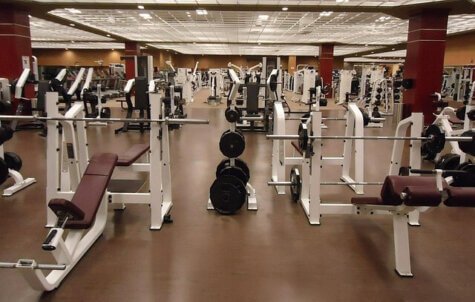
Let’s dig into some lesser-known but genuinely useful facts about gyms—things that often go unspoken, yet can make a big difference in how you approach your fitness, motivation, and even your long-term progress.
Your body doesn’t know what the gym is—only what work you put in.
People often assume that being in a gym automatically means they’re being productive. But truthfully, your body only responds to the stress you put on it. Whether you’re lifting in a fancy gym, a garage, or a park, results come from consistency, effort, and progressive overload. A beautiful facility means nothing if you’re not training with intention.
Most gym-goers are too focused on themselves to judge you.
There’s a lingering fear that everyone’s watching or judging, especially when you’re new. But the truth is, people are usually wrapped up in their own goals, their form, their playlist, or their reflection. That nervous energy you bring in—everyone’s felt it at some point. It fades fast when you realize the gym is a personal journey for most, not a performance.
Machines aren’t just for beginners—they can be incredibly smart tools.
There’s this idea that serious lifters only use free weights, and that machines are somehow “lesser.” But in reality, machines can help isolate muscles more precisely, reduce injury risk, and help you push to failure safely. Smart programming often blends both. It’s not a downgrade—it’s a strategy.
The gym is more mental than physical over time.
Getting started is physical—learning movements, building strength, creating a routine. But long-term success becomes a mental game: showing up when you’re tired, staying focused when motivation dips, and trusting the process when progress slows. Discipline quietly becomes the real superpower.
Rest days aren’t just “days off”—they’re when you actually grow.
Muscles don’t grow in the gym; they grow when you rest and recover. Overtraining can stall your progress or even reverse it. That guilt people sometimes feel about taking a day off? It’s misplaced. Proper recovery—sleep, food, rest—is as much a part of training as the workouts themselves.
Most people underestimate the role of nutrition, sleep, and stress.
You can train like a machine and still hit a wall if you’re not eating enough, sleeping well, or managing stress. A plateau might not be because your workout sucks—it might be because your system is under-recovered or underfed. Fitness is a full-picture effort.
Nobody tells you that progress isn’t linear.
You might gain strength for months, then stall. You might see definition, then feel bloated the next week. This is normal. Progress is not a straight line—it’s a collection of jagged upward steps. Don’t panic when you hit a dip; it’s usually temporary.
Your warm-up matters more than you think.
It’s easy to skip or rush it, but the warm-up does more than just “get you loose.” It activates key muscles, boosts blood flow, and primes your nervous system. A good warm-up can prevent injury and help you lift more. Think of it as setting the tone, not wasting time.
Everyone’s gym journey looks different—and that’s okay.
Comparing your progress to someone else’s is a trap. Genetics, training history, time availability, even hormone levels all play a role. Focus on your trend lines. Someone might build muscle faster, but you might build consistency better—and that will always win long-term.
Confidence grows after you start showing up—not before.
You won’t feel confident when you begin. You’ll second-guess your form, your outfit, your place. But the more you show up, the more that unease fades. Confidence is built through exposure and repetition, not before you take the first step. And the gym teaches that in a powerful way.
Not all gyms are created equal. There are real differences between large commercial gyms, smaller general-purpose gyms, and those hardcore, no-frills weightlifting gyms. Each one has a different vibe, different clientele, and different pros and cons.
HERE’S A BREAKDOWN OF WHAT YOU MIGHT NOT KNOW—BUT SHOULD—WHEN IT COMES TO THESE TYPES OF GYMS:
LARGE COMMERCIAL GYMS (THINK PLANET FITNESS, LA FITNESS, CRUNCH, ETC.)
These gyms rely heavily on people not showing up.
Commercial gyms often sell far more memberships than their facilities can actually support at one time. Their business model banks on the average member coming only occasionally. That’s why prices can stay low—it’s a volume game.
You’re paying for more than just the weights.
These places typically offer treadmills, pools, classes, tanning, childcare, and sometimes massage chairs. If you’re not using those things, you’re subsidizing them for others. For some, it’s worth it. For others, it’s a distraction or added cost.
There’s an intentional “non-intimidation” culture.
Some large gyms actually limit heavy lifting—no deadlifting platforms, no chalk, no grunting—because they want to appeal to the broadest crowd possible. That can frustrate serious lifters but make beginners feel more welcome.
Peak hours can feel like a shopping mall.
Expect long waits for machines from about 5pm–8pm on weekdays. These places often attract the post-work crowd, and during those hours it can feel more chaotic than productive.
SMALLER LOCAL GYMS WITH WEIGHTS (LIKE NEIGHBORHOOD GYMS OR INDEPENDENTLY OWNED FACILITIES)
These gyms often build real community.
Unlike the big chains, local gyms may feel more personal. The owner might know your name, and you’re more likely to see familiar faces. This can help with motivation and accountability.
Equipment varies wildly—some of it is really good.
Some local gyms invest in excellent strength equipment, often better than the cookie-cutter machines in chain gyms. Others might be outdated or worn. Always check what they have—you might find hidden gems like safety squat bars or specialty machines that large gyms don’t offer.
They often allow more lifting freedom.
Deadlifts? Chalk? Loud metal plates? Go for it. These gyms typically don’t have corporate rules against “intense” training methods, so lifters who want to push themselves can do so without being told to tone it down.
HARDCORE WEIGHTLIFTING OR POWERLIFTING GYMS (LIKE WESTSIDE BARBELL, METROFLEX, OR GRITTY GARAGE-STYLE GYMS)
These are not for the faint of heart—but they are welcoming.
The look can be intimidating—old-school equipment, heavy music, chalk dust in the air—but many of these places are surprisingly supportive. Everyone there is serious, and they respect effort, not just strength.
You’ll get stronger faster—if you’re ready for it.
These gyms are often filled with people who train hard, follow structured programs, and know what they’re doing. The environment alone can push you to train more seriously and with better technique. Just being in the room levels you up.
No frills, all function.
Don’t expect mirrors on every wall, towel service, or state-of-the-art climate control. These places focus on utility: racks, bars, platforms, dumbbells that go to 150 lbs., strongman gear, chains, bands, and sleds. They attract serious lifters who want performance over polish.
You’re more likely to get mentorship or guidance.
In these environments, veteran lifters are often willing to give advice or even help spot your lifts. There’s a kind of unspoken brotherhood or sisterhood among serious lifters. That culture is hard to find elsewhere.
There’s no one-size-fits-all gym.
If you’re looking for amenities and convenience, a big box gym may suit you. If you want community and flexibility, a local gym might be better. If you’re focused on strength and don’t mind a little grit and grind, a hardcore weightlifting gym could be the most rewarding environment you’ve ever trained in.
Gyms vary widely—not just in equipment and amenities, but in how they structure their pricing, contracts, and business practices. Knowing a few key facts ahead of time can help you avoid feeling ripped off and ensure you’re actually getting value for your money.
HERE ARE THE MOST IMPORTANT FACTS YOU SHOULD KNOW ABOUT ALL GYMS, NO MATTER WHAT TYPE, TO PROTECT YOURSELF AND MAKE A SMART CHOICE:
The cheapest option isn’t always the best deal.
Gyms like Planet Fitness advertise $10–$15/month memberships—but if they don’t have the equipment, classes, or freedom you need to reach your goals, you’ll just end up frustrated or not going at all. A $30–$50 gym that helps you actually show up and improve might be a better investment in the long run.
Most gym contracts auto-renew—and they’re designed to be forgotten.
Many gyms lock you into annual contracts or auto-renewing monthly memberships with confusing cancellation terms. Always read the fine print before signing. Ask:
Can I cancel online or only in person?
Is there a cancellation fee?
Do I have to give 30 days’ notice?
Is there a “maintenance fee” once a year?
If a gym avoids those questions or brushes them off—red flag.
Some gyms charge “annual maintenance” or “enhancement” fees.
This is often buried in the contract—usually $39 to $59 once a year—and it comes as a surprise months after joining. It’s supposedly for facility upgrades, but it’s often just extra revenue. Always ask when those fees occur.
Free trials and guest passes are your best defense.
Reputable gyms will give you a day pass, free week, or a trial class. Use it. Don’t just look at the machines—actually work out. You’ll get a real sense of the vibe, crowd, cleanliness, and how busy it gets at your usual time. If a gym won’t let you try it out, be cautious.
Crowded gyms limit your results.
You might be paying full price but only able to use half the equipment if the gym is slammed during your time slot. Visit the gym at the time you’d normally work out to see if it’s manageable. A cheaper gym that’s too packed to use is no bargain.
Cleanliness and maintenance matter—big time.
Take a walk through the locker room. Check the bathroom. Look for dust on the equipment or broken machines. A well-maintained gym shows they care about members’ safety and experience. A dirty gym, especially in the weight or cardio areas, is often a sign of deeper neglect.
Staff engagement can make or break the experience.
Are the staff friendly? Do they greet people? Are they watching for safety or form on the floor? This is especially important in smaller or independent gyms, where the culture is shaped by who’s behind the desk or coaching classes.
You’re not obligated to pay for personal training packages.
Many gyms push personal training hard after signup. While a good trainer can be worth every penny, you shouldn’t feel pressured. Some gyms even put members through high-pressure sales pitches. Be prepared to say, “Not right now,” or ask for just one session to try.
Some gyms intentionally make canceling difficult.
Gyms that require in-person cancellations, certified letters, or phone calls only during “business hours” are using friction to discourage quitting. If you think you’ll be moving or may need to cancel later, choose a gym with transparent, low-hassle cancellation policies.
You can negotiate—especially at local or independent gyms.
At big chains, rates are usually fixed. But smaller gyms may offer deals for students, couples, early sign-up, or long-term payment upfront. Ask politely:
“Do you have any specials, off-peak rates, or pay-in-advance discounts?”
Bonus Tip: Watch out for ‘lifetime rates’ that aren’t really for life.
Some gyms offer “locked-in for life” pricing but reserve the right to raise rates after a year or two. Ask:
“Is this truly locked in, or can it increase with notice?”
Make them show you in writing.
A good gym should feel like an investment, not an expense. You should feel like you’re getting tools, space, and motivation to become better. If you’re dreading going, wasting time waiting for equipment, or feeling nickel-and-dimed with hidden fees—you’re not in the right gym.
HERE ARE SOME LESSER-KNOWN, OVERLOOKED, AND SOMETIMES SURPRISING FACTS ABOUT GYMS THAT WE HAVEN’T COVERED YET—BUT THAT CAN MAKE A BIG DIFFERENCE IN HOW YOU VIEW YOUR EXPERIENCE, PROTECT YOUR HEALTH, AND MAKE BETTER PROGRESS:
Some people go to gyms just to socialize—and that’s okay (unless it gets in your way).
You’ll find “talkers” at every gym—the folks who use the gym as a social outlet more than a training space. In some environments, this builds community. In others, it creates crowding or distraction. If your goal is progress, be polite, but protect your time and focus. Headphones are a great signal to minimize chat.
Music and lighting affect your performance more than you think.
Louder, beat-driven music and brighter lighting have been shown to increase perceived energy and push performance. That’s why many group fitness classes pump up music and dim the lights for an immersive feel. If your gym is quiet or poorly lit, you might not realize it’s subtly holding you back.
The mirror is a training tool—not just for selfies.
Mirrors are there for more than vanity—they help with form feedback. Don’t feel embarrassed about watching yourself during a lift. It’s one of the best ways to self-correct, especially for exercises like squats, deadlifts, and presses.
Gym etiquette isn’t written—but everyone is expected to know it.
Things like:
Wipe down equipment after use
Don’t sit on machines scrolling your phone
Re-rack your weights
Don’t block the dumbbell rack
These unwritten rules make or break the environment. Break them, and even a friendly gym can feel cold toward you.
Not all “trainers” are equally qualified.
Just because someone wears a trainer badge doesn’t mean they know how to train you. Certifications vary in quality, and some trainers barely have experience with real clients. If you’re hiring one, ask:
What’s your background?
Have you worked with someone with my goals?
What will our sessions look like?
Don’t be afraid to switch if the fit isn’t right.
Cardio equipment calorie counters are mostly inaccurate.
Those numbers are rough estimates at best—often overestimated to make you feel like you burned more. A treadmill saying you burned 500 calories doesn’t mean you earned a big cheat meal. It’s better to track progress based on heart rate, duration, or perceived exertion.
Most people skip the most important part: the cooldown.
People bolt right after their last set or run. But stretching, mobility work, or a short cooldown helps reduce soreness, prevent stiffness, and transition your nervous system out of “fight or flight.” It’s the final piece of a solid workout that often gets ignored.
Your gym’s atmosphere can affect how long you stick with fitness.
If your gym feels clean, welcoming, and motivating, you’re more likely to go consistently. If it feels sterile, judgmental, or chaotic, your odds of quitting rise—no matter how affordable or convenient it is.
Gym fatigue isn’t always physical—it can be psychological.
Burnout from the gym can come from overtraining, yes, but also from:
Repeating the same routine too long
Feeling like you don’t belong
Not seeing visible progress
Rotating your program or even your gym environment can re-ignite motivation.
Some gyms have “off-the-menu” perks.
Ask staff or long-time members about things not advertised—like:
Private rooms or studio space you can use
Access to showers or lockers without full membership
Discounts on local services (massage, nutrition coaching, supplements)
Small talk with staff can reveal hidden value.
Most gyms don’t clean free weights or mats—unless you do it.
Unlike cardio machines, which staff may clean regularly, free weights, resistance bands, and mats are usually left to members. Always wipe them down before and after use. Gyms often don’t sanitize these surfaces unless they’re in a class setting.
Progress doesn’t require “beast mode” every session.
A lot of people believe if they’re not sore or wiped out after a workout, they didn’t do enough. Not true. Sustainable progress often comes from moderate, consistent effort with smart intensity—not from blowing yourself up every time.
Whether you’re stepping into a gym for the first time or reevaluating your current membership, understanding the deeper layers of how gyms operate—and what to watch out for—can make a real difference. From hidden fees and crowd patterns to gym culture and equipment access, the more you know, the more confident you’ll feel about your choices.
The gym is meant to be a place where you grow—not just physically, but mentally and even socially. But that only happens when the space you train in truly supports your goals.
Not all gyms are the same, and what works for one person might not work for another. That’s why being informed—about contracts, etiquette, equipment, and even gym psychology—puts you in a better position to get value out of every dollar and every drop of sweat.
It’s not just about finding the cheapest or flashiest facility; it’s about finding the right fit for your lifestyle, personality, and goals.
Above all, remember that you set the tone. Whether it’s a big-box gym with rows of machines or a gritty weightlifting space with chalk-stained floors, the key is to show up, train smart, and take ownership of your progress.
When you understand how the gym works—on the business side and the human side—you stop being just a customer and start being someone who knows how to make the most of every rep, every visit, and every decision.
TO EXPLORE MORE ABOUT GYMS, GYM CULTURE, CONTRACTS, EQUIPMENT, AND GETTING THE MOST OUT OF YOUR MEMBERSHIP, HERE ARE SEVERAL RELIABLE SOURCES YOU CAN CHECK OUT—GROUPED BY TOPIC FOR EASIER REFERENCE:
1. Gym Contracts, Fees, and Consumer Rights
- Better Business Bureau (BBB) – bbb.org
Search for gym names to read customer reviews and complaints about contracts and billing practices. - Federal Trade Commission (FTC) – consumer.ftc.gov
Look for guidance on gym membership contracts, cancellation rules, and how to file complaints if you’re being charged unfairly. - NerdWallet or Money Crashers – Financial blogs that offer gym comparison articles and tips for negotiating or avoiding hidden fees.
2. Gym Reviews and Comparisons
- Google Maps and Yelp – Search your local area and read member reviews of gyms. Pay attention to notes about cleanliness, crowds, and cancellation.
- Reddit communities like:
- r/Fitness
- r/GymMemes
- r/HomeGym
These offer candid opinions and stories from real people about gym culture, contracts, and different types of gyms.
3. Fitness and Lifting Knowledge
- T-Nation – t-nation.com
A gritty, no-nonsense site with tons of info on serious weightlifting, gym psychology, etiquette, and progress strategies. - Bodybuilding.com – bodybuilding.com
Has beginner-friendly gym guides, training programs, and gym etiquette tips. - Men’s Health / Women’s Health – Provide articles about training routines, gym tips, and fitness motivation that often include behind-the-scenes facts about the gym industry.
4. Gym Business Practices (If You’re Curious About the Industry Side)
- IHRSA (International Health, Racquet & Sportsclub Association) – ihrsa.org
Offers data and trends on the fitness industry, including how gyms operate and member behavior. - Club Industry – clubindustry.com
Focuses on gym business models, membership stats, and what’s happening behind the scenes in the commercial gym world.
5. YouTube Channels
These creators talk honestly about gyms, what to watch out for, and how to train effectively:
- Jeff Nippard – Smart, evidence-based training advice and gym walkthroughs.
- Alan Thrall – Focuses on strength gyms, lifting etiquette, and training environment.
- Athlean-X – Offers both home and gym training strategies with a professional, anatomical approach.