





Petrified Forest National Park captures people’s imagination because it feels like stepping into deep time—into a landscape shaped over hundreds of millions of years.
Visitors aren’t just looking at rocks and desert scenery; they’re walking among ancient trees that have literally turned to stone, preserved in extraordinary detail by geological processes that feel almost miraculous.
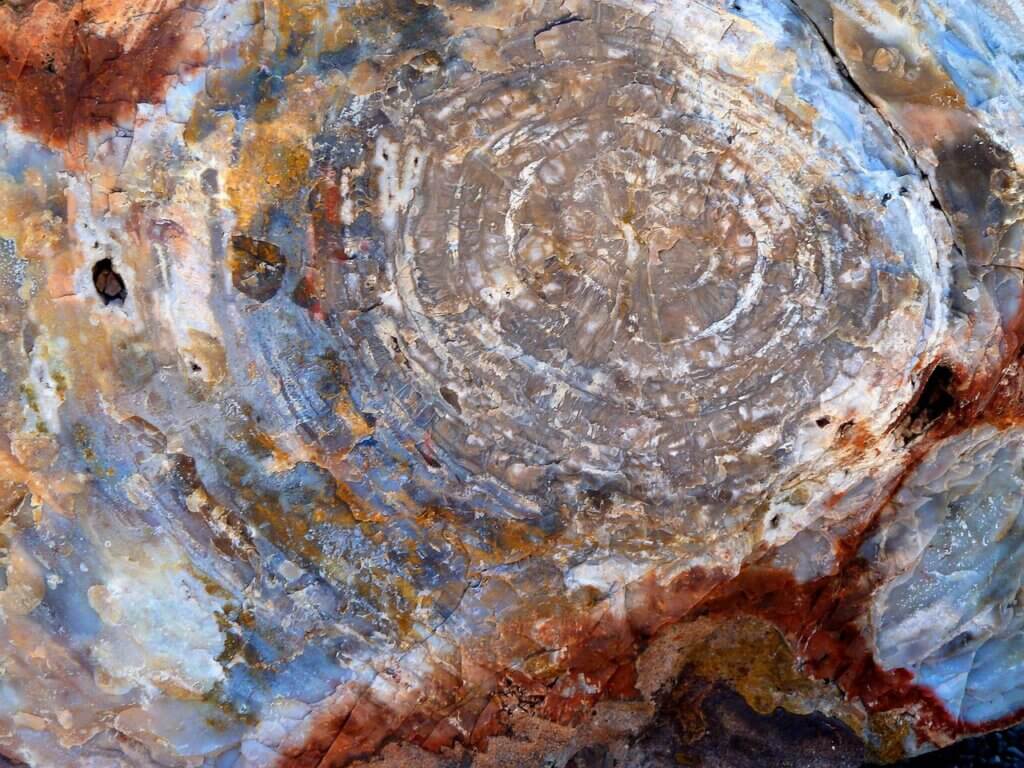
One of the biggest reasons people love this park is its sense of wonder and rarity. The petrified logs were once living trees that fell, were buried by sediment, and gradually had their organic material replaced by minerals like silica.
Over time, the wood became fossilized, often retaining the original tree rings, bark textures, and vivid mineral colors. Seeing entire tree trunks transformed into stone feels like witnessing a natural time capsule from the age of dinosaurs.
The park also offers striking, otherworldly scenery. The Painted Desert, with its layered bands of red, orange, purple, and gray, looks like a giant natural mural. Places like Blue Mesa, Crystal Forest, and Giant Logs Trail showcase colorful badlands, sparkling fossilized wood, and sweeping desert views.
Many visitors describe the landscape as peaceful, surreal, and inspiring—especially at sunrise or sunset, when the colors intensify.
People also love the park because it blends natural history with human history. Alongside fossils, you’ll find ancient petroglyphs and archaeological sites left by Indigenous cultures who lived in the region for thousands of years. This adds a cultural and spiritual depth to the visit, reminding people that the land holds both geological and human stories.
Another appealing aspect is accessibility and solitude. The park has scenic drives, short interpretive trails, longer hikes, and viewpoints that make it enjoyable for casual visitors and more adventurous explorers alike. Compared to some crowded national parks, it often feels quieter and more contemplative, which many people appreciate.
There’s also an emotional and philosophical pull. Standing among petrified trees tends to spark reflection about time, mortality, nature, and the smallness of our own lives compared to Earth’s history. For many, the experience feels humbling, grounding, and even spiritually moving.


WHERE IT IS LOCATED:
Petrified Forest National Park is located in northeastern Arizona, United States. It sits along Interstate 40, roughly between the cities of Holbrook and Winslow, about 200 miles northeast of Phoenix. The park lies on the Colorado Plateau, a region known for dramatic geology that also includes places like the Grand Canyon and Canyonlands.
PARKING AND AMENITIES AT PETRIFIED FOREST NATIONAL PARK
PARKING AVAILABILITY
Parking is generally free once you’ve paid the park entrance fee and is available at:


Painted Desert Visitor Center
Painted Desert Inn (North Visitor Area)
Rainbow Forest Museum (South Visitor Area)
Scenic overlooks and trailheads throughout the park
Lots are paved, reasonably sized, and designed to handle standard vehicles, RVs, and tour buses. Parking is typically not difficult to find because visitor flow is spread across multiple stops along the scenic drive .
VISITOR CENTERS AND CORE AMENITIES


The park has two primary visitor areas, each offering key services:
Painted Desert Visitor Center / Community Complex (North Entrance)
Amenities include:
Public restrooms
Restaurant and café
Gift shop and bookstore
Gas station (rare for a national park)
Picnic pavilion
Short walking trail
Dog park
Postal drop box
Visitor information desk
EV charging stations
Painted Desert Inn (Historic Landmark)
Offers:
Visitor information
Museum and gallery space
Ice cream counter and snacks
Gift shop
Public restrooms
Scenic overlook access
Rainbow Forest Museum (South Entrance)
Amenities include:
Restrooms
Paleontology exhibits and fossil displays
Bookstore and gift shop
Limited snacks
Picnic pavilion
Park orientation and backcountry permits
Access to major trails (Giant Logs, Long Logs, Agate House)
Food, Fuel, and Shopping
Restaurant & diner at Painted Desert Visitor Center
Convenience store for snacks
Limited snacks at Rainbow Forest gift shop
Gas station located inside the park
Restrooms
Bathrooms are available at:
Painted Desert Visitor Center
Painted Desert Inn
Rainbow Forest Visitor Center
Puerco Pueblo area
Accessibility Amenities
Wheelchair-accessible visitor centers
Accessible restrooms
Paved scenic overlooks
Accessible Giant Logs Trail
Service animals permitted
Camping and Lodging
No camping or overnight lodging inside the park
Only backcountry backpacking is allowed with a free permit
Hotels and lodging are available in nearby towns such as Holbrook and Winslow
Helpful Notes
The park operates 8:00 AM to 5:00 PM most of the year
EV charging is limited to Painted Desert Visitor Center
Drone use is prohibited
Wi-Fi is available near Painted Desert Visitor Center but limited elsewhere
THE BEST TIMES OF YEAR TO VISIT PETRIFIED FOREST NATIONAL PARK
SPRING (MARCH TO MAY) — ONE OF THE BEST OVERALL
Spring is often considered the ideal time to visit.
Temperatures are mild, usually ranging from the 60s to 80s Fahrenheit
Wildflowers sometimes bloom after winter moisture
Hiking conditions are comfortable
Crowds are moderate compared to summer
This season offers a balance of pleasant weather, scenic color, and manageable visitor numbers.
FALL (SEPTEMBER TO NOVEMBER) — ANOTHER TOP CHOICE
Fall is equally excellent, with cooler temperatures and fewer visitors than summer.
Days are warm but not oppressive
Evenings can be crisp and refreshing
The desert colors appear richer in the softer autumn light
Trails and scenic overlooks are less crowded
Many travelers prefer fall because it feels calmer and more contemplative.
WINTER (DECEMBER TO FEBRUARY) — QUIET AND UNDERRATED
Winter can be surprisingly appealing if you don’t mind cooler weather.
Temperatures are often in the 40s to 60s during the day
The park is quieter, offering a peaceful experience
Occasional snow can create rare, beautiful contrasts against the colorful badlands
However, wind can feel chilly, and some services may be limited during slower months.
SUMMER (JUNE TO AUGUST) — HOT BUT STILL POPULAR
Summer is the most challenging season due to heat.
Daytime highs often reach the 90s or higher
Sun exposure is intense, and shade is limited
Thunderstorms and lightning can occur during monsoon season
That said, summer still attracts visitors because of school vacations, longer daylight hours, and dramatic cloud formations. If visiting in summer, early morning or late afternoon is much more comfortable.
BEST TIME OF DAY (REGARDLESS OF SEASON)
Many seasoned visitors recommend:
Early morning for cooler temperatures and softer lighting
Late afternoon or near sunset for rich colors and fewer crowds
Midday can feel harsh due to strong sun and heat reflection off the terrain
IF YOU WANT THE BEST OVERALL EXPERIENCE
Top picks: Spring and Fall
Fewest crowds: Winter
Best photography: Spring, Fall, and stormy summer afternoons
Best for hiking comfort: Spring and Fall
GENERAL RULES AND REGULATIONS
Protecting fossils and artifacts
Removing petrified wood, rocks, fossils, plants, or cultural artifacts is strictly prohibited. Even moving objects within the park is not allowed. Fines for damaging or taking petrified wood start at $325 or more, and violations can lead to larger penalties .
Stay on roads and trails
Visitors must:
Stay on designated trails
Respect barriers and closed areas
Avoid stepping on fragile desert soil and plants
Never climb on ancient walls, ruins, or petrified logs
These resources are extremely fragile and easily damaged.
Driving and parking rules
Vehicles must stay on paved park roads only
Park only in designated areas
Obey posted speed limits
Do not stop in the middle of the roadway
Engine idling is limited (generally 2 minutes, longer only in bad weather) .
Wildlife protection
Do not feed or approach wildlife
Keep distance from animals
Never handle injured or dead animals
Keep pets away from wildlife to prevent stress or attacks .
Fire and camping rules
No camping or overnight stays inside the park
Ground fires are prohibited
Portable stoves or grills are allowed only in designated picnic areas
Backcountry hiking requires a permit .
Park hours
The park is open for day use only. Entry outside operating hours requires a special permit .
PET FRIENDLINESS AND PET RULES
Petrified Forest National Park is considered one of the more pet-friendly national parks, but pets must follow strict guidelines.
Where pets ARE allowed
Pets may go:
On all paved roads and paved trails
In designated wilderness areas
In parking areas and picnic areas
Where pets are NOT allowed
Pets are not allowed inside park buildings, including visitor centers (service animals are the exception).
Leash requirement
Pets must be on a leash 6 feet or shorter at all times
Pets must remain under physical control
Pets cannot be allowed to roam freely .
Unattended pets
Pets cannot be left tied up or unattended for more than 5 minutes
Leaving pets in vehicles is strongly discouraged due to dangerous heat risk .
Waste cleanup
Owners must:
Pick up all pet waste
Dispose of it in trash receptacles
Use available pet waste stations.
BARK RANGER PROGRAM (PET-FRIENDLY FEATURE)
The park offers a BARK Ranger program, which encourages responsible pet ownership.
Pets can earn a fun Bark Ranger badge by following park pet rules:
Bag waste
Always leash
Respect wildlife
Know allowed areas
There is also a fenced dog park near the Painted Desert Visitor Center, which is unusual for a national park and a nice convenience for pet owners .
SERVICE ANIMALS
Service animals are allowed wherever visitors are permitted under ADA rules.
They must remain under control and may only be excluded if they are disruptive or not house-trained. Emotional support animals do not count as service animals under ADA guidelines .
Petrified Forest National Park balances strong preservation rules with above-average pet access compared to most U.S. national parks. Visitors can bring pets on many trails and roads, but must strictly follow leash laws, waste cleanup rules, and wildlife protection guidelines. The park places a heavy emphasis on conservation because its fossil resources are irreplaceable.
TOP THINGS PEOPLE LOVE TO DO AT PETRIFIED FOREST NATIONAL PARK
Exploring Petrified Wood and Fossil Sites
The most iconic activity is seeing ancient petrified trees turned to stone. Visitors walk among massive fossilized logs that are over 200 million years old, often displaying brilliant mineral colors. Popular areas include Giant Logs, Crystal Forest, and Long Logs, where you can see some of the largest and most colorful specimens in the world.
Driving the Scenic Park Road
Many people enjoy the 28-mile scenic drive that runs through the entire park. Along the route are numerous pullouts, overlooks, and interpretive signs. It’s an easy way to experience a wide variety of landscapes without needing to hike long distances.
Hiking and Walking Trails
The park offers trails for all levels, from short walks to longer backcountry routes.
Popular hikes include:
Giant Logs Trail
Blue Mesa Trail
Painted Desert Rim Trail
Long Logs Trail
Backcountry hiking for solitude and exploration
Hiking here feels quiet, expansive, and immersive, with wide open desert views.
Viewing the Painted Desert
Many visitors come specifically to see the Painted Desert, famous for its layered red, pink, purple, and gray hills. The overlooks provide sweeping panoramic views, and sunrise or sunset often turns the landscape into a glowing canvas of color.
Photography and Sightseeing
Photography is one of the most popular activities.
People photograph:
Petrified wood
Colorful badlands
Desert landscapes
Wildlife
Dramatic skies and sunsets
The lighting changes throughout the day, giving photographers endless creative opportunities.
Visiting Historic and Cultural Sites
Visitors explore ancient petroglyphs, Pueblo ruins, and archaeological sites that reveal thousands of years of Indigenous history. Puerco Pueblo is one of the most visited cultural stops, offering insight into past civilizations of the region.
Learning at Visitor Centers and Museums
People enjoy the visitor centers and museums, which feature:
Fossil exhibits
Geological displays
Paleontology history
Cultural and Native American history
Ranger talks and educational programs
These help visitors understand better how petrified wood formed and why the region is so historically significant.
Enjoying Quiet, Solitude, and Reflection
Unlike many crowded national parks, this park is known for its peaceful and less busy atmosphere. People come to enjoy:
Silence and wide open space
Meditation and contemplation
Nature immersion
A slower, calmer pace
Many describe it as one of the most spiritually and emotionally grounding national parks.
Watching Wildlife
Wildlife spotting is another favorite activity. Visitors may see:
Prairie dogs
Ravens
Hawks and eagles
Lizards and desert birds
Coyotes
The park’s open terrain makes wildlife viewing easier than in dense forest parks.
Visiting with Pets
The park is one of the more pet-friendly national parks, allowing pets on many paved trails and roads. Some visitors enjoy exploring with their dogs and even participating in the Bark Ranger program.
Stargazing and Sky Watching
Because of low light pollution, some visitors stop to enjoy night skies outside park hours nearby. The desert setting offers great views of stars, constellations, and meteor showers.
Why People Love These Activities
What makes these experiences special is the sense of deep time, quiet wonder, science, beauty, and reflection. People feel like they are walking through Earth’s ancient history rather than just sightseeing.
Petrified Forest National Park does host events and special programs, but large festivals and concerts are uncommon due to conservation rules and the park’s protected status. Most events are educational, nature-focused, or astronomy-related rather than commercial or high-traffic entertainment.
Here are the main types of events you may encounter:
Ranger-Led Programs (Most Common)
The park consistently offers:
Guided fossil walks
Geology and paleontology talks
Cultural history programs
Junior Ranger activities
These are typically seasonal and included with park admission.
Star Parties & Night Sky Events
Because the park has exceptionally dark skies, it occasionally hosts:
Night sky viewing events
Astronomy ranger talks
Telescope-assisted stargazing
(Some years include special night-sky celebrations similar to other Southwest parks.)
Special Commemorative & Educational Events
From time to time, the park may hold:
Anniversary events
Indigenous culture programs
Earth Science or fossil-themed events
These tend to be small, interpretive, and conservation-oriented.
COMPETITIONS & LARGE FESTIVALS IS A NOT REALLY AT PETRIFIED FOREST NATIONAL PARK
No large music festivals or concerts (sound and crowd limits protect the landscape)
No major athletic competitions like marathons inside the park
Some small art, photography, or youth educational contests may happen periodically
How to Check Current Events
Events vary year-to-year, so the best place to verify current programming is the official National Park Service events calendar or ranger station updates.
RISKS, DANGERS, AND SAFETY PRECAUTIONS
Heat, Sun Exposure, and Dehydration
Risk:
Summer temperatures can exceed 90–100°F, with intense sun and little shade. Dehydration and heat exhaustion are among the most common visitor dangers.
Precautions:
Bring more water than you think you need
Wear sunscreen, sunglasses, and a wide-brim hat
Avoid hiking during peak midday heat
Take frequent breaks in shaded or air-conditioned areas
Watch for dizziness, fatigue, or nausea
Cold, Wind, and Sudden Weather Changes
Risk:
Despite being a desert, winter can bring cold temperatures, strong winds, snow, or icy roads.
Precautions:
Dress in layers
Check weather forecasts before visiting
Be prepared for sudden temperature drops
Drive carefully if conditions are icy
Slips, Falls, and Uneven Terrain
Risk:
Rocky trails, loose gravel, cliffs, and uneven ground increase fall risk.
Precautions:
Wear sturdy walking or hiking shoes
Stay on designated trails
Avoid climbing on rocks, petrified logs, or ruins
Keep a safe distance from cliff edges
Wildlife Encounters
Risk:
Wildlife may include coyotes, snakes, lizards, birds of prey, and rodents. Most animals avoid people, but bites or defensive behavior are possible if approached.
Precautions:
Never feed wildlife
Keep distance from animals
Watch where you step or place your hands
Keep pets leashed and away from wildlife
Remote Location and Limited Cell Service
Risk:
Some areas have limited or no cell phone reception, and emergency help may take time.
Precautions:
Tell someone your plans before hiking
Do not hike far alone if inexperienced
Carry a map and know your route
Bring basic first-aid supplies
Traffic and Road Safety
Risk:
Visitors frequently stop along scenic roads, increasing the chance of accidents.
Precautions:
Follow speed limits
Park only in designated pullouts
Watch for pedestrians and cyclists
Never stop in the roadway
Protecting Yourself from Cultural and Natural Hazards
Risk:
Climbing on ancient ruins or petrified logs can cause injuries and permanently damage irreplaceable resources.
Precautions:
Never climb on ruins or fossilized wood
Observe artifacts without touching or moving them
Follow posted park regulations
Flash Floods and Storms (Seasonal)
Risk:
Monsoon storms can cause flash flooding, lightning, and slick trails.
Precautions:
Avoid washes or low-lying areas during storms
Seek shelter if lightning is nearby
Do not attempt to cross flooded areas
Pet Safety Risks
Risk:
Pets can suffer from heat, sharp terrain, wildlife encounters, and dehydration.
Precautions:
Keep pets leashed
Bring extra water for pets
Avoid hot pavement
Never leave pets unattended in vehicles
Theft, Fines, and Legal Risks
Risk:
Taking petrified wood or artifacts is illegal and can lead to large fines and criminal charges.
Precautions:
Leave everything as you find it
Follow all park rules
Remember that collecting even small pieces is prohibited
The Most Important Safety Mindset
The greatest danger in this park is underestimating the desert environment. It looks calm and gentle, but heat, distance, terrain, and weather can become serious if visitors are unprepared.
Those who come prepared tend to have a safe, peaceful, and memorable experience.
GOOD, BAD, AND UGLY OF VISITING PETRIFIED FOREST NATIONAL PARK
THE GOOD
Unique Geological Wonders
The park is home to some of the largest and most colorful petrified logs in the world, preserved in stunning detail.
Seeing ancient trees turned to stone, sometimes with rings and bark patterns intact, is a once-in-a-lifetime experience.
Stunning Landscapes
The Painted Desert, Blue Mesa, and badlands provide dramatic vistas with layers of reds, purples, oranges, and grays.
Sunrises and sunsets create vibrant lighting that makes the scenery feel almost otherworldly.
Peaceful and Less Crowded
Compared to Grand Canyon or Yellowstone, the park is often quiet and reflective, offering space to enjoy solitude.
Cultural and Historical Value
Petroglyphs, pueblo ruins, and archaeological sites provide insight into Indigenous history and early human life in the region.
Educational Opportunities
Museums, visitor centers, and ranger programs offer fascinating information about geology, paleontology, and culture.
Pet-Friendly
The park is more accessible for pets than many national parks, with leashed dogs allowed on several trails and roads.
THE BAD
Harsh Desert Environment
High summer temperatures, strong sun, and low humidity can be challenging.
Cold winter winds or occasional snow make outdoor exploration uncomfortable if unprepared.
Limited Amenities
While there are visitor centers, restrooms, and a small restaurant, lodging and camping inside the park are not available.
Gas stations and food options are limited; nearby towns like Holbrook or Winslow are essential for supplies.
Remote Location
Cell service is unreliable in some areas.
Emergency help may take longer to reach remote trails.
Accessibility Limitations
Some trails and scenic spots are not wheelchair accessible or require hiking over uneven terrain.
Seasonal Crowds
Spring and fall are ideal for weather, but these months can still bring moderate crowds at popular spots.
THE UGLY
Visitors Taking Petrified Wood
Some tourists illegally take pieces of petrified wood, which can damage the environment and is subject to fines or prosecution.
Even small acts of removal reduce the park’s scientific and educational value.
Litter or Lack of Respect
Rare instances of visitors leaving trash, graffiti, or climbing on ruins occur, which spoils the natural and historical beauty.
Heat-Related Emergencies
People underestimate the desert, sometimes suffering dehydration, heat exhaustion, or fainting while hiking without water or proper preparation.
Wildlife Risks
Coyotes, snakes, and insects are present. While encounters are uncommon, pets or unprepared visitors could be in danger if safety rules aren’t followed.
SUMMING IT UP
Good: Incredible scenery, petrified wood, cultural sites, solitude, education, pet-friendliness.
Bad: Desert heat/cold, limited amenities, remote location, accessibility limits, seasonal crowding.
Ugly: Illegal collecting, disrespectful visitors, heat dangers, minor wildlife risks.
Overall, the park’s good far outweighs the bad and ugly, especially if visitors come prepared, respect the rules, and plan carefully. It offers a unique combination of geological wonder, history, and reflective desert beauty.
While Petrified Forest National Park is primarily known for its geological and cultural significance, it has inspired myths, legends, mysteries, and even some conspiracy theories over the years.
Most of these are rooted in its ancient fossils, striking landscapes, and Indigenous history, but some are modern interpretations.
MYTHS AND INDIGENOUS LEGENDS
The Spirit of the Forest
Local Indigenous tribes, including the Hopi and Navajo, sometimes tell stories that the petrified trees are “frozen spirits” of the forest, or that the logs carry the energy and wisdom of the ancient earth.
Such legends often emphasize respect for the land and caution against taking pieces of petrified wood, which is mirrored in the park’s modern rules.
The Painted Desert Spirits
The colorful badlands have inspired tales of spirits or guardian beings inhabiting the hills.
Some stories speak of wandering spirits that guide travelers or warn against disrespecting sacred areas.
Ancient Civilization Connections
Archaeological sites like Puerco Pueblo spark legends about the people who once lived here and the secrets they left behind.
Some local lore imagines hidden knowledge or treasures buried under the desert sands, though there is no archaeological evidence for this.
MYSTERIES
Petrification Process Fascination
Even though scientists understand the fossilization of trees, many visitors find it mysterious how entire logs retained their wood structure and vibrant colors over 200 million years.
The combination of silica-rich waters and mineral replacement creates a natural “miracle” that often sparks curiosity and awe.
Fossilized Creatures
Rarely, fossilized leaves, insects, or even reptilian traces are found in the park.
These discoveries sometimes spark speculative stories about prehistoric life and extinction events that visitors find thrilling.
CONSPIRACIES AND MODERN SPECULATION
Ancient Alien Theories
Some fringe theories suggest that the colorful petrified logs or unusual rock formations are evidence of extraterrestrial activity or ancient alien visits.
These ideas are popular online but have no scientific basis.
Hidden Treasures or Lost Civilizations
A few conspiracy-minded explorers speculate that artifacts or gold are hidden in remote areas of the park.
In reality, the park has strict archaeological protections, and such claims are mostly speculative fiction.
Spiritual Energy or Vortexes
Some people claim the park contains energy vortexes or spiritual power centers, citing the quiet solitude and sense of “timelessness” in the desert.
These beliefs are subjective and personal rather than scientifically verified.
WHY THESE MYTHS AND MYSTERIES PERSIST
The park’s ancient and untouched nature inspires imagination.
The petrified trees and vast, colorful desert feel otherworldly, especially when standing among million-year-old stone logs.
Indigenous stories passed through generations contribute to a sense of reverence and spiritual wonder.
Remote, quiet landscapes encourage speculation and storytelling.
Visiting Petrified Forest National Park is an experience that lingers long after you leave. It’s a place where the Earth’s deep history becomes tangible—where trees that once grew alongside dinosaurs now lie frozen in stone, and where the layered colors of the Painted Desert stretch endlessly across the horizon.
There’s a sense of awe in seeing something so ancient, so carefully preserved, that it feels almost sacred. The park reminds visitors of the sheer scale of time, the power of natural forces, and the delicate balance that has preserved these wonders for millions of years.
Beyond its natural beauty, the park carries human stories as well. Ancient petroglyphs and pueblo ruins whisper of people who lived, worked, and thrived here long before modern roads and highways, inviting reflection on our connection to history and culture.
For many, the combination of geology, archaeology, and solitude creates a rare chance to step outside the pace of modern life and simply be present. It’s a place that encourages curiosity, introspection, and respect for both the environment and the past.
Even with the heat, wind, or the occasional difficult hike, visitors leave with a profound sense of reward. Whether you come to marvel at petrified logs, photograph the desert’s vivid colors, explore trails, or simply sit and watch the vastness unfold, the park offers experiences that are as unique as the stones themselves.
In the quiet, you can almost feel the stories of the land—the forests that once were, the civilizations that walked here, and the enduring beauty that continues to inspire wonder today. Petrified Forest National Park is more than a destination; it’s a journey through time, a lesson in preservation, and a reminder of the extraordinary natural world that surrounds us.
HERE ARE SOME RELIABLE SOURCES AND WAYS TO FIND MORE INFORMATION ABOUT PETRIFIED FOREST NATIONAL PARK, COVERING EVERYTHING WE’VE DISCUSSED—FROM HISTORY, GEOLOGY, AND WILDLIFE TO HIKING, PET RULES, AND CULTURAL SITES:
1. Official National Park Service Website
- Petrified Forest National Park – NPS: https://www.nps.gov/pefo/index.htm
- This is the most authoritative source for:
- Park rules and regulations
- Hours, fees, and accessibility
- Visitor centers and amenities
- Trail maps and scenic drives
- Special programs, events, and ranger talks
- Pet policies and Bark Ranger program
- The site is updated regularly with seasonal alerts and closures.
2. Park Publications and Guides
- Official park brochures and maps available at visitor centers.
- National Geographic or Moon Guides often have detailed chapters on Petrified Forest, including geology, wildlife, and travel tips.
3. Books and Field Guides
- Petrified Forest National Park: A Photographic Guide – great for visuals and history.
- The Painted Desert: Geology and History of the Petrified Forest Region – explains geology and paleontology in depth.
- Local library or bookstore sections on Arizona or Southwest National Parks.
4. Educational and Scientific Sources
- US Geological Survey (USGS): Offers scientific papers on petrified wood formation and the Painted Desert.
- Smithsonian or university paleontology departments often publish articles about the park’s fossils.
5. Travel and Adventure Websites
- AllTrails or Hiking Project for trail reviews, difficulty levels, and photos.
- TripAdvisor or Atlas Obscura for visitor experiences, tips, and lesser-known spots.
- Blogs from travel writers who specialize in national parks or desert adventures.
6. Indigenous and Cultural Resources
- Hopi, Navajo, and other tribal websites for cultural perspectives and legends related to the region.
- Museum exhibits featuring Native American history of the Petrified Forest region.
7. Online Communities
- Reddit subforums like r/NationalParks or r/Geology for discussion, tips, and photos.
- National Park Facebook pages for up-to-date events and visitor stories.