





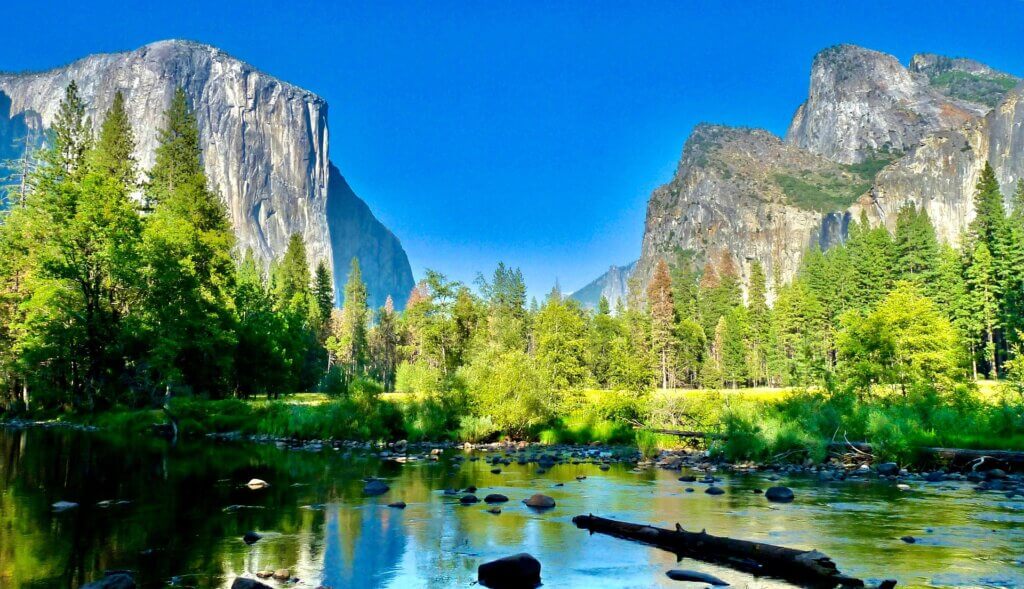
Hiking in national parks is one of those experiences that can quietly change how people see the world, but many of the most important realities about it are rarely talked about openly.
Most conversations focus on scenery, adventure, fitness, or bucket-list destinations. Those are real parts of it, but there is a deeper side to hiking in national parks that many people only understand after spending serious time outdoors.
One thing people rarely mention is that hiking in national parks often reveals how disconnected modern life can make people from the natural world. Many people spend most of their lives indoors, under artificial light, surrounded by constant stimulation, noise, schedules, and screens.
Then they enter a wilderness area where there is no music, no advertisements, no notifications, and sometimes no cell service. At first, that silence can feel strange. Some people even feel restless or uncomfortable.
But after several hours or days, many hikers notice their mind slowing down in a way that rarely happens in ordinary life.
National parks also expose how much humans try to control their environment in daily life. In cities and suburbs, people are used to climate control, immediate convenience, predictable lighting, nearby bathrooms, smooth pavement, and instant help. In wilderness areas, nature decides the conditions.
Trails wash out. Storms appear suddenly. Temperatures change quickly. Water sources dry up. Darkness comes fast. Wildlife moves wherever it wants. Hiking teaches people that nature is not designed around human comfort.
Another thing nobody talks about enough is how mentally challenging hiking can be. Many beginners expect only physical difficulty, but long hikes often become psychological tests. Fatigue changes mood. Heat creates irritability.
Fear can appear unexpectedly during storms, narrow trails, or isolated stretches of wilderness. Some people discover they are more uncomfortable with solitude than they realized. Others discover they desperately needed solitude.
There is also a hidden emotional effect that wilderness has on people. Huge mountains, deserts, forests, or canyons can create a feeling of awe that is difficult to explain. Some people describe it spiritually. Others simply feel humbled. Standing in a vast landscape that existed long before modern civilization and will likely outlast it can make everyday stress suddenly feel smaller.
People also underestimate how much hiking exposes the reality of physical conditioning. Many assume walking is walking, but hiking uses the body differently than normal daily movement. Uneven terrain activates stabilizer muscles. Elevation gain stresses the lungs and heart. Descending pounds the knees and feet.
Carrying weight changes posture and endurance. Someone who looks physically fit in everyday life can struggle badly on difficult trails if they lack hiking-specific conditioning.
A major thing people do not discuss openly is how often hikers quietly suffer during trips. Social media shows smiling summit photos, but not the blisters, exhaustion, dehydration, sunburn, altitude sickness, sore knees, soaked gear, bug bites, or moments where people question why they even came.
Many experienced hikers know that difficult moments are actually part of the experience. Struggle often makes the reward feel meaningful.
Another hidden truth is that national parks can be genuinely dangerous when people underestimate them. Tourists sometimes assume parks are heavily controlled recreational areas where danger is minimal. In reality, many parks contain serious risks.
People die every year from falls, heatstroke, dehydration, drowning, lightning, wildlife encounters, exposure, or becoming lost. Often the problem is not extreme conditions but simple overconfidence or lack of preparation.
One of the most common mistakes is misunderstanding distance and terrain. A trail may sound short on paper, but steep climbs, loose rock, mud, heat, snow, altitude, or heavy packs can completely change the experience. Many beginners start too aggressively, exhaust themselves early, and struggle badly later in the hike.
People also rarely talk about how emotionally intense weather can feel outdoors. Rain inside a city feels inconvenient. Rain deep in the wilderness can feel primal. Thunderstorms in mountains can become frightening very quickly. Dense fog can completely alter a familiar trail. Extreme heat drains people mentally as well as physically. Cold wind can make hikers feel vulnerable in ways modern indoor life rarely does.
Wildlife is another area surrounded by unrealistic expectations. Many visitors expect magical animal encounters, but wildlife usually avoids humans. When encounters do happen, they can feel deeply powerful because the animal is truly wild and unpredictable. Seeing elk, bears, moose, wolves, bison, or mountain lions in their natural habitat often changes how people think about wilderness.
At the same time, tourists constantly underestimate wildlife danger. One of the biggest problems in national parks is people treating wild animals like entertainment. Visitors approach bison for selfies, feed animals, ignore warning signs, or assume animals will behave predictably. Many injuries happen because people forget these animals are not domesticated.
Another thing people rarely admit is that hiking changes depending on personality type. Some people love long silent stretches alone. Others become anxious without conversation or distractions.
Some hikers enjoy pushing themselves physically. Others care more about observation, photography, spirituality, or relaxation. There is no single “correct” way to experience hiking, but many people initially compare themselves too much to others.
There is also a social side to hiking culture that outsiders may not realize. Experienced hikers are often surprisingly kind and helpful because wilderness creates mutual respect. On difficult trails, strangers encourage each other, warn about hazards, share water, help injured hikers, or exchange trail information. Nature has a way of cutting through some of the social barriers people maintain in ordinary life.
At the same time, national parks have become heavily influenced by social media culture. Some people visit parks more for online content than for the actual experience. This has created problems like overcrowding, trail damage, littering, dangerous behavior for photos, and unrealistic expectations. Many experienced hikers quietly avoid famous spots during peak seasons because the crowds can overwhelm the natural experience.
Ironically, some of the best hiking experiences happen far away from the famous viewpoints. Quiet trails, lesser-known areas, and simple moments often become more meaningful than iconic photo locations. Many longtime hikers eventually stop chasing “top attractions” and start appreciating stillness, observation, and immersion in nature itself.
Another thing few people discuss is how hiking changes perception of time. Modern life often feels rushed and fragmented. Hiking forces people to slow down because movement is limited by terrain, weather, daylight, and physical endurance. Hours are spent simply walking, observing, breathing, and continuing forward. Many hikers say this slower pace feels mentally restorative.
National parks also expose how dependent modern people are on comfort and convenience. Small discomforts become major lessons outdoors. Wet socks suddenly matter enormously. Running low on water changes everything.
Shade becomes precious. A simple bench can feel luxurious after miles of climbing. Hiking often increases appreciation for basic necessities people normally take for granted.
There is also an environmental reality that many visitors do not fully understand. National parks are not untouched paradises frozen in time. They are constantly dealing with human pressure, pollution, invasive species, overcrowding, climate shifts, wildfires, habitat loss, and infrastructure strain. Some landscapes are changing rapidly.
Glaciers are shrinking. Forests are stressed. Water patterns are changing. Many park workers and longtime hikers feel grief watching these changes happen over decades.
People also rarely talk about the emotional attachment hikers develop toward specific places. A trail can become tied to important life memories, healing periods, personal growth, relationships, or moments of clarity. Some people return to the same trail year after year because it represents something emotionally important to them beyond recreation.
Another overlooked reality is that hiking often teaches patience and humility. Nature does not reward rushing or ego. A strong, arrogant person can fail badly outdoors through poor decisions, while a patient, observant person succeeds through preparation and calm thinking. Hiking repeatedly teaches people that consistency matters more than bravado.
There is also a meditative quality to long-distance hiking. Repetitive movement, breathing, natural sounds, and sustained focus can create a mental state where thoughts settle and clarity increases. Many people work through personal problems, grief, stress, or life decisions while hiking because the environment removes many distractions.
One hidden truth is that finishing a difficult hike often changes confidence in subtle but lasting ways. When people successfully navigate exhaustion, uncertainty, weather, fear, or difficult terrain, they often begin trusting themselves more in everyday life. Hiking can quietly build resilience without people fully realizing it.
People also underestimate how addictive the experience can become. Once someone experiences the combination of challenge, beauty, simplicity, movement, and mental clarity, ordinary indoor routines can begin feeling stale. Many hikers eventually organize vacations, weekends, or even life decisions around access to wilderness.
Perhaps the deepest thing nobody talks about enough is that hiking in national parks reconnects people with reality in a way modern life often prevents. Out there, human beings are not at the center of everything. Nature is older, larger, stronger, and completely indifferent to ego, status, politics, trends, or online identity. For many people, that realization feels strangely comforting rather than frightening.
In many ways, hiking in national parks is not really about escaping life. It is often about reconnecting with parts of life that modern society pushes into the background. Silence, patience, discomfort, effort, humility, observation, and gratitude all return to the surface outdoors. Many people begin hiking expecting scenery and exercise, but over time they discover the experience is also reshaping how they think, feel, and carry themselves in everyday life.
National parks also remind people that the world is much older and larger than human concerns. Standing in a canyon carved over millions of years, walking through ancient forests, or watching weather move across mountains has a way of putting personal stress into perspective.
That does not magically solve life’s problems, but it often changes how heavy they feel. Nature has a way of stripping away noise and forcing people to confront reality more honestly.
Another powerful thing about hiking is that it teaches lessons without preaching them. Trails naturally teach preparation, resilience, pacing, awareness, patience, and respect for forces larger than oneself.
People who spend enough time hiking often become calmer, more observant, mentally tougher, and more appreciative of simple things. They may not even notice the changes happening at first, but over time those experiences quietly shape character.
Hiking also reveals something important about human beings themselves. Despite all the technology and distractions of modern life, many people still feel deeply restored by sunlight, fresh air, movement, forests, mountains, rivers, and open spaces.
There is something ancient in people that responds positively to wilderness. That connection has existed for thousands of years, even if modern culture sometimes buries it under convenience and overstimulation.
Perhaps one of the deepest truths about hiking in national parks is that the experience cannot fully be explained through photos, videos, or stories online. Pictures can show landscapes, but they cannot capture the smell of pine after rain, the feeling of exhaustion after a steep climb, the silence of a remote trail at sunrise, or the emotional shift that happens when someone realizes how small they are compared to the natural world around them. Those are experiences people have to live directly.
Over time, many hikers realize that the greatest rewards are often not the famous viewpoints or dramatic summit photos. The real rewards are usually quieter and more personal — increased clarity, stronger resilience, a calmer mind, a healthier body, meaningful memories, and a deeper respect for life itself. That is one reason so many people continue returning to national parks again and again throughout their lives.
IF YOU WANT TO EXPLORE MORE ABOUT HIKING, WILDERNESS SAFETY, TRAIL CONDITIONS, CONSERVATION, AND PARK HISTORY, GOOD RESOURCES INCLUDE:
The official National Park Service website, AllTrails for trail information and reviews, and the Appalachian Trail Conservancy for long-distance hiking culture and education.