





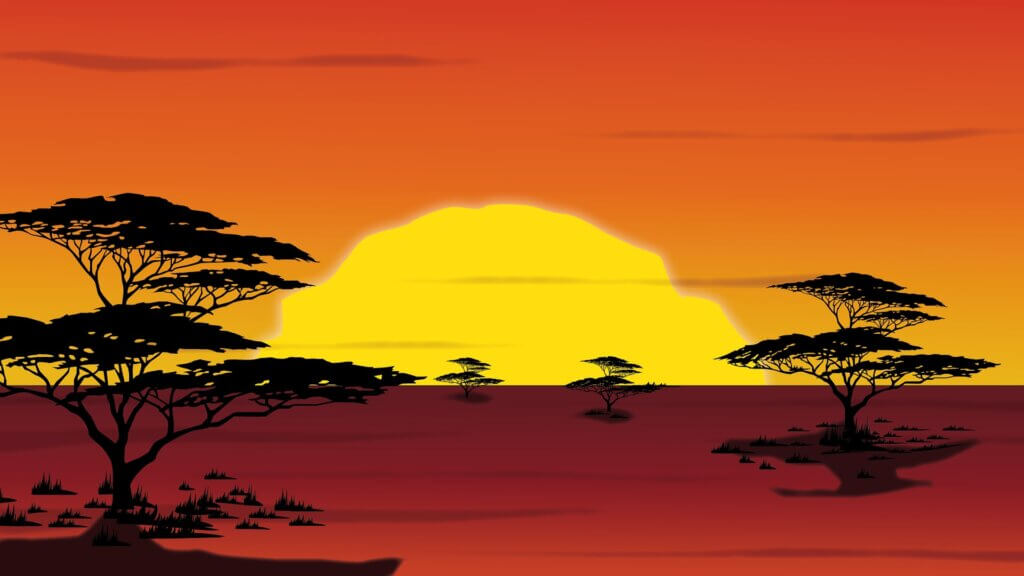
Let’s take a walk through Serengeti National Park, one of those rare places on Earth that feels almost timeless, as if the modern world never quite caught up to it.
WHERE SERENGETI NATIONAL PARK IS LOCATED
Serengeti National Park is located in northern Tanzania, East Africa, stretching west toward Lake Victoria and bordering Kenya’s Masai Mara to the north. Together, these two protected areas form one of the most famous and important wildlife ecosystems on the planet. The park itself covers roughly 5,700 square miles, an immense expanse of open plains, woodlands, rivers, and rocky outcrops called kopjes.
ORIGINS AND HISTORY
The word “Serengeti” comes from the Maasai word “Siringet,” meaning “endless plains.” That name alone perfectly captures the spirit of the place.
For thousands of years, the land was home to wildlife and the Maasai people, who lived alongside animals without fences or modern infrastructure. During the early 20th century, European hunters arrived, and wildlife populations began to decline. Recognizing the ecological importance of the region, Serengeti was designated a protected area in 1951, becoming Tanzania’s oldest national park.
Today, Serengeti is a UNESCO World Heritage Site, celebrated not only for its beauty but for its role in conserving one of the last large-scale, intact ecosystems on Earth.
WHY PEOPLE LOVE VISITING SERENGETI
People love Serengeti because it delivers something increasingly rare: authentic wildness. There are no amusement rides, no staged experiences, and no artificial scenery. What you see is real, raw, and often unpredictable.
Visitors are drawn to:
Vast landscapes that feel infinite
Close encounters with iconic wildlife
Sunrises and sunsets that seem unreal
The feeling of stepping into a nature documentary
For many, visiting Serengeti is a lifelong dream and a deeply emotional experience.
WHY OUTDOOR AND ADVENTURE LOVERS ARE DRAWN HERE
Outdoor and adventure enthusiasts love Serengeti because it offers nature at its most honest. This is not a park where animals are behind barriers. You are entering their world.
Adventure lovers appreciate:
Long game drives across untamed terrain
Tracking predators in their natural habitat
Witnessing survival unfold in real time
Nights filled with distant roars and star-filled skies
It’s an adventure rooted in observation, patience, and respect rather than adrenaline stunts.
TOP THINGS TO DO AT SERENGETI NATIONAL PARK
There’s plenty to experience, even without traditional “activities”:
Wildlife Safaris (Game Drives): The main attraction, offering sightings of lions, leopards, cheetahs, elephants, giraffes, rhinos, and more
The Great Migration: Watching over a million wildebeest and hundreds of thousands of zebras move across the plains is one of the greatest natural spectacles on Earth
Hot Air Balloon Safaris: A quiet, breathtaking way to view the plains at sunrise
Birdwatching: Over 500 bird species inhabit the park
Photography: From dramatic landscapes to intimate wildlife moments
Cultural Experiences: Visits near the park can introduce you to Maasai culture and traditions
PARKING AND AMENITIES
Serengeti is remote, and amenities are intentionally limited to preserve its wilderness.
Access: Most visitors arrive by small aircraft or guided safari vehicles
Parking: Available mainly at lodges, camps, and ranger stations
Lodging: Ranges from luxury lodges to mobile tented camps
Facilities: Basic restrooms at some visitor centers; most amenities are lodge-based
Food and Fuel: Provided by lodges or tour operators, not public facilities
This is not a park for independent, casual driving like many Western national parks.
DANGERS, RISKS, AND SAFETY PRECAUTIONS
Serengeti is wild, and that comes with real risks.
Potential dangers include:
Dangerous wildlife, especially lions, buffalo, elephants, and hippos
Extreme sun exposure and heat
Malaria and other insect-borne diseases
Rough roads and long distances from medical care
Safety precautions:
Always follow your guide’s instructions
Never exit your vehicle unless told it is safe
Do not walk alone, especially at night
Use insect repellent and take recommended medications
Stay hydrated and protect yourself from the sun
Respecting the environment is not optional here; it’s essential.
GENERAL RULES AND REGULATIONS
Serengeti’s rules exist to protect both visitors and wildlife:
Stay on designated roads
No feeding or disturbing animals
No littering or removing natural items
Speed limits must be followed
No drones without special permission
Night driving is restricted
Breaking rules can lead to fines, expulsion, or serious danger.
BEST TIME OF YEAR TO VISIT
The Serengeti is a year-round destination, but timing affects what you’ll see.
Dry Season (June to October): Best for wildlife viewing and river crossings during the Great Migration
Wet Season (November to May): Lush landscapes, fewer tourists, excellent birdwatching
Calving Season (January to February): Predator activity is high as wildebeest give birth
Each season offers a different personality of the park.
THE GOOD, THE BAD, AND THE UGLY
THE GOOD:
Unmatched wildlife density
Vast, unspoiled landscapes
Once-in-a-lifetime natural events
THE BAD:
High cost for many visitors
Long travel times
Limited infrastructure
THE UGLY:
Harsh realities of nature, including predation and death
Poaching threats in surrounding regions
Climate pressures affecting migration patterns
Serengeti doesn’t sanitize nature, and that honesty can be difficult for some visitors.
MYTHS, LEGENDS, AND MYSTERIES
The Serengeti has long inspired stories.
Maasai legends speak of animals as spiritual beings and messengers
Kopjes are believed by some locals to hold ancestral spirits
Early explorers spoke of “endless herds” that seemed almost mythical
Even today, scientists continue to study unanswered questions about migration timing, predator behavior, and ecosystem balance.
MORE INTERESTING AND IMPORTANT THINGS TO KNOW
Serengeti supports one of the largest predator populations in Africa
It plays a critical role in global conservation efforts
No fences separate Serengeti from the Masai Mara, allowing natural migration
The night sky here is among the darkest and clearest in the world
It reminds visitors how small humans are in the grand design of nature
Serengeti National Park is not just a destination; it’s a reminder of what Earth once was and, with care, can still be. It leaves most visitors with a deeper respect for wildlife, balance, and the power of nature untouched by human control.
HERE ARE SOME EXCELLENT, RELIABLE SOURCES WHERE YOU CAN FIND MORE INFORMATION ABOUT EVERYTHING WE TALKED ABOUT REGARDING SERENGETI NATIONAL PARK — INCLUDING ITS HISTORY, WILDLIFE, MIGRATION, VISITOR INFORMATION, RULES, CONSERVATION, AND CURRENT ISSUES:
Official & Authoritative Websites
- Serengeti National Park official site – This is a comprehensive starting point for official visitor information, history, conservation details, and planning your trip. You’ll find information about the park’s wildlife, migration, travel tips, and how the park is managed. Official Serengeti National Park Website
- UNESCO World Heritage Centre page – Serengeti is a UNESCO World Heritage Site, and this page gives a detailed overview of its global significance, biodiversity, and why it’s protected. Serengeti on UNESCO World Heritage Centre
- Britannica entry on Serengeti National Park – A trusted encyclopedia overview with background on the park’s geography, establishment, wildlife, and threats. Serengeti National Park on Britannica
Travel & Visitor Guides
- Visitor guides and planning pages – Sites like SerengetiPark.org and SerengetiNationalParkTanzania.com provide practical details on migration timing, best seasons to visit, wildlife highlights, and safari planning. Serengeti National Park+1
- FAQ and rules pages – These give you basic rules for visitors, things you can and cannot do in the park, and what to expect when you visit. Park rules & guidelines for Serengeti National Park
News Articles & Current Events
If you’re also interested in how climate change, human activity, and conservation debates are affecting the Serengeti today, you might explore recent news such as:
- Coverage of how changing rainfall patterns and human land use are shifting migration patterns and creating challenges for wildlife. Le Monde.fr
- Discussions about conflicts and conservation efforts involving indigenous communities like the Maasai. Le Monde.fr
- Updates on wildlife corridor concerns and tourism development near migration routes. Reuters
Books and Documentaries (Not linked here but great references)
For deeper historical, cultural, and scientific context, consider:
- Serengeti Shall Not Die by Bernhard Grzimek — a classic book (and documentary) about early conservation in the Serengeti.
- Wildlife and conservation books by National Geographic or BBC Earth that cover the Great Migration, predators, and ecosystem dynamics.
Travel Forums and Personal Reports
While not always authoritative, travel discussions and reports on forums like Reddit can give you personal perspectives and practical tips from travelers who have been there — including self-drive experiences, wildlife sightings, and planning itineraries. These aren’t official sources but can help with real-world expectations. Reddit