





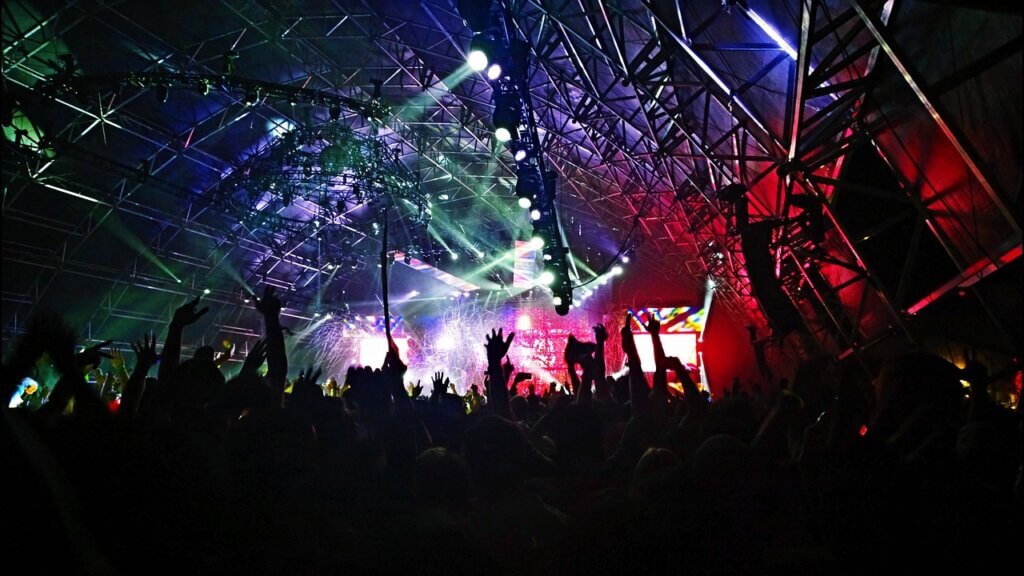
College music scenes have played a huge role in launching band careers and even birthing entire music genres. Here’s how and why:
COLLEGES AS CULTURAL INCUBATORS
College campuses often create the perfect environment for musical innovation:
Concentration of young, creative people eager to experiment.
Access to performance spaces (dorm lounges, student unions, college radio, etc.).
Freedom from commercial pressures—students make music for passion, not profit.
Supportive communities of peers who are curious and open to new sounds.
COLLEGE RADIO’S INFLUENCE
College radio stations have historically championed underground, indie, and alternative music. Many now-famous bands got early exposure thanks to college DJs spinning their tracks when mainstream stations wouldn’t touch them.
Example: R.E.M. got their first big boost through college radio in the early ’80s, helping shape the American alternative rock scene.
GENRES THAT EMERGED OR FLOURISHED IN COLLEGE SCENES
Here are a few genres and movements that found their footing in college environments:
Indie Rock / College Rock (1980s):
Bands like The Replacements, Pixies, Sonic Youth, and R.E.M. rose through college circuits and radio stations.
This laid the groundwork for the alt-rock explosion of the ’90s (think Nirvana, Radiohead, etc.).
Jam Bands:
Phish (University of Vermont) and Dave Matthews Band (University of Virginia) started playing around campuses and built massive followings through college touring circuits.
Hip-Hop:
College tours helped expand the fan base for early hip-hop artists in the ’80s and ’90s. Kanye West’s College Dropout is a nod to the role education and college identity played in hip-hop culture.
DIY / Punk Scenes:
College towns like Athens, GA (home to R.E.M. and the B-52s), and Chapel Hill, NC were hotbeds for punk and DIY scenes.
FAMOUS ARTISTS WHO GOT THEIR START IN COLLEGE
Radiohead – formed at Abingdon School, members kept it going during university.
Vampire Weekend – started at Columbia University.
MGMT – formed while studying at Wesleyan University.
Queen – started when Brian May and Roger Taylor were university students in London.
Talking Heads – emerged from the Rhode Island School of Design.
HERE’S A MIX OF ICONIC BANDS THAT EMERGED FROM COLLEGE SCENES AND COLLEGE TOWNS KNOWN FOR VIBRANT MUSIC SCENES, MANY OF WHICH HELPED SHAPE ENTIRE GENRES OR MOVEMENTS:
ICONIC BANDS THAT EMERGED FROM COLLEGE SCENES
Band College / Town Impact R.E.M. University of Georgia (Athens, GA) Helped define college rock/alternative in the 1980s. The Pixies University of Massachusetts Amherst Influenced grunge and alt-rock (Kurt Cobain cited them). Talking Heads Rhode Island School of Design Art rock / new wave pioneers. MGMT Wesleyan University (CT) Blended psychedelia and synth-pop. Vampire Weekend Columbia University (NYC) Polished indie rock with global influences. Dave Matthews Band University of Virginia (Charlottesville) Massive jam-band success from campus shows. Phish University of Vermont Became the modern kings of jam-band culture. Death Cab for Cutie Western Washington University Gained traction in college indie circles.
COLLEGE TOWNS WITH LEGENDARY MUSIC SCENES
ATHENS, GEORGIA
Home to: R.E.M., The B-52s, Neutral Milk Hotel.
Vibe: DIY, artsy, Southern bohemian. Still thriving today.
BOSTON / CAMBRIDGE, MA
Schools: Berklee College of Music, Harvard, MIT, Tufts.
Scene: Diverse—punk, jazz, alt-rock. Pixies and Passion Pit started here.
CHAPEL HILL, NC
University of North Carolina
Known for: Superchunk, Archers of Loaf. Key part of the ’90s indie rock movement.
EUGENE, OREGON
University of Oregon
Scene: Indie and jam band culture. Great West Coast vibes.
ANN ARBOR, MI
University of Michigan
Home of: Iggy Pop (The Stooges), proto-punk scene.
AUSTIN, TX
University of Texas
Scene: Major live music city. Incubator for indie, blues, country rock.
SEATTLE, WA
University of Washington
Impact: While grunge was more tied to local clubs, many bands like Nirvana and Soundgarden played around college venues and house shows early on.
WANT TO DISCOVER COLLEGE-SCENE MUSIC TODAY?
Some ways to explore:
NPR’s “Tiny Desk” or “All Songs Considered” often features college-sourced artists.
Bandcamp is great for finding current student musicians and local college label releases.
Check out college radio stations online (like KEXP, WTJU, WRAS, WUOG).
Here’s a straightforward guide to where and how you can explore the college music scene, which often overlaps with underground music culture:
BEST TYPES OF PLACES TO EXPLORE THE COLLEGE AND UNDERGROUND MUSIC SCENE
COLLEGE RADIO STATIONS
College radio is one of the most reliable sources for discovering emerging talent. Many now-famous bands got early airplay through these stations. They often feature experimental genres, student artists, and local indie bands.
Examples:
WERS (Emerson College, Boston)
WUOG (University of Georgia, Athens)
KALX (UC Berkeley)
WTJU (University of Virginia)
CAMPUS VENUES AND CAFÉS
Most universities have student-run venues, coffeehouses, or cultural centers that host open mic nights, band showcases, and experimental performances. These are often free or very inexpensive and draw a mix of students and locals.
HOUSE SHOWS
House concerts are a major part of the underground college music culture. Students and local musicians host shows in basements, garages, or co-op houses. They are informal, community-driven, and a hub for discovering talent early. These are usually promoted through flyers, word of mouth, or social media.
INDEPENDENT LOCAL MUSIC VENUES
In college towns, smaller clubs or bars serve as important bridges between campus and the broader local music scene. These venues often feature student bands, regional touring acts, and college radio collaborations.
ZINES, REDDIT, AND NICHE MUSIC FORUMS
Online platforms often provide insight into local underground scenes. Look for:
Zines that review or promote student bands
Reddit threads like r/indieheads, r/DIYmusic, or r/college
Local Facebook groups or Discord servers dedicated to music in specific college towns
MUSIC PLATFORMS LIKE BANDCAMP AND SOUNDCLOUD
These platforms allow you to search by location or tags (like “college rock,” “DIY,” or specific school names). Many student bands and local musicians release their first recordings here.
COLLEGE TOWNS WITH NOTABLE MUSIC SCENES
Athens, Georgia (University of Georgia)
Famous for its role in launching bands like R.E.M. and The B-52s. A strong DIY ethos still exists in the local venues and house shows.
Chapel Hill, North Carolina (UNC Chapel Hill)
Home to a long-running indie and punk rock scene, with venues like Cat’s Cradle playing a central role.
Boston/Cambridge, Massachusetts
With schools like Berklee, Emerson, MIT, and Harvard, the area is dense with musicians. Venues like The Middle East and Great Scott have deep ties to the student scene.
New Brunswick, New Jersey (Rutgers University)
A hotbed for underground rock, punk, and hardcore. Known for vibrant house show culture.
Ann Arbor, Michigan (University of Michigan)
Rich in experimental, indie rock, and art rock history. College radio and local venues keep the scene alive.
Burlington, Vermont (University of Vermont)
Known for jam bands, folk, and indie. This is where Phish got their start, and local venues still support grassroots artists.
Austin, Texas (University of Texas)
Beyond the high-profile SXSW, the city has a consistent undercurrent of student bands, singer-songwriters, and DIY events.
Portland and Eugene, Oregon
Home to progressive and diverse underground scenes, with genres ranging from folk to electronic to punk, often shaped by the University of Oregon and local arts colleges.
HOW TO PLUG IN
Listen to local college radio online to discover bands you won’t hear elsewhere.
Check campus event calendars and music club websites.
Follow local college town venues and artists on social media.
Attend open mics, student showcases, and basement gigs.
Visit the Bandcamp tag search page and filter by city or genre.
Talk to students and musicians at local music shops or coffeehouses—word of mouth is still powerful in these scenes.
THERE ARE SEVERAL DEEPER LAYERS TO THE COLLEGE AND UNDERGROUND MUSIC SCENE THAT ARE WORTH KNOWING. HERE ARE SOME FRESH ANGLES THAT YOU MAY NOT KNOW YET, BUT ARE IMPORTANT FOR UNDERSTANDING AND FULLY APPRECIATING THIS VIBRANT CULTURAL WORLD:
One key aspect of the college music scene that often goes unnoticed is how genre experimentation thrives in this environment. Unlike commercial music settings where marketability is a primary concern, college musicians are often unconstrained by expectations.
This freedom leads to the birth of hybrid genres — a blend of shoegaze and hip-hop, ambient folk with spoken word, or electronic jazz fused with punk.
College campuses are melting pots of cultural and musical influences, and students frequently form bands or projects that reflect this mix. The result is a steady output of sounds that may not be polished but are often original and fearless.
Another thing to understand is that college music scenes are incubators not just for musicians, but for an entire network of creative roles. Student-run record labels, booking agents, photographers, sound engineers, graphic designers, and zine creators often get their start promoting their peers’ music.
Many of these students go on to work professionally in the music industry, and some form lifelong creative partnerships that continue well beyond graduation.
If you’re exploring or getting involved in these scenes, you’re not just watching a band — you’re witnessing the early work of an entire generation of future artists, producers, and industry influencers.
It’s also important to note how the economics of the college scene differ sharply from the mainstream industry. Most student bands and performers are unpaid or play for donations, merch sales, or exposure. This dynamic fosters a more communal and less competitive spirit.
Fans tend to support multiple local acts, and it’s common for bands to share gear, help with promotion, or even rotate members.
There’s a real “by the students, for the students” atmosphere, especially at shows where the entire audience may know the performers personally. This closeness leads to a deeper emotional investment, both for artists and for their campus fans.
In addition, the rise of digital platforms has altered—but not replaced—the importance of physical presence in the college music world. While Bandcamp, SoundCloud, and TikTok offer exposure, there is still a unique magic to live shows on campus lawns, dorm lounges, or crammed basements that can’t be replicated online.
Those who attend and support these performances are not just listening to music — they’re shaping a scene in real time. And when those student musicians move on to larger stages, there’s often a shared pride among those who were there from the beginning.
Finally, you should know that some college music scenes go in waves or cycles, depending on student turnover, university policies, or broader social trends. A school might have a strong scene for five or ten years, then quiet down for a while before a new generation revives it.
Sometimes all it takes is one charismatic band, one supportive professor, or one campus DJ to reignite a music culture. Being aware of this ebb and flow can help you appreciate the scenes while they’re active — and maybe even be part of the next wave if you choose to engage.
While college scenes are often local and independent by nature, they are not isolated. There are a number of ways students at one college catch wind of what’s becoming popular elsewhere, and those that especially care are those who are musicians, DJs, or part of the underground community.
College Radio Networks
College radio stations often form informal networks. Many participate in national organizations like the College Music Journal (CMJ) (before it ceased its charting operations) or now use services like NACC (North American College & Community Radio Chart) to track what’s charting at other schools.
DJs and music directors compare playlists, trade records or digital releases, and pay close attention to who’s climbing in other regions. If a band breaks out at the University of Washington, it may start getting airplay at Cornell, Ohio State, or UC Santa Cruz within weeks.
Tours and Word of Mouth
DIY bands from one school frequently tour other college towns. These tours are low-budget and short, with artists sleeping on couches and playing house shows or student venues.
When a band from one college scene plays in another town and impresses the crowd, word spreads. Other students will book them, follow them online, or invite them back.
Over time, this creates a network of regional underground popularity — a band might be well-known in a dozen campuses without ever having a record deal.
Zines, Blogs, and Online Communities
Zines, music blogs, and now Reddit threads or Discord servers keep students informed about what’s trending elsewhere. College music fans often share recommendations, bootleg recordings, and underground releases.
Forums like Reddit’s r/indieheads or r/DIYmusic often act like the old college zine culture — a place to hear about a student band blowing up at Oberlin, or a new punk scene forming in Gainesville.
Social Media and Streaming Platforms
Today, the fastest way a college band gains cross-campus appeal is through TikTok, YouTube, Instagram Reels, or Bandcamp. When a track or live performance goes viral among one group of students, it can be shared and adopted quickly in other schools.
And Bandcamp allows fans to explore tags like “college rock,” “DIY punk,” or even specific towns or universities, making it easier to stumble upon artists outside your immediate area.
Festivals and Music Conferences
Some college towns host regional or student-led festivals, where bands from different schools perform together. These become hotspots for discovering talent across college lines. Festivals like Treefort (Idaho), MACROCK (Virginia), or South by Southwest (Texas) often feature college bands alongside emerging national acts — and the buzz carries back to campuses.
Shared Influences and Generational Trends
Even when there’s no direct communication, college scenes often reflect shared cultural influences. For example, if there’s a wave of minimalist bedroom pop or revivalist punk taking off nationally, students in different colleges might independently adopt similar styles — influenced by what they see online or hear in popular youth culture. It creates a feeling of connected evolution, even without formal ties.
Do students care? Many do — especially musicians, campus DJs, promoters, and hardcore fans. There’s a sense of pride in discovering or promoting a new band before others know about them.
At the same time, local scenes usually maintain their own flavor, even as they take cues from outside influences. The college music world is kind of like an underground ecosystem — semi-connected, semi-competitive, but mostly passionate and collaborative.
There are many examples of bands that started in the college music scene and gradually built followings across multiple campuses before breaking into the wider music world. Some of these bands became famous, while others stayed more underground but still developed loyal college fanbases across the country.
Here are several notable examples:
R.E.M.
Origin: University of Georgia (Athens, GA)
R.E.M. is a classic example of a band that started in a small college scene and spread nationally through college radio, touring, and word of mouth. Their jangly guitar sound and introspective lyrics struck a chord with college audiences in the early 1980s. Their rise was tied to the emergence of the college radio circuit, and they became a symbol of the “college rock” era before crossing into the mainstream.
Vampire Weekend
Origin: Columbia University (New York City, NY)
Vampire Weekend formed while the members were undergraduates and recorded early material in dorm rooms. Their unique blend of indie rock with Afro-pop influences first gained traction through blogs and college music channels. As soon as their debut tracks hit the web, students across campuses began following them. Their success was a key moment in the blog-driven college music boom of the late 2000s.
ODESZA
Origin: Western Washington University (Bellingham, WA)
ODESZA’s electronic sound first spread through college channels and online communities like SoundCloud and Bandcamp. They quickly gained a grassroots following among students and toured heavily in college towns. Their music, which combines melodic electronic with indie aesthetics, became the soundtrack to many late-night study sessions and college parties before hitting major festivals.
Guster
Origin: Tufts University (Medford, MA)
Guster started as a campus band playing local shows and grew by playing college gigs up and down the East Coast. They built a dedicated fanbase by selling CDs out of the trunk of their car and through heavy word-of-mouth across college campuses. Their loyal following was fueled by the college show circuit long before major radio play.
Dispatch
Origin: Middlebury College (Vermont)
Dispatch never got much mainstream radio play, but they built a huge college following in the late ’90s and early 2000s. They toured relentlessly through the college town network, and their fans shared bootlegs and passed music around online. Despite being independent, they sold out Madison Square Garden — largely because of their deep grassroots popularity with students.
MGMT
Origin: Wesleyan University (Connecticut)
Andrew VanWyngarden and Ben Goldwasser started MGMT as an experimental music project in college. Their sound — trippy, synth-heavy, and catchy — struck a chord with other students. Early buzz came from their performances on campus and their demos circulating in college circles. “Kids” and “Electric Feel” became dorm room anthems before they were major hits.
Bon Iver
Origin: University of Wisconsin–Eau Claire
While Justin Vernon (Bon Iver) wasn’t exactly a “dorm room” success story, his early musical roots and supporters were deeply tied to the Midwestern college scene. Word of mouth — especially among college-aged fans and student-run blogs and radio stations — helped his haunting acoustic sound reach broader audiences before critical acclaim caught up.
Car Seat Headrest
Origin: College of William & Mary (Virginia)
Will Toledo began releasing music as Car Seat Headrest while a student, recording DIY albums from his car and dorm room. His music caught on with college audiences online via Bandcamp and Reddit. Once signed to Matador Records, his reputation as a “college rock revivalist” only grew stronger with his intellectual lyrics and lo-fi aesthetic.
Snail Mail
Origin: While not from a specific college scene herself, Snail Mail (Lindsey Jordan) broke out in part because of widespread support from college-aged fans and radio stations across the U.S. Her confessional, melodic indie rock spread quickly through campus-based zines, radio stations, and blogs before she signed with Matador.
These examples show that the path from college band to broader recognition is often nonlinear and rooted in grassroots enthusiasm. What many of these artists share is a deep connection with their generation, honest self-expression, and a DIY work ethic — which resonates strongly on college campuses.
The connection between college campuses and rising music scenes has been going on for decades — dating back at least to the 1950s and 60s, when college students were central to the rise of folk music (think Joan Baez, Bob Dylan, and Peter, Paul, and Mary). In the 1970s and 80s, college radio exploded in influence, especially for punk, post-punk, and alternative rock — giving birth to what came to be known as “college rock.”
By the 1990s and 2000s, college scenes began launching indie rock, hip-hop, electronic, and experimental artists through blogs, DIY touring, and early streaming.
College towns have always been breeding grounds for new music because of a few unique factors:
High concentration of curious, open-minded young listeners
Ready-made venues (cafes, basements, house parties, student unions)
College radio stations hungry for underground content
Low risk environments to test experimental or offbeat sounds
RISING COLLEGE BANDS & ARTISTS (AS OF NOW)
These are current or very recent college-affiliated artists gaining real momentum either in their own campus scenes or nationally among students and indie fans.
Some may still be unsigned or newly signed, but they have buzz:
ARCY DRIVE
Vibe: Grungy surf rock
From: New York area (grassroots college tour scene)
Why they matter: These guys have built a passionate fanbase by showing up and playing wherever college students will listen — rooftops, living rooms, lawn shows. Their style evokes 90s nostalgia mixed with indie grit.
BABEHOVEN
Vibe: Lo-fi emotional indie / singer-songwriter
From: Hudson Valley, NY (with early roots in student-led spaces)
Why they matter: Known for deeply intimate lyrics and fuzzy textures, Babehoven’s music spreads across artsy liberal arts campuses and zine culture.
BEEN STELLAR
Vibe: Gritty post-punk
From: NYU
Why they matter: This band is part of the new NYC scene, and they’re quickly becoming a name in both campus and underground spaces. They echo Interpol and The Strokes, but with modern energy.
BRATTY
Vibe: Indie pop-rock with a Latin edge
From: Mexico (college-aged breakout star)
Why they matter: Huge among bilingual and Latinx college audiences in the U.S. Bratty is DIY in spirit and bridges international youth scenes.
JHARIAH
Vibe: Alt-rock / theatrical emo-pop
From: New York — popular in academic and artist circles
Why they matter: Jhariah’s unique energy — both on stage and in social messaging — resonates with the Gen Z college crowd. His genre-blending style is gaining traction on campuses with art, theater, and music departments.
WEDNESDAY
Vibe: Alt-country meets shoegaze
From: Asheville, NC (many of the members attended local colleges)
Why they matter: Wednesday has become beloved across campuses thanks to their honest storytelling, fuzz-drenched guitars, and Southern-grit-meets-indie appeal.
QUADECA
Vibe: Art-rap / experimental hip-hop
From: Stanford University (dropped out to pursue music)
Why they matter: Quadeca has built a huge following, mixing philosophical lyrics with genre-bending production. He’s on the radar of smart college listeners who want depth in hip-hop.
MOMMA
Vibe: 90s alt-rock revival
From: Members met at NYU
Why they matter: Their sound feels like a modern take on Nirvana or Veruca Salt, and they’ve quickly risen through the ranks of the underground to become college indie favorites.
Underscores
Vibe: Hyperpop / emo-electronica
From: College-aged artist based in the U.S.
Why they matter: Huge among the digital native college crowd, especially those into genre-defying internet-born music scenes. Underscores has TikTok influence and underground cred.
KISSISSIPPI
Vibe: Indie pop with heart-on-sleeve lyrics
From: Started out in the Philadelphia DIY and college show scene
Why they matter: Kississippi has a devoted college fanbase thanks to relatable songwriting, campus shows, and emotional vulnerability in her music.
WHERE TO KEEP UP WITH NEW COLLEGE-BORN ARTISTS
Bandcamp Daily
NACC charts (North American College & Community Radio)
Spotify’s Fresh Finds or Dorm Daze playlists
Reddit: r/indieheads, r/listentothis
The Deli Magazine (still covers new college/DIY bands)
Campus radio station websites (look at charts or playlists)
The college music scene continues to be one of the most vibrant, unpredictable, and creatively rich corners of the music world. It’s not governed by charts, algorithms, or radio payola — it thrives instead on word-of-mouth, late-night conversations, basement shows, and shared playlists passed around dorms and dining halls.
What makes it so special is that it exists both in physical spaces — house parties, campus stages, coffee shop open mics — and in digital spaces where students are discovering, championing, and spreading music that resonates deeply with their lives and experiences.
What sets college-born music apart is the sense of urgency and honesty. These artists are often creating without industry pressure, without a commercial agenda, and in a stage of life that naturally fosters experimentation and emotional rawness.
That energy tends to pull in listeners who are also in transitional, formative periods of their lives — which is why college music has often launched new movements, whether it’s folk in the ’60s, indie rock in the ’80s, or hyperpop and lo-fi rap today.
If you’re interested in staying close to where the next wave of music is forming, there may be no better place to look than the college scene. Whether you’re catching a local band at a student union, browsing Bandcamp for emerging artists, or listening to a campus radio station from across the country, you’re stepping into a creative world that still values discovery over hype. In many ways, it’s where music still feels new — and that’s part of the magic.
TO EXPLORE MORE ABOUT THE COLLEGE MUSIC SCENE, UNDERGROUND ARTISTS, AND THE CULTURAL ECOSYSTEMS THAT HELP LAUNCH NEW GENRES AND MOVEMENTS, HERE ARE SOME OF THE BEST RESOURCES — BOTH ONLINE AND IN REAL LIFE — TO DIG DEEPER INTO EVERYTHING WE’VE COVERED:
1. College Radio & NACC Charts
- NACC (North American College & Community Chart) – Weekly charts curated from hundreds of college and community radio stations. It’s where you’ll find rising artists before they break into the mainstream.
- College radio station websites – Schools like KEXP (Seattle), WERS (Emerson), WKNC (NC State), WFMU (NJ), WRAS (Georgia State), and WMUC (University of Maryland) often post playlists, DJ picks, and interviews with up-and-coming acts.
2. Music Discovery Platforms
- Bandcamp – Best for finding unsigned and DIY artists. Check Bandcamp Daily and curated editorial content focused on underground and student-friendly scenes.
- SoundCloud – Still a hotspot for experimental, student-produced, and emerging music, especially in hip-hop, hyperpop, and electronic genres.
- Spotify
- Dorm Daze
- Fresh Finds
- Anti-Pop
These playlists are often filled with college-circulated music and rising artists.
- Audius – A decentralized streaming platform popular with independent artists.
3. Community & Culture
- Reddit
- r/indieheads – Very active community tracking new bands, often including college acts.
- r/listentothis – Deep dives and discoveries, including user-submitted college bands.
- r/DIY or r/emo for niche scenes.
- The Deli Magazine – Covers local music scenes across the U.S., including college towns and DIY shows.
- BrooklynVegan, Pitchfork, and Stereogum – These outlets often feature artists that break out from college scenes, especially in indie and alternative genres.
4. YouTube Channels & Podcasts
- KEXP Live, NPR Tiny Desk (especially Tiny Desk Contest entrants), and Audiotree – Showcase performances of many artists that started in college or underground scenes.
- Podcasts
- Indiecast
- Switched on Pop
- College Radio Day Podcast
These discuss music trends, including where college and DIY culture intersects with broader genres.
5. Local & Regional Scenes
To go beyond digital:
- Attend student-run concerts, house shows, or open mics near college campuses.
- Follow venue calendars in college towns (like Athens, GA; Chapel Hill, NC; Ann Arbor, MI; Northampton, MA; or Eugene, OR).
- Check local arts newspapers and weekly listings (like The Boston Hassle or The Austin Chronicle).