





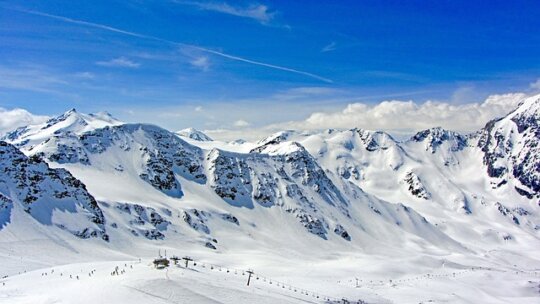
Snow skiing and snowboarding look exciting from videos and social media. You see people carving down perfect powder, flying through the air, and smiling in beautiful mountain scenery. What you rarely see are the countless little skills, habits, frustrations, expenses, and lessons that make the sports what they really are.
The truth is that skiing and snowboarding are much more than simply sliding downhill. They’re combinations of athletic skill, mountain awareness, weather knowledge, equipment management, patience, and decision-making. Whether you’re planning your first trip or hoping to become an experienced rider, understanding the hidden side of these sports can make the experience much safer, more enjoyable, and far less intimidating.
WHAT IS THE DIFFERENCE BETWEEN SKIING AND SNOWBOARDING?
At first glance, they seem similar because both involve sliding down snowy mountains. Underneath that similarity, they actually feel very different.
Skiers have one ski attached to each foot and generally face forward. This stance gives beginners more stability when standing still and makes it easier to move around on flat ground.
Snowboarders have both feet attached to one board and stand sideways. This feels awkward at first because your body naturally wants to face where you’re going. Once the basics click, however, many riders describe snowboarding as feeling like surfing or skateboarding on snow.
Neither sport is objectively harder. They’re simply difficult in different ways.
Many instructors actually say skiing has an easier learning curve during the first day or two, while snowboarding often feels frustrating at first but becomes more natural once turning is mastered.
THE MOUNTAIN IS MUCH BIGGER THAN MOST BEGINNERS EXPECT
One thing almost nobody talks about is how enormous ski resorts really are.





Looking at a trail map makes everything seem close together. Once you’re standing on the mountain, distances become much larger than expected.
A single run can take several minutes. Some resorts have dozens or even hundreds of trails spread across multiple mountains.
You quickly realize that you’re not just participating in a sport.
You’re navigating an entire winter environment.


LEARNING TO STOP IS MORE IMPORTANT THAN LEARNING TO GO
Everyone wants to learn how to turn.
The first priority should actually be learning how to stop.
Stopping gives you confidence.
Confidence reduces panic.
Less panic leads to fewer accidents.


Experienced instructors often spend more time teaching controlled stopping than speed because speed comes naturally once gravity takes over.
FALLING IS PART OF LEARNING
One of the biggest misconceptions is that skilled riders never fall.
They absolutely do.
The difference is they know how to fall better.
Beginners often stiffen their bodies and reach backward with their hands, increasing the chance of wrist, shoulder, or arm injuries.
Experienced skiers and snowboarders usually relax more, avoid locking their joints, and try to spread impact across larger parts of the body.
Learning how to fall safely is almost as valuable as learning how to ride.
SNOW CONDITIONS CHANGE EVERYTHING
People often think snow is simply snow.
It isn’t.
Snow can completely change how the mountain feels.
Some common conditions include:
Powder
Fresh powder is soft, deep, and fluffy. Many experienced riders consider it the best possible condition because it feels smooth and forgiving.
However, beginners often struggle because turning becomes more physically demanding.
Groomed Snow
Machines called groomers flatten and smooth the slopes overnight.
This is usually the easiest surface for beginners.
Ice
Ice can develop after melting and refreezing.
Edges don’t grip as well, making stopping and turning much more difficult.
Many experienced riders dislike icy conditions even after years of practice.
Slush
Warm afternoons often create wet, heavy snow.
It slows your movement and requires more effort.
Slush is surprisingly tiring.
WEATHER IS CONSTANTLY CHANGING
Mountain weather has its own personality.
It can be sunny at the base and snowing heavily at the summit.
Visibility may disappear within minutes.
Strong winds can shut down ski lifts.
Temperatures may change by 20 degrees or more throughout the day.
Checking weather isn’t just about comfort.
It’s about safety.
SKI LIFTS ARE A SKILL
Nobody talks about how awkward lifts feel the first time.
Getting on.
Getting off.
Managing equipment.
Moving through lift lines.
All of these require practice.
Snowboarders especially struggle because one foot remains unattached while riding many chairlifts.
Most people eventually laugh about their early lift mishaps.
Almost everyone has an embarrassing story.
EQUIPMENT MAKES A BIGGER DIFFERENCE THAN YOU THINK
Many beginners assume expensive equipment automatically makes them better.
It doesn’t.
Properly fitted equipment matters far more than expensive equipment.
Boots are especially important.
Poor-fitting boots cause pain, numb feet, cold toes, blisters, poor control, and early fatigue.
Many experienced riders say boots are the single most important purchase they’ll ever make.
BOOTS SHOULD FEEL SNUG, NOT PAINFUL
A common beginner mistake is buying boots that feel comfortable in the store.
As the boot liner packs out after several days, oversized boots become loose.
Loose boots reduce precision and make learning much harder.
Good ski and snowboard boots should feel snug without causing severe pain or cutting off circulation.
RENTAL EQUIPMENT ISN’T BAD
Some people think rental gear is low quality.
Modern rental equipment is often surprisingly good.
It’s designed specifically for beginners.
Rental skis are forgiving.
Rental snowboards turn more easily.
Rental boots are usually comfortable enough for learning.
Owning equipment too early can actually slow learning if the gear isn’t appropriate.
EDGES MATTER MORE THAN PEOPLE REALIZE
Metal edges are what allow skis and snowboards to grip snow.
Sharp edges help on hard snow.
Dull edges slide more.
Professional tuning includes sharpening edges, repairing scratches, and waxing the base.
Many riders don’t realize how dramatically fresh tuning improves performance.
WAX IS ABOUT MORE THAN SPEED
Many people assume wax only helps racers.
Actually, wax helps almost everyone.
It reduces friction.
Makes turning smoother.
Protects the base.
Improves glide.
Helps equipment last longer.
Dry bases become slow and difficult to ride.
YOUR LEGS WILL BURN
One surprise for first-timers is muscle fatigue.
Even physically fit people discover muscles they didn’t know they had.
Quadriceps.
Hamstrings.
Glutes.
Core.
Calves.
Small stabilizing muscles around the ankles and hips.
These muscles work constantly to maintain balance.
ALTITUDE CAN AFFECT YOU
Many ski resorts are located thousands of feet above sea level.
If you’re visiting from lower elevations, you might notice:
- Headaches
- Faster breathing
- Fatigue
- Mild dizziness
- Dehydration
- Poor sleep
Drinking water and taking it easy during the first day helps many people adjust.
COLD DOESN’T ALWAYS FEEL COLD
One surprising thing is that active movement keeps you warmer than expected.
People often overdress.
Then they sweat.
Sweaty clothing becomes cold when you stop.
That’s why experienced riders wear layers rather than one giant jacket.
Layers allow you to regulate body temperature throughout the day.
GOGGLES ARE MORE IMPORTANT THAN SUNGLASSES
Good goggles improve:
- Visibility
- Contrast
- Wind protection
- UV protection
- Comfort during snowfall
Different lenses perform better under different lighting conditions.
Flat light can make terrain difficult to read, making bumps nearly invisible.
FEAR IS NORMAL
Nearly everyone feels nervous before their first run.
Fear serves a purpose.
It encourages caution.
Problems arise when fear becomes panic.
The best instructors build confidence through gradual progress rather than forcing students onto difficult terrain.
GREEN TRAILS CAN STILL BE CHALLENGING
Trail ratings are relative to each resort.
A green run at one mountain may feel like a blue run somewhere else.
Snow conditions, weather, steepness, width, and grooming all influence difficulty.
Never assume every beginner trail is identical.
THE TERRAIN PARK IS ITS OWN WORLD
Terrain parks include jumps, rails, boxes, and other freestyle features.
Many beginners assume they’re simply for showing off.
In reality, experienced park riders spend years developing technique before attempting advanced tricks.
Progression is gradual and safety-conscious when done correctly.
POWDER IS NOT AUTOMATICALLY EASIER
People dream about riding deep powder.
The reality surprises many first-timers.
Deep powder requires:
- More leg strength
- Better balance
- Different turning techniques
- Maintaining momentum
Going too slowly can leave you stuck.
MOUNTAIN ETIQUETTE MATTERS
Good etiquette keeps everyone safe.
Experienced riders generally:
- Stay in control.
- Yield to people downhill.
- Look uphill before merging.
- Avoid stopping in blind spots.
- Respect trail closures.
- Help someone who has fallen if it’s safe.
- Be patient in lift lines.
A respectful attitude makes the mountain more enjoyable for everyone.
SKIING AND SNOWBOARDING ARE MORE MENTAL THAN PEOPLE THINK
Progress isn’t always linear.
Some days everything feels effortless.
The next day you might feel like you’ve forgotten everything.
This is normal.
The brain is constantly adapting to balance, movement, and changing terrain.
Many breakthroughs happen after a night’s sleep when your brain has processed what you practiced.
CONDITIONS CHANGE THROUGHOUT THE DAY
Morning often brings firm, freshly groomed snow.
Midday softens the surface.
Afternoon can become slushy, icy, or crowded depending on weather.
The exact same trail can feel completely different from morning to evening.
Learning to adapt is part of becoming an experienced skier or snowboarder.
RESPECT THE MOUNTAIN
One lesson experienced riders almost universally share is that mountains deserve respect.
Weather changes quickly.
Visibility disappears.
Avalanches exist in backcountry terrain.
Fatigue leads to mistakes.
Overconfidence causes many accidents.
Confidence is valuable.
Humility is even more valuable.
The best skiers and snowboarders continue learning throughout their lives because they understand that nature is always in charge.
THE HIDDEN COSTS NOBODY MENTIONS
Many people budget for lift tickets and equipment but underestimate the total cost of the sport. Travel, lodging, food on the mountain, parking, lessons, gloves, helmets, goggles, neck gaiters, base layers, socks, tuning, waxing, and replacing worn gear all add up. If you become passionate about skiing or snowboarding, you may also find yourself wanting better boots, season passes, or trips to larger resorts. Planning a realistic budget ahead of time helps prevent surprises and lets you enjoy the experience more.
YOUR FITNESS OFF THE MOUNTAIN MATTERS
People often think skiing and snowboarding are activities that only require practice on snow, but what you do before the season makes a huge difference. Strong legs, a stable core, good balance, flexible hips and ankles, and healthy cardiovascular endurance all help you ride longer with less fatigue. Exercises like squats, lunges, step-ups, planks, balance drills, cycling, hiking, and rowing translate well to both sports. Arriving in better shape means you spend more time enjoying the mountain and less time recovering in the lodge.
SKI CULTURE AND SNOWBOARD CULTURE
While the gap has narrowed over the years, skiing and snowboarding each developed their own cultures. Skiing has centuries of history and often attracts families, racers, and people who enjoy all-mountain exploration. Snowboarding grew out of surfing and skateboarding culture, bringing a more freestyle-oriented style and creative approach to riding. Today, you’ll find plenty of people who enjoy both sports, and many resorts actively encourage learning whichever appeals to you. Ultimately, the mountain community is usually welcoming to anyone who respects others and enjoys being outdoors.
COMMON BEGINNER MISTAKES
Many first-timers make the same errors. They choose slopes that are too difficult, look down at their feet instead of ahead, lean backward out of fear, forget to stay hydrated, skip lessons, or push themselves until they’re exhausted. Another common mistake is comparing yourself to experienced riders. Everyone learns at a different pace, and even advanced skiers and snowboarders once struggled with basic turns, stopping, and riding chairlifts.
WHAT MAKES PEOPLE FALL IN LOVE WITH THESE SPORTS
Ask lifelong skiers and snowboarders why they keep coming back, and you’ll hear answers that go far beyond the thrill of speed. It’s the quiet of a snowy morning before the crowds arrive. It’s watching the sun rise over mountain peaks. It’s the feeling of improving one small skill after another. It’s spending time with family and friends, warming up with hot chocolate after a day outside, and realizing you’ve become more confident than you were the year before.
For many people, skiing and snowboarding become more than hobbies. They become lifelong pursuits that combine adventure, fitness, travel, nature, and personal growth. There is always a new trail to explore, a different type of snow to experience, another technique to refine, or another mountain to visit.
In the end, the biggest secret about skiing and snowboarding isn’t mastering steep slopes or learning impressive tricks. It’s discovering that every day on the mountain teaches patience, adaptability, humility, and respect for nature. Those lessons often stay with people long after the snow has melted, making these sports rewarding not just because of where they take you, but because of how they gradually shape the person you become.
IF YOU’D LIKE TO CONTINUE LEARNING BEYOND WHAT WE’VE DISCUSSED, THERE ARE SOME EXCELLENT RESOURCES THAT RANGE FROM BEGINNER-FRIENDLY INTRODUCTIONS TO HIGHLY TECHNICAL INSTRUCTION.
We recommend using a combination of official organizations, mountain safety resources, weather services, equipment experts, and experienced communities so you get both accurate information and practical advice.
Official Ski and Snowboard Organizations
These organizations set many of the teaching standards used by professional instructors and are among the best places to learn proper technique, safety, and mountain etiquette.
- PSIA-AASI (Professional Ski Instructors of America and American Association of Snowboard Instructors) – Probably the best overall resource for learning skiing and snowboarding fundamentals, instructional methods, equipment, and certification. Their articles, videos, and educational materials are valuable even if you never plan to become an instructor.
Ski Resort Information
Before visiting any resort, spend time reading its website.
Most resorts explain:
- Trail difficulty ratings
- Lift systems
- Beginner areas
- Lesson options
- Rental equipment
- Mountain safety rules
- Snow reports
- Terrain park rules
Each mountain also publishes daily grooming reports and snow conditions, which help you understand what to expect before arriving.
Avalanche Safety
If you ever become interested in backcountry skiing or splitboarding, avalanche education becomes absolutely essential. Many newcomers don’t realize that leaving resort boundaries means taking responsibility for your own safety.
Excellent resources include:
- National Avalanche Center
- American Avalanche Institute
These sites explain avalanche forecasts, rescue gear, snowpack science, terrain selection, and decision-making.
Snow and Weather Forecasts
Understanding weather is one of the biggest advantages experienced skiers and snowboarders have.
Useful resources include:
These help you understand:
- Powder forecasts
- Temperature changes
- Wind
- Visibility
- Storm timing
- Snow quality
Equipment and Gear Reviews
Learning about equipment can save you hundreds or even thousands of dollars over time.
Some excellent resources include:
- Blister Review
- REI Expert Advice
- Evo Guides
These explain topics like:
- Choosing skis versus snowboards
- Boot fitting
- Helmet selection
- Layering systems
- Goggles and lenses
- Waxing and tuning
- Equipment maintenance
Videos and Online Learning
Watching skilled instructors can make difficult techniques much easier to understand because you can actually see body position, balance, and movement.
Some of the best YouTube channels include:
- Stomp It Tutorials (Snowboarding)
- Snowboard Addiction
- Elate Media (Ski instruction)
- PSIA-AASI YouTube Channel
These channels cover everything from absolute beginner skills to advanced carving, freestyle riding, moguls, powder, and equipment setup.
Books Worth Reading
Some outstanding books include:
- The All-Mountain Skier by Dan Egan
- Allen & Mike’s Really Cool Backcountry Ski Book by Allen O’Bannon and Mike Clelland
- Ultimate Skiing by Ron LeMaster
These books go far beyond beginner lessons and explore mountain awareness, technique, and skiing philosophy.
Forums and Online Communities
Sometimes the best lessons come from people who have made the mistakes before you.
Popular communities include:
These communities regularly discuss:
- Beginner questions
- Resort recommendations
- Equipment reviews
- Injury prevention
- Trip planning
- Snow conditions
- Lessons learned through experience
As with any online forum, treat advice as personal experience rather than universal fact.
Documentaries and Films
Watching skiing and snowboarding films helps you appreciate the culture and history behind the sports.
Some classics include:
- The Art of Flight
- McConkey
- Few Words
- The Fourth Phase
These showcase everything from big-mountain riding to backcountry exploration and the mindset of elite athletes.
If You Really Want to Become Knowledgeable
A progression that works well is to build your knowledge in layers instead of trying to learn everything at once:
- Learn basic skiing and snowboarding technique.
- Understand equipment and proper boot fitting.
- Study mountain etiquette and the skier responsibility code.
- Learn how snow and weather affect conditions.
- Understand terrain, trail ratings, and reading trail maps.
- Improve physical fitness for winter sports.
- Learn equipment tuning and maintenance.
- Explore carving, moguls, powder, glades, and freestyle riding.
- Study mountain safety and first aid.
- If you’re interested in backcountry travel, complete a formal avalanche education course before ever leaving resort boundaries.
Following this progression helps you build a strong foundation before moving into more advanced skills.
This article was drafted with AI assistance and reviewed by our editors before publication.