





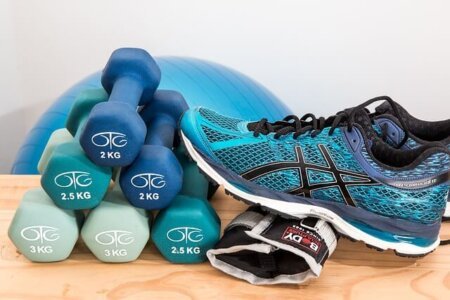
Fitness, exercise, and working out have a way of quietly shaping a person’s life far beyond the obvious gains of stronger muscles or better endurance. When people say, “exercise is good for you,” it can sound almost too simple, but the truth is much deeper.
Movement touches every system in the body, influences the way the mind works, and even affects how a person sees themselves and their place in the world. It is one of the few practices in life that rewards you physically, mentally, emotionally, and often spiritually all at once.
At the most basic level, exercise improves cardiovascular health, strengthens bones and joints, increases flexibility, and keeps the muscles active and supportive. It trains the heart to pump blood more efficiently and teaches the lungs to handle more activity with less strain. Daily tasks feel easier, you recover faster, and your overall health becomes more resilient. These are the benefits everyone expects.
But the deeper value of fitness lies in the not-so-obvious benefits—those that people don’t always think about until they’ve experienced them for themselves. These quieter benefits often become the real reason people stick with working out over the long run.
HERE ARE SOME OF THE LESS OBVIOUS BUT INCREDIBLY POWERFUL WAYS THAT FITNESS IS GOOD FOR YOU:
It rewires your stress response
Exercise trains your body to handle stress differently. When you push through a tough workout, your nervous system practices moving from tension back to calm. Over time, this translates into emotional resilience. Stressful workdays, tense conversations, or unexpected challenges feel less overwhelming because your system has learned not to “overreact.”
It sharpens your thinking
Movement increases blood flow to the brain, improving focus, memory, and problem-solving. A brisk walk or quick workout can clear mental fog in a way that caffeine often can’t. Many people notice they think more creatively after moving—the mind tends to open up when the body is active.
It builds discipline in one area that spills into others
Consistency with workouts tends to make people more consistent in other responsibilities. The habit of showing up for yourself physically strengthens the habit of showing up mentally and emotionally. The structure of exercise teaches you to follow through, even when you don’t feel like it, and that discipline transfers into work, relationships, and personal goals.
It teaches you how to deal with discomfort
Working out involves facing physical discomfort in a controlled way. Over time, this helps you develop tolerance not just for muscle burn but for life’s challenges. You become better at distinguishing between real danger and simple discomfort. That skill alone makes life feel more manageable.
It improves your posture and presence
When muscles are strong and balanced, you carry yourself differently. You stand taller, breathe more deeply, and your body language changes. This shift often quietly boosts confidence and how you feel moving through the world. People sometimes describe it as feeling more “grounded.”
It affects the quality of your sleep
Even if people don’t notice it right away, regular exercise improves the depth and restfulness of sleep. Your body wants to recover, so it encourages deeper cycles of rest. Better sleep then improves nearly every part of life—from mood to metabolism.
It helps regulate hormones
Hormones play a massive role in energy, mood, appetite, and overall vitality. Exercise helps balance them naturally. It stimulates endorphins, regulates insulin, stabilizes cortisol, and supports many other hormonal pathways that keep your body running smoothly.
It strengthens your immune system
Movement promotes circulation, helping immune cells move through the body more efficiently. People who exercise regularly often notice they don’t get sick as often—or if they do, they recover faster.
It creates community and connection
Gyms, fitness classes, running groups, and recreational sports introduce you to people who are also working toward better health. These connections can become friendships, support systems, or sources of encouragement. Even casual interactions—like spotting someone or sharing equipment—can make you feel part of something.
It gives you a sense of progress
Progress is a powerful psychological need. Fitness offers measurable improvements: one more rep, a little more weight, a longer distance, or simply breathing easier than last week. When life feels stagnant, these small wins remind you that growth is always possible.
It reconnects you with your body
Modern life keeps many people in their heads, on screens, or wrapped up in responsibilities. Exercise brings you back into your body. You feel your breath, your heartbeat, your strength, your limits—and this connection builds self-awareness and self-trust.
It provides a healthy outlet
Many people carry stress, frustration, or emotional weight. Exercise gives the body a way to release it physically rather than letting it build up mentally. You walk out lighter than you walked in.
Exercise has a remarkable way of shaping a person’s life far beyond the physical. The deeper you look, the more you realize that fitness quietly influences aging, motivation, relationships, emotional strength, and overall happiness in ways that often go unnoticed at first. These are the changes you only deeply appreciate after living them.
Here is a deeper look at how fitness affects these areas and more:
How Fitness Influences Aging
Exercise is one of the most powerful tools for aging well. People often think aging is just about getting older, but much of what we call “aging” is actually the result of inactivity. Movement slows that process dramatically.
It preserves muscle mass, which is essential for mobility, balance, and independence.
It keeps bones strong and reduces the risk of fractures later in life.
It protects the joints by keeping them lubricated and supported by strong muscles.
It improves circulation, which helps your skin, energy, and even brain function.
It reduces the chronic inflammation that accelerates aging.
It helps maintain a healthy weight, preventing the conditions that wear out the body over time.
People who stay active as they age often look younger, move younger, and feel younger than their non-active peers. Many describe it as aging “slower” than others around them.
How It Influences Motivation
Exercise is a unique motivator because it creates a feedback loop.
When you work out:
You feel accomplished.
Your body produces chemicals that lift your mood.
You feel more energetic and focused.
This naturally makes you more motivated in other areas of life. Many people notice that when they exercise, they’re more productive at work, more willing to tackle chores, and more likely to set and follow through with goals. Fitness teaches you that you can do hard things, and once you feel that it spills over into everything else.
How It Influences Relationships
Fitness influences relationships in several subtle but powerful ways:
You’re less stressed, which means you’re more patient and easier to talk to.
You sleep better, so you’re less reactive and more emotionally stable.
You develop confidence, and confidence improves how you show up in relationships.
You become more social, especially if you take classes, play sports, or go to a gym.
Many people even meet close friends or partners through fitness, but even beyond that, exercise helps you become a better listener, a more grounded person, and someone who communicates more clearly.
When you feel good in your body, you tend to treat others better.
How It Builds Mental Toughness
Working out forces you to confront struggle in a controlled, safe way.
There are moments when your muscles burn, your lungs feel heavy, or your mind says “stop.” When you push through—or even when you simply try—you develop inner strength.
Over time, this shapes your mind in several ways:
You stop giving up as easily.
You learn to stay calm when things get hard.
You become less afraid of failure.
You trust yourself more.
You build grit and resilience that carry into work, family, and everyday life.
This mental toughness becomes one of exercise’s greatest gifts, often more valuable than the physical changes.
How It Affects Long-Term Happiness
The relationship between exercise and long-term happiness runs deep.
Exercise boosts serotonin and endorphins, the chemicals that support mood and overall well-being.
It reduces anxiety and quiets the mind.
It helps you feel more in control of your life.
It gives you a sense of purpose and progress.
It improves your relationship with your body, which affects how you feel about yourself day to day.
People who exercise regularly tend to describe a “baseline happiness” that feels more stable and consistent. Even if life gets stressful, their mood doesn’t crash as easily. That stability is incredibly valuable long-term.
Other Areas of Life Exercise Quietly Improves
Self-esteem
There is something powerful about feeling stronger than you were yesterday. You start to see yourself as capable, disciplined, and worthy of taking care of.
Work performance
Regular movement increases creativity, sharpens decision-making, and improves concentration. Many people find they get more done in less time.
Emotional regulation
When you move your body, you release tension that might otherwise turn into frustration, sadness, or irritability. Exercise helps you respond instead of react.
Resilience during hardships
People who work out tend to handle grief, setbacks, and stressful situations with more grounding. Their mind has already practiced staying steady in discomfort.
Daily energy
Ironically, expending energy through exercise creates more energy. Your body becomes more efficient at everything it does, including basic tasks like walking, standing, and lifting.
Better habits overall
Exercise is often a “gateway” habit. Once someone starts working out consistently, they tend to make better choices in eating, hydration, sleep, and time management.
A sense of identity
Over time, fitness becomes part of who you are—not in a superficial way, but in a grounded, empowering way. It becomes a reminder that you take responsibility for your health and your life.
A DEEPER LOOK INTO HOW FITNESS AND EXERCISE INFLUENCE SOME OF THE MOST OVERLOOKED BUT POWERFUL AREAS OF LIFE—SPIRITUALITY, CAREER SUCCESS, EMOTIONAL HEALING, FAMILY LIFE, CONFIDENCE, AND EVEN HOW OTHERS PERCEIVE YOU. THESE EFFECTS AREN’T AS OBVIOUS AS “GETTING STRONGER” OR “LOSING WEIGHT,” BUT THEY SHAPE THE PERSON YOU BECOME.
How Exercise Influences Spirituality
Exercise, especially steady forms like walking, jogging, hiking, swimming, or cycling, often brings a person into a more centered, grounded state. For many people, it becomes a moving form of meditation.
Here’s how it influences the deeper, spiritual side of life:
It quiets the mind. The repetitive motions of exercise often create mental stillness.
It increases clarity. People find that answers to problems come to them while they’re moving.
It builds self-awareness. You learn what your body is capable of, what it needs, and how it responds.
It increases presence. You become more aware of breath, heartbeat, rhythm, and the moment you’re in.
It helps you feel connected. Outdoor exercise in particular deepens your connection to nature, which many people interpret as spiritual.
Some describe it as feeling more aligned, more calm, or more “in tune” with themselves and the world.
How Exercise Influences Career Success
Even in jobs that have nothing to do with physical performance, fitness helps people succeed.
More energy means better productivity.
Better focus means you work smarter and faster.
Reduced stress keeps you clear-headed when others panic.
Discipline from workouts transfers to discipline in deadlines.
Confidence gained in the gym carries into meetings and decision-making.
People who exercise often come across as more capable, more composed, and more proactive, which naturally opens doors in their careers.
How It Supports Emotional Healing
Exercise is one of the most healing tools a person can use. It helps the body process and release emotions that would otherwise stay stuck.
Movement reduces tension that builds from stress, grief, trauma, or pressure.
It provides a safe outlet for anger, sadness, or anxiety.
It increases chemicals that support emotional recovery, including endorphins and serotonin.
It stabilizes mood, making emotional storms feel more manageable.
Many therapists even recommend movement as part of emotional recovery because the body and mind are so deeply connected.
How It Strengthens Family Life
When you take care of your body, it affects how you show up for the people you love.
You have more patience.
You have more energy to be present and engaged.
You become a model of healthy behavior for children or younger family members.
Your mood is more stable, which helps reduce conflict.
Shared activities—walks, bike rides, hikes, gym sessions—create bonding opportunities.
Families that stay active together often find they communicate better, laugh more, and build stronger emotional connections.
How It Improves Confidence
Confidence grows quietly through every workout, especially when you notice the small changes:
You lift something you couldn’t lift before.
You breathe easier than you did last week.
Your posture improves and you carry yourself differently.
You prove to yourself that you can stay disciplined.
You begin to feel stronger in both body and mind.
Confidence built through exercise is real, grounded, and earned—not shallow or showy. It fundamentally changes the way you walk through the world.
How Fitness Shapes the Way People Perceive You
People pick up on the way you move, stand, breathe, and carry yourself. Exercise shapes all of that.
Good posture makes you appear more confident.
Calm energy makes you seem more approachable.
Physical vitality makes you seem more capable.
Mental focus makes you appear more dependable.
Emotional balance makes you seem more mature and grounded.
This is not about being judged on looks—it’s about the energy you project. Fit people often come across as composed, steady, positive, and self-respecting, which influences how others respond to them.
Additional Areas Exercise Impacts
Financial discipline
People who stay consistent with fitness often manage money better because both habits require delayed gratification and planning.
Decision-making
Exercise improves blood flow to the brain, leading to clearer thinking and better judgment.
Creativity
Many writers, artists, and problem-solvers rely on movement for creative breakthroughs.
Sense of purpose
A structured fitness routine gives rhythm to your life and can anchor your days.
Emotional resilience
When your body is strong, your mind naturally feels stronger too.
Overall quality of life
You move through daily tasks with more ease, less pain, and more enjoyment.
ALMOST EVERYONE WHO MAKES EXERCISE A LONG-TERM PART OF THEIR LIFE EVENTUALLY DISCOVERS THESE DEEPER BENEFITS, EVEN IF THEY DIDN’T EXPECT THEM AT THE BEGINNING
It rarely happens all at once. Instead, these realizations show up gradually, often in subtle ways, and people will look back and say something like, “I didn’t even notice how much this changed me until now.”
Here’s how the realization usually unfolds for people who stick with working out long term:
At first, people start for physical reasons…
Most people begin exercising because they want to lose weight, build muscle, improve health, or simply “get in better shape.” These are the obvious motivations. But once the habit becomes consistent, something surprising happens—they start noticing benefits they never aimed for.
Then they realize they feel different mentally
Many long-term exercisers remember the moment when they noticed that stress didn’t hit them the same way anymore, or that their mind felt clearer after a workout. These mental and emotional shifts tend to be the first “hidden” benefits people recognize.
At this stage, many think, “Wow, I didn’t expect it to help my mind this much.”
Over time, their confidence quietly grows
Confidence is one of the benefits people often don’t recognize until they see the difference in their day-to-day life. They’ll notice they speak with more certainty, walk with better posture, or handle challenges more calmly. They don’t always connect these changes to exercise right away—but they all come from discipline, progress, and physical strength.
Many long-term exercisers later realize, “I feel more capable in general.”
They begin to notice changes in relationships and social interactions
People who exercise consistently tend to be more patient, less anxious, and more grounded. They sleep better, their mood is steadier, and they’re less irritable. Over the long term, this changes how they interact with others.
At some point, they may realize their relationships are healthier, communication is easier, or they simply get along better with people. They often only later connect the dots back to the lifestyle shift.
The benefits to aging become obvious with time
Long-term movers often notice by their 40s, 50s, 60s, or beyond that they simply feel younger than many of their peers. They have easier mobility, better balance, fewer aches, and more energy. This realization sometimes comes when they see friends their age struggling with things that feel easy to them.
Many say, “I didn’t know exercise would help me age this well.”
Mental toughness and resilience become part of their personality
This change happens slowly. Pushing through difficult sets, sticking to routines, and showing up even when tired develops a deep kind of resilience. Many people don’t notice this until they face real-life challenges—loss, stress, conflict, or setbacks—and realize they cope better than they used to.
Eventually, they understand that their time in the gym taught them how to stay calm and endure.
They discover it shapes who they are
People who stick with fitness long term eventually realize that exercise isn’t just something they “do,” it becomes part of who they are. It influences how they view themselves, their discipline, their habits, their goals, and their overall lifestyle.
They may not start out thinking that way, but the identity shift happens naturally.
Most importantly: the longer you do it, the more benefits reveal themselves
Some discoveries come early, like improved mood and energy. Others—like better aging, stronger relationships, clearer thinking, resilience, and confidence—show up months or even years later. But yes, people do eventually notice these things, and those realizations often become the reason they stay committed for life.
In fact, many long-term exercisers say that the physical benefits end up being only a small piece of why they keep going. The deeper benefits—mental strength, calmness, clarity, identity, and overall quality of life—are what keep them dedicated.
HERE IS A CLEAR, REALISTIC TIMELINE OF HOW MOST PEOPLE DISCOVER THE DEEPER BENEFITS OF EXERCISE—WHAT THEY TEND TO NOTICE IN THE FIRST FEW WEEKS, THE FIRST YEAR, AFTER FIVE YEARS, AND EVEN AFTER TEN OR TWENTY YEARS. EVERYONE’S JOURNEY IS DIFFERENT, BUT THESE PATTERNS SHOW UP AGAIN AND AGAIN IN PEOPLE WHO MAKE FITNESS A LONG-TERM LIFESTYLE
The Timeline of Realizing the Benefits of Exercise
Weeks 1–4: The Early Physical and Mental Shifts
In the first month, most people are still focused on the physical side of exercise. But even early on, subtle, unexpected benefits begin to appear.
What people usually start noticing:
Better sleep—falling asleep faster and waking up less groggy.
Slight boosts in mood during the day.
A clearer mind after a workout.
More steady energy instead of afternoon crashes.
A small sense of accomplishment that feels new.
What they don’t fully realize yet:
They don’t yet understand how deeply this will change their mental health, confidence, or long-term aging. At this stage, most think they’re just “working out.”
Months 2–6: The Emotional and Lifestyle Benefits Become Clear
By this point, people begin noticing more than just physical changes.
They start to realize:
Stress doesn’t overwhelm them the way it used to.
They feel less anxious and less “on edge.”
Their thoughts feel clearer; mental fog fades more easily.
Work and daily tasks seem smoother and less draining.
Their confidence starts to grow quietly.
They recover faster from small illnesses.
They also begin to see patterns:
Bad days feel less heavy.
Exercise becomes a tool they use when they feel stressed.
They start making better food choices without forcing it.
This is when people begin to understand that exercise affects their mind just as much as their body.
Months 6–12: Identity and Mindset Begin to Shift
After consistent movement for about a year, people often realize their whole approach to life has changed.
Here’s what they discover:
They are more disciplined than they thought they could be.
They handle emotional challenges with more calmness.
Their overall self-esteem is higher.
They’ve become more patient with others.
Their posture and presence have improved.
Exercise has become a natural part of their routine, not a chore.
This is also the period when people begin recognizing how fitness is helping them at work, in relationships, and in decision-making. They start to feel a deeper sense of self-respect.
Year 1–5: Long-Term Strength, Growth, and Confidence
By this stage, exercise becomes woven into a person’s identity. They are no longer just “someone who works out”—it becomes part of who they are.
Major realizations during this time:
They feel younger, stronger, and more capable than others their age.
They can’t believe how much mental toughness they’ve built.
They notice they rarely get sick or stay sick long.
They realize they are calmer under pressure and think more clearly.
Their relationships improve because they are less reactive and more stable emotionally.
They trust themselves more; challenges don’t intimidate them the same way.
People in this stage often reflect and think, “I didn’t expect exercise to change my whole life.”
At this point, the benefits become more emotional, psychological, and relational than physical.
Year 5–10: Long-Term Aging, Stability, and Emotional Depth
Over five to ten years, something powerful happens: people begin comparing themselves to peers their age—not intentionally, just naturally—and the difference becomes noticeable.
Common realizations during this period:
They move more easily and feel healthier than many friends or coworkers.
They feel younger and more alive than they imagined possible.
Their posture, energy, and appearance stay strong.
They feel deeply grounded; mentally and emotionally stable.
Stress bounces off them more easily.
They think more clearly and handle challenges with maturity.
They have created a lifestyle of discipline that shows in every area of life.
They also see how exercise has shaped their character: patience, resilience, humility, and confidence all deepen.
Year 10–20 and Beyond: The Lifelong Realization
People who stay active for decades speak about exercise in a different way. It’s not just something they “do.” It is something that has shaped their entire life.
Their realizations are profound:
Exercise helped them age slower and stay much healthier than they expected.
They avoided many problems others face—chronic pain, stiffness, fatigue, low mood.
They built a lifestyle of strength, clarity, and emotional resilience.
They used exercise as a tool during grief, stress, and difficult life transitions.
They feel a sense of pride in taking care of themselves long term.
They appreciate the emotional calm and mental clarity they earned over decades.
Many say the biggest gift wasn’t physical strength—it was the sense of personal power, peace, and identity they developed.
The Common Thread
People who make exercise a long-term lifestyle almost always discover these deeper benefits.
And almost always, they say this:
“I started working out to change my body.
I kept working out because it changed my life.”
The long-term rewards of exercise go so far beyond what most people imagine when they first begin. What starts as a simple effort to get in better shape slowly unfolds into a complete reshaping of how you think, how you feel, and how you move through the world.
It becomes one of the few habits in life that gives back more than it takes, offering not just physical strength but mental clarity, emotional balance, and a deeper sense of personal resilience. With time, you begin to realize that every workout was really an investment in your future self.
What makes fitness so powerful is that it grows with you. As your life changes, your routines may shift—but the benefits remain. During stressful seasons, exercise becomes a stabilizer.
During busy times, it offers focus and energy. During difficult moments, it provides an anchor. And as you age, it preserves a sense of youthfulness, vitality, and independence that becomes invaluable. Few other practices have the ability to support you so consistently, year after year.
People who stay active long term often look back and realize that exercise gave them much more than a stronger body—it gave them a stronger life. It taught them discipline, patience, and confidence. It helped them become someone who doesn’t quit when things get hard. It offered peace when life felt overwhelming and clarity when decisions were heavy. And eventually, the habit of movement becomes a quiet reminder that you are capable, adaptable, and worthy of taking care of yourself. It becomes not just something you do, but a powerful part of who you are.
YOU CAN FIND EXCELLENT, TRUSTWORTHY INFORMATION ON ALL THE AREAS WE TALKED ABOUT—PHYSICAL HEALTH, MENTAL BENEFITS, EMOTIONAL RESILIENCE, AGING, CONFIDENCE, MOTIVATION, AND LONG-TERM WELL-BEING—ACROSS SEVERAL RELIABLE SOURCES. THESE PLACES GIVE CLEAR, RESEARCH-BACKED EXPLANATIONS WITHOUT THE HYPE OR MISLEADING CLAIMS THAT FLOATING AROUND ON SOCIAL MEDIA.
1. Health and Medical Organizations
These provide the most accurate, science-based information about the physical and mental benefits of exercise:
• Mayo Clinic
Covers exercise, mental health, aging, stress, confidence, and overall wellness.
• Cleveland Clinic
Great for understanding long-term effects of fitness on the heart, muscles, brain, sleep, and mood.
• Centers for Disease Control and Prevention (CDC)
Offers straightforward guidance on physical activity, health guidelines, and aging.
• National Institute on Aging (NIA)
Strong resource for learning how exercise influences aging, mobility, and lifelong vitality.
2. Psychology and Mental Health Sources
These explain how exercise affects motivation, anxiety, confidence, emotional resilience, and overall happiness.
• American Psychological Association (APA)
Covers the powerful connection between exercise and mental health, motivation, and resilience.
• Harvard Health Publishing (Harvard Medical School)
Has excellent articles on exercise and mood, aging, brain health, stress management, and energy.
• Psychology Today
Easy-to-read articles about confidence, mental toughness, relationships, and self-esteem.
3. Trusted Fitness and Longevity Experts
These sources focus on long-term wellness rather than quick fixes.
• ACSM (American College of Sports Medicine)
Gold-standard resource for exercise science and long-term training benefits.
• ACE Fitness (American Council on Exercise)
Provides practical information for beginners and long-term exercisers, including motivation and habits.
• Blue Zones Project
Great for understanding how lifelong physical activity contributes to longevity and happiness.
4. Books That Provide Deeper Insight
If you want long-term, life-centered perspectives:
• “Spark” by John J. Ratey, MD – explains how exercise transforms the brain and emotional health
• “Younger Next Year” by Chris Crowley & Henry Lodge – focuses on how movement slows aging
• “Atomic Habits” by James Clear – helps build and maintain lifelong exercise routines
• “The Joy of Movement” by Kelly McGonigal, PhD – explores exercise as a source of meaning, resilience, and happiness
5. Academic Research Databases
If you ever want the more scientific, detailed research:
• PubMed – thousands of studies on exercise, brain health, aging, and mood
• Google Scholar – helpful for finding legitimate research on long-term fitness benefits
6. Local Fitness Professionals and Community Programs
Real-world guidance can be incredibly valuable:
• Your local YMCA
• Community recreation centers
• Certified personal trainers
• Group classes like CrossFit, bootcamps, yoga, or spin