


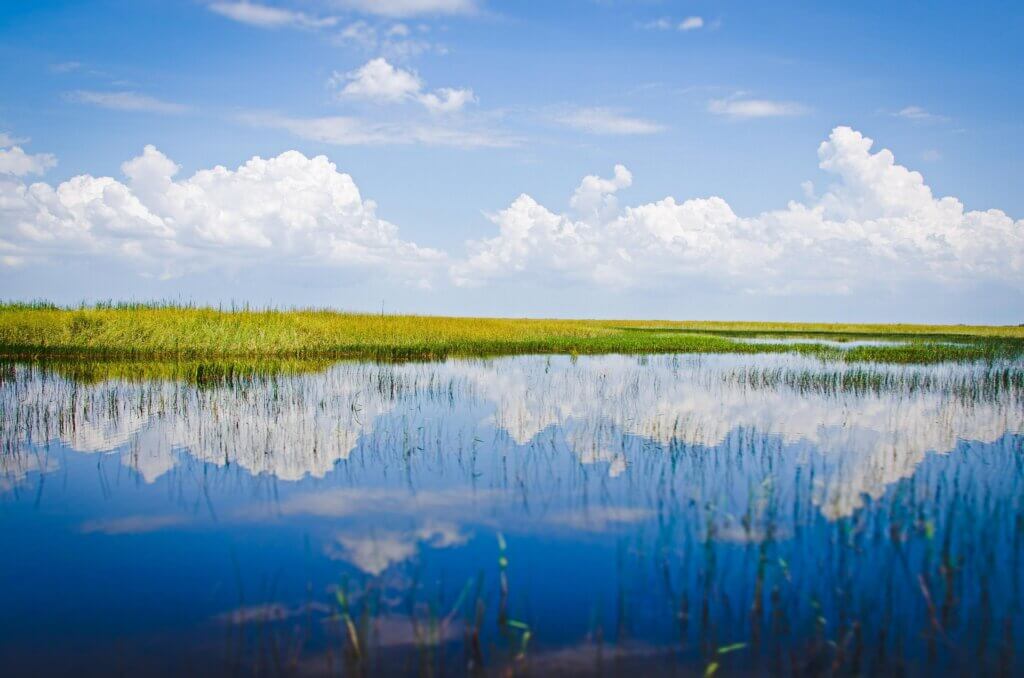
Fishing in Florida isn’t just a casual hobby—it’s almost a lifestyle. There are a few big reasons why people are drawn to it there, and once you see the mix, it makes a lot of sense.
First, it’s the sheer variety of water. Florida is surrounded by the ocean on three sides—the Atlantic Ocean and the Gulf of Mexico—and it’s packed with lakes, rivers, and wetlands inland. That means you can go saltwater fishing one day and freshwater fishing the next without traveling far. Few places offer that kind of range.
Then there’s the fish themselves. Florida has some of the most sought-after species in the country. Offshore, people chase tarpon, marlin, and mahi-mahi. Inshore, it’s redfish and snook. Freshwater anglers go after largemouth bass, especially in places like Lake Okeechobee, which is famous nationwide. The diversity keeps things exciting—there’s always something new to learn or catch.
The climate plays a huge role too. Florida’s warm weather means you can fish pretty much year-round. While people in colder states are waiting out winter, anglers in Florida are still out on the water. That consistency builds strong habits and traditions around fishing.
Another piece of it is the environment itself. Fishing in Florida often means being surrounded by mangroves, clear flats, or open ocean. Places like Florida Keys are world-famous not just for fishing, but for how beautiful and relaxing the setting is. Even if the fish aren’t biting, the experience still feels worth it.
There’s also a strong cultural element. Fishing has deep roots in Florida—commercial fishing, sport fishing, and family traditions passed down for generations. It’s common for people to grow up fishing with parents or grandparents, so it becomes part of their identity. For many, it’s less about catching fish and more about slowing down, being outdoors, and enjoying time with others.
And finally, there’s the challenge and reward. Fishing in Florida can be easy one day and humbling the next. Tides, weather, water clarity, and fish behavior all come into play. That unpredictability is exactly what keeps people hooked—it’s part skill, part patience, and part luck.
Put it all together—year-round access, incredible variety, beautiful settings, and deep tradition—and it’s easy to see why so many people love fishing in Florida.
Florida is loaded with fishing spots, but a handful consistently rise to the top because of three things: fish population, access, and reliability. Below is a clear breakdown of the best lakes, rivers, and coastal areas—what people catch there, how they fish, and why these places stand out.
TOP LAKES IN FLORIDA


Lake Okeechobee
What you catch: largemouth bass, crappie, bluegill
How: Artificial lures (soft plastics, spinnerbaits), live shiners
Why it’s top:
This is often called the Bass Fishing Capital of the World. It’s shallow, full of vegetation, and produces huge bass consistently. Even beginners have a real shot at catching a trophy fish here.
Lake Kissimmee
What you catch: largemouth bass, crappie
How: Flipping vegetation, topwater lures early/late, live bait
Why it’s top:
Less pressured than Okeechobee but still extremely productive. Big fish, quieter atmosphere, and excellent habitat.


Rodman Reservoir
What you catch: largemouth bass (often large), catfish
How: Fishing around submerged timber, slow presentations
Why it’s top:
Known for giant bass. The flooded forest structure creates ideal hiding and feeding zones.
TOP RIVERS
St. Johns River
What you catch: largemouth bass, catfish, bream
How: Casting along grass edges, docks, and current breaks
Why it’s top:
One of the few rivers in the U.S. that flows north. It’s slow-moving, diverse, and produces both numbers and size.


Suwannee River
What you catch: catfish, bass, panfish
How: Bottom fishing, natural baits, light tackle
Why it’s top:
More of a classic, scenic river experience. It’s less about trophies and more about steady action and peaceful fishing.
Peace River
What you catch: bass, catfish, sunfish
How: Bank fishing, kayak fishing, live bait
Why it’s top:
Underrated and less crowded. Great for people who want a quiet, natural setting.
TOP COASTAL FISHING AREAS
Florida Keys
What you catch: tarpon, bonefish, permit, mahi-mahi
How: Flats fishing (sight casting), offshore trolling
Why it’s top:
This is world-class fishing. Clear water, huge variety, and the famous “grand slam” (tarpon, bonefish, permit) draw anglers from everywhere.
Tampa Bay
What you catch: snook, redfish, spotted seatrout
How: Live shrimp, artificial lures, fishing grass flats
Why it’s top:
Close to you and extremely productive. It has a perfect mix of shallow flats, mangroves, and deeper channels.
Mosquito Lagoon
What you catch: redfish, spotted seatrout
How: Sight fishing in shallow water, light tackle
Why it’s top:
Known for clear, shallow water where you can actually see the fish before casting—one of the most exciting styles of fishing.
Destin Harbor (and nearby Gulf waters)
What you catch: snapper, grouper, king mackerel
How: Bottom fishing offshore, charter boats
Why it’s top:
Nicknamed “The World’s Luckiest Fishing Village” for a reason—deep water close to shore means big fish are more accessible.
Why These Spots Are “Top Tier”
Across all these locations, a few patterns show up:
- Healthy ecosystems → vegetation, structure, and food = more fish
- Consistent results → not just good once in a while, but reliable
- Accessibility → boat ramps, guides, public access
- Variety → multiple species and techniques keep things interesting
THE EVERGLADES
People absolutely fish in the Everglades, and it’s actually considered one of the most unique and productive fishing areas in the world.
What People Catch in the Everglades
The Everglades is where freshwater and saltwater mix, so you get an unusual combination of species:
largemouth bass (freshwater areas)
snook (loves mangroves and brackish water)
redfish
tarpon (a huge draw for anglers)
peacock bass (in some southern canal systems)
That mix alone makes it special—you can catch completely different types of fish in the same general area.
How People Fish There
Fishing in the Everglades is a little different from typical lakes:
Small boats or airboats are common because of shallow water
Kayak fishing is popular in certain areas
Live bait (like shrimp or minnows) works well
Artificial lures are used along mangroves and grass edges
A lot of fishing happens along mangrove shorelines, canals, and backcountry creeks, where fish hide and feed.
Why People Love Fishing the Everglades
It’s wild and untouched
Unlike many developed areas, the Everglades still feels raw and natural. You’re not just fishing—you’re in a true wilderness.
Incredible variety
Few places let you catch both freshwater and saltwater species in one trip.
Less pressure in some areas
Compared to places like Tampa Bay or the Florida Keys, parts of the Everglades are quieter and less crowded.
Big, aggressive fish
Species like snook and tarpon hit hard and fight hard, which makes the experience exciting.
The Reality (What People Don’t Always Say)
It’s not for everyone, and it’s worth being honest about that:
Navigation can be tricky (easy to get lost in backcountry areas)
Weather changes fast
Wildlife is real—you’ll see American alligator, snakes, and more
Bugs can be intense, especially in warmer months
Because of that, many people go with experienced guides, especially their first few times.
Fishing in the Everglades is less about convenience and more about the experience. It’s for people who want something raw, challenging, and different from a typical lake or pier.
You’re not just going fishing—you’re stepping into one of the most unique ecosystems in the country.
FISHING REGULATIONS IN FLORIDA ARE PRETTY STRAIGHTFORWARD AT A BASIC LEVEL
You Usually Need a Fishing License
For most people:
Ages 16–64 (residents) → need a license
All non-residents 16+ → need a license
Applies to both freshwater and saltwater
There are two main types:
Freshwater license (lakes, rivers)
Saltwater license (ocean, bays, flats)
👉 Important: Even catch-and-release still requires a license in most cases
Common Exceptions
Under 16 → no license
65+ Florida residents → no license (with ID)
Fishing on your own private property
Certain “free fishing days” each year
You Must Follow Bag Limits (How Many Fish You Keep)
A bag limit = how many fish you’re allowed to keep per day.
Limits are usually per person, per species
Example: you might be allowed 5 fish of a certain type per day
These limits vary a lot depending on the species (like snook vs largemouth bass), location, and season.
👉 This is one of the most important rules—keeping too many fish can lead to fines.
Size Limits (Slot Limits)
You often can’t just keep any fish you catch.
Fish must be within a legal size range
Example:
Too small → must release
Too big (in some cases) → also must release
This protects:
Young fish (so they can grow)
Breeding fish (so populations stay strong)
Seasons (When You Can Keep Certain Fish)
Some species are only legal to keep during certain times of year.
Example: red snapper has very specific open seasons
Outside that window → catch-and-release only (or no targeting at all)
These seasons change based on fish populations, so they’re updated regularly.
Gear Rules (How You’re Allowed to Fish)
Florida regulates how you fish too.
Freshwater:
Mostly rod and reel or pole and line only for game fish
No explosives, electricity, poison, etc. (obviously illegal)
Saltwater:
More flexibility (nets, etc.), but still regulated
Some species require special permits or methods
Special Permits for Certain Fish
Some popular species require extra permits:
snook permit
lobster permit
Reef fish registration (for species like snapper/grouper)
Even if you have a license, you may still need these.
Freshwater vs Saltwater Boundaries Matter
Florida has tons of brackish water (mix of fresh and salt).
You need the correct license for where you’re fishing
Boundaries are sometimes at bridges, dams, or marked points
👉 When in doubt, many anglers just carry both licenses.
Why These Rules Exist (Important Mindset)
Florida isn’t just making rules for no reason:
Prevent overfishing
Protect breeding cycles
Keep ecosystems healthy
Ensure fishing stays good for future generations
What Happens If You Break the Rules
This part is worth taking seriously:
Fines can be significant
Repeated violations can lead to bigger penalties or even legal trouble
If you remember just a few things, you’ll stay out of trouble:
Get the right license
Know your bag and size limits
Check seasons for your target fish
Use legal gear
Everything else builds off that.
THE “BEST TIME” TO FISH IN FLORIDA REALLY COMES DOWN TO TWO THINGS: TEMPERATURE AND FISH BEHAVIOR. FLORIDA’S HEAT AND SUNLIGHT PLAY A HUGE ROLE, SO TIMING MATTERS MORE HERE THAN IN MANY OTHER STATES
BEST TIME OF DAY TO FISH IN FLORIDA
Early Morning (Best Overall)
Roughly: Sunrise to about 9–10 AM
Why it’s great:
Water is cooler after the night
Fish are actively feeding after resting
Less boat traffic and pressure
What happens:
Fish like largemouth bass, snook, and redfish move into shallow water to hunt.
👉 This is widely considered the most reliable time to catch fish in Florida.
Late Afternoon / Evening (Second Best)
Roughly: 4 PM to sunset
Why it works:
Sun starts dropping → water cools again
Baitfish become active
Predators follow
Bonus:
Topwater fishing can be really exciting during this time.
Night Fishing (Underrated but Powerful)
Best for: Saltwater and certain freshwater spots
Why it works:
Cooler temperatures
Lights attract bait → bait attracts bigger fish
Less fishing pressure
Species like snook and tarpon are especially active at night.
Midday (Usually the Worst)
Roughly: 11 AM – 3 PM
Why it’s tough:
Florida sun heats water quickly
Fish go deeper or become inactive
Bright light makes them more cautious
👉 You can still catch fish, but you usually need to:
Fish deeper water
Slow down your presentation
Use live bait
BEST TIME OF YEAR TO FISH IN FLORIDA
Spring (March–May) – One of the Best Seasons
Why:
Fish are feeding heavily and spawning
Comfortable weather
High activity levels
Great for:
largemouth bass (spawning season)
tarpon (migration begins)
Fall (September–November) – Often the Sweet Spot
Why:
Water starts cooling down
Fish feed aggressively before winter
Less extreme heat than summer
This is one of the most consistent and enjoyable times to fish.
Summer (June–August) – Good but Requires Strategy
Why it’s tricky:
Very hot water
Fish feed mostly early morning, late evening, or at night
What works:
Go early or late
Fish deeper water during the day
Winter (December–February) – Slower but Still Good
Why:
Florida stays mild compared to most states
Some species slow down, but others thrive
Good for:
Sheepshead, trout, and certain offshore species
Clearer water can actually help sight fishing
A SIMPLE “RULE OF THUMB” THAT WORKS IN FLORIDA
If you remember nothing else, remember this:
Fish when it’s coolest (early morning / late evening)
Fish when seasons are transitioning (spring and fall)
That’s when fish are most active—period.
WHY THIS MATTERS SO MUCH IN FLORIDA
Florida heat changes everything. In places like Tampa Bay or the Everglades:
Midday sun can shut fishing down
But the same spot can be on fire at sunrise
So timing isn’t just a small factor—it’s often the difference between catching nothing and catching a lot.
Best time of day: Early morning (1st), evening (2nd), night (underrated)
Best time of year: Spring and fall
Big idea: Fish activity follows temperature and light
MORE TIPS FOR FISHING IN FLORIDA
Moving Water Beats Still Water (Almost Always)
In Florida, current is everything—especially near the coast.
Incoming and outgoing tides move bait
Moving water = oxygen + food = active fish
In places like Tampa Bay or mangrove creeks near the Everglades, fishing dead-still water can feel like a desert.
👉 The overlooked truth:
It’s often better to fish a “worse spot” with moving water than a “perfect spot” with no movement.
Wind Direction Matters More Than You Think
Most people just check if it’s windy—but not which direction.
Wind blowing into a shoreline pushes bait there
Wind blowing out pulls fish away
This applies to:
Lakes (bass fishing)
Flats (redfish, trout)
Beaches (surf fishing)
👉 Smart anglers use the wind instead of fighting it.
Water Clarity Changes Everything
Florida water can go from crystal clear to murky fast.
Clear water: fish are cautious → lighter line, natural lures
Dirty water: fish rely on vibration/scent → louder, brighter lures or live bait
In places like Mosquito Lagoon, clear water means you might actually see fish—but they’ll also see you.
The “10% Rule” Most People Ignore
You’ll hear this a lot, but few actually apply it:
90% of fish are in 10% of the water
In Florida, that 10% is usually:
Structure (docks, mangroves, grass lines)
Depth changes (drop-offs, holes)
Shade (huge in hot weather)
👉 The mistake: people cast everywhere instead of targeting specific zones.
Shade Is a Big Deal in Florida
Because of the heat, shade becomes a magnet for fish.
Under docks
Mangrove overhangs
Bridges
Species like snook practically live in shade during the day.
👉 Midday fishing isn’t hopeless—you just need to fish shade aggressively.
Seasonal Patterns Are Subtle (But Real)
Florida doesn’t have dramatic seasons like northern states, but fish still follow patterns:
Slight temperature drops = feeding spikes
Cold fronts = fish shut down temporarily
Pre-storm conditions = aggressive feeding
👉 One of the least talked-about realities:
A small 5–10° temperature change in Florida can completely change fishing.
Live Bait vs Artificial—The Honest Truth
A lot of content pushes artificial lures, but here’s the reality:
Live bait (shrimp, minnows) = more consistent success
Artificial lures = more skill-based, more rewarding long-term
👉 If your goal is to catch fish consistently, especially starting out, live bait wins more often.
Fishing Pressure Is Real
Popular spots get “educated fish.”
Fish learn to avoid common lures
They become more cautious during the day
That’s why:
Early morning works better
Less obvious spots can outperform famous ones
Even in top areas like Lake Okeechobee, pressure changes behavior.
The Role of Tides (Saltwater)
If you fish the coast, tides matter more than time of day.
Incoming tide → fish move in to feed
Outgoing tide → fish stage in channels and choke points
👉 The key insight:
Fish where water is forced to move—points, cuts, creek mouths.
Safety Is a Bigger Deal Than People Admit
This doesn’t get talked about enough.
Sudden storms (especially summer)
Heat exhaustion
Wildlife (like American alligator in freshwater areas)
👉 A lot of experienced anglers quietly plan around safety just as much as fishing.
“Bad Days” Are Often Predictable
What feels random usually isn’t.
Common tough conditions:
Bluebird skies after a cold front
No wind + high sun
Slack tide
👉 Experienced anglers don’t just fish harder—they adjust expectations or change strategy.
The Mental Side Nobody Talks About
Fishing teaches patience in a very real way.
You won’t always catch fish
You’ll get skunked sometimes
Conditions won’t always cooperate
But over time, you start noticing patterns, and that’s when it becomes addictive.
👉 That’s why so many people stick with it—it’s not just catching fish, it’s figuring things out.
The biggest “hidden truths” about fishing in Florida are:
It’s more about conditions than location
Small environmental changes make a big difference
The best anglers focus on patterns, not luck
Once you start paying attention to things like water movement, wind, and structure, your results can change pretty fast.
A SIMPLE “SHOW UP AND FISH” GAME PLAN
Step 1: Pick the Right Time (Don’t Skip This)
- Go early morning (sunrise–9 AM) or late afternoon (4 PM–sunset)
- If it’s summer → earlier is better
- If it’s hot midday → only fish shade or deeper water
👉 This alone will improve your results more than anything else.
Step 2: Choose the Right Type of Spot
If You’re Near the Coast (Best Option for You)
Look around areas north of Tampa like:
- Grass flats
- Mangroves
- Small creeks and inlets
Target fish:
- redfish
- snook
- spotted seatrout
If You’re Fishing Freshwater
Look for:
- Vegetation (grass, lily pads)
- Drop-offs
- Docks or fallen trees
Target fish:
- largemouth bass
Step 3: Start With What Actually Works (Keep It Simple)
Easiest, Most Reliable Setup:
- Rod + spinning reel
- Live shrimp or minnows
👉 This works almost everywhere in Florida.
How to fish it:
- Cast near structure (grass, mangroves, docks)
- Let it sit or move it slowly
- Be patient
If You Want to Use Artificial Lures:
Start with:
- Paddle tail soft plastics
- Topwater early/late
- Simple jig heads
👉 Don’t overcomplicate it—simple beats fancy most of the time.
Step 4: Focus on These 3 Things (This Is the Secret)
When you arrive, don’t just start casting randomly. Look for:
1. Moving Water
- Tides moving in/out
- Current in rivers or creeks
2. Structure
- Grass lines
- Mangroves
- Docks
3. Bait Activity
- Small fish jumping
- Birds diving
👉 If you see bait, stay there.
Step 5: Adjust Based on Conditions
- Hot and sunny? → Fish shade or deeper water
- Wind blowing toward shore? → Fish that shoreline
- Water dirty? → Use live bait or louder lures
- No bites after 20–30 minutes? → Move
👉 Good anglers move. They don’t sit and hope.
Step 6: Keep It Realistic
A successful trip in Florida often looks like:
- A few solid bites
- Maybe 1–5 good fish
- Learning something each time
Not every trip is a highlight reel—and that’s normal.
A Simple Example Trip (Exactly What You’d Do)
Let’s say you go out near the Gulf coast:
- Arrive at sunrise
- Find a grassy flat or mangrove edge
- Rig live shrimp on a simple hook
- Cast near the edge of grass
- Let it drift naturally with the water
- Watch for movement or bites
- If nothing happens → move 50–100 yards and try again
That’s it. No overthinking.
The Big Picture
If you follow this approach:
- Right time of day
- Right type of spot
- Simple bait/setup
- Focus on movement + structure
You’ll be ahead of most casual anglers pretty quickly.
Fishing in Florida has a way of pulling everything together—nature, patience, skill, and a bit of unpredictability. The more you spend time on the water, the more you realize it’s not just about catching fish. It’s about learning how the environment works—how tides move, how fish react to weather, and how small details can completely change your results.
What makes Florida special is that it gives you endless opportunities to improve. Whether you’re casting for largemouth bass in a quiet freshwater lake or targeting redfish and snook along the coast, every trip teaches you something new.
Over time, you start to notice patterns. You stop guessing and start understanding—and that’s when fishing becomes a lot more consistent and a lot more rewarding.
It’s also one of the few activities where slowing down actually works in your favor. In a fast-paced world, fishing forces you to pay attention, be present, and think a little deeper. Even on slower days, you’re still outdoors, still learning, and still building experience that carries into the next trip.
And that’s really the key—consistency over perfection. You don’t need perfect gear, perfect conditions, or expert-level knowledge to get started. If you show up at the right times, keep things simple, and stay observant, you’ll steadily improve. Florida gives you one of the best environments in the country to do exactly that.
In the end, fishing here isn’t just something you try once in a while. For many people, it becomes something you look forward to, something that clears your head, and something that keeps you coming back—because there’s always more to figure out, and always another opportunity waiting just beneath the surface.
IF YOU REALLY WANT TO KEEP LEARNING AND GET BETTER AT FISHING IN FLORIDA, THE BEST MOVE IS TO COMBINE OFFICIAL RESOURCES, REAL-WORLD TOOLS, AND COMMUNITY KNOWLEDGE. HERE ARE SOME OF THE MOST USEFUL PLACES (WITH DIRECT LINKS) THAT LINE UP WITH EVERYTHING WE TALKED ABOUT
Official Florida Fishing Resources (Most Important)
Florida Fish and Wildlife Conservation Commission
This is the main authority for fishing in Florida. It covers licenses, regulations, species, and beginner guidance.
Why it matters:
- Up-to-date regulations, seasons, and size limits
- Beginner-friendly guides and how-to information
- Tools for finding places to fish
If you rely on one source, make it this one.
Apps and Tools That Make Fishing Easier
Fish Rules
A widely used app that helps you stay legal and informed.
What it does:
- Shows regulations based on your exact location
- Helps identify fish and legal sizes
Tide and Weather Tools
These are essential in Florida because conditions change fast.
Focus on:
- Tide movement
- Wind direction
- Water temperature
These directly connect to the patterns we talked about earlier.
Video Learning (Seeing It in Action)
YouTube
Search for:
- Florida inshore fishing basics
- How to fish mangroves in Florida
- Beginner bass fishing Florida
Look for videos that show real conditions, not just ideal situations. Pay attention to how people adjust based on weather, water, and fish behavior.
Community Knowledge (Underrated but Valuable)
Why it helps:
- Real-time reports from anglers
- Honest experiences, including failures
- Seasonal patterns and local insights
Take individual opinions lightly, but look for consistent patterns.
Finding Places to Fish
Use the FWC site’s “Where to Fish” tools:
- https://myfwc.com/fishing/basics/where-to-fish/
This helps you locate:
- Public fishing areas
- Boat ramps
- Freshwater and saltwater access points
What to Focus on Learning Next
If you want to improve quickly, focus on these areas:
- Tides and water movement (especially for coastal fishing)
- Structure (grass, docks, mangroves)
- Seasonal fish behavior in Florida
- Bait selection (live vs artificial)
- Reading water conditions (clarity, depth, activity)
These are the same factors experienced anglers rely on every time they go out.
- Use Florida Fish and Wildlife Conservation Commission for rules and fundamentals
- Use apps and tools for real-time conditions
- Use YouTube to see techniques in action
- Use Reddit and local anglers for current insights
When you combine all of these, you move from guessing to understanding how fishing in Florida actually works.