




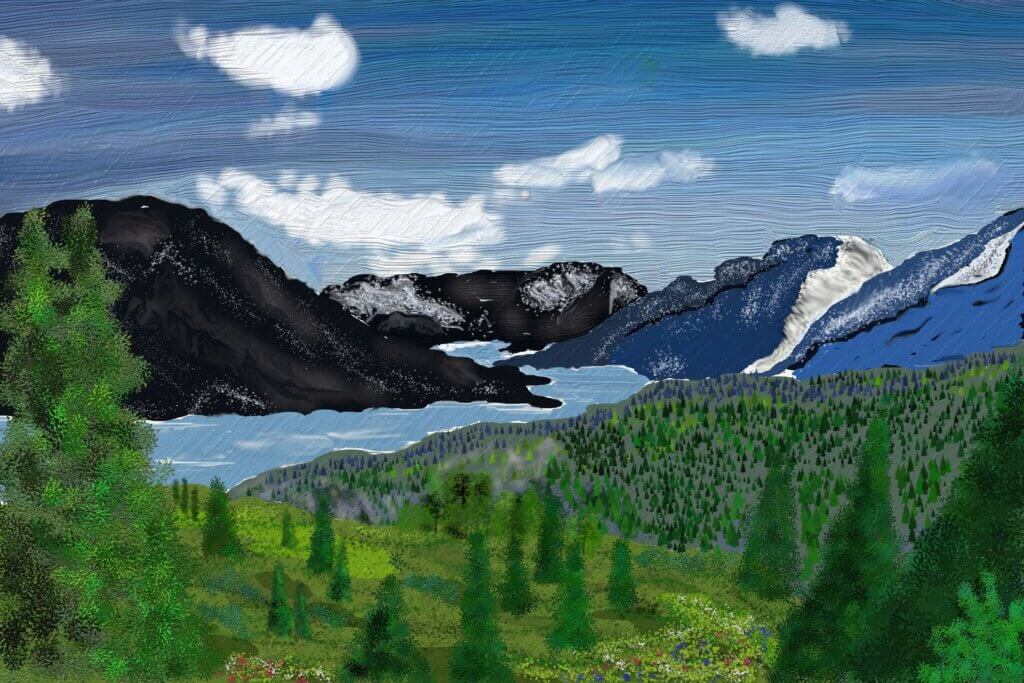
Kenai Fjords National Park feels like one of those places where the land is still very much in charge. It’s dramatic, raw, and humbling in a way that sticks with people long after they leave.
WHERE KENAI FJORDS NATIONAL PARK IS LOCATED
Kenai Fjords National Park is located on the southern coast of Alaska, near the town of Seward, about a 2.5-hour drive south of Anchorage. The park sits where the Kenai Mountains meet the Gulf of Alaska, creating a striking landscape of glaciers, fjords, rugged coastline, and icy blue waters.
Unlike many national parks, most of Kenai Fjords is not accessible by road. The lone road into the park leads to the Exit Glacier area; the majority of the park is explored by boat, kayak, or plane.
WHY PEOPLE LOVE VISITING KENAI FJORDS NATIONAL PARK
People are drawn to Kenai Fjords because it feels wild in a way that’s increasingly rare. This is a place where massive glaciers spill down from icefields, chunks of ice calve into the ocean, and wildlife feels truly untamed.
Visitors love:
The sheer scale of the glaciers
Seeing whales, sea lions, puffins, and otters in their natural habitat
The quiet and isolation compared to more crowded national parks
The feeling of witnessing landscapes that are actively changing
For many, Kenai Fjords offers a sense of perspective. It reminds people how powerful nature really is.
EXTREME ADVENTURERS LOVE KENAI FJORDS
Kenai Fjords has a strong pull for people who crave challenging, high-consequence adventure. The terrain and conditions demand skill, preparation, and respect.
Extreme adventurers are drawn to:
Backcountry glacier travel on the Harding Icefield
Sea kayaking along rugged, icy coastlines
Mountaineering in unpredictable alpine weather
Cold-water boating in remote fjords
Winter expeditions for those trained in extreme cold environments
There’s little margin for error here. That’s part of the appeal. Kenai Fjords rewards those who prepare thoroughly and punishes those who don’t.
AMENITIES AND PARKING AT KENAI FJORDS NATIONAL PARK
Amenities are limited, which is intentional.
Exit Glacier Area:
Parking lot
Restrooms
Ranger station
Maintained trails
Educational exhibits
Elsewhere in the Park:
No developed campgrounds
No lodges or restaurants
No fuel or services inside the park
Most visitors stay in Seward, which offers hotels, campgrounds, restaurants, outfitters, and tour operators.
GENERAL RULES AND REGULATIONS
Kenai Fjords follows standard National Park Service regulations, with some important specifics:
Stay on marked trails where provided
Do not approach or disturb wildlife
No removal of rocks, plants, or artifacts
Drones are prohibited
Fires are restricted and often prohibited
Backcountry camping requires careful adherence to Leave No Trace principles
Glacier travel requires proper equipment and experience
The park emphasizes self-reliance. Rangers are present, but rescue can take time due to weather and remoteness.
FESTIVALS, EVENTS, OR COMPETITIONS
Kenai Fjords National Park itself does not host festivals or sporting competitions. However, nearby Seward hosts several popular events that indirectly celebrate the region, including:
The Mount Marathon Race
Seasonal wildlife and maritime festivals
Educational ranger programs during summer
These events complement the park experience without impacting its protected wilderness character.
KENAI FJORDS NATIONAL PARK IS A LITTLE PET FRIENDLY FOR REASON
Pets are extremely limited in Kenai Fjords National Park.
Pets are allowed only in parking areas and on the Exit Glacier Road
Pets are not allowed on trails
Pets are not allowed in the backcountry
Pets are not allowed on boats or ranger-led programs
This is mainly for wildlife protection and pet safety.
TOP THINGS PEOPLE LOVE TO DO AT KENAI FJORDS
Some of the most popular activities include:
Boat tours to view glaciers and marine wildlife
Hiking to Exit Glacier and the Harding Icefield Trail
Sea kayaking along the coastline
Wildlife photography
Ranger-led programs
Flightseeing tours
Quiet observation of glaciers calving into the sea
Many visitors say simply watching a glacier crack, groan, and collapse into the ocean is unforgettable.
RISKS, DANGERS, AND SAFETY PRECAUTIONS
Kenai Fjords is beautiful, but it is not forgiving.
Major Risks:
Sudden weather changes
Hypothermia
Glacier crevasses
Falling ice
Rough seas
Wildlife encounters
Limited cell service
Long emergency response times
Safety Precautions:
Dress in layers, even in summer
Always carry rain and cold-weather gear
Never approach glaciers or calving ice
Maintain distance from wildlife
Use guides for glacier or water-based activities if inexperienced
File a trip plan when venturing into the backcountry
Preparedness is not optional here.
THE GOOD, THE BAD, AND THE UGLY
The Good:
World-class glaciers and scenery
Incredible wildlife viewing
True wilderness experience
Fewer crowds than many national parks
The Bad:
Limited access without a boat or tour
Weather can cancel plans
Few amenities inside the park
The Ugly:
Real danger if unprepared
Cold, wet conditions even in summer
Travel costs can be high
Climate change is visibly impacting the glaciers
Kenai Fjords doesn’t hide its challenges, and that honesty is part of its character.
BEST TIME OF YEAR TO VISIT
The best time to visit Kenai Fjords National Park is mid-June through early September.
Summer offers the best weather and longest daylight
Boat tours and ranger programs operate primarily in summer
Wildlife is most active and visible
Winter visits are possible but only for experienced travelers prepared for extreme cold, limited access, and short daylight hours.
MYSTERIES, MYTHS, AND LEGENDS
While Kenai Fjords doesn’t have famous cryptids or conspiracy theories, it is steeped in natural and cultural mystique.
Indigenous Alutiiq stories speak of powerful spirits connected to glaciers and the sea
Early explorers described eerie sounds from moving icefields
The constant reshaping of the land gives the park an almost otherworldly feel
Many visitors say the park feels alive, not in a supernatural way, but in a deeply primal one.
Kenai Fjords National Park isn’t about comfort or convenience. It’s about witnessing nature at its most powerful and unapologetic. Whether you’re there for wildlife, glaciers, adventure, or quiet reflection, the park leaves a lasting impression. It demands respect, preparation, and humility, and for those willing to meet it on its terms, it offers an experience that feels both ancient and unforgettable.
HERE ARE SEVERAL IMPORTANT, OFTEN OVERLOOKED THINGS ABOUT KENAI FJORDS NATIONAL PARK THAT DON’T ALWAYS COME UP IN STANDARD GUIDES, BUT MAKE A REAL DIFFERENCE IN HOW PEOPLE EXPERIENCE THE PARK
THE PARK IS MOSTLY ICE, NOT LAND TRAILS
Over half of Kenai Fjords is covered by ice, primarily the massive Harding Icefield. This means the park functions very differently from places like Yellowstone or Yosemite. Hiking is only a small part of what the park offers. Boats, kayaks, and aircraft are how most of the park is truly experienced.
Many first-time visitors are surprised to learn that if they don’t take a boat tour or flightseeing trip, they’ve actually seen only a small fraction of the park.
WEATHER IS THE BIGGEST VARIABLE, NOT WILDLIFE OR TERRAIN
Weather dictates everything in Kenai Fjords. It can:
Shut down boat tours
Cancel flights
Turn mild hikes into cold, wet slogs
Reduce visibility to near zero
Rain is common, fog rolls in quickly, and temperatures can feel colder than expected because of wind and moisture. Mental flexibility is just as important as physical preparation.
GLACIERS ARE ACTIVELY RETREATING, AND YOU CAN SEE IT
Kenai Fjords is one of the most visible examples of glacial retreat in the U.S. Exit Glacier has receded dramatically, and markers along the trail show where the ice once stood. Many visitors find this sobering and educational, not just scenic.
Seeing the pace of change in real time gives the park a deeper emotional impact.
WILDLIFE ENCOUNTERS ARE UNPREDICTABLE BUT POWERFUL
Unlike wildlife parks with predictable sightings, Kenai Fjords offers chance encounters, not guarantees. One boat tour may see multiple whale species, while another might see fewer animals.
This unpredictability is part of the authenticity. When wildlife appears, it feels earned rather than staged.
THE OCEAN IS PART OF THE PARK EXPERIENCE
The park’s identity is tied as much to the sea as to the mountains and ice. Ocean swells, tides, and marine weather shape access and safety.
Understanding tides and marine conditions matters, even for casual visitors on tours. It also means seasickness can affect some visitors more than they expect.
THE PARK IS QUIET BY DESIGN
Kenai Fjords doesn’t have scenic drives, gift shops scattered throughout, or crowded overlooks. That quiet is intentional. Even during peak season, there are moments of deep stillness broken only by wind, waves, or cracking ice.
For people seeking reflection or solitude, this is a major draw. For those expecting constant stimulation, it can feel unexpectedly subdued.
PHYSICAL FITNESS MATTERS MORE THAN DISTANCE
Hikes in Kenai Fjords, especially the Harding Icefield Trail, are short but steep. Elevation gain and exposed conditions matter more than mileage.
People often underestimate how demanding the terrain can be, especially when rain, mud, or wind are involved.
RANGERS EMPHASIZE EDUCATION OVER ENFORCEMENT
Ranger interactions in Kenai Fjords are often deeply educational. Many focus on:
Climate science
Glaciology
Marine ecosystems
Indigenous history
This makes the park particularly rewarding for visitors who enjoy learning as much as sightseeing.
IT’S A PLACE THAT REWARDS PATIENCE
Kenai Fjords doesn’t always deliver instant gratification. You may wait hours for fog to lift or wildlife to appear. But when it does, the payoff feels extraordinary.
Those who rush through or try to “check boxes” often leave feeling they missed something. Those who slow down tend to leave changed.
IT CAN FEEL EMOTIONALLY HEAVY FOR SOME VISITORS
Between the isolation, harsh beauty, and visible effects of climate change, some visitors describe Kenai Fjords as emotionally intense. It’s not depressing, but it can be sobering.
This depth is part of why many people feel such a strong connection to the park.
SEWARD IS MORE IMPORTANT THAN IT FIRST APPEARS
The town of Seward isn’t just a gateway; it’s an extension of the park experience. Local knowledge, tour operators, museums, and even conversations with residents often shape how much people truly understand what they’re seeing.
Spending time there adds context and richness to the visit.
FINAL THOUGHT
Kenai Fjords National Park isn’t a place you simply visit; it’s a place you encounter. It asks for patience, humility, and attention. The more open and prepared you are, the more it gives back. For many people, that’s exactly what makes it unforgettable.
HERE ARE THE BEST, MOST RELIABLE PLACES YOU CAN GO TO FIND DETAILED, UP-TO-DATE INFORMATION ON EVERYTHING WE’VE TALKED ABOUT REGARDING KENAI FJORDS NATIONAL PARK — FROM PLANNING YOUR TRIP TO SAFETY, RULES, MAPS, ACTIVITIES, AND MORE.
Official National Park Service Website (Most Comprehensive Source)
The official Kenai Fjords National Park pages on the National Park Service (NPS) website are where you’ll find authoritative information straight from the agency that manages the park. This should be your first stop for planning and factual details: National Park Service
What you’ll find here:
- Basic park overview and history
- Current conditions and alerts (closures, weather, road status)
- Visitor centers, hours, and seasonal information
- Rules, regulations, and Leave No Trace principles
- Permits, permits requirements, and special use info
- Recommended activities and safety tips
- Maps and trail information
- Transportation insights
- Wildlife and environmental context
Start here:
Kenai Fjords National Park – NPS Official Site
https://www.nps.gov/kefj National Park Service
Plan Your Visit Pages on NPS
These pages are especially useful for trip logistics and practical planning: National Park Service
- Directions & Transportation
- Things to Do
- Where to Stay
- Accessibility
- Safety Information
- Park Alerts and Current Conditions
These sections give clear guidance for how to get there, what you can do, and how to prepare.
Maps for Navigation and Trails
Detailed maps help you visualize terrain, trails, campsites, glaciers, and key points — especially the Exit Glacier area where most visitors start: National Park Service
- Official park brochure maps (PDF)
- Trail maps for hiking routes
- Backcountry and coastal access maps
Getting these before your trip makes planning much smoother.
Rules & Regulations
For official rules and policies, the NPS has a dedicated page that explains everything about what’s allowed (and what’s not) inside the park: National Park Service
This includes:
- Pet rules
- Permits and special use authorizations
- Commercial activity regulations
- Codes of conduct for wildlife and environment
Leave No Trace Guidelines
The park’s own Leave No Trace guidance is essential if you plan to go into the backcountry, kayak, or stay overnight. These principles protect both you and the environment: National Park Service
Visitor Centers (In Person and Online)
Kenai Fjords has two main visitor centers:
- Kenai Fjords Visitor Center in Seward
- Exit Glacier Nature Center at the trailhead
Both offer maps, exhibits, ranger talks, and helpful insights. Ranger staff can answer questions you might not find online. National Park Service
Tourism & Travel Guides
Websites like the National Park Foundation and travel portals offer additional context and inspiration: National Park Foundation
While not official sources, they provide:
- Wildlife highlights
- Landscape features
- Suggested itineraries
These can help you get a sense of what to expect before you go.
Recreation.gov
If you’re interested in:
- Camping
- Public use cabins
- Park passes
Use Recreation.gov to see availability and reservation info. Recreation.gov
Local Travel Guides and Blogs
Specialized travel guides and blogs provide personal insights, suggestions for tours and activities (like boat or kayak trips from Seward), and often include tips from people who’ve been there. These aren’t official sources but can be helpful for real-world planning.
You can find these by searching for “Kenai Fjords National Park travel blog” or “Kenai Fjords tour guide tips.”
Field Tools & Additional Resources
- National Geographic articles for deeper background on glaciers and wildlife (like the Harding Icefield) — good for context and understanding the environment you’ll explore. National Geographic
- Offline maps and topographic maps from trail map providers or apps like NPMaps, Gaia GPS, or AllTrails.